




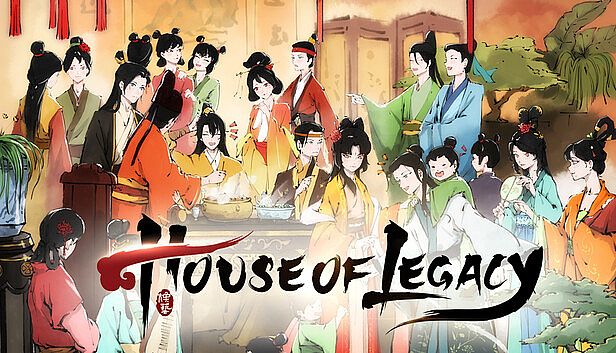














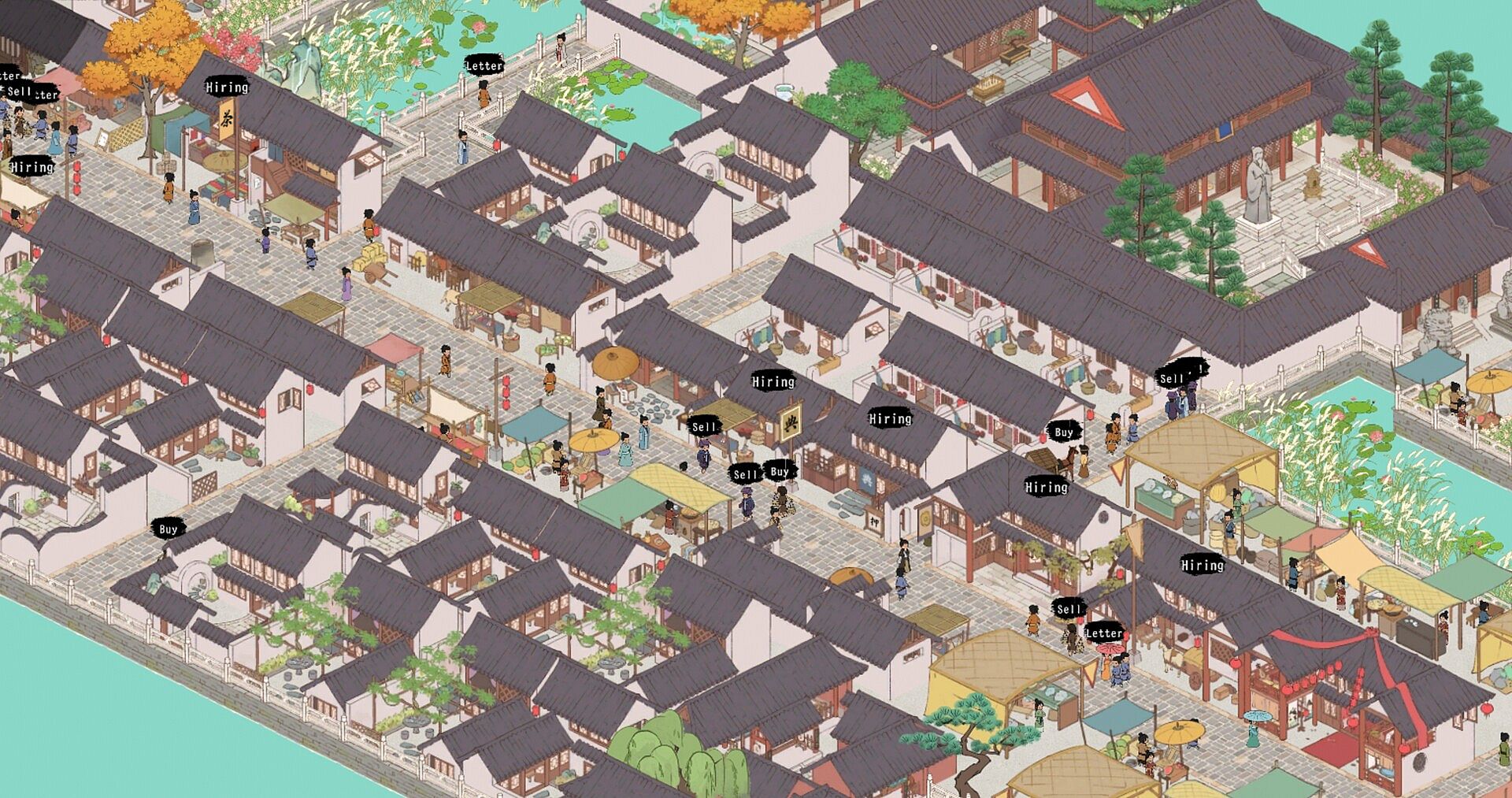
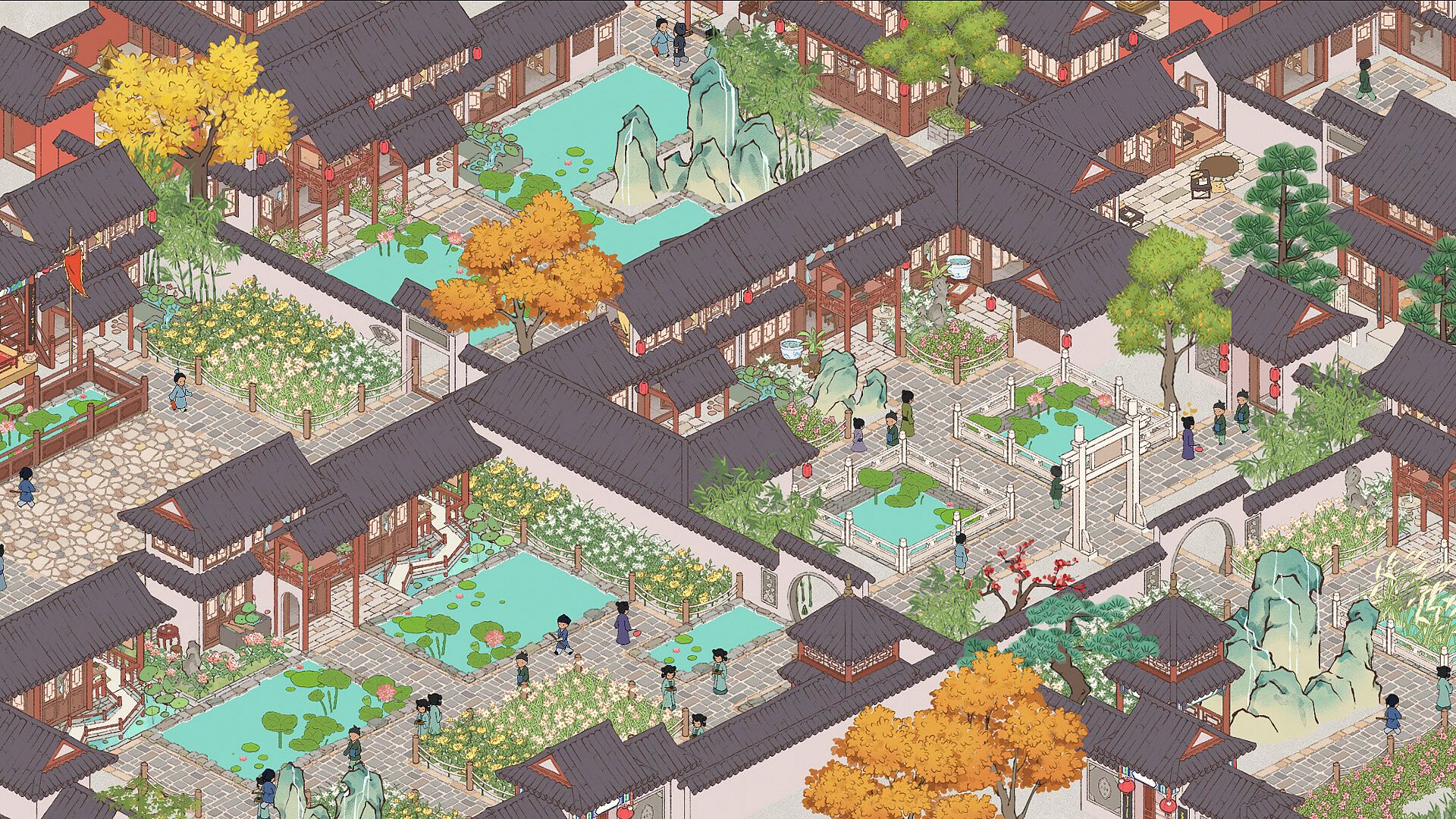
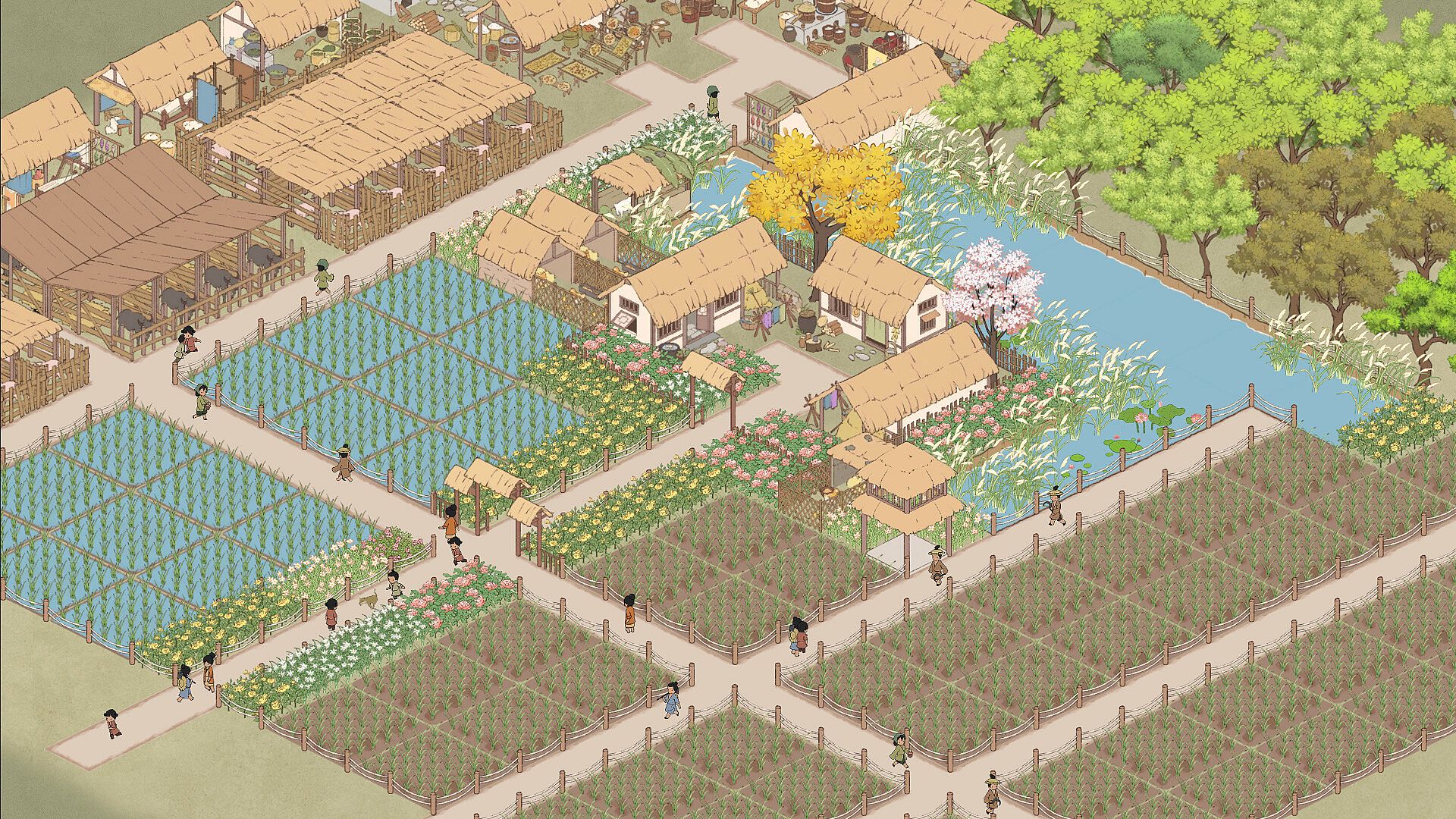
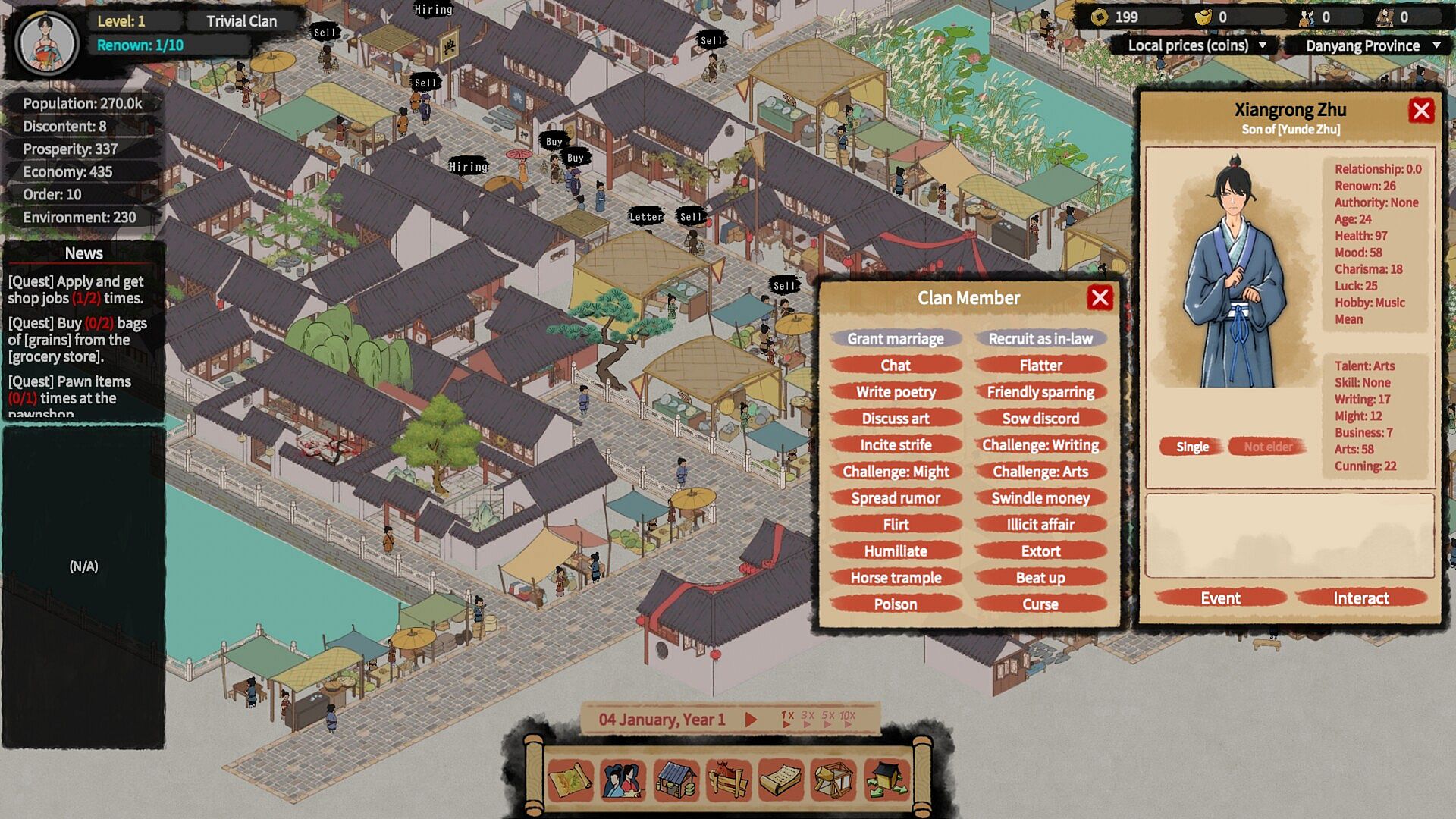
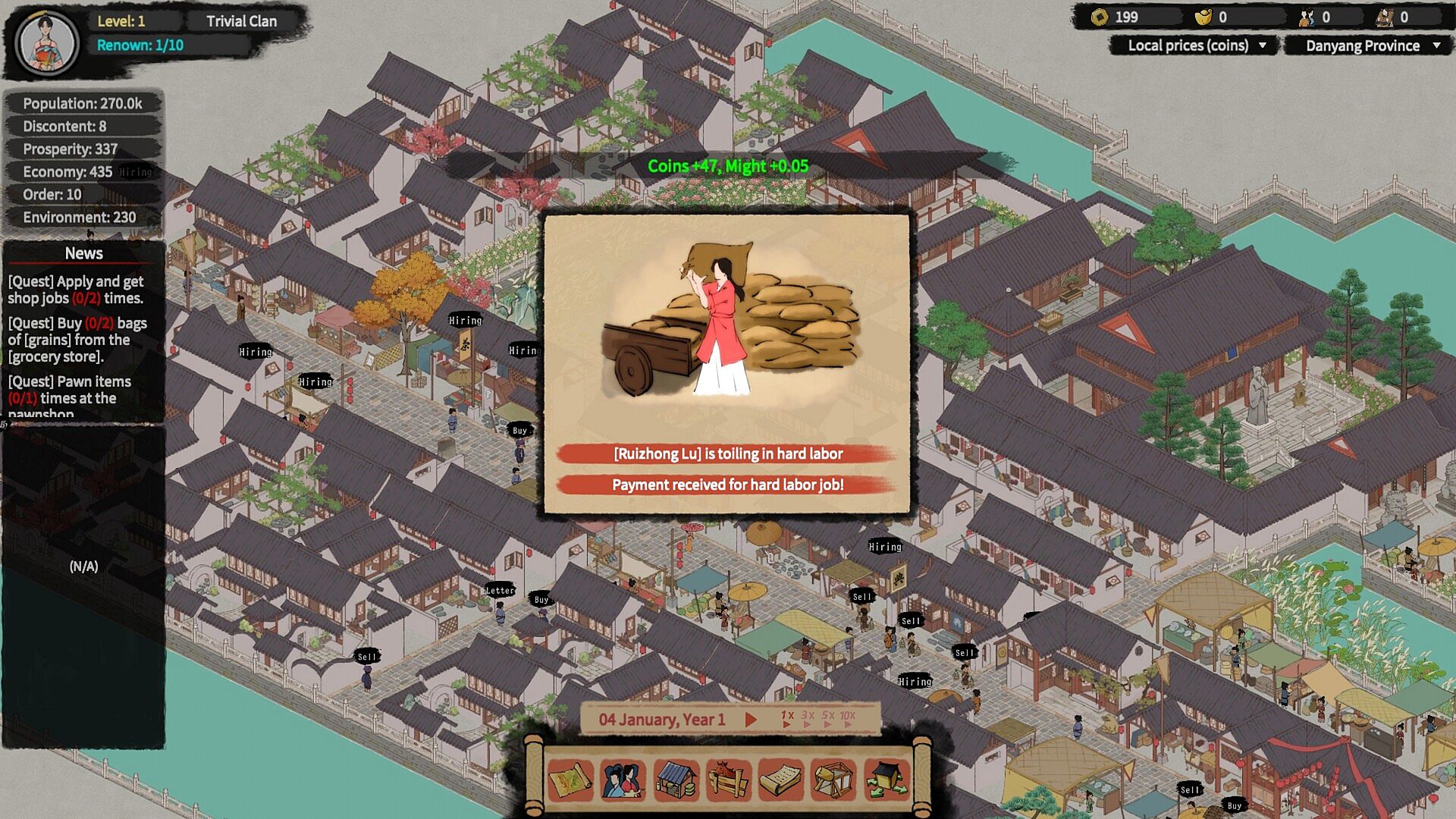
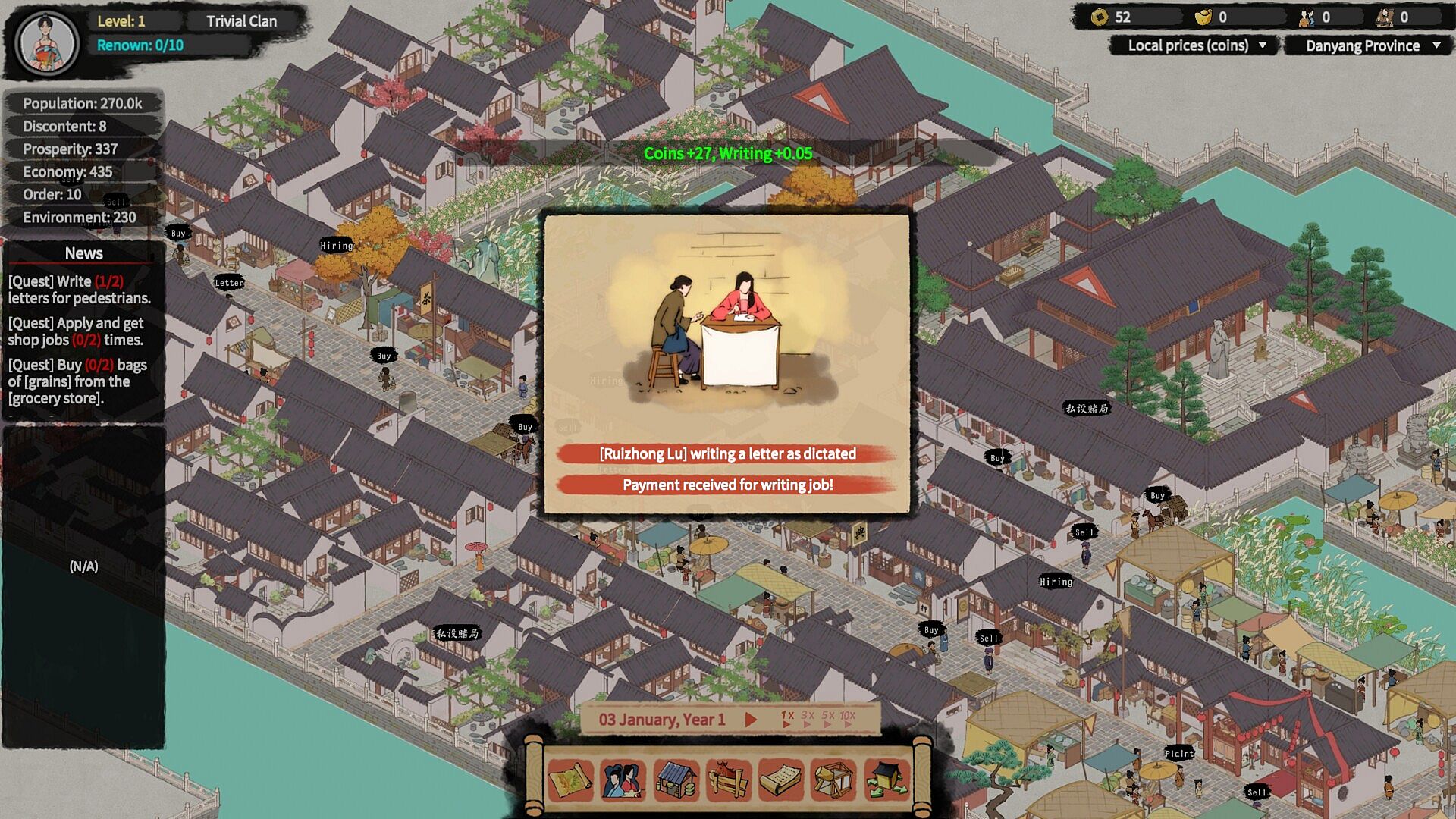
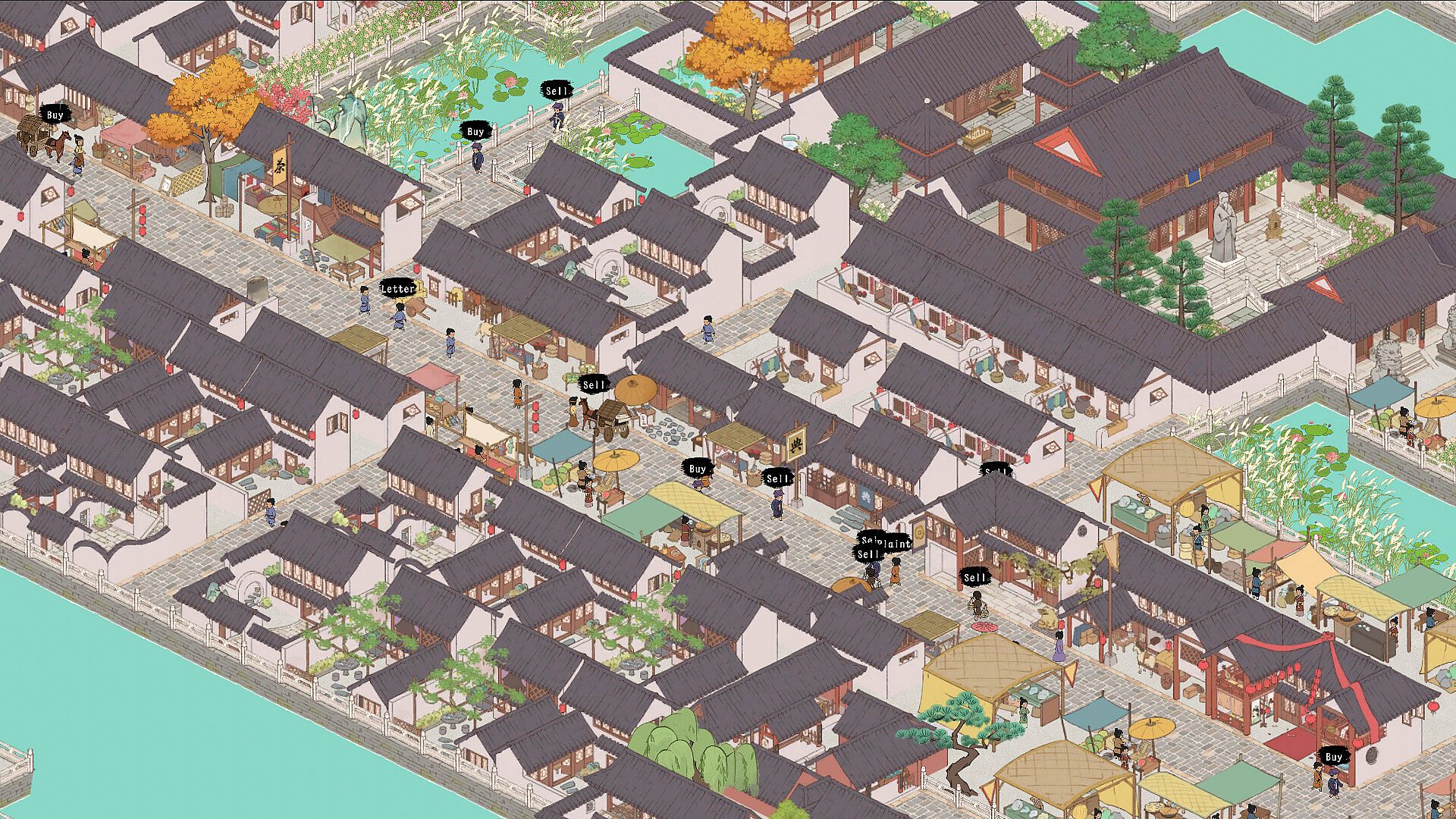
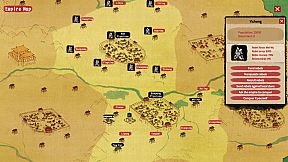
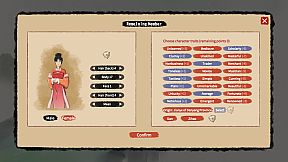
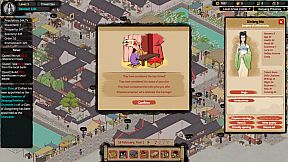
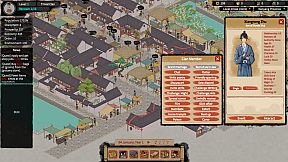
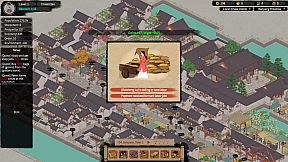
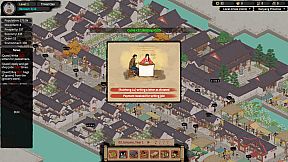
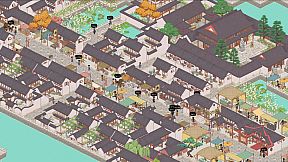
House of Legacy ist ein Strategiespiel mit RPG- und Simulations-Elementen, das in der Antike Chinas spielt. Die Spieler übernehmen die Führung eines gestürzten Clans und müssen ein Anwesen wiederaufbauen, um über Generationen hinweg eine dauerhafte Dynastie zu errichten.
Gameplay
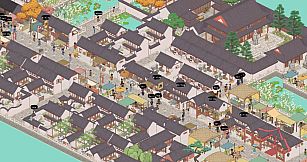
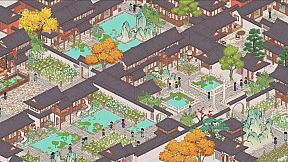
Im Mittelpunkt steht der Aufbau und die Verwaltung eines Adelshauses, das von bescheidenen Anfängen aus wächst. Spieler errichten und gestalten Gebäude auf ihrem Anwesen mit einem flexiblen System, das freie Platzierung und Umgestaltung erlaubt. Diese Basis-Bau-Mechanik unterstützt verschiedene Wirtschaftszweige, die Ressourcen erzeugen und den Clan über mehrere Generationen hinweg versorgen.
Clan-Mitglieder benötigen Bildung und strategische Verbindungen zu anderen Häusern, um ihre Fähigkeiten und ihren Einfluss zu steigern. Charaktere können sich auf kaiserliche Prüfungen oder den Militärdienst vorbereiten, wobei der Erfolg von Attributen wie Schreibkunst oder Kampfstärke abhängt. Der Rang des Clans steigt über verschiedene Stufen - von niedrigsten Anfängen bis hin zu höchsten Ehren, einschließlich der Möglichkeit, kaiserliche Verwandtschaft zu erlangen.
Das Spiel umfasst Dutzende von Adelshäusern, mit denen Spieler diplomatische Beziehungen, Bündnisse oder Rivalitäten pflegen. Quests bringen Ansehen und eröffnen Wege zu politischen oder militärischen Ämtern. Administrative Positionen reichen vom lokalen Magistrat bis zu höheren Provinzämtern, während militärische Führung den Einsatz von Truppen gegen Aufstände oder zur Sicherung von Gebieten ermöglicht. Wirtschafts- und Berufssysteme bilden die Grundlage des täglichen Betriebs, während Ereignisse Beziehungen und Ergebnisse beeinflussen.
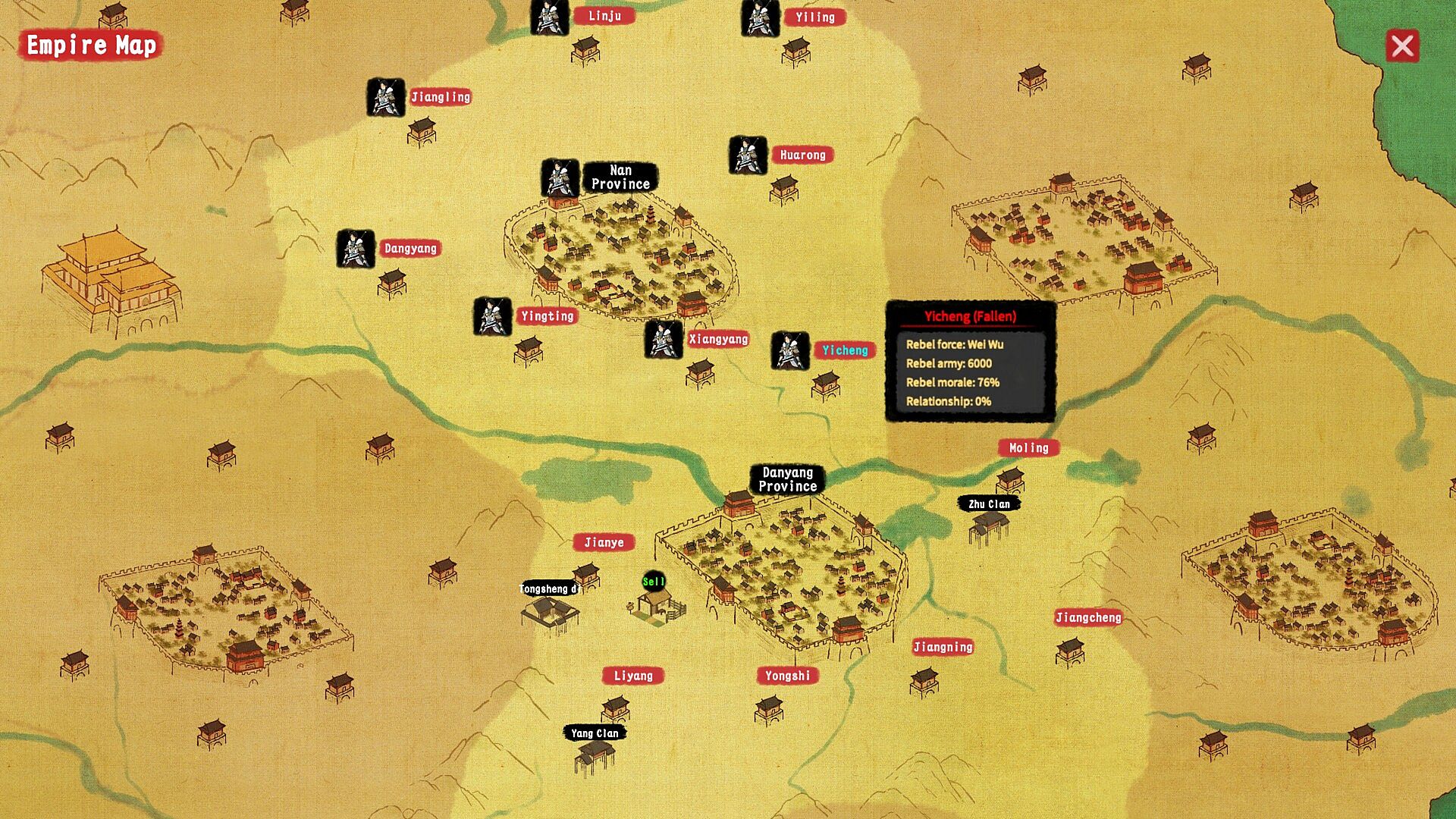
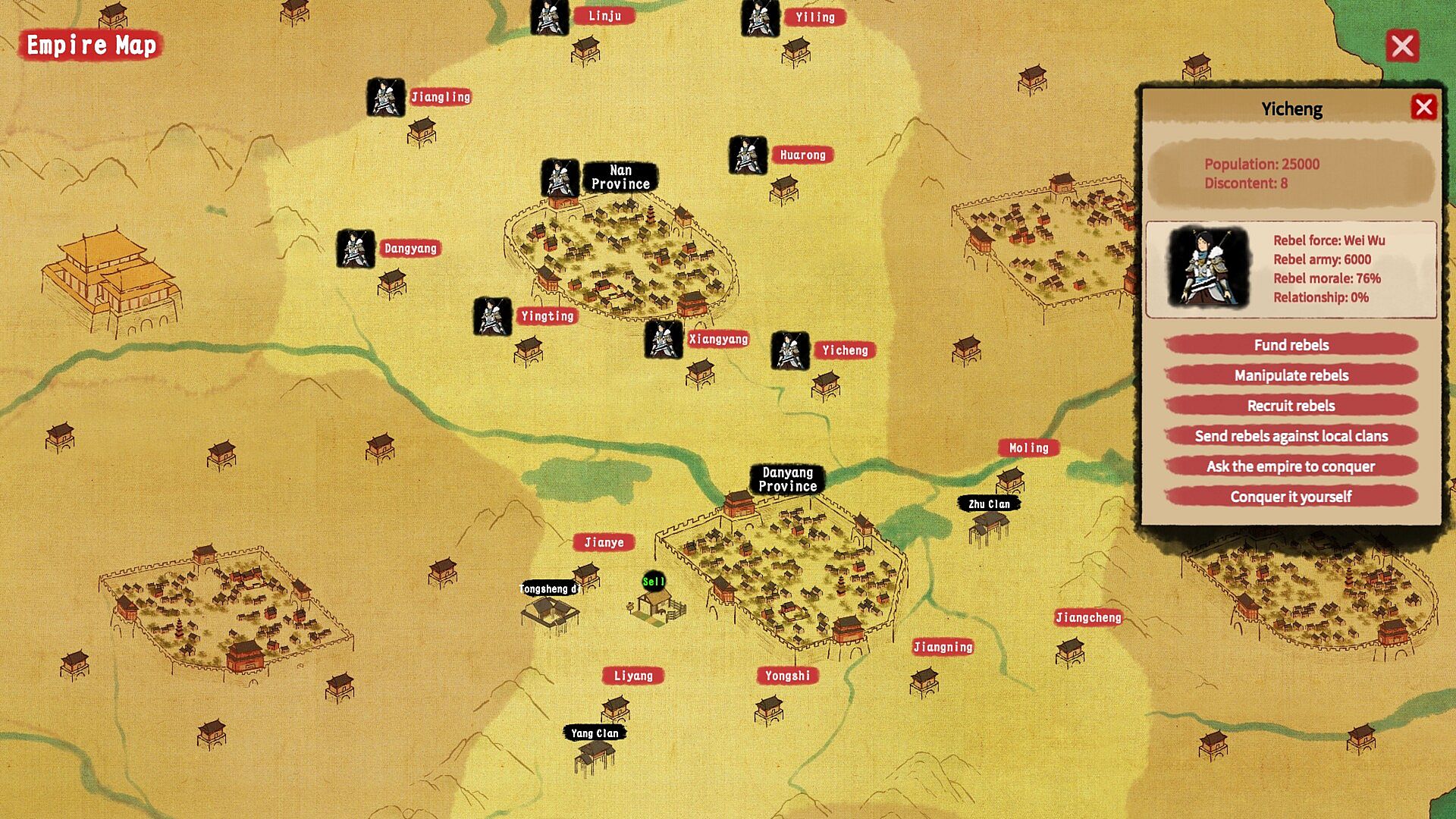
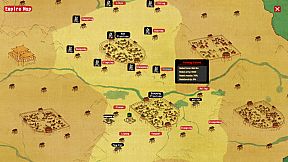
Aufständische Kräfte stellen eine ständige Bedrohung dar, auf die mit Bittgesuchen am Hof, militärischen Aktionen oder diplomatischen Manövern reagiert werden kann. Erfolg bringt Titel und Ruhm, während Misserfolg durch verborgene Allianzen das Machtgefüge verschieben kann.
Spielmodi
House of Legacy ist ein reines Einzelspieler-Sandbox-Erlebnis ohne separate Spielmodi. Alle Inhalte finden in einer durchgehenden Welt statt, in der Spieler die Geschichte ihres Clans durch Bauen, Familienführung und politisches Handeln gestalten.
Der Fortschritt ergibt sich organisch aus dem Wachstum des Clans in Reichtum, Einfluss und Generationentiefe. Spieler passen ihre Strategien an aktuelle Umstände an - ob sie sich auf interne Entwicklung, äußere Konflikte oder die Integration am Kaiserhof konzentrieren. Updates haben neue königliche Spielmechaniken eingeführt, die nach Erreichen des Verwandtschaftsstatus freigeschaltet werden und zusätzliche Optionen für Kriege oder kaiserliche Entscheidungen bieten.
Die Sandbox-Struktur lädt zu wiederholten Durchgängen mit unterschiedlichen Startbedingungen und langfristigen Zielen ein. Werkzeuge zur Clan-Verwaltung, darunter die Zuweisung von Lehrern und Geschenksysteme für Neugeborene, unterstützen unterschiedliche Ansätze beim Aufbau eines Vermächtnisses.
Wichtige Mechaniken und Systeme
Die Freiheit beim Bauen ist ein zentrales Merkmal und erlaubt es, Anwesensteile nach Bedarf zu errichten, abzubauen und neu anzuordnen. Die realistische Verwaltung orientiert sich an historischen Beförderungssystemen mit Rivalitäten und Fähigkeitsanforderungen für den Aufstieg.
Militärische Elemente umfassen die Führung von Legionen und die Niederschlagung von Aufständen, eingebettet in eine umfassendere Strategie. Die Diplomatie deckt Beziehungen zu Adelshäusern und der kaiserlichen Linie ab, wobei Kooperation und Konflikte aus Ereignissen und Entscheidungen der Spieler entstehen.
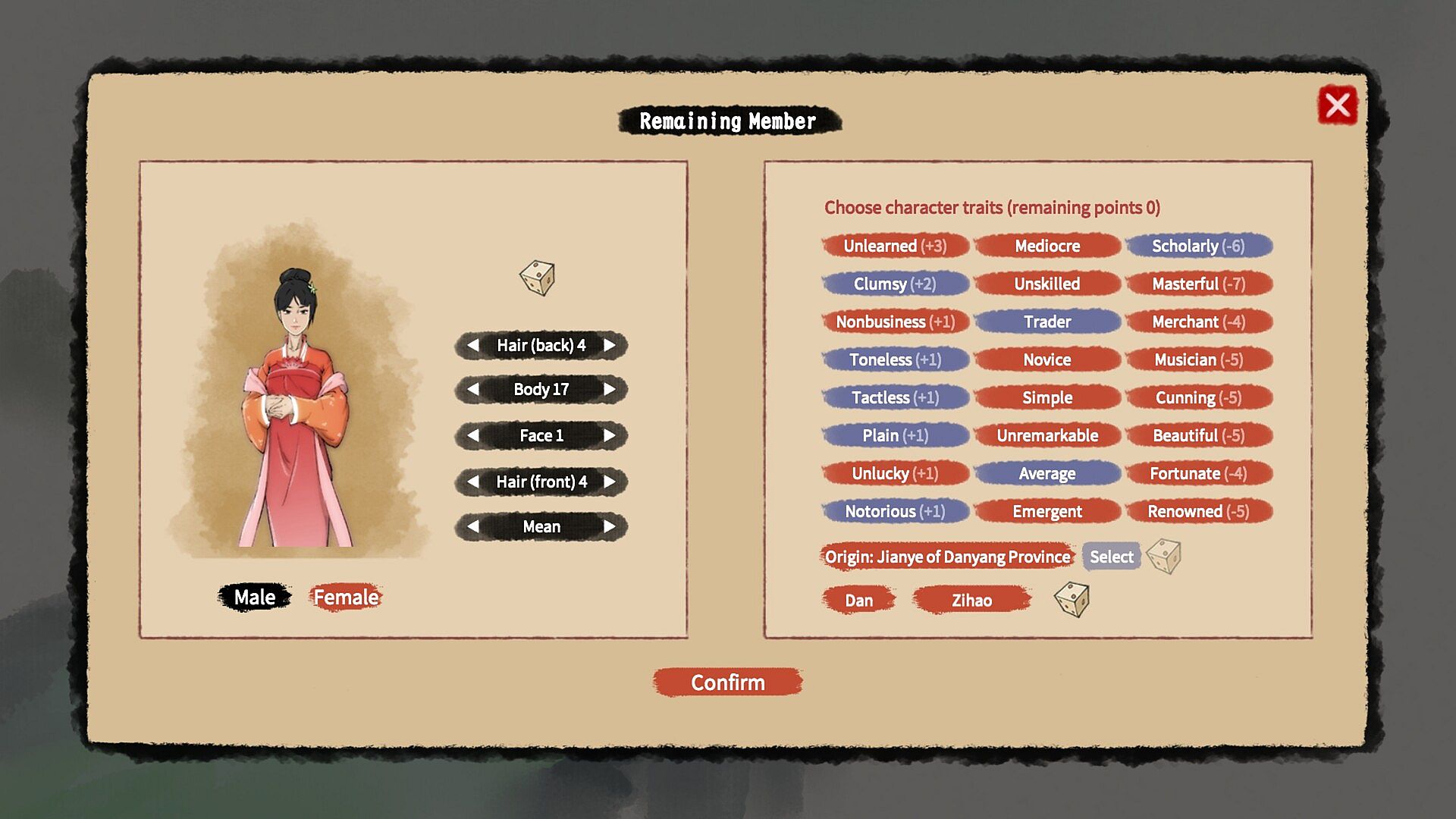
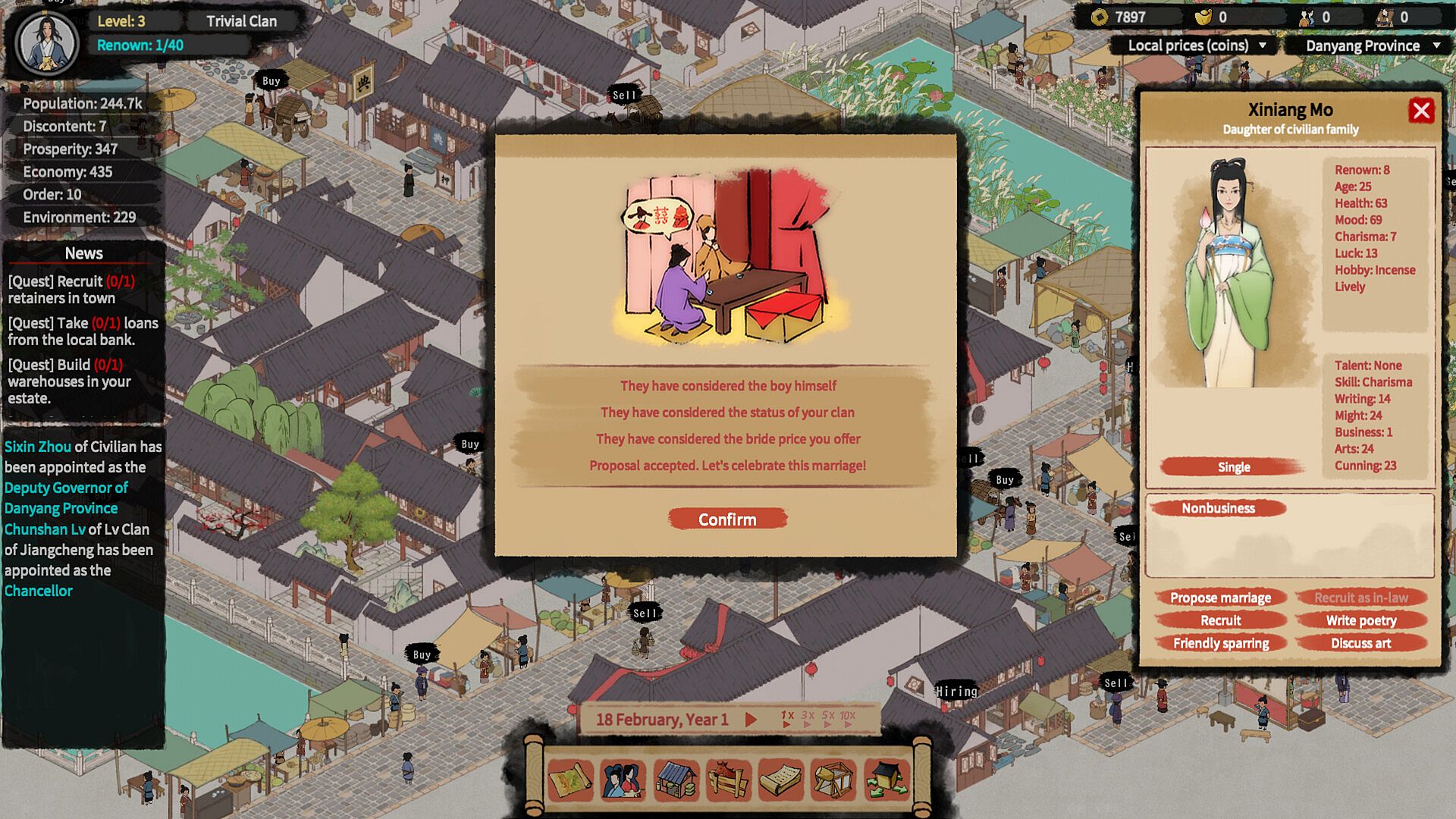
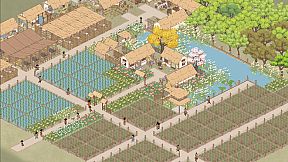
Familiendynamiken prägen einen großen Teil des Spielerlebnisses. Spieler bilden Kinder aus, arrangieren Ehen und positionieren Verwandte für Erfolge bei Prüfungen oder auf dem Schlachtfeld. Industriezweige auf dem angestammten Land bilden die wirtschaftliche Basis, während die Anpassung an veränderte Bedingungen das Überleben des Clans über die Zeit sichert.
Aktueller Stand und Updates
Das Spiel befindet sich weiterhin im Early Access und erhält regelmäßige Patches, die Systeme verbessern und neue Inhalte hinzufügen. Jüngste Updates haben neue königliche Funktionen eingeführt, die durch familiäre Verbindungen zum Kaiserhaus freigeschaltet werden, sowie Fehlerbehebungen und Qualitätsverbesserungen.
Spieler loben vor allem die Tiefe der Clan-Verwaltung und das Gefühl, eine Dynastie über Generationen wachsen zu sehen. Einige Diskussionen thematisieren das Balancing der frühen Spielphase und den Wunsch nach weiteren Schwierigkeitsoptionen in künftigen Updates.
Lohnt sich das Spiel?
House of Legacy richtet sich an Spieler, die detaillierte Strategiesimulationen mit Fokus auf Dynastieaufbau und politisches Taktieren in einem historischen Setting suchen. Die überwältigend positive Resonanz mit 95 Prozent Zustimmung aus knapp 900 Bewertungen zeigt die Wertschätzung für die Kernsysteme und das langfristige Spielpotenzial.
Aktuelle Rezensionen fallen weiterhin sehr positiv aus und bestätigen die anhaltende Zufriedenheit mit den laufenden Updates. Wer Base-Building mit Familienerbe und administrativer Tiefe verbinden möchte, findet im aktuellen Early-Access-Zustand bereits umfangreichen Inhalt. Das Spiel belohnt geduldiges Planen und bietet bedeutsame Entscheidungen, die das Schicksal mehrerer Generationen beeinflussen.














