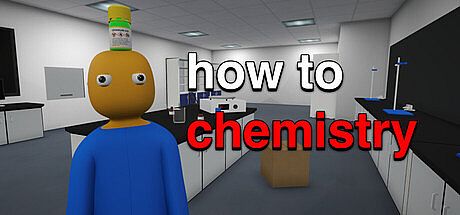


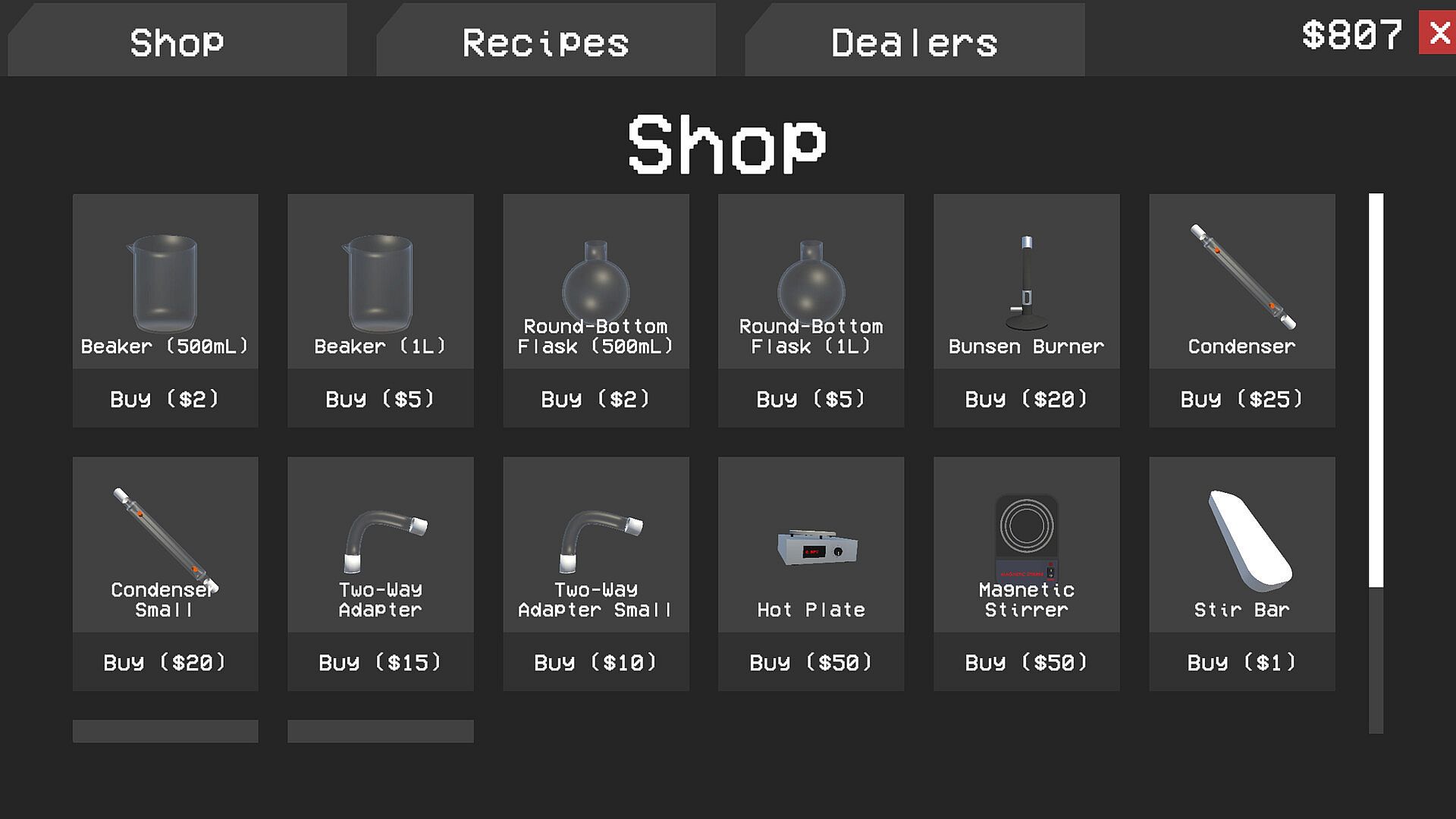
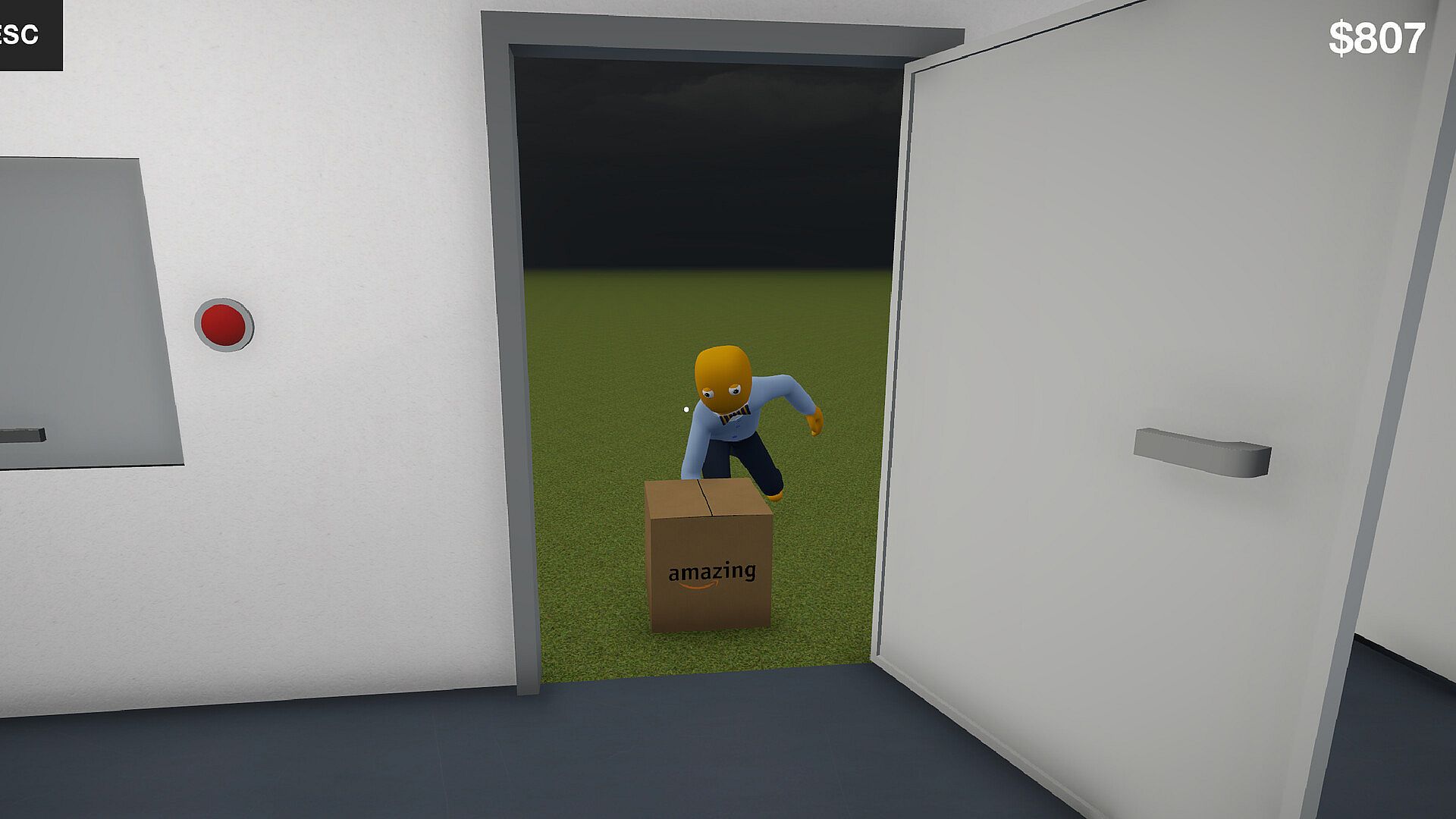
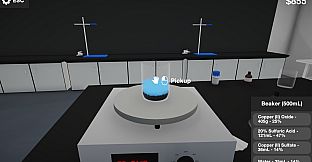
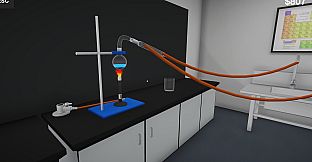
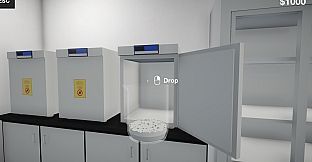
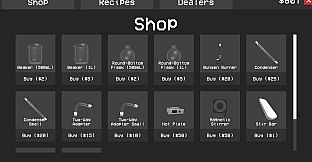
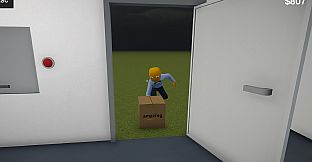
How to Chemistry is an indie simulation game for PC that puts players in charge of a first-person chemistry lab operating without any safety rules. The core experience revolves around receiving orders, performing chemical reactions, and delivering the results while managing the risks of an unregulated environment.
Gameplay
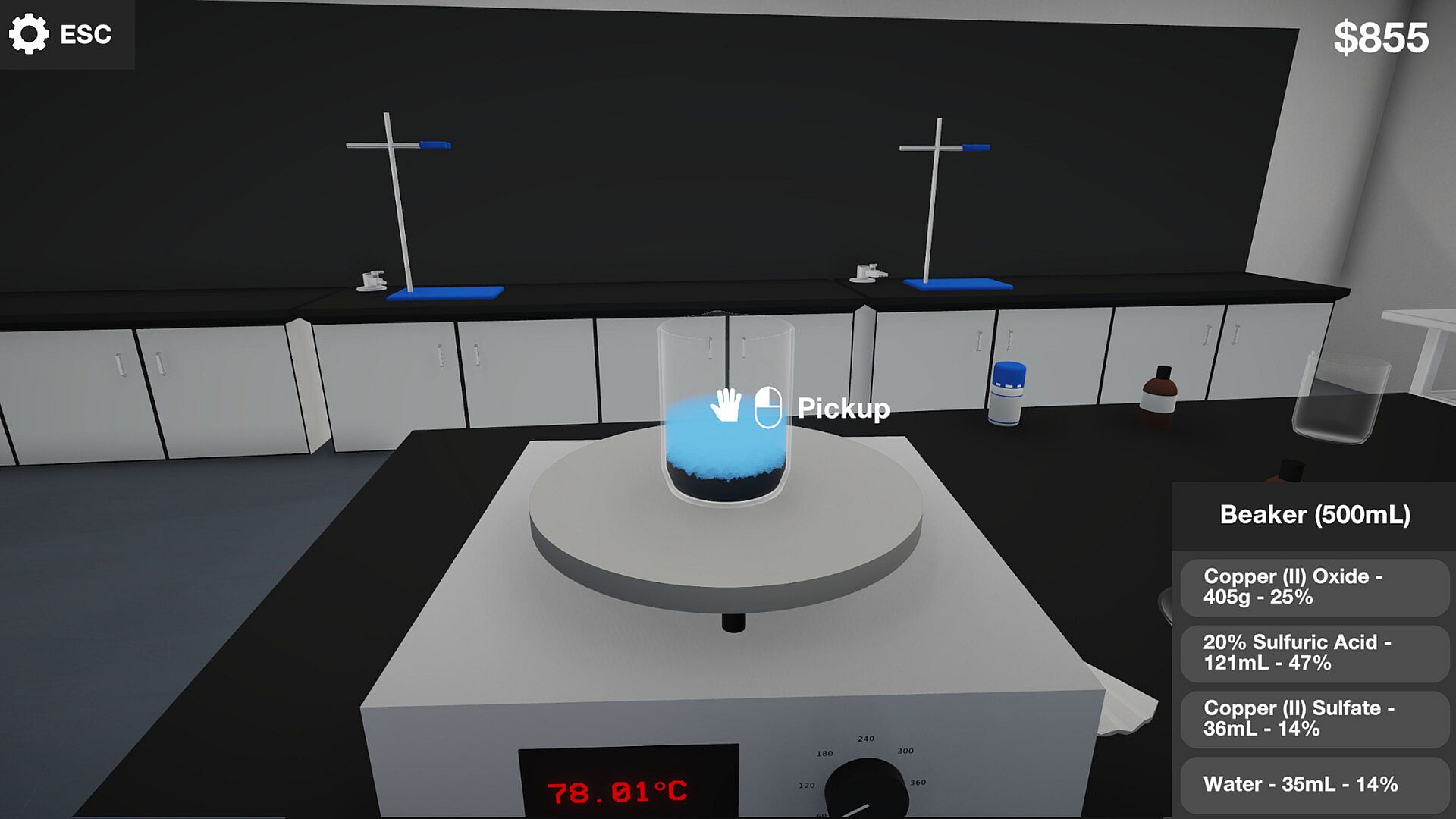
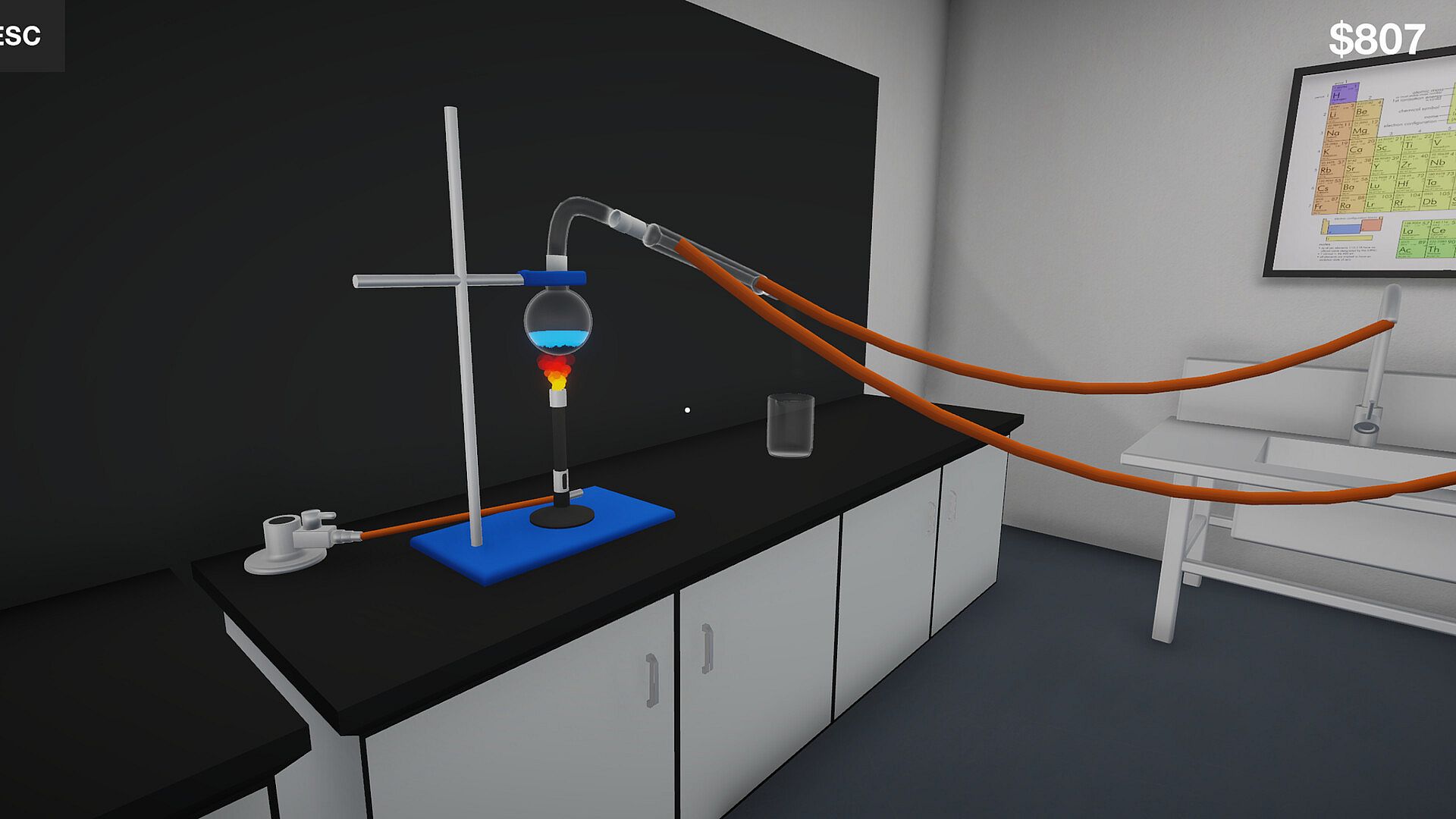
Players handle orders by progressing through reactions that begin at a beginner level and advance to complex multi-step sequences. Equipment operates with realistic physics, allowing for precise control over heating, cooling, mixing, and filtering processes. Liquids and powders behave according to simulated properties, which means spills, overflows, and unintended interactions can occur at any time.
Automation comes into play through custom setups that players design to handle repeated tasks more efficiently. The absence of regulations introduces chaos as a consistent element, where small errors in measurement or timing can lead to significant disruptions in the lab. Up to four players can participate together in online co-op sessions, coordinating their efforts on shared orders and equipment.
Game Modes
The game supports both single-player sessions and online co-op for up to four participants. In co-op, players divide responsibilities across the lab workflow, from preparing materials to executing reactions and completing deliveries. Single-player focuses on the same progression of recipe difficulties without additional teammates, emphasizing individual management of the physics-based systems and automation setups.
Recipe difficulties scale from straightforward beginner reactions to advanced multi-step processes. No separate named modes beyond these co-op and solo options appear in the available details, keeping the emphasis on the shared lab simulation experience.
Core Mechanics and Features
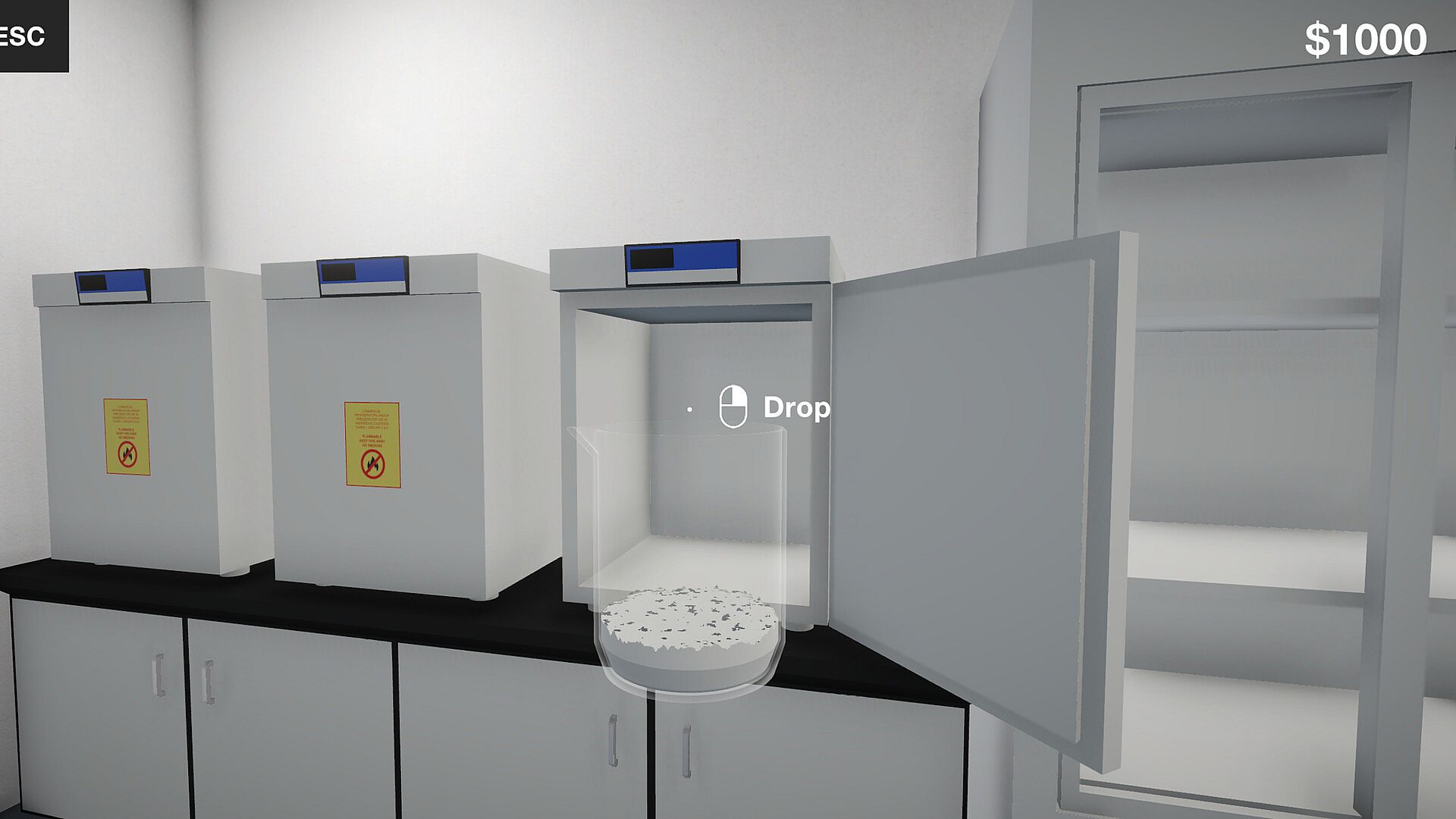
Heating and cooling allow temperature control essential for many reactions. Mixing combines substances in containers or on surfaces, while filtering separates components based on their physical properties. Realistic liquid and powder simulation governs how materials flow, settle, and interact under different conditions.
Physics-based equipment responds to player actions in a tangible way, supporting the creation of automated setups that route materials or maintain processes over time. Different recipe difficulties encourage experimentation with these systems while rewarding careful planning to avoid operational failures.
Is It Worth Playing?
How to Chemistry remains unreleased with a planned release date listed as to be announced. The available description highlights a focus on co-op lab management and progressive reaction complexity in a first-person simulation setting. A single player comment notes the experience as fun, though broader reception data is not yet available.
Those interested in indie simulation games centered on chemistry processes, co-op coordination, and physics-driven interactions may find the concept appealing once it launches. The emphasis on automation and escalating recipe challenges provides a clear loop for players who enjoy building systems and handling unpredictable outcomes in a shared workspace.