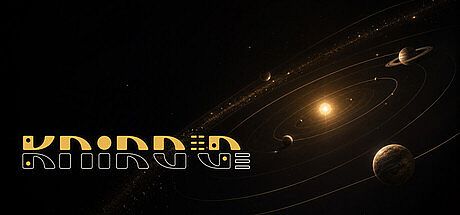




Kairos: In Step with Time ist ein kostenloses Indie-Simulationsspiel für den PC, das sich auf kurze, ruhige Spielrunden konzentriert. Anstelle direkter Steuerung kalibrieren Spieler hier Zeitabläufe und reagieren auf Veränderungen. Das Konzept basiert auf den Bewegungen des Sonnensystems, den zwölf Herrschenden Hexagrammen und dem Symbolsystem des I Ging. Eine Runde dauert etwa acht Minuten und endet mit zwei generierten Hexagrammen - einem vorhimmlischen und einem nachhimmlischen -, die die Entscheidungen während des Spiels widerspiegeln.
Gameplay
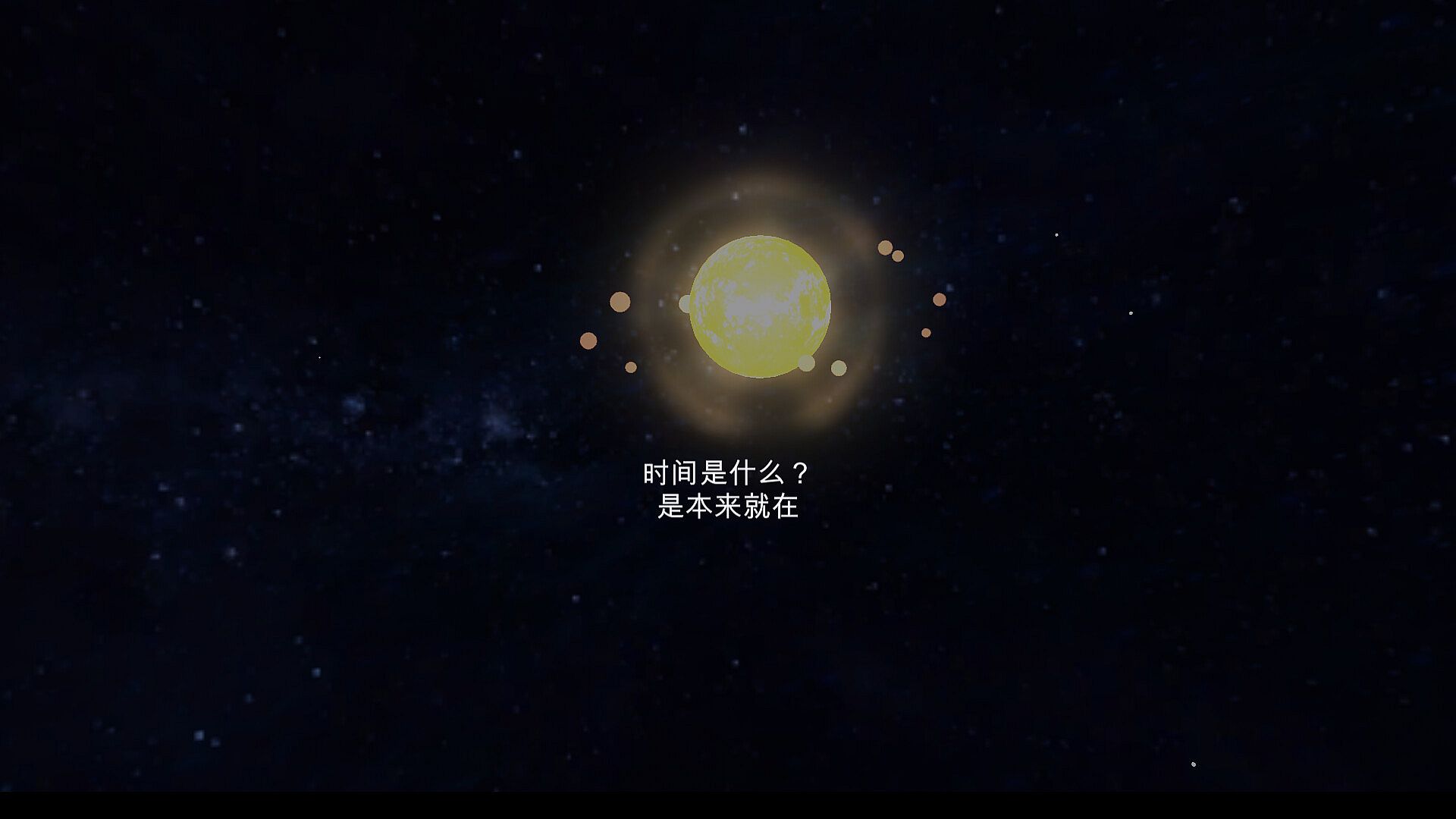
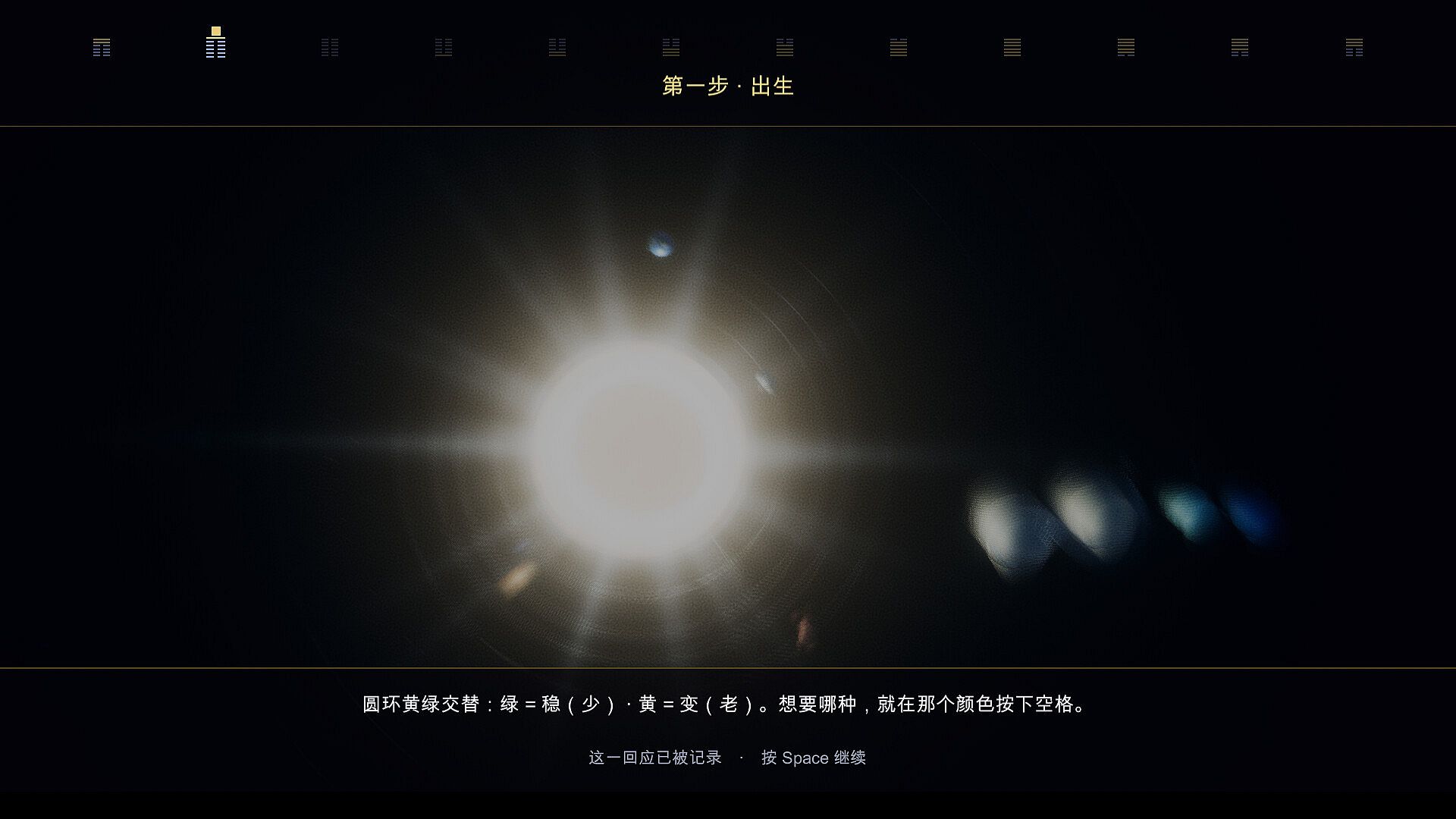
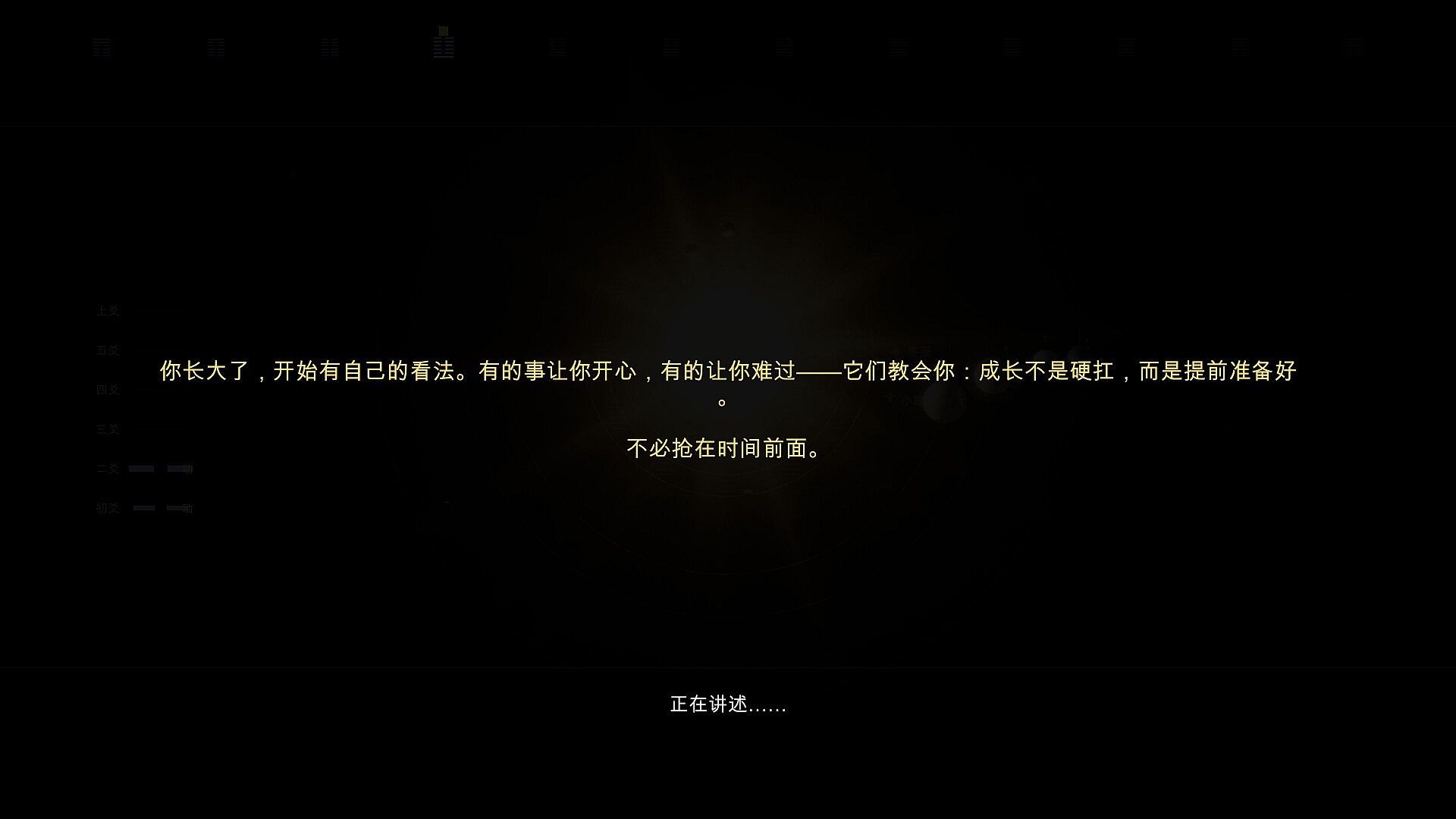
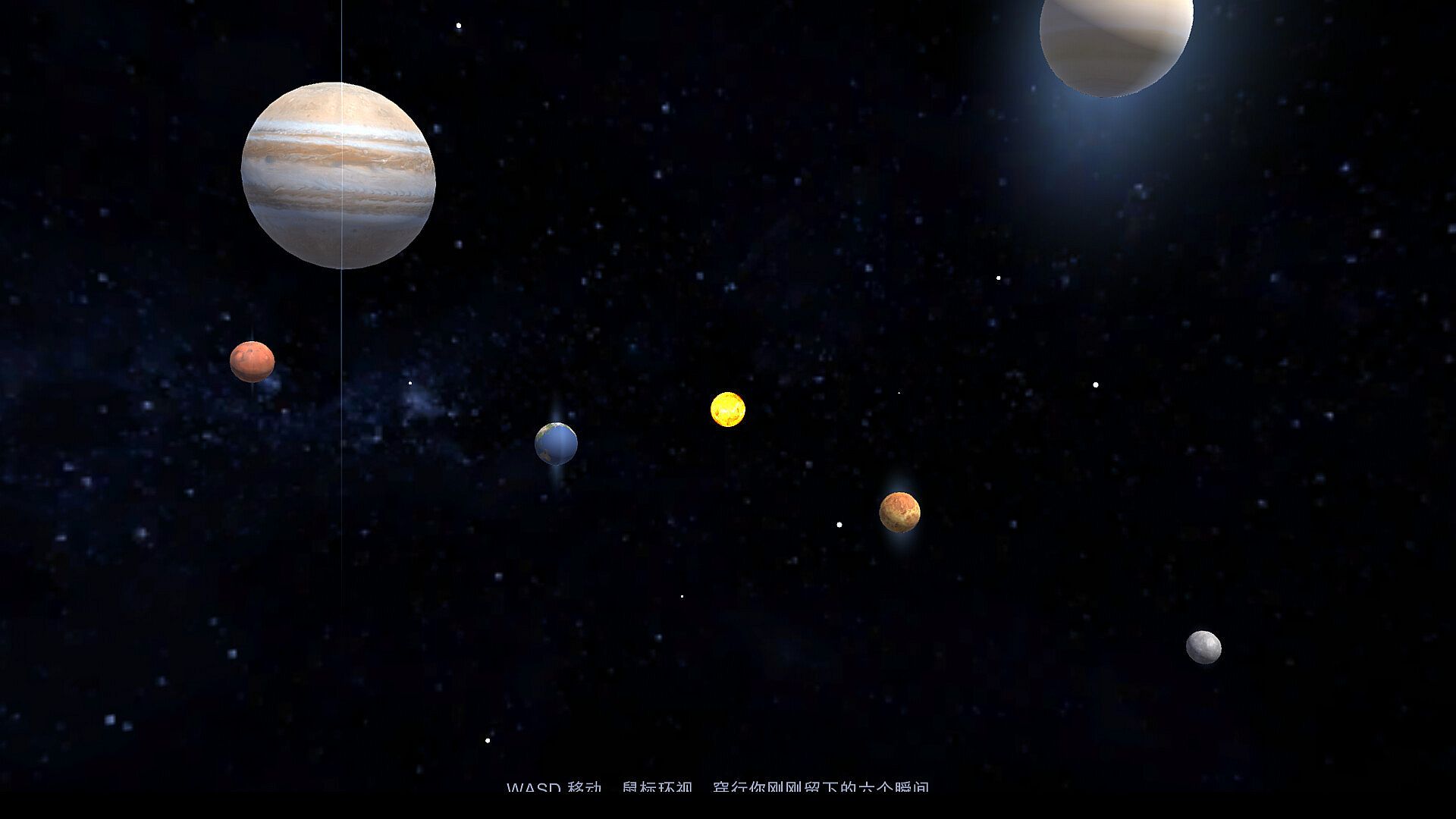
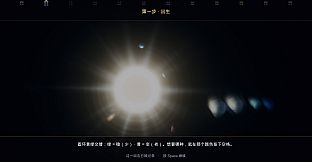
Im Mittelpunkt steht das Ausrichten von Elementen, die allmählich aus ihrer Ordnung geraten. Mit einem Zeitring bringen Spieler Sonne, Erde, die 24 Solarperioden und die zwölf Herrschenden Hexagramme wieder in Position. An bestimmten Momenten wird eine einzelne Linie als Antwort festgelegt. Sechs solcher Antworten ergeben zusammen die beiden Abschlusshaxagramme: eines für den Ausgangszustand, eines für die durch die Eingriffe entstandene Richtung. Der Ton führt die Interaktion, weshalb Kopfhörer empfohlen werden. Es gibt weder Punkte noch Scheitern oder Wettbewerb. Die Session durchläuft die Phasen Licht, Kalibrierung, zunehmende Unordnung, Linienversiegelung und eine abschließende Schwarze-Loch-Sequenz.
Reale Mechanismen des Sonnensystems und die 24 Solarperioden bestimmen Timing und visuelles Feedback. Die Struktur folgt dem sechslinigen Hexagramm-Aufbau und macht ein abstraktes Zeitverständnis hör- und sichtbar. Spieler reagieren auf sich wandelnde Bedingungen, statt sie beherrschen oder anhalten zu wollen. Das Ergebnis ist eine verdichtete Darstellung eines Lebenszyklus, in dem jede Handlung Spuren hinterlässt und die Endhexagramme prägt.
Spielmodi
Kairos: In Step with Time bietet eine einzige durchgehende Erfahrung ohne separate Modi. Die Reise folgt einer festen Abfolge von sechs Antworten innerhalb der achtminütigen Spielzeit. Es gibt keine alternativen Wege, Schwierigkeitsstufen oder Mehrspieler-Optionen. Das Design setzt auf eine ununterbrochene Session, die personalisierte Hexagramme erzeugt - je nachdem, wie der Spieler mit den driftenden Elementen umgeht. Englisch und Chinesisch (Kurzzeichen) werden vollständig unterstützt.
Mechaniken und Systeme
Die Zeitmodellierung nutzt die zwölf Herrschenden Hexagramme und die 24 Solarperioden als Grundgerüst. Spieler kalibrieren die Ausrichtung, bis der entscheidende Moment zum Setzen einer Linie kommt. Dieser Vorgang wiederholt sich über sechs Stufen. Danach entstehen das vorhimmlische Hexagramm für den Ausgangszustand und das nachhimmlische Hexagramm für die durch die Antworten geformte Richtung. Diese Ausgabe dient der Reflexion, nicht der Vorhersage. Das Fehlen klassischer Sieg- oder Niederlagebedingungen lenkt die Aufmerksamkeit auf das Reagieren auf Veränderung.
Lohnt sich das Spiel?
Das Erlebnis richtet sich an Spieler, die kurze, nachdenkliche Simulationen mit symbolischen Systemen wie dem I Ging suchen. Da es kostenlos für den PC verfügbar ist, entfällt jede finanzielle Hürde, und die kurze Dauer erleichtert den Einstieg. Wer klanggesteuerte Interaktion und abstrakte Darstellungen von Zeit und Wandel schätzt, wird die Kalibrierungs- und Antwortmechaniken als stimmig empfinden. Das Spiel erhält keine fortlaufenden Updates, Jahreszeiten oder zusätzlichen Inhalt, daher sollte die Erwartung auf die einmalige Session liegen. Wer sich für die Themen Ausrichtung, Reaktion und generierte Hexagramme interessiert, findet hier eine fokussierte Alternative zu üblichen Simulations- oder Casual-Spielen.