


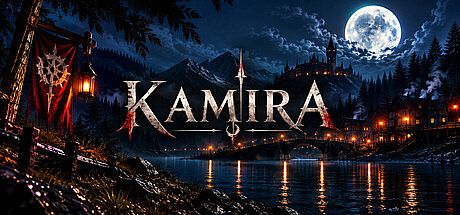


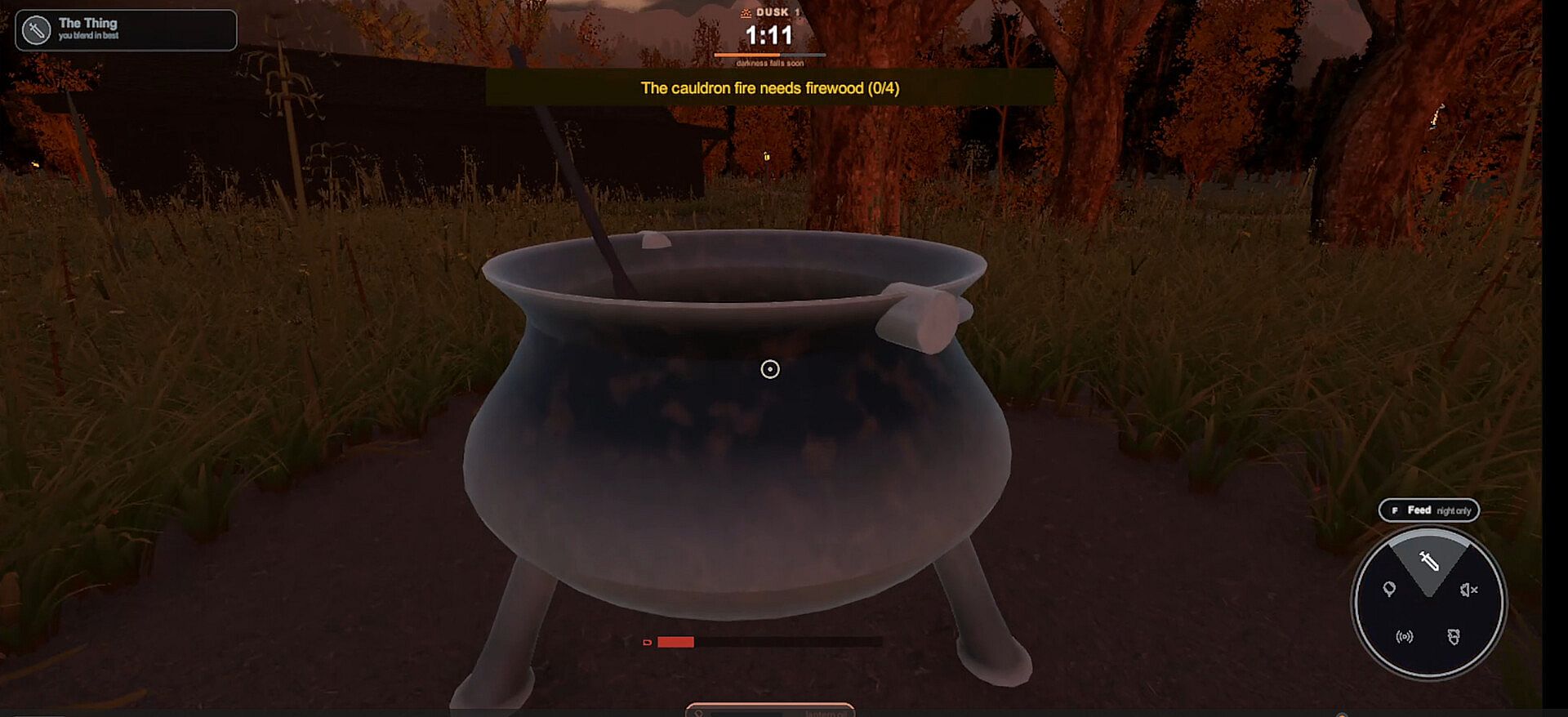
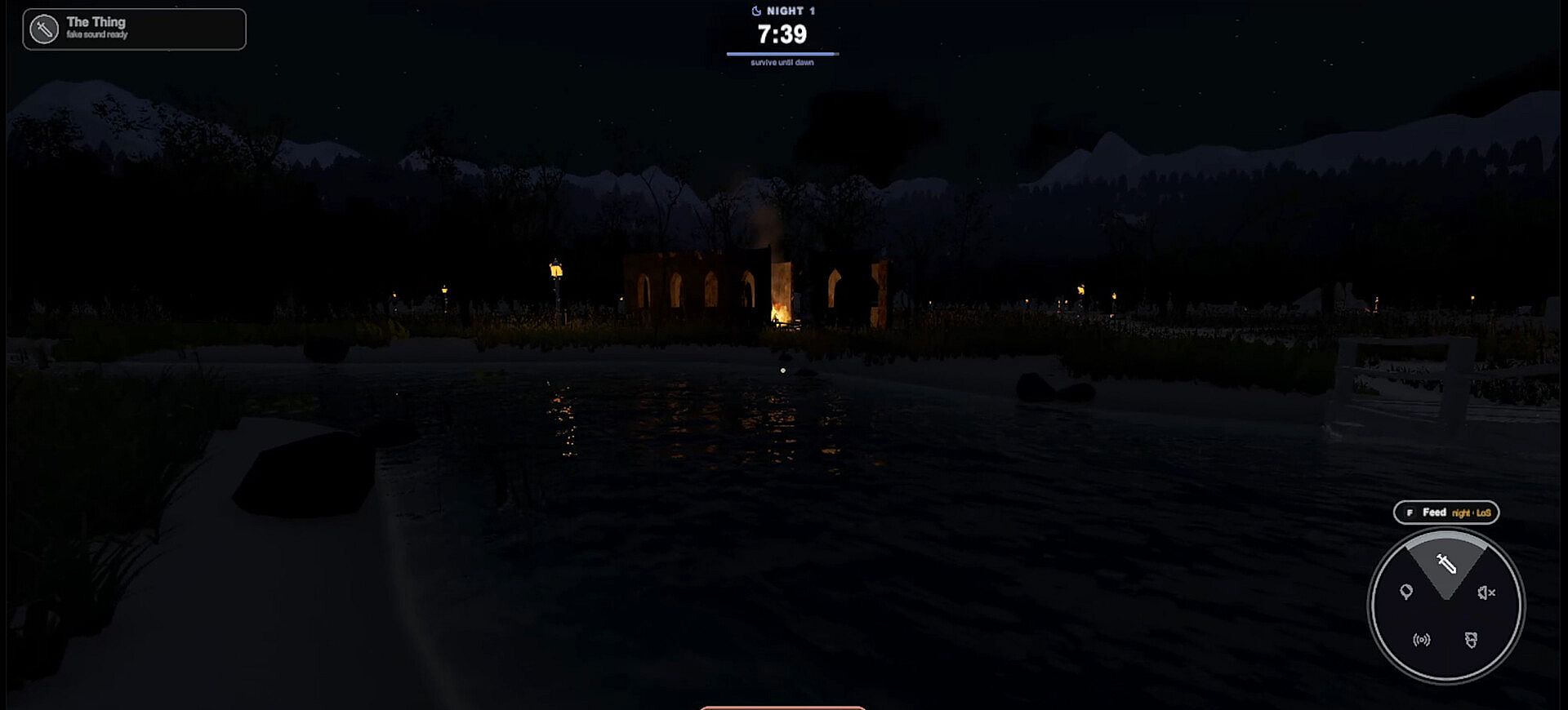
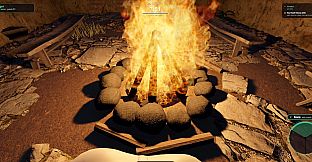
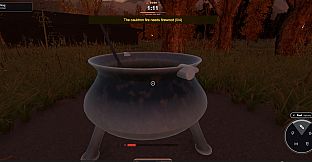
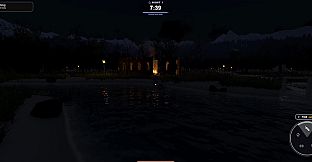
Kamira is a first-person folk horror social deduction game developed for PC that blends action and strategy elements in an indie casual package. Set in a remote village during a long night, the experience challenges players to identify traitors or monsters hidden among neighbors before an apocalypse unfolds. Survival hinges on building trust, voicing suspicions, and navigating a tense social environment where deception can prove fatal.
Gameplay
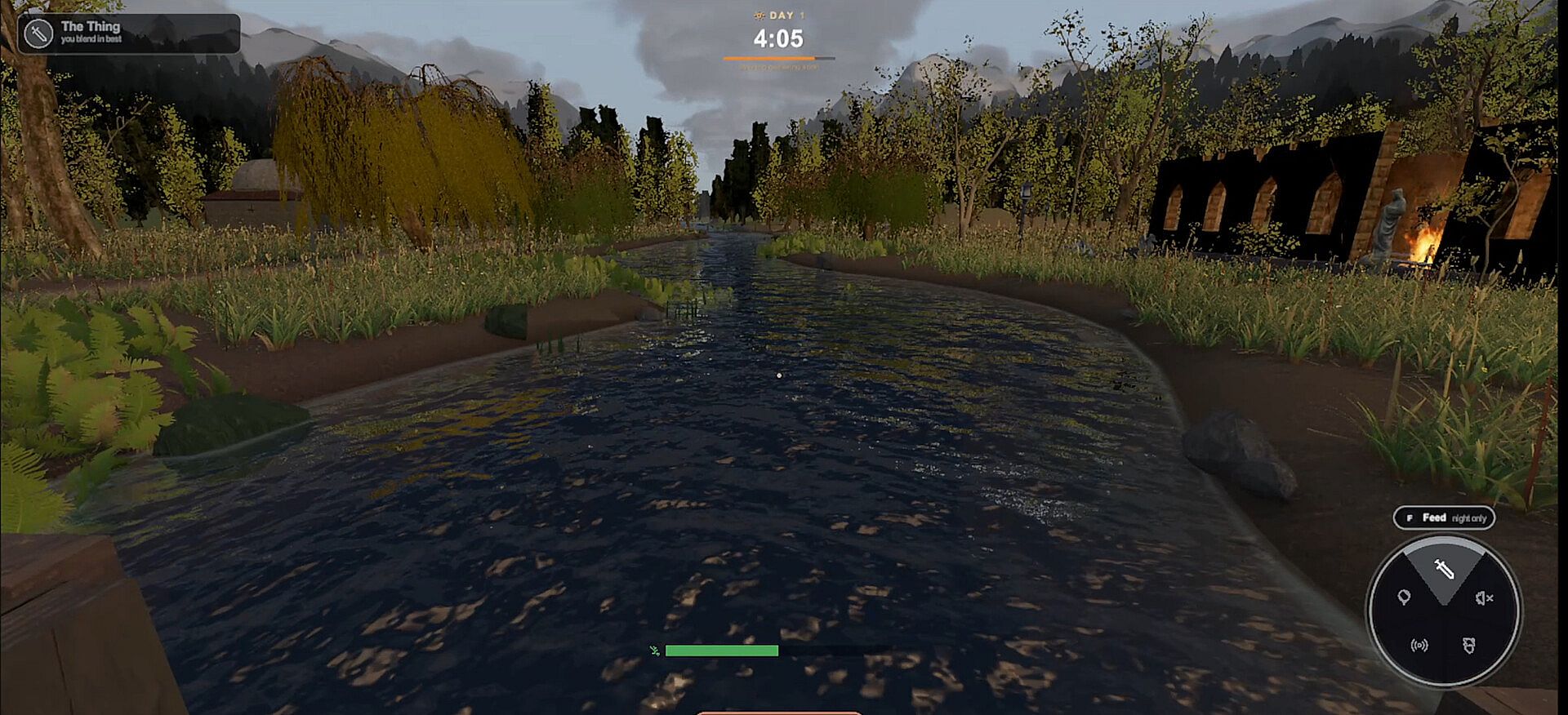
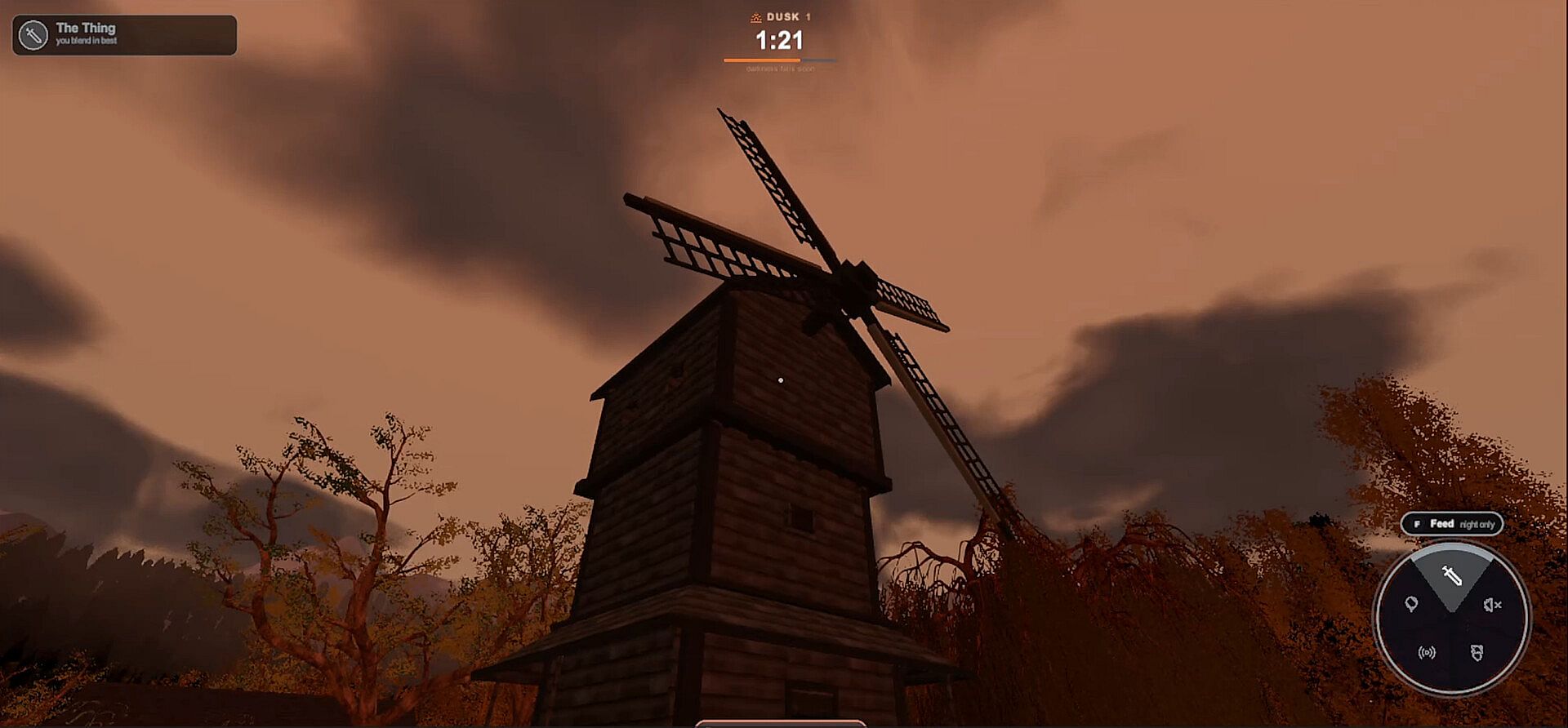
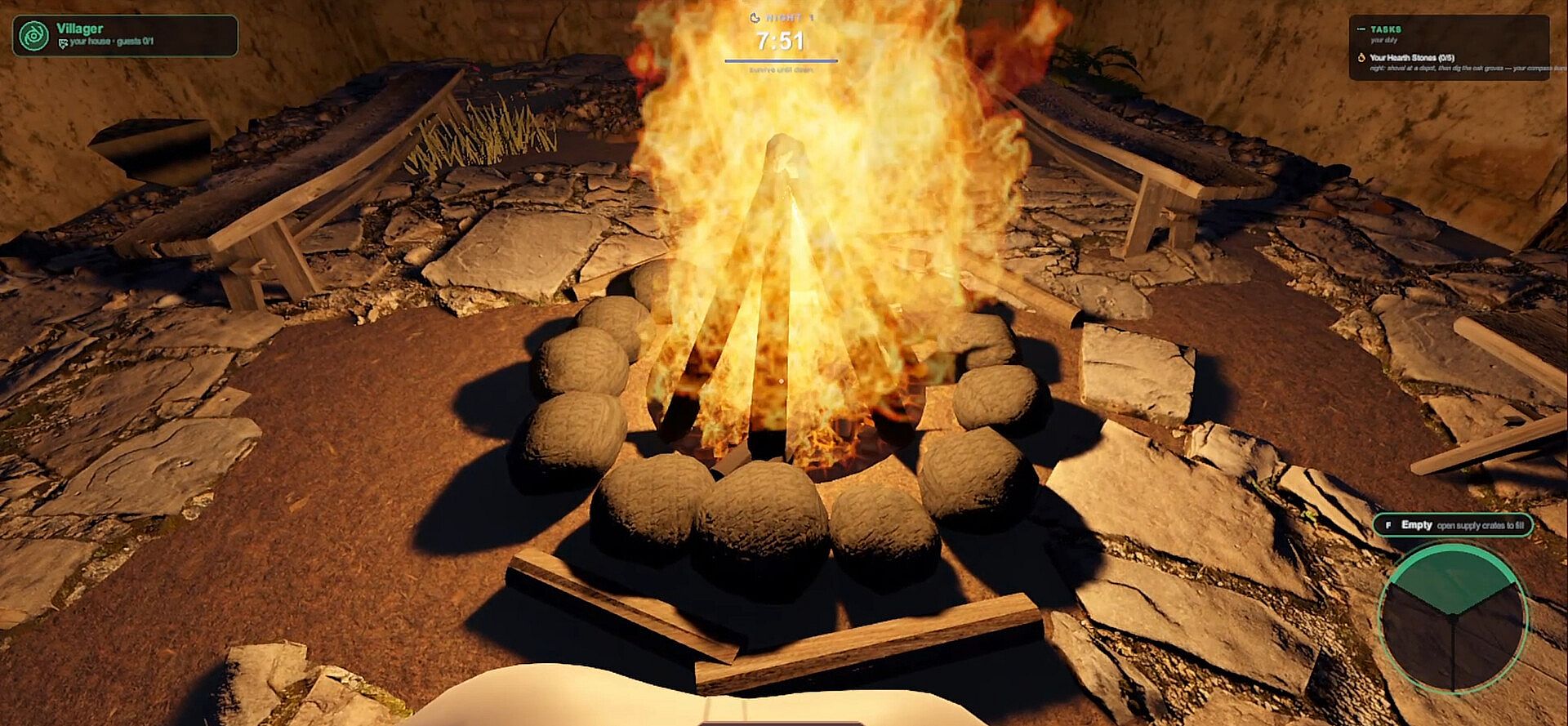
Matches unfold across a structured cycle of Day, Evening, and Night phases that shape every session. During the day, villagers focus on completing assigned tasks to maintain the community while investigating potential threats through conversation and observation. As evening arrives, participants hurry to secure houses and prepare for the darkness ahead. Night brings locked doors, lit lanterns, and active threats as hunters emerge to strike.
Players examine bodies for physical evidence such as bite marks, claw wounds, or weapon injuries that reveal the nature of the killer. Gatherings at the chapel allow open debate and voting, with the accused facing burning on a pyre if convicted. Proximity voice chat enables whispered secrets that risk being overheard, adding layers of paranoia to interactions. Dynamic weather, including storms and pitch-black nights, alters visibility and atmosphere, ensuring each match feels distinct based on player actions and lies.
Game Modes
The core structure revolves around the Day-Evening-Night cycle rather than separate named modes. This progression creates a consistent loop where daytime investigation and tasks give way to evening preparation and nighttime confrontation. Customizable room settings allow adjustments to match length, role distribution, and overall balance, letting groups tailor sessions to their preferences without altering the fundamental cycle.
Online multiplayer supports 4 to 12 participants through Steam lobbies, emphasizing group coordination and real-time social deduction. The cycle repeats with variations driven by who is lying or revealing information, making every round unpredictable even with familiar rules.
Roles and Factions
Villagers work to hold the settlement together by finishing tasks, claiming houses, locking doors, and peering through peepholes for clues. They gather evidence from remains and participate in chapel votes to eliminate threats. Monsters operate as a Vampire, Werewolf, or Killer, each with distinct hunting methods and evidence signatures that players must learn to recognize.
Monsters blend in during daylight hours, spread lies during votes, and attack when divisions arise. The Vampire possesses the ability to convert a villager into a secret servant who maintains an innocent appearance. Hidden roles further complicate matters, including the Detective and Doctor who support the village side, alongside a Traitor pursuing independent objectives. No statement can be trusted at face value, forcing constant reevaluation of alliances.
Key Features
Support for 4 to 12 players in online sessions stands out, paired with proximity voice chat that heightens tension through potential eavesdropping. Customizable settings let hosts modify match duration, available roles, and balance parameters. The living village environment incorporates dynamic weather and varying light conditions that influence strategy and visibility.
Availability in English and Turkish broadens accessibility. Every match diverges based on participant deception and discoveries, rewarding repeated play with fresh outcomes. The combination of folk horror atmosphere, social deduction mechanics, and first-person perspective creates a focused experience for groups seeking cooperative tension on PC.
Is It Worth Playing?
Kamira suits players who enjoy social deduction games infused with horror themes and require coordinated group play. The emphasis on trust, suspicion, and verbal confrontation appeals to those comfortable with proximity chat and live debate in sessions lasting several rounds. Groups that value customizable rules and replayability through variable outcomes will find the cycle structure engaging without needing additional modes or expansions.
Those preferring solo experiences or purely action-focused titles may find the heavy reliance on player interaction less appealing. The indie scale keeps the focus tight on core mechanics like role blending and evidence examination rather than expansive content. For fans of the genre looking for a PC multiplayer option centered on village survival and hidden threats, the verified systems provide a solid foundation for repeated sessions.











