


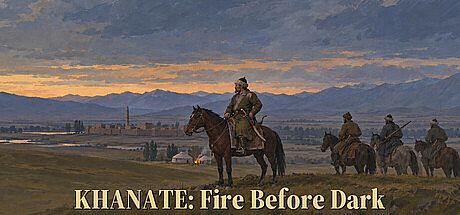


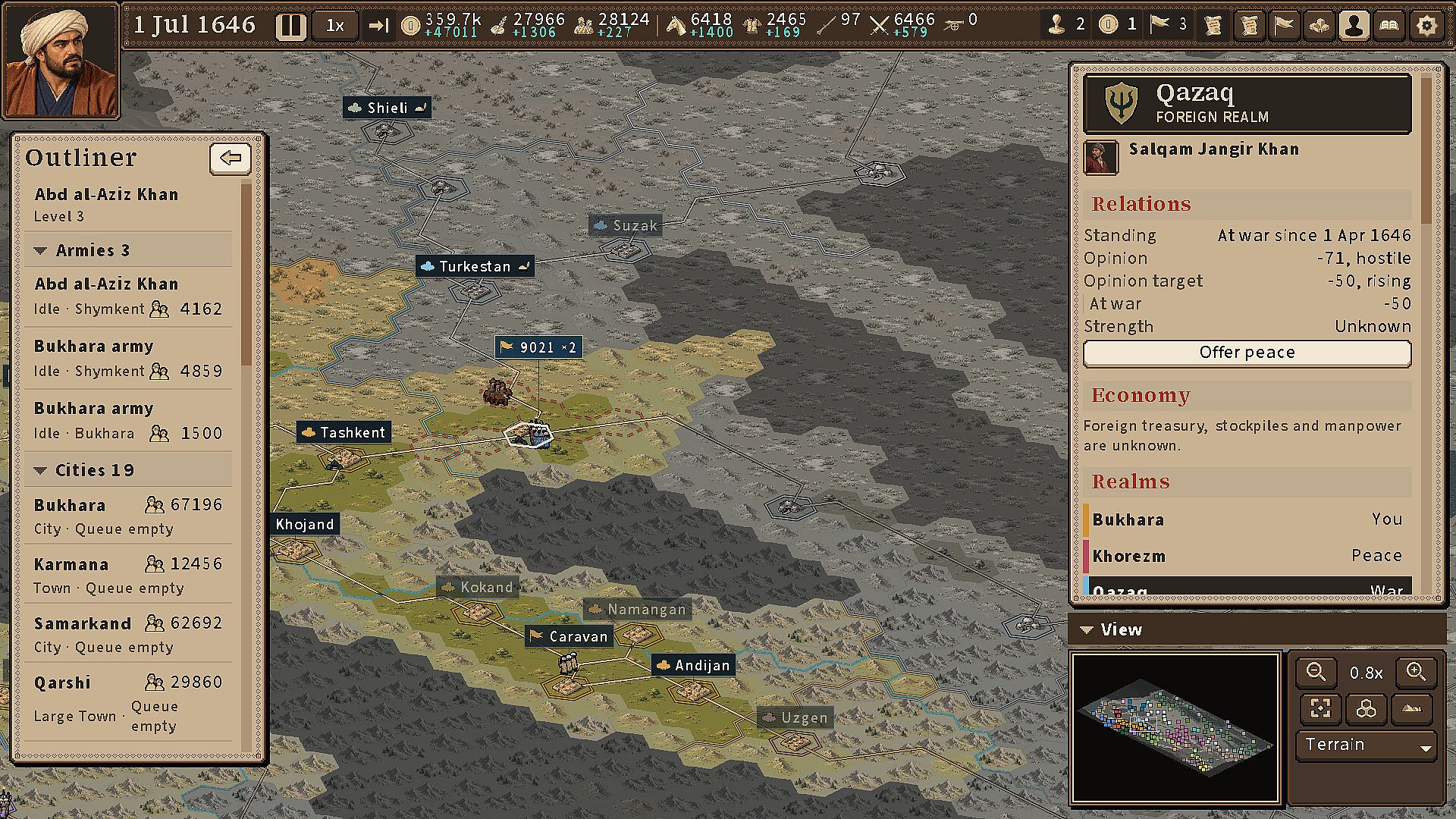
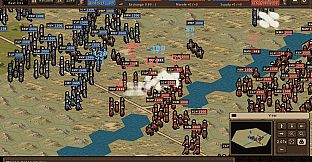
Khanate: Fire Before Dark is a historical strategy game that blends grand strategy, role-playing, and simulation elements on PC. Set in Central Asia during 1646, it places players in a precarious position between expanding empires including Russia, the Qing, Iran, and the Mughals. Small, divided realms must act quickly to build strength before those powers consolidate their advantages and turn their attention inward.
Gameplay
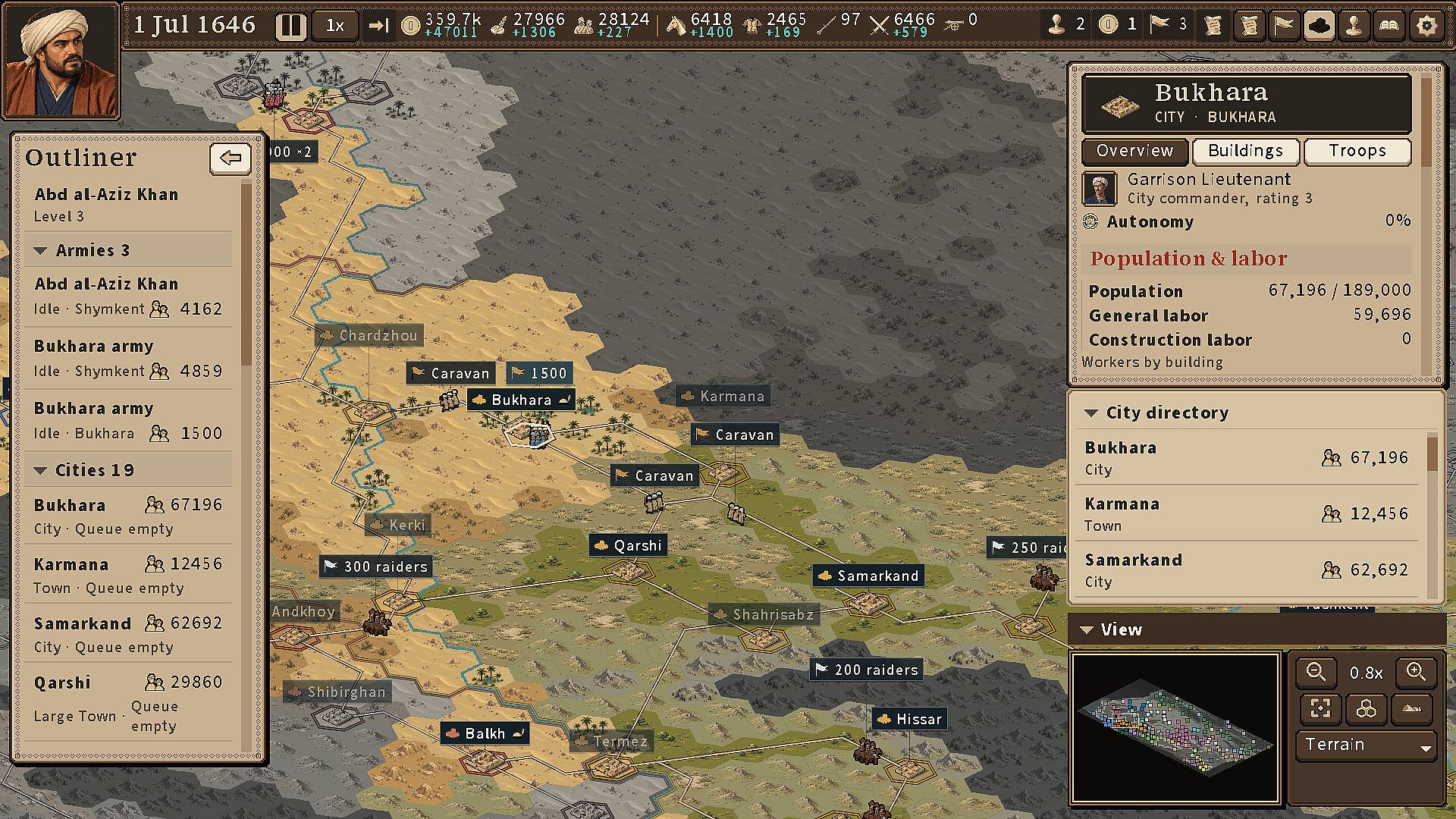
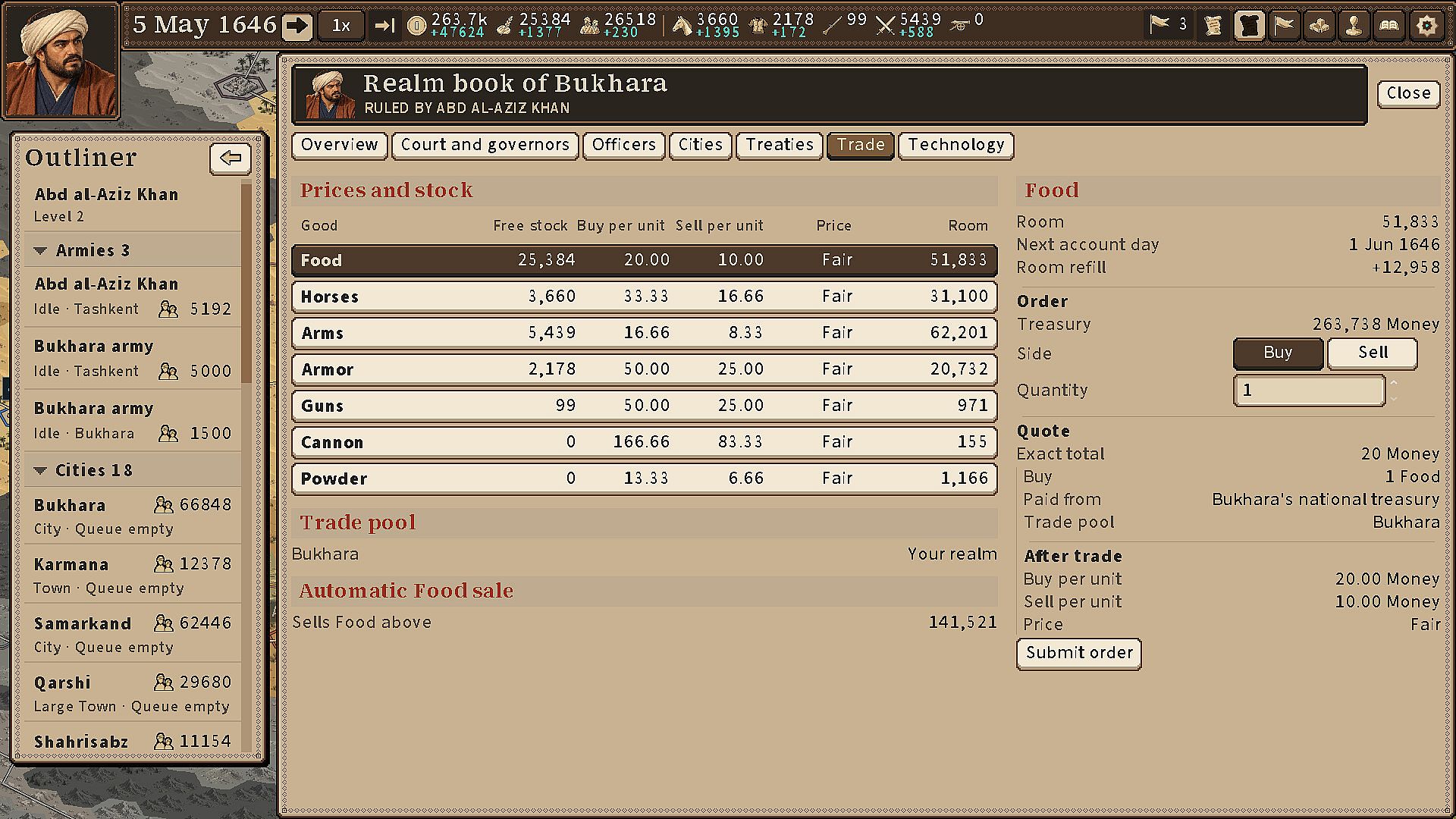
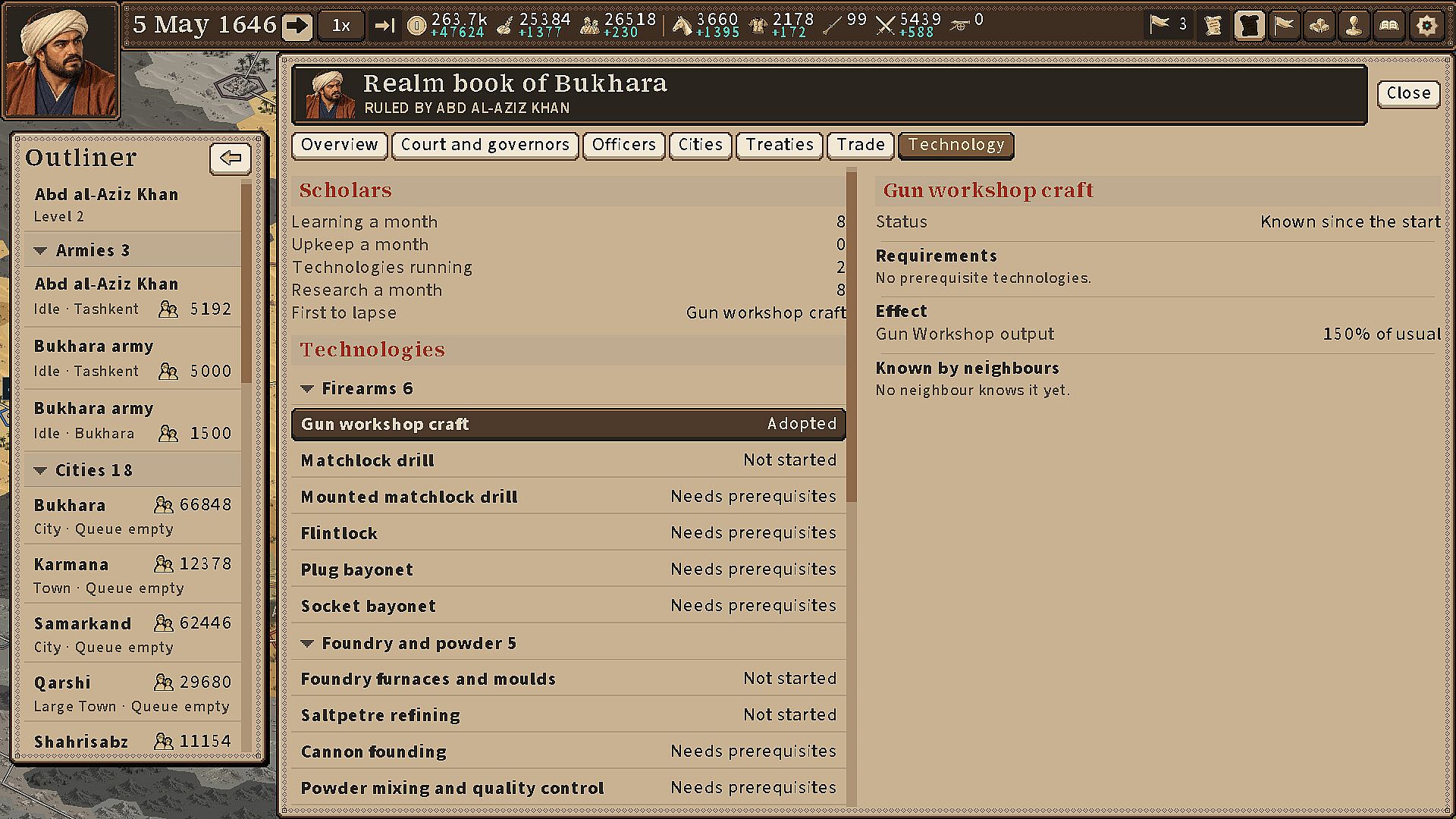
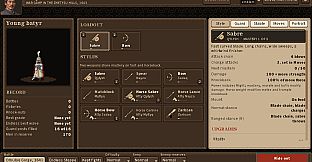
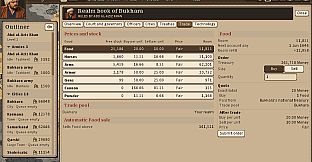
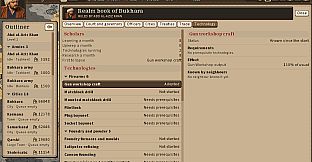
The core loop centers on managing a realm or rising through the ranks as an individual. Players can assume the throne of one of thirty realms such as Bukhara or Khiva, handling taxes from cities, caravan protection, and investments that fund armies and gunpowder supplies. Court management involves hearing petitions, rewarding loyalty, and hosting feasts that shape officer relationships over time. Officers age, gain glory, face capture and ransom, marry, raise families, and eventually pass away, creating a multi-generational campaign that spans from 1646 to roughly 1750 across three generations.
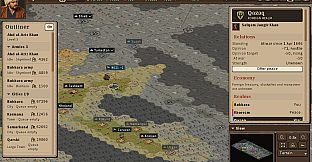
Diplomacy carries real consequences. Conquering neighbors, establishing vassals, or trading horses for peace all affect long-term stability. Breaking promises or calling in favors influences how other realms respond when empires eventually demand submission. Supply lines matter during marches, turning extended campaigns into races against hunger, while sieges require surrounding cities and outlasting defenders until relief forces arrive.
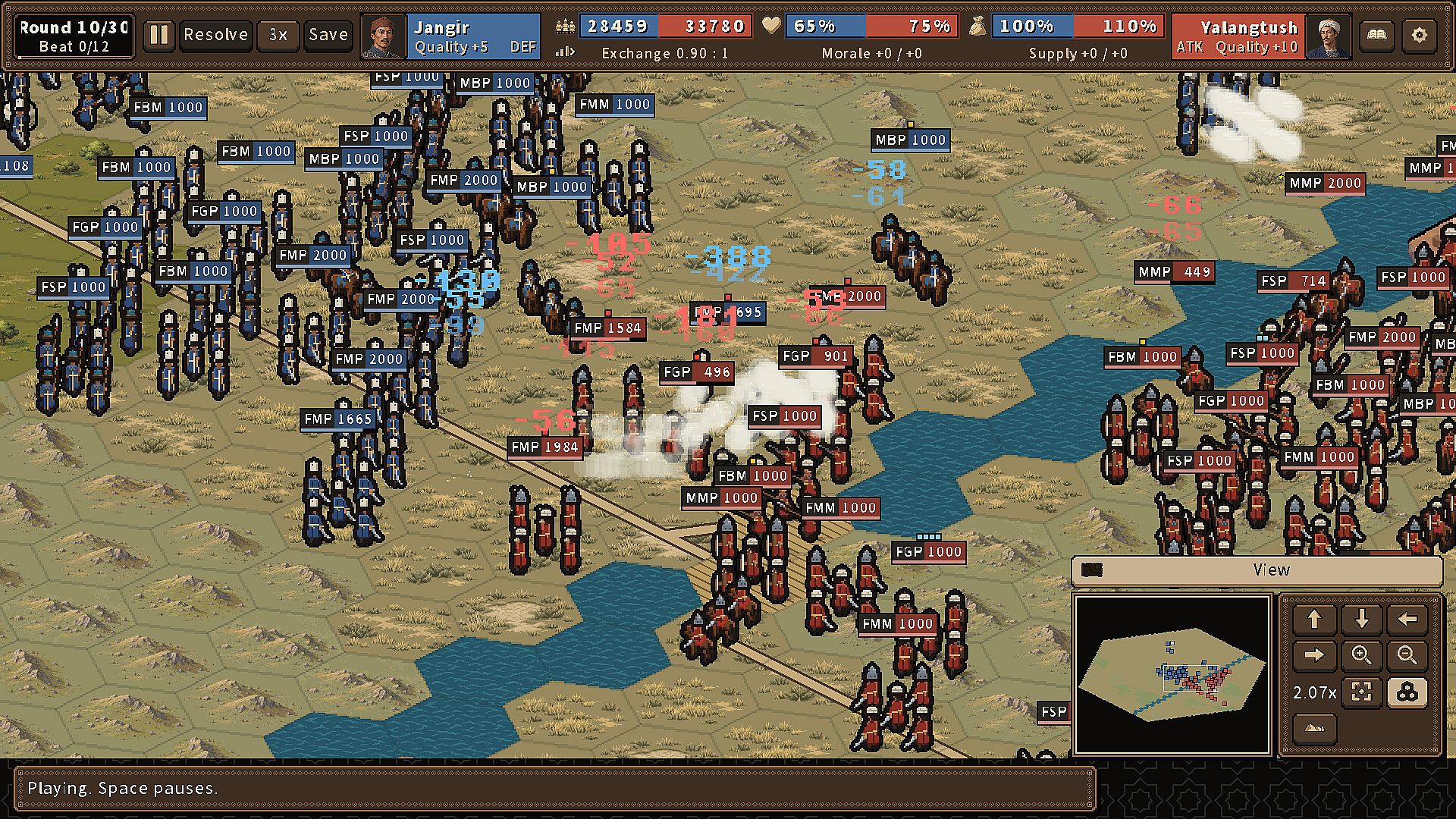
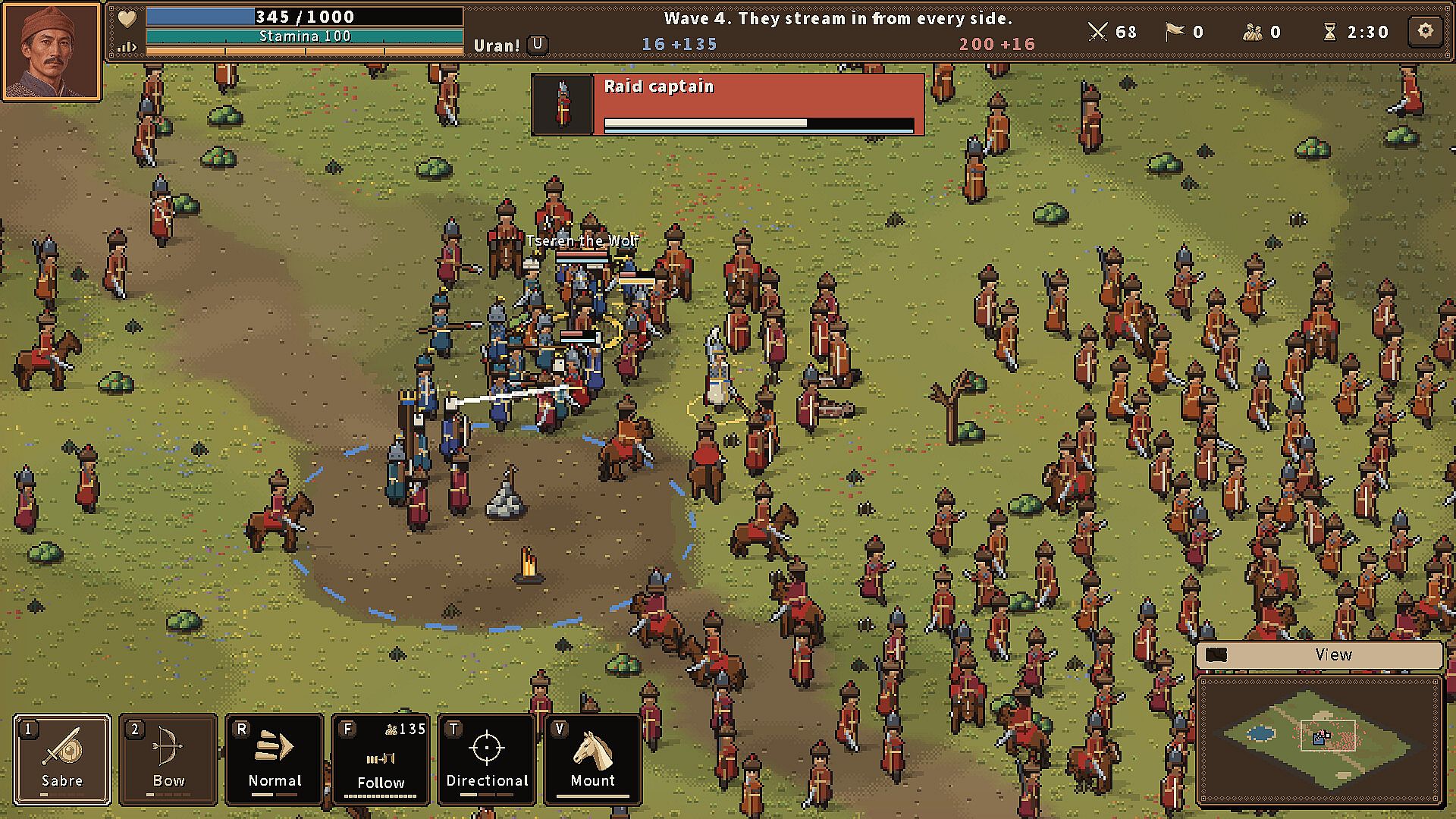
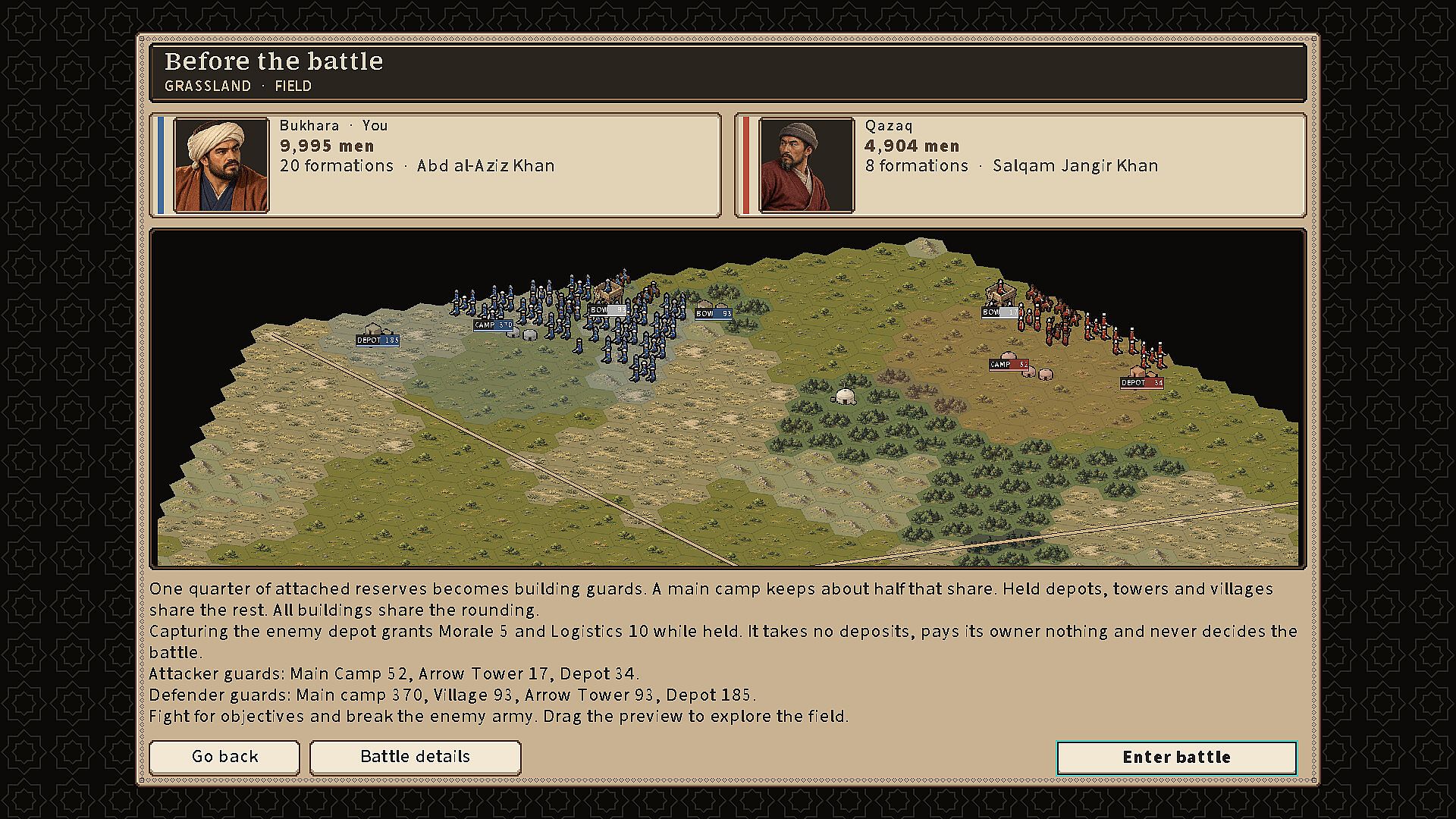
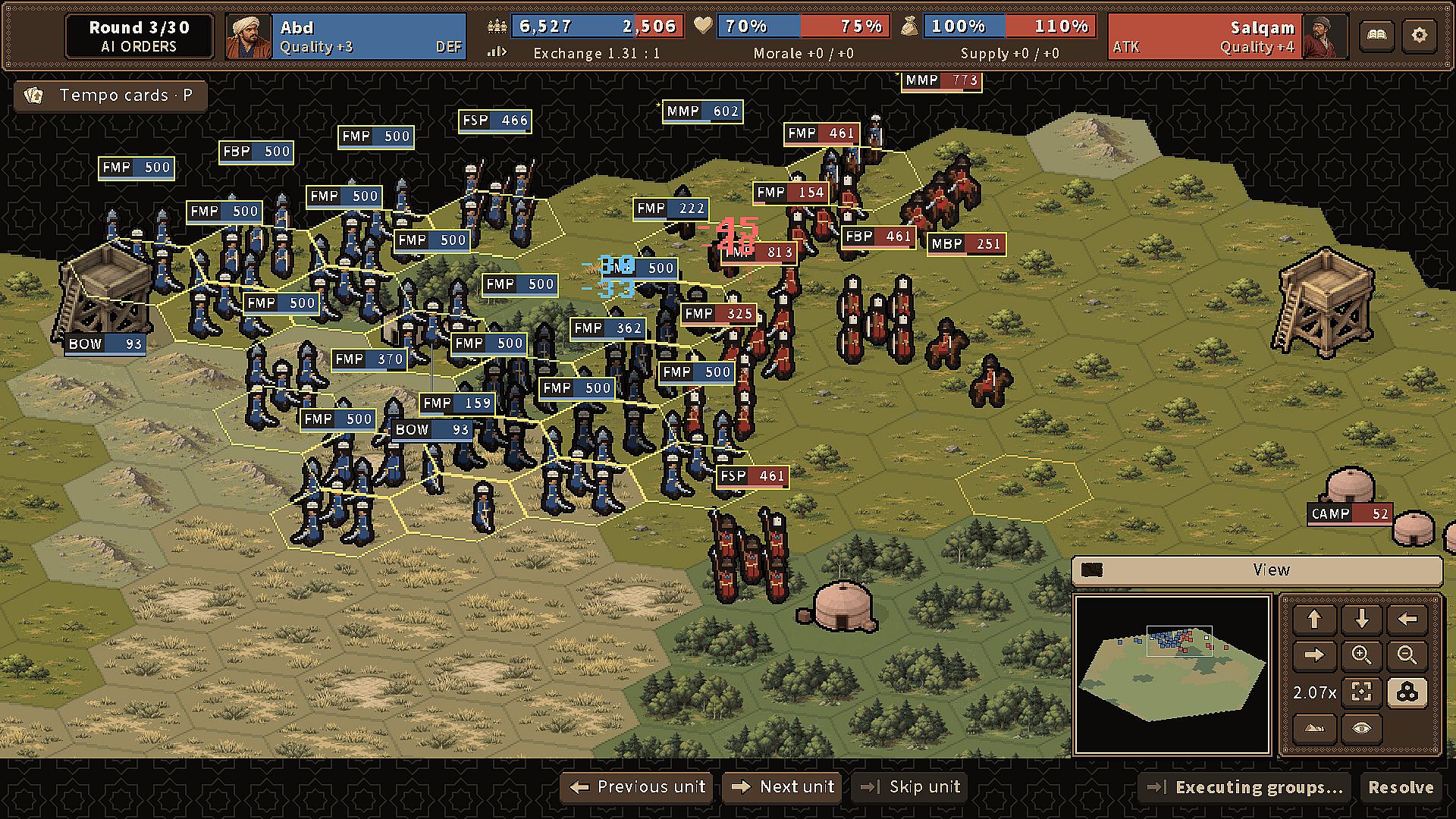
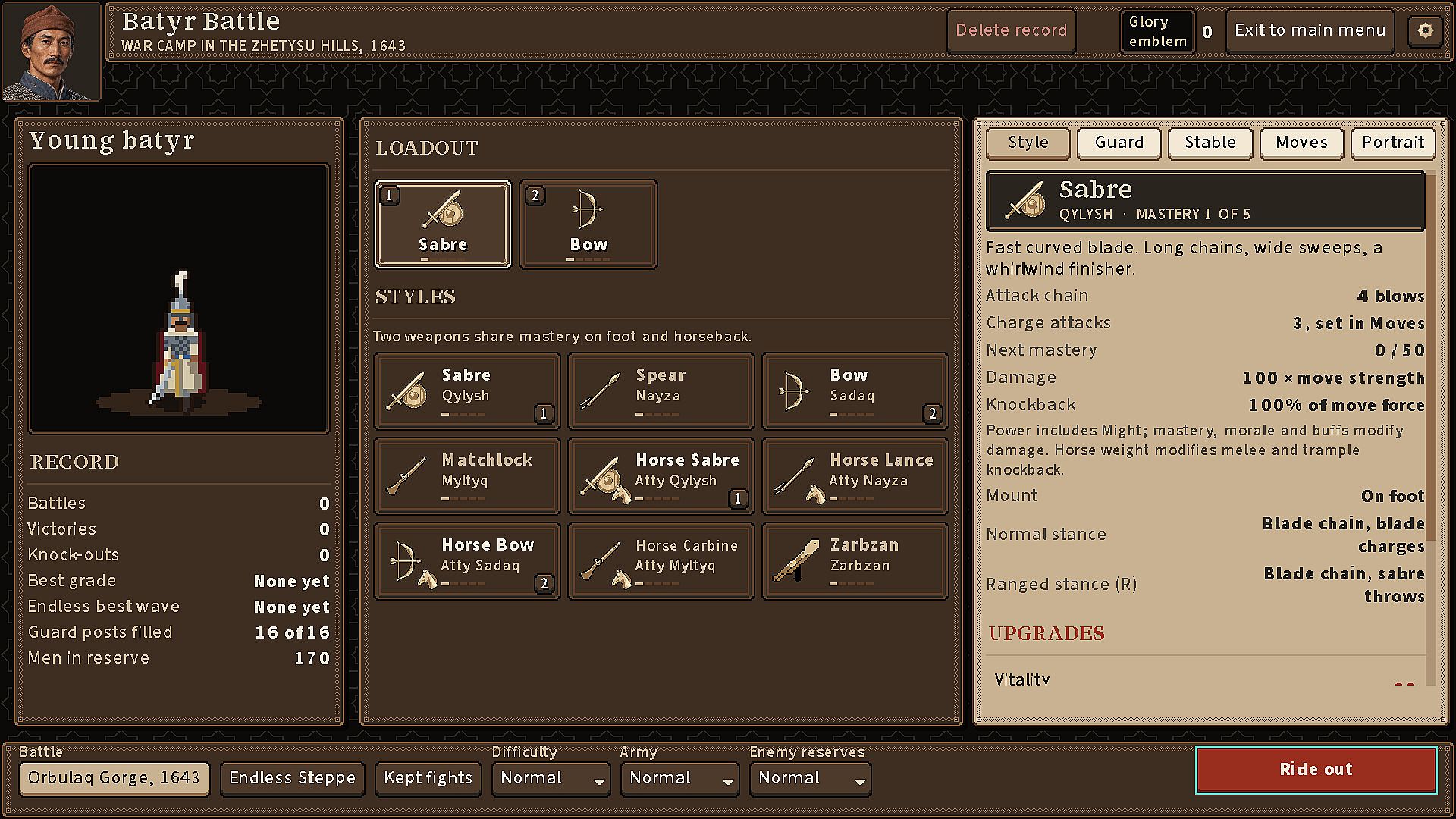
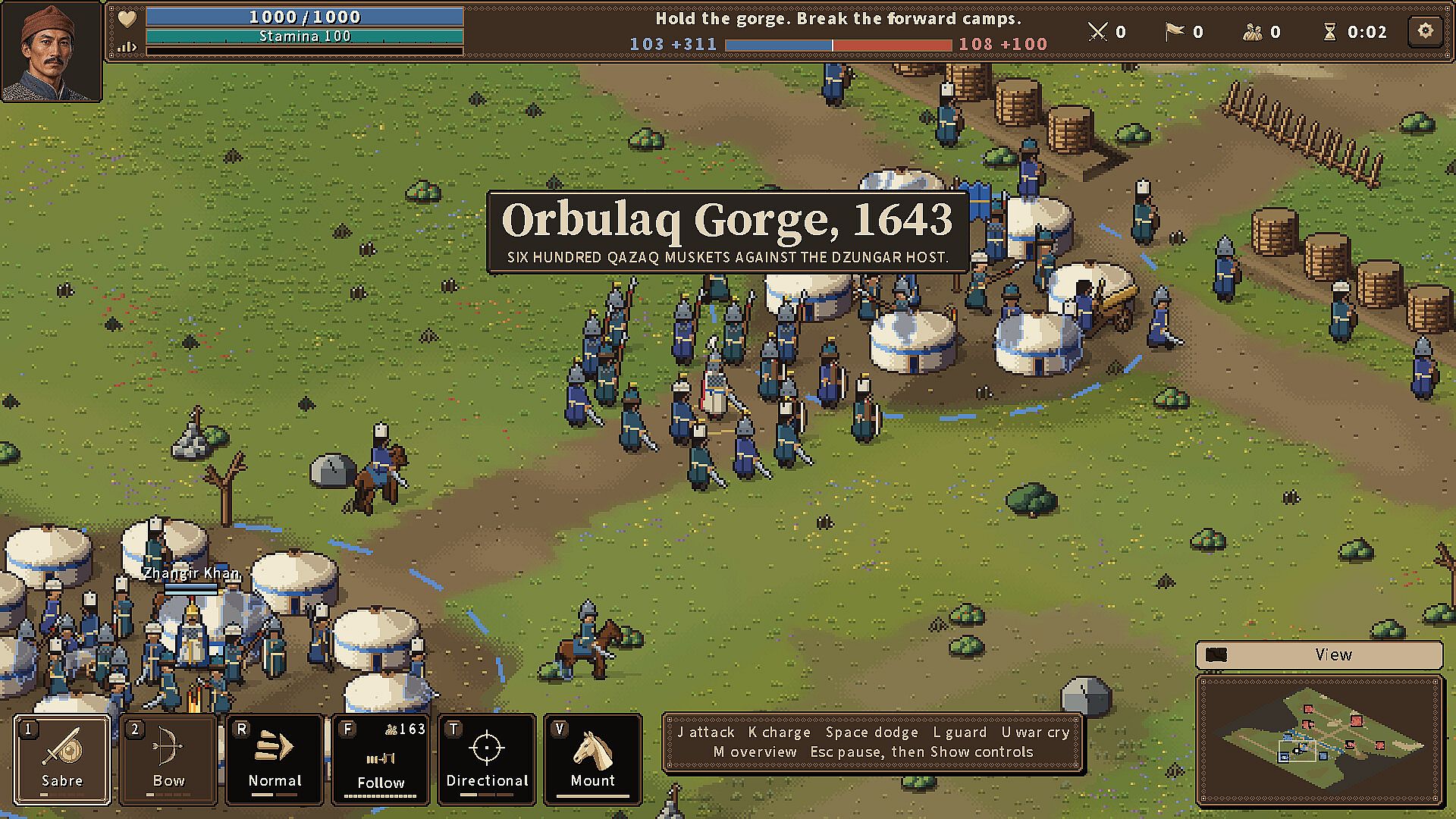
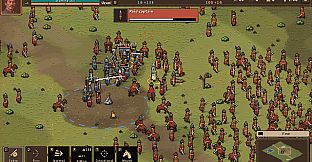
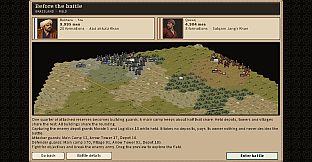
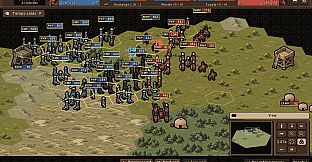
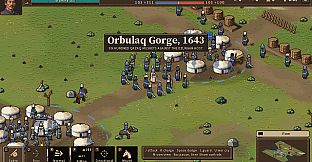
Combat offers direct control. When armies clash, players issue orders turn by turn or in real time with pause. At decisive moments, the ruler or officer can charge personally in fast-paced action sequences. Gunpowder weapons demand ongoing investment, or units risk falling silent in prolonged fights.
Game Modes
The game supports two primary starting paths that shape the entire experience. One path lets players rule directly as a sovereign over a chosen realm, focusing on internal development, external threats, and empire resistance. The alternative begins with a small band of riders and a horse, where success comes through mercenary work, earning appointments, governing towns, leading forces, and eventually claiming a throne. Both paths unfold within the same persistent world where empires grow stronger each year.
Progression ties personal actions to realm outcomes. An officer who rises through service can later inherit or expand holdings, while a ruler must balance court politics with military readiness. The campaign structure encourages long-term planning across generations, with heirs receiving what predecessors built or lost.
Diplomacy, Economy, and Warfare
Interactions with neighboring realms and the four major empires form a constant tension. Early weakness invites demands, while rapid growth triggers preparations and invasions. Survival against those forces can lead to formal recognition of independence. Trade and taxation sustain armies, yet overextension risks internal collapse when officers remember slights or broken agreements.
Sieges and supply management add layers to military operations. Armies consume carried provisions, so positioning and timing determine whether a force arrives intact. Surrounding a city forces defenders into a waiting game, but any relief army must be defeated before the siege succeeds.
Is It Worth Playing?
This title suits players who enjoy deep, systems-driven strategy with personal stakes and generational progression. The combination of realm management, officer careers, and direct battle command creates a focused experience centered on Central Asian politics in the mid-17th century. Those who prefer shorter sessions or lighter mechanics may find the multi-decade scope and detailed logistics demanding. The game remains in active development with its core systems intact, making it a solid choice for fans of historical grand strategy that emphasizes survival against larger powers rather than open-world exploration or multiplayer competition.












