





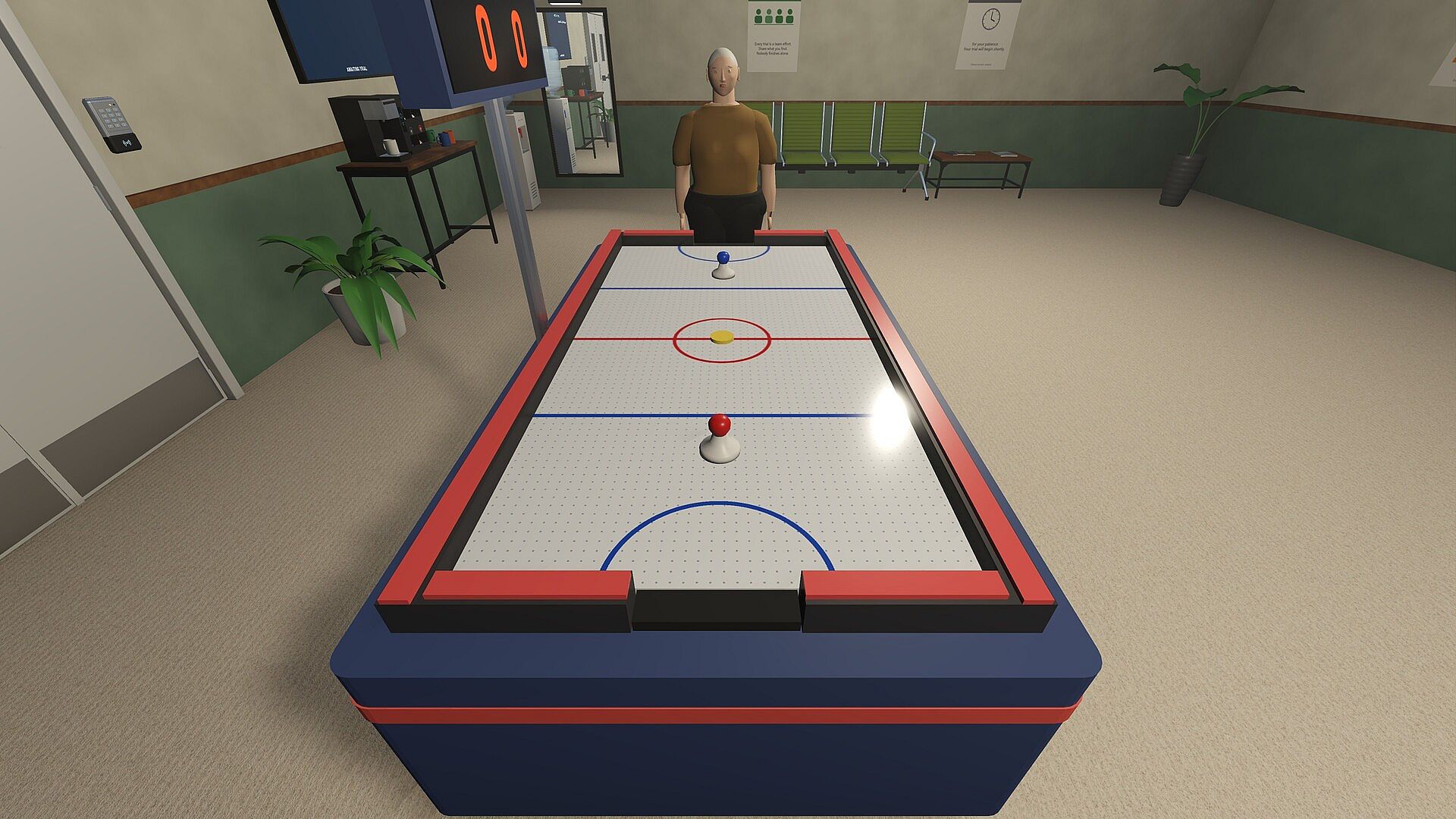
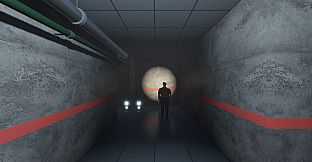
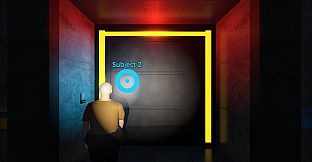
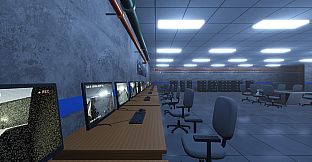


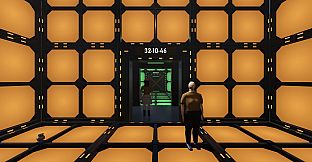
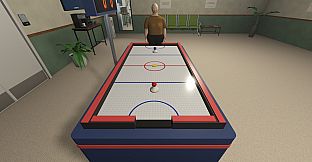
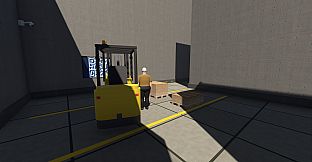
Lab Trials is a first-person co-op strategy and simulation game set in an experimental facility where participants navigate shifting labyrinths to escape. Players answer an ad for what seems like a standard trial only to find themselves locked in a waiting room with one exit leading into a vast, procedurally generated maze. The experience supports one to eight players working together, with every run presenting a fresh layout that demands coordination and information sharing to progress.
Gameplay
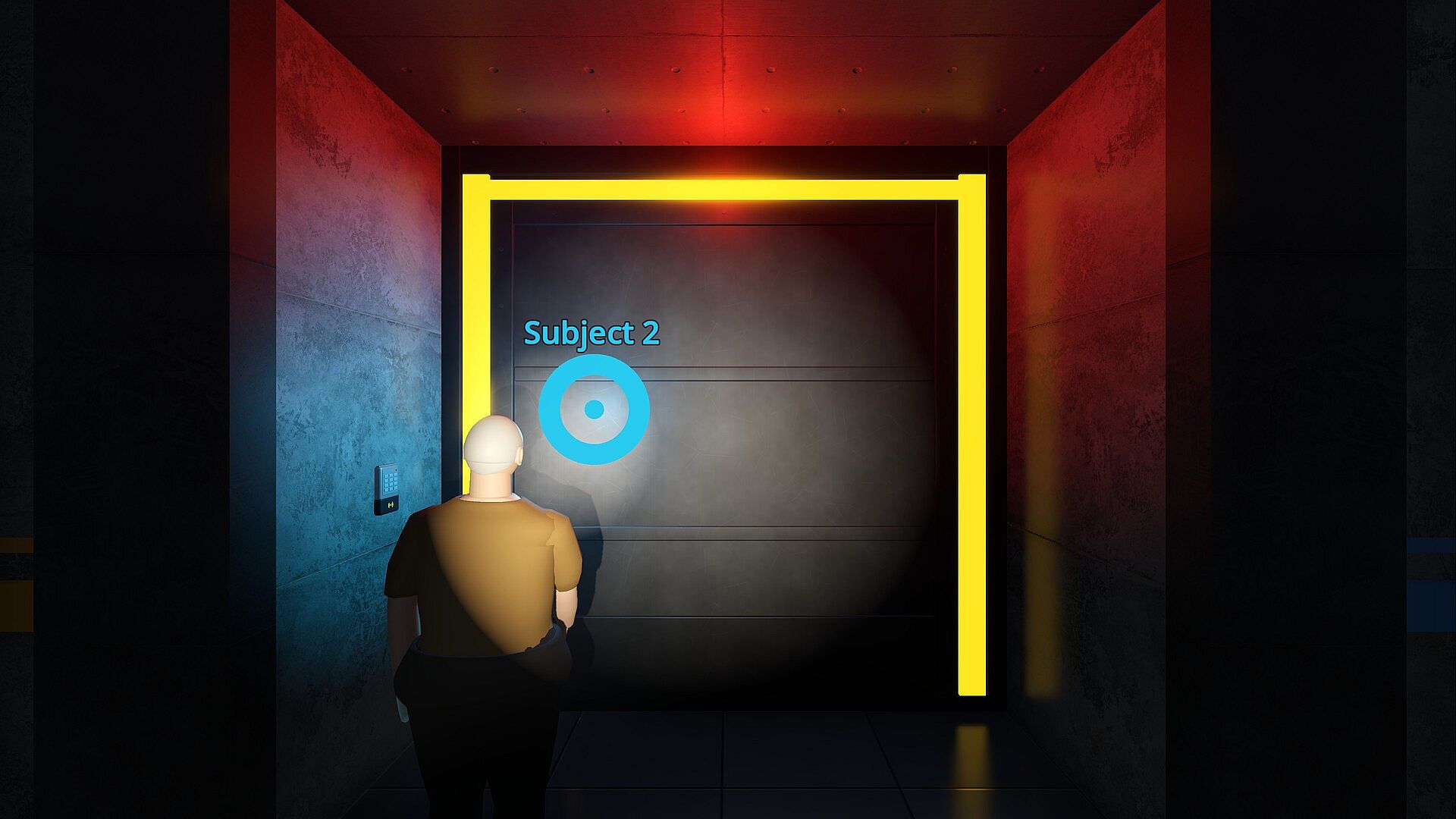
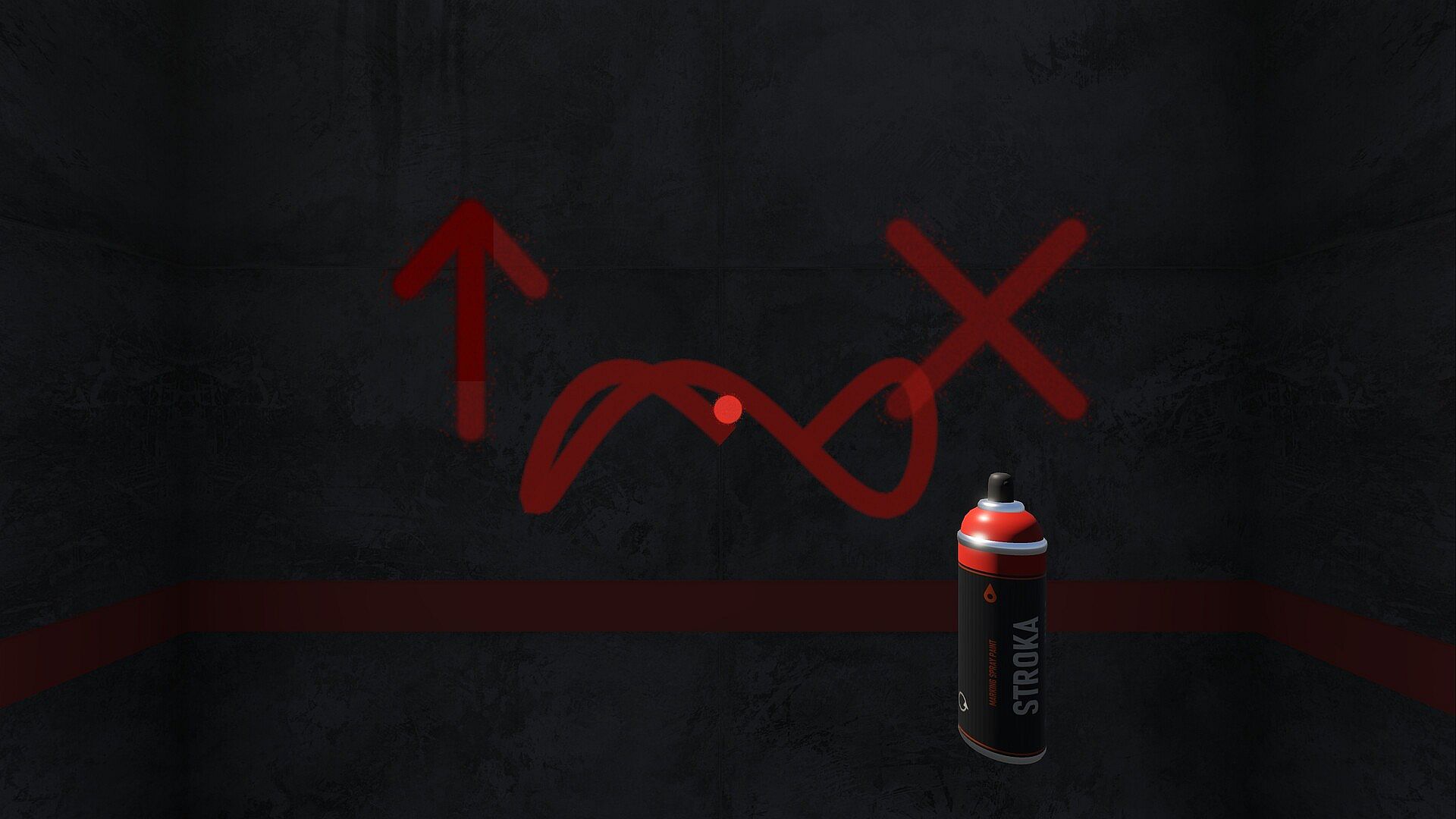
The core loop centers on exploration and communication inside interconnected zones. Participants split up to cover ground more efficiently while marking paths with spray paint, chalk, or pebbles so teammates can follow or avoid dead ends. Color-coded doors block progress until the matching keycards are located in distant sections and ferried back by hand. This creates constant back-and-forth movement across the map as the group pieces together the route forward.
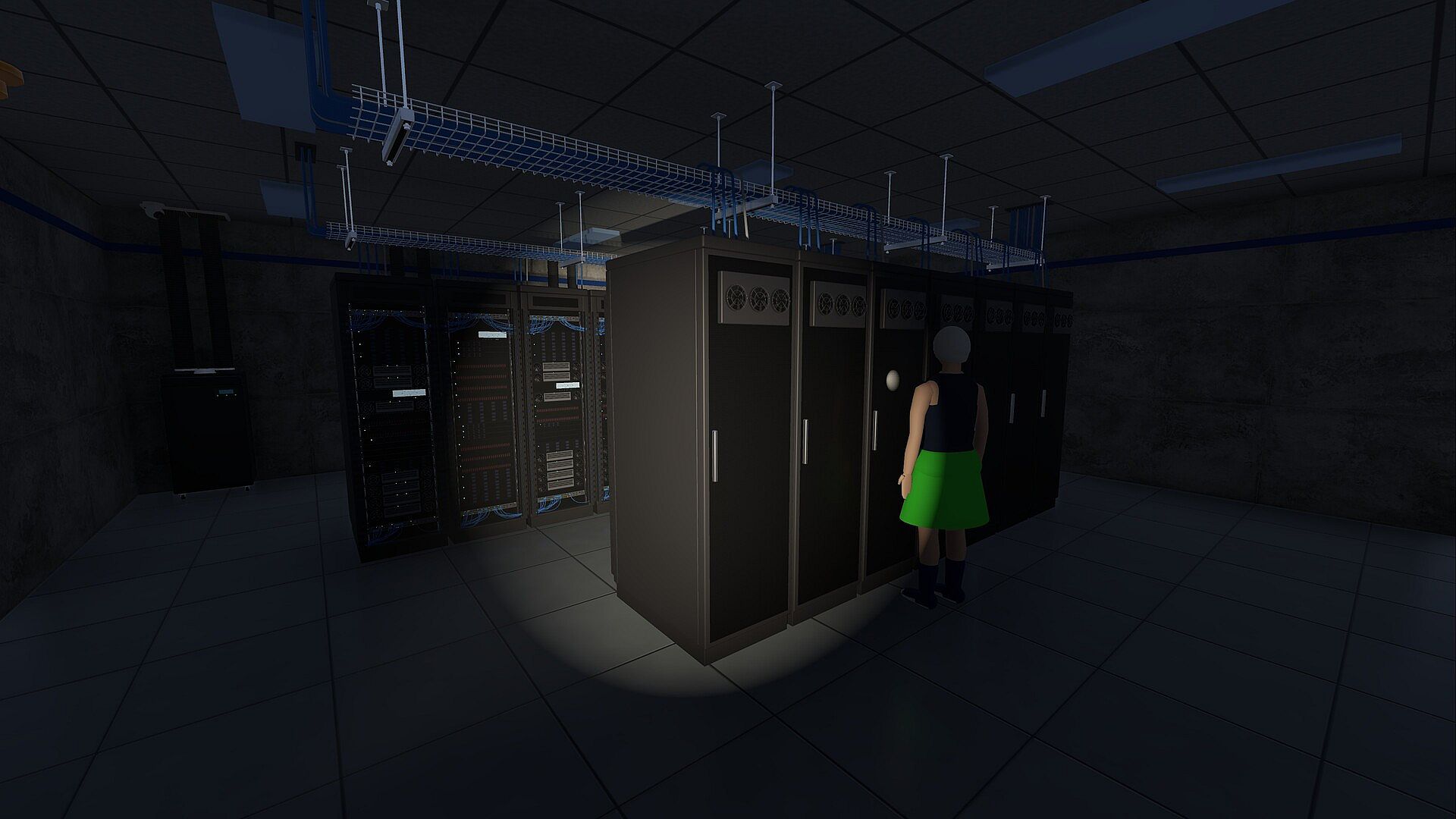
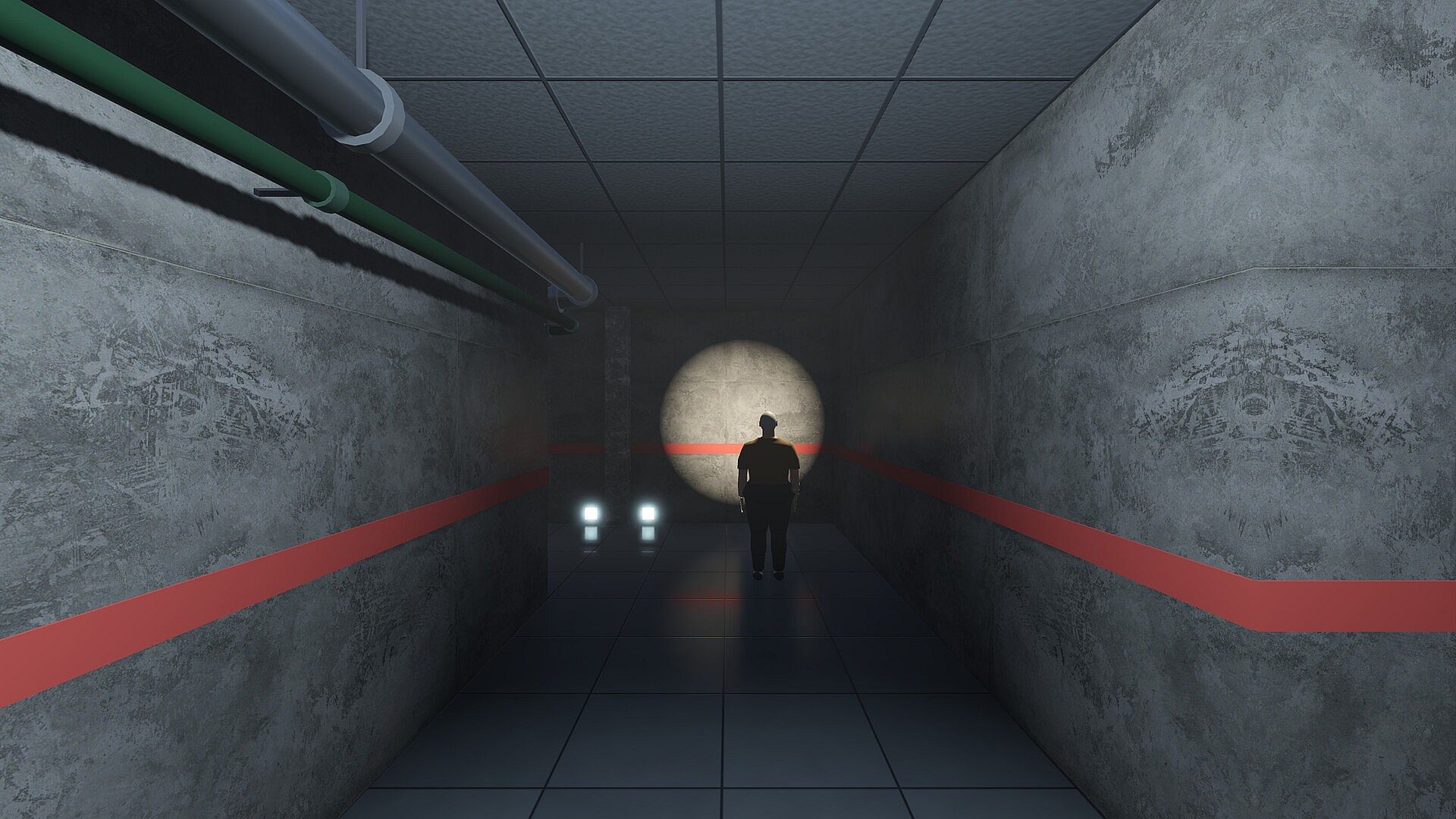
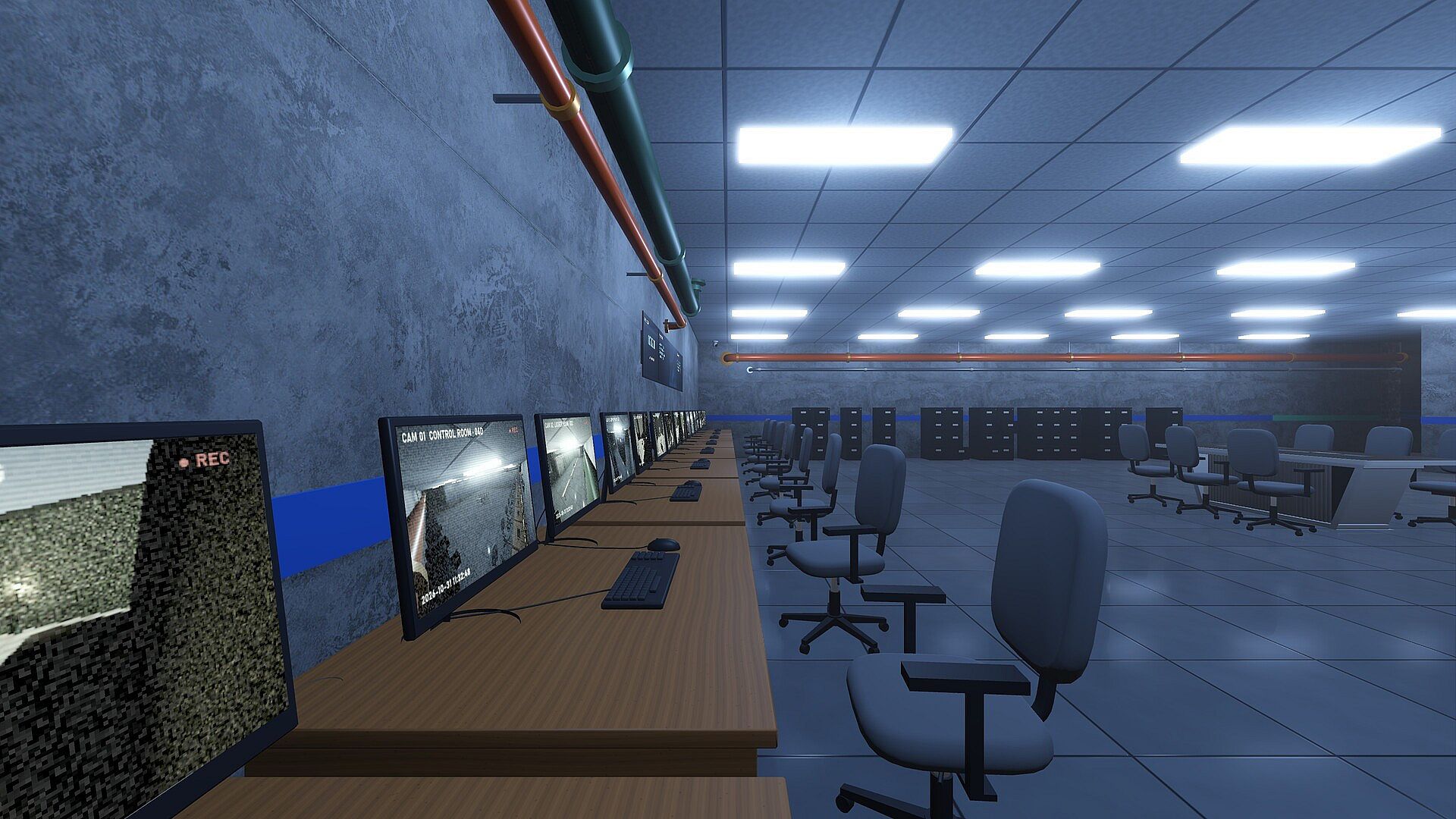
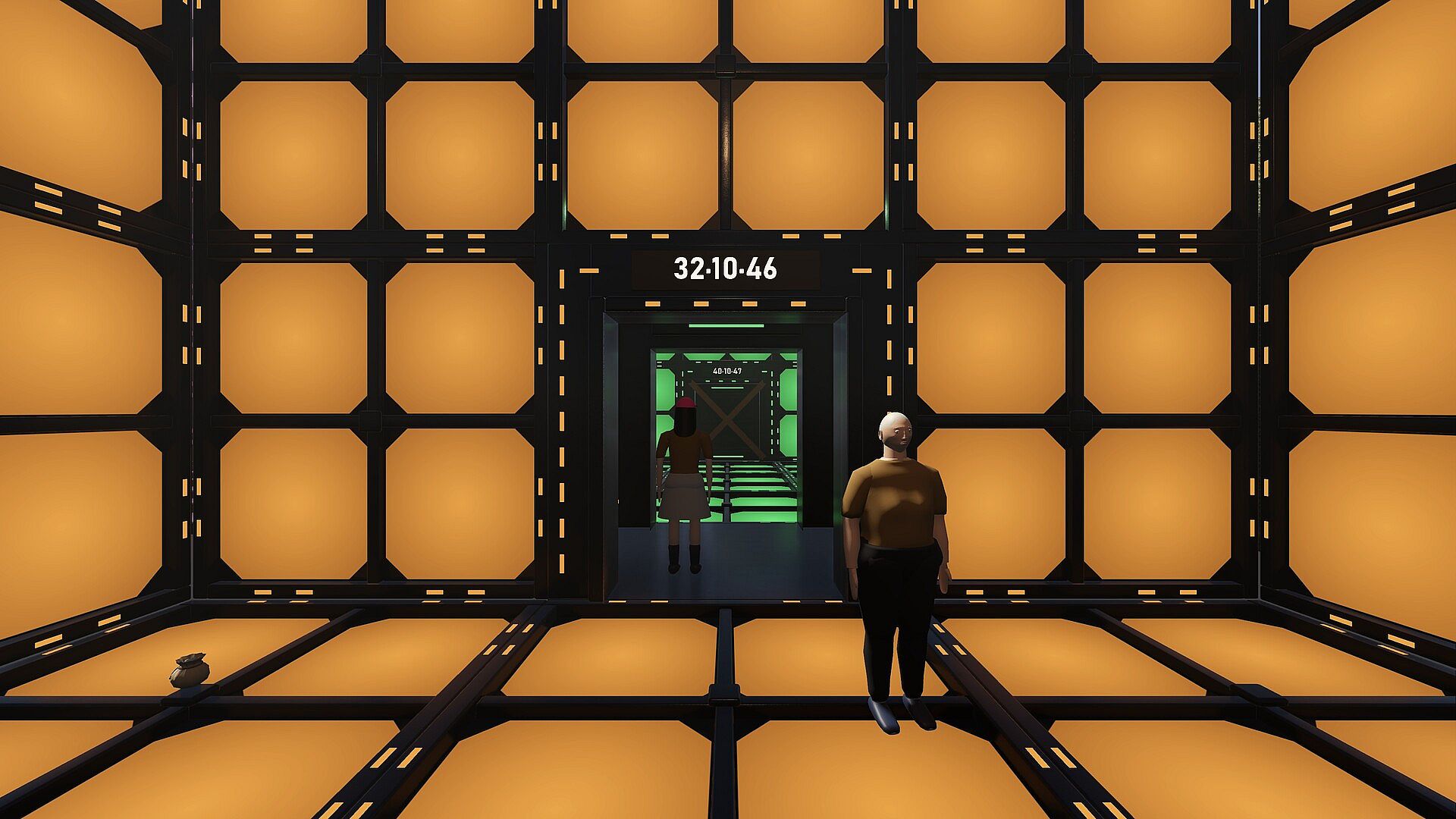
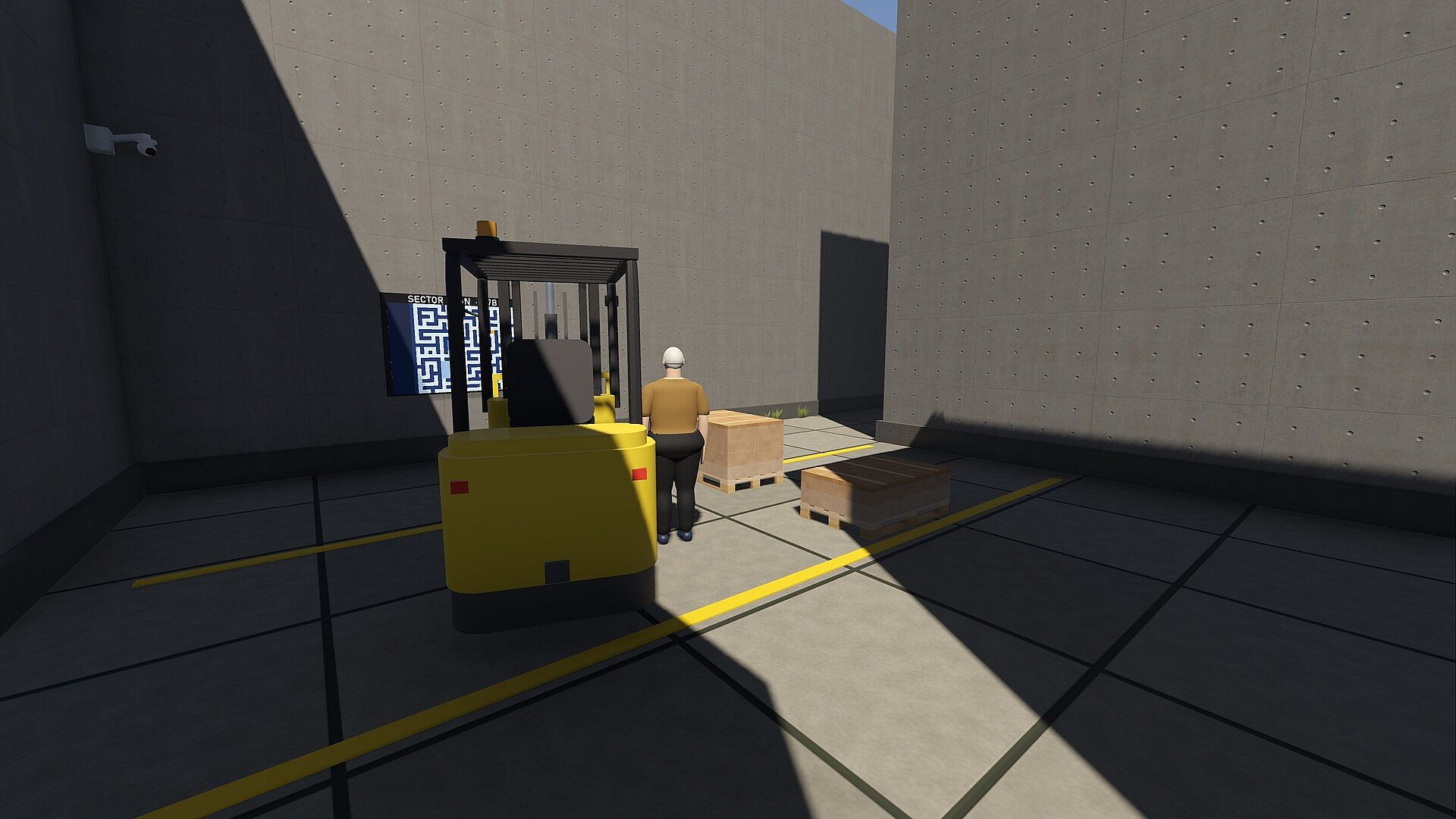
Environmental hazards add tension. Walls can shift without warning, lights flicker or fail completely, and the entire power grid may shut down, plunging sections into darkness. These changes force players to adapt on the fly and rely on voice chat or in-game markers to stay oriented. The facility includes distinct areas such as a sterile laboratory, an outdoor concrete labyrinth, a dense hedge maze, and a disorienting cubic nightmare realm, each with its own visual and navigational challenges.
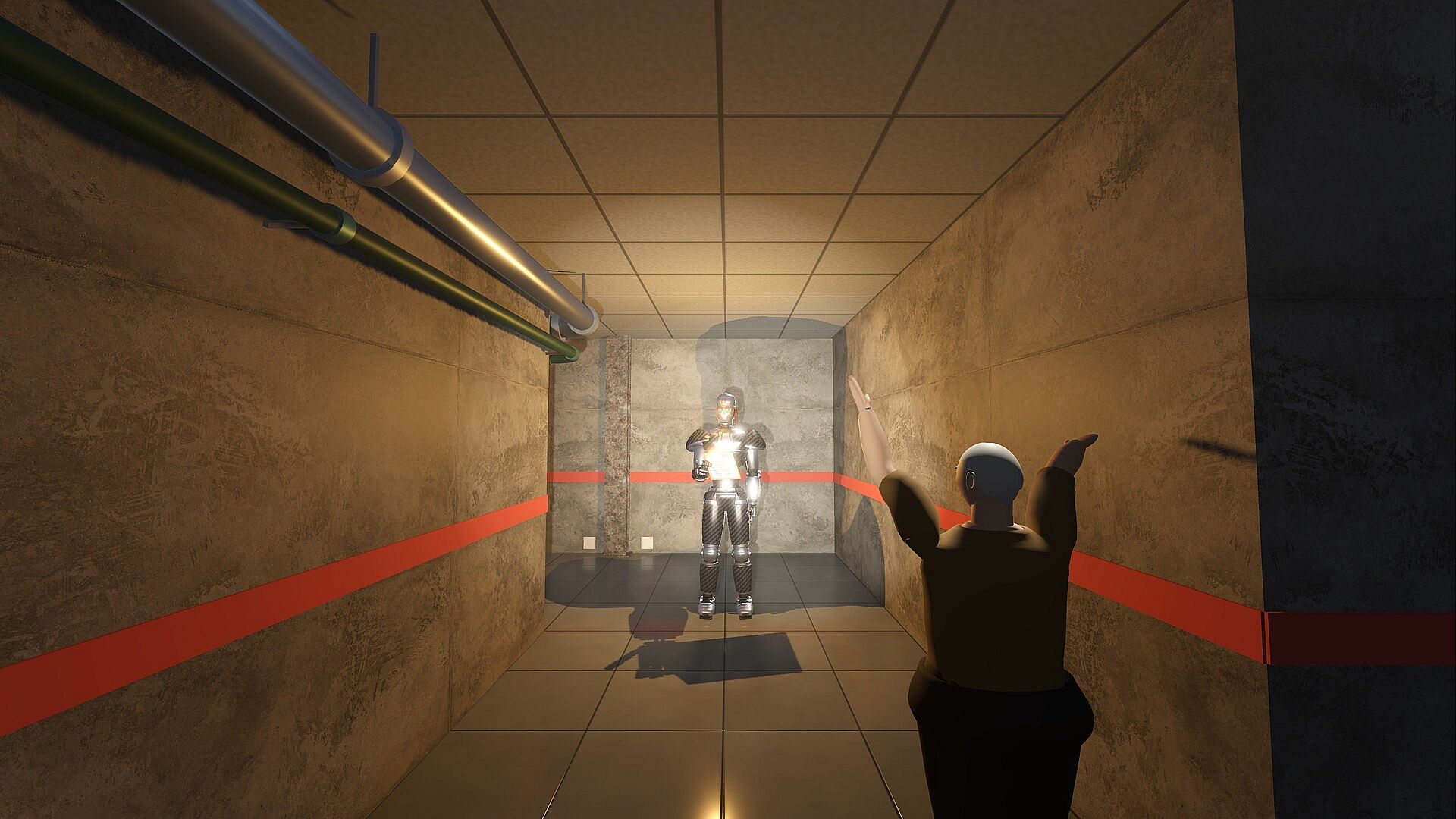
A supervised option introduces the Proctor, a slow but persistent mechanical entity that patrols the corridors. Avoiding detection becomes an additional layer of strategy when the trial runs under supervision, as direct confrontation is not an option.
Game Modes
Lab Trials structures its content around repeated trials, each generating a new labyrinth layout for solo or group play. The emphasis remains on cooperative problem-solving rather than competitive elements, with the group deciding whether to run unsupervised or invite the Proctor for added difficulty. Runs focus on locating keycards, marking routes, and reaching the exit before conditions worsen or patrols close in.
Because every labyrinth resets with fresh configurations, the primary mode encourages repeated attempts to improve efficiency and coordination. Players can adjust group size from one to eight, scaling the challenge and the need for clear communication accordingly.
Exploration and Progression
Progression comes from mastering the tools and systems available in each trial. Spray paint and similar markers serve as persistent visual language that carries across zones, helping teams avoid retracing steps or missing hidden keycards. The need to transport items between areas turns simple navigation into a logistics exercise where timing and positioning matter.
Power fluctuations and moving walls turn the environment into an active participant. A well-marked path from one run may become useless in the next, pushing players to treat each attempt as a new puzzle. The variety of zones ensures that no single strategy works universally, rewarding groups that adapt quickly to the specific layout they receive.
Is It Worth Playing?
Lab Trials suits players who enjoy deliberate co-op experiences built around exploration, marking systems, and light resource management in changing spaces. The first-person perspective and emphasis on splitting up reward clear communication and methodical play rather than fast reflexes. Those drawn to strategy and simulation elements will find the core loop of ferrying keycards and maintaining orientation engaging across multiple runs.
Because the game remains in early access, the current focus stays on the foundational trial structure and zone variety described above. Groups looking for a cooperative challenge that scales with player count and offers replayability through procedural layouts will find the most value here. Solo players can still participate but will handle all marking and transport tasks alone, increasing the difficulty of larger or more complex mazes.











