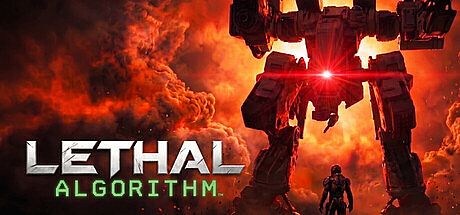




Lethal Algorithm ist ein Action-, Indie-, Simulations- und Adventure-Spiel mit Fokus auf Mech-Piloting. Es wurde primär für Virtual Reality entwickelt und unterstützt auch klassisches Bildschirmspiel. Im Mittelpunkt stehen realistische Physik und detaillierte mechanische Interaktionen in einem zweibeinigen Maschinenkörper. Spieler bedienen Schalter, Hebel und Waffen über direkte physische Eingaben statt vereinfachter Steuerung - mit dem Ziel, ein mehrere Tonnen schweres Fahrzeug präzise zu führen.
Gameplay
Im Kern dreht sich alles um das Steuern eines Mechs, bei dem jede Bewegung Gewicht und Schwung simuliert. Schritte, Drehungen und Kollisionen folgen konsequenten Physikregeln, die die Masse der Maschine widerspiegeln. In VR ermöglicht Motion-Tracking eine 1:1-Bedienung von Cockpitelementen - etwa das Greifen von Hebeln oder das Anpassen von Systemen. Auf dem Bildschirm erfolgt die Steuerung klassisch, behält aber den Schwerpunkt auf Momentum-Management und Kollisionsverhalten.
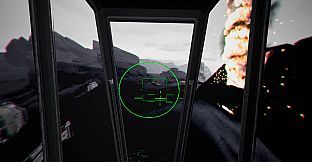
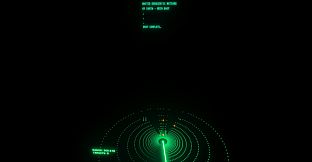
Im Kampf gilt es, Munitionsstände und Zielpriorität ständig im Blick zu behalten. Spieler passen ihre Taktik an, während sie primäre und sekundäre Waffen koordinieren und sich in einem Gelände bewegen, das die Fortbewegung beeinflusst. Unebene Oberflächen oder schlechte Sicht erfordern zusätzliche Aufmerksamkeit - ohne externe Hilfsmittel, nur mit den Bordoptiken des Mechs.
Spielmodi
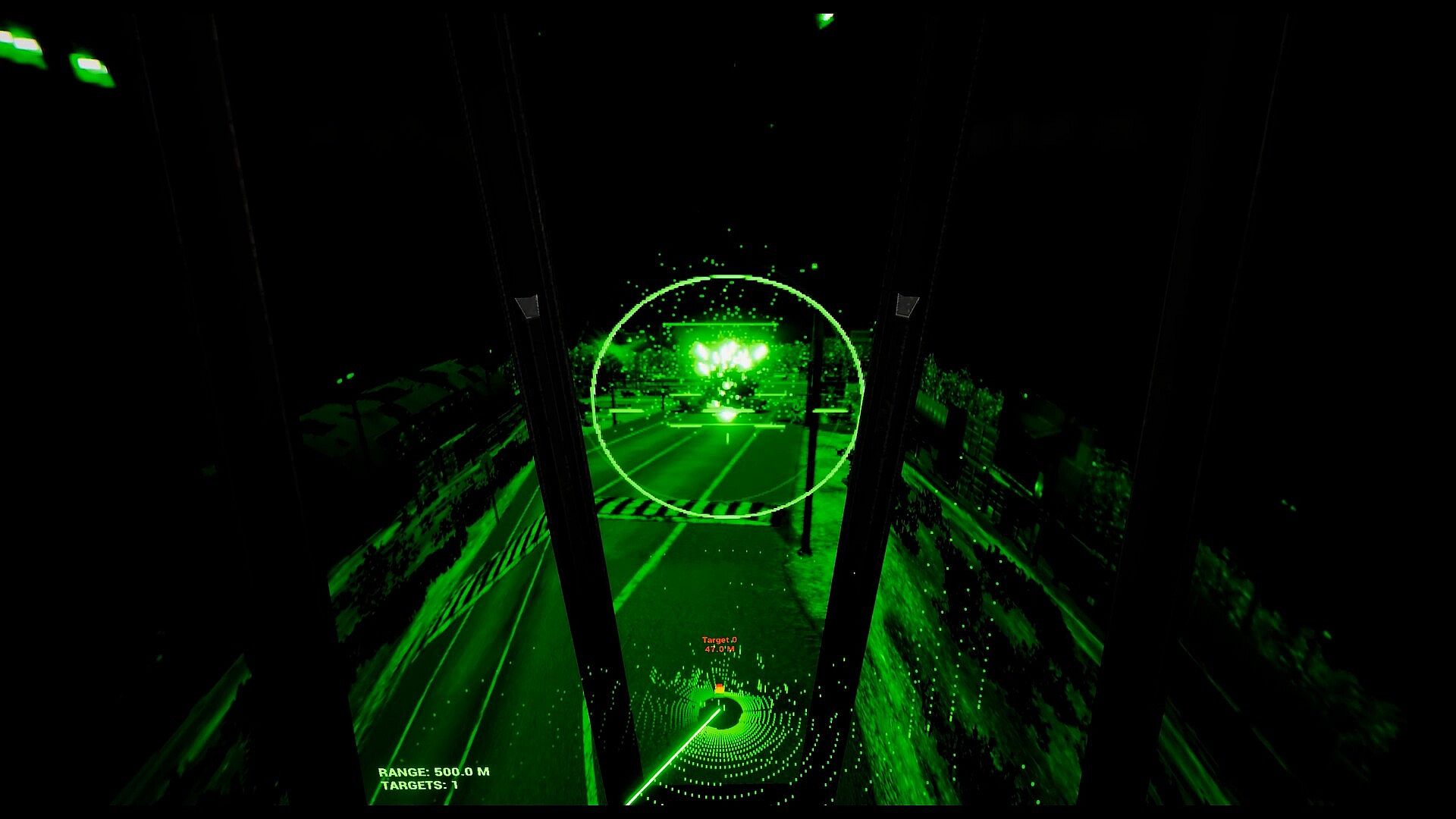
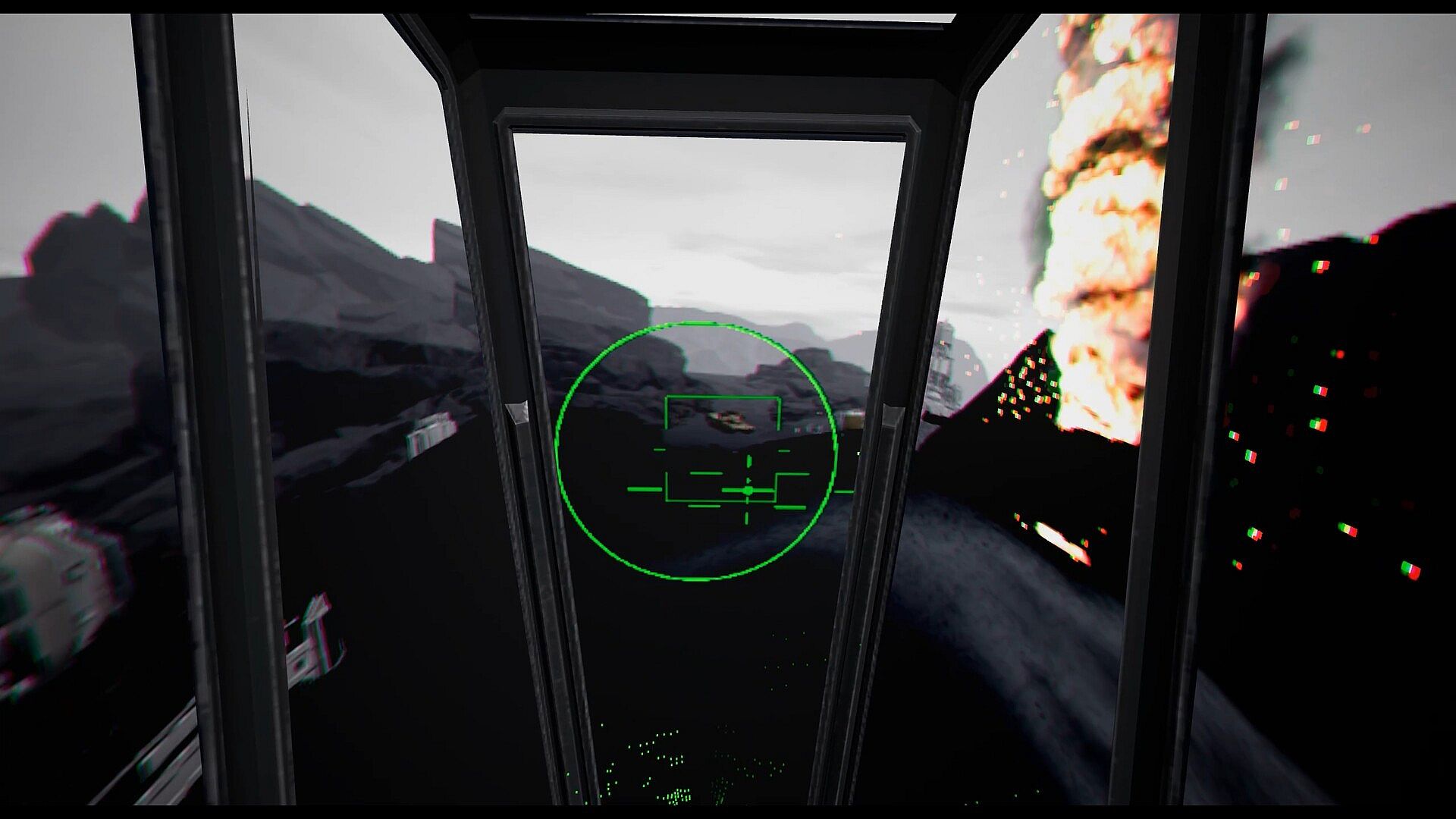
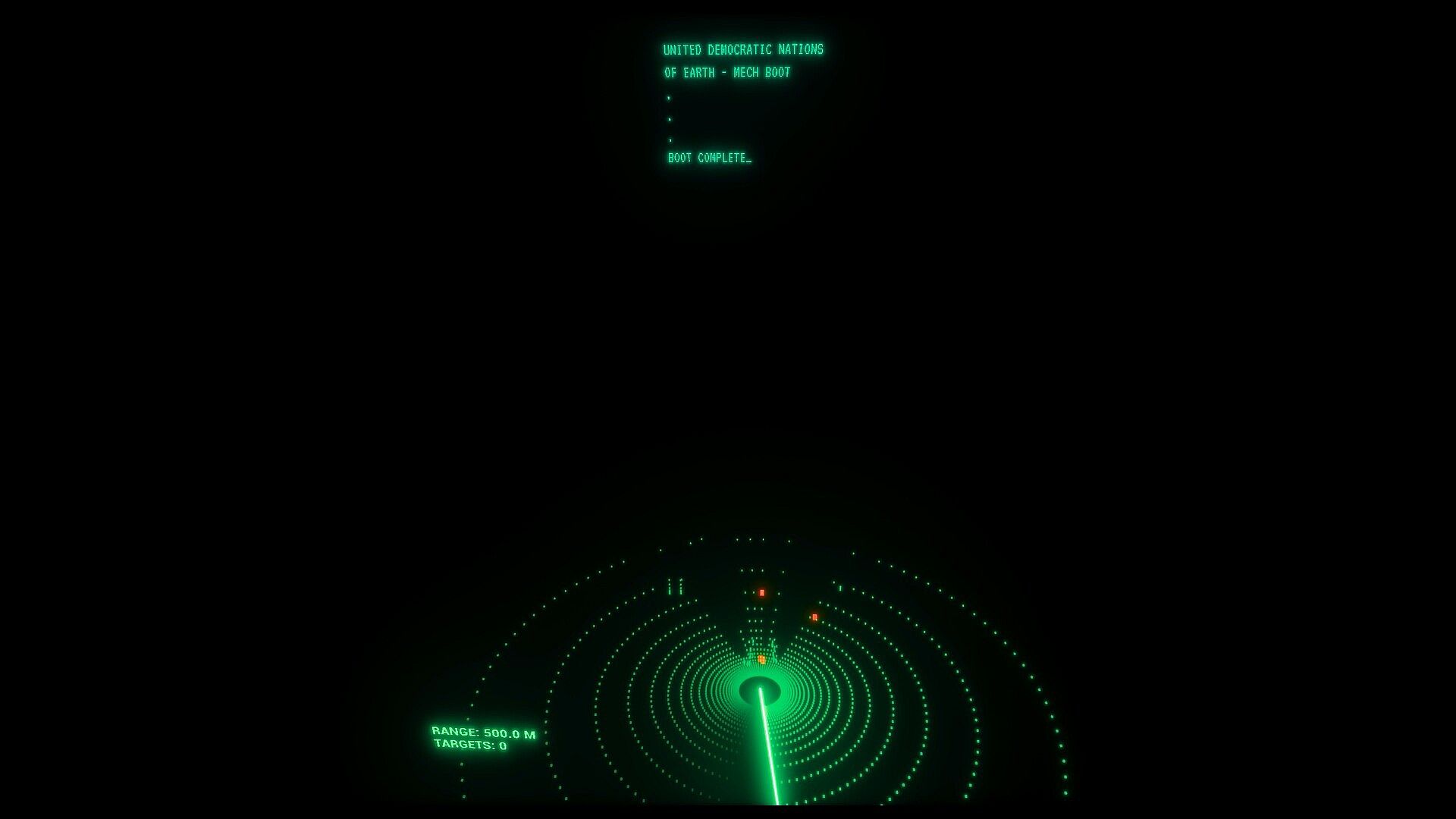
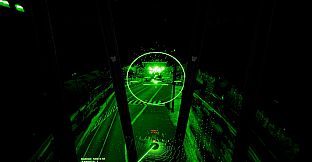
Das Hauptspiel besteht aus einer Einzelspieler-Kampagne mit Einsätzen in verschiedenen Zonen. Eine davon ist unkartiertes Planeten-Terrain mit Umweltgefahren und feindlichen Gruppen, die präzises Gehen und Positionieren verlangen. Eine weitere umfasst Nachtoperationen, bei denen Piloten auf die Nachtsicht des Cockpits angewiesen sind, um befestigte Stellungen in völliger Dunkelheit ausfindig zu machen.
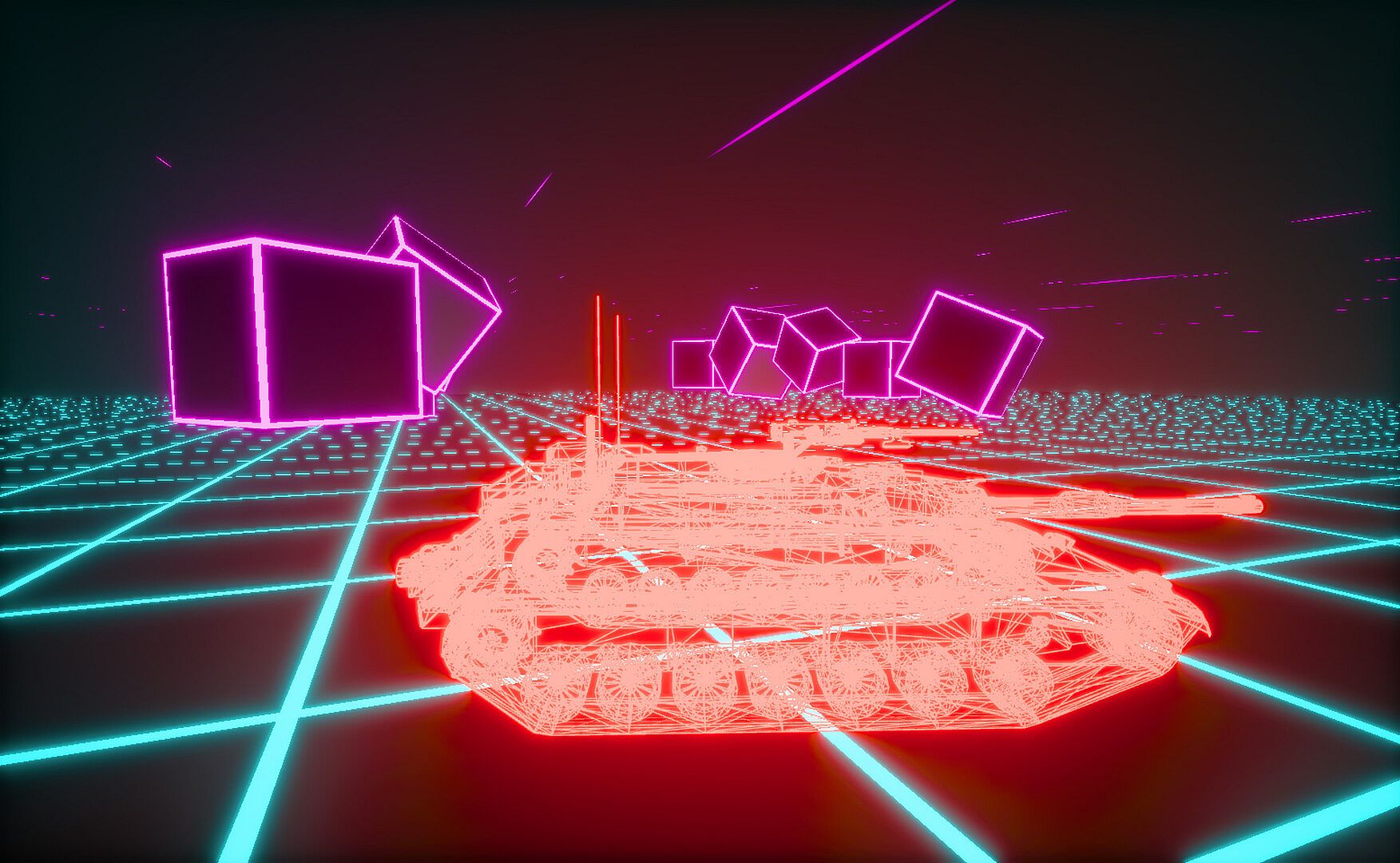
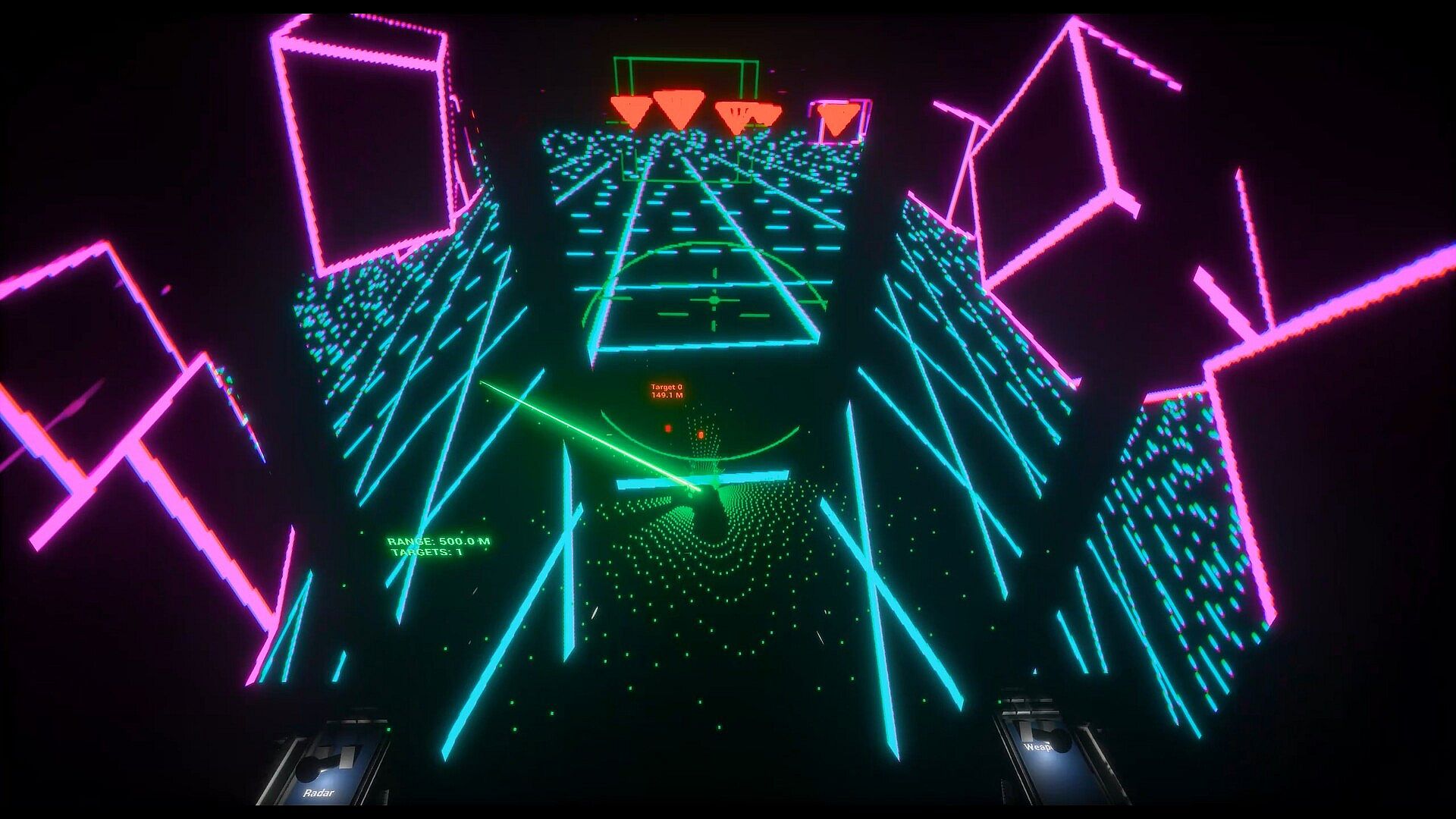
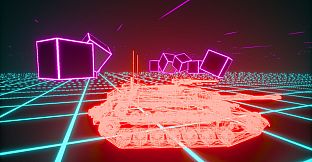
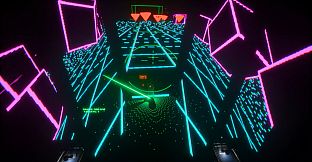
Vor diesen Einsätzen dienen modulare VR-Missionen als gezieltes Training. Sie finden in reduzierten geometrischen Arenen statt, die mechanische Fertigkeiten isoliert trainieren. Herausforderungen messen Fortbewegungsgeschwindigkeit, Waffenpräzision und Systemmanagement in wiederholbaren Szenarien, die Anpassungen am Loadout und Verbesserung der Punktzahl ermöglichen.
Ein separater Bonuslevel bietet Multiplayer im taktischen Sandbox-Format. In diesem optionalen Modus können Piloten direkt gegeneinander antreten - mit denselben Physik- und Steuerungssystemen wie im Einzelspiel.
Wichtige Mechaniken und Umgebungen
Die Physiksimulation bildet das Fundament. Verzögertes Momentum und striktes Kollisionsverhalten bilden das Handling eines großen zweibeinigen Rahmens nach und beeinflussen Beschleunigung, Bremsen und Interaktion mit Hindernissen. Die Cockpit-Bedienung bleibt zentral: Jede Steuerung erfordert in VR bewusste physische Eingriffe oder entsprechende Präzision auf dem Bildschirm.
Die Umgebungen stellen unterschiedliche taktische Anforderungen. Außerirdisches Gelände bringt unvorhersehbare Topografie und Schwärme mit sich. Nachtmissionen verlagern den Fokus auf optische Systeme und lautlose Positionierung. Simulationsgitter eliminieren externe Einflüsse, um reines Handling und Waffeneinsatz in den Vordergrund zu stellen. Diese Settings unterstützen Solo-Überleben gegen überlegene Kräfte, wobei Ressourcenmanagement und schnelle Anpassung entscheidend sind.
Lohnt sich das Spiel?
Lethal Algorithm richtet sich an Spieler, die detaillierte mechanische Simulation und VR-spezifische Interaktionen schätzen - statt schneller, abstrahierter Action. Die Einzelspieler-Struktur belohnt wiederholtes Training in den modularen Missionen, bevor man sich an vollständige Einsätze wagt. Der Bonus-Multiplayer-Level bietet zusätzlichen Reiz für direkte Konkurrenz im gleichen Physikrahmen.
Das Spiel zielt auf Fans physikbasierter Fahrzeugsteuerung und immersiver Cockpit-Systeme ab. Wer schnelle Action sucht, könnte das bewusste Tempo und die Eingabeanforderungen anspruchsvoller finden als in typischen Titeln. Verfügbar ist das Spiel ausschließlich für den PC mit VR- oder Standard-Display-Optionen. Im Zentrum steht das Solo-Überleben mit optionalen kooperativen Elementen im experimentellen Level. Spieler, die iterative Fertigkeitsentwicklung in einem fokussierten mechanischen Sandbox-Setting schätzen, finden hier die passendste Umsetzung der beschriebenen Systeme.