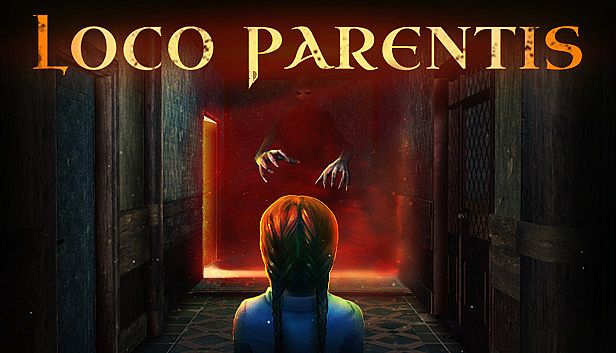



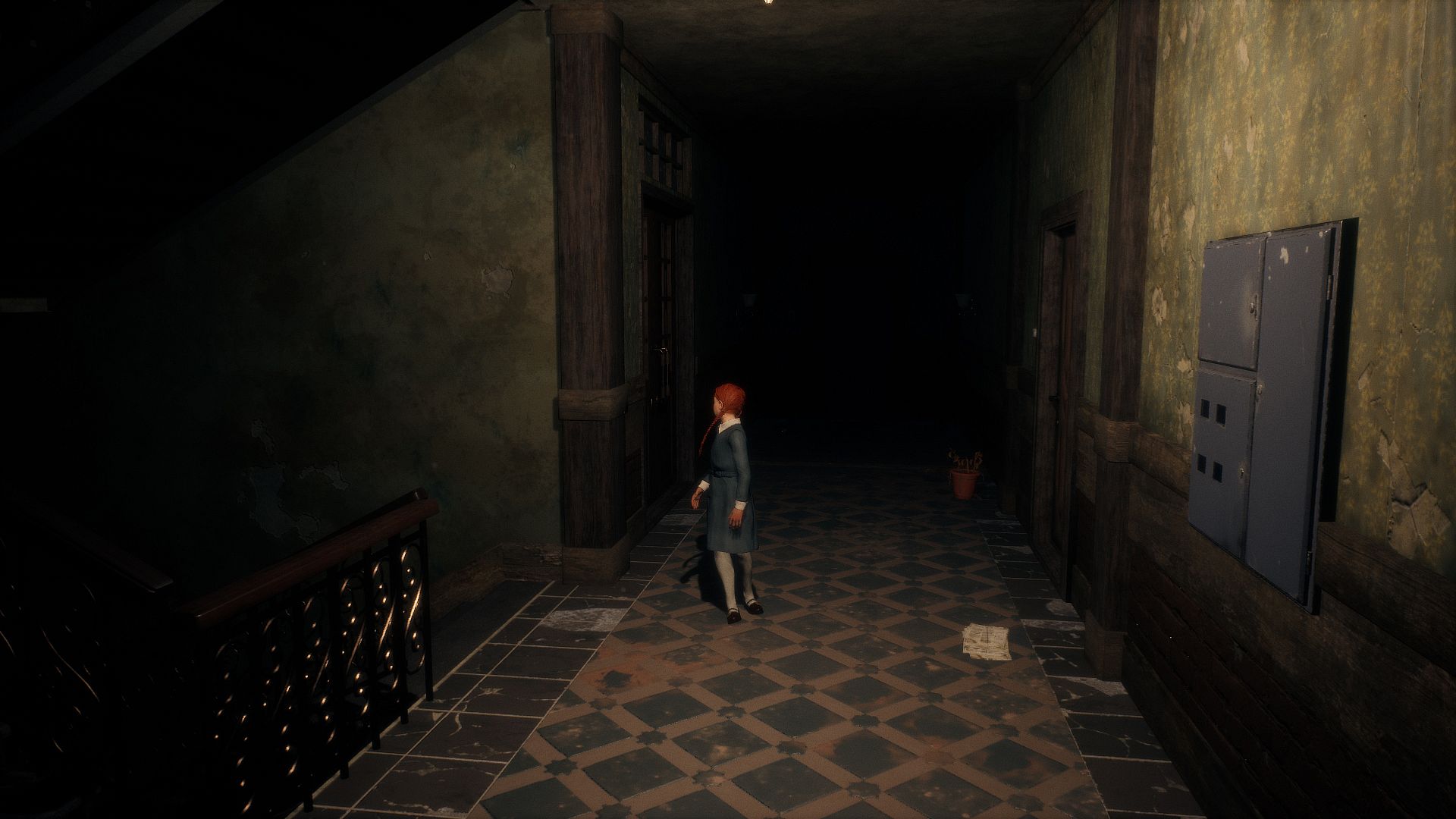
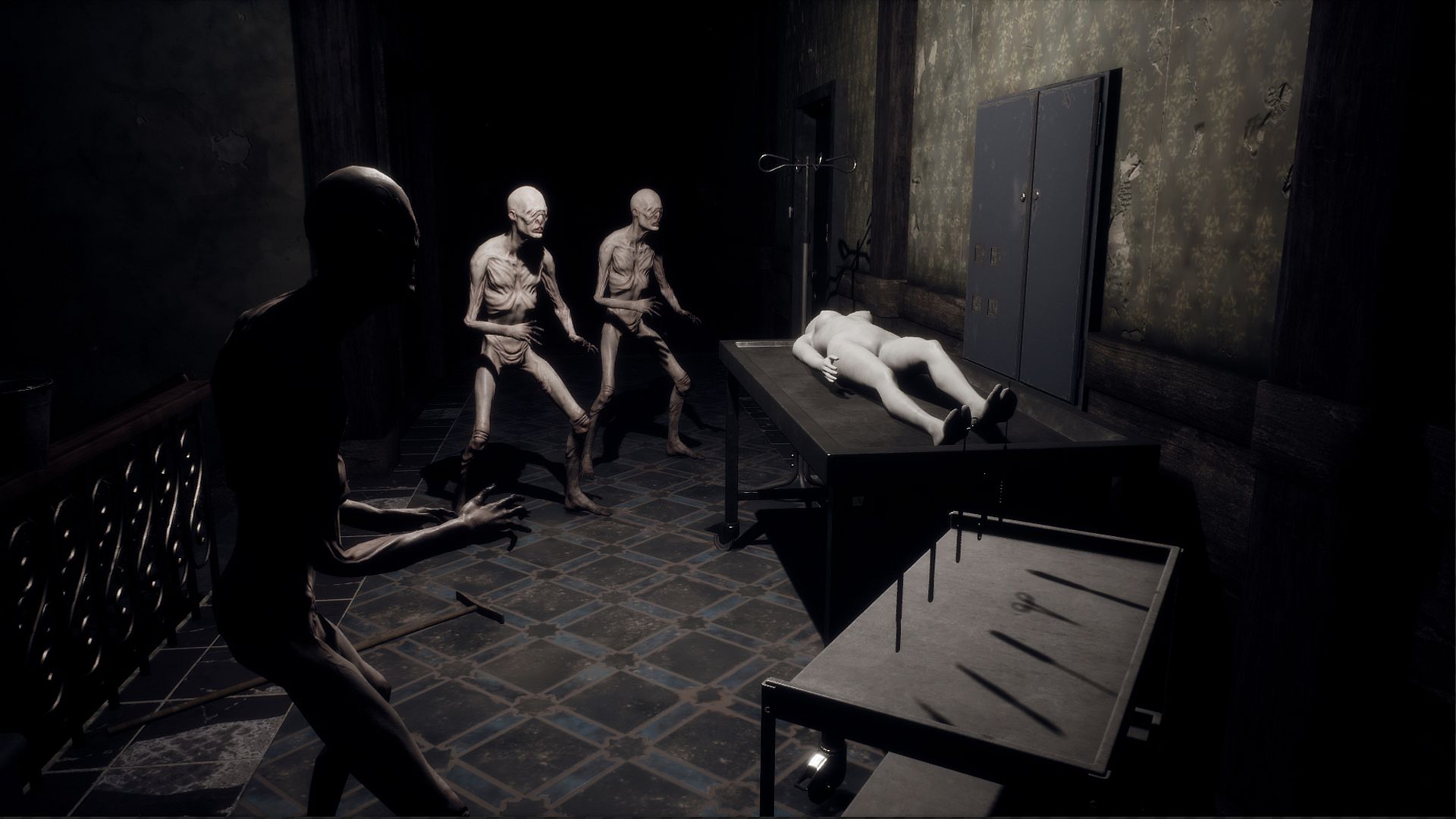
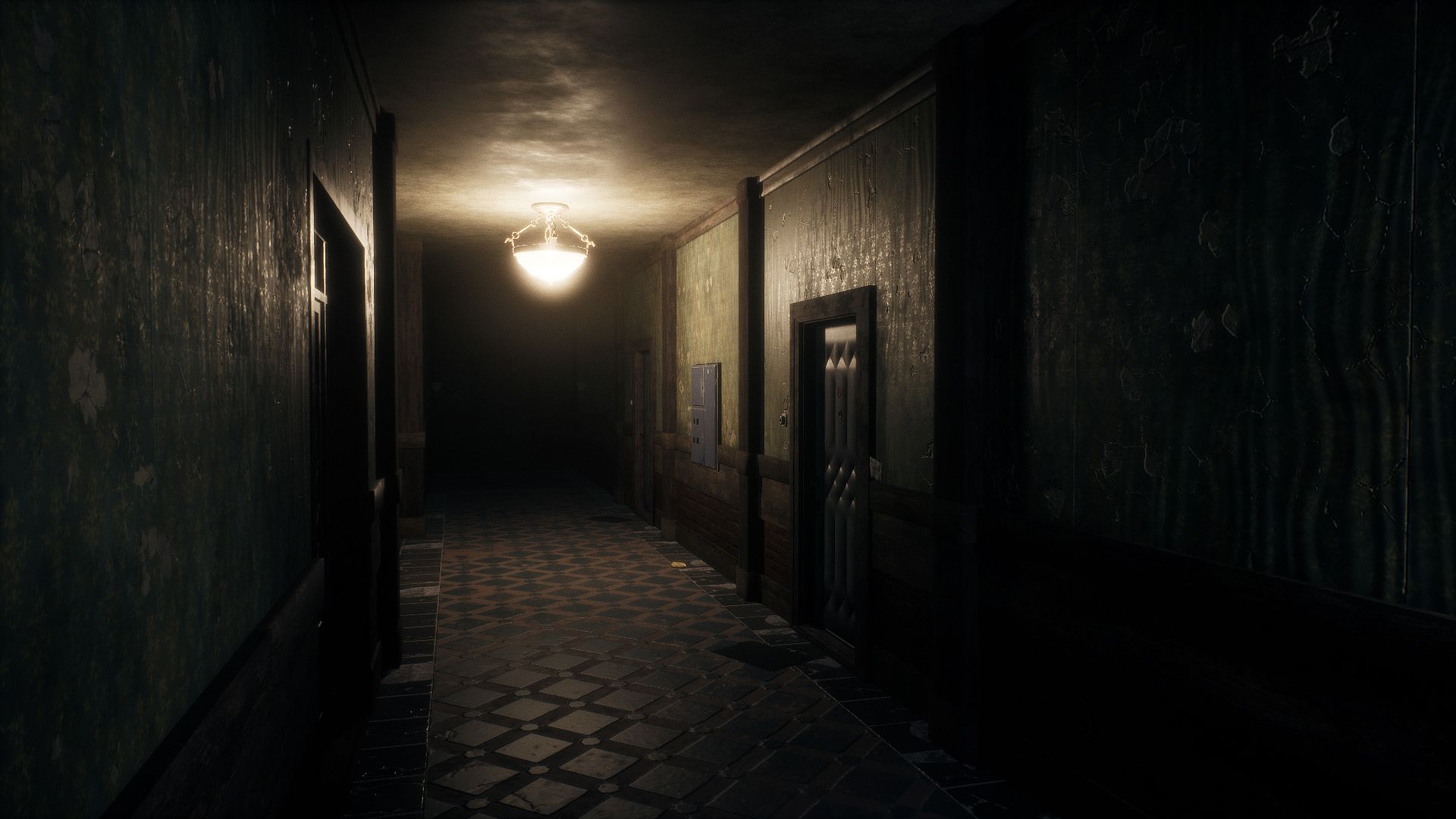
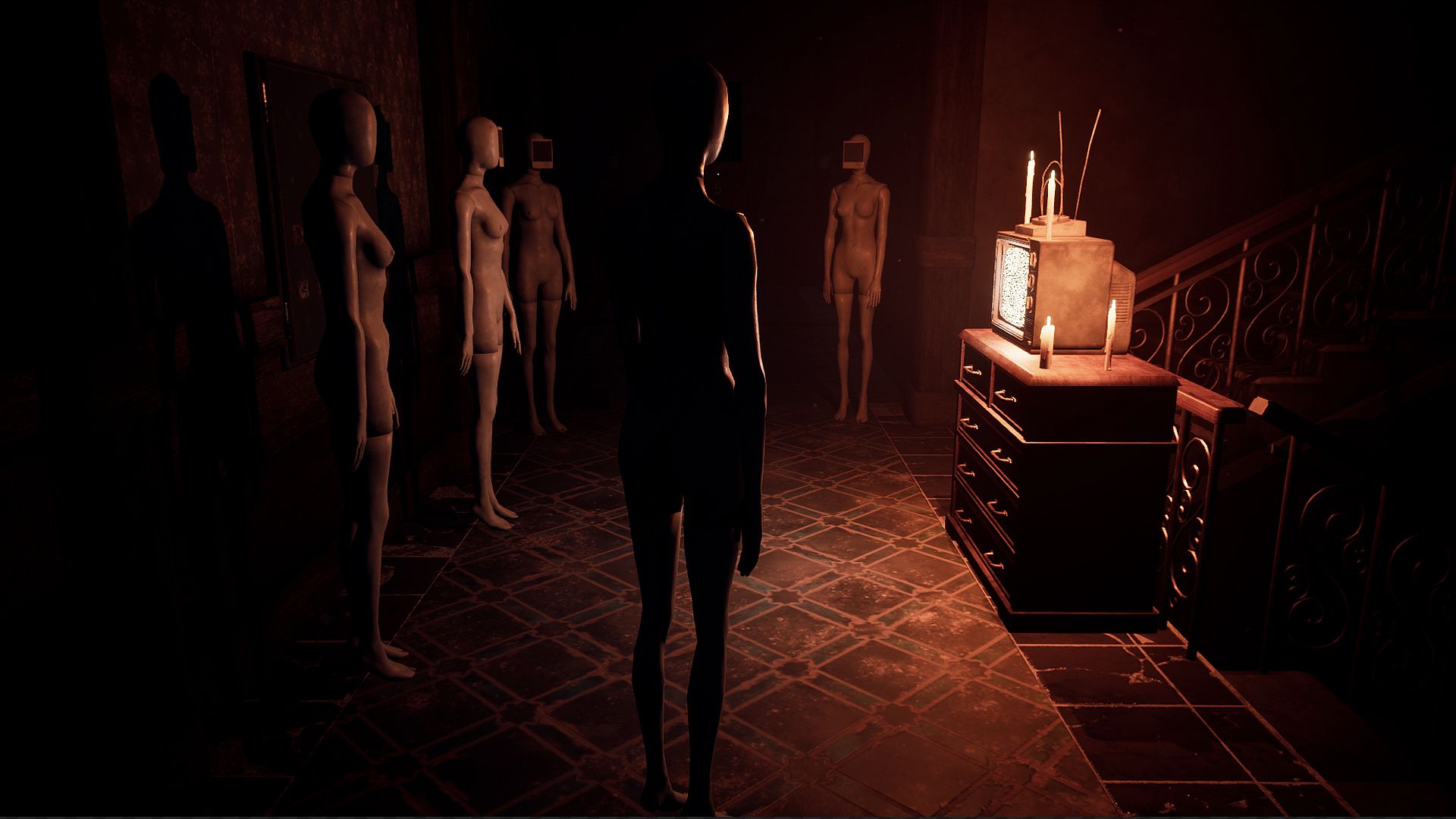
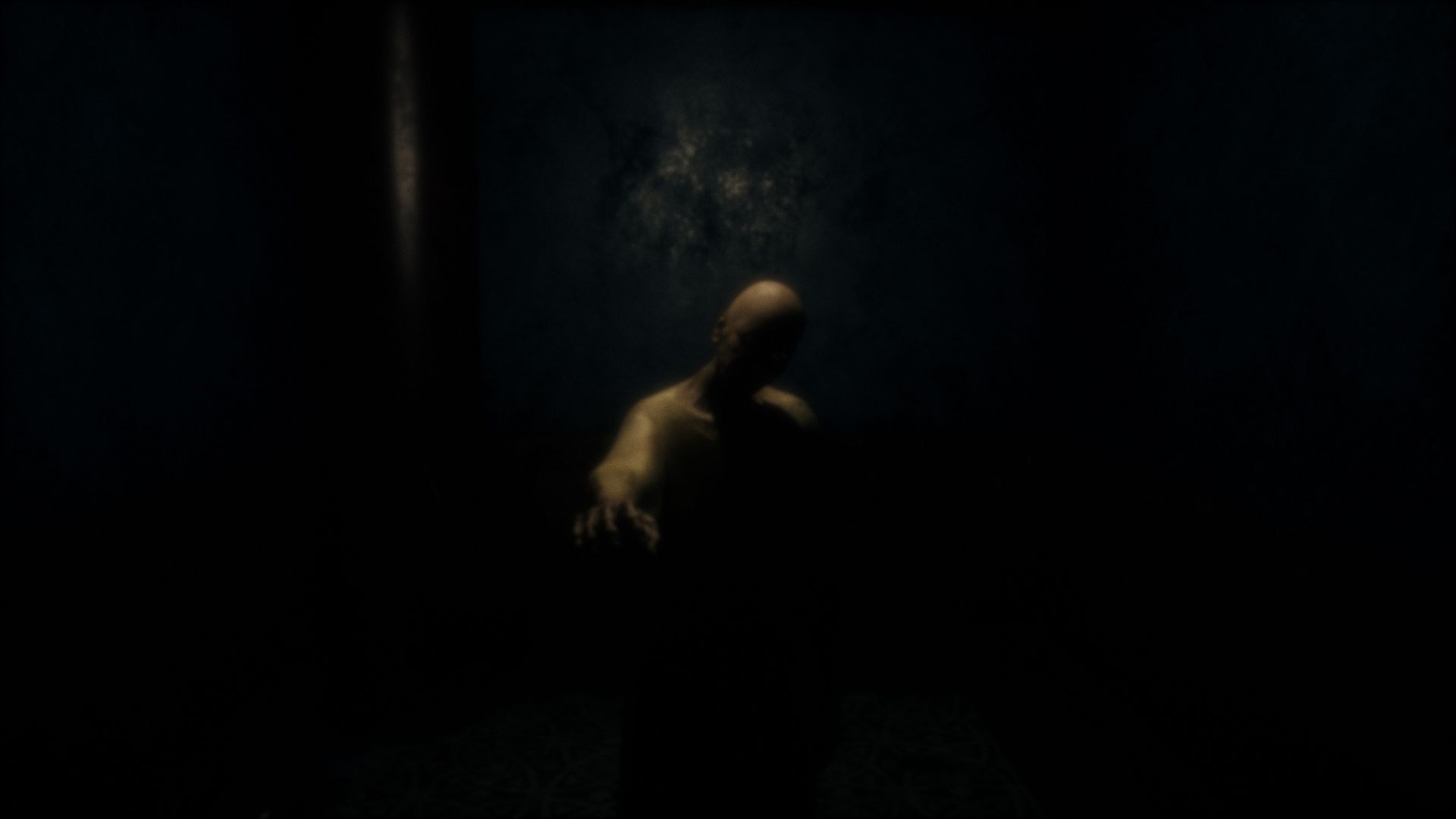
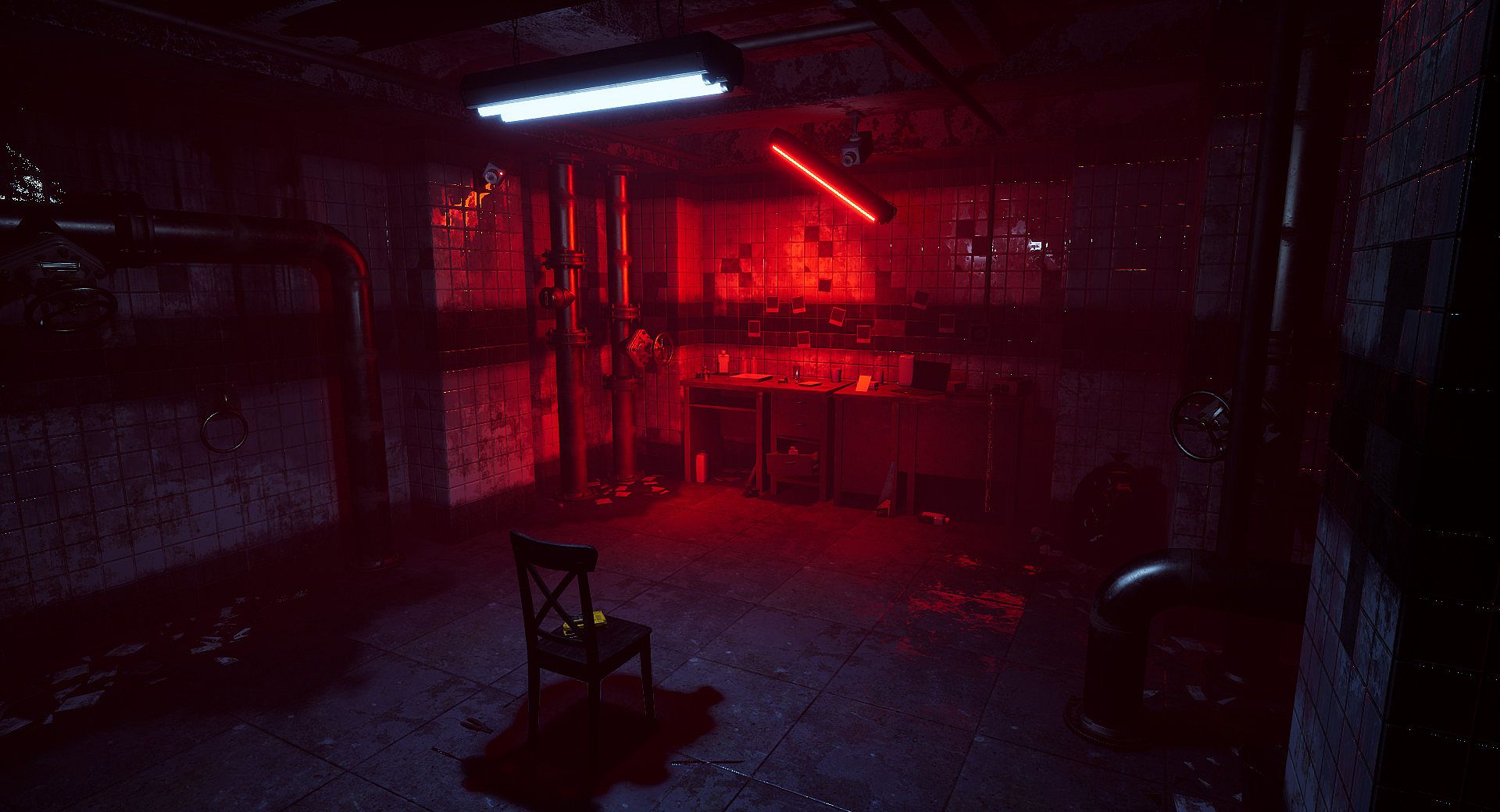
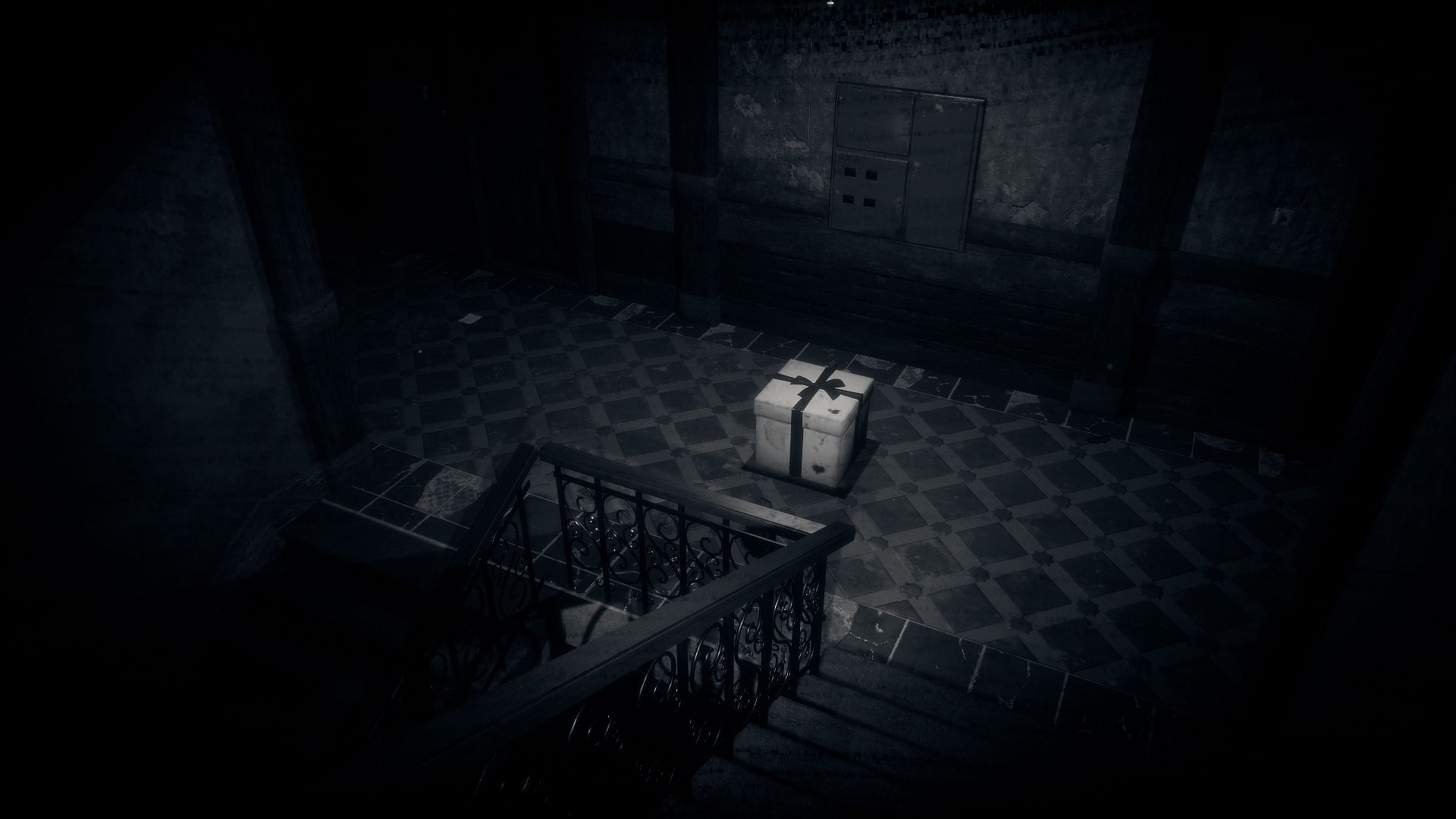
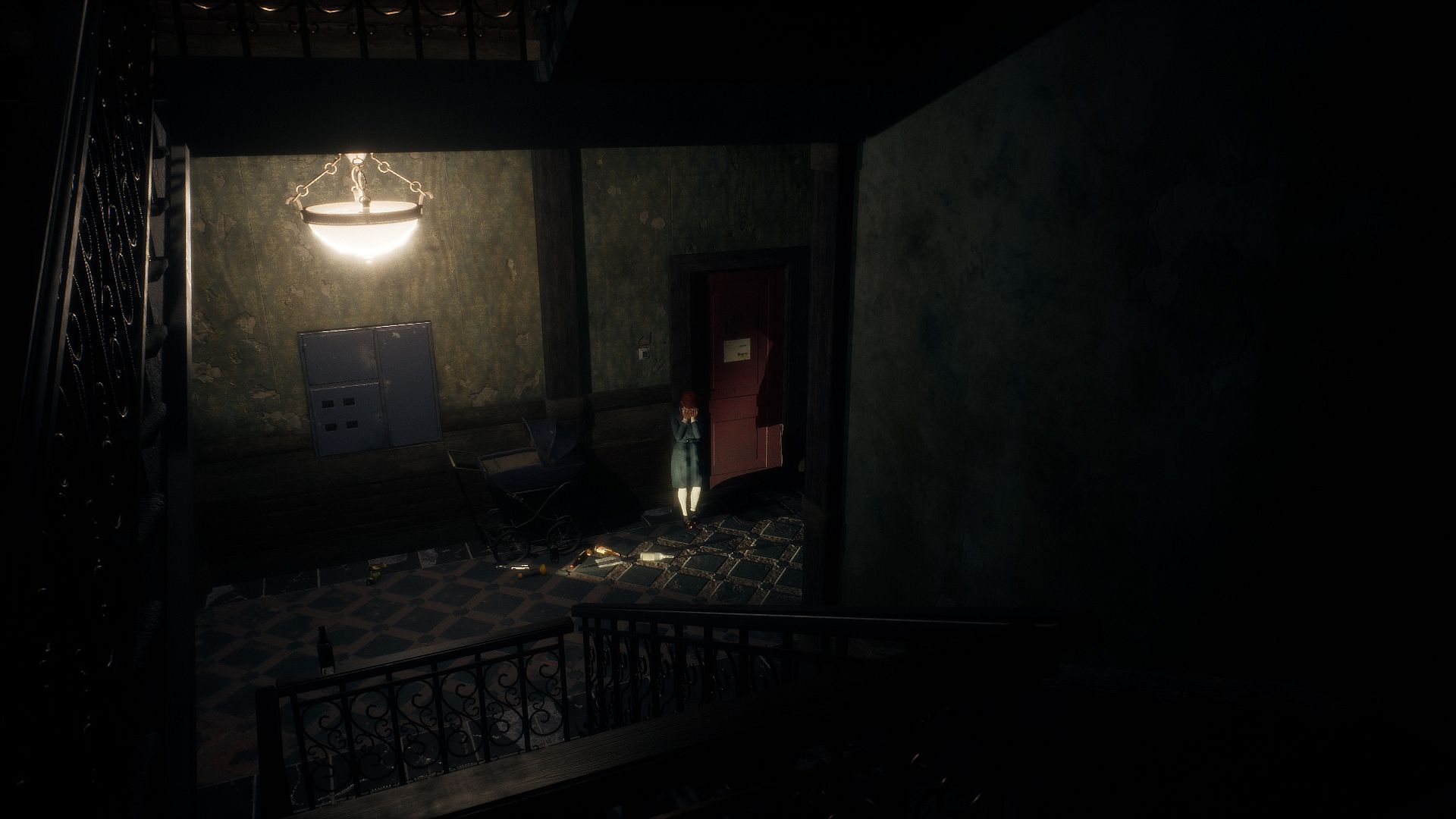
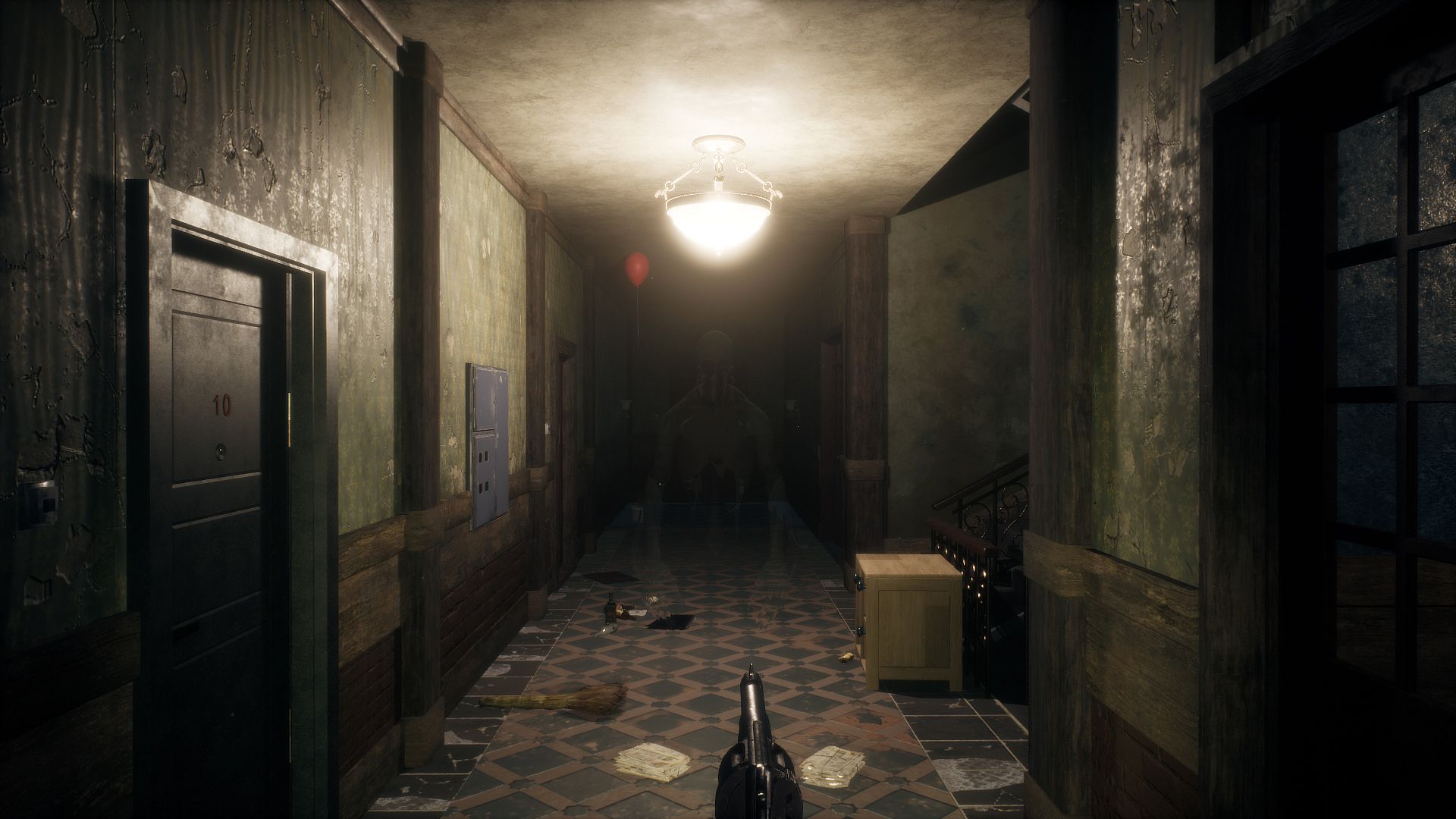
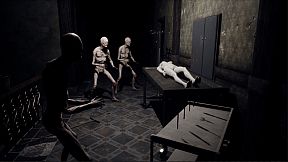
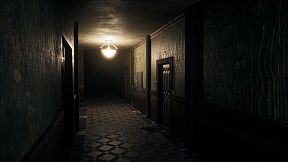
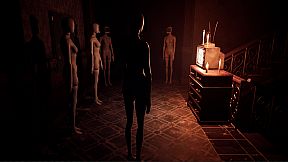

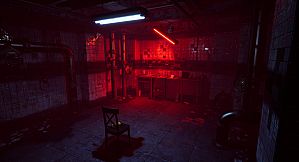
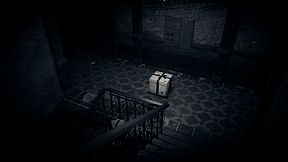
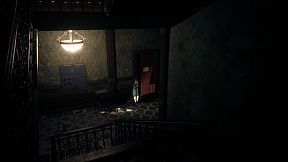
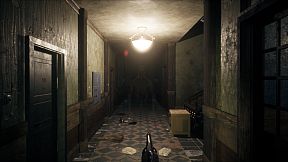
Loco Parentis is a survival horror game that blends action, adventure, and puzzle elements in a confined apartment building setting. Players step into the role of an ordinary resident who encounters a frightened child and becomes trapped in a paranormal nightmare while trying to help her locate her mother. The experience emphasizes exploration of dimly lit corridors, interaction with eerie tenants, and confrontation with supernatural threats that demand careful observation and resource management.
Gameplay
The core loop revolves around navigating repetitive yet atmospheric hallways and apartments filled with clues, items, and sudden paranormal encounters. Players must manage limited inventory space, often carrying just one item at a time, while using a flashlight to illuminate dark spaces and a firearm to repel hostile entities. Battery conservation adds tension, as light sources deplete and force strategic decisions about when to search for replacements or push forward. Puzzles require close inspection of the environment, such as locating hidden objects or interpreting environmental storytelling about the building's residents. Combat feels deliberate rather than fast-paced, with encounters that punish poor positioning or neglected teamwork. The ominous sound design and lack of a prominent HUD heighten the sense of foreboding as players uncover fragments of the little girl's story amid increasingly unsettling events.
Game Modes
Two primary ways to experience the game exist: solo play and two-player co-op. In single-player mode, all tasks fall to one person, which increases the challenge of simultaneous exploration, defense, and puzzle-solving. Co-op allows a friend to join online, with roles often splitting naturally between one player handling the flashlight for visibility and the other managing the weapon for threats. This division encourages constant communication and proximity, as darkness becomes far more dangerous without coordinated effort. The co-op option supports cross-platform pairings in some configurations, though the focus remains on shared survival rather than competitive elements. No additional modes such as survival variants or larger multiplayer sessions appear in the design.
Story and Atmosphere
The narrative unfolds through environmental details and brief character interactions rather than direct exposition. Tenants encountered along the way range from unsettling to outright hostile, blurring the line between human and supernatural. The confined setting of endless stairwells and identical floors builds a liminal dread that persists throughout the short campaign. Players piece together the child's background and the building's hidden history by examining scattered objects and overhearing fragmented dialogues. Multiple endings exist depending on choices made during key encounters, though the overall tone stays consistent in its mix of mystery and horror.
Is It Worth Playing?
Reception has been mixed, with players noting strong atmosphere and co-op tension alongside issues like occasional bugs, repetitive layouts, and demanding item management. The game suits those who enjoy deliberate, puzzle-focused indie horror and appreciate the added intensity of playing with a partner. Its concise length makes it accessible for a single session or weekend playthrough, particularly for fans of atmospheric exploration over high-action sequences. Solo players may find the experience more frustrating due to the increased difficulty, while co-op pairs often highlight the teamwork mechanics as a highlight. Availability on PC and later console ports provides options, though expectations should account for its indie production values and limited post-launch support. Those seeking a unique take on co-op horror in a domestic nightmare setting may find value here, especially at a discounted price.