

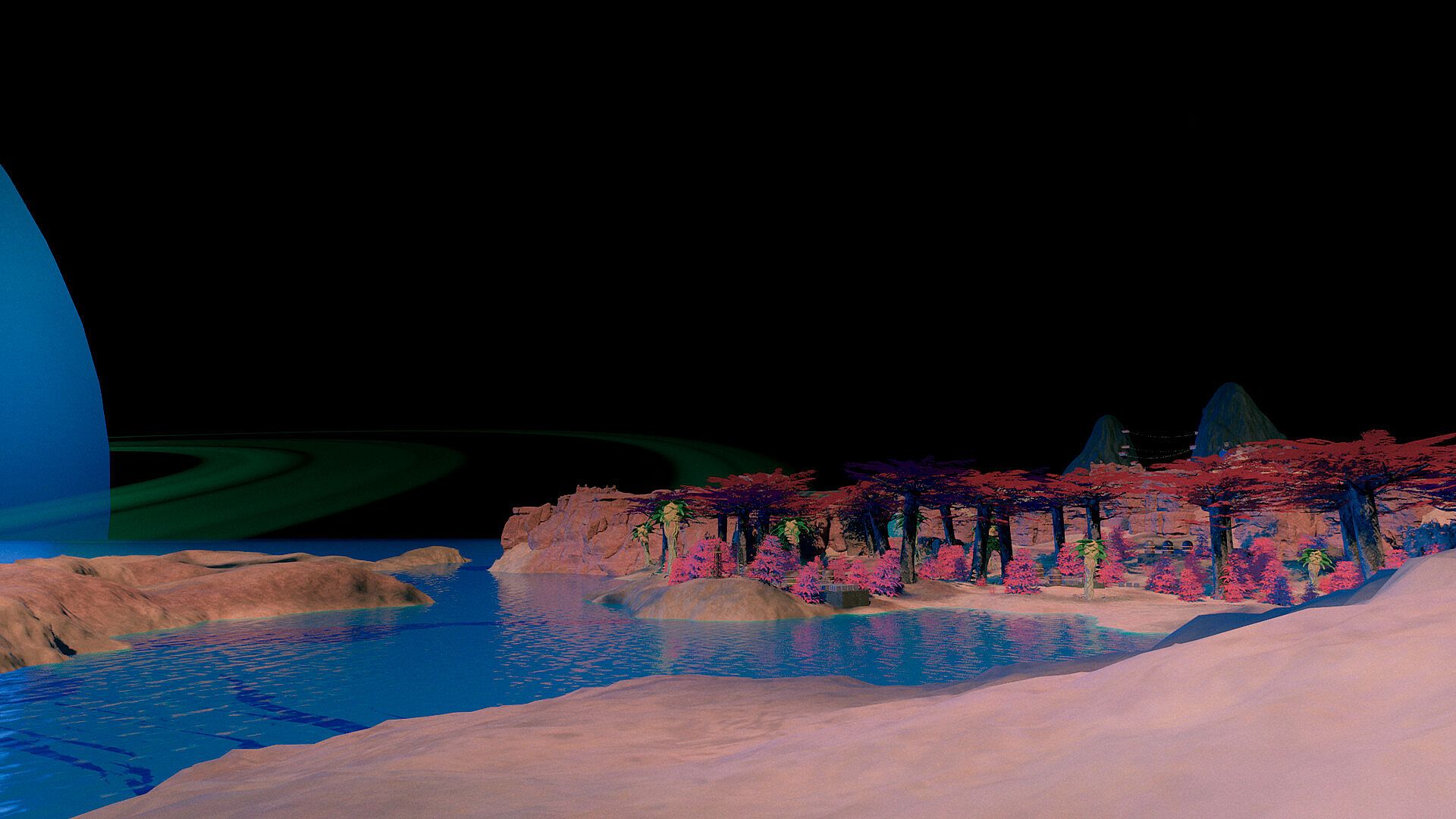
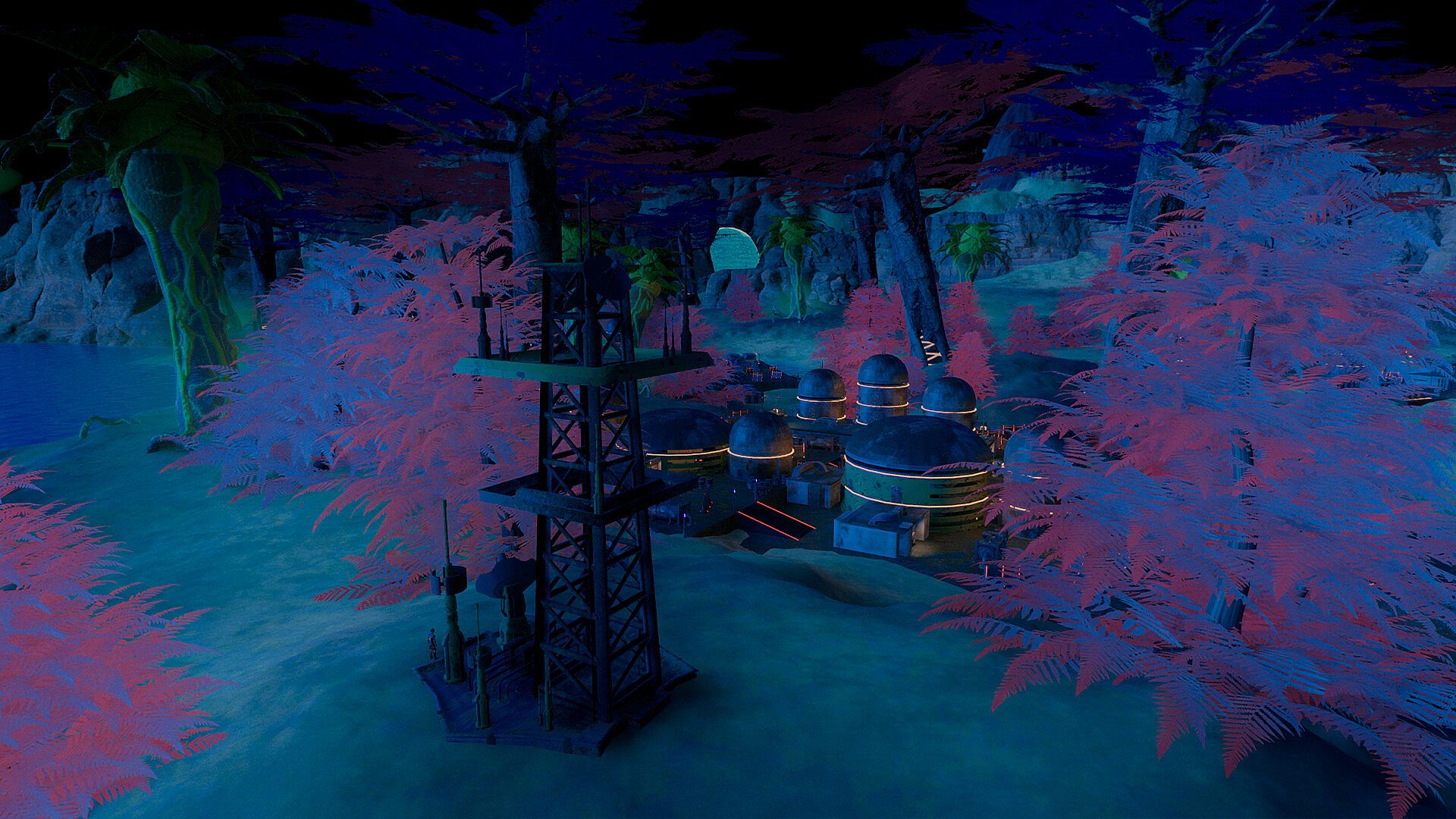
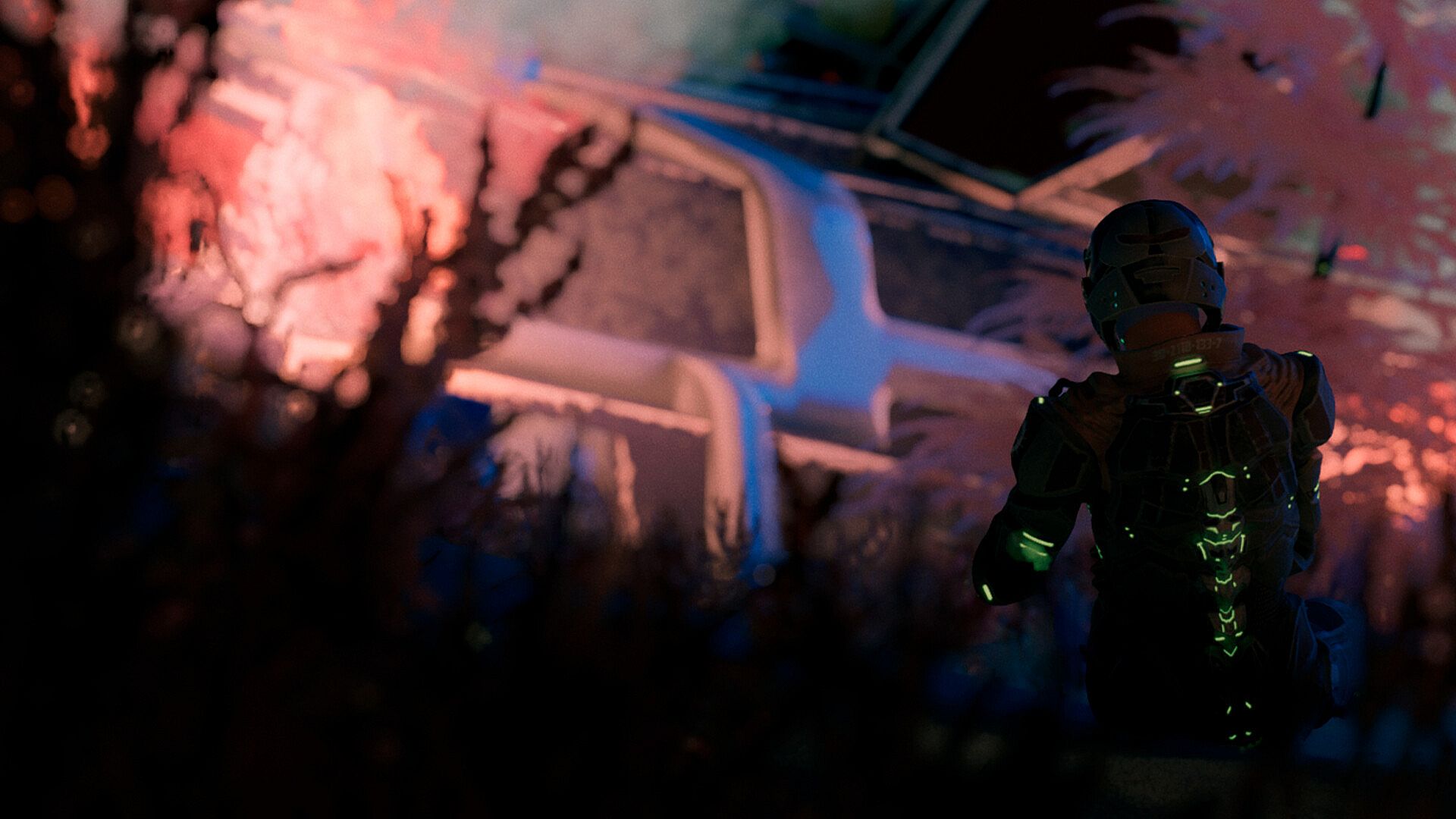
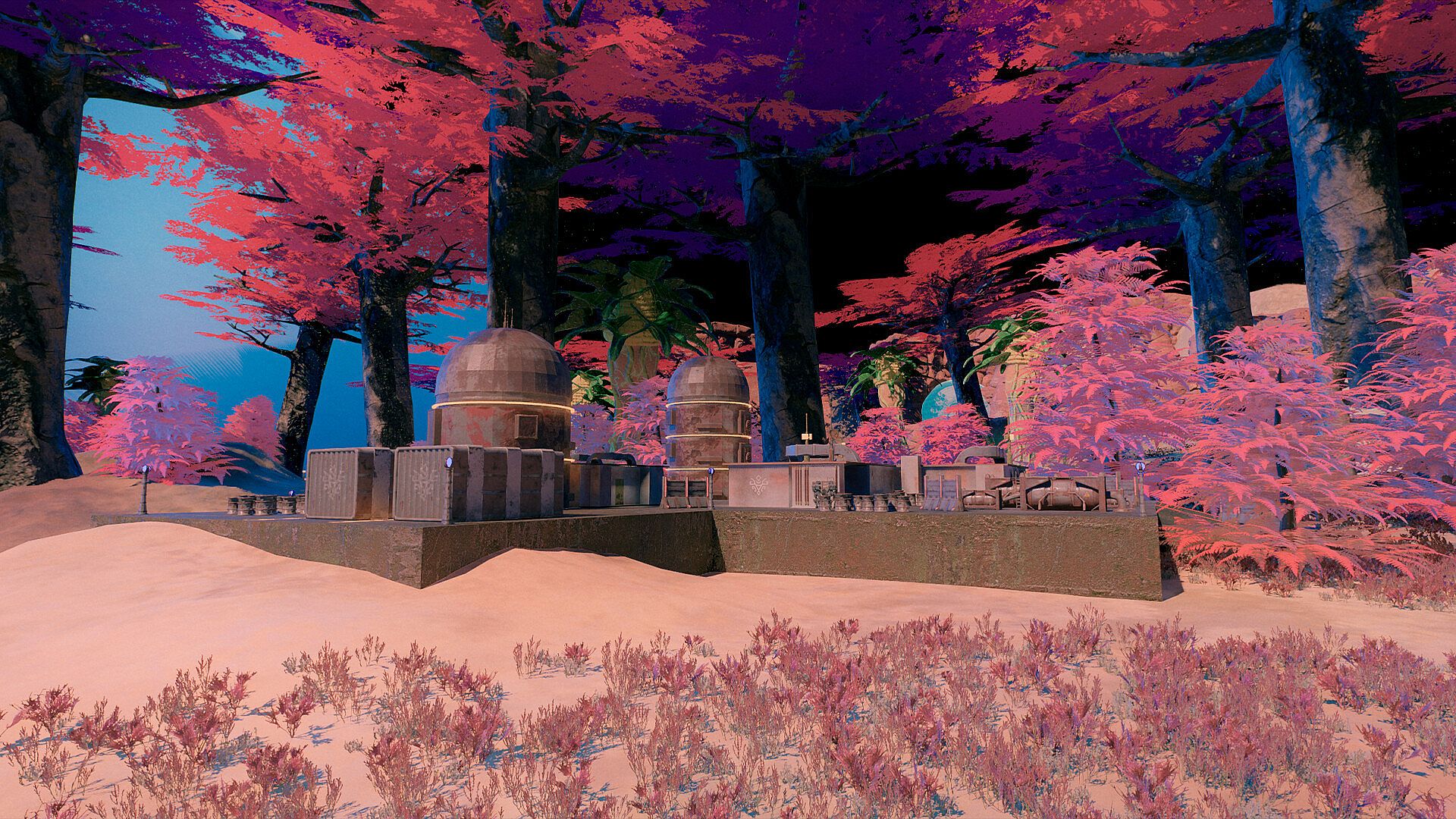
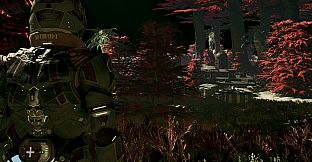
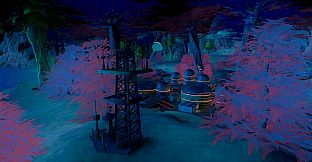
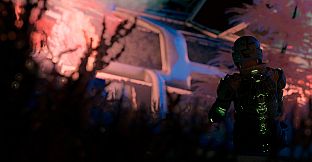
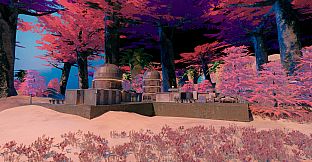
Long Way Home is an action, indie, and adventure game for PC that places players in control of Mitsumoto, an experimental fighter pilot shot down during the Wreck Wars in the Teegarden system. Stranded on a hostile moon deep in enemy territory, the experience centers on survival, exploration, and uncovering the larger conflict through environmental storytelling.
Gameplay
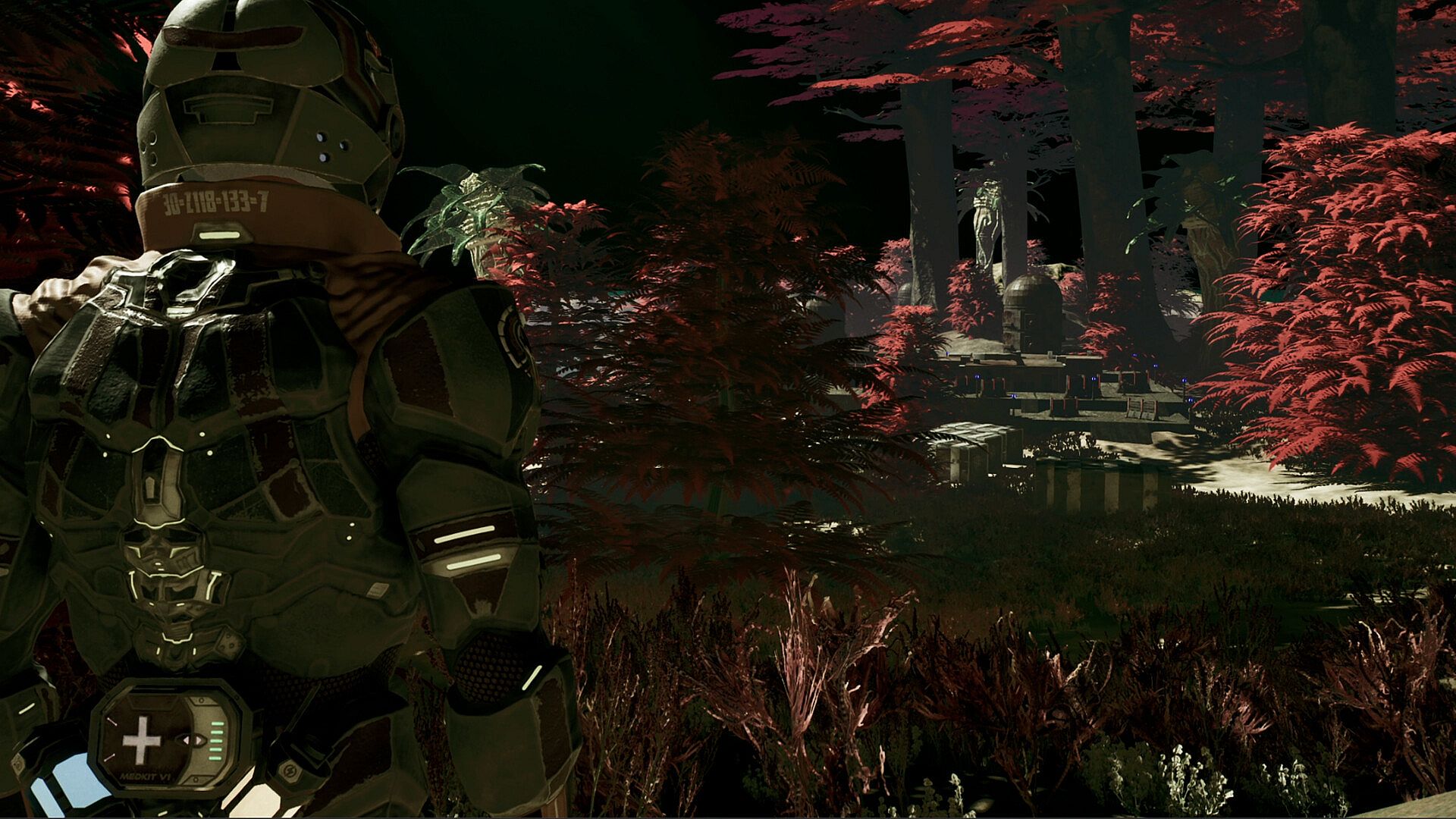
The core loop revolves around managing limited resources such as oxygen and equipment while navigating varied biomes filled with environmental hazards, wildlife, and atmospheric threats. Players cross Wreck bases, military installations, caves, temples, and active war zones, completing objectives that unlock upgrades and new abilities. These upgrades expand movement options and combat effectiveness, gradually opening previously inaccessible areas and allowing confrontation with stronger enemies.
Resource management ties directly into forward progress. Safe locations must be located and secured before venturing deeper, and every decision about when to fight or avoid patrols, drones, and armored units affects available supplies and overall survival odds. The world itself serves as the primary narrative vehicle, with ruins, technology, paintings, monoliths, and religious structures revealing details about the Wreck, the Teegarden events, and broader forces at play.
Perspective shifts enhance immersion. Exterior traversal and combat occur in third person, while interiors such as bases and installations switch to first person for closer inspection and story discovery. Other stranded pilots and soldiers can be located and assisted, providing both practical support toward eventual evacuation and additional context about ongoing surface events.
Game Modes
Long Way Home presents a single-player campaign built around integrated survival, exploration, and progression systems. There are no separate multiplayer or competitive modes. The entire experience unfolds as one continuous journey where survival mechanics support exploration goals, and narrative elements emerge naturally from world interaction rather than through dedicated story missions.
Objectives blend environmental puzzles, resource scavenging, and tactical encounters with Wreck forces. Upgrades earned through progress alter both traversal and combat capabilities, creating a feedback loop where earlier choices influence later options. The structure encourages repeated visits to areas as new abilities become available, though the focus remains on reaching safety and piecing together the larger picture.
Story and Setting
The narrative unfolds within the Eons of Evolution universe created by Chaos Gates. Mitsumoto's story functions as a complete standalone tale while connecting to a wider timeline of civilizations, technologies, and conflicts. Discoveries on the moon gradually expose the nature of the Wreck, the circumstances of the orbital battle, and hints of forces operating beyond the immediate system.
Exploration serves dual purposes. It yields practical resources and upgrades while revealing fragments of history through environmental details. Abandoned installations, religious structures, and war remnants provide context without relying on traditional cutscenes or dialogue trees, rewarding careful observation over direct exposition.
Is It Worth Playing?
Long Way Home suits players who enjoy deliberate single-player survival adventures that emphasize exploration and world-driven storytelling over fast-paced action or multiplayer competition. The blend of resource management, ability progression, and perspective shifts creates a focused experience centered on one pilot's attempt to survive and escape enemy territory.
Those drawn to sci-fi settings with layered environmental narratives and gradual power growth will find the mechanics align closely with the premise. The game rewards patience in scouting safe paths, assisting fellow survivors, and adapting equipment to new threats. Its standalone design within a larger universe makes it accessible without prior knowledge of the setting, while still offering depth for those interested in piecing together the broader conflict.