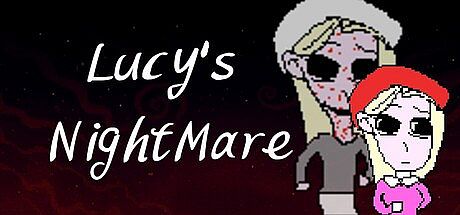


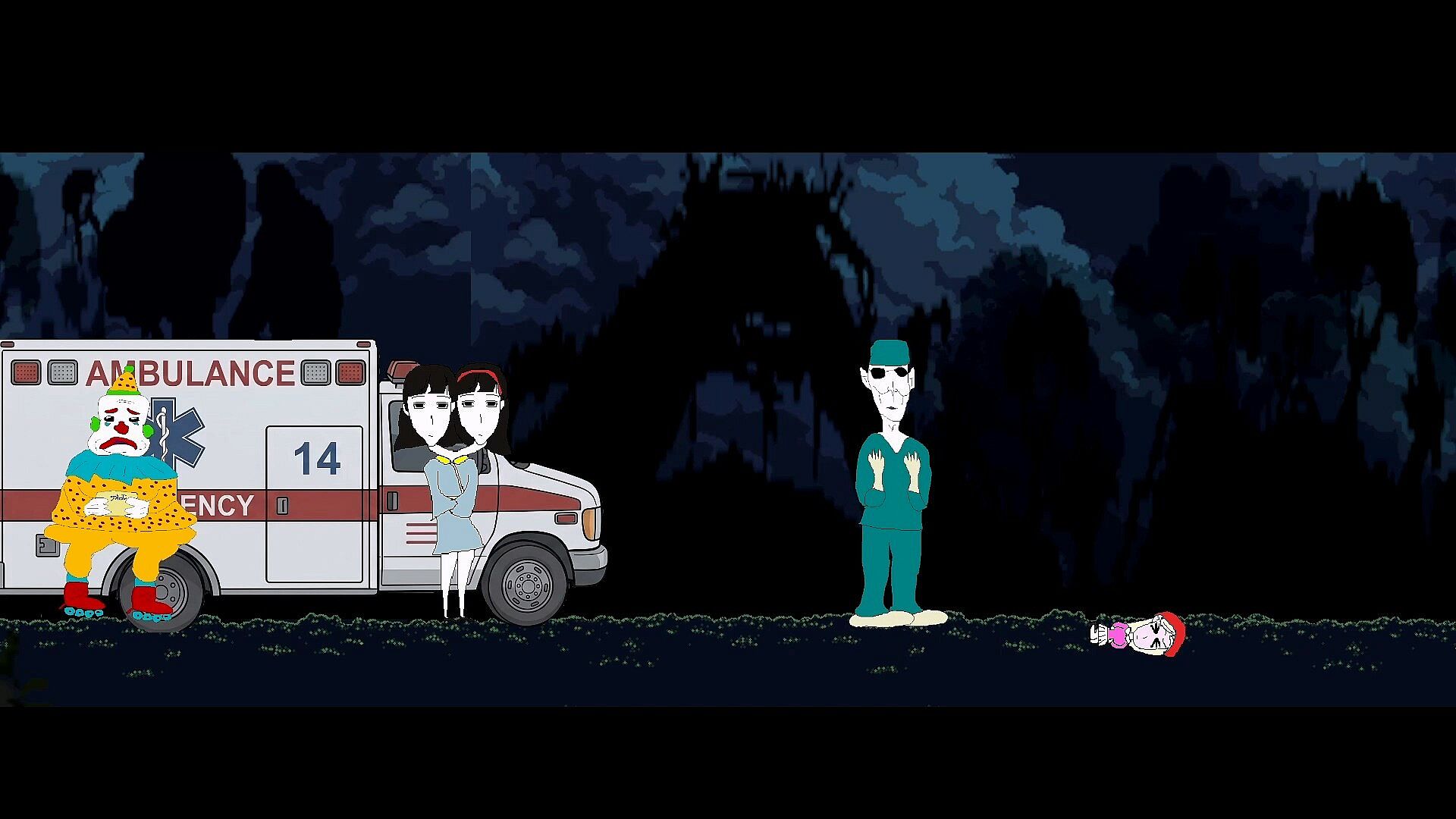
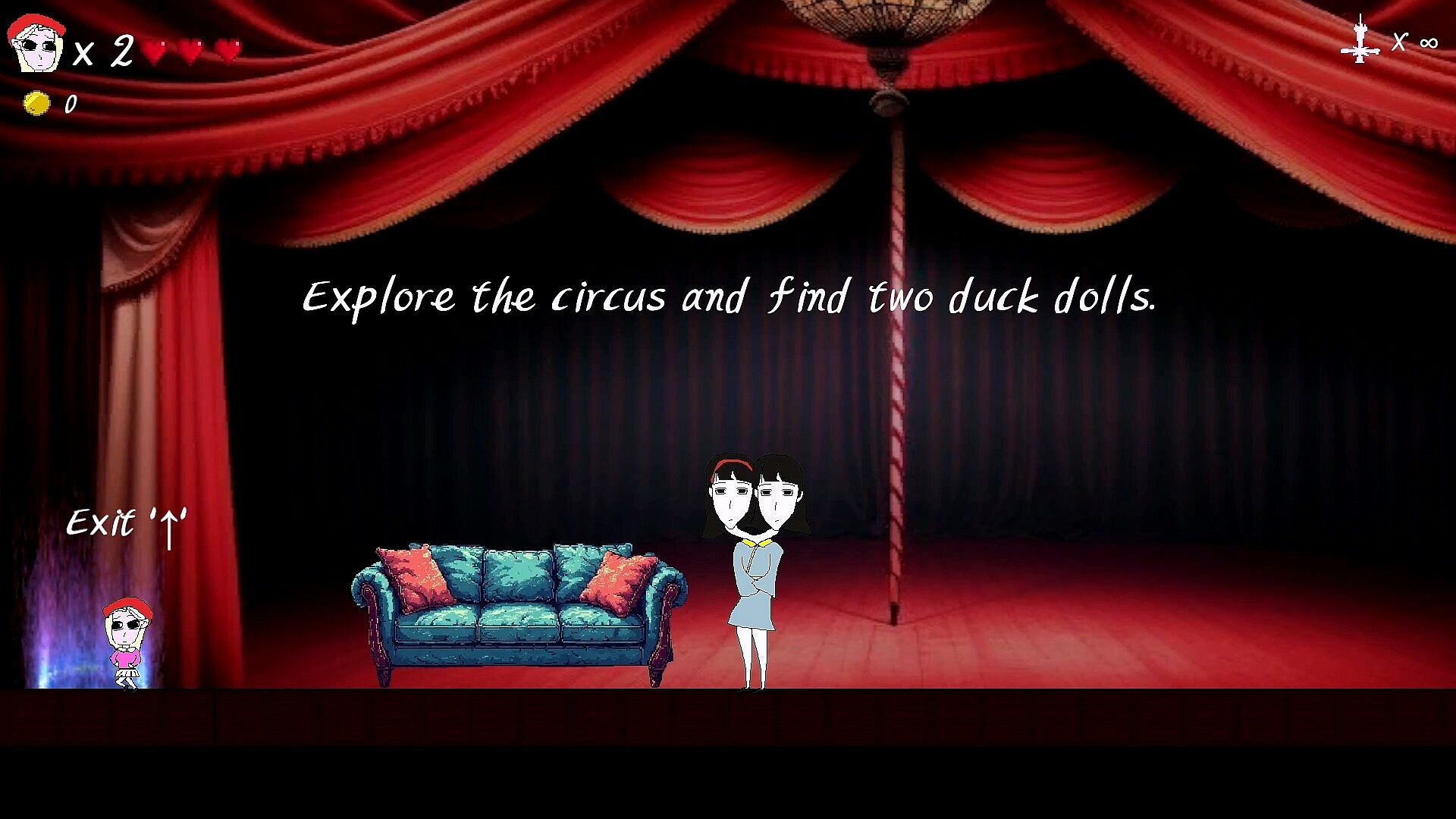
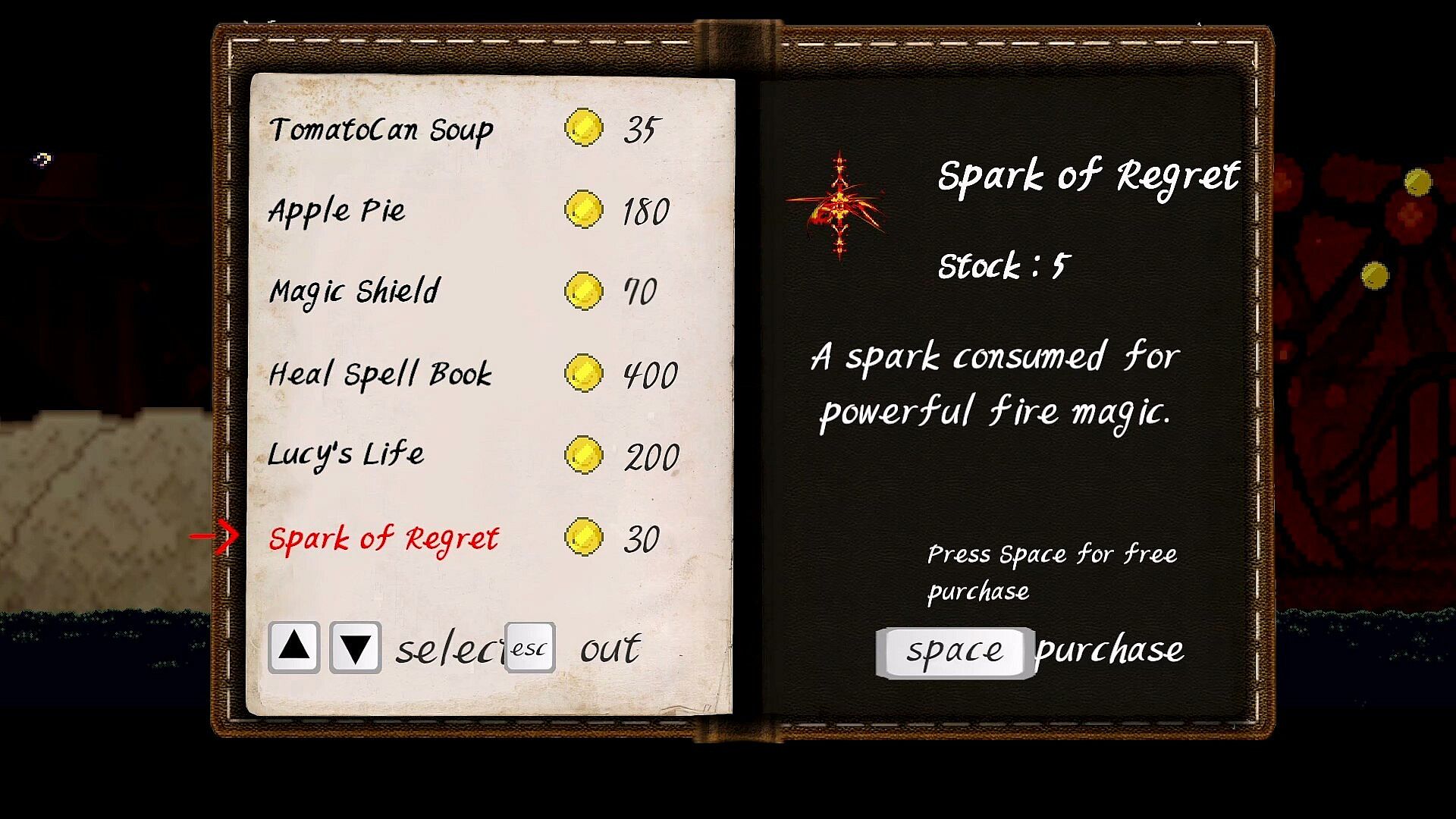

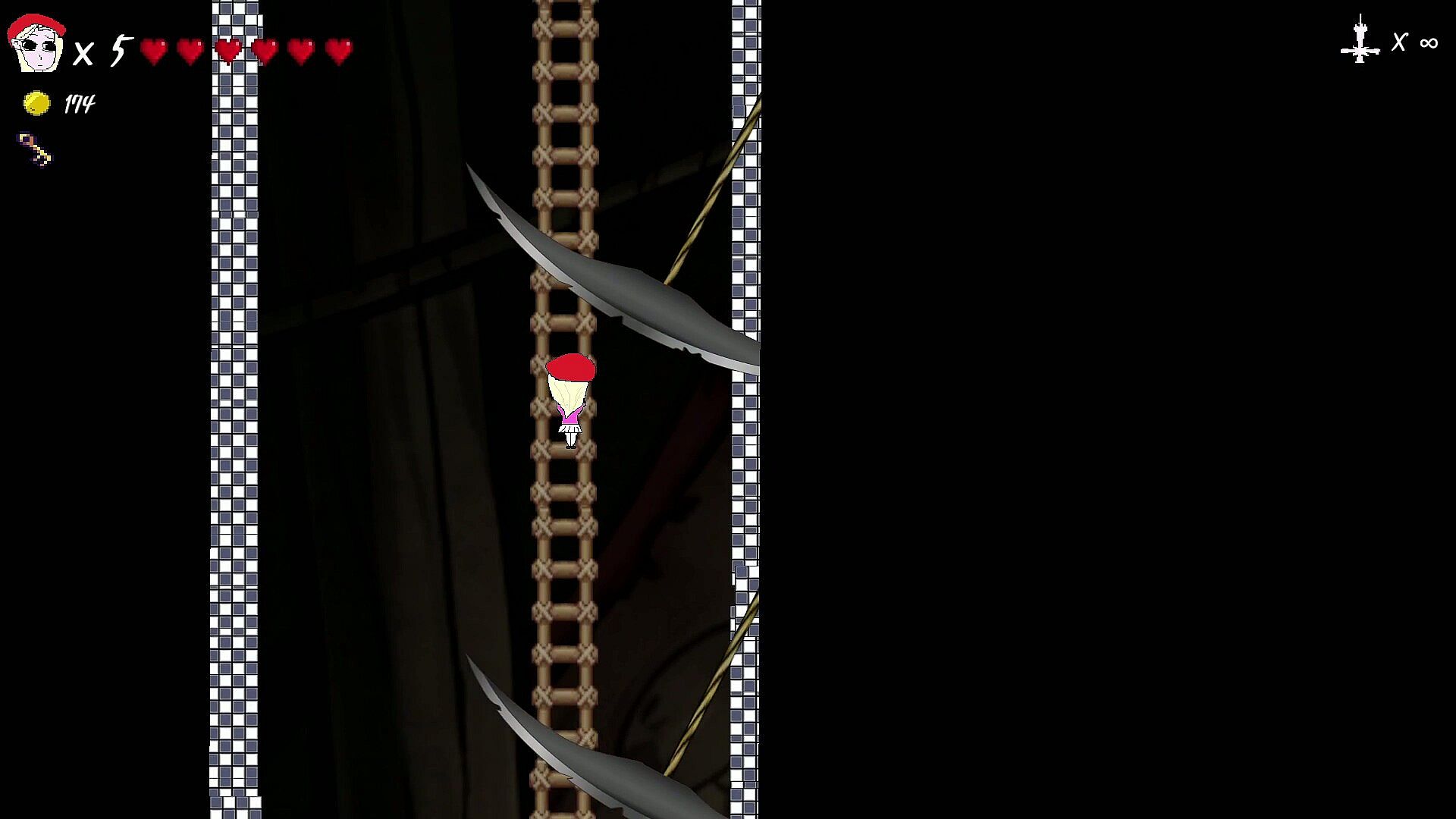
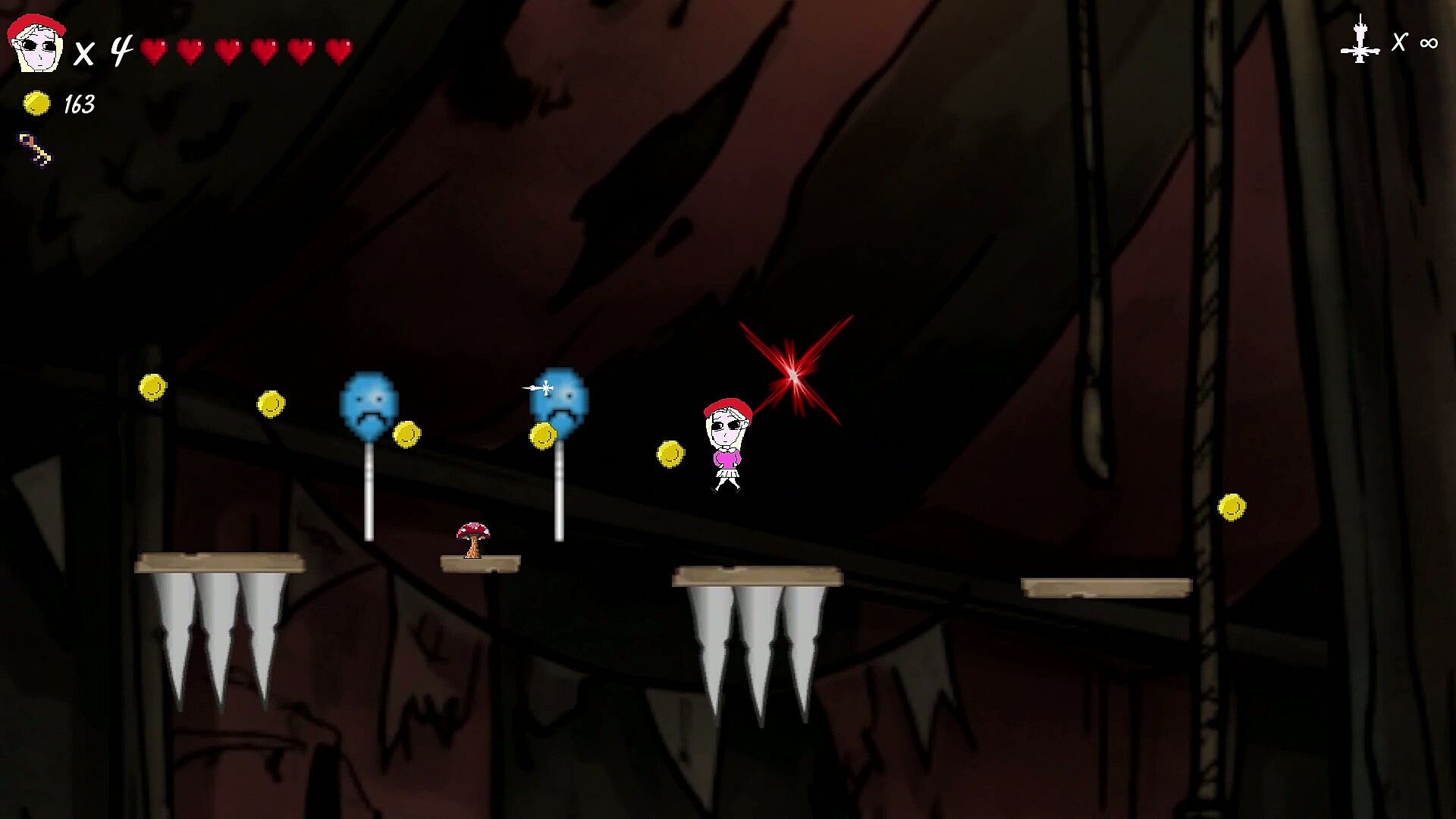
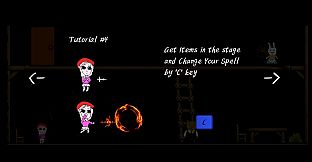
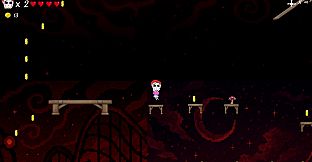
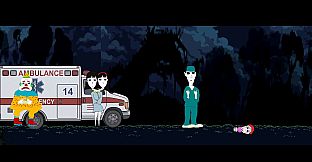
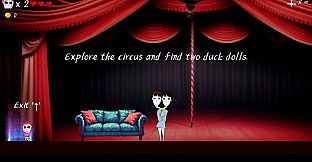
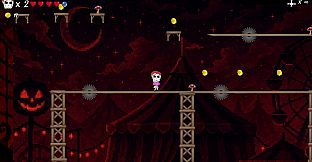
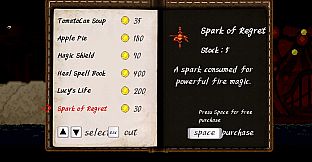

Lucy's Nightmare ist ein psychologisches Horror-Platformer, das Jeon Yeon Jun als Solo-Projekt bei NationwideSoftware entwickelt hat. Spieler übernehmen die Kontrolle über Lucy, ein Mädchen ohne Erinnerungen, das in einer endlosen Albtraumwelt gefangen ist - einer abgelegenen Hütte im Wald. Von dort aus muss sie sich zu fernen Zwillingstürmen durchschlagen, in der Hoffnung, endlich aufzuwachen. Das Spiel verbindet farbenfrohe, märchenhafte Plattform-Abschnitte mit düsteren Enthüllungen in Zwischensequenzen, die den Ton allmählich in Richtung eines realistischen Psychothrillers verschieben.
Gameplay
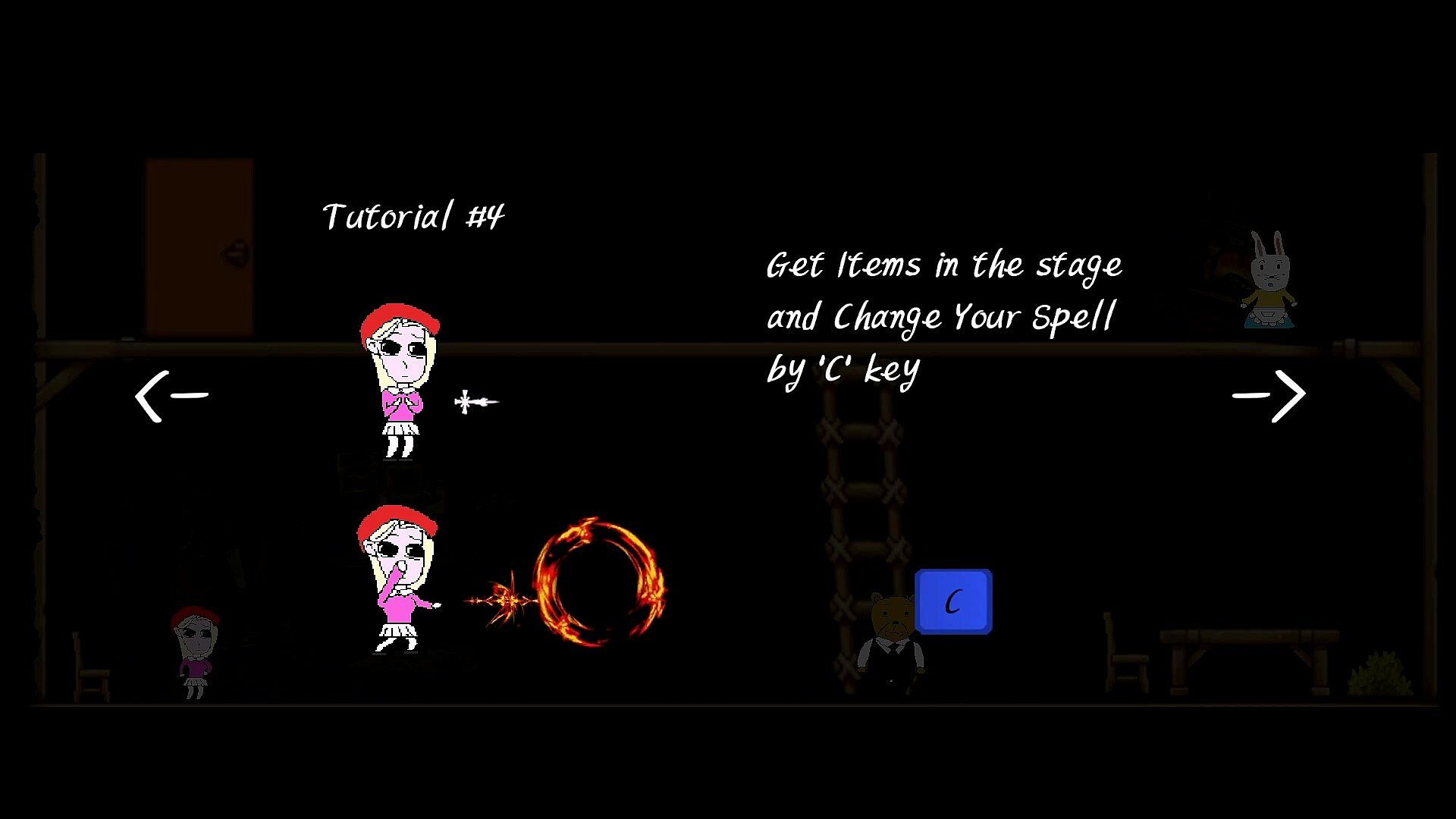
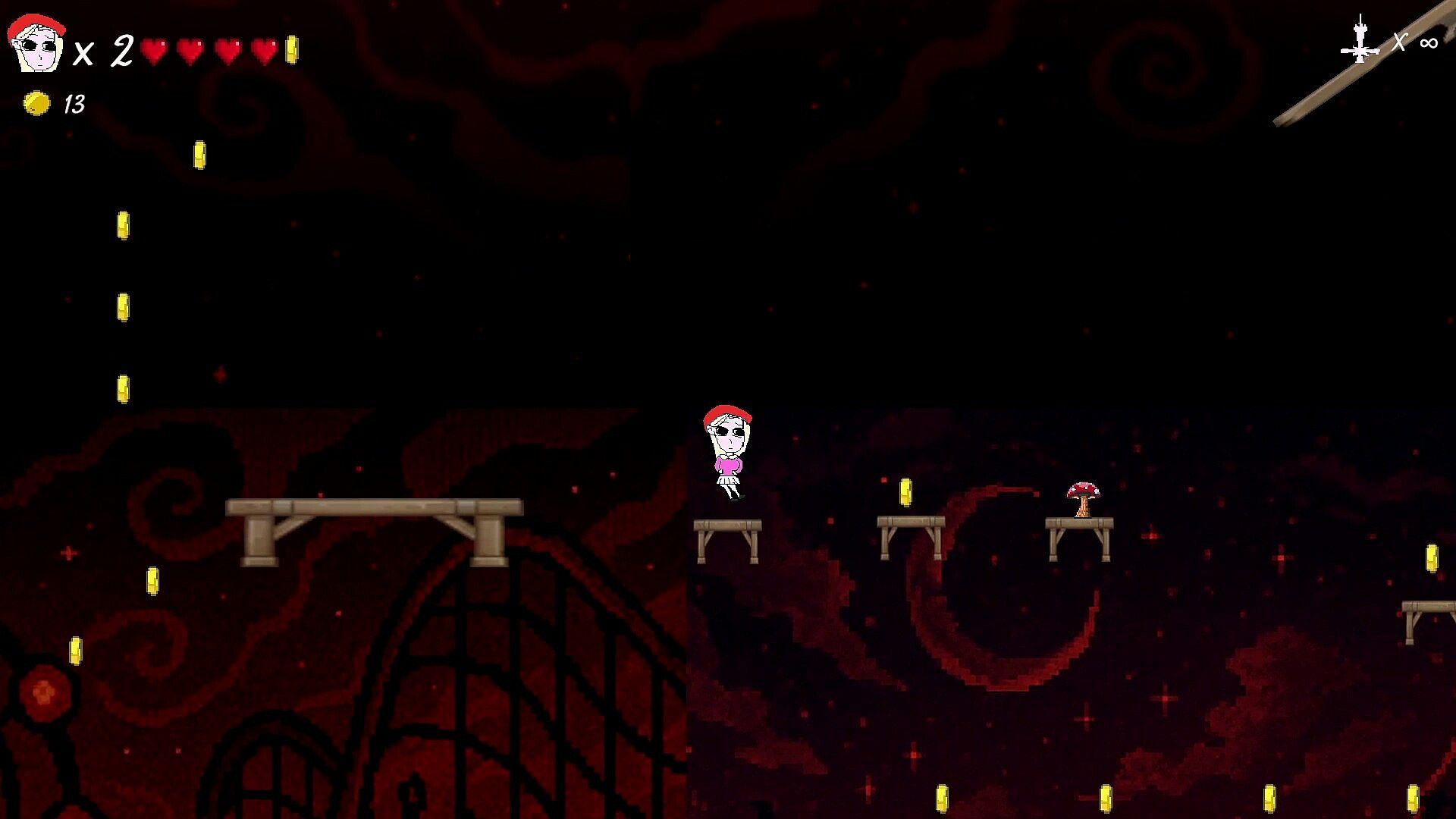
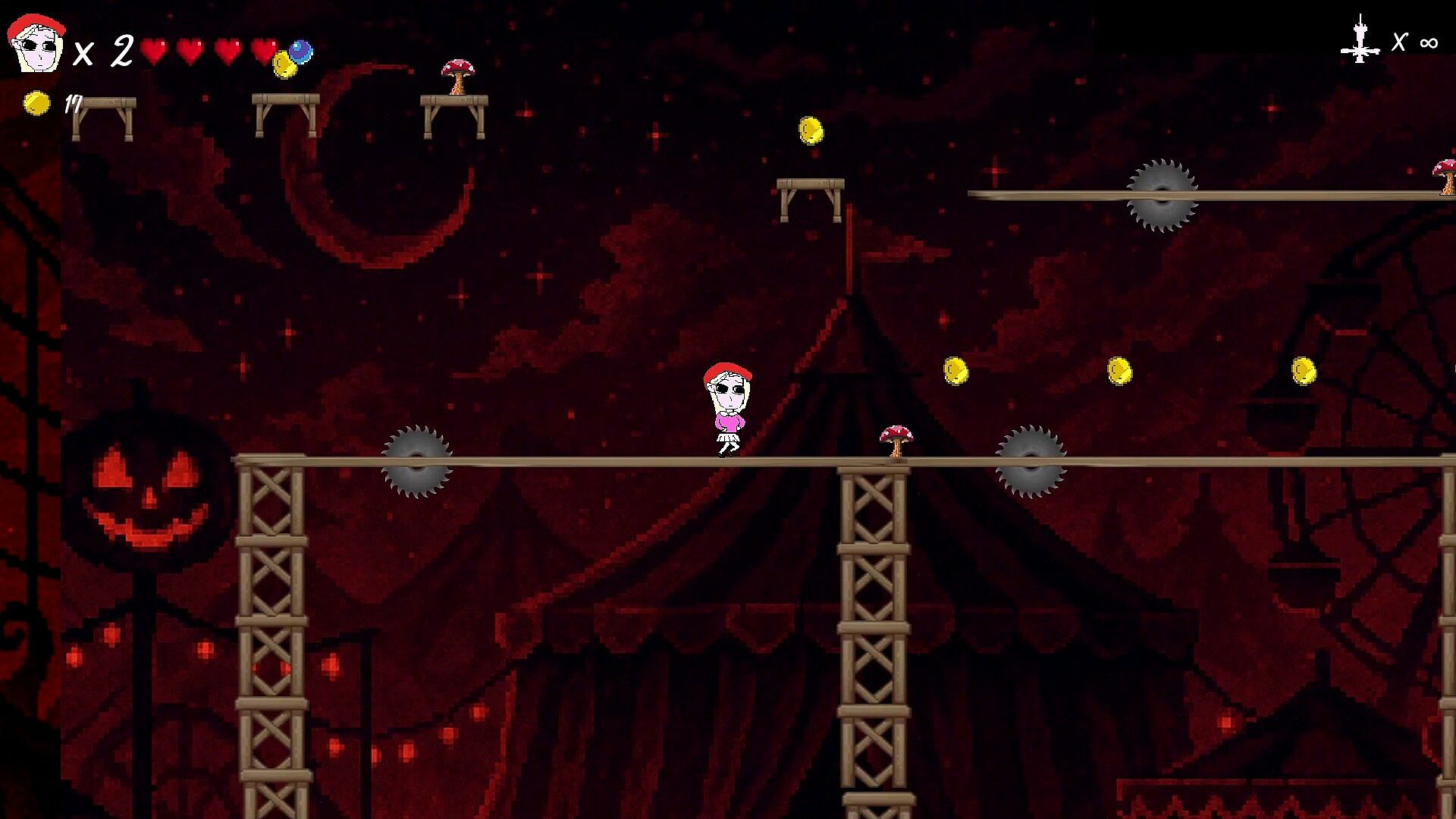
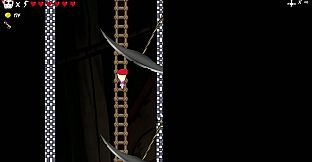
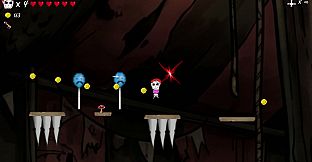
Im Mittelpunkt stehen Laufen, Springen und die Interaktion mit der Umgebung in handgefertigten 2D-Leveln. Lucy bewegt sich durch skurrile Albtraumwelten, die von verspielt wirkenden, aber beunruhigenden Kreaturen bevölkert sind. Präzises Timing ist gefragt, um die bunten, trügerischen Landschaften zu durchqueren, deren Bedrohlichkeit erst nach und nach sichtbar wird. Verstreute Diamanten dienen als Sammelobjekte und fungieren als Erinnerungsfetzen; wer sie einsammelt, erhält zusätzliche Einblicke in Lucys Vergangenheit und die Realität, vor der sie flieht. Jeder Pixel der Charaktere und Umgebungen stammt aus der Hand des Entwicklers und verleiht den Leveln einen unverwechselbaren Stil, der sich an dunklen Märchenästhetiken orientiert. Zwischensequenzen unterbrechen das Plattforming und zeigen die andere Seite der Geschichte - ohne Vorwarnung wechselt der Ton von leichter Oberfläche zu schwerem psychologischen Inhalt.
Spielmodi
Das Spiel ist ein reines Einzelspieler-Erlebnis mit linearer, storygetriebener Levelabfolge. Es gibt keine Mehrspieler- oder Wettbewerbsmodi. Erkundung und Plattforming bilden die zentrale Schleife, während die Handlung zwischen aktiver Level-Durchquerung und passiven Zwischensequenzen aufgeteilt ist. Wer mehr Diamanten sammelt, deckt auf späteren Durchläufen weitere Schichten des zentralen Mysteriums auf. Eine kostenlose Demo mit Prolog und erstem Kapitel steht bereits zur Verfügung und lässt sich vor der Vollversion testen.
Handlung und Weltgestaltung
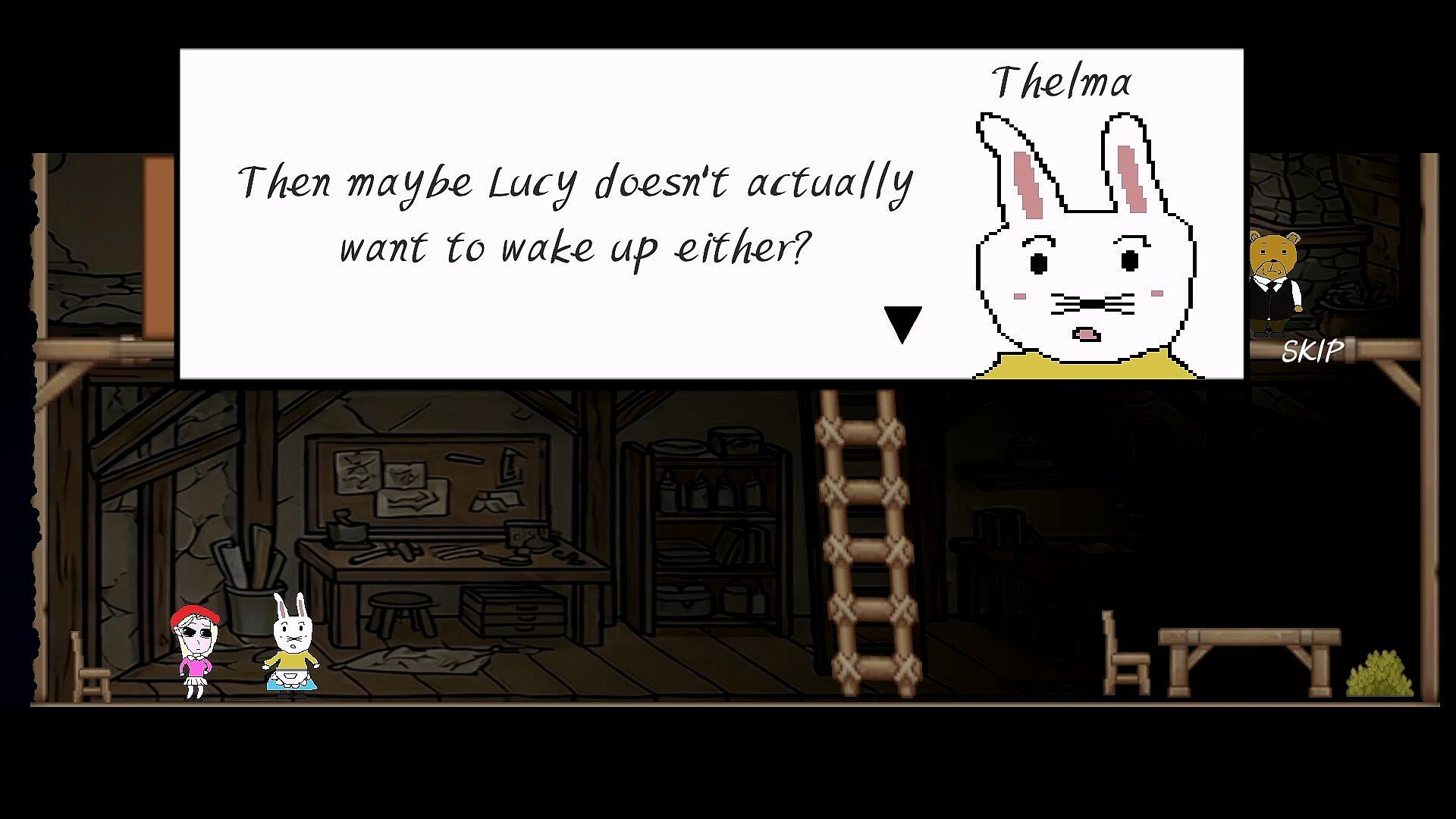
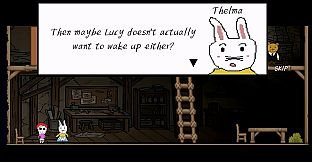
Die Geschichte wird schichtweise erzählt und legt ihre märchenhafte Hülle nach und nach ab. Lucy beginnt ohne jede Erinnerung an ihre Identität und wird von zwei Begleitern beschützt: dem Bären Teddy und dem Kaninchen Thelma. Die Welt zeigt zwei Gesichter. Die Plattform-Level wirken zunächst charmant und farbenfroh, die Monster erscheinen verspielt. In den Zwischensequenzen hingegen kommen die dichten, realistischen psychologischen Elemente zum Tragen und enthüllen die grausameren Wahrheiten darunter. Dieses doppelte Prinzip dreht sich um das Wiedererlangen verlorener Erinnerungen - jeder Diamant öffnet ein Fenster zu den Ereignissen, die Lucy verdrängt hat. Der Solo-Entwickler hat das Ende vorab festgelegt und die früheren Abschnitte darauf aufgebaut.
Lohnt es sich?
Wer storyorientierte 2D-Platformer mit leichten Herausforderungen und psychologischen Horrorthemen sucht, wird hier am ehesten fündig. Die kostenlose Demo bietet eine direkte Möglichkeit, das Bewegungsgefühl und den narrativen Stil unverbindlich auszuprobieren. Die Vollversion erscheint voraussichtlich 2027 bis 2028; die aktuelle Fassung unterstützt bereits zehn Sprachen, darunter Koreanisch, Englisch, Japanisch, Chinesisch (vereinfacht und traditionell), Deutsch, Französisch, Russisch, Spanisch und Portugiesisch. Da das Projekt weiterhin von einem einzelnen Autor betreut wird, stehen handwerkliche Details und bewusstes Tempo im Vordergrund, nicht aufwändige Produktionswerte. Spieler, die sich für Titel interessieren, die über Erinnerungssammlung und Zwischensequenzen allmählich von verspielt zu verstörend wechseln, werden den Ansatz voraussichtlich zu schätzen wissen.