


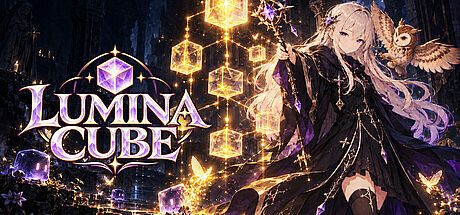


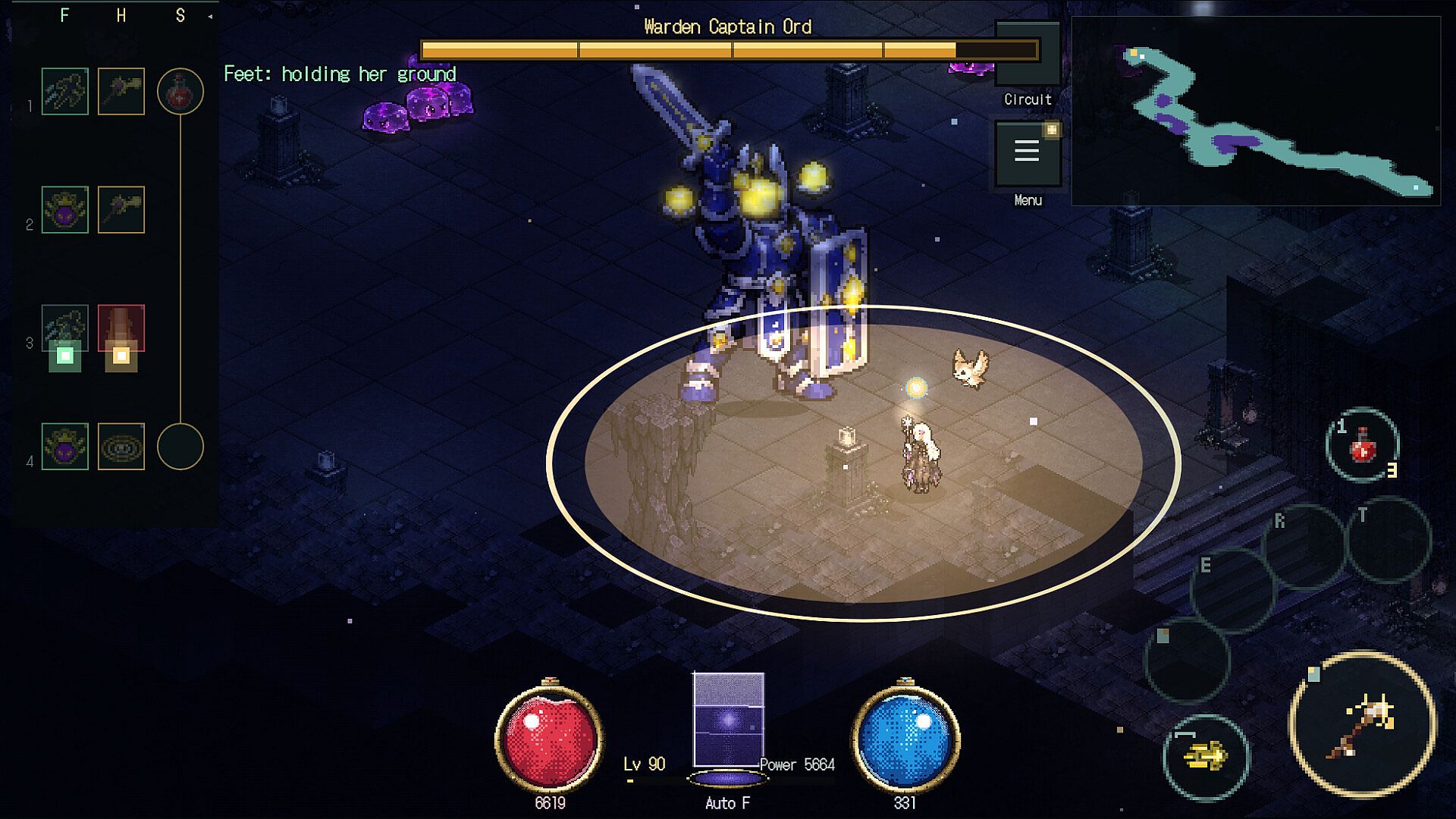
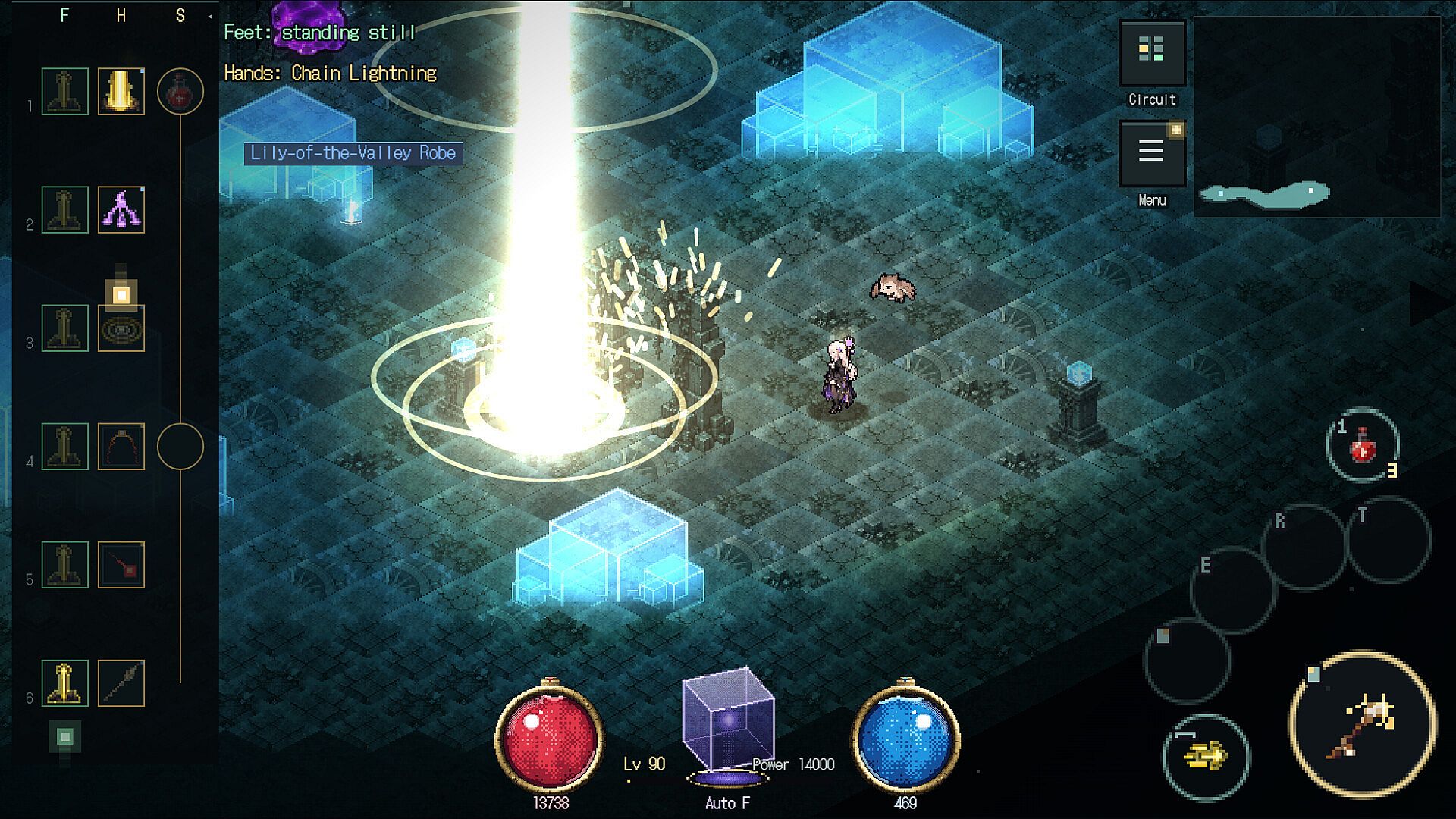
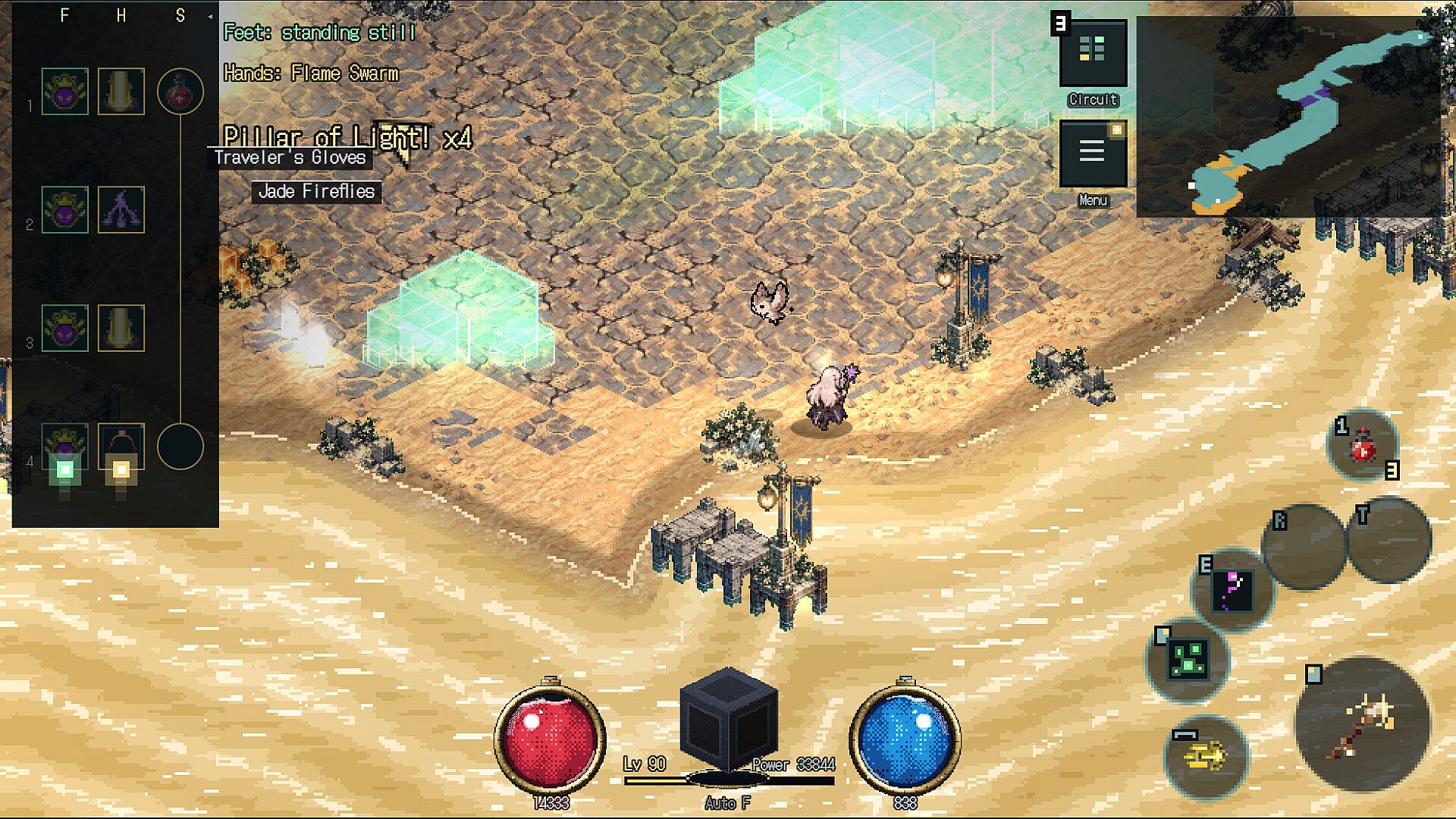
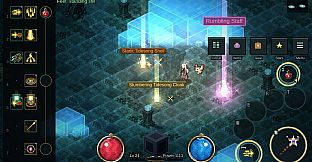
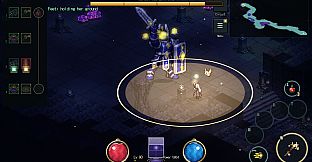
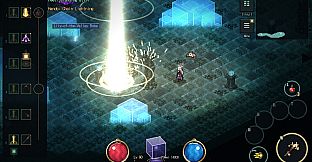
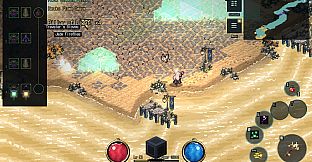

Lumina Cube is a singleplayer action RPG and hack-and-slash adventure developed for PC. Players guide Yura, the last apprentice of the Luminaris, through the Cradle alongside her owl companion Rou. The story centers on returning lost Lumina cubes to the Sea of Lumina, with combat and progression built around arranging glowing cubes into circuits that shape how Yura fights.
Gameplay
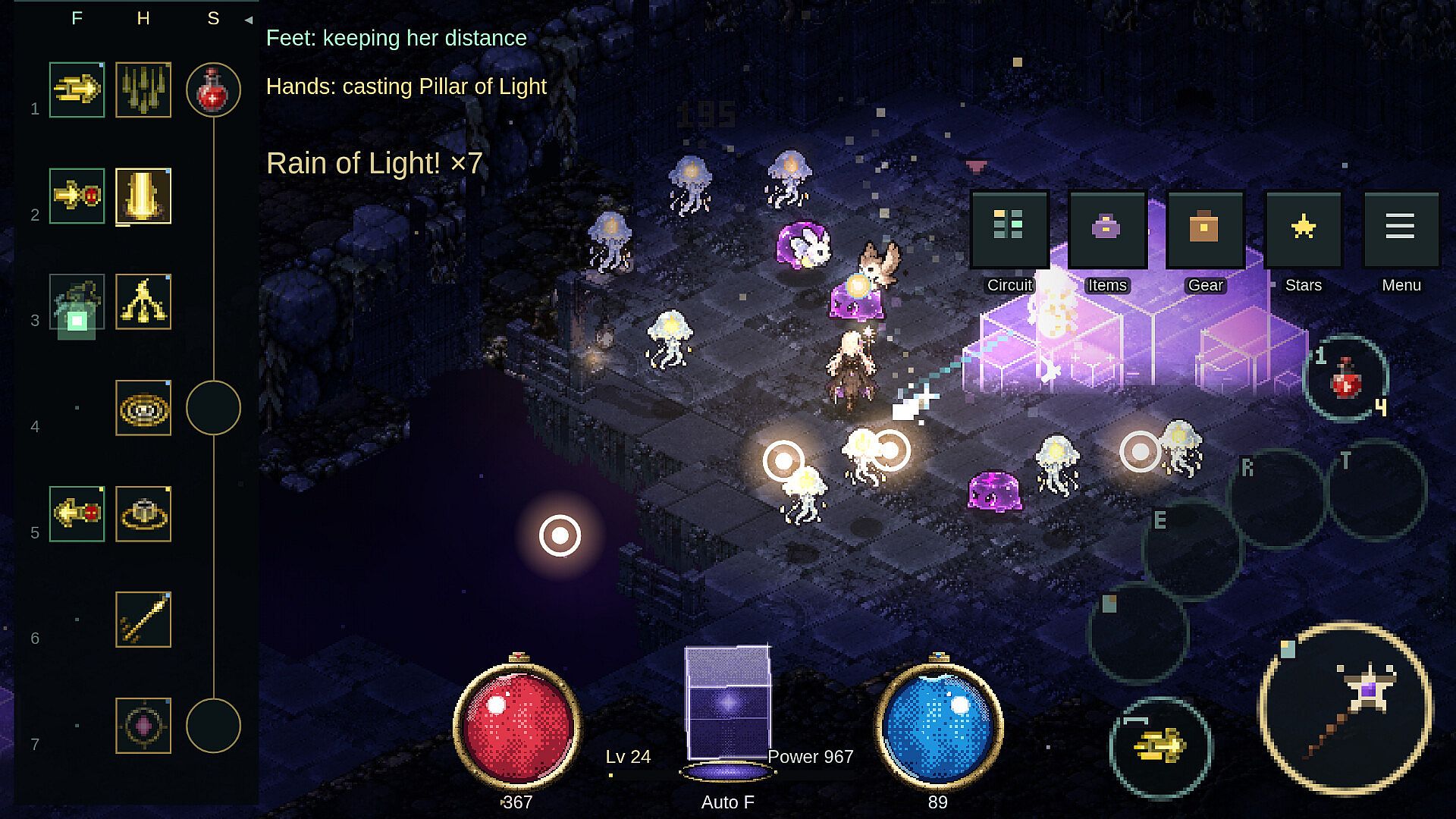
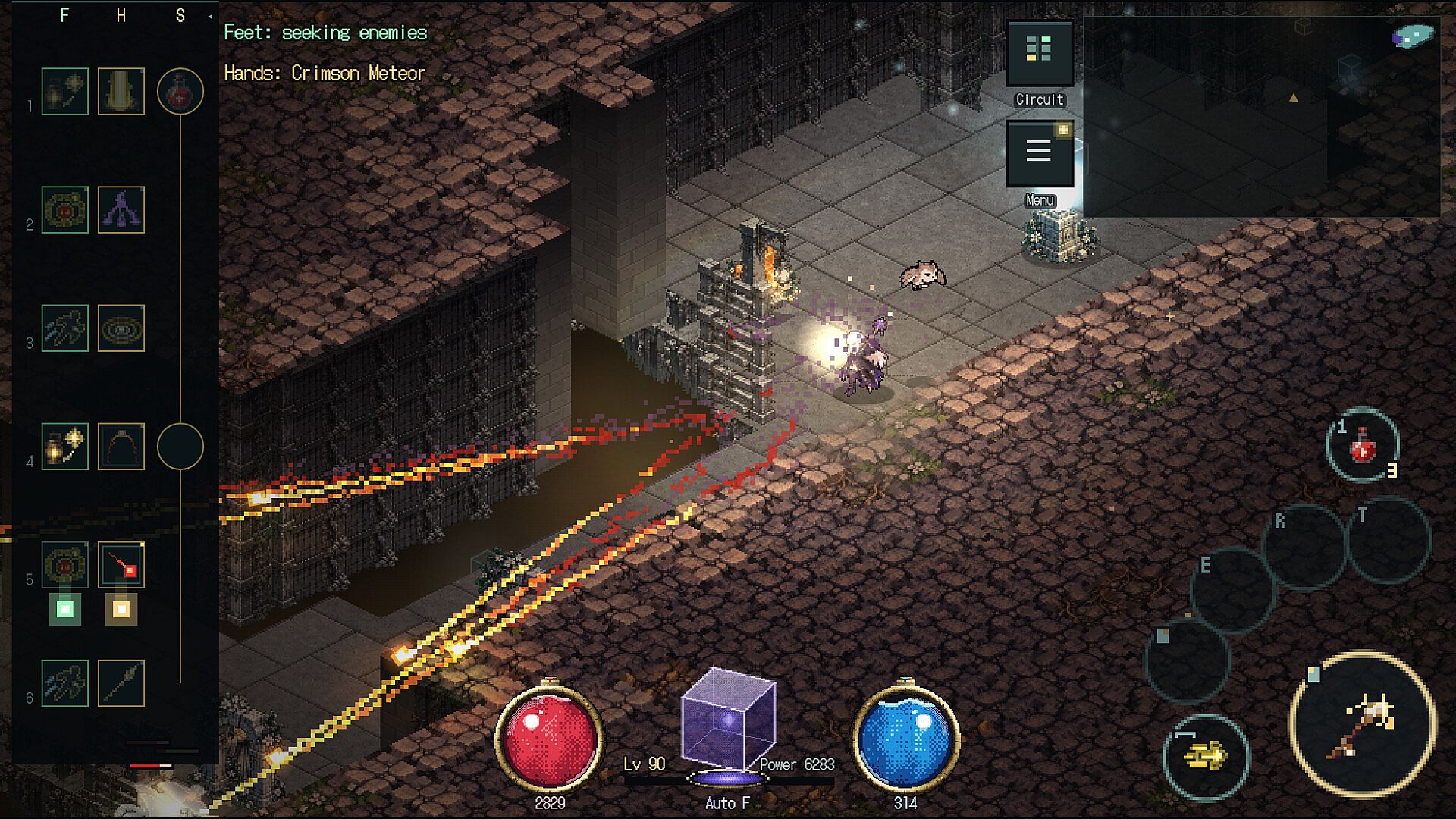
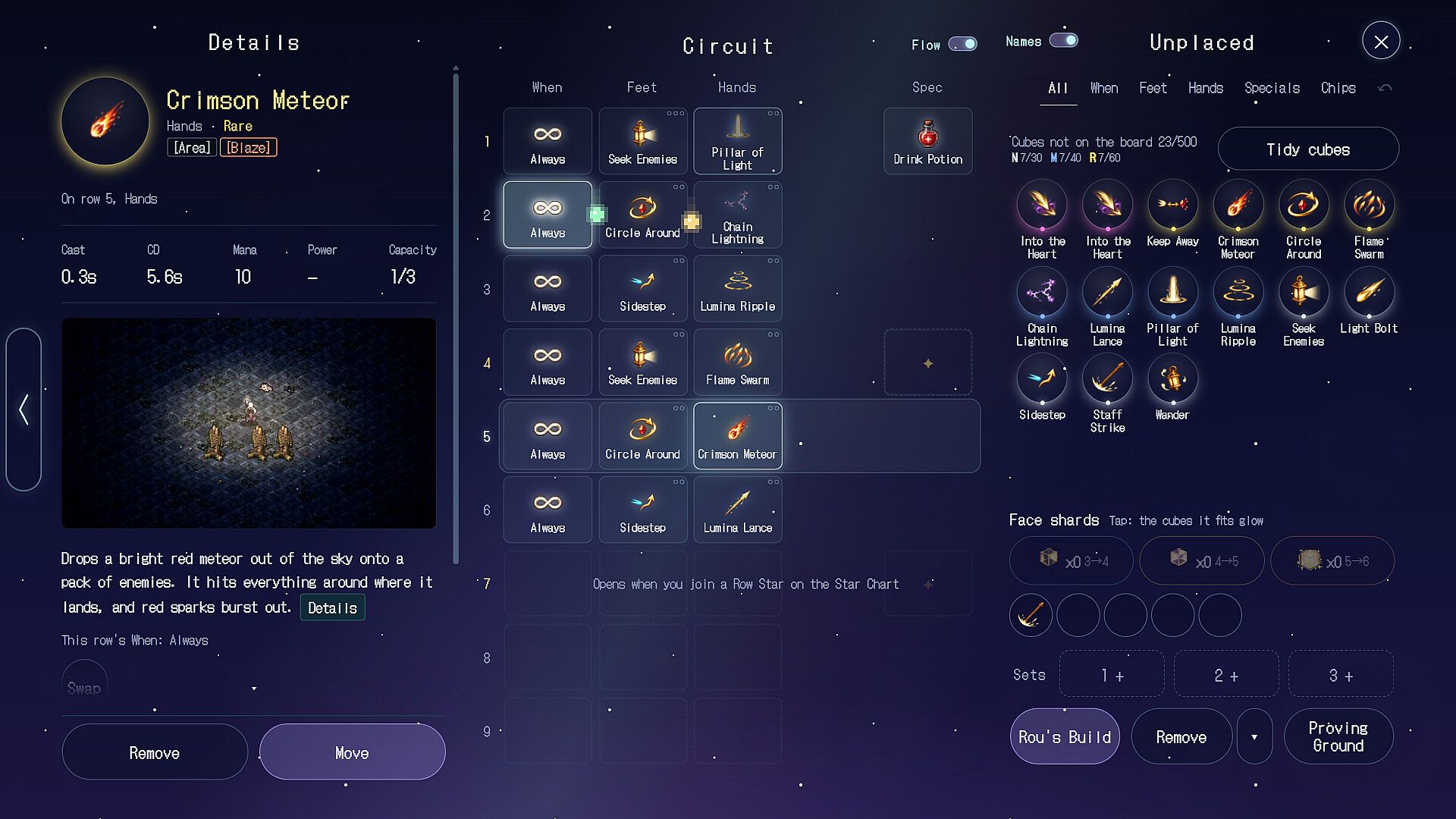
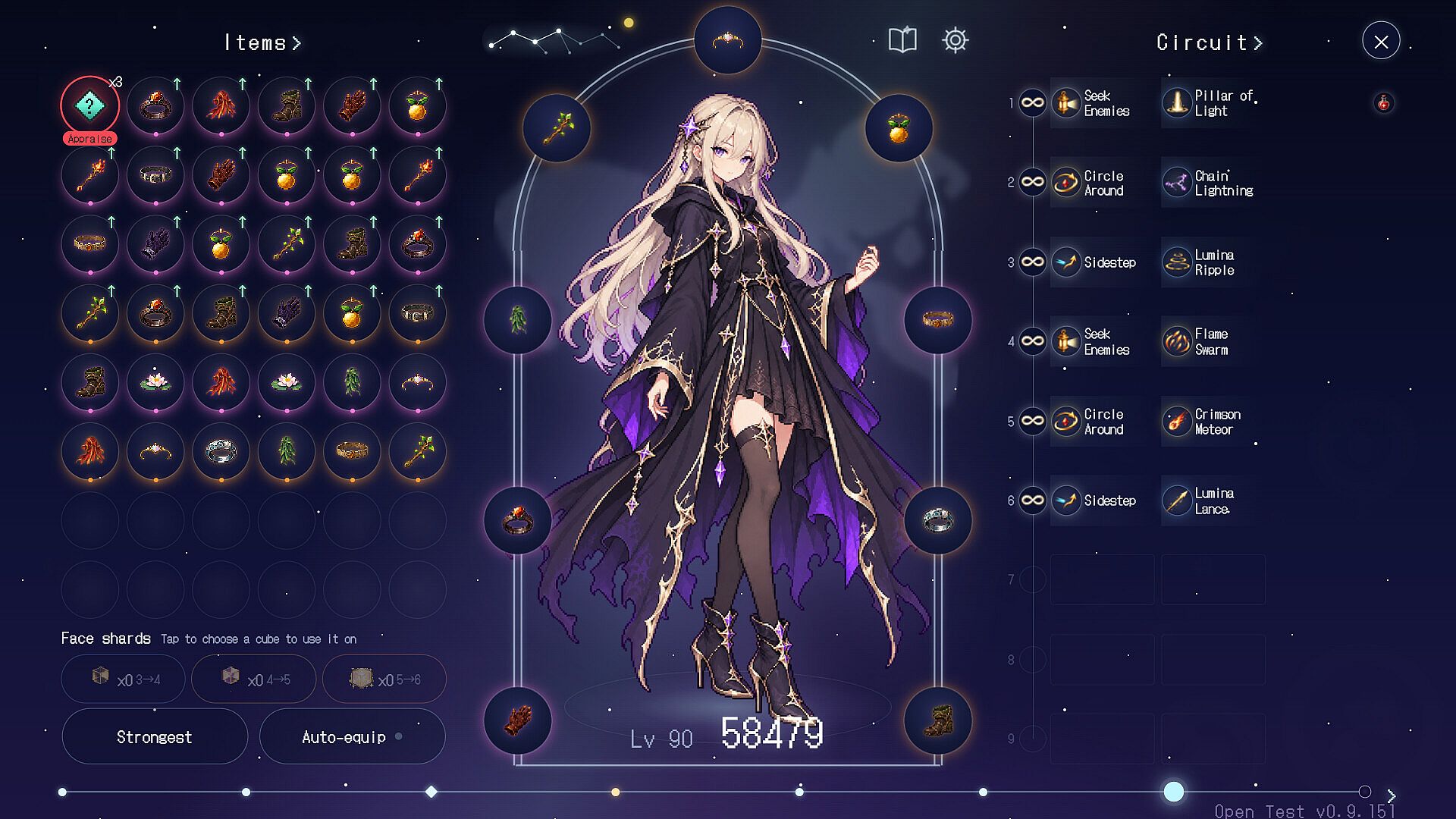
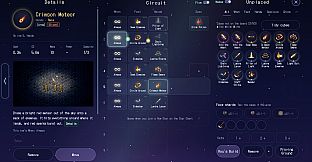
The core loop revolves around the Lumina Circuit system. Cubes slot into two separate lanes: one for Feet that controls movement patterns and one for Hands that determines casts and attacks. Each lane advances at its own pace. Adding When cubes turns placed abilities into automatic habits that Yura performs without direct input once the circuit activates. Early on, she relies on manual staff swings and light bolts, but consistent cube placement teaches her independent routines that clear paths more efficiently over time.
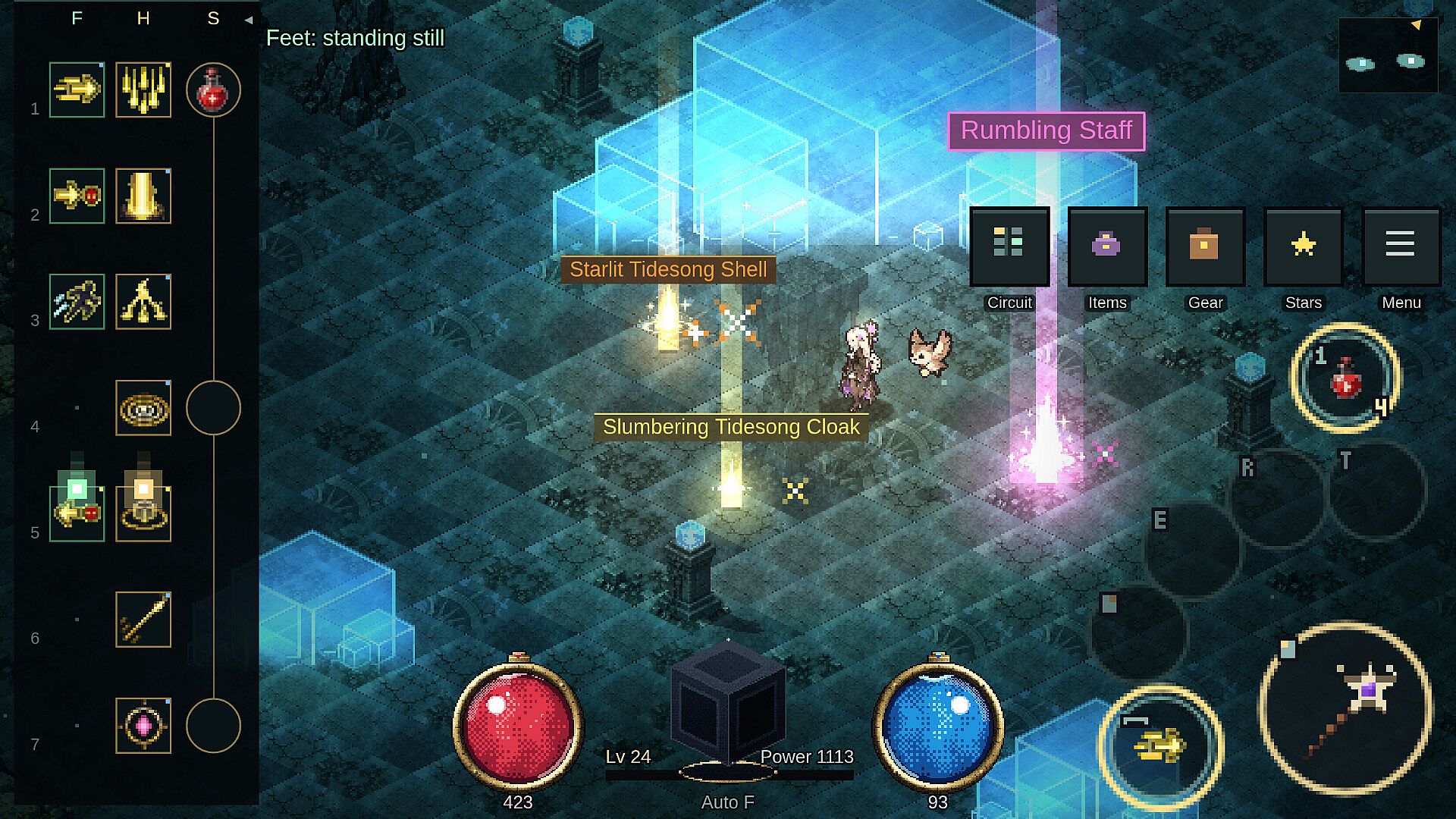
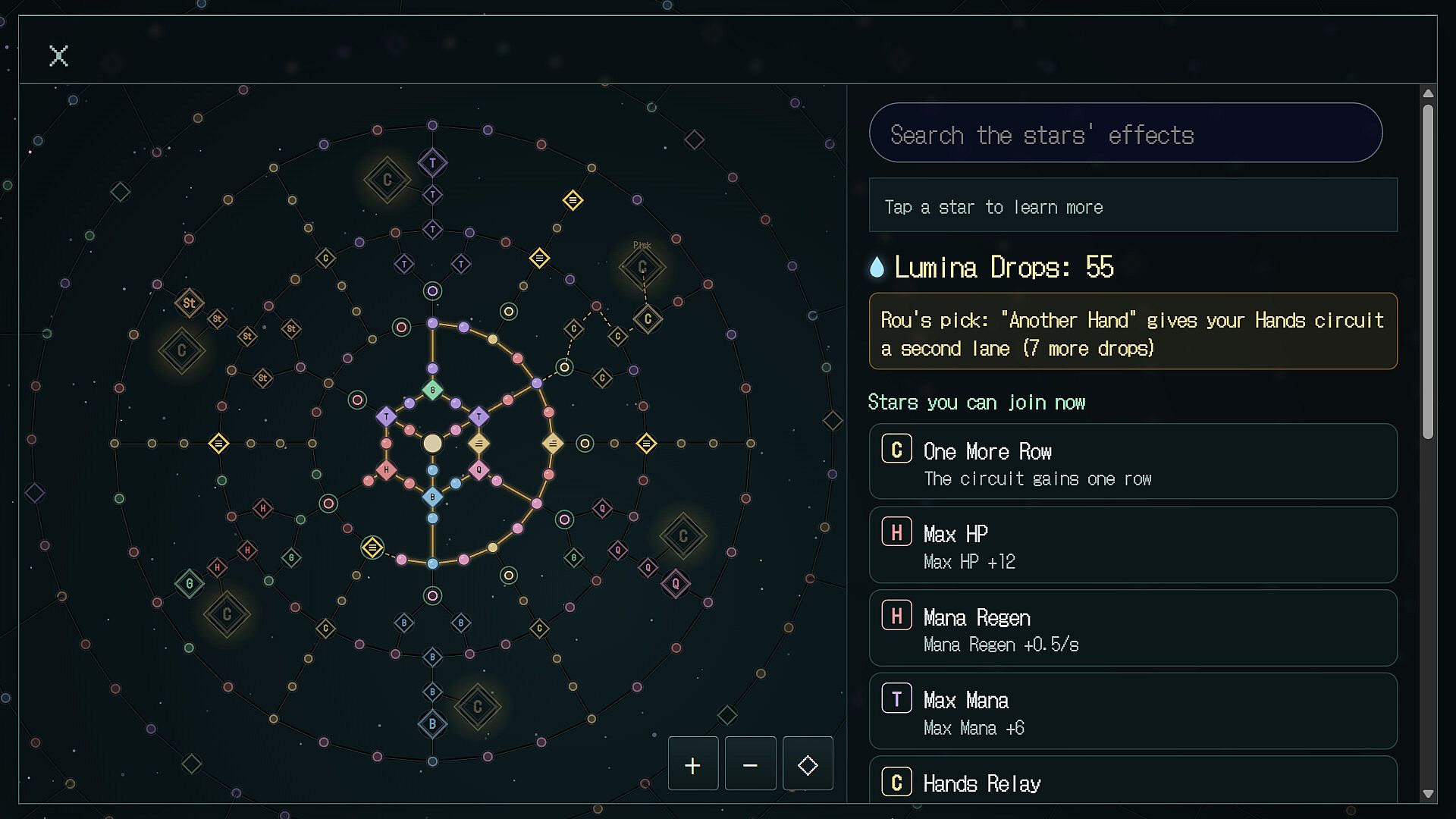
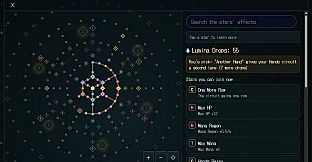
Loot drives much of the progression. Drops range across six tiers from Normal to Mythic, with higher rarities producing taller columns of light on the ground. The rarest items create especially prominent pillars. Gear can be equipped and swapped directly, and chips feed into cubes to reduce cooldowns or boost power. Levels do not grant automatic stat boosts. Instead, each level fills a Lumina Drop that players allocate into the Star Chart, a grid of roughly 170 stars arranged in three rings and six constellations. Connecting stars unlocks new capabilities, and all power gains trace back to these connections plus carried items.
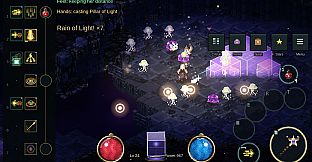
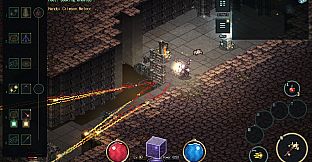
Exploration takes place in a 2.5D pixel-art environment. Yura starts each run with basic controls and gradually shifts toward autonomous combat as circuits mature. The system rewards experimentation with cube combinations, timing, and upgrades that turn initial clumsiness into fluid, self-sustaining performance.
Game Modes
The available content centers on two main acts. Act 1, titled Lumina's Cradle, and Act 2, titled The Way Home, together comprise six stages. Each stage ends with a Warden encounter. After completing the acts, players can return to earlier areas or continue into Depth, an endless descent with no fixed floor. Deeper runs increase the frequency of higher-tier loot drops and test circuit builds against progressively tougher opposition.
Replay value comes from refining circuits across multiple passes, optimizing the Star Chart connections, and chasing better gear in deeper layers. The browser version available during development includes these acts and Depth, with seasonal events that introduce limited-time cube variants and leaderboards for rift-clearing challenges.
Progression and Systems
Power comes entirely from the Star Chart and equipped items rather than traditional leveling curves. Players collect Lumina Drops from cleared content and spend them to link stars, expanding movement options, cast variety, and overall effectiveness. Chips provide another layer of customization by modifying individual cubes. The combination of circuit building, loot hunting, and chart navigation creates a focused loop centered on automation and incremental mastery.
Enemies represent lost Lumina that have forgotten their origins, fitting the bittersweet tone of the setting. Rou the owl offers occasional commentary during runs, and rest areas provide brief pauses between stages.
Is It Worth Playing?
Lumina Cube suits players who enjoy singleplayer hack-and-slash experiences with strong buildcrafting elements. The circuit system offers a distinctive twist on automation, where the goal is to construct reliable habits rather than micromanage every action. Those drawn to loot-driven progression, star-chart customization, and endless depth runs will find clear appeal in the mechanics. The game remains in active development, with the full version planned for Steam Early Access in April 2027 and a free browser version already playable that covers the first two acts plus Depth. Reception in the current test build has been positive among those who have tried the available content, particularly for the novel circuit-building approach and atmospheric pixel art. If the described systems align with your preferences for deliberate, systems-heavy action RPGs, it represents a worthwhile prospect once released.












