






Mandate 1600: The East is a strategy and simulation game set in the year 1600. Players assume responsibility for governing nations during a period of major historical shifts, balancing internal administration with external pressures across East Asia and the wider world.
Gameplay
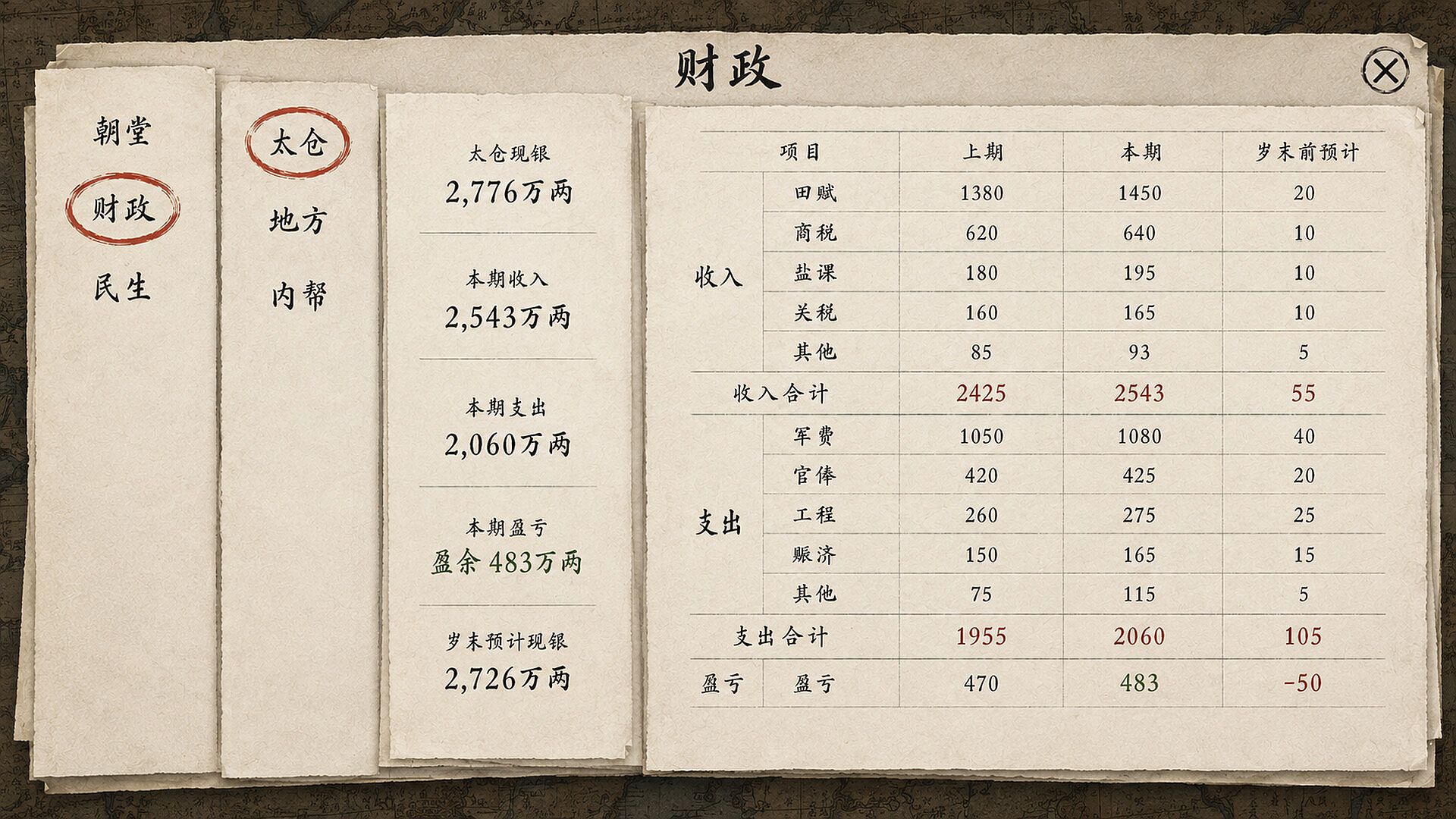
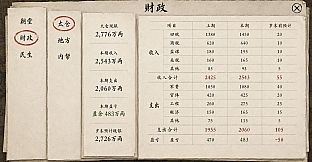
Core play revolves around detailed management of a chosen power. Central decisions include allocating limited treasury funds between military campaigns and local infrastructure, setting tax levels that affect provincial loyalty and revenue, and responding to crises by either maintaining collections or providing relief to rebuild population and support. Each region operates with separate tracking for population, food supplies, local finances, public opinion, and manpower, requiring coordinated development across multiple areas rather than simple global adjustments.
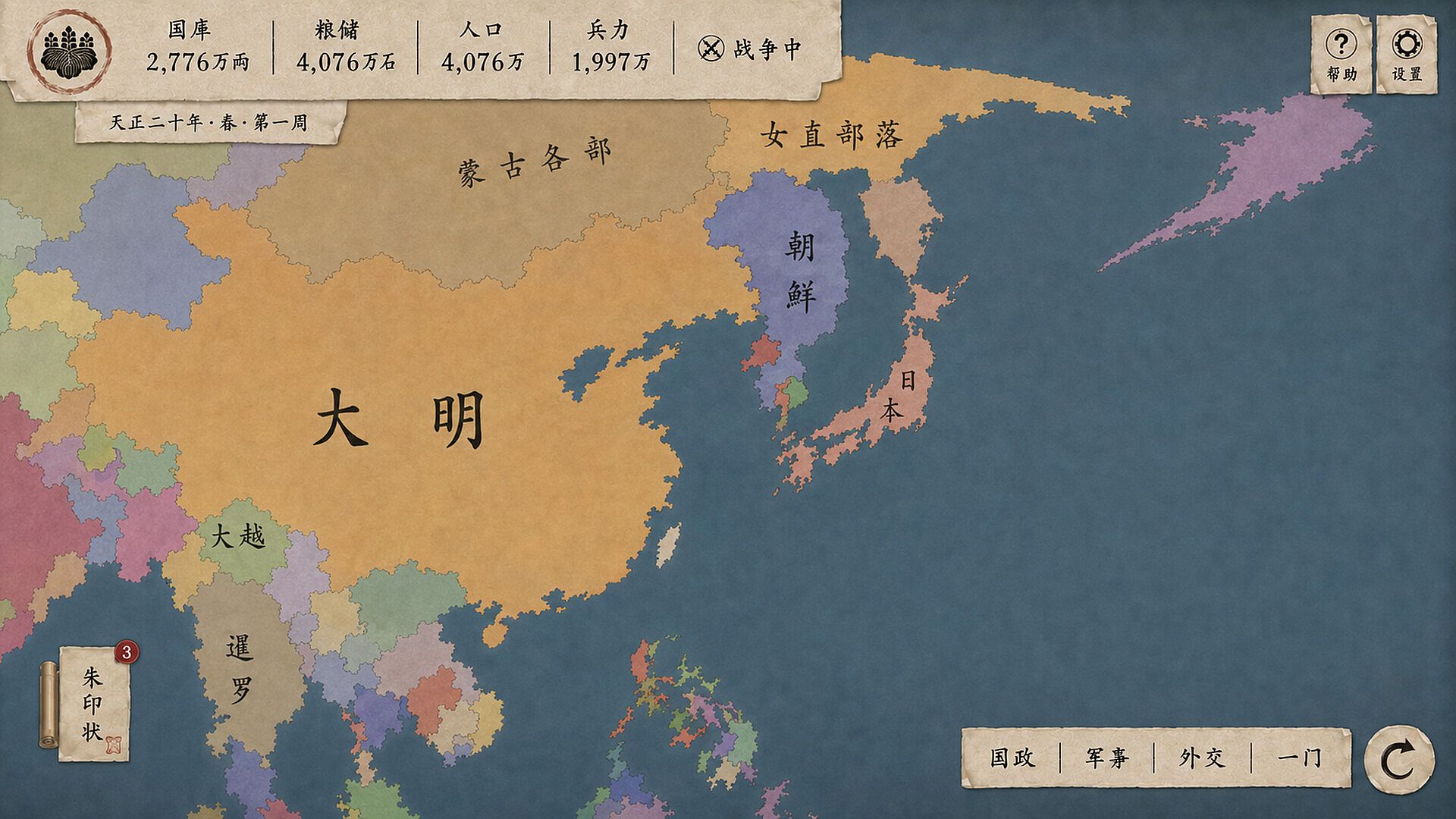
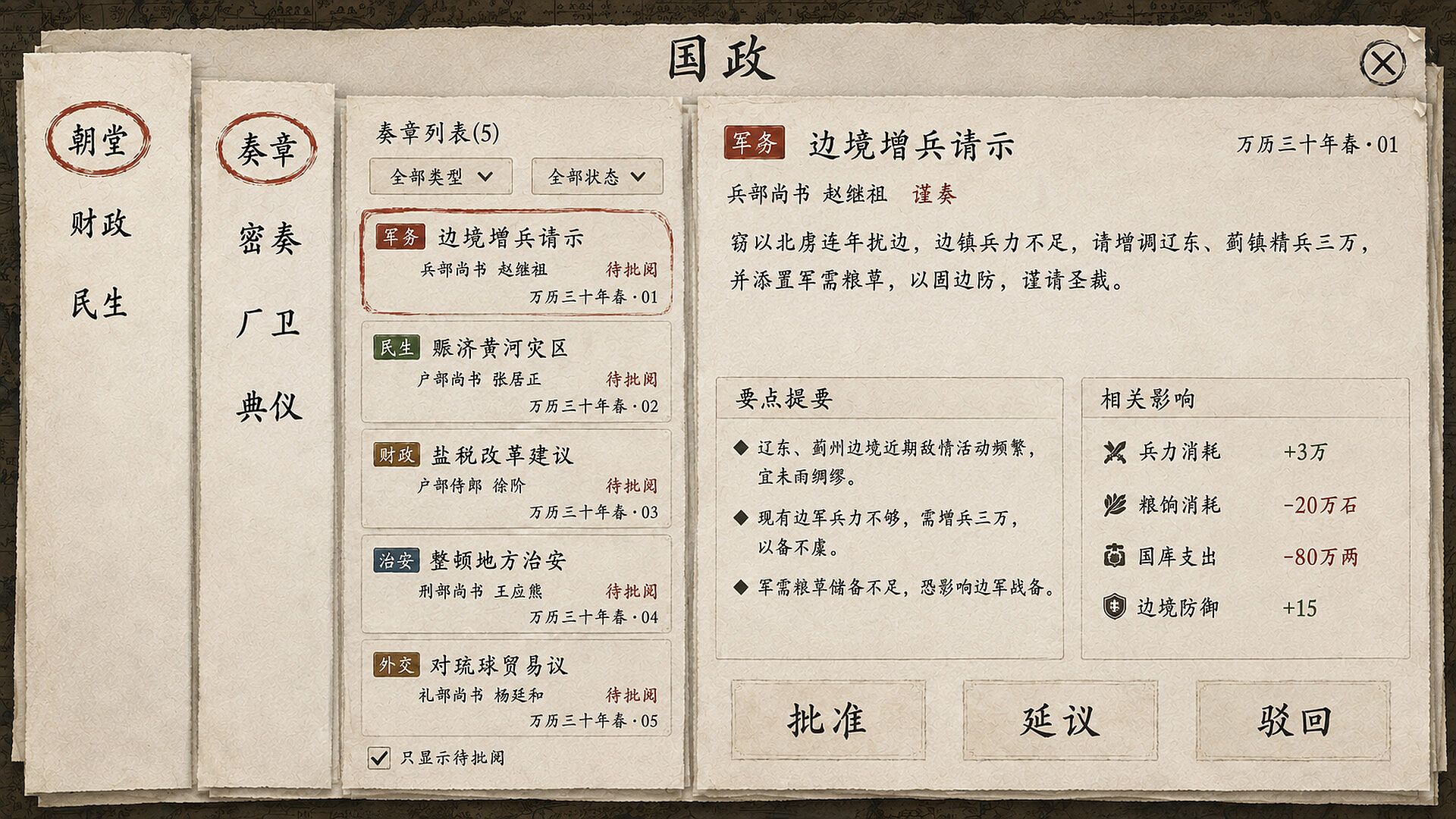
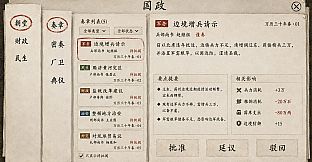
Political structures differ by nation, reflecting historical realities instead of uniform mechanics. Ming China, Japan, and the Korean Peninsula receive primary focus, with each offering distinct institutional tensions, methods of rule, and event chains. Players manage dynastic succession through court relationships, marriages, and heir selection, ensuring the bloodline continues amid internal rivalries. Military operations emphasize logistics and supply lines alongside troop numbers and equipment, making sustained campaigns dependent on reliable rear-area support.
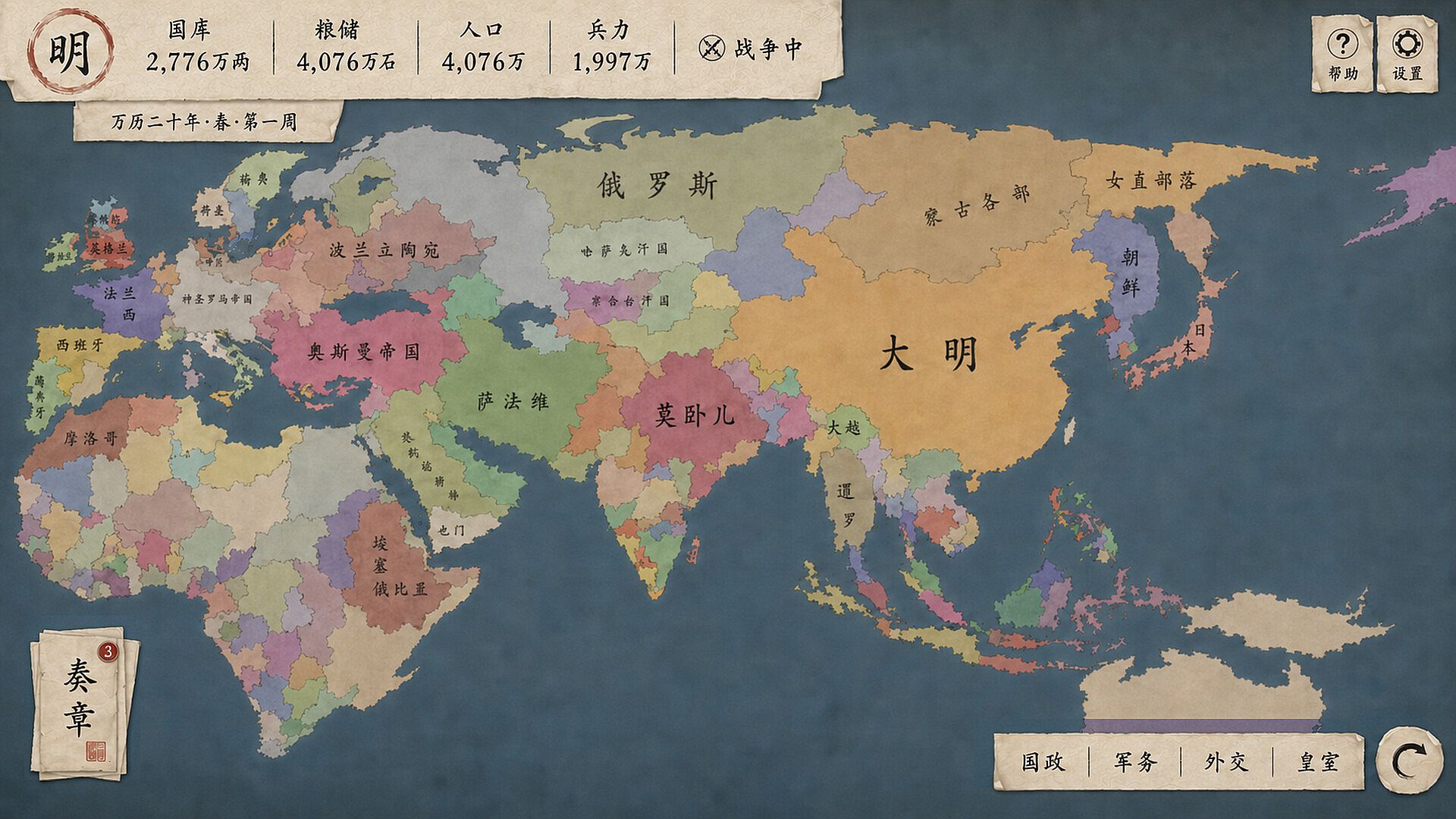
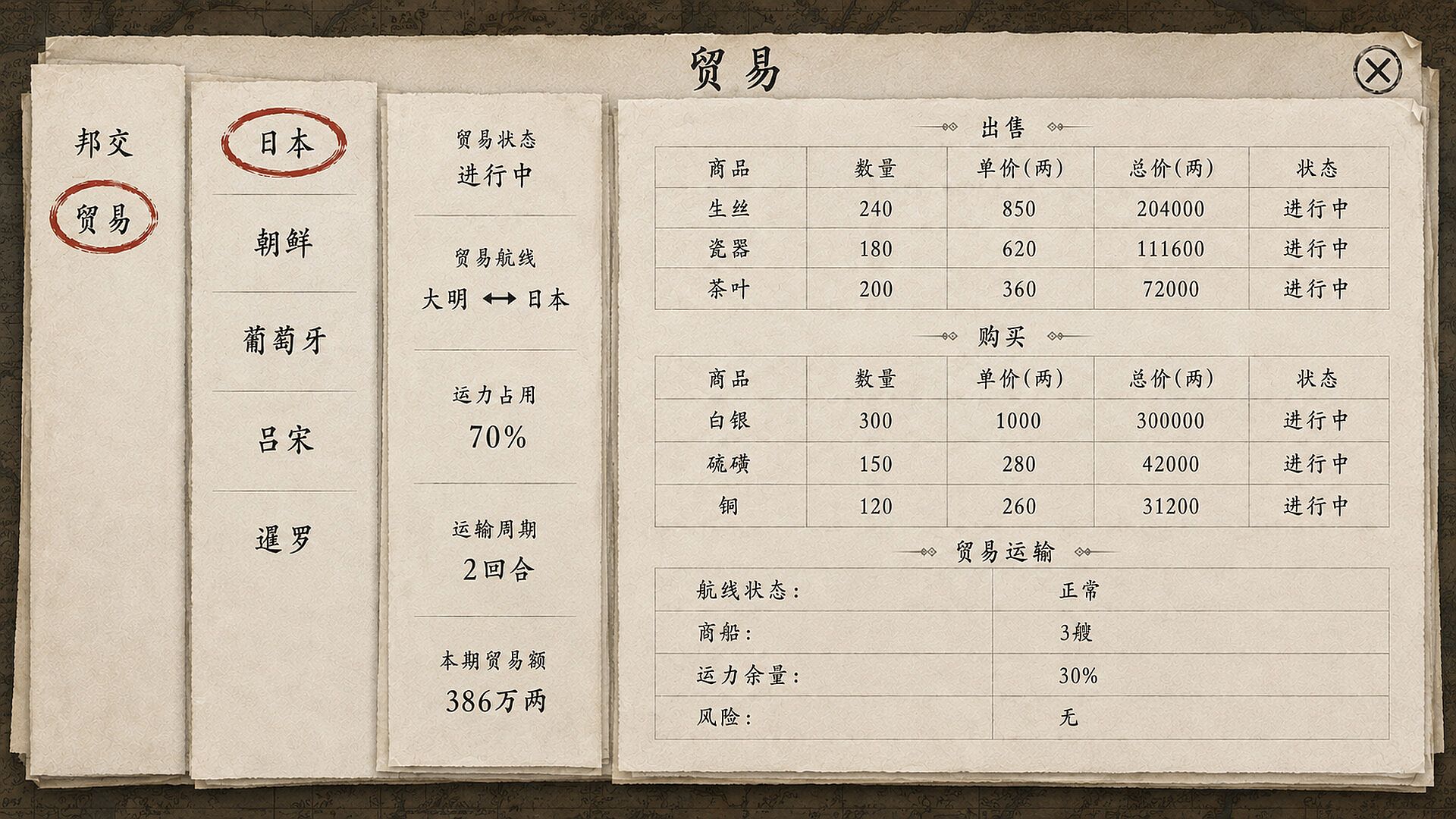
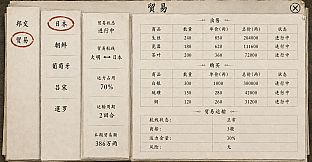
Trade forms another pillar, linking ports and routes to secure resources unavailable domestically. Long-term commercial agreements with other powers supplement conquest as a path to strength. The simulation extends globally, incorporating developments on the steppe, Indian Ocean commerce, Southeast Asian ports, European conflicts, and colonial outposts under consistent rules. Other nations act independently, pursuing their own diplomacy, trade, and wars rather than serving as static background.
Game Modes
The experience centers on single-player strategy sessions where players guide a nation through decades of potential change. Historical events provide branching narratives that can follow recorded outcomes or diverge based on preparation and intervention. Players may stockpile resources ahead of known crises, strengthen forces before conflicts, or eliminate emerging threats to alter long-term trajectories.
Progression encourages repeated playthroughs with different starting powers, each presenting unique domestic systems and event sets. The global scope allows focus on regional dominance, expansive trade networks, or distant conquests that exceed historical precedents. No separate multiplayer or competitive modes receive mention in available details, keeping emphasis on individual governance and historical rewriting.
Historical Depth and Events
Narrative texts and events draw from the era's realities, covering turning points that shaped subsequent centuries. Players can follow these developments or use foresight to mitigate or redirect them. A regime that collapsed historically need not repeat that fate, while a rising power might be curtailed early. This approach rewards knowledge of the period while allowing creative deviation through resource allocation and diplomatic choices.
Every playable state maintains distinctive mechanics tied to its background. Institutional differences affect how taxation, military recruitment, and internal stability function, ensuring that switching nations changes more than surface elements like unit appearance or minor bonuses. The result is a layered simulation where governance feels tailored rather than reskinned.
Is It Worth Playing?
Mandate 1600: The East suits players who enjoy intricate grand strategy simulations that integrate economy, military logistics, dynastic politics, and global interactions. The emphasis on interconnected regional systems and unique national mechanics provides substantial depth for those interested in managing complex states over extended periods. Availability on PC supports focused, long sessions typical of the genre.
Those seeking lighter or more abstracted experiences may find the detailed tracking of separate regional statistics and supply considerations demanding. The game remains in active development as the first entry in its series, with additional countries and features planned through updates. For enthusiasts of historical strategy who value replayability through alternate outcomes and nation-specific systems, it offers a focused alternative to broader titles. Early access status means core loops are present, though full polish and expanded content will arrive over time.











