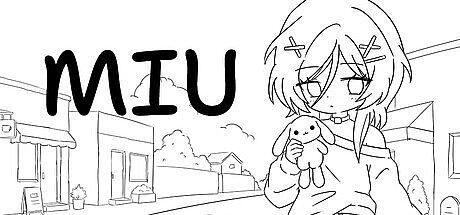


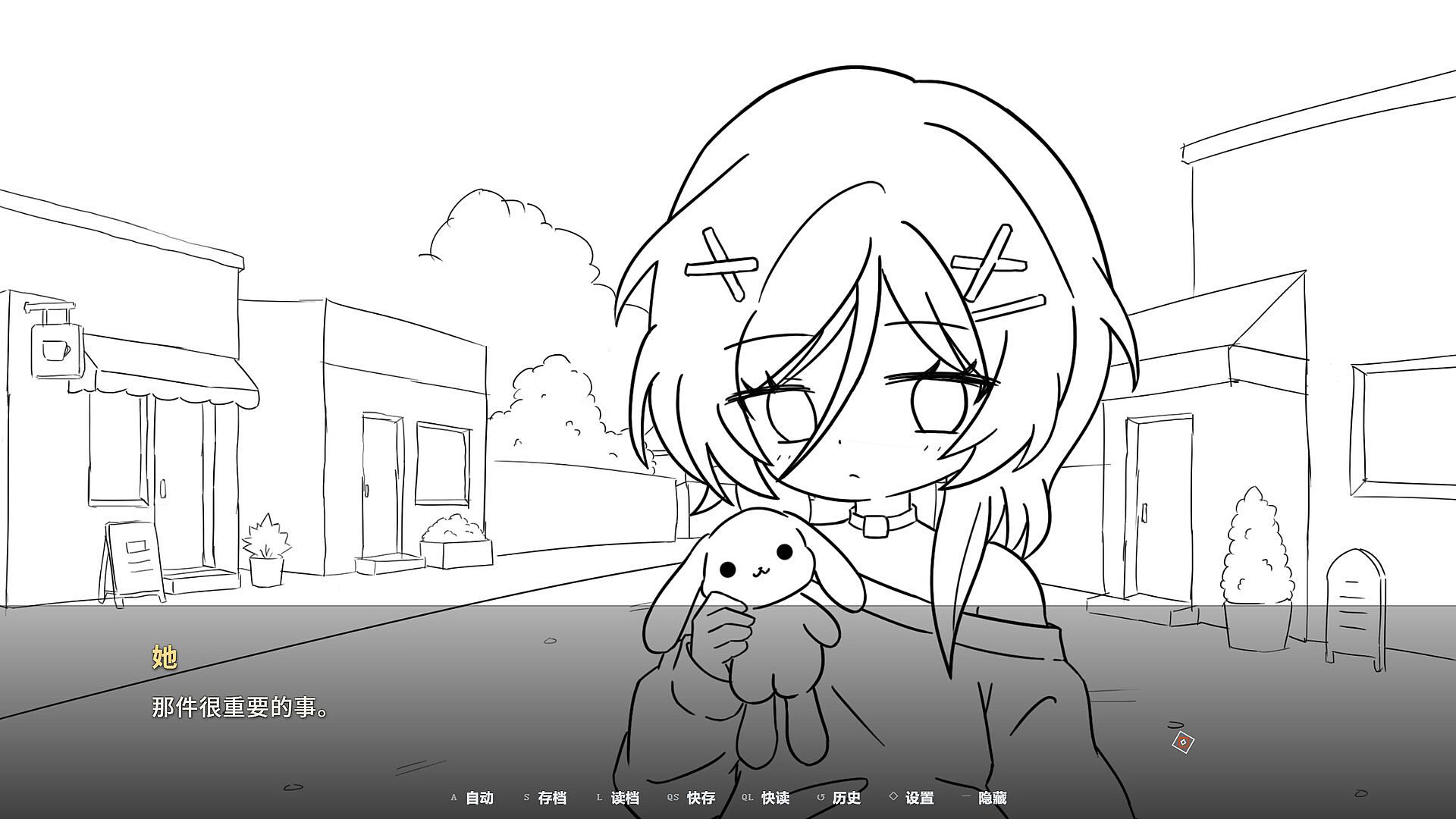
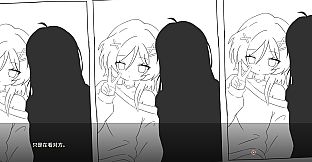

MIU is an indie adventure visual novel set on PC that follows a quiet, introspective day spent alongside an eccentric girl who has forgotten her name and purpose. The story unfolds through hand-drawn black-and-white artwork as players accompany her on an aimless walk that gradually reveals small moments of connection and discovery. Summer lingers in the air while an autumn breeze arrives, and the narrative centers on helping her recall something important she insists she has been waiting to share.
Gameplay
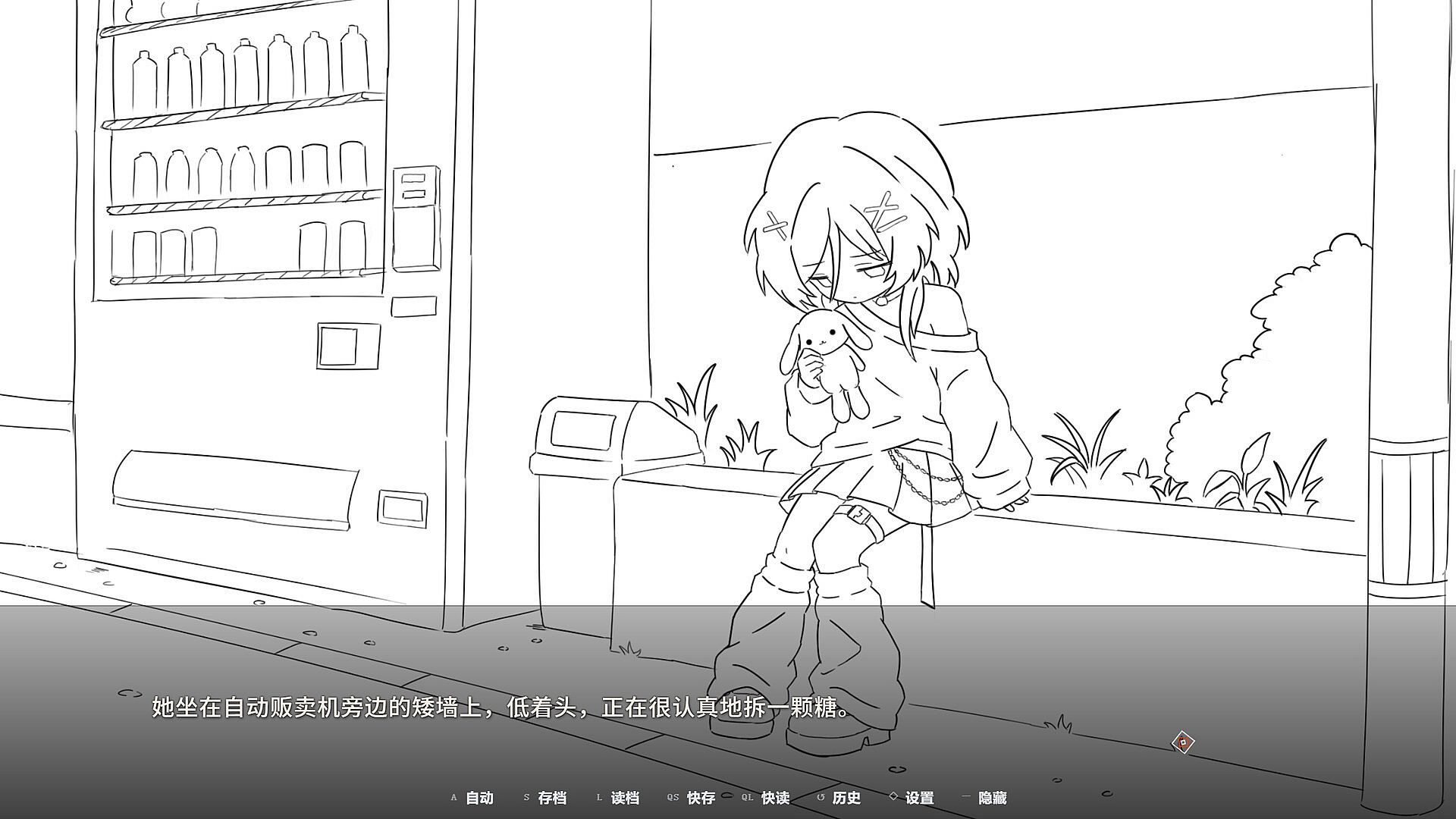
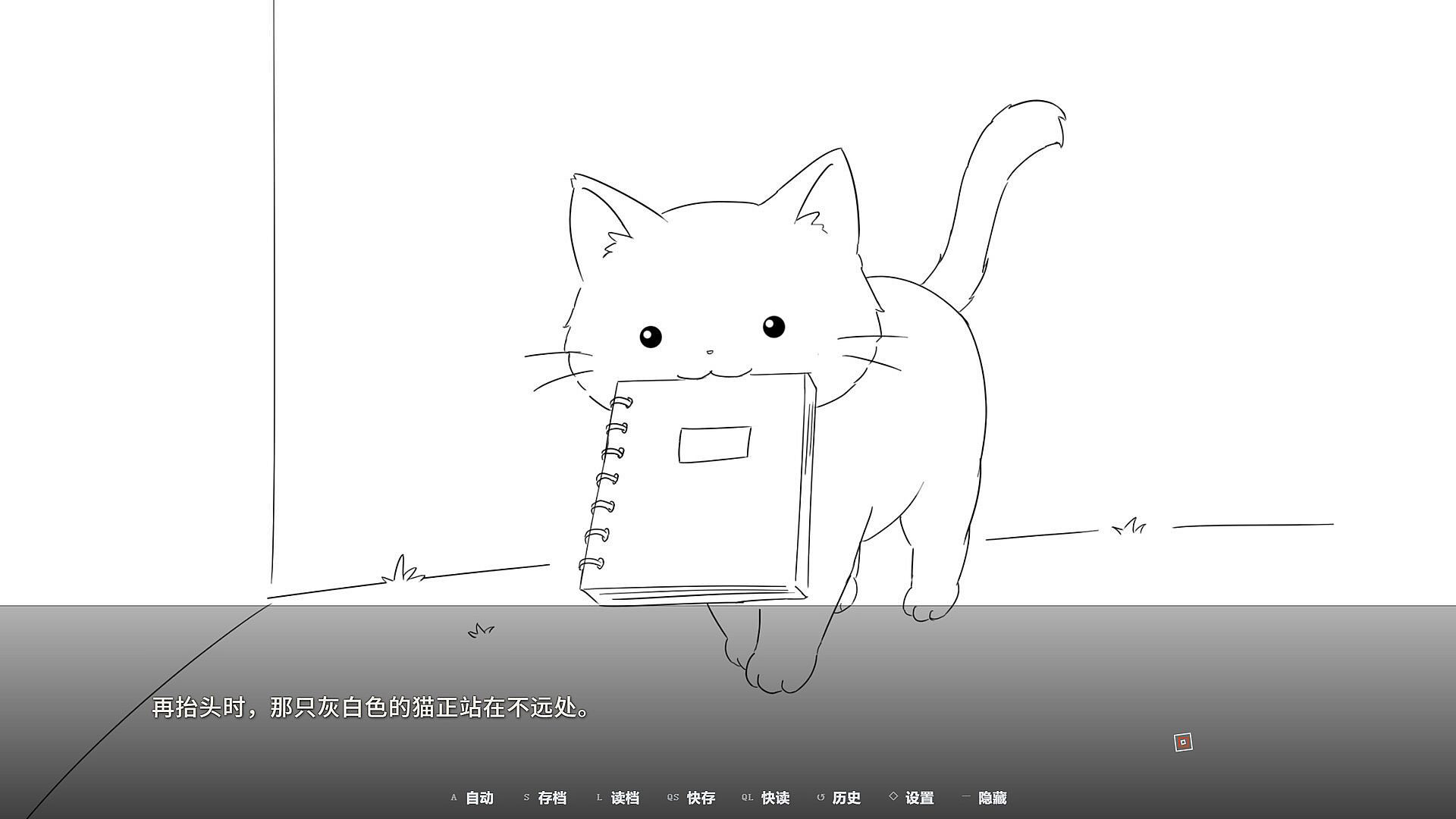
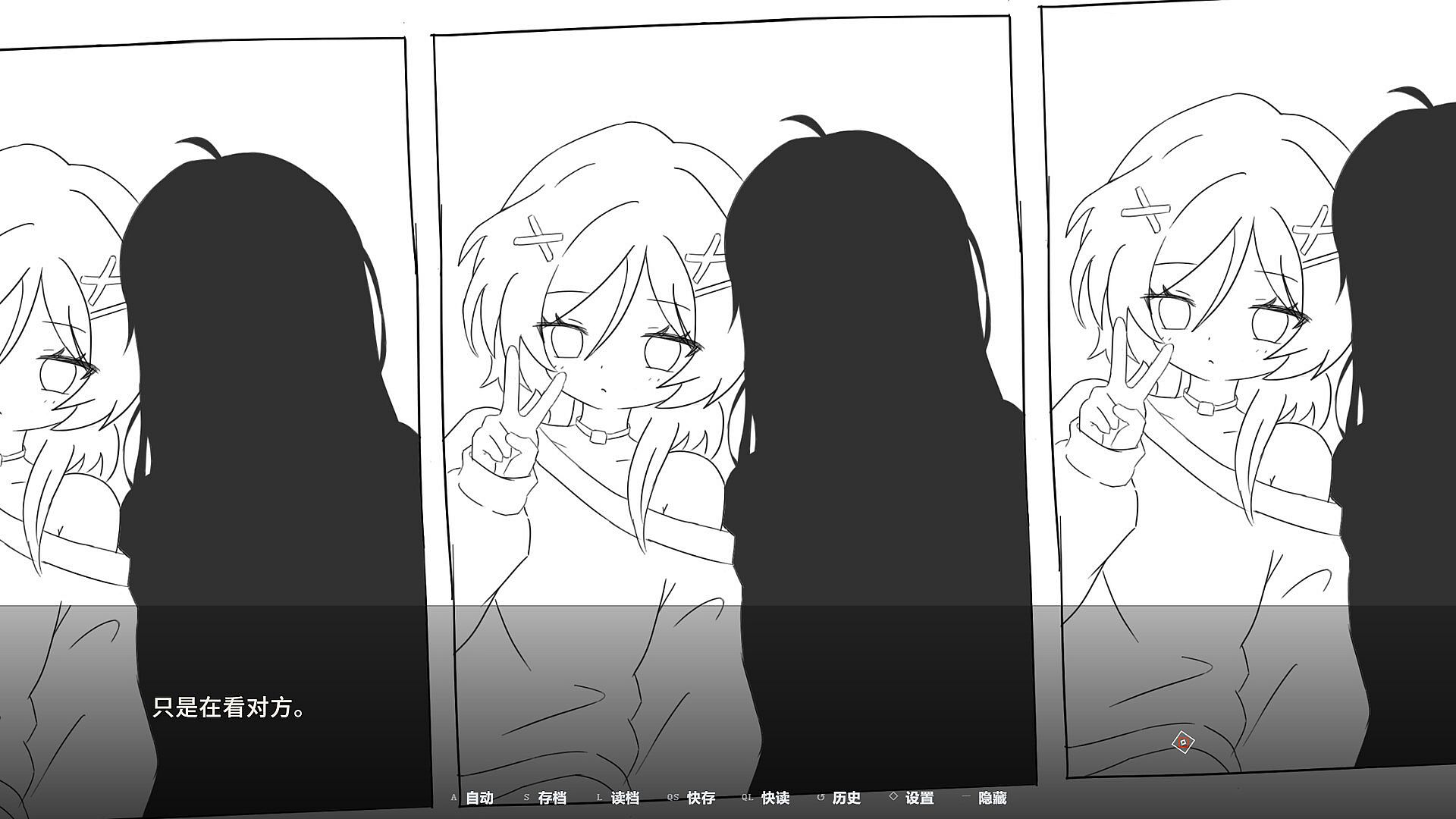
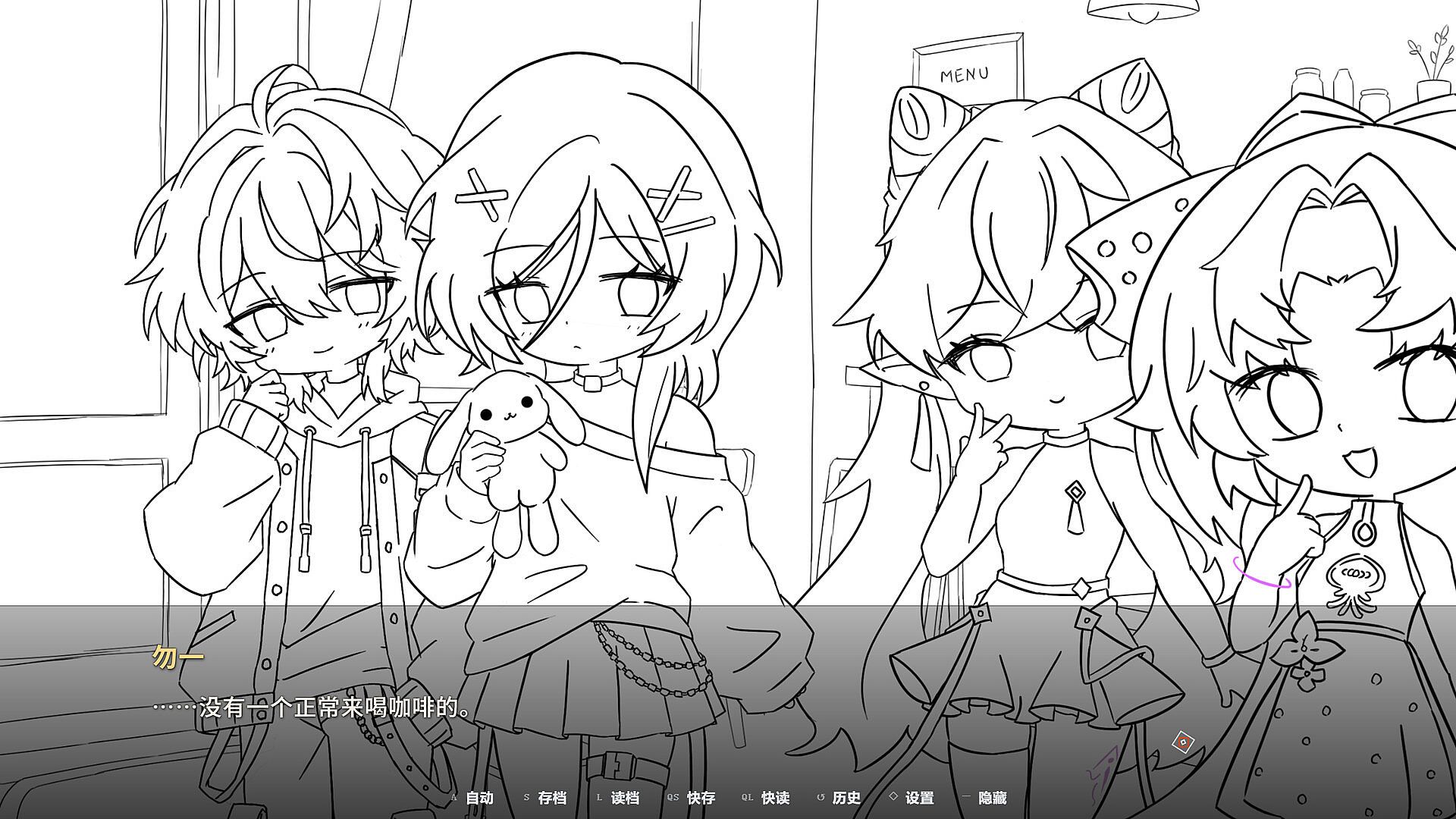
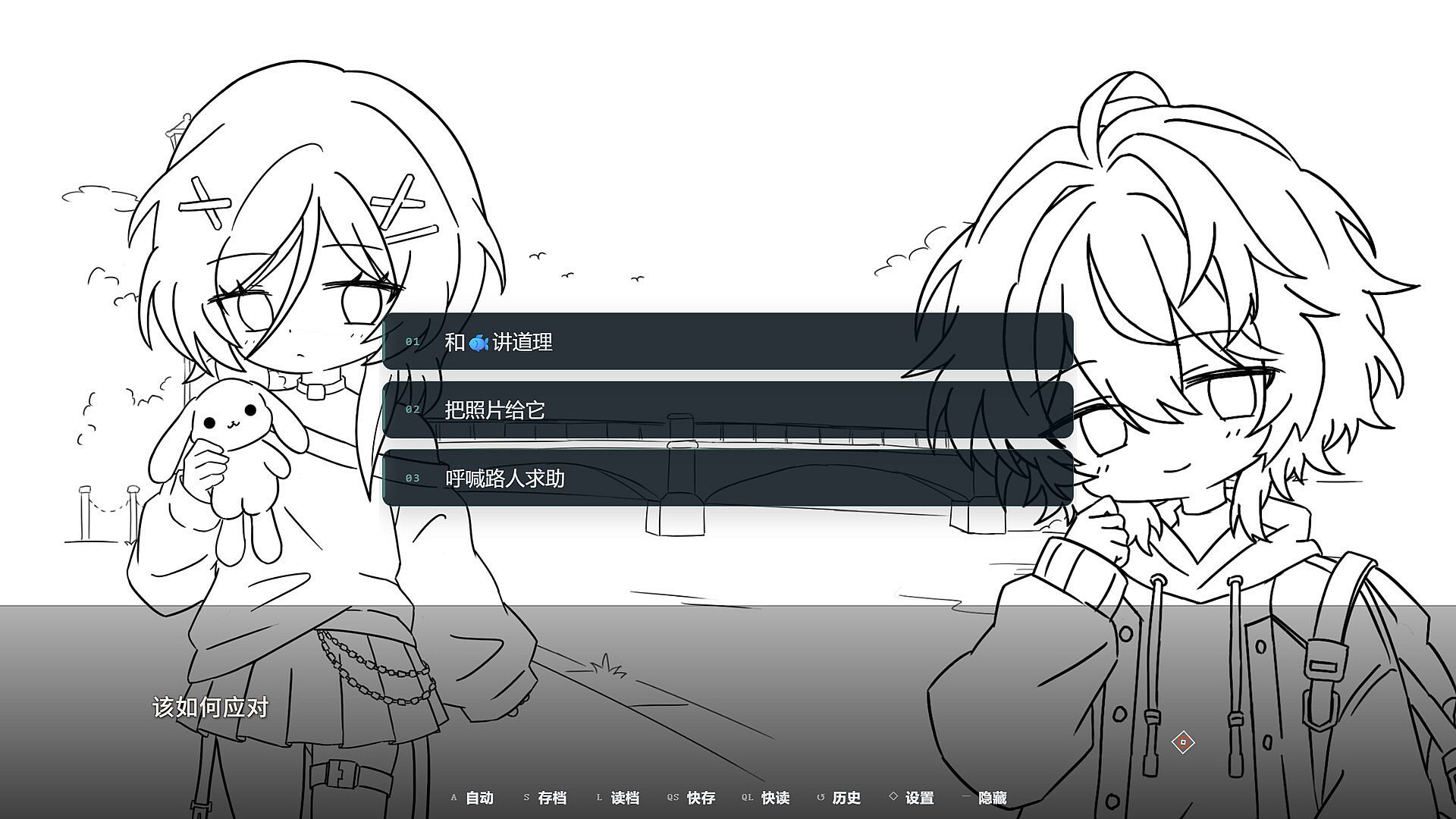
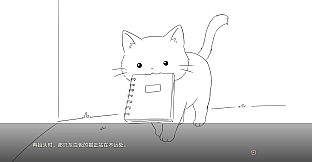
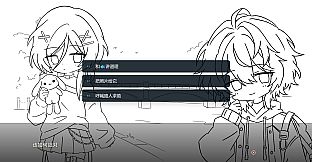
The core loop revolves around exploring a quiet shopping street, pausing at a cafe, searching for a cat, and capturing moments in a photo booth. Simple black-and-white line drawings depict streets, shops, and a riverside where players move forward at their own pace. Conversations occur naturally during these stops, with reply choices that shape how the girl responds and what details emerge about her situation. A notebook appears along the way that players are not permitted to read immediately, adding layers of curiosity without requiring complex mechanics. Idle chatter and playful arguments arise organically, and seemingly ordinary objects like a piece of candy or a photograph help build familiarity over the course of the day.
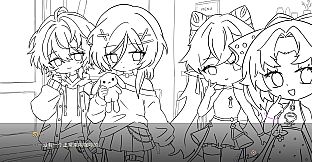
Players meet a small cast of unusual individuals who offer peculiar observations, each encounter contributing to the gentle atmosphere. The experience emphasizes observation and dialogue over action, allowing time to absorb the surroundings and the evolving relationship. Branching story paths emerge from conversation choices, encouraging experimentation to reach different scenes and conclusions.
Game Modes
MIU presents its content as a single continuous narrative experience rather than distinct modes. The structure relies on branching paths that lead to one of 26 different endings, some of which require trying alternate dialogue options or revisiting locations to uncover. There are no separate competitive, cooperative, or challenge variants; the focus remains on progressing through the day while making choices that influence outcomes. Replay value comes from exploring these branches and piecing together the fragments of the girl's forgotten memory.
Story and Atmosphere
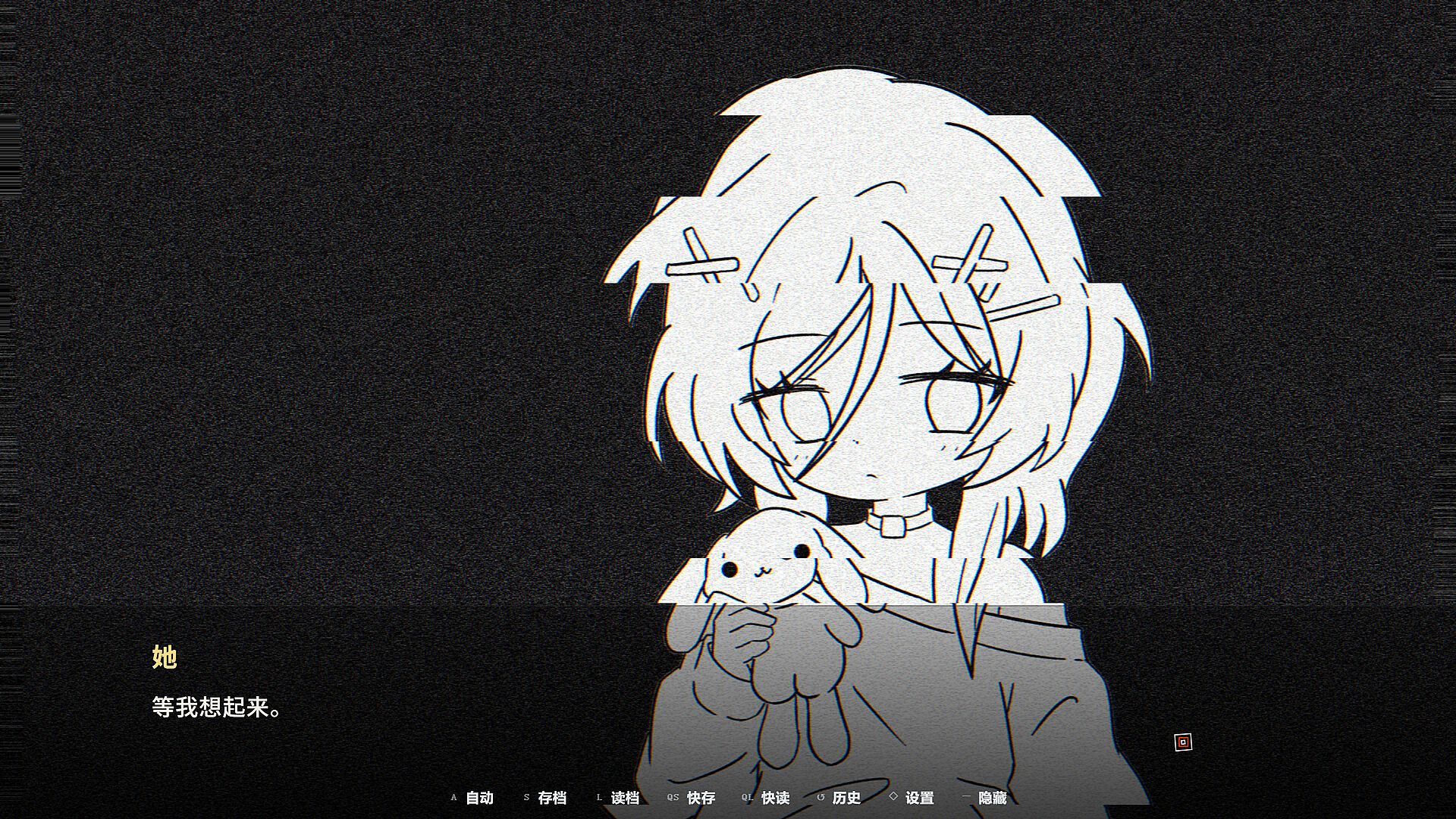
The narrative builds through understated interactions on an ordinary day. The girl follows the player after offering a lemon candy, and together they navigate the environment while she slowly regains fragments of recollection. Dialogue often leaves room for interpretation, with the eccentric characters encountered adding whimsical or cryptic remarks that contrast the calm setting. The black-and-white hand-drawn style reinforces the intimate, reflective tone, highlighting everyday details like unwrapping candy or sitting in a cafe without relying on elaborate visuals or sound design beyond what supports the mood.
Key elements such as the photo booth and the search for a cat serve as anchors for these moments, turning routine activities into opportunities for connection. The notebook functions as a withheld piece of information that heightens anticipation across playthroughs. Over repeated sessions, players can map how different replies alter the flow and lead toward varied conclusions, including lines that hint at deeper themes of memory and companionship.
Is It Worth Playing?
MIU suits players who enjoy narrative-driven visual novels centered on character interaction and subtle choice consequences. The branching paths and 26 endings provide clear incentive for multiple playthroughs, particularly for those interested in uncovering every scene through experimentation. Its short, focused scope on a single day makes it accessible for sessions that emphasize atmosphere and dialogue over extended campaigns or complex systems. Anyone drawn to gentle adventure stories with hand-drawn presentation and themes of recollection will find the experience aligns well with that preference, while those seeking action, large casts, or traditional progression may prefer other titles in the genre.