

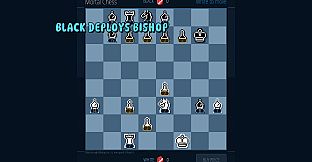
Mortal Chess ist ein Einzelspieler-Strategiespiel, das klassisches Schach als Wettstreit um Timing und Ressourcenmanagement neu interpretiert. Jede Figur trägt einen sichtbaren Lebens-Countdown, der mit jedem Zug abläuft und die Spieler zwingt, klassische Taktik mit dem Erhalt der eigenen Kräfte in Einklang zu bringen. Das Spiel läuft auf dem PC und verbindet Schachregeln mit Survival-Elementen, die aus seiner Entstehung beim GMTK Game Jam 2026 stammen, dessen Thema Countdown-Mechaniken waren.
Gameplay
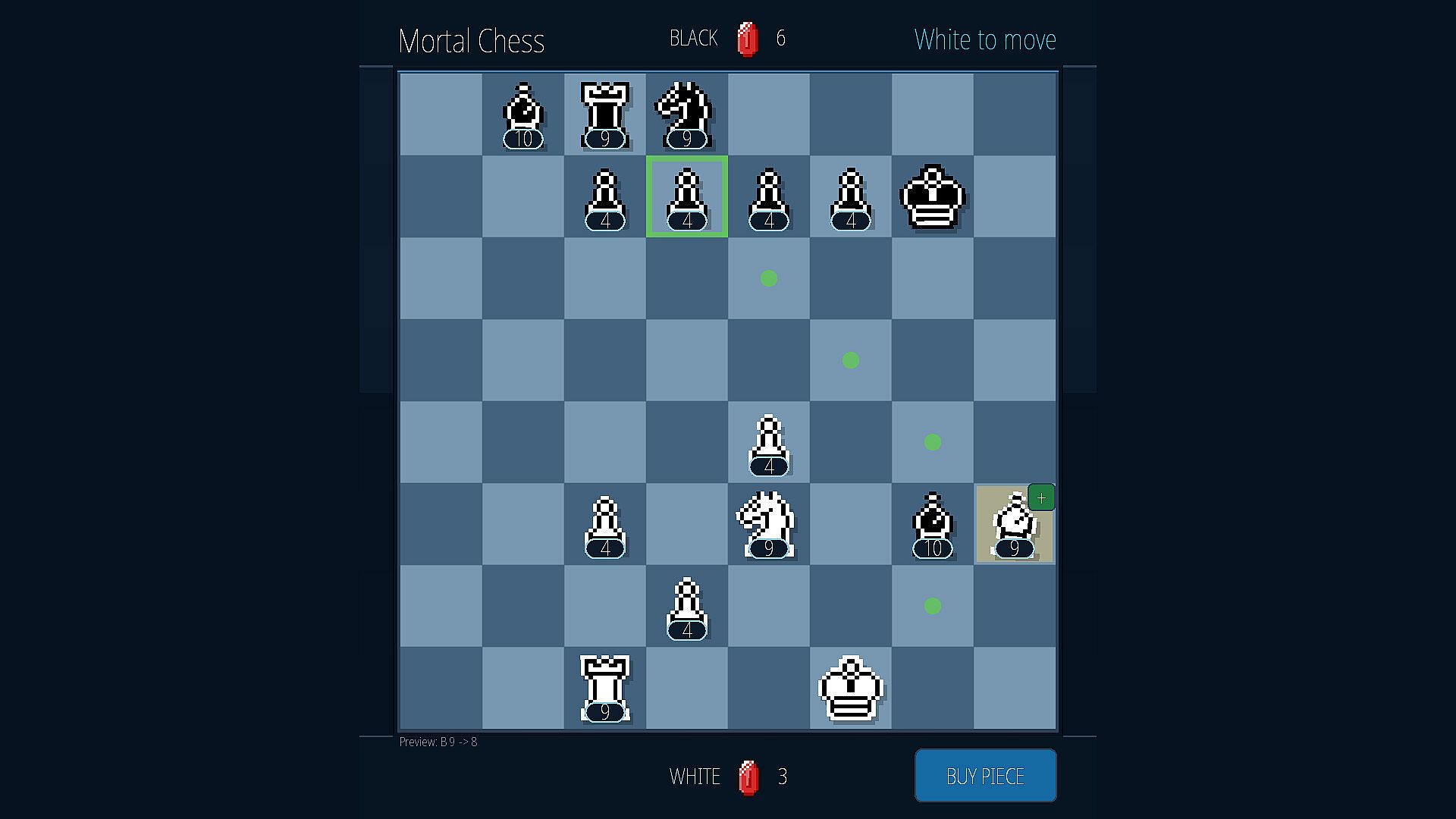
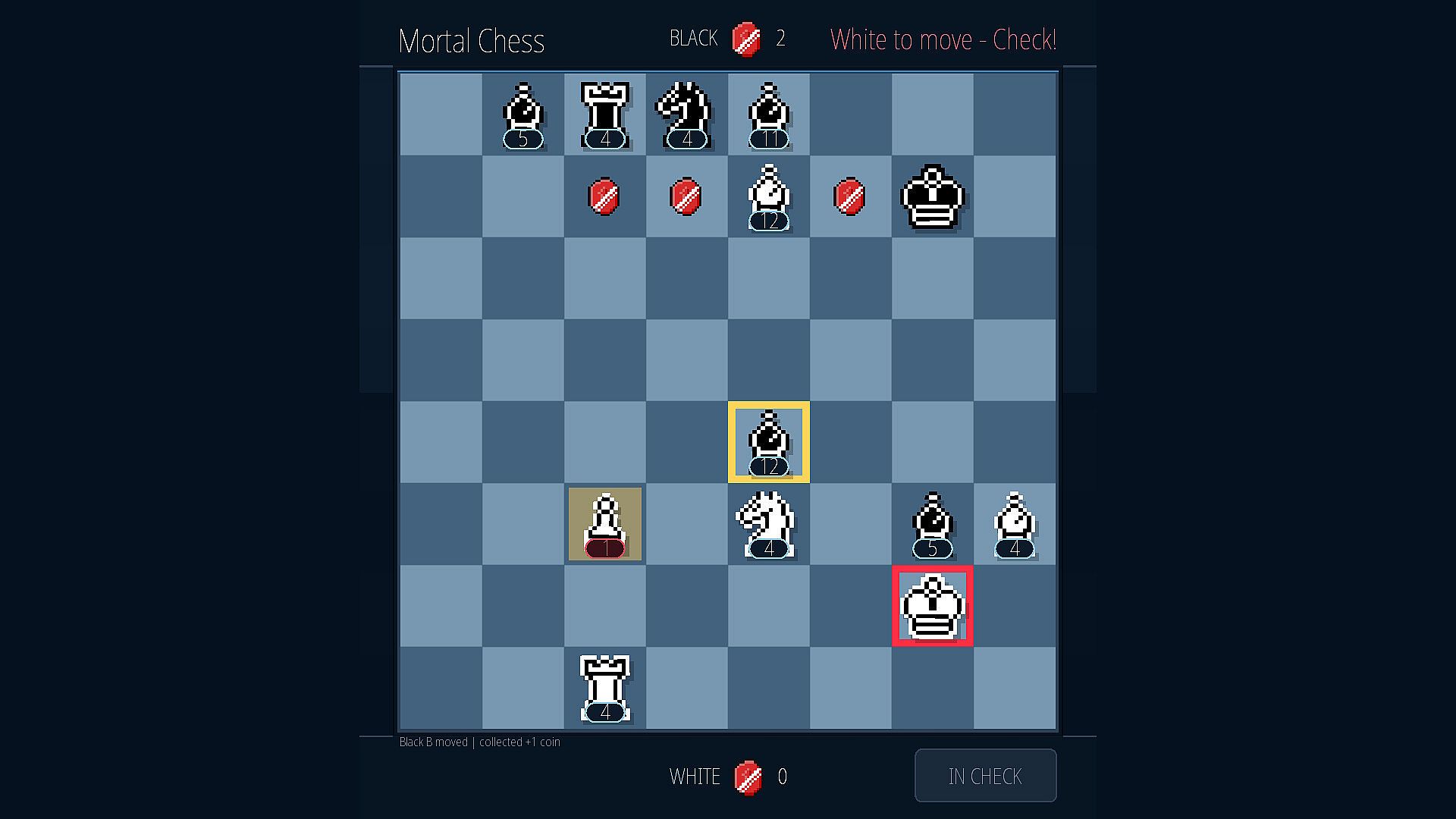
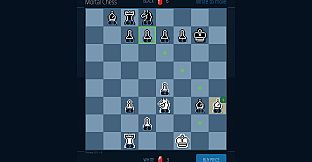
Die Spieler steuern die weißen Figuren gegen einen KI-Gegner auf der schwarzen Seite. Beide Armeen beginnen überschaubar: ein König, ein Turm, ein Springer, ein Läufer und vier zentral platzierte Bauern. Königinnen fehlen zu Beginn und müssen erst im Spielverlauf verdient werden. Die Bewegungen folgen den gewohnten Schachregeln, doch jede Aktion hat eine zusätzliche Konsequenz, da Figuren nach einer festgelegten Anzahl von Zügen verfallen.
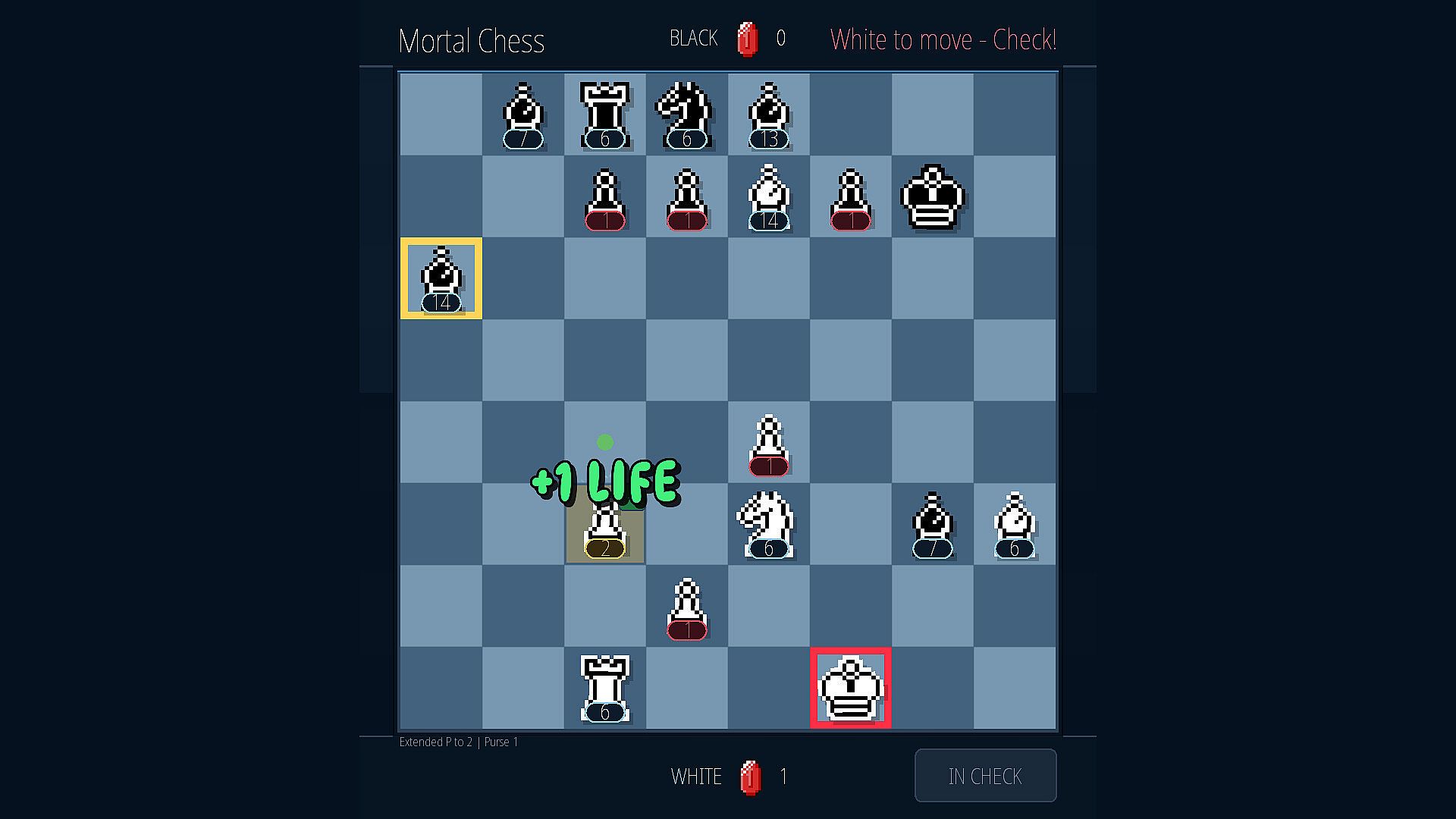
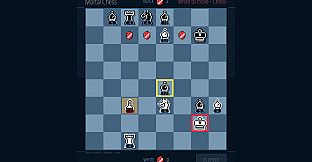
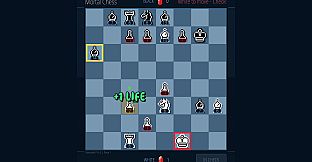
Im Mittelpunkt steht eine sorgfältige Auswahl mit Vorschau. Ein Klick auf eine Figur markiert legale Zielfelder, während das Hovern über ein mögliches Ziel die veränderten Countdown-Werte anzeigt und drohende Verluste bei eigenen Figuren kennzeichnet. Dieses Vorschau-System hilft, versehentliche Verluste in komplexen Zugfolgen zu vermeiden. Ist eine Figur ausgewählt, kann über einen zusätzlichen Button Münzen ausgegeben werden, um ihr eine weitere Lebensrunde zu schenken und wichtige Angreifer oder Verteidiger länger zu erhalten.
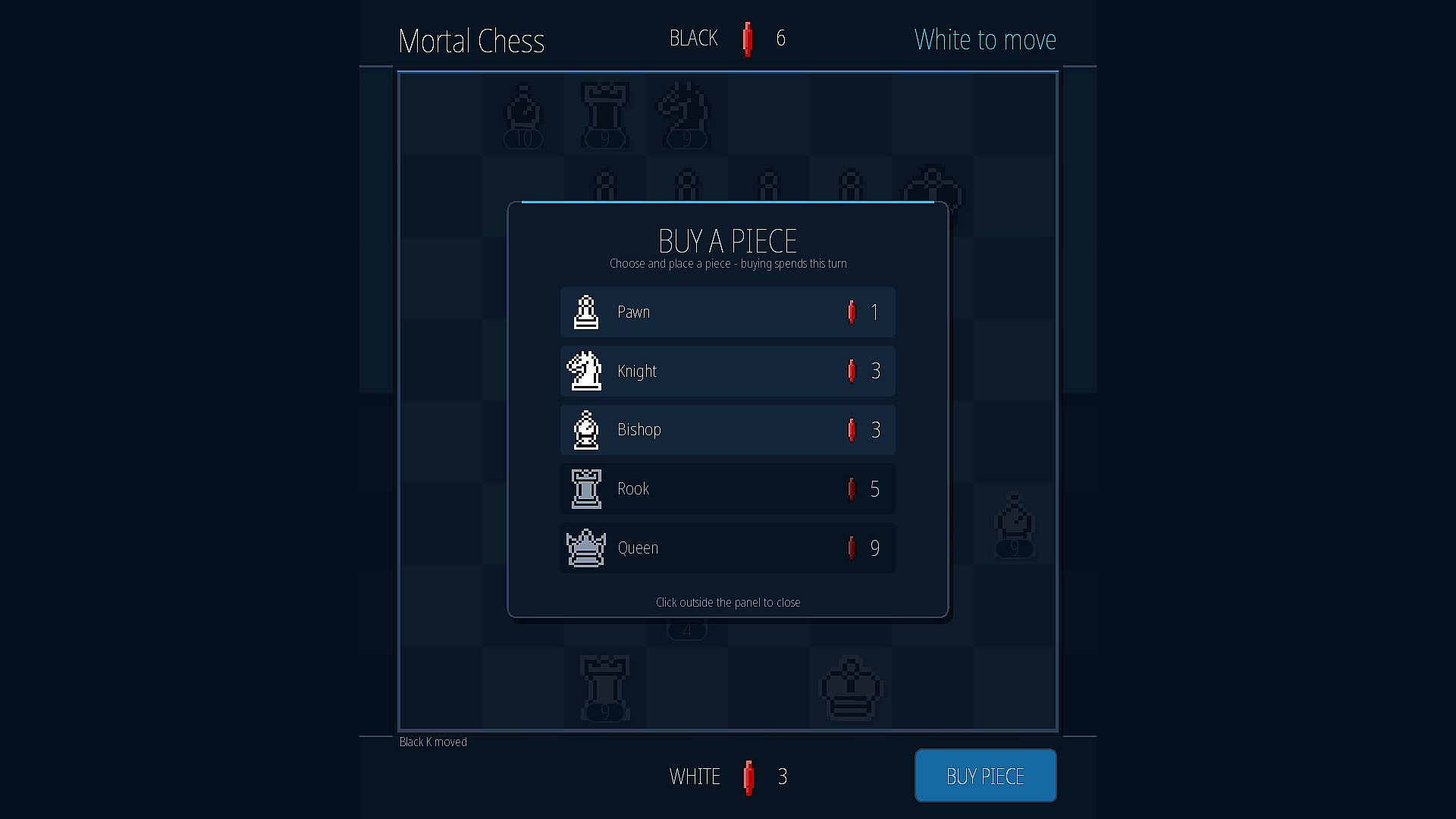
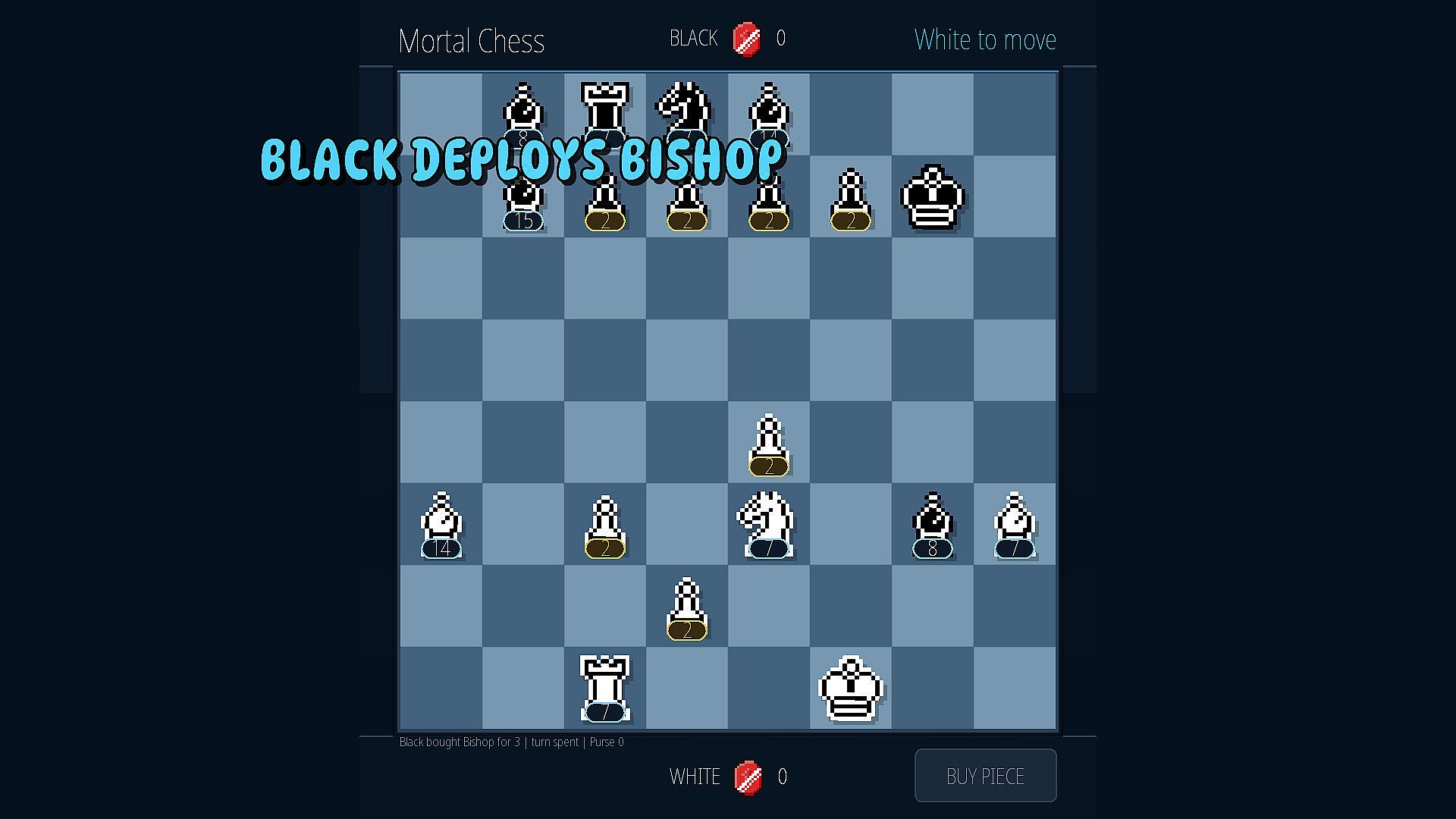
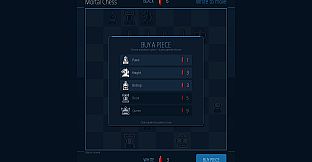
Verstärkungen eröffnen eine weitere Dimension. Mit im Spiel gesammelten Münzen lassen sich neue Figuren kaufen und auf legalen Feldern in den beiden untersten Reihen platzieren. Bauern müssen dabei auf ihrer Standard-Zweitreihe erscheinen. Solange der König im Schach steht, ist eine Verstärkung nicht möglich, Lebensverlängerungen bleiben jedoch auch unter Druck verfügbar. Schachmatt beendet das Spiel weiterhin mit einem Sieg, doch ein ungeschützter König kann auch ohne Matt zur Niederlage führen, es sei denn, eine letzte bezahlbare Verstärkung rettet die Lage. Bleiben nur noch die beiden Könige auf dem Brett, endet die Partie unentschieden.
Spielmodi
Die Schwierigkeitsstufen passen den Countdown-Druck in vier Stufen an: Easy, Normal, Hard und Brutal. Sie bestimmen, wie schnell Figuren an Leben verlieren und wie anspruchsvoll die Überlebensherausforderung insgesamt wird. Separate Schieberegler steuern das Verhalten der schwarzen KI von schnellen Antworten bis hin zu maximaler Denkzeit. Höhere KI-Stufen geben dem Gegner mehr Zeit zur Zugbewertung und sorgen so für stärkeren Widerstand, ohne die Grundregeln zu verändern.
Weitere Modi gibt es nicht. Der Fokus auf den Einzelspieler richtet die Aufmerksamkeit auf eigene Entscheidungen statt auf Ranglisten oder Online-Partien. Jede Session startet mit derselben Ausgangsaufstellung, sodass Abwechslung aus der gewählten Schwierigkeitskombination und dem durch die Sterblichkeit der Figuren geprägten Brettverlauf entsteht.
Kernmechaniken und Strategie
Ressourcenmanagement steht im Zentrum des Erfolgs. Münzen aus Figurenraub finanzieren sowohl Lebensverlängerungen als auch neue Verstärkungen und machen jeden Tausch zu einer Abwägung zwischen sofortigem Gewinn und langfristiger Armee-Stärke. Welche Figuren eine Extrarunde erhalten, will wohlüberlegt sein, besonders wenn mehrere Einheiten gleichzeitig an ihre Grenzen stoßen. Verstärkungen müssen in den unteren Reihen platziert werden und den Bauern-Regeln folgen, was räumliche Einschränkungen schafft, die vorausschauende Planung belohnen.
Das Fehlen von Königinnen zu Spielbeginn verlagert die frühen Prioritäten auf den Aufbau materieller Vorteile durch gezielte Raubzüge und rechtzeitige Verstärkungen. Wer Countdowns ignoriert, riskiert plötzliche Zusammenbrüche trotz guter Positionierung, während übermäßige Ausgaben für Lebensverlängerungen die Münzvorräte vor entscheidenden Momenten erschöpfen können. Diese Spannung führt zu Entscheidungen, die sich von klassischem Schach unterscheiden, in dem allein Material und Stellung den Ausgang bestimmen.
Lohnt sich das Spiel?
Mortal Chess spricht Spieler an, die Schach schätzen, aber eine neue Einschränkung suchen, die Weitsicht über traditionelle Taktik hinaus belohnt. Das Countdown-System erzeugt Dringlichkeit, ohne die Bewegungsregeln zu verändern, und bleibt damit für Schachkenner zugänglich, fühlt sich aber dennoch frisch an. Die Schwierigkeitsoptionen ermöglichen einen schrittweisen Anstieg des Drucks und eignen sich sowohl für Einsteiger in diese Variante als auch für erfahrene Spieler, die härtere Herausforderungen suchen.
Das Feedback der Jam-Teilnehmer hebt den kreativen Ansatz hervor; einige berichten von einer spürbaren Herausforderung bereits auf niedrigeren Stufen. Als fokussiertes Einzelspieler-Erlebnis um eine zentrale Idee bietet das Spiel durchgehende Tiefe ohne unnötige Zusätze. Wer präzises Timing und den Erhalt der Armee neben Matt-Drohungen schätzt, wird wiederholt belohnt, besonders beim Experimentieren mit verschiedenen Schwierigkeits- und KI-Kombinationen. Das Spiel liegt als abgeschlossener Titel vor, der für seinen vorgesehenen Umfang keine weiteren Updates benötigt.