






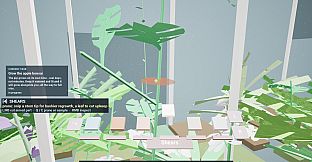
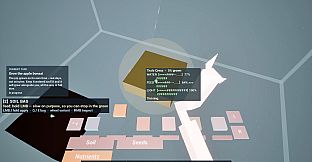
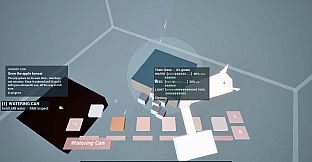
Mossu is a casual simulation game set in low Earth orbit where players construct and maintain cube-sat terrariums filled with growing plants. This singleplayer experience combines sandbox building with realistic plant care mechanics, allowing users to create orbital gardens that respond to microgravity conditions and resource interactions.
Gameplay
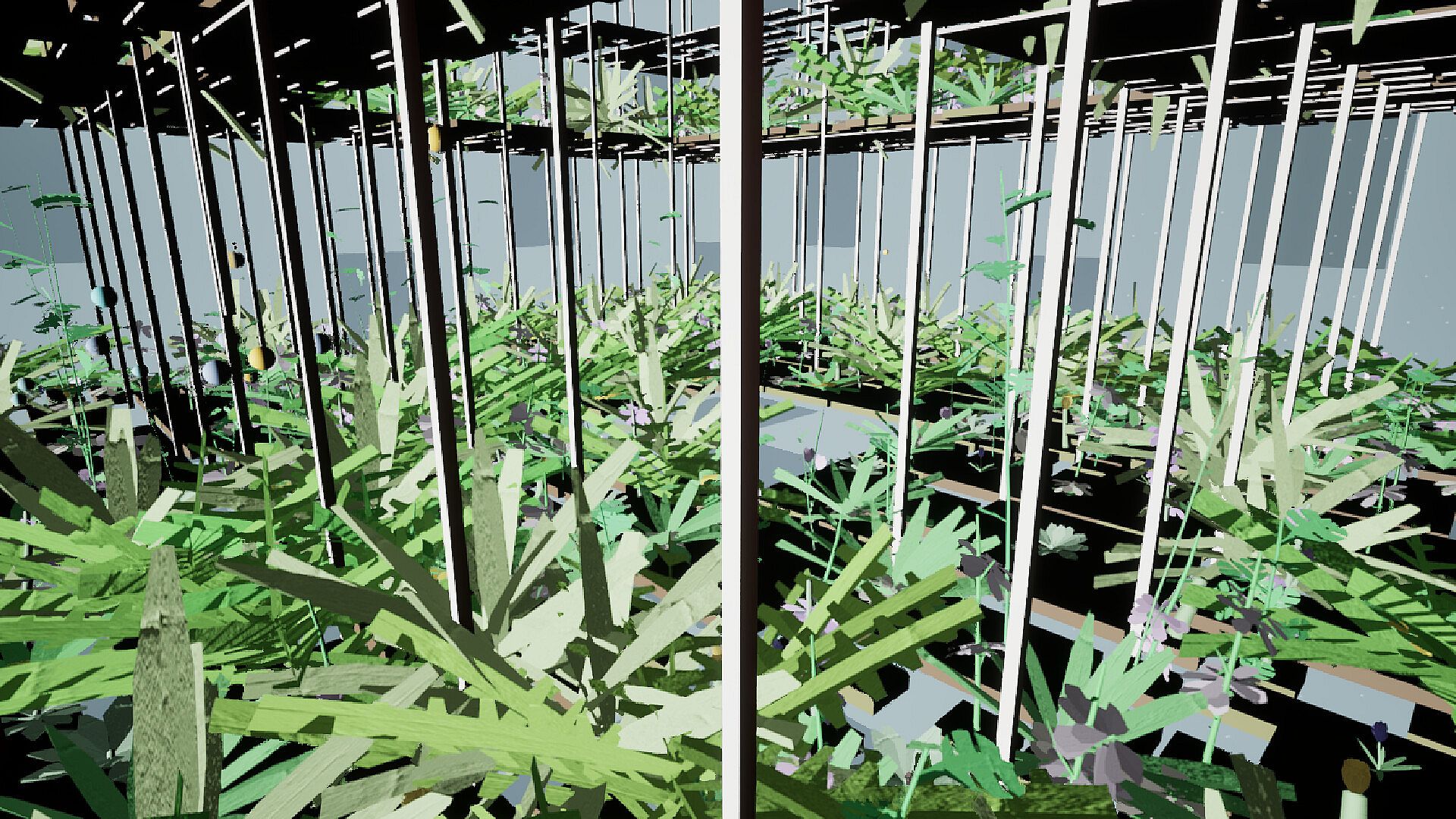
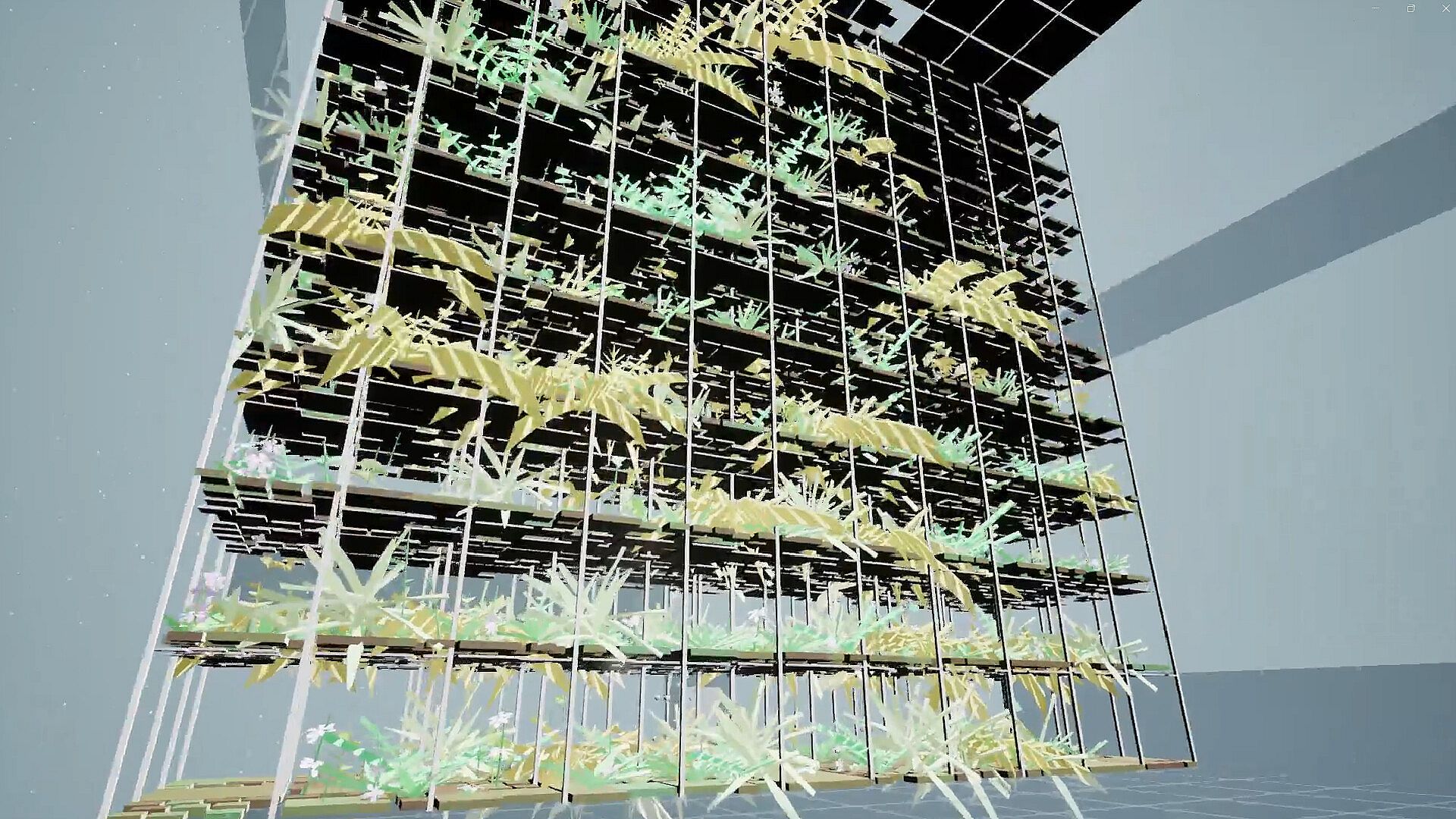
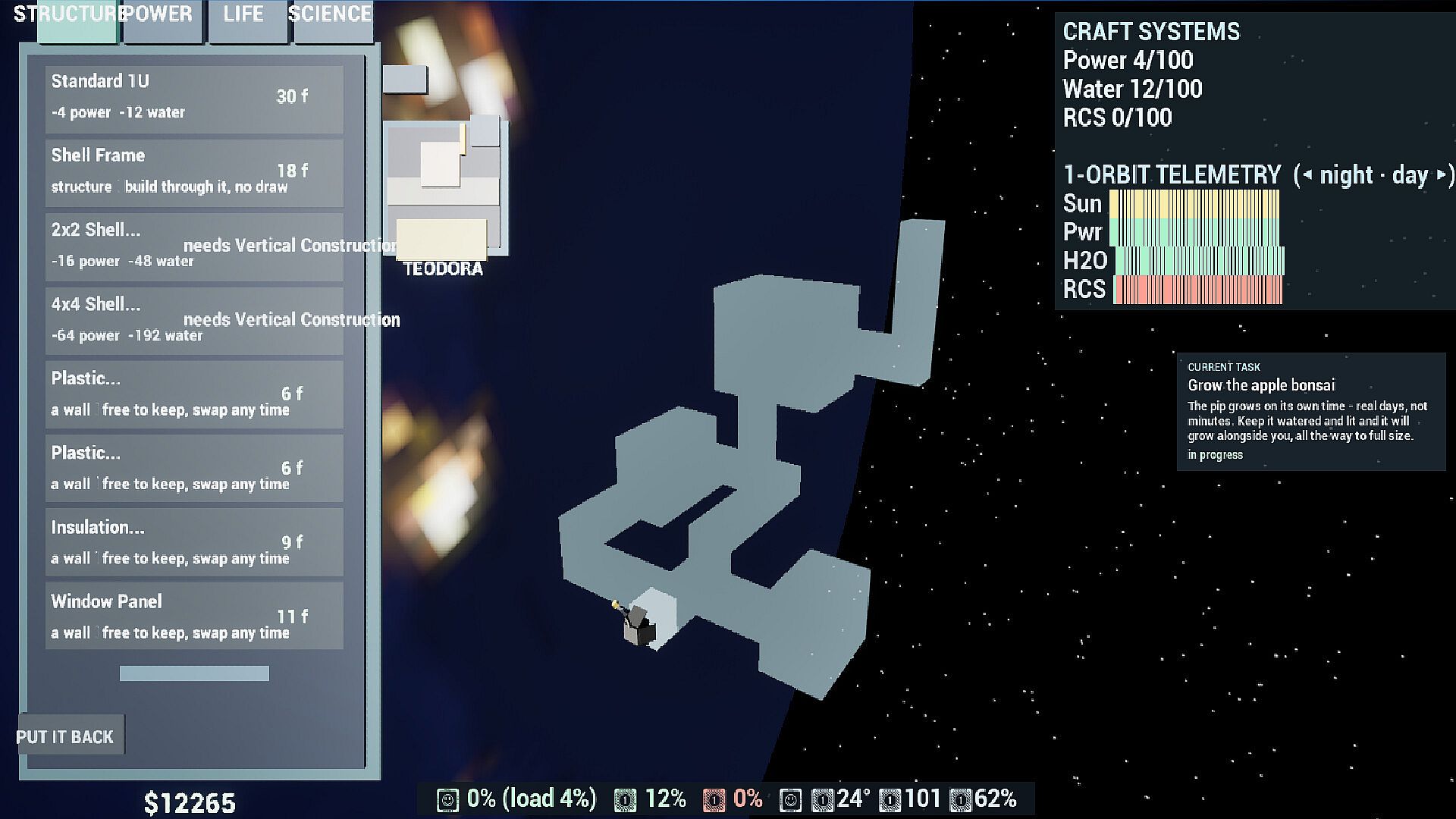
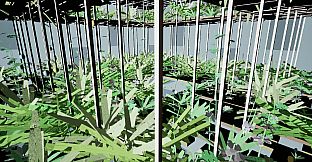
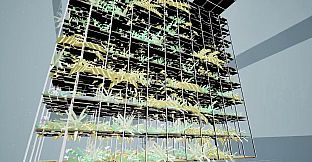
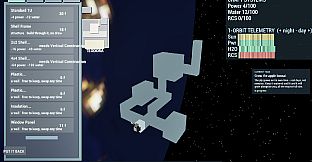
Core gameplay revolves around building cube-sat structures in any direction to form custom terrariums. Players start with basic modules and expand them while managing space for plant growth. Each of the 14 real plant species follows accurate morphology and physiology rules, resulting in procedural generation that accounts for neighbor interactions, drift, crowding, and shared resources.
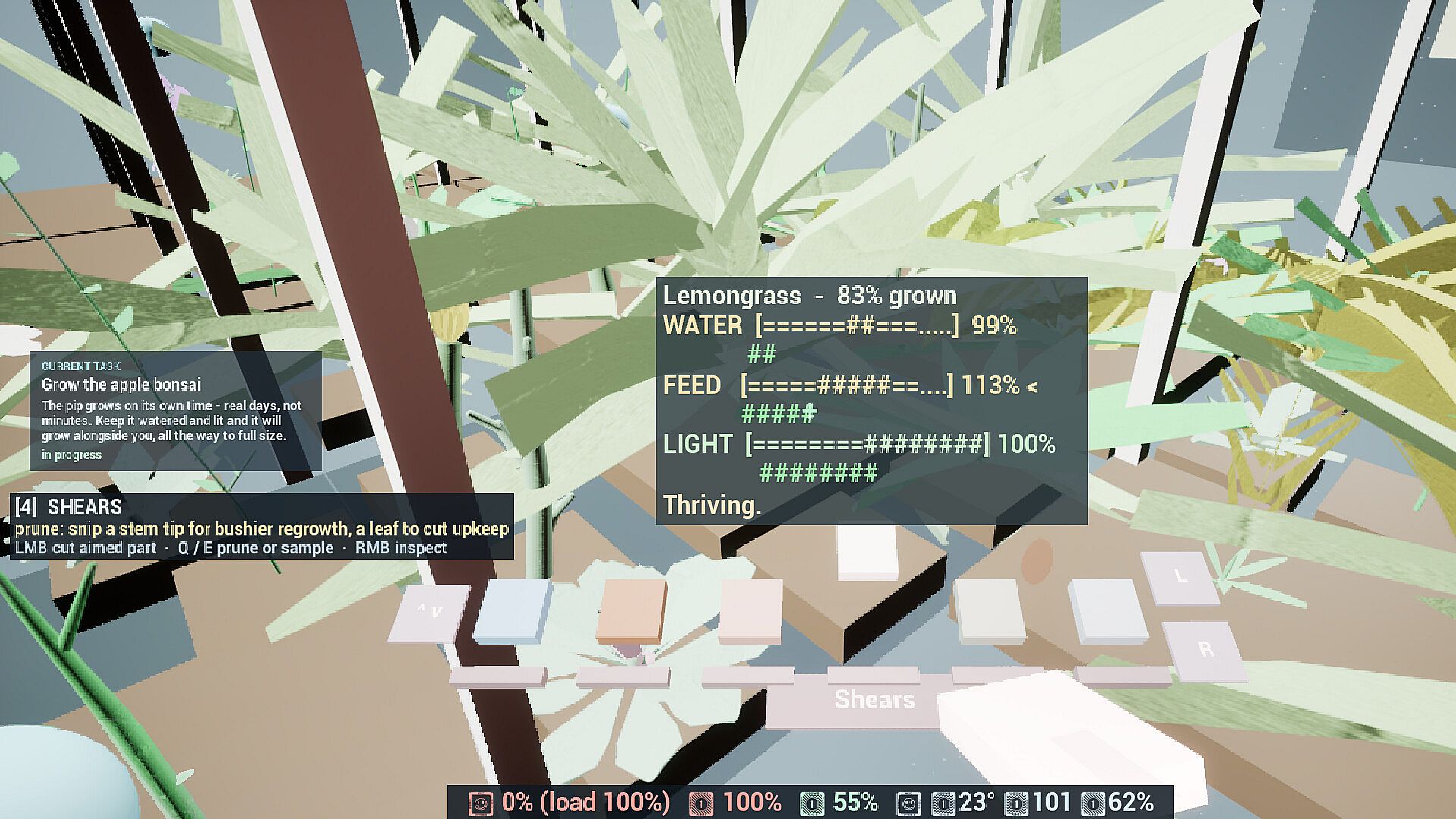
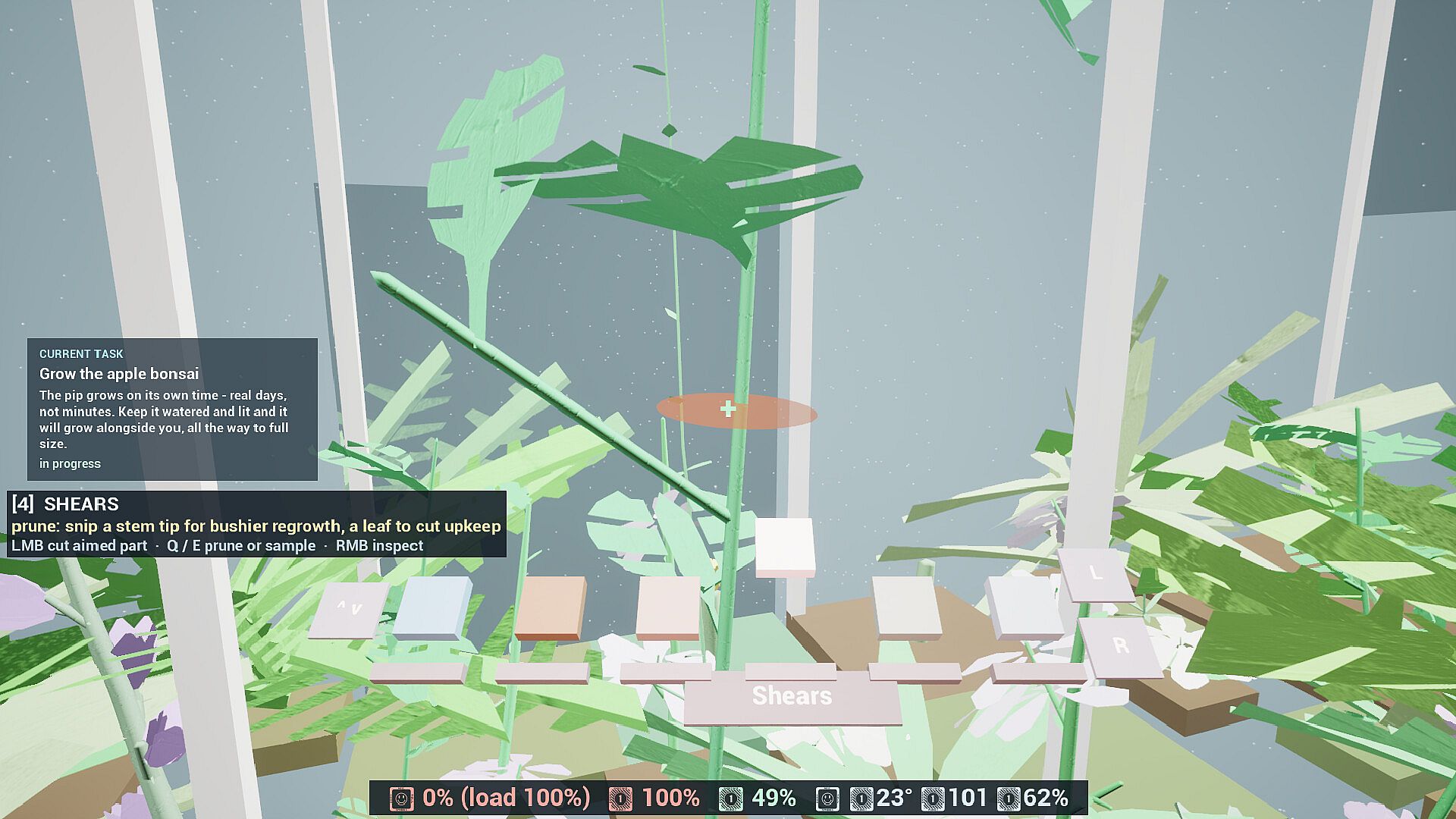
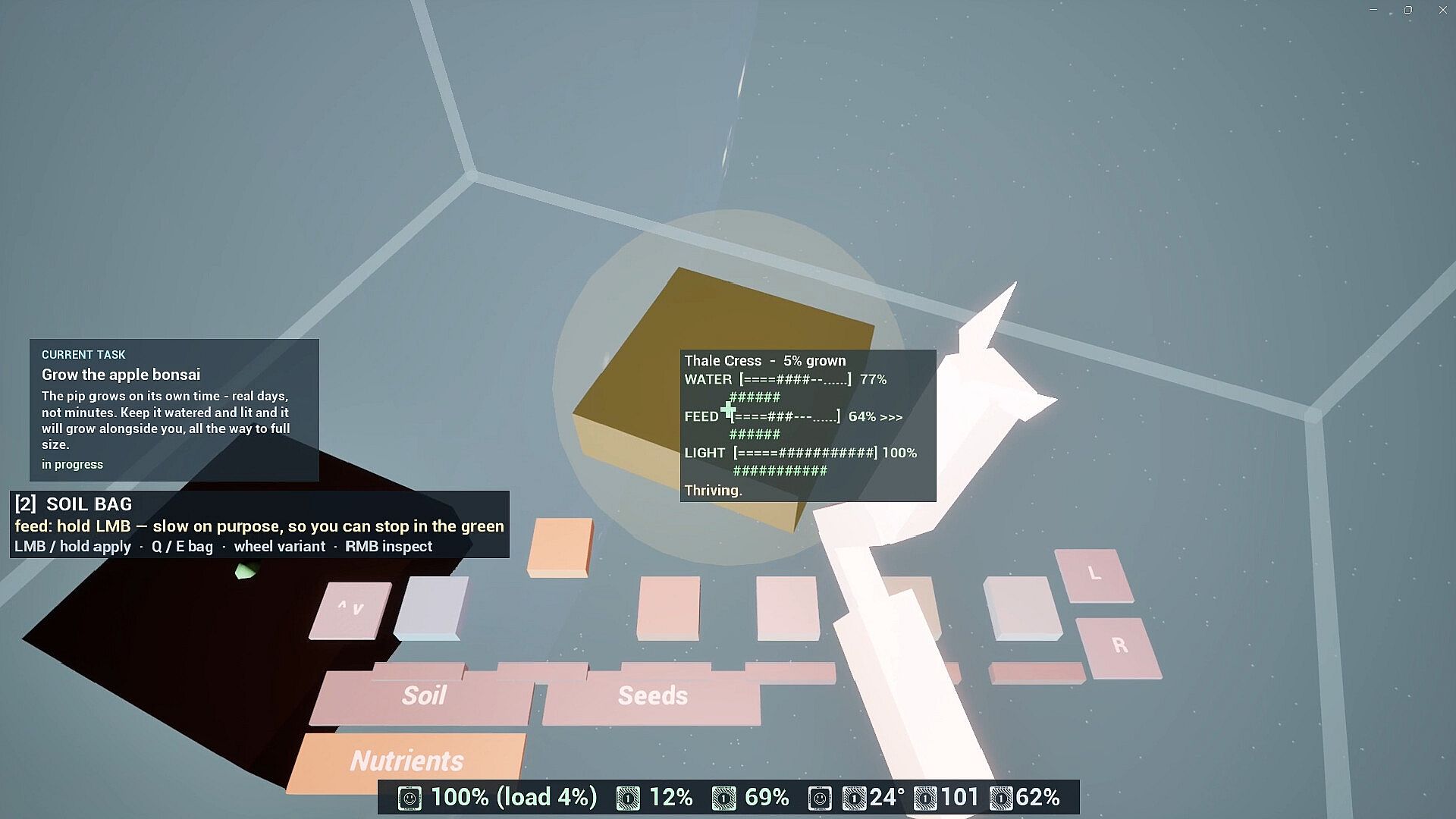
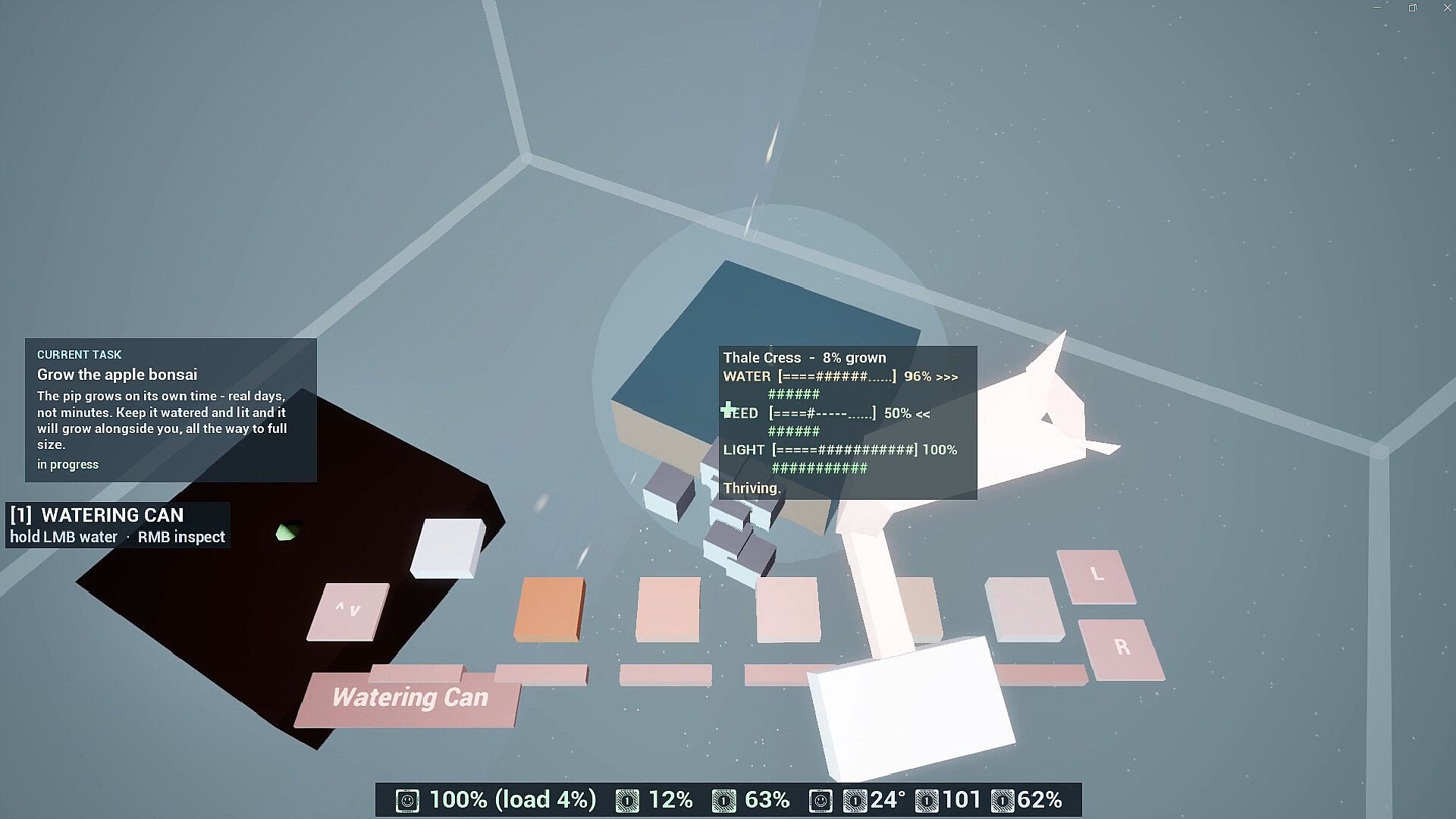
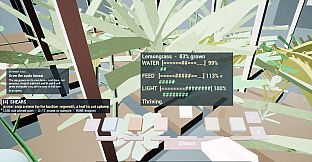
Plant development occurs through realistic stages from sprout to fruit. Growth responds to environmental factors in microgravity, creating floating motion that gives the terrarium a dynamic, living quality. Precision tools handle daily care tasks such as applying nutrient bags, pruning with shears, vacuuming debris, and watering roots directly. Bonsai trees operate on real-time growth cycles, while other species follow accelerated game-time schedules to demonstrate full life cycles within reasonable play sessions.
Resource management emphasizes observation and adjustment. Players monitor how plants compete or cooperate for light, water, and nutrients, adjusting layouts to optimize health and yield. The system rewards careful planning with visible results in plant shape, size, and productivity, all grounded in botanical principles rather than abstract game rules.
Game Modes
Mossu functions as an open-ended sandbox without separate named game modes. The single experience centers on freeform terrarium construction and ongoing plant maintenance in the orbital setting. Progression comes from expanding the structure, introducing new species, and refining care techniques to achieve balanced ecosystems.
Players engage in iterative cycles of building, planting, observing growth responses, and using tools to correct issues like debris accumulation or uneven resource distribution. This unified approach supports both short sessions focused on specific plants and longer play focused on complete garden development.
Learning Botany Through Simulation
The game integrates educational elements directly into the mechanics. Species behavior reflects real botanical traits, teaching players about morphology, physiology, and environmental responses through hands-on interaction rather than separate tutorials or text dumps. Observing how one plant influences its neighbors or how microgravity affects root and stem development provides practical insight into orbital plant care concepts.
Procedural generation based on scientific rules ensures variety across playthroughs. Different starting conditions and layout choices lead to unique outcomes, encouraging experimentation with spacing, tool use, and species combinations to see measurable effects on growth patterns and resource sharing.
Is It Worth Playing?
Mossu suits players who enjoy methodical simulation and cozy management experiences with a scientific foundation. The focus on accurate plant modeling and microgravity physics creates a distinctive niche within the casual simulation genre, appealing to those interested in botany or space-themed building without combat or narrative pressure.
As an Early Access title, the game offers a complete core loop centered on terrarium building and plant nurturing, with room for future refinements based on player feedback. Those seeking a relaxing, detail-oriented sandbox that rewards observation and precise tool use will find substantial depth in the neighbor-aware growth and resource systems. The absence of traditional progression gates or competitive elements keeps the emphasis on creative experimentation and long-term garden maintenance.











