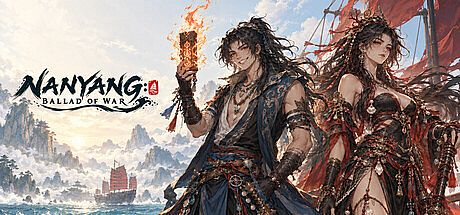


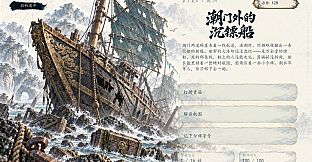
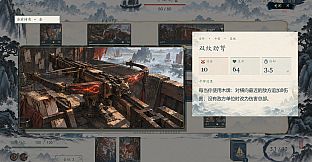
Nanyang: Ballad of War is a strategy indie game for PC that combines card play with auto-battler combat in a Chinese-inspired world of seafaring fantasy. Players select a hero, assemble followers and equipment, and position units in front and back rows before battles begin. Combat proceeds automatically once underway, yet cards held in hand allow timely interventions that can shift momentum and exploit openings in enemy lines.
Gameplay
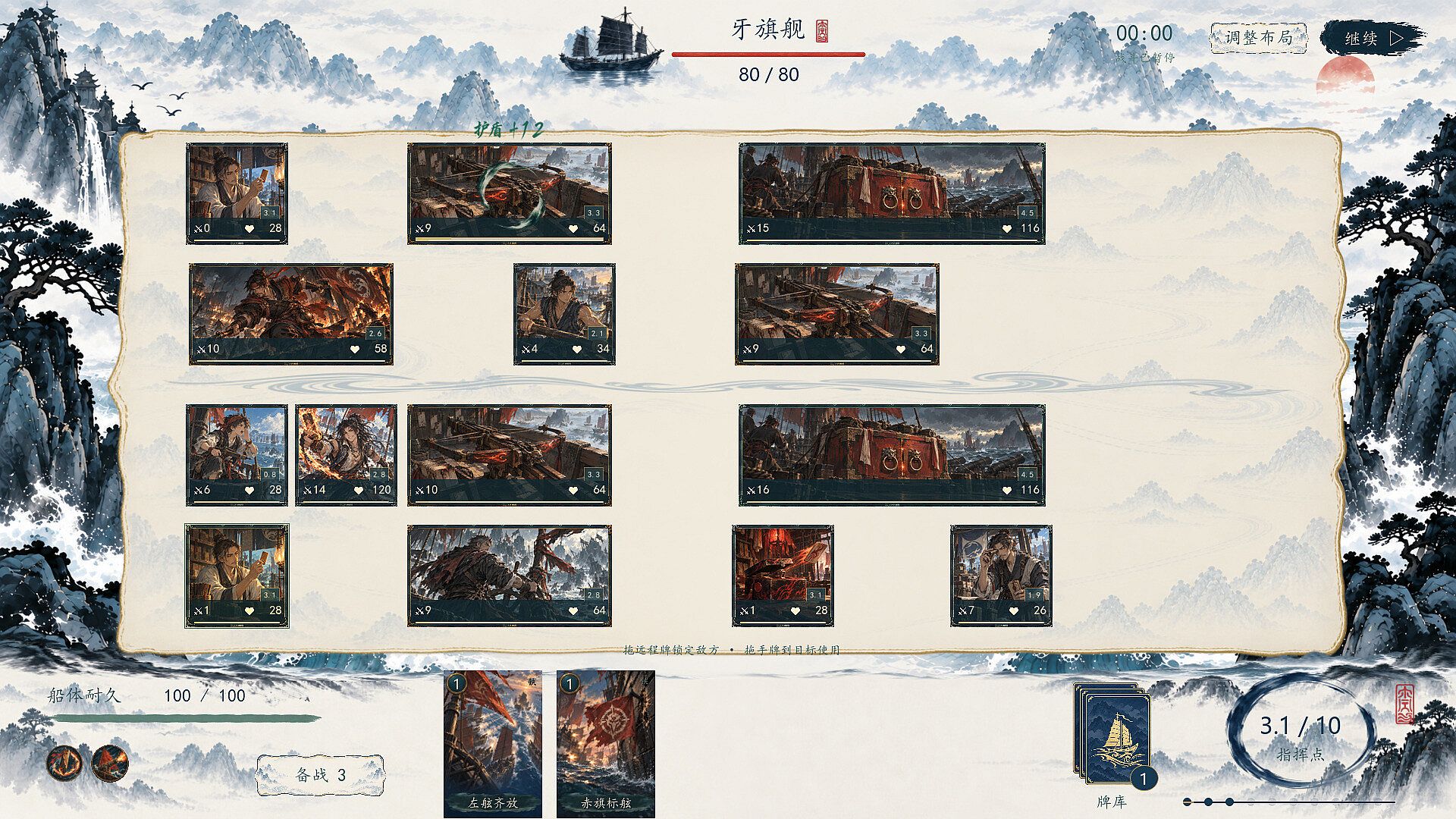
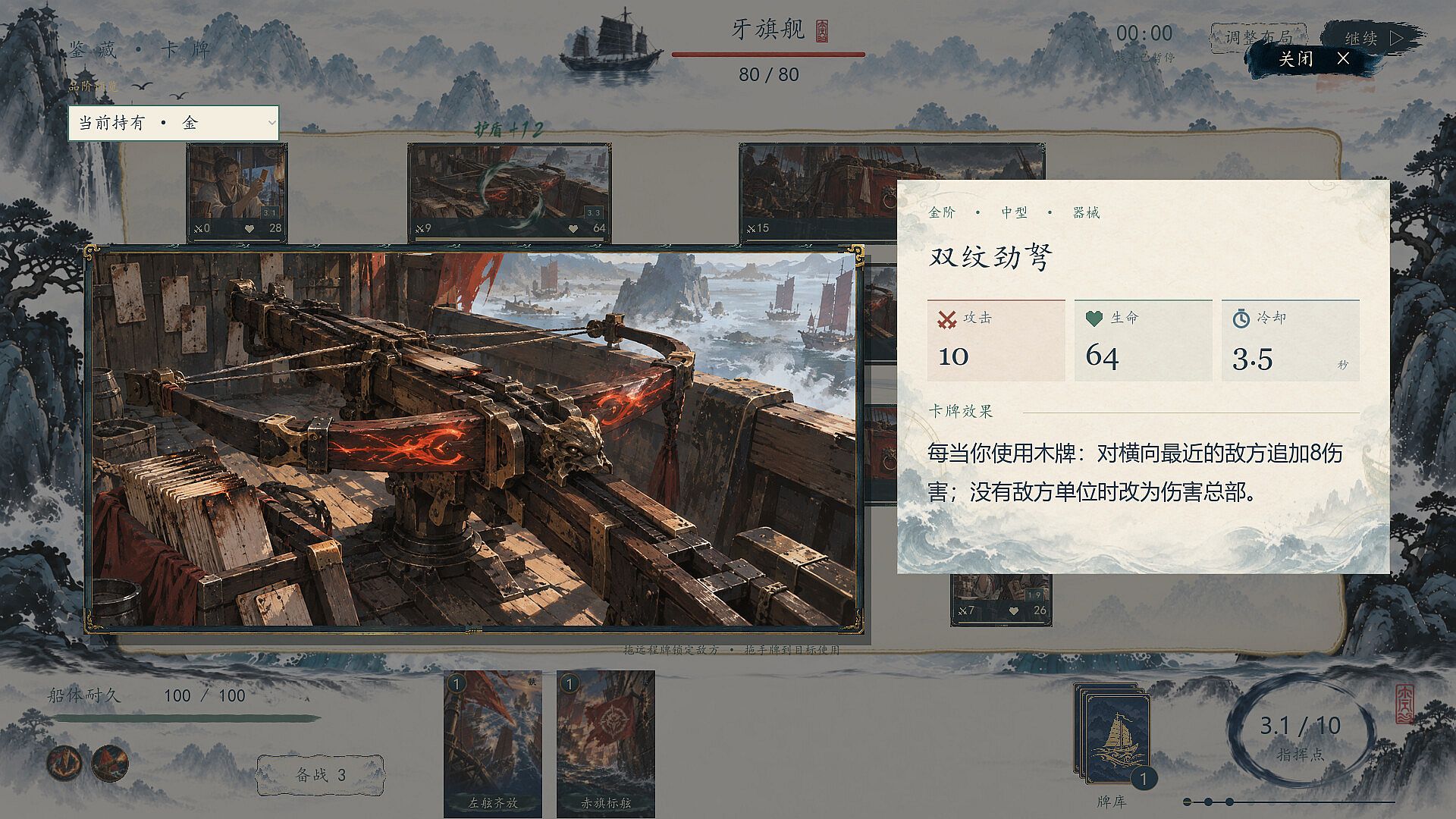
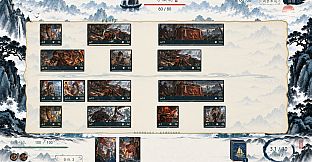
Preparation sets the foundation for each encounter. Units and equipment occupy specific positions, with front and back rows, adjacency, and the footprint of larger pieces all influencing how abilities and attacks resolve. Different sizes and placements create interactions that reward careful arrangement over simple stacking of power.
Once fighting starts, the formation operates on its own. The player watches the clash and decides when to spend cards from the hand. These cards deliver extra strikes, shield key equipment, or activate wooden talismans that chain into further effects. Success depends on both the initial layout and the precise timing of these interventions.
Equipment carries mystical glyphs, wooden tokens ignite spirit fire, and sea beasts can form bonds with human crews. These elements feed into the formation and card choices, turning each battle into a test of how well the chosen pieces complement one another.
Game Modes
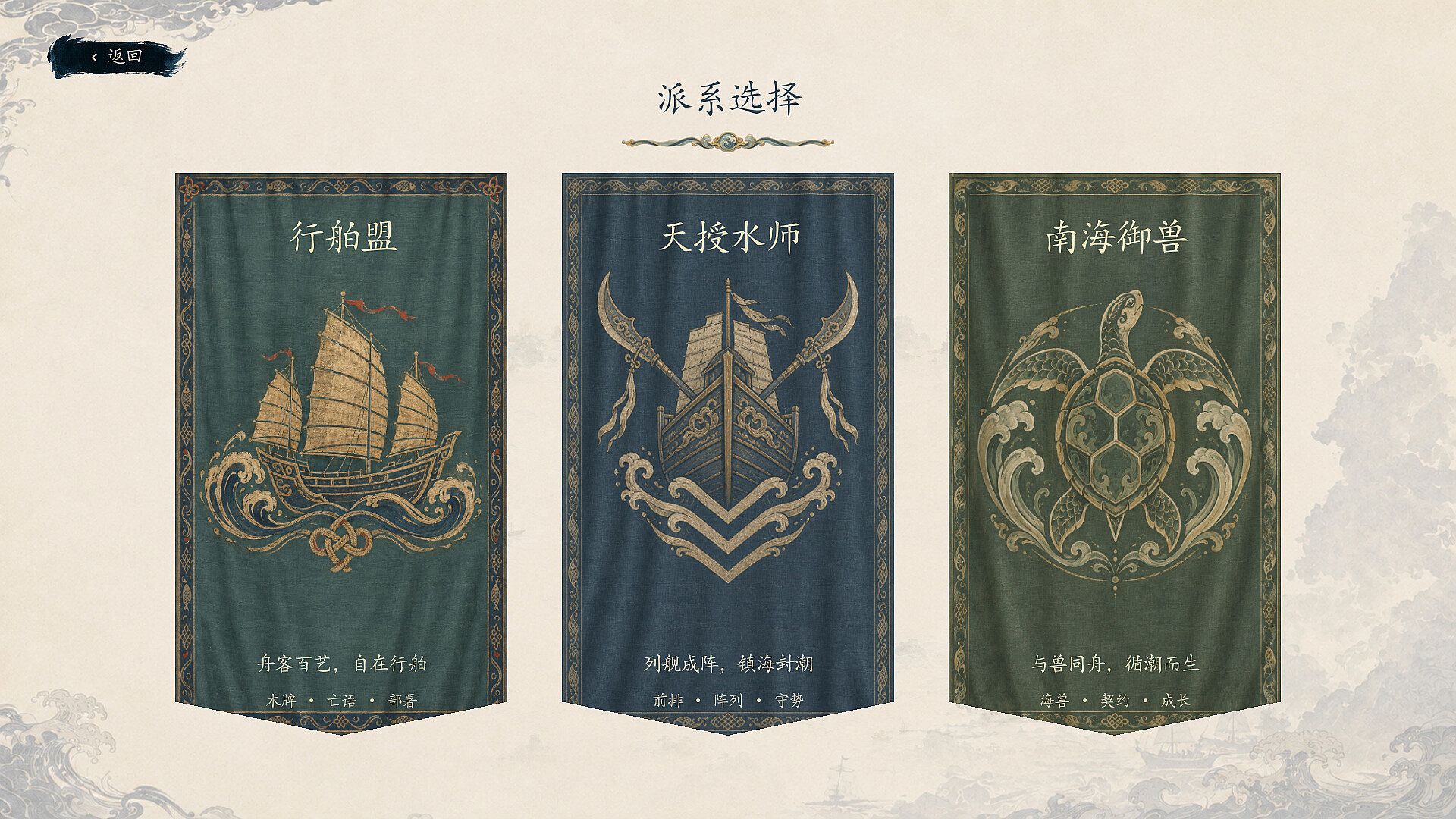
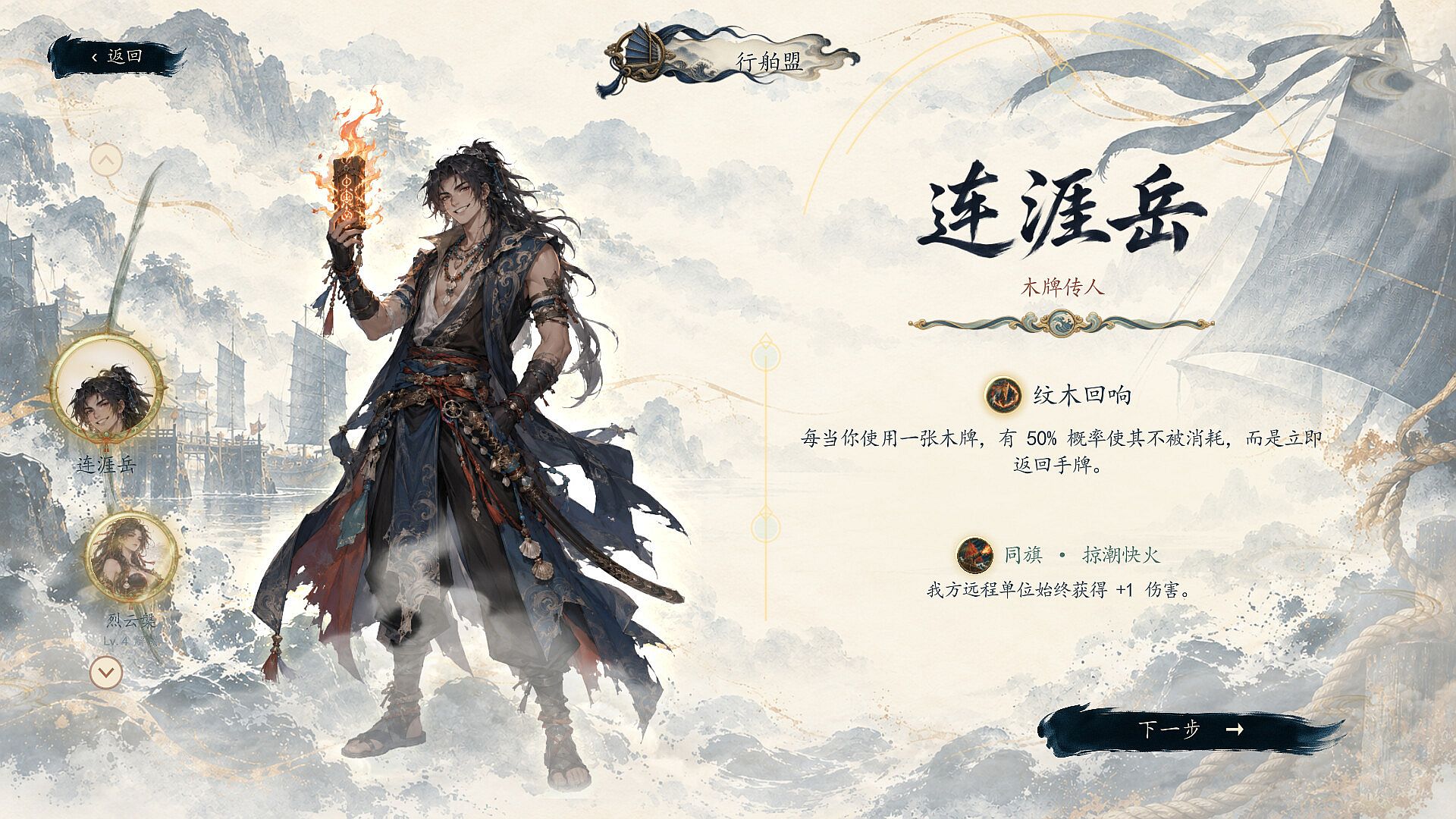
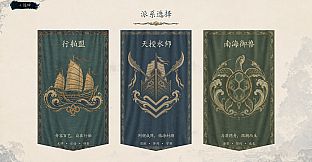
Three distinct approaches shape how players break enemy ranks. The Seafarers' League relies on wooden talismans that link equipment and allies, allowing one card to trigger multiple reactions across the deck and formation. The Heaven-Mandated Navy emphasizes armored defense and repair options that protect assets while power builds toward a decisive counterstrike. The Beastbinders of the Southern Seas focus on raising sea creatures, guiding their growth, and choosing the right moment for evolution so the beasts contribute at critical points.
Each approach alters the rhythm of play. One favors reactive chains and synergy, another stresses endurance and timing of big swings, and the third centers on nurturing assets that change over the course of a fight. Players match their hero's talents to one of these paths and adjust as new followers and cards appear.
Factions, Heroes, and Fleet Building
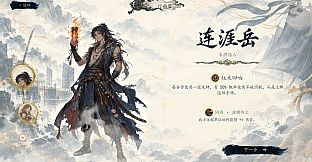
Three factions and six heroes provide starting points, each with distinct origins and abilities. Followers and equipment are gathered to suit the chosen hero, then refined through further discoveries. The interplay between a single card effect and the larger formation encourages experimentation until combinations align effectively.
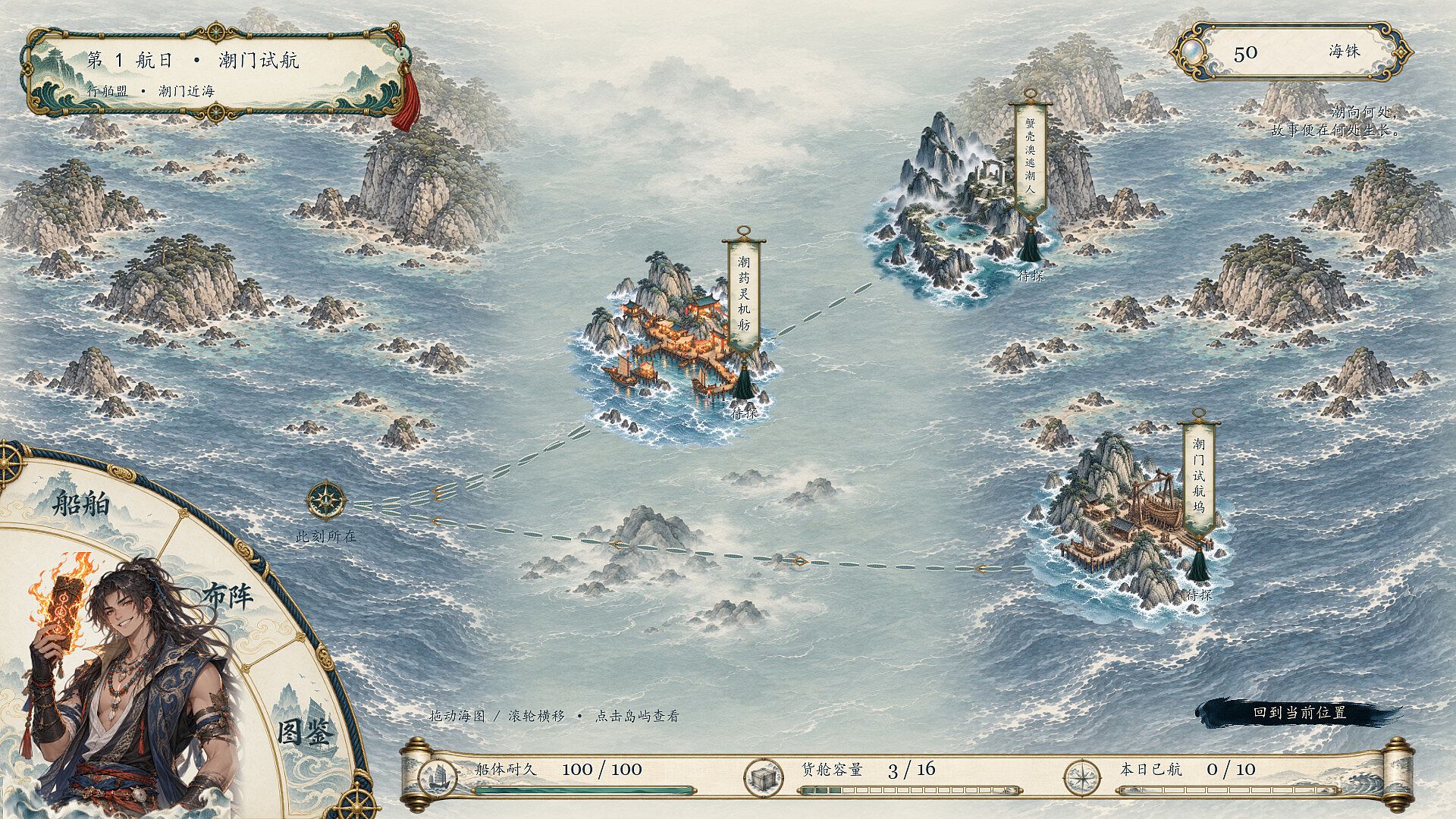
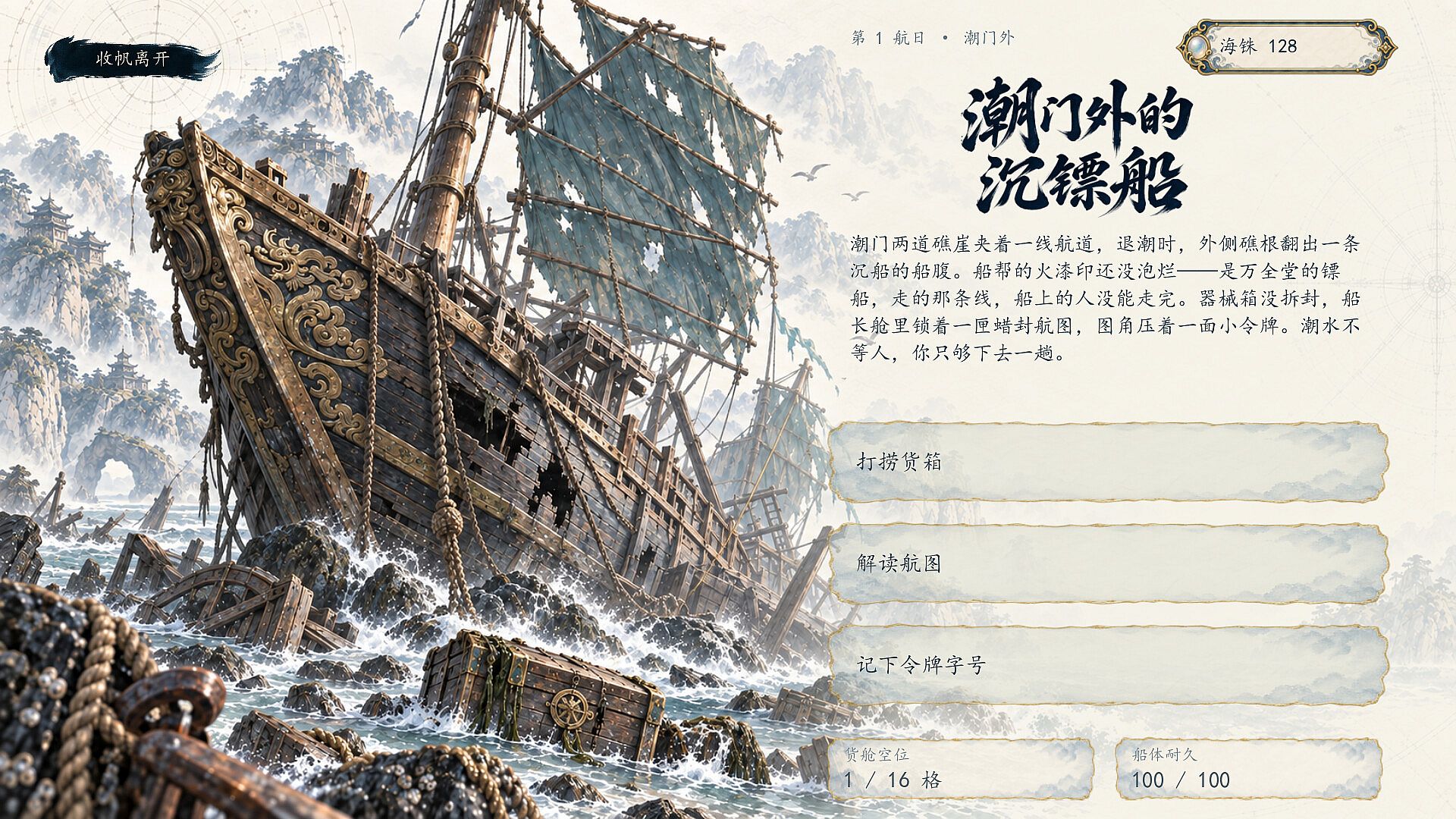
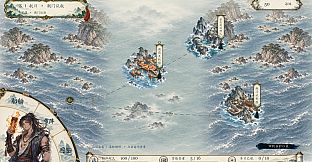
Resources gained in one battle carry forward. Players select destinations along a route, handle events, upgrade the fleet, and prepare for subsequent fights. Decisions about what to acquire now versus what to save for later add a layer of forward planning to the overall journey.
Is It Worth Playing?
The game suits players who enjoy strategic card games where positioning and timing matter as much as the cards themselves. Its auto-battler core reduces direct unit control while still demanding attention to formation setup and hand management. Those drawn to Chinese-inspired fantasy themes and systems that reward observation over constant input will find a focused experience here.
Progression through the voyage lets players test and refine builds across multiple encounters without requiring external knowledge of prior titles. The three faction styles offer clear variety in how battles unfold, supporting repeated playthroughs with different heroes and combinations. Availability on PC makes it accessible for those seeking a deliberate, formation-driven strategy title rather than fast-paced action or large-scale multiplayer.