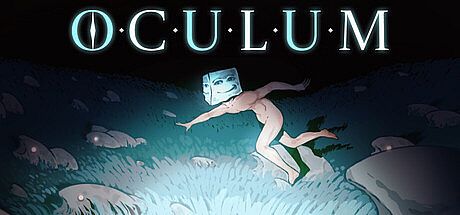


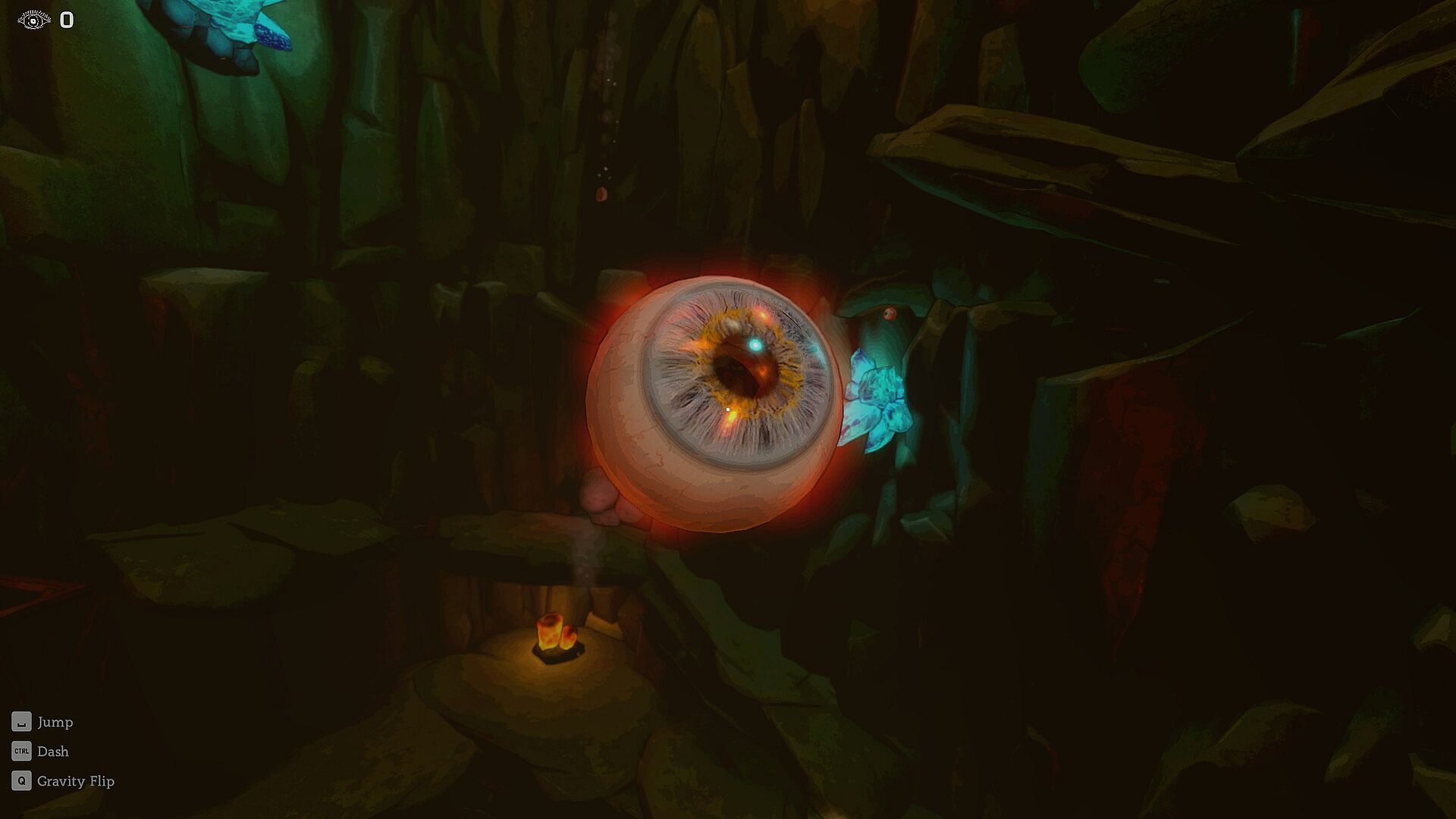
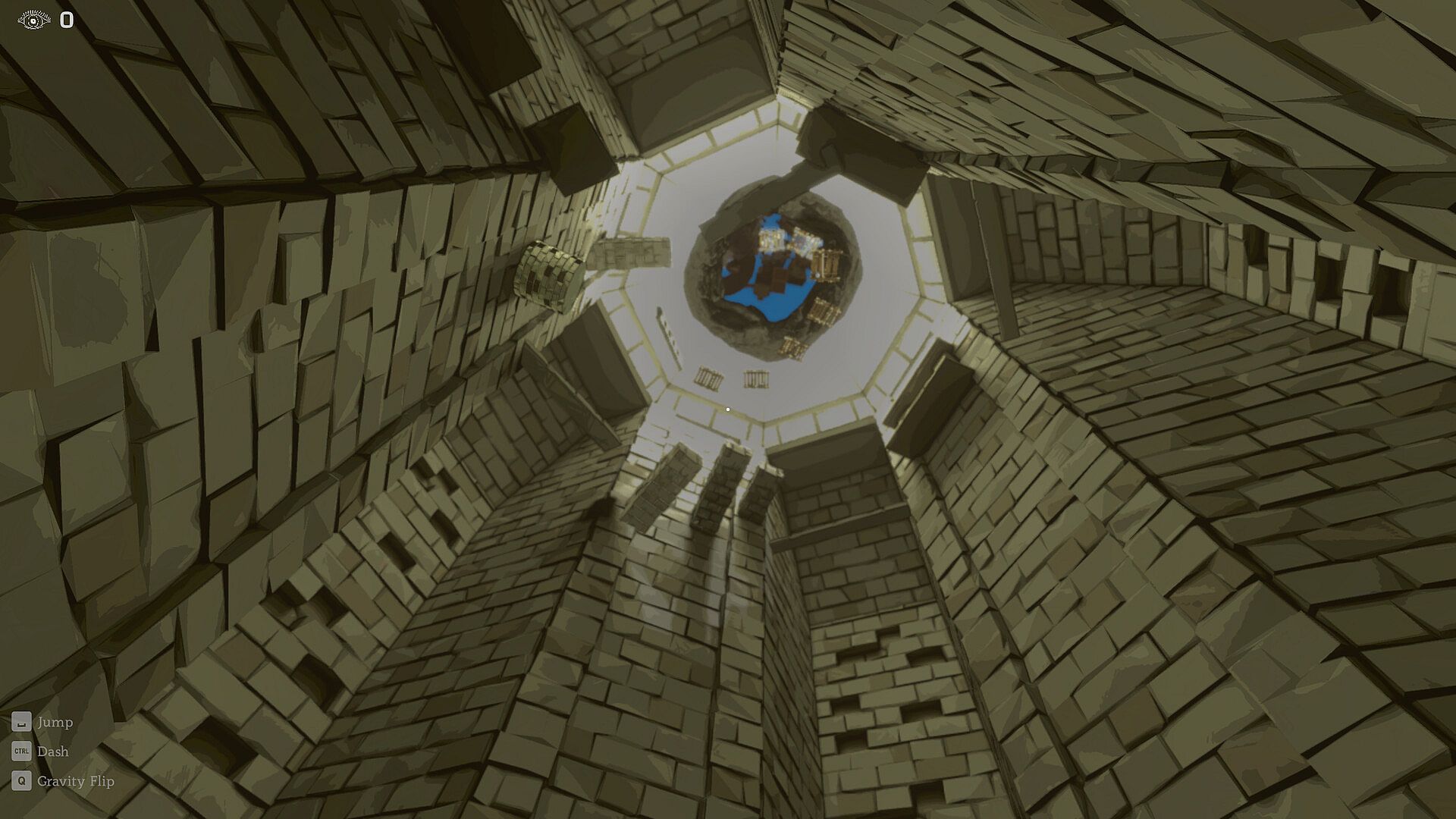
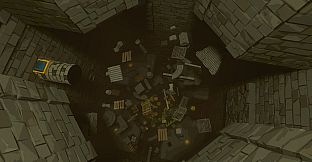
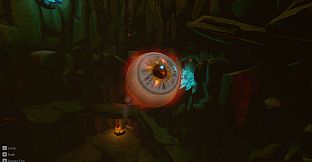
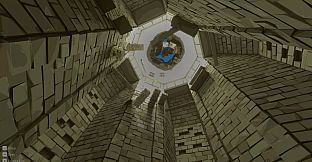
OCULUM is an action adventure game developed for PC that places players in a disorienting world where survival depends on mastering movement and learning from repeated failures. The experience centers on exploration and progression through a harsh environment, with the camera fixed directly to the character to heighten the physical sensation of every action.
Gameplay
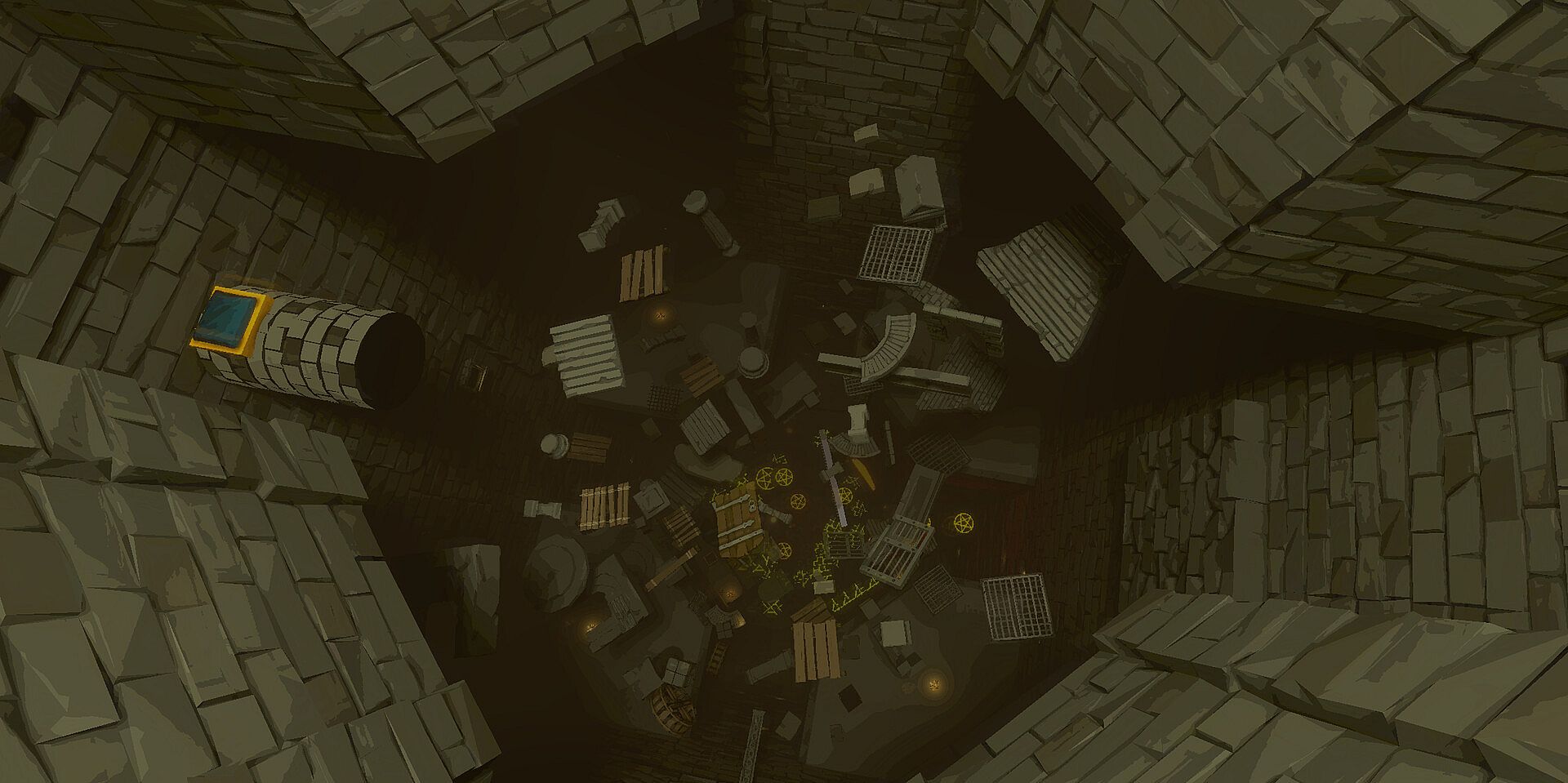
The core loop revolves around navigating vertical spaces through precise jumps and leaps. Each attempt teaches something new about timing, momentum, and environmental hazards. Players start with basic movement and gradually unlock abilities that expand options for traversal and problem solving. Failure is built into the design, as falls are frequent and expected, yet each recovery reinforces understanding of the mechanics and the world's rules.
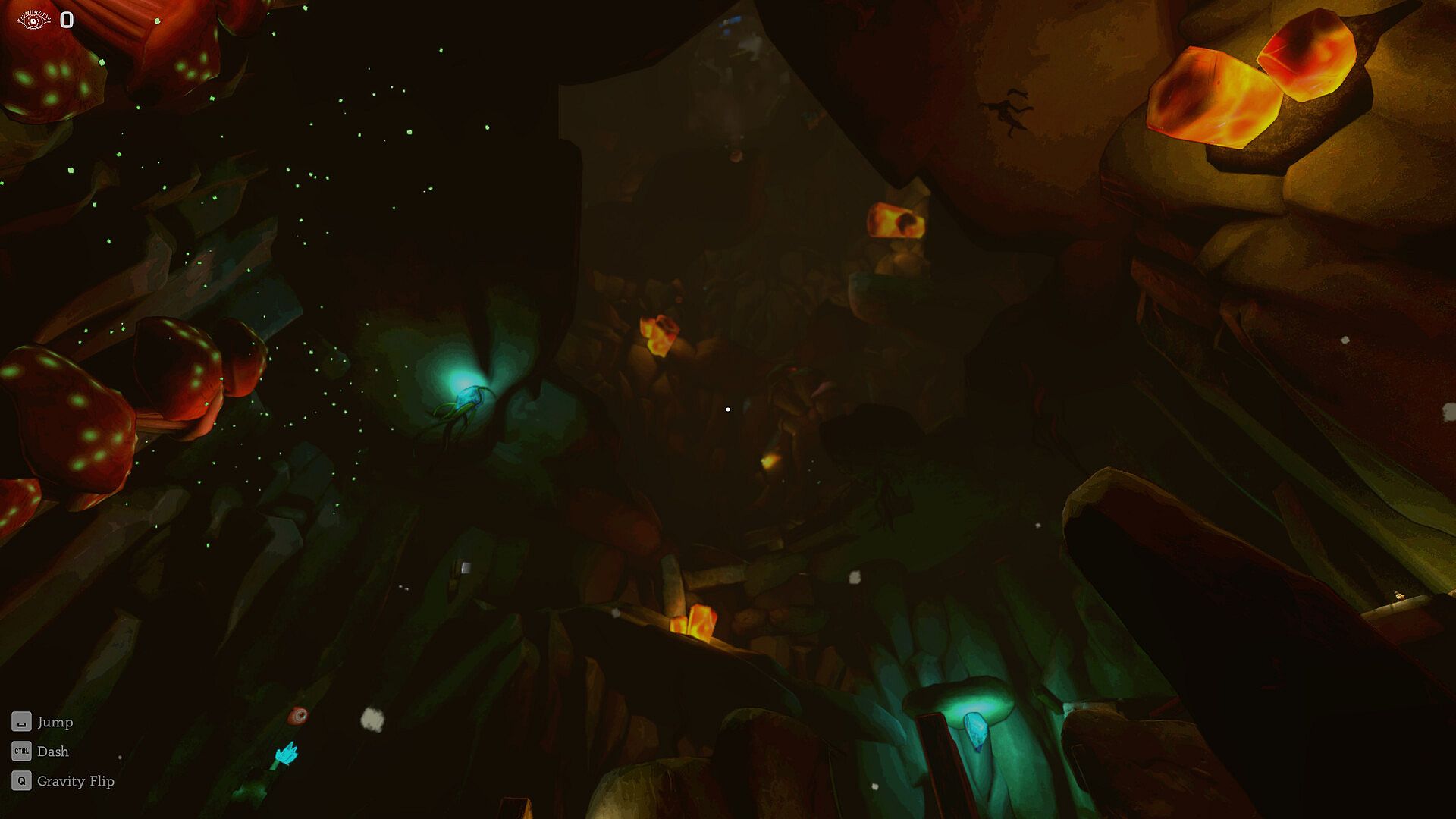
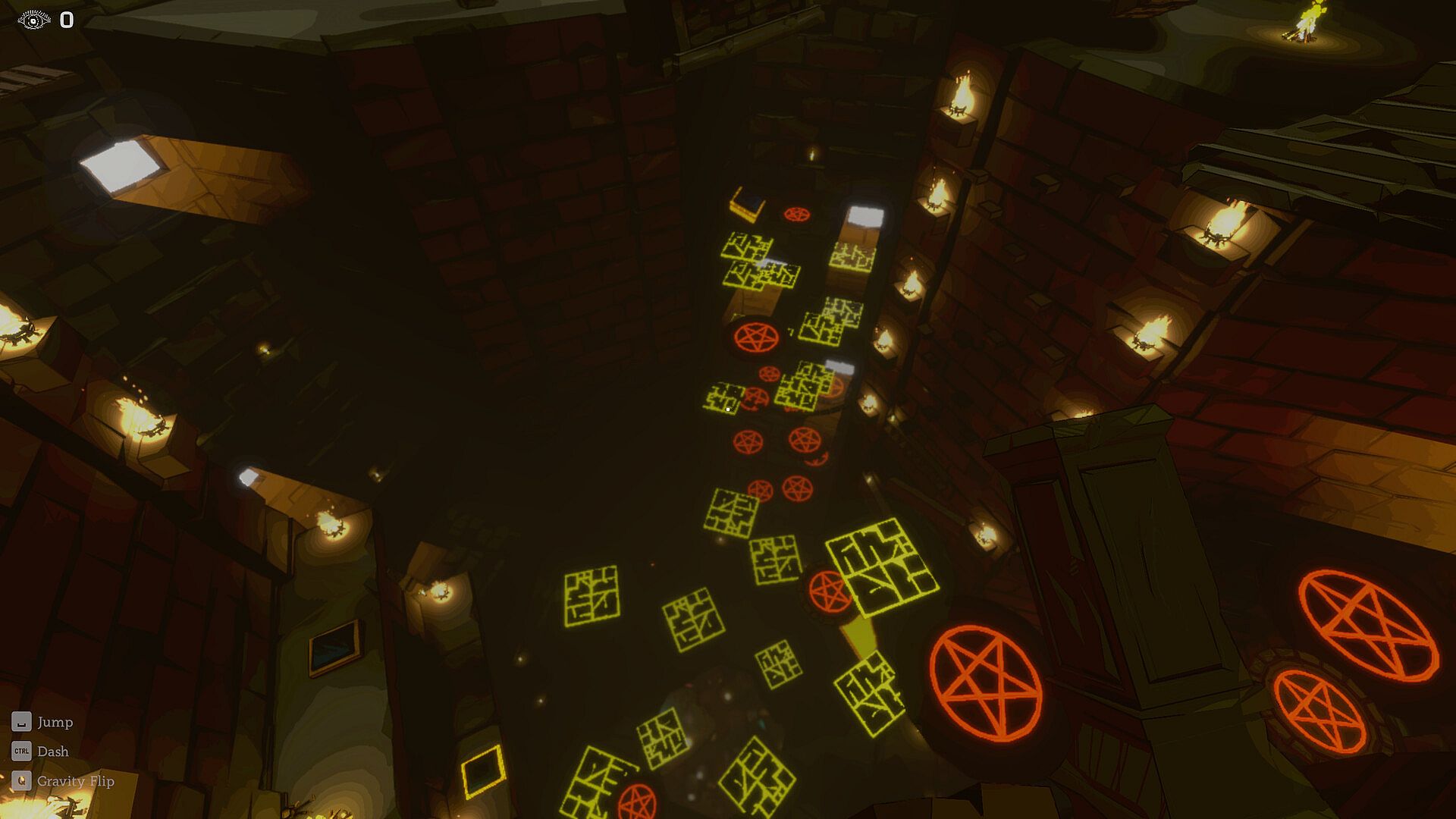
The attached camera creates a first-person perspective on the body itself, turning simple flips or drops into visceral, sometimes nauseating sequences. Adaptation happens naturally as players adjust to the motion and improve consistency across attempts. The world itself pushes back with brutal consistency, demanding focus and resilience rather than offering shortcuts or forgiving checkpoints.
Progression ties directly to mechanical mastery and thematic discovery. New abilities integrate with existing movement to open fresh paths, while the narrative unfolds through environmental clues and the act of climbing itself. There are multiple routes to higher areas, encouraging experimentation rather than a single prescribed path.
Game Modes
OCULUM presents its challenges within a unified single-player structure. The emphasis remains on personal progression through the same core systems across the entire experience, without separate competitive or cooperative variants. Players advance by refining their approach to the same set of movement and ability mechanics, building skill through repeated engagement with the environment.
This focused format keeps attention on the central questions of identity, purpose, and the nature of the world. Every session contributes to the same ongoing story of ascent and understanding, where success comes from internal improvement rather than external objectives or leaderboards.
Story and World
The setting begins with a disorienting awakening. Questions about identity and the existence of the place drive the experience forward. The environment reveals its rules gradually through direct interaction, with the act of falling serving as both punishment and teacher. Themes of persistence and self-definition emerge naturally from the gameplay rather than through exposition.
The world maintains a consistent tone of hardship. Every leap carries risk, and the physical feedback from the camera reinforces the stakes. Players who persist discover layers of meaning tied to their growing competence and the choices made after each setback.
Is It Worth Playing?
OCULUM suits players who value challenging platforming and the satisfaction of incremental skill growth. Those drawn to games where failure forms a deliberate part of the loop will find the attached camera and repeated falls create a distinctive sense of physical adaptation. The experience rewards patience and observation over quick reflexes alone.
Its uncompromising approach means it may not appeal to everyone, particularly those sensitive to motion or seeking more guided progression. For the right audience, the combination of vertical traversal, ability expansion, and thematic depth offers a focused test of determination. The game stands on its own as a test of whether the player can rise through consistent effort in a hostile space.