


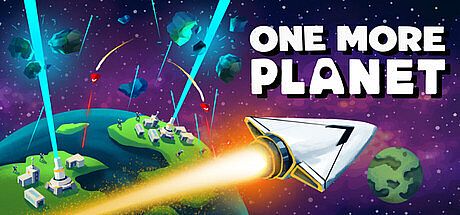


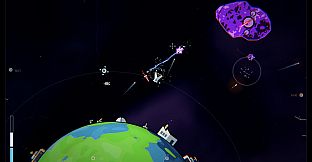
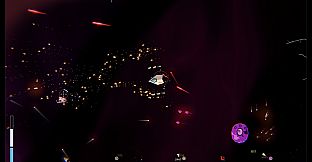
One More Planet is an action indie game focused on space exploration, resource management, and planetary conquest. Players take control of customizable ships to mine asteroids, expand economies, and secure new worlds across multiple galaxies in short, repeatable expeditions that build toward long-term upgrades.
Gameplay
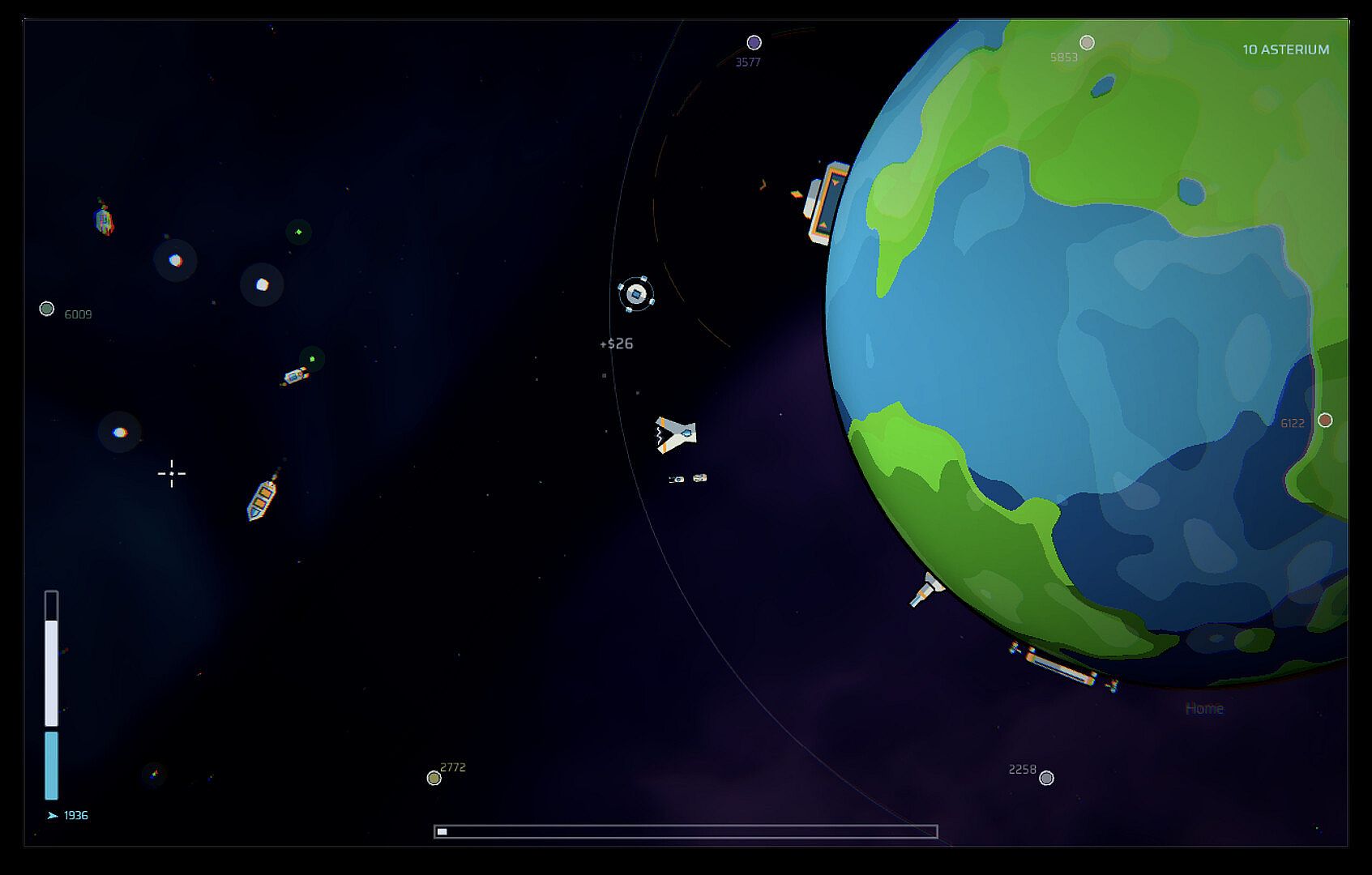
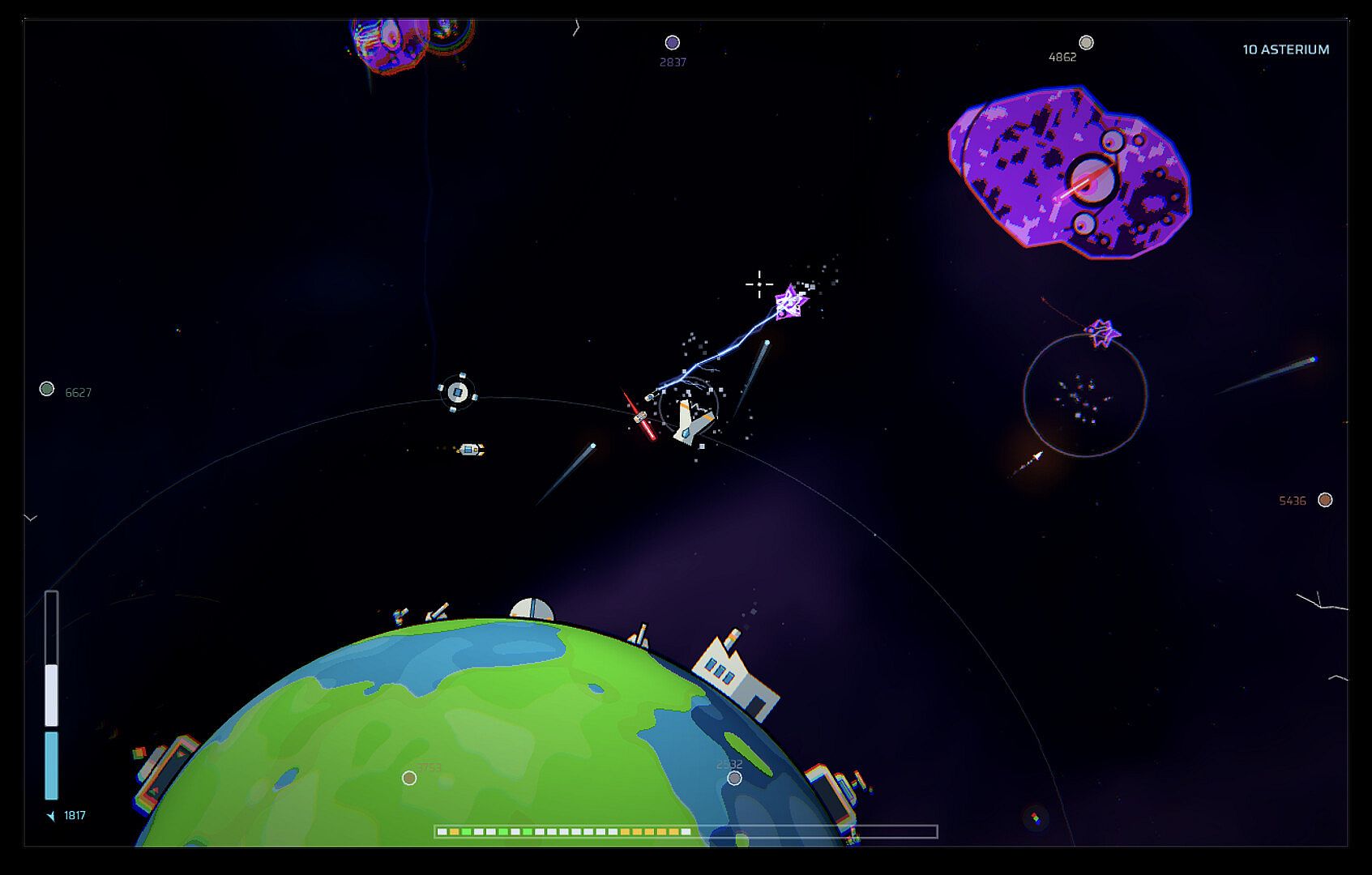
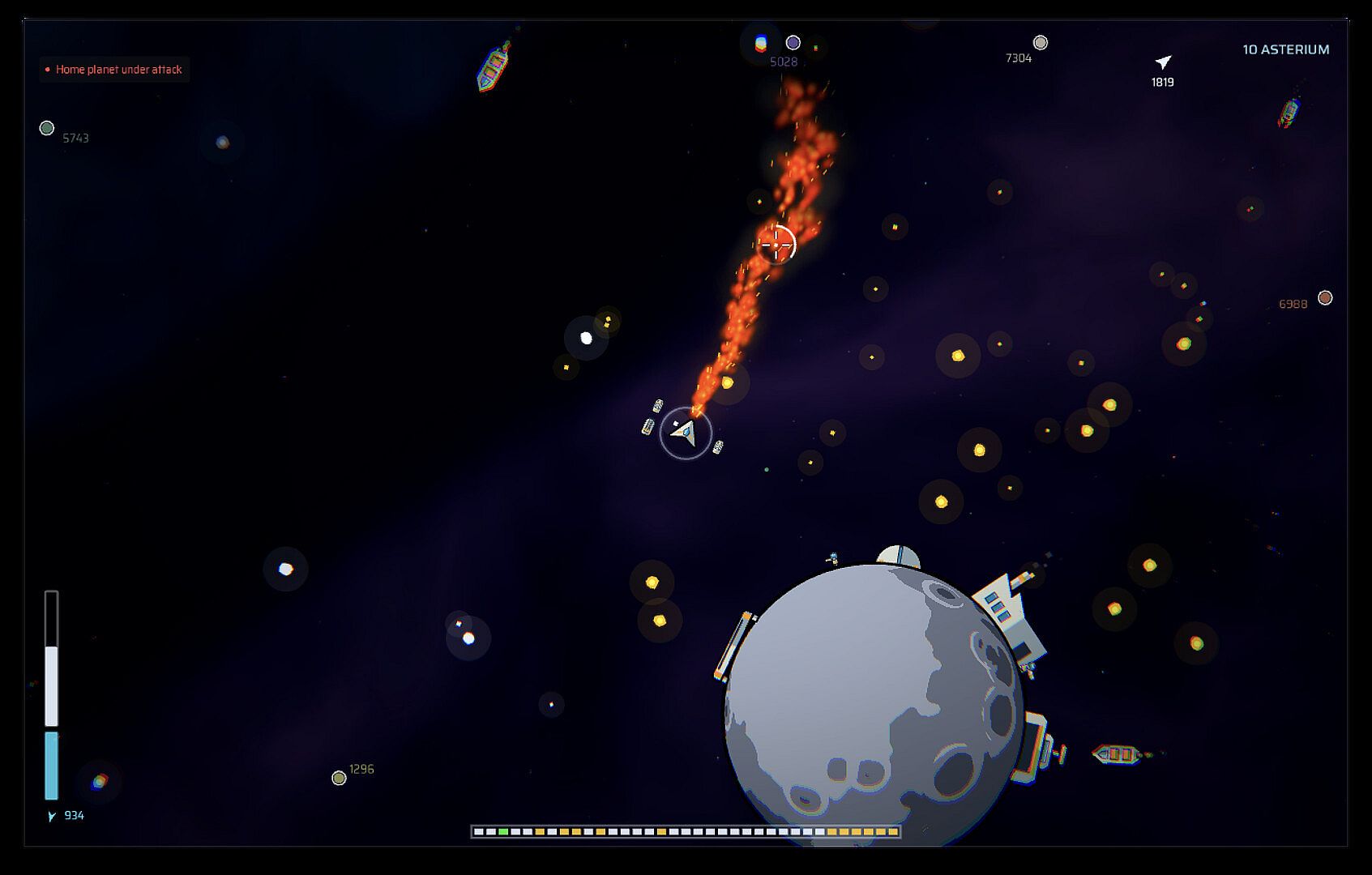
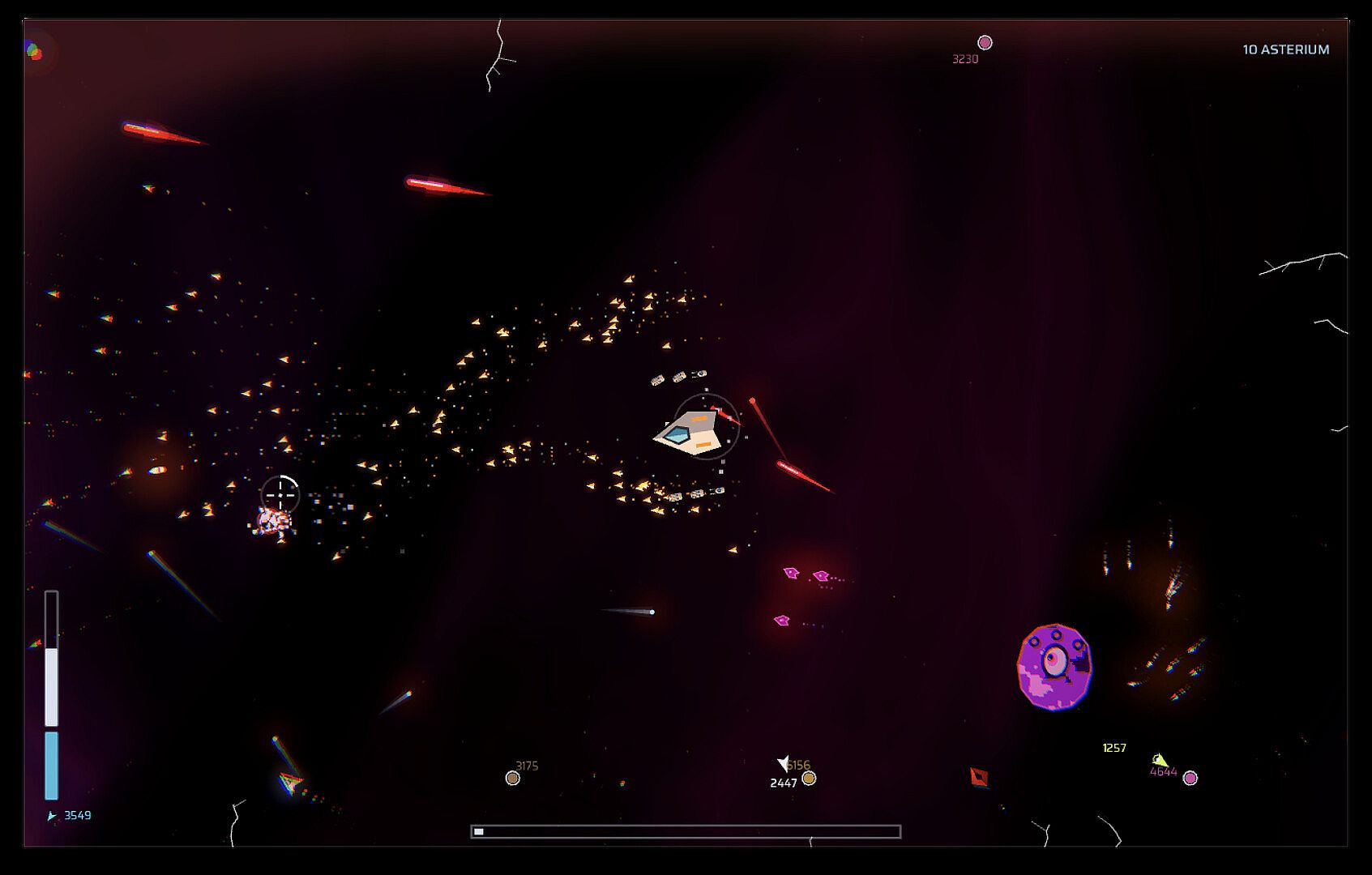
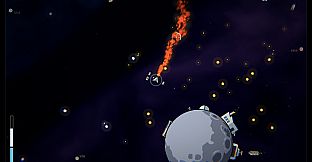
The core loop revolves around brief expeditions lasting just a few minutes each. During these runs, players gather resources while managing ship movement, asteroid interactions, and planetary gravity effects. Resource production ties directly into defensive construction on visited planets, creating interconnected systems where choices in one area influence options in the next. Ship physics play a central role, with collisions, cargo towing, and active abilities combining in ways that reward experimentation over rigid strategies.
Progression carries forward across runs through unlocks that introduce new mechanics and stronger builds. Every expedition returns something useful, whether raw materials or insights that shape future loadouts. The systems emphasize depth without complexity, allowing players to focus on exploration or targeted objectives as they see fit.
Game Modes
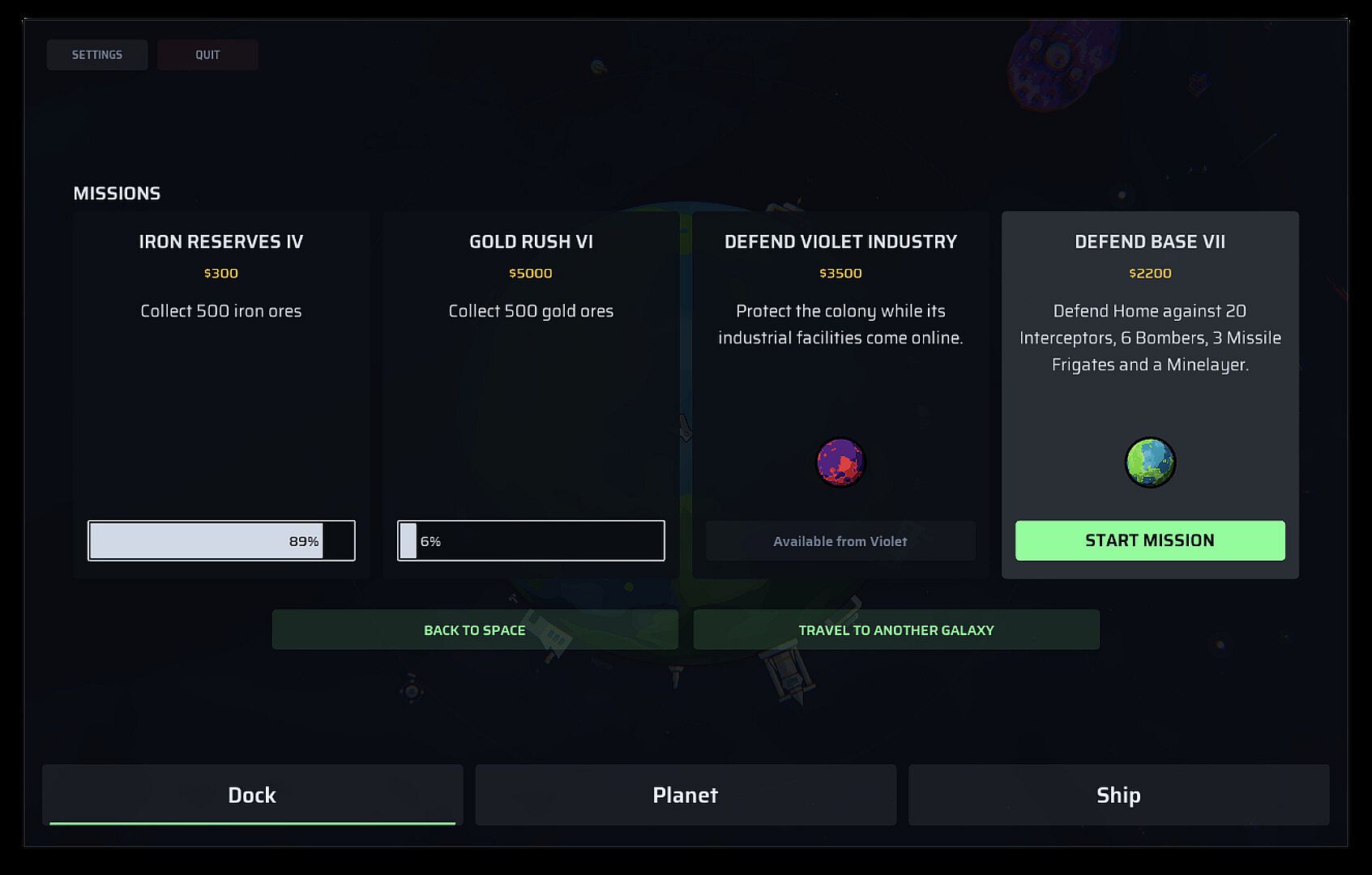
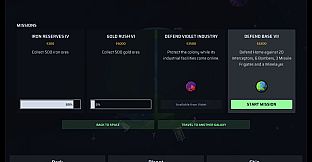
Mission variety defines the experience. Players can mine asteroids for resources, defend planets against enemy waves and meteor storms, conquer hostile worlds, deliver valuable cargo, escort allied ships, or simply explore distant reaches of each galaxy. These objectives operate independently, so participants complete them at their own pace or set them aside to focus on free-form gathering and experimentation.
There is no fixed path or time pressure. Missions serve as optional guides rather than requirements, supporting both structured play and open-ended resource runs. This flexibility suits different preferences within the single-player format.
Progression and Exploration
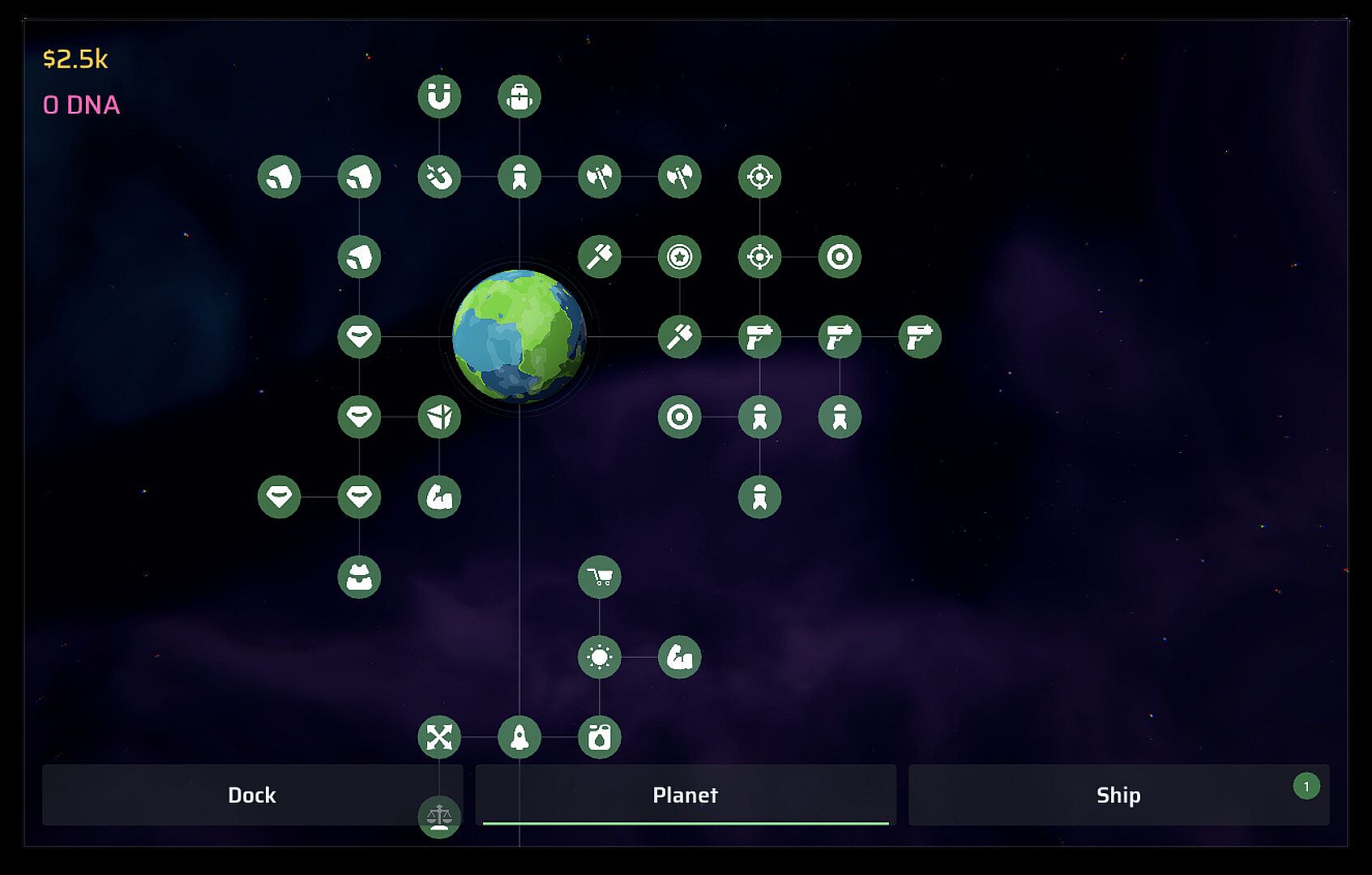
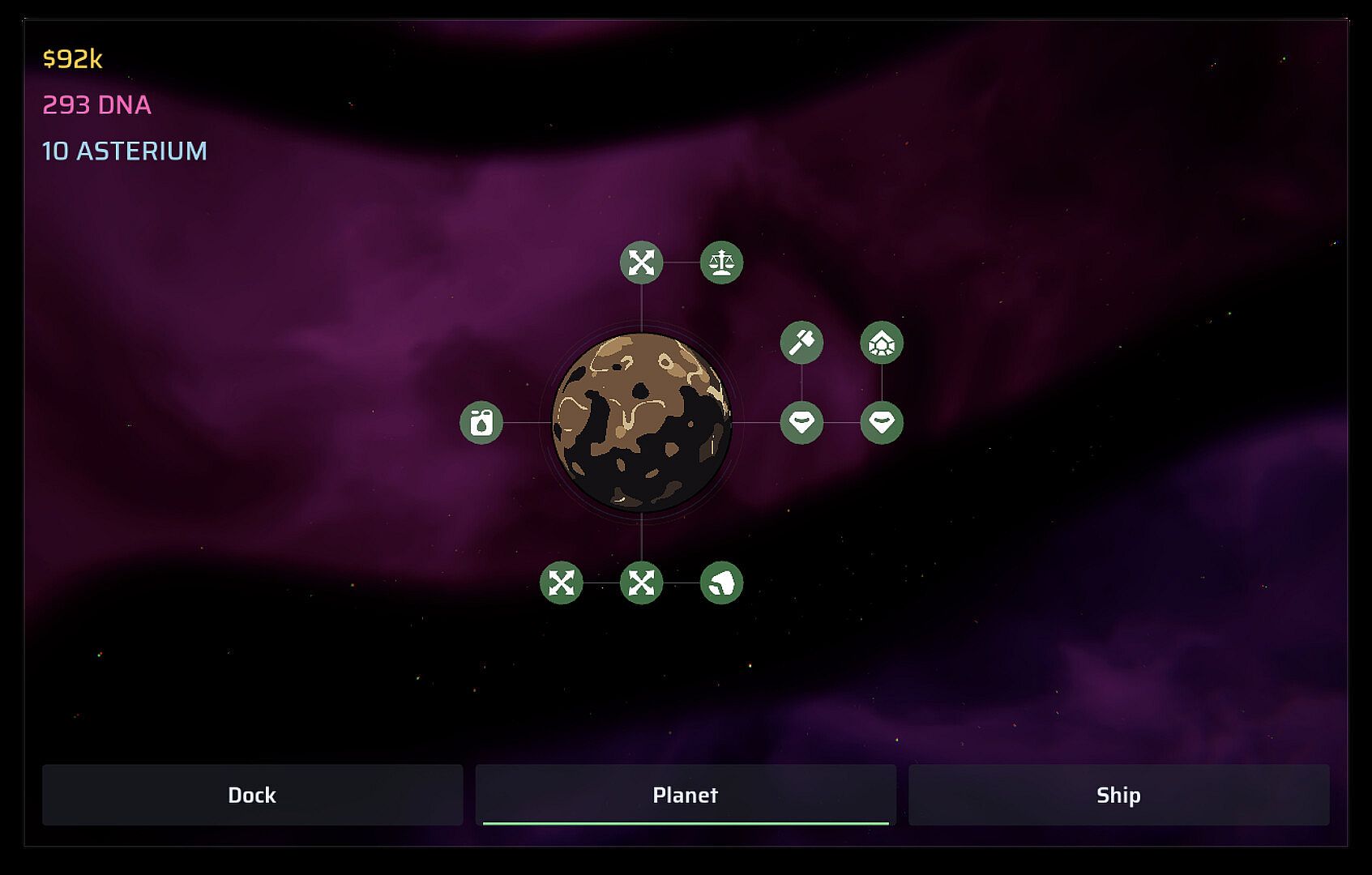
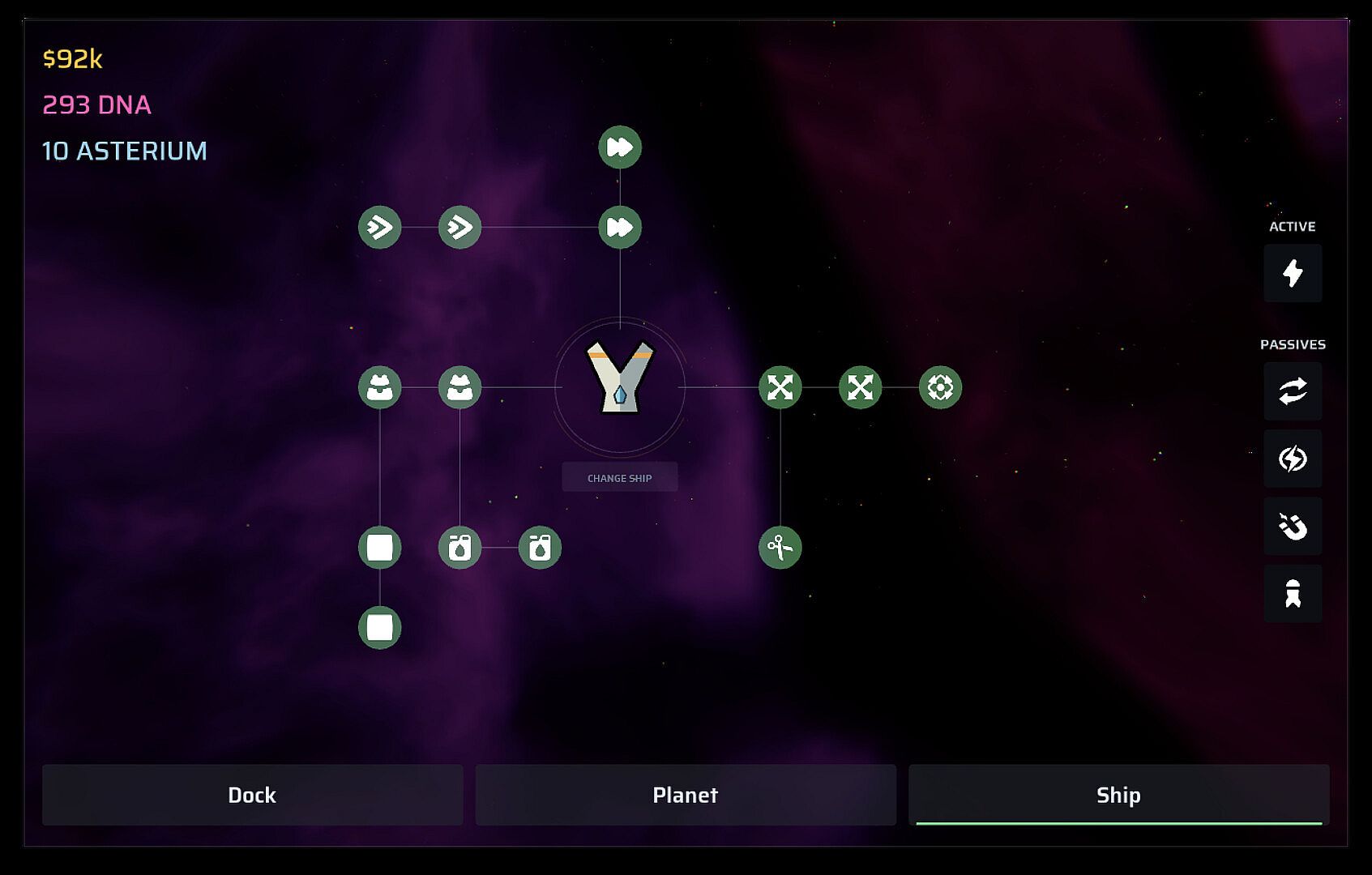
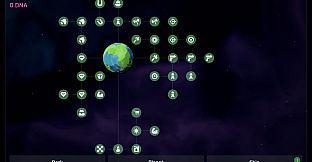
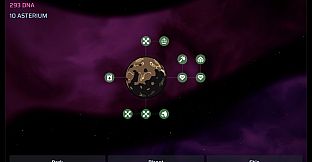
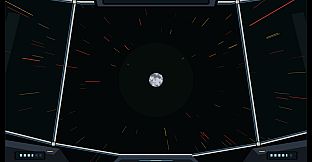
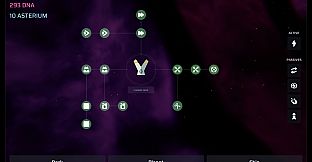
Three distinct galaxies contain 22 planets in total, each featuring unique visual styles, hazards, enemies, and resources. Every planet includes its own upgrade tree that unlocks buildings, defenses, abilities, additional missions, and economic options. The campaign structure supports at least 10 hours of content through layered discoveries, special events, and escalating challenges.
Exploration rewards curiosity. Players can ignore missions entirely to test ship capabilities or hunt for resources in open space. The progression system ensures that time spent experimenting pays off in future runs through permanent improvements.
Ship Types and Abilities
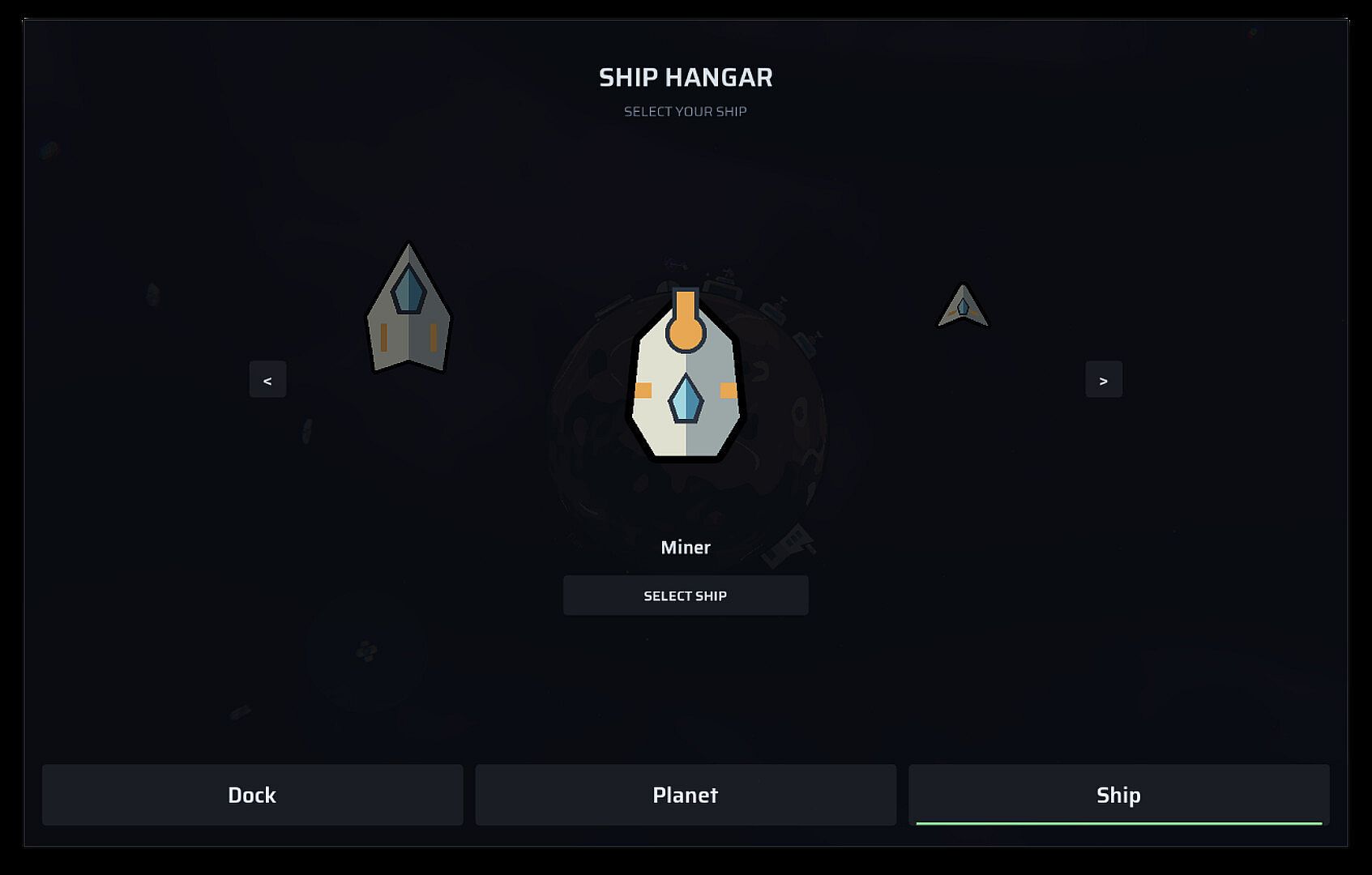
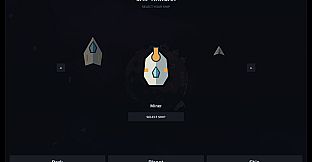
Four primary ship types provide different starting points. The versatile all-rounder handles a broad range of tasks. A heavy mining vessel excels at resource extraction. A fast combat ship prioritizes speed and engagement. A physics-focused vessel can capture, crush, and launch asteroids for creative solutions.
More than 20 active and passive abilities combine across these ships. Loadouts adapt to specific goals such as efficient mining, wide-area exploration, or intense combat. Sidearms and passive effects further customize each build, encouraging players to test combinations that interact with the physics and economy systems.
Is It Worth Playing?
One More Planet suits players who enjoy short, self-contained sessions that contribute to meaningful long-term growth. Its simple controls lower the barrier for new players while the layered mechanics offer depth for those who like testing interactions between resources, defenses, and ship abilities. The focus on single-player progression and flexible mission handling makes it a strong fit for anyone seeking an indie action experience centered on space exploration and incremental conquest rather than extended campaigns or multiplayer competition. Those drawn to experimentation in compact runs will find consistent value in the upgrade systems and galaxy variety.












