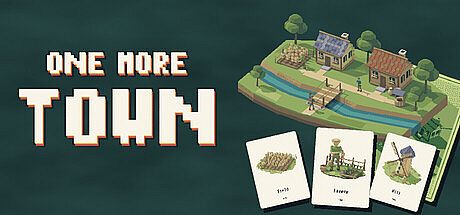


One More Town is a strategy indie casual roguelike deckbuilder for PC in which players manage limited resources across short seasons to sustain small settlements. The core experience revolves around turning a starting hand of cards into productive towns while navigating a larger journey through procedurally arranged locations.
Gameplay
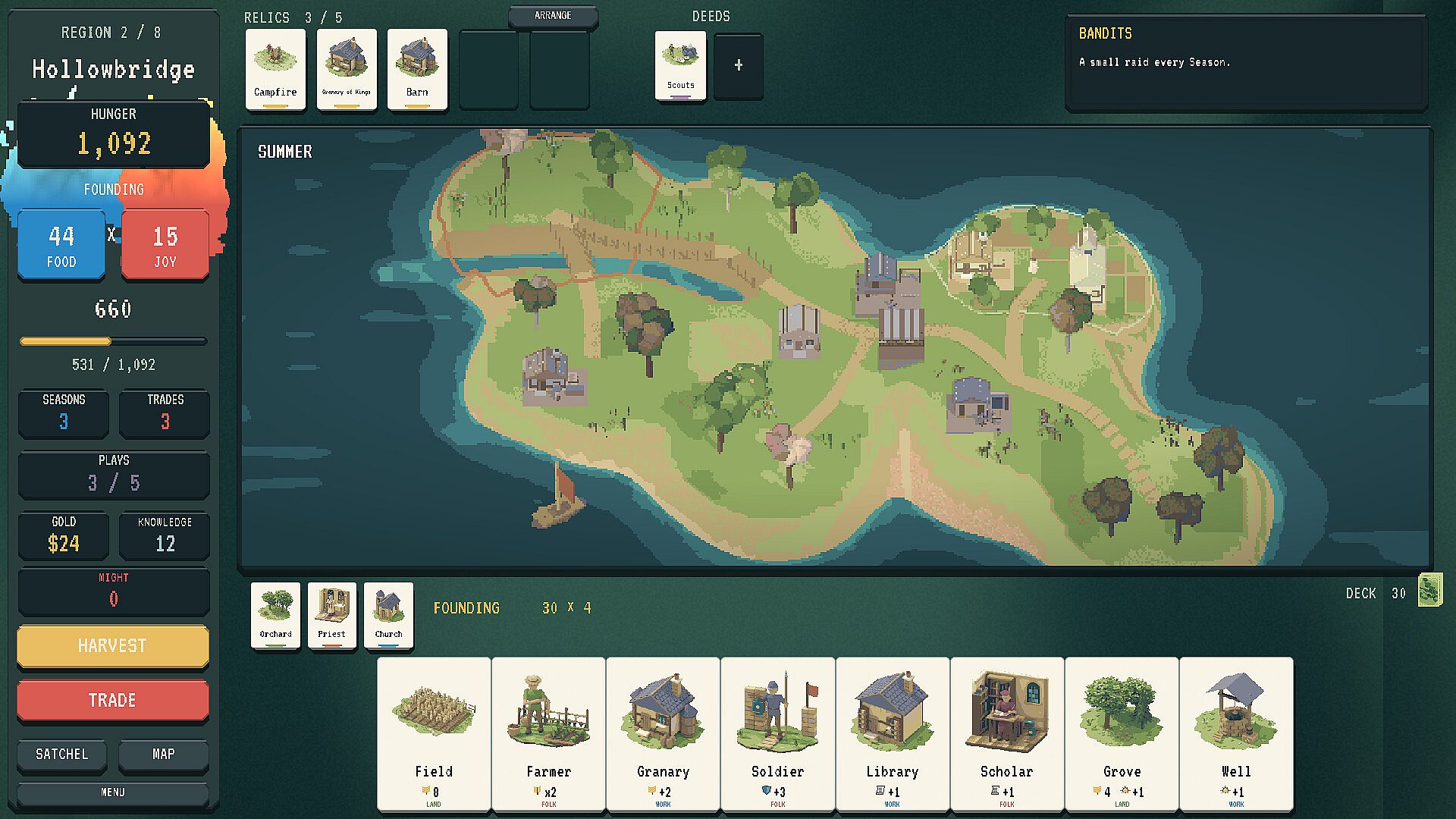
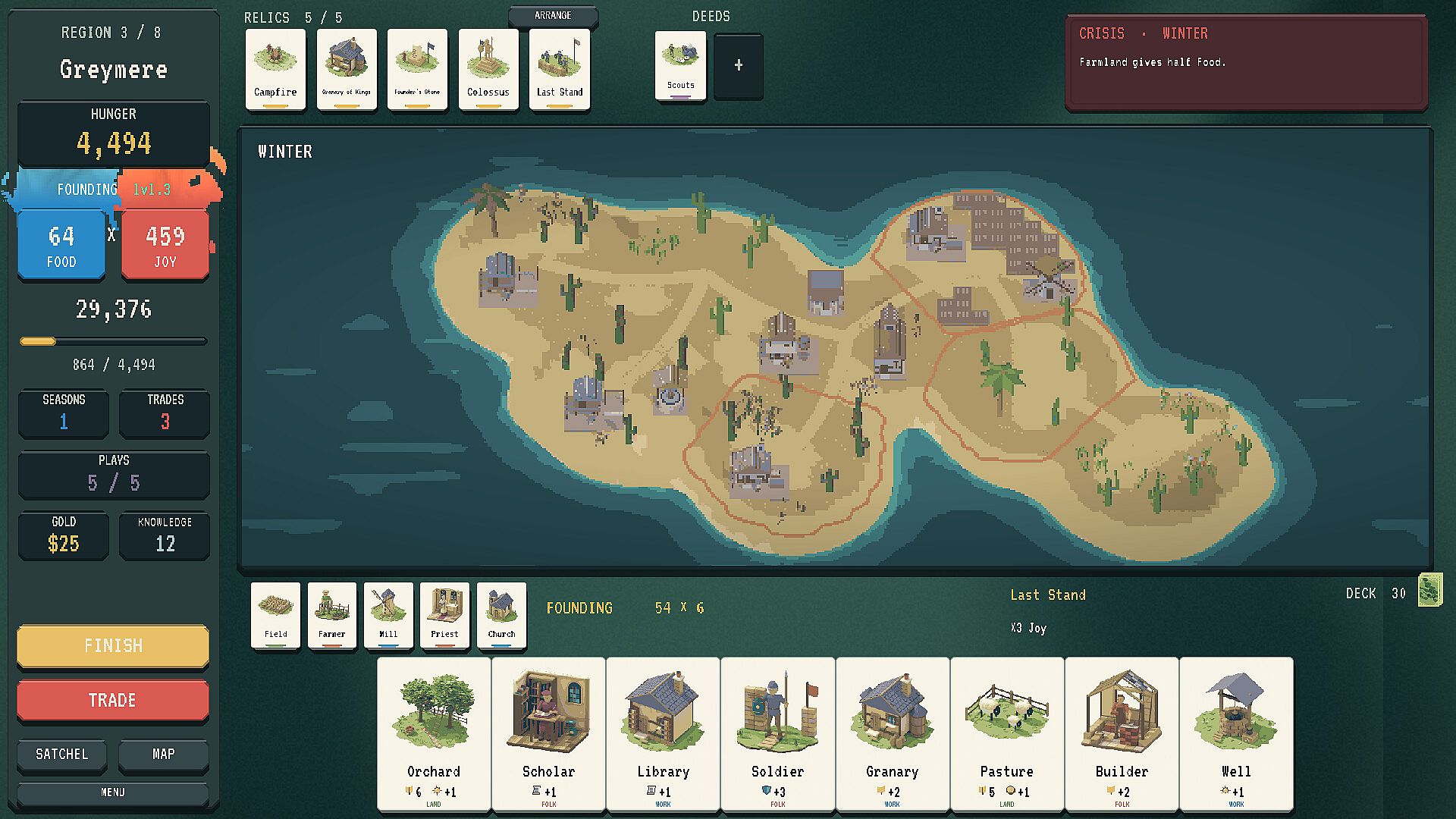
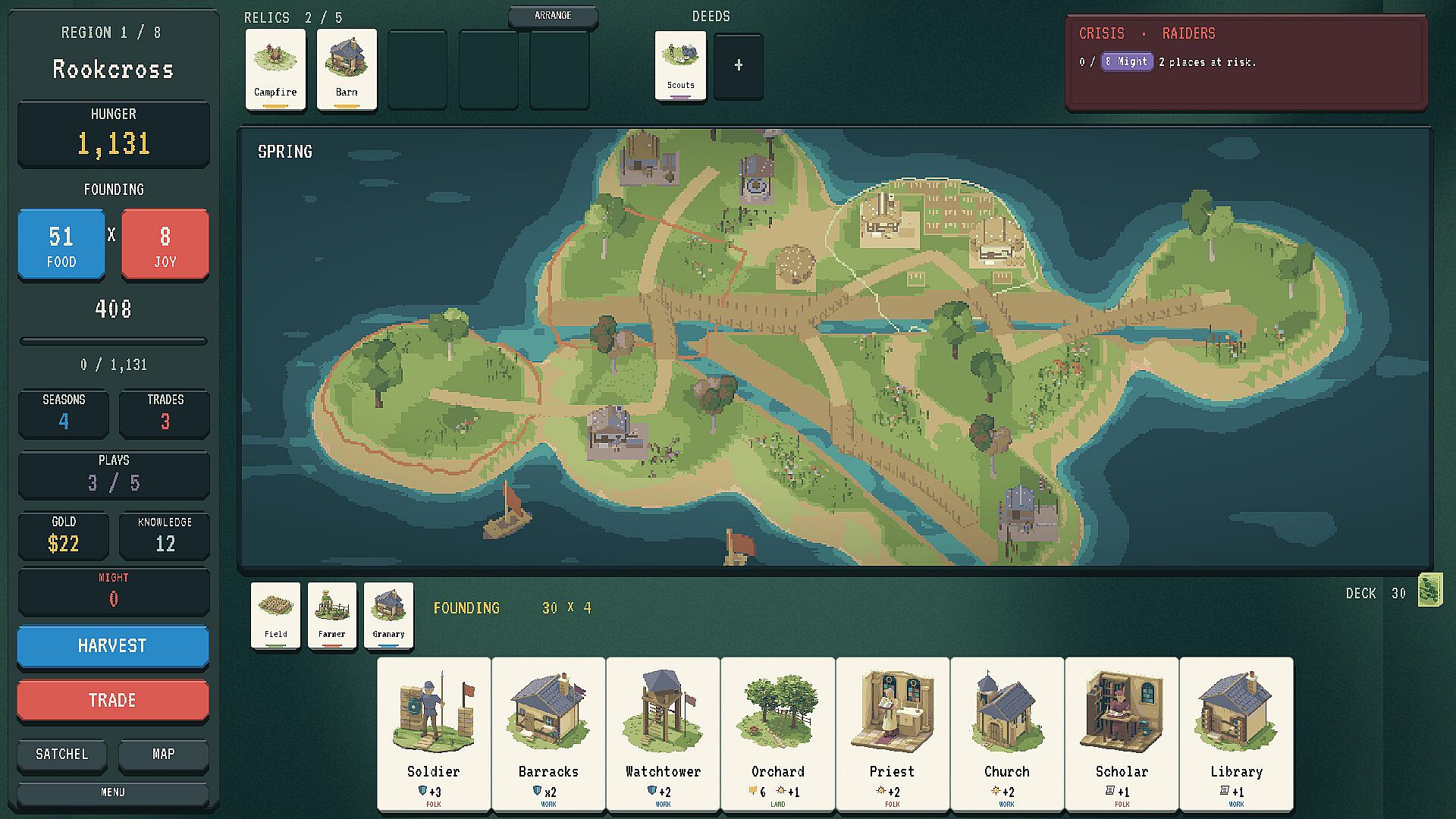
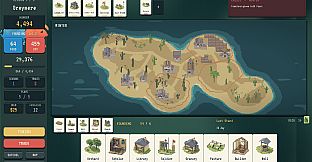
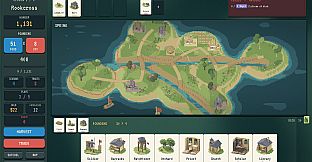
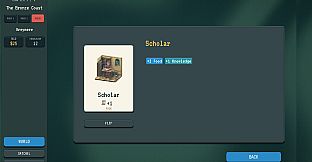
Players begin each town visit with a deck of plans that represent Land, Folk, and Work cards. These are placed on a board to create fields, workshops, and housing while connecting elements to generate food. Joy multiplies the final harvest, and careful positioning determines how effectively cards interact. The same card can yield different outcomes based on its neighbors and placement, encouraging experimentation with layouts that form rewarding Patterns.
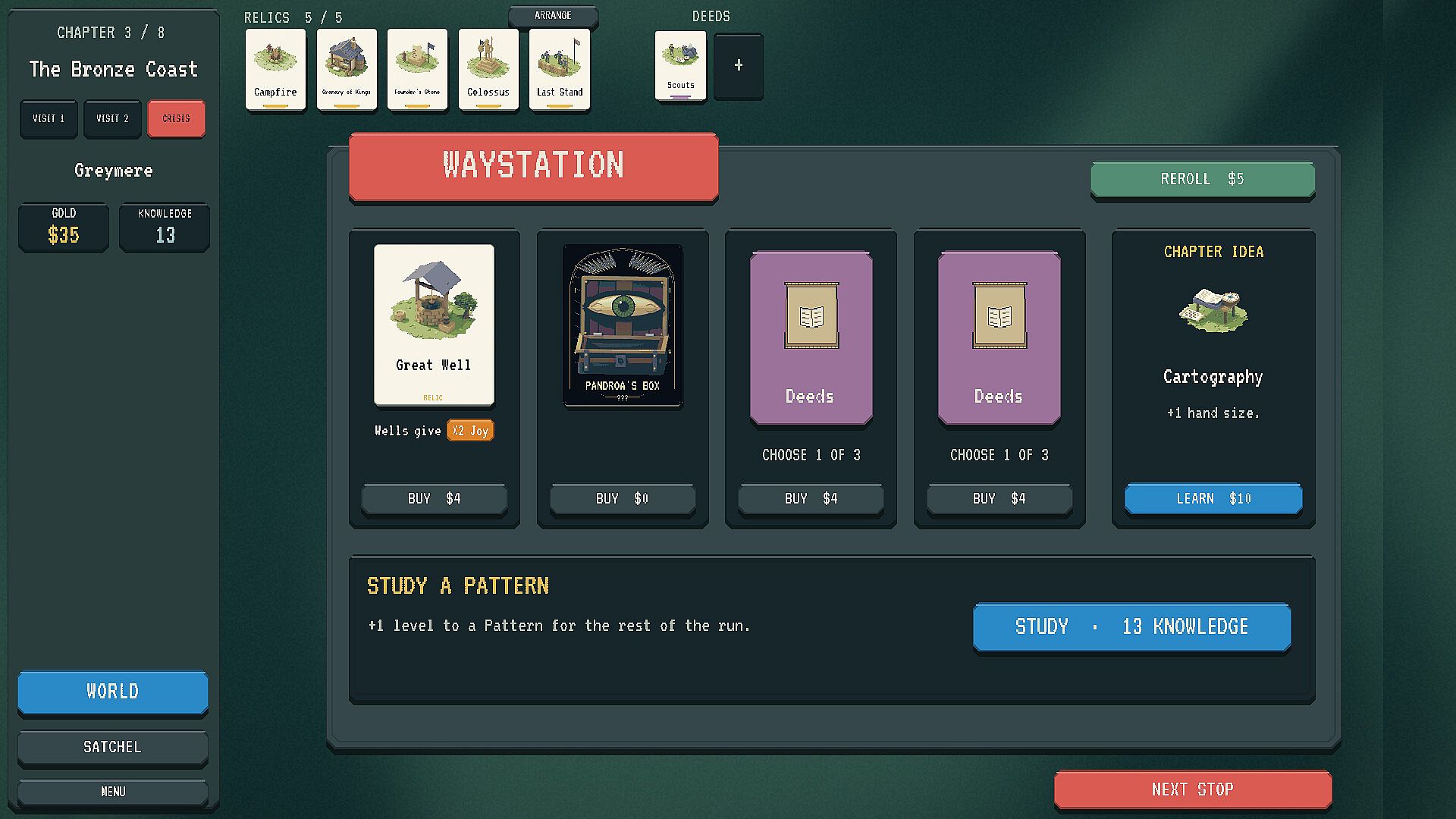
Relics alter deck behavior and scoring, while Deeds provide emergency options when a hand falls short. Earnings from successful harvests fund new cards, packs, or upgrades, with the option to save for interest. Reputation carries forward across the run, influencing how later towns respond to prior choices such as aiding factions or overworking the land. Crises appear every third town and demand adaptation through the existing systems rather than new mechanics.
Progression centers on upgrading cards, strengthening Patterns, and discovering synergies that turn marginal results into abundant harvests. The Steward serves as the starting deck, with additional decks available that emphasize different approaches to building and scoring.
Game Modes
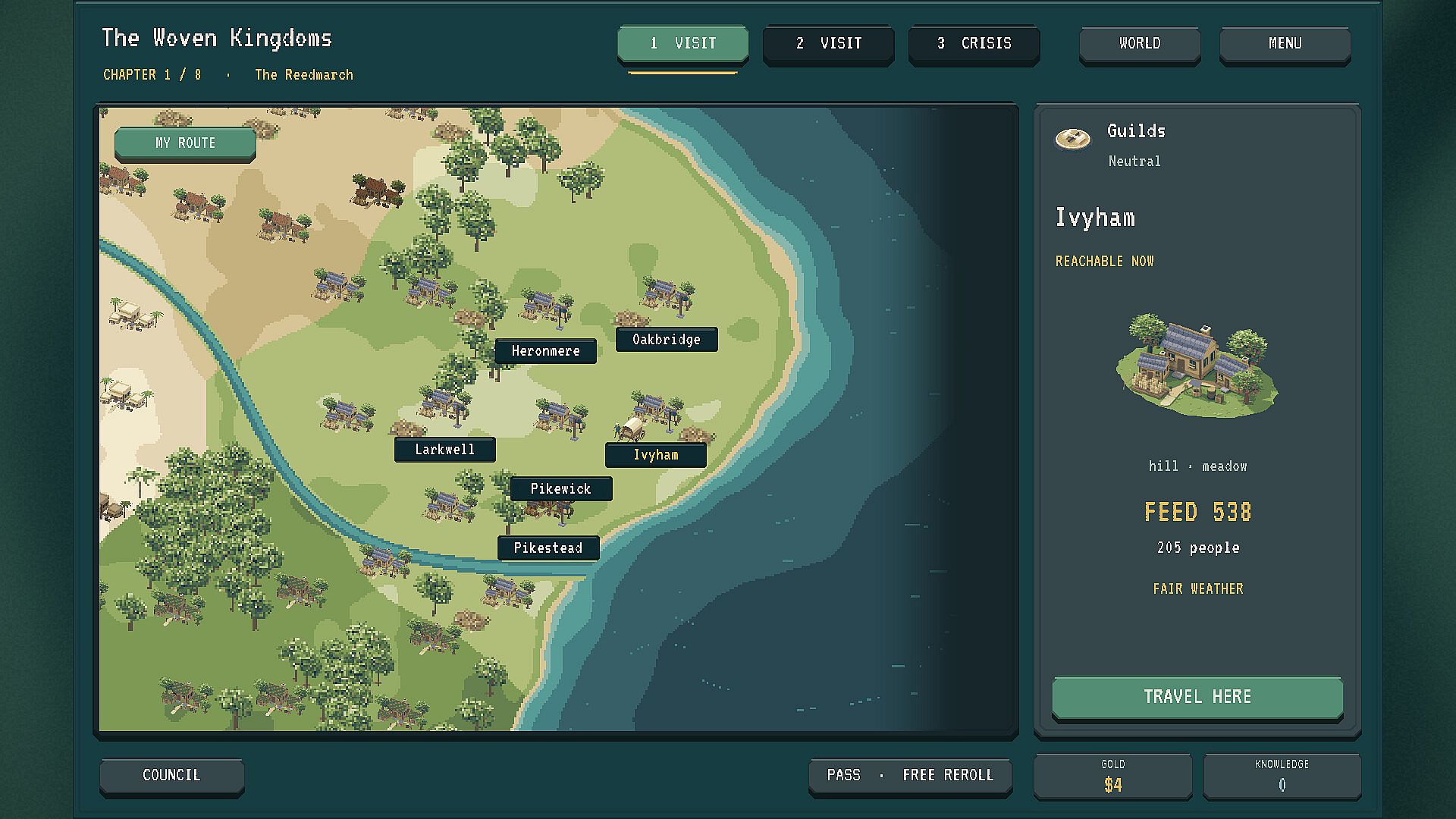
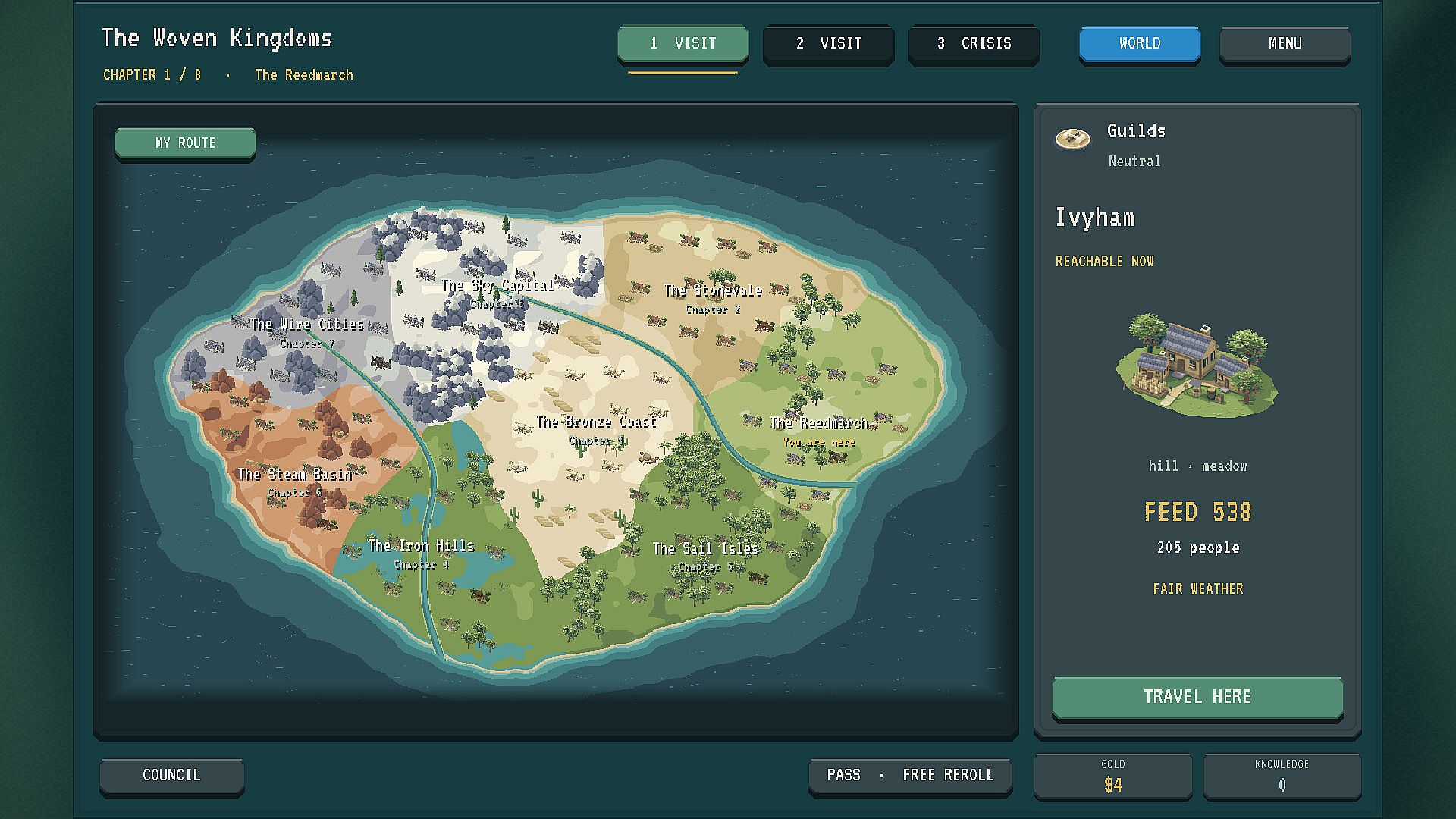
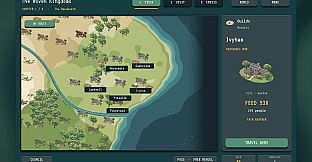
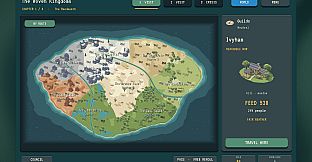
The game operates as a single continuous run through a generated world containing 96 towns spread across eight regions. Each stop lasts a few seasons, after which the player moves on with accumulated resources, reputation, and deck changes. There are no separate standalone modes; the structure integrates exploration, building, and crisis management into one roguelike loop where failure ends the journey and success advances the reputation trail.
Core Mechanics and Progression
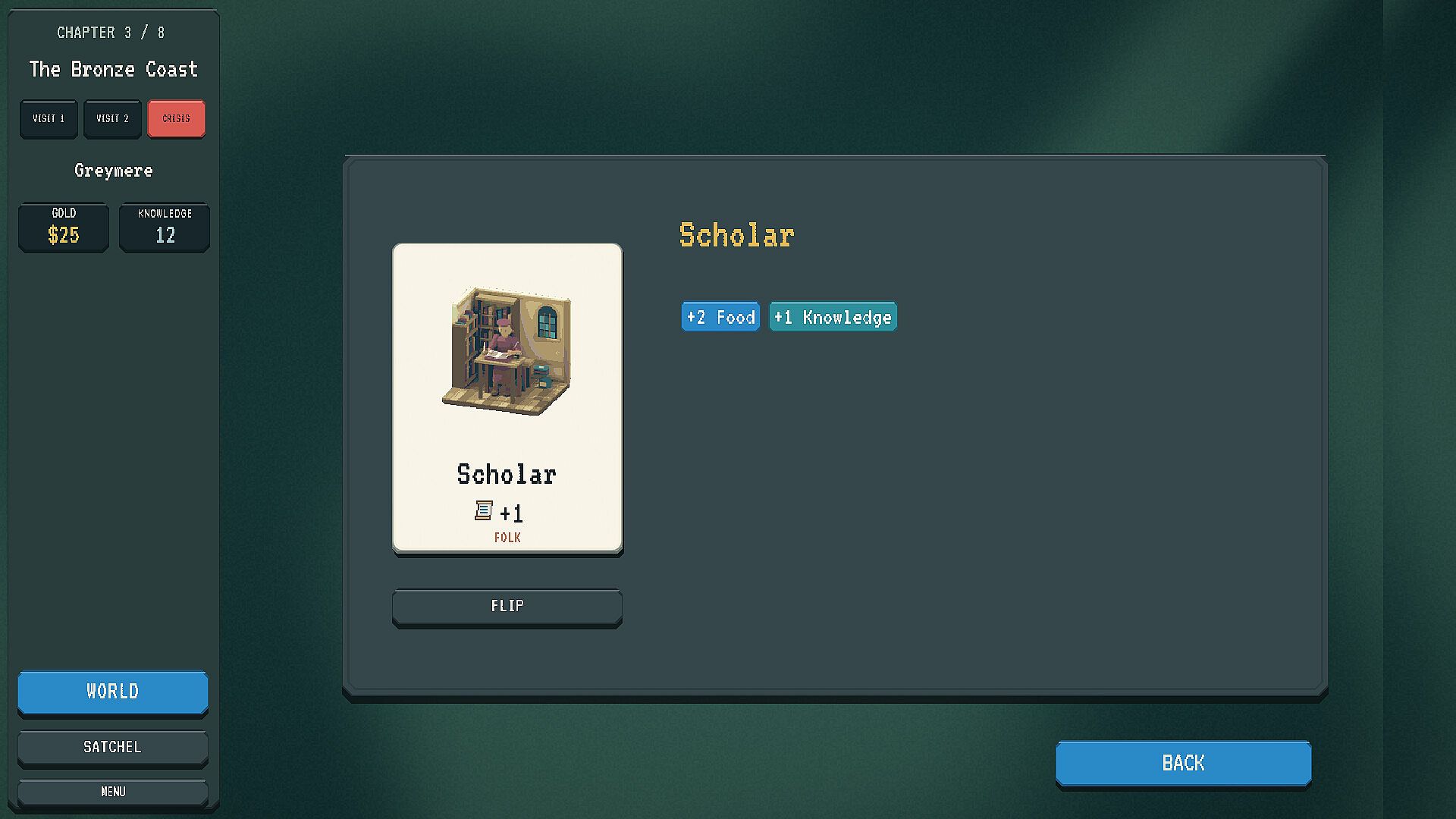
Card placement forms the foundation of every town. Land cards establish terrain, Folk cards supply labor, and Work cards create infrastructure. Patterns emerge from specific arrangements and deliver bonuses that scale with planning quality. Relics introduce persistent effects that reshape how future hands perform, while Deeds act as flexible tools for immediate needs. Spending decisions between new cards, upgrades, and interest savings add a layer of resource management that influences long-term viability.
The world generation ensures varied routes, and faction interactions create branching consequences. Positive actions toward one group can ease entry into later towns, whereas exploitative choices may harden resistance elsewhere. This reputation system ties individual town decisions to the overall run without introducing separate campaign or versus formats.
Is It Worth Playing?
One More Town suits players who enjoy deliberate deckbuilding and spatial puzzle elements within a roguelike framework. The focus on placement, synergy, and short-term survival across repeated town visits rewards careful observation of card interactions and pattern recognition. With a planned release in Q4 2026 and no user reviews available yet, the experience remains untested by a broader audience, but the described systems emphasize thoughtful planning over rapid action. Those drawn to indie strategy titles that blend card play with town-building loops may find the mechanics engaging once the game launches.