


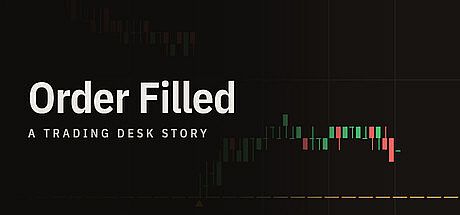


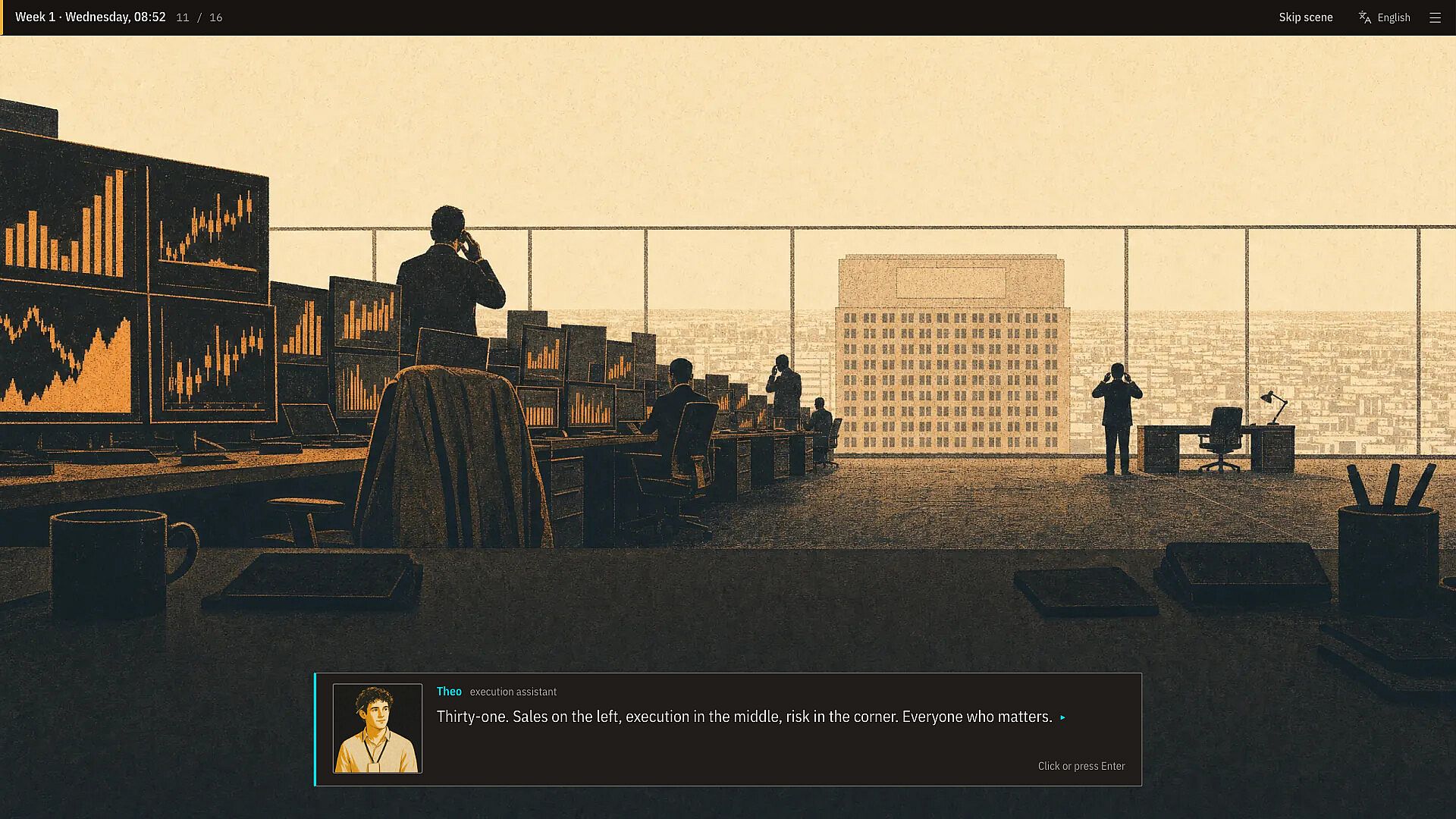
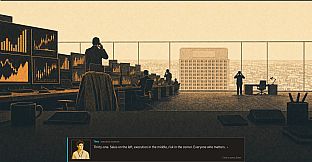
Order Filled: A Trading Desk Story is an indie simulation game set on a US trading desk in 2010. Players take the role of a junior trader who receives daily assignments called tickets, plans how to handle them, and then works through market activity while following that plan. The focus stays on execution and discipline rather than profit or loss.
Gameplay
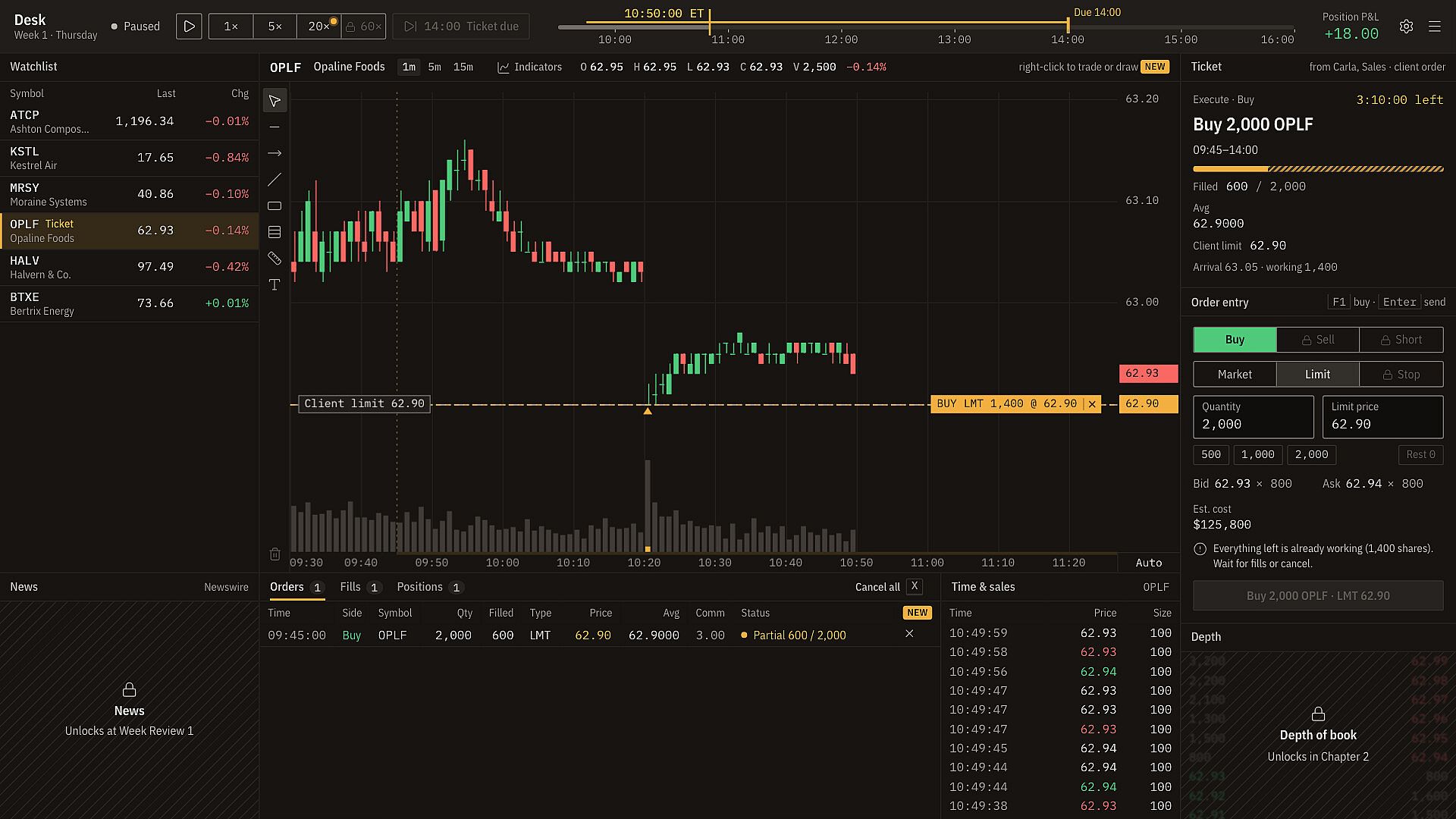
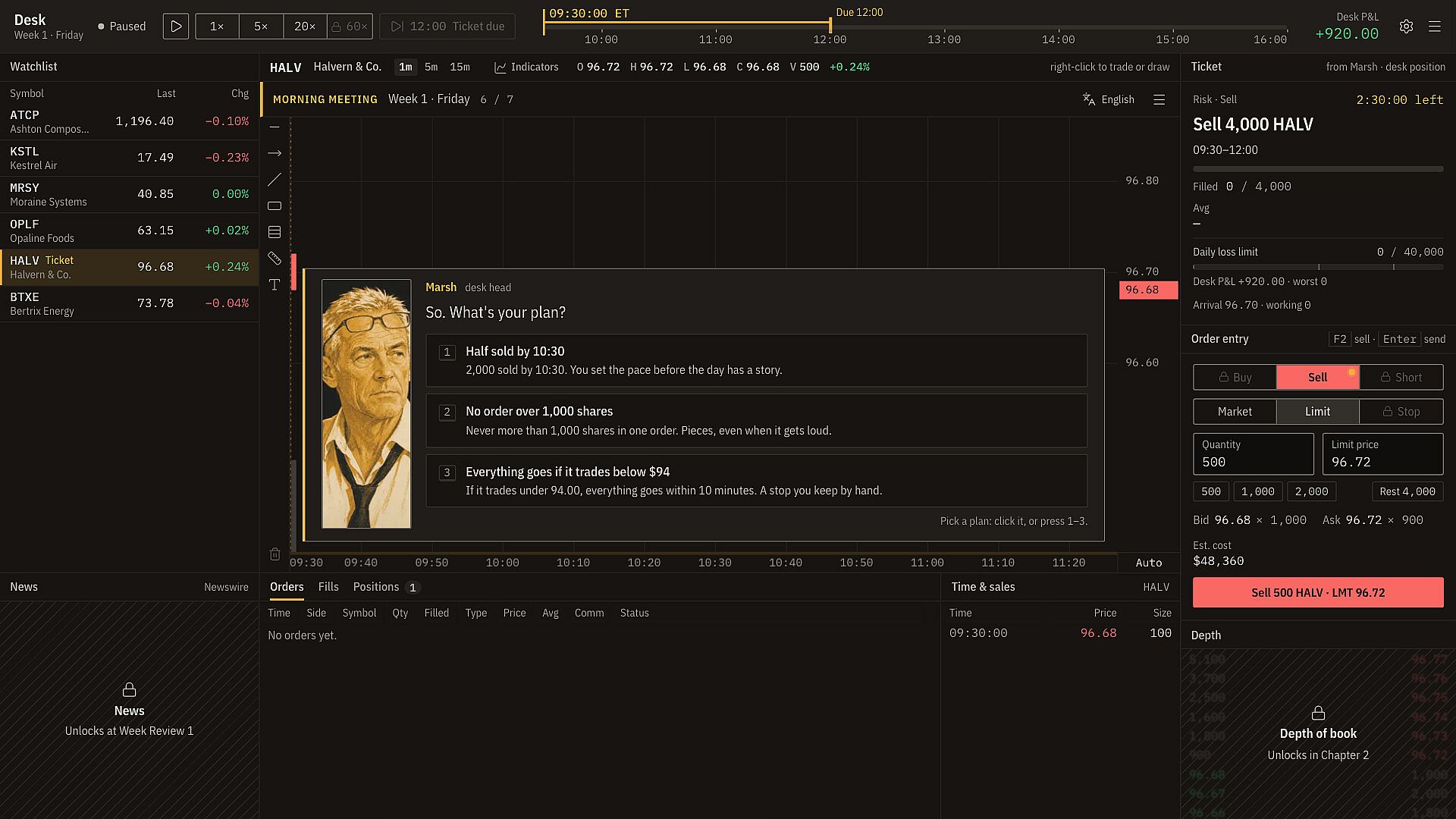
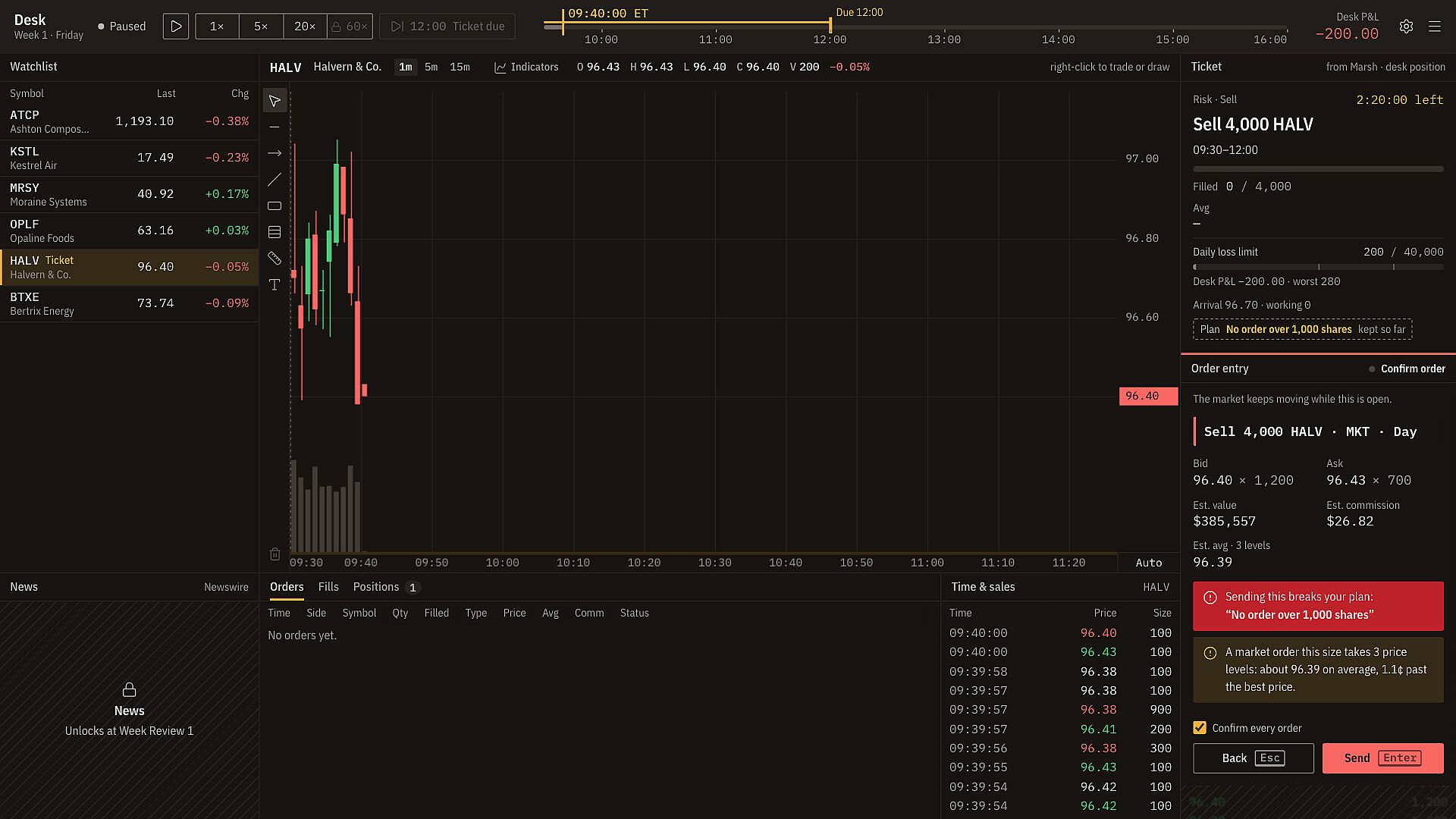
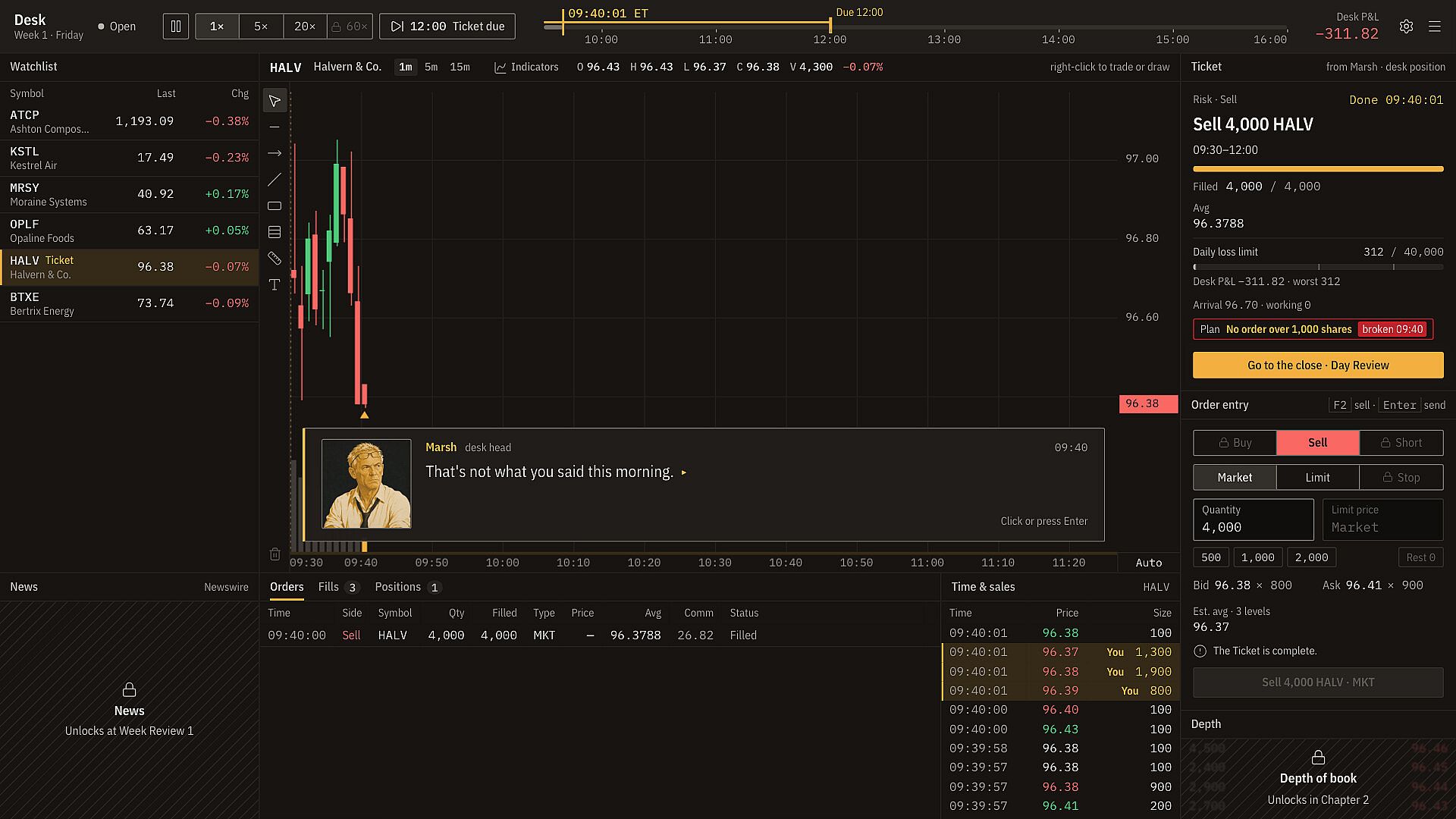
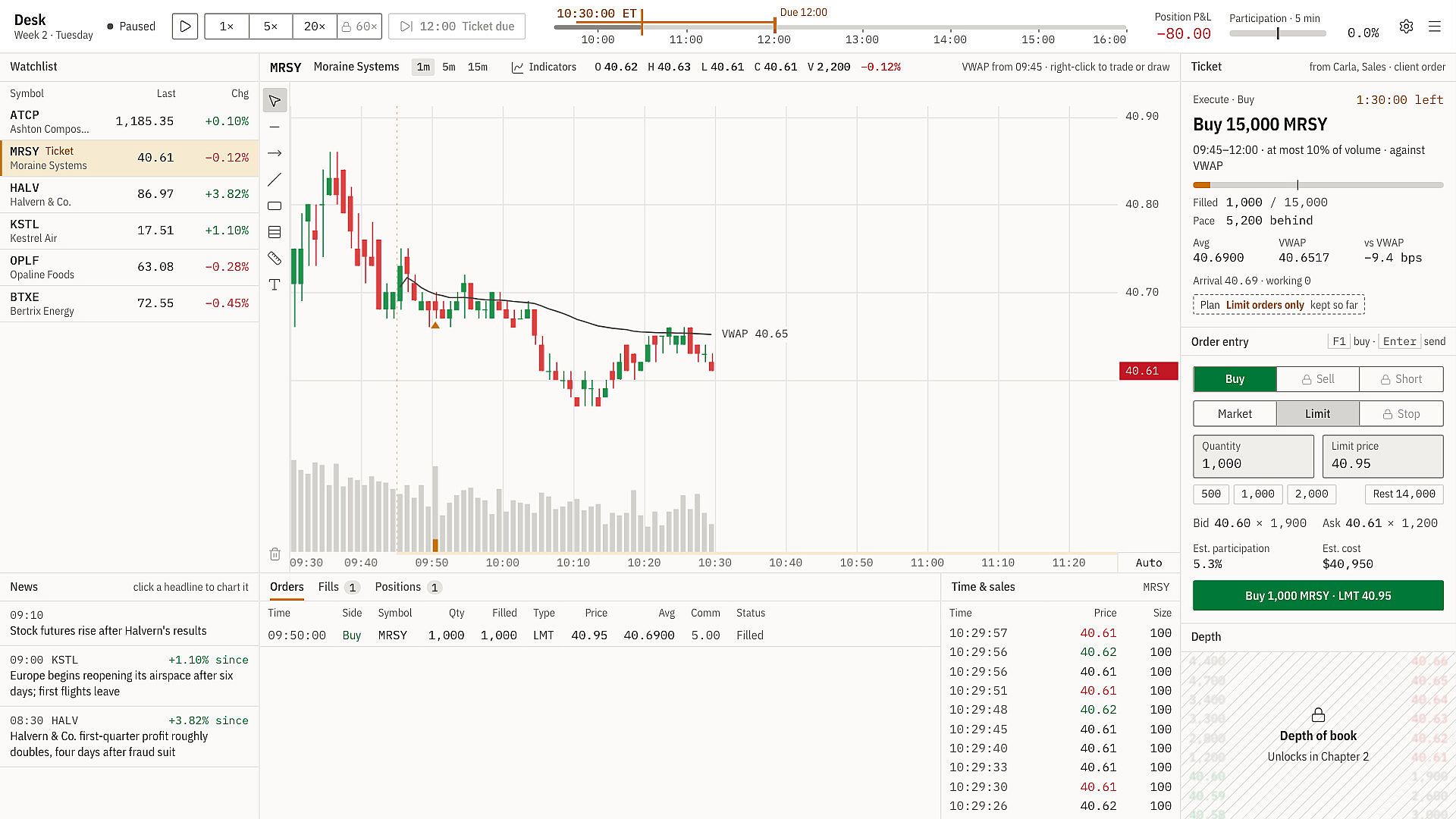
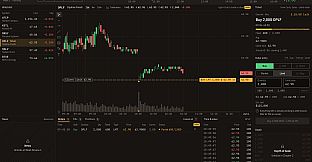
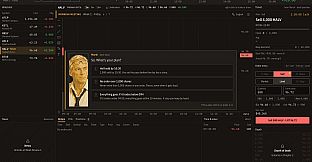
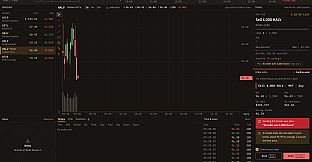
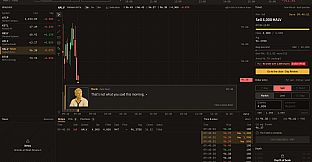
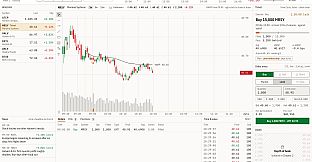
The core loop begins each morning with a meeting where the player outlines a strategy for the day's tickets. These include client buy orders with price limits, desk positions that must be sold by a deadline, and instructions to work against the volume-weighted average price while staying under volume limits. Once the market opens, the player uses a trading terminal to place and adjust orders. The interface shows a chart that can be panned and zoomed, a running tape of trades, and panels for active orders. Order types such as market, limit, and stop become available progressively, with on-screen guidance that highlights the next step for new players.
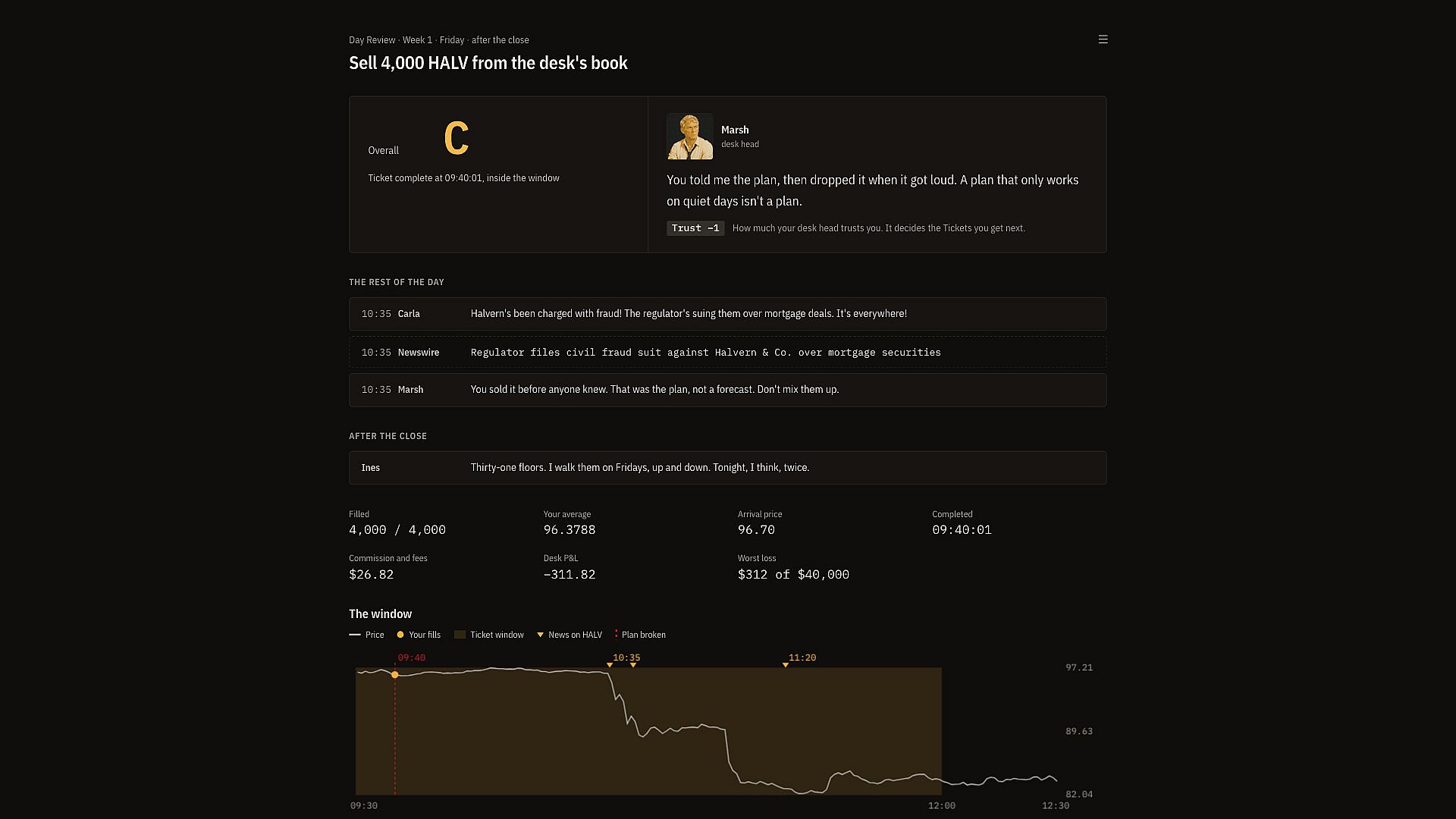
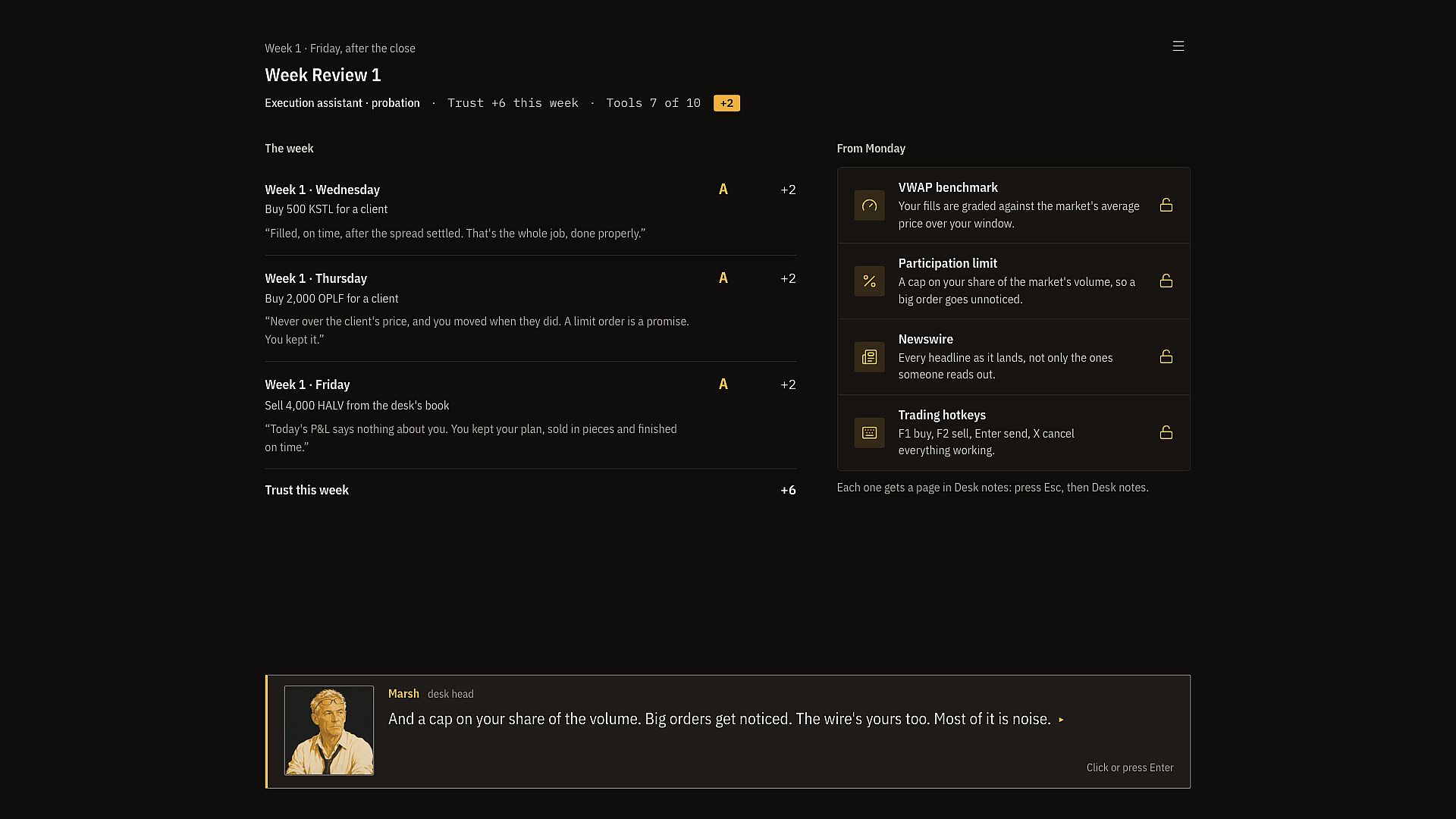
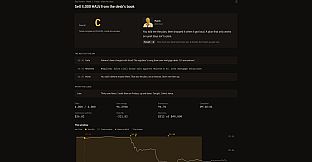
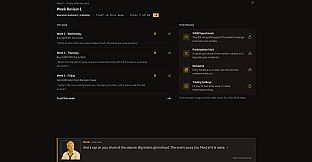
Interruptions arrive in the form of client changes, news headlines that shift prices, and questions from colleagues. The day ends with a review that assigns a letter grade from A to D based on two criteria: how closely the player followed the original plan and how effectively orders were executed. A separate week review tracks performance across multiple days. The terminal includes four chart types, seven drawing tools, and three indicators, all unlocked gradually with explanations from desk staff.
Characters on the desk react to the player's stated intentions. The desk head asks for plans and expects them to be kept. The sales trader delivers client orders. The other junior trader encourages riskier approaches. The risk manager steps in if loss limits are reached. These interactions carry forward, with Friday reviews referencing earlier commitments.
Game Modes
The game runs as a single-player experience with no online connection required. Each trading day occurs once in the main career path, preventing reloads for better prices. After a day concludes, it becomes available for replay as practice. In these replays, the original morning plans turn into specific challenges that test execution under the same market conditions. A review card can be saved showing the grades, supervisor comments, and a chart of the session.
Settings allow separate adjustments for interface language and story text between English and Simplified Chinese. Visual options include market color schemes with green or red for price direction, plus blue and orange alternatives, along with dark and light themes. Audio controls separate volumes for background music, sound effects, voices, spoken alerts, and trading floor ambiance. Accessibility features cover text size, interface scaling, text speed, and reduced motion.
Story and Setting
The narrative unfolds through morning meetings, real-time desk conversations, and end-of-week reflections. Invented companies, people, and headlines drive the fictional 2010 environment without connecting to real markets or accounts. The game emphasizes process over outcomes, with the day review grading adherence to the plan rather than financial results. This structure creates a consistent focus on discipline across the single-player campaign.
Is It Worth Playing?
Order Filled suits players who enjoy simulation experiences centered on systems and decision-making under constraints. The emphasis on planning, adapting to interruptions, and receiving grades based on execution rather than profit provides a distinct approach within the indie simulation genre. Availability on PC with no account or connection needed makes it straightforward to try. Those interested in trading terminals, order management, and character-driven daily reviews will find the mechanics align closely with the described systems. The option to replay finished days for targeted practice adds replay value for skill refinement without altering the main progression.












