




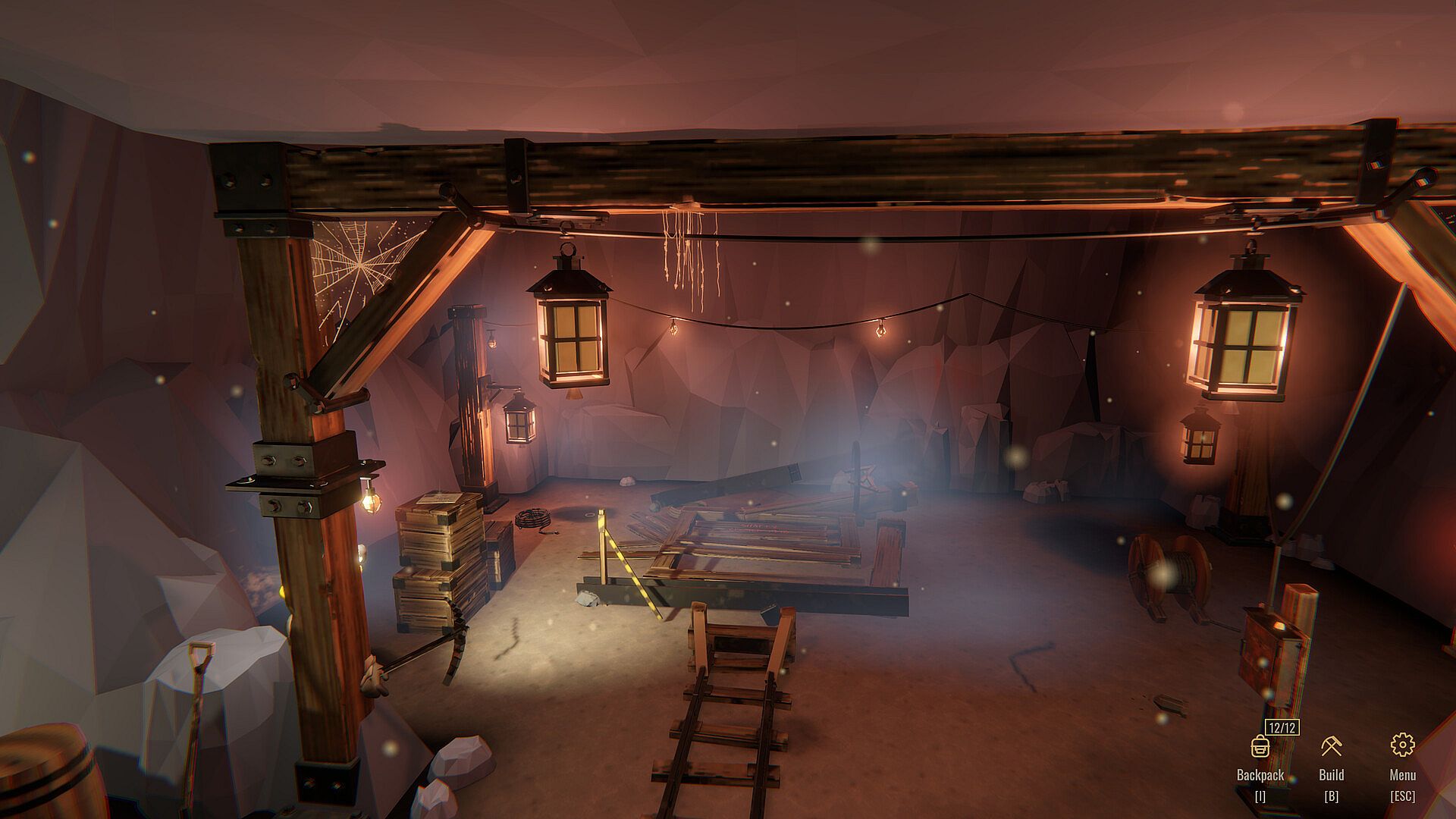
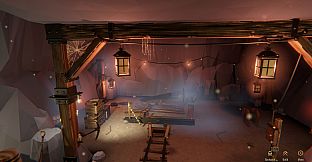
Oreflow is a single-player strategy, indie, and simulation game set in an abandoned mine on PC. Players restore the site through hands-on mining and automated production systems while uncovering a personal mystery tied to the location.
Gameplay
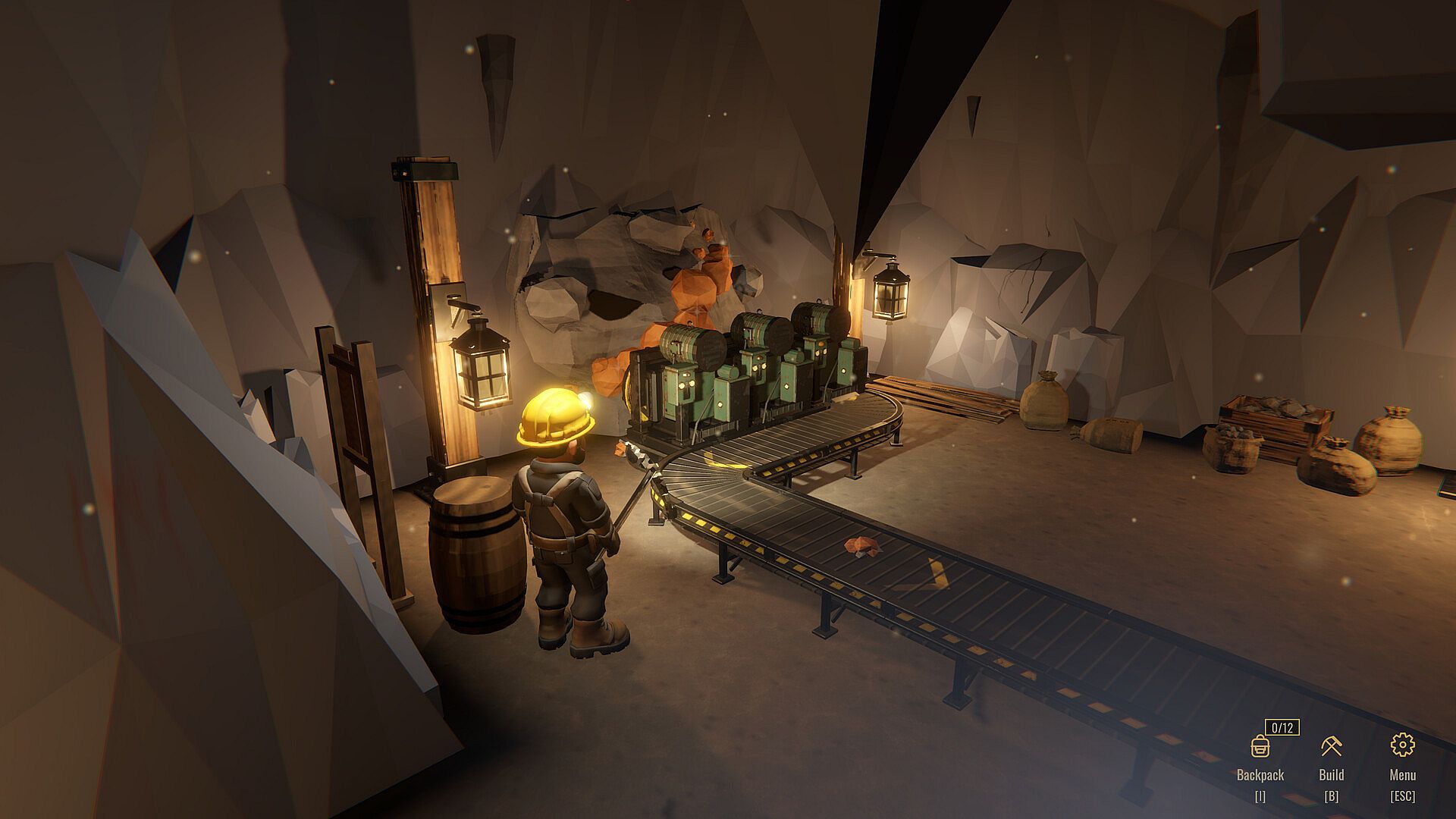
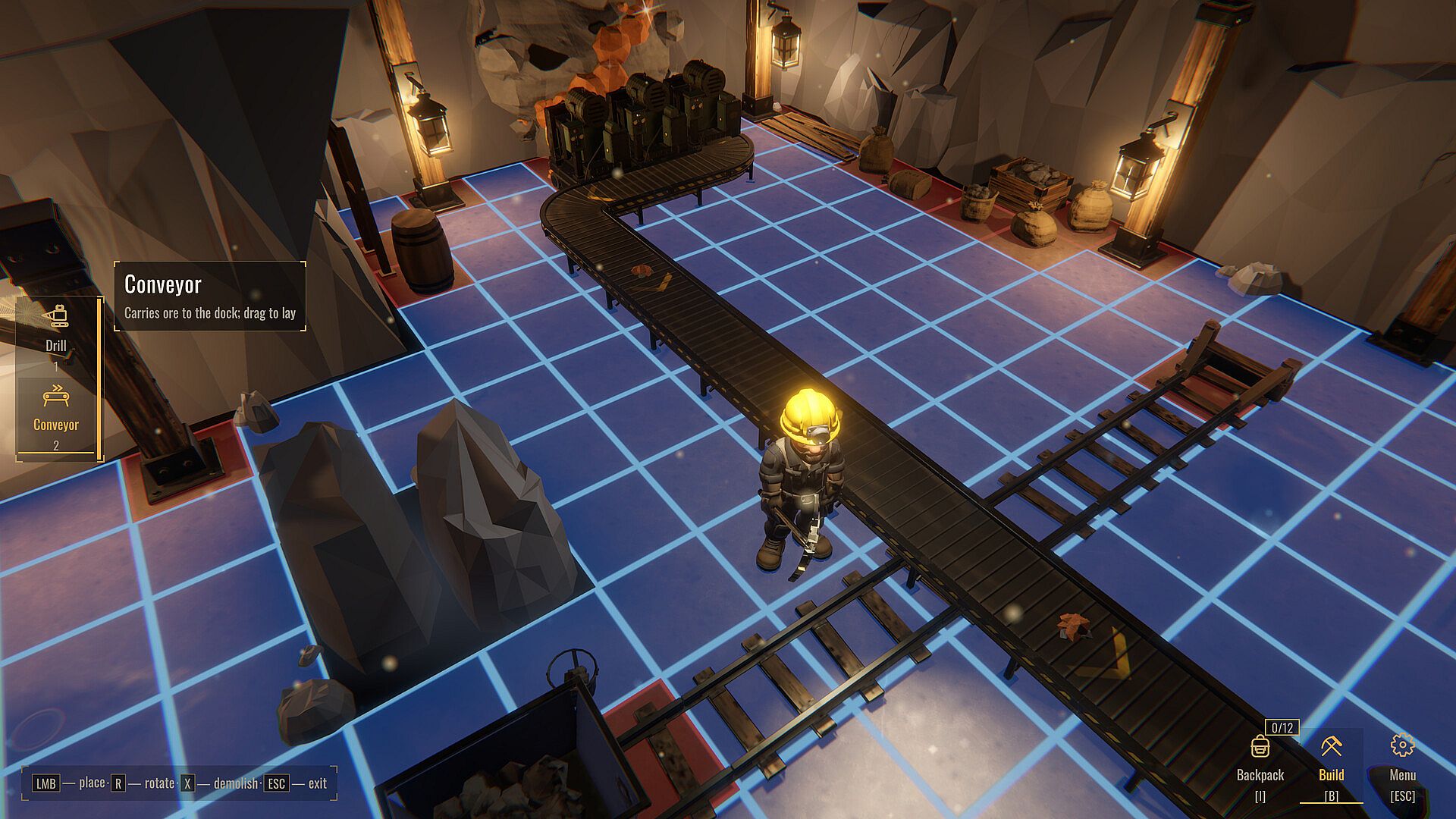
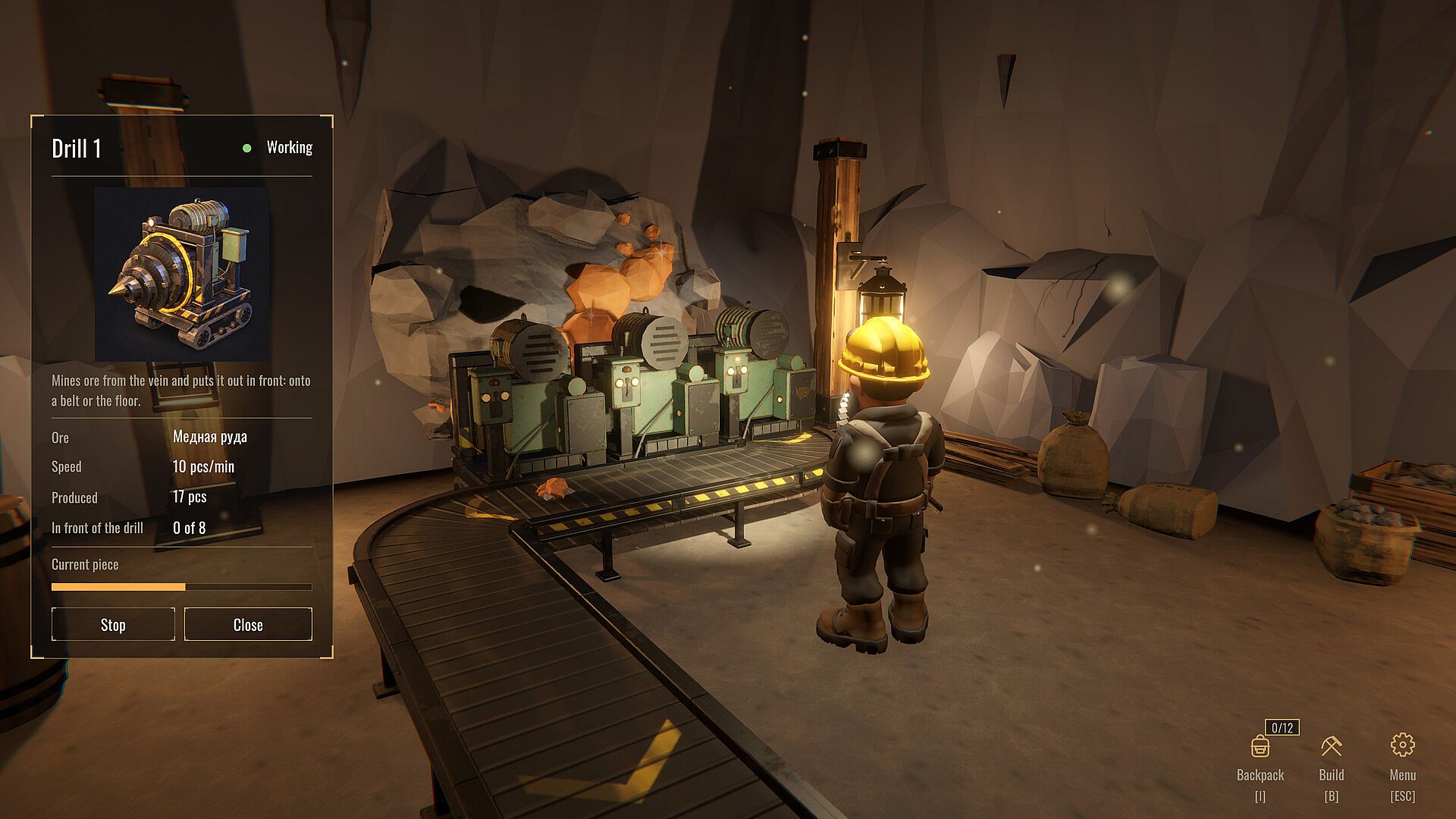
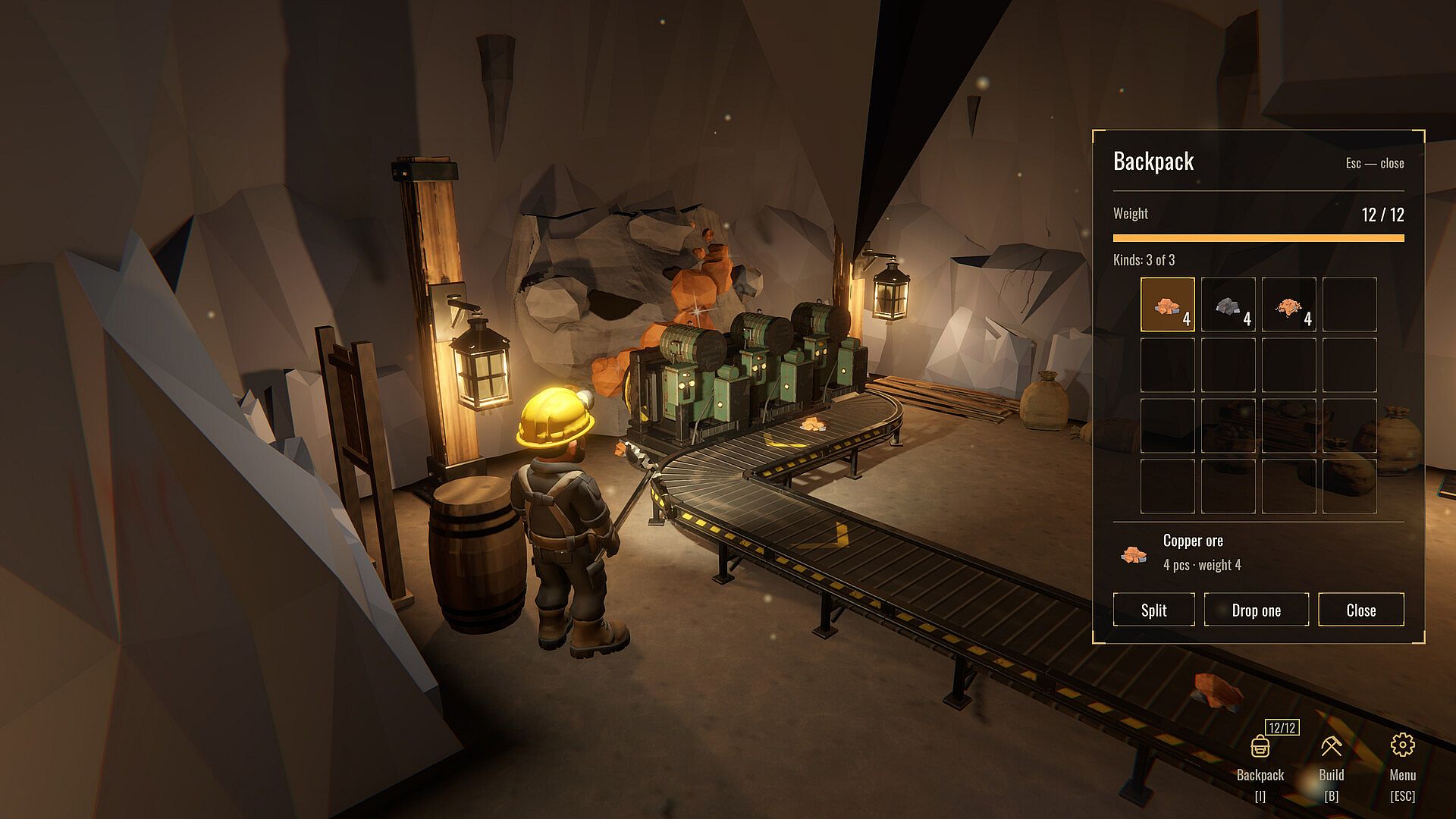
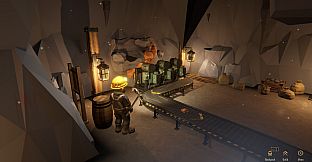
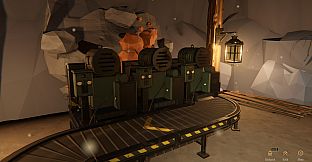
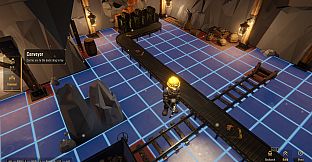
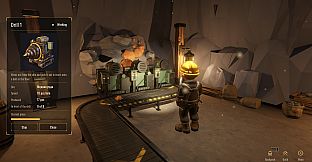
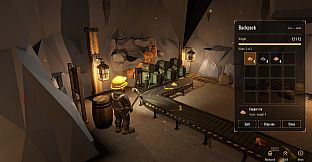
The core loop begins with manual mining using a pickaxe and headlamp to extract initial resources like copper from rock walls. These materials are hauled to collection points to unlock early blueprints. From there, construction shifts toward machines such as drills placed directly on ore veins, conveyor belts laid across cave floors, crushers, presses, and assembly tables. All builds rely exclusively on gathered materials, with no currency or external purchases involved.
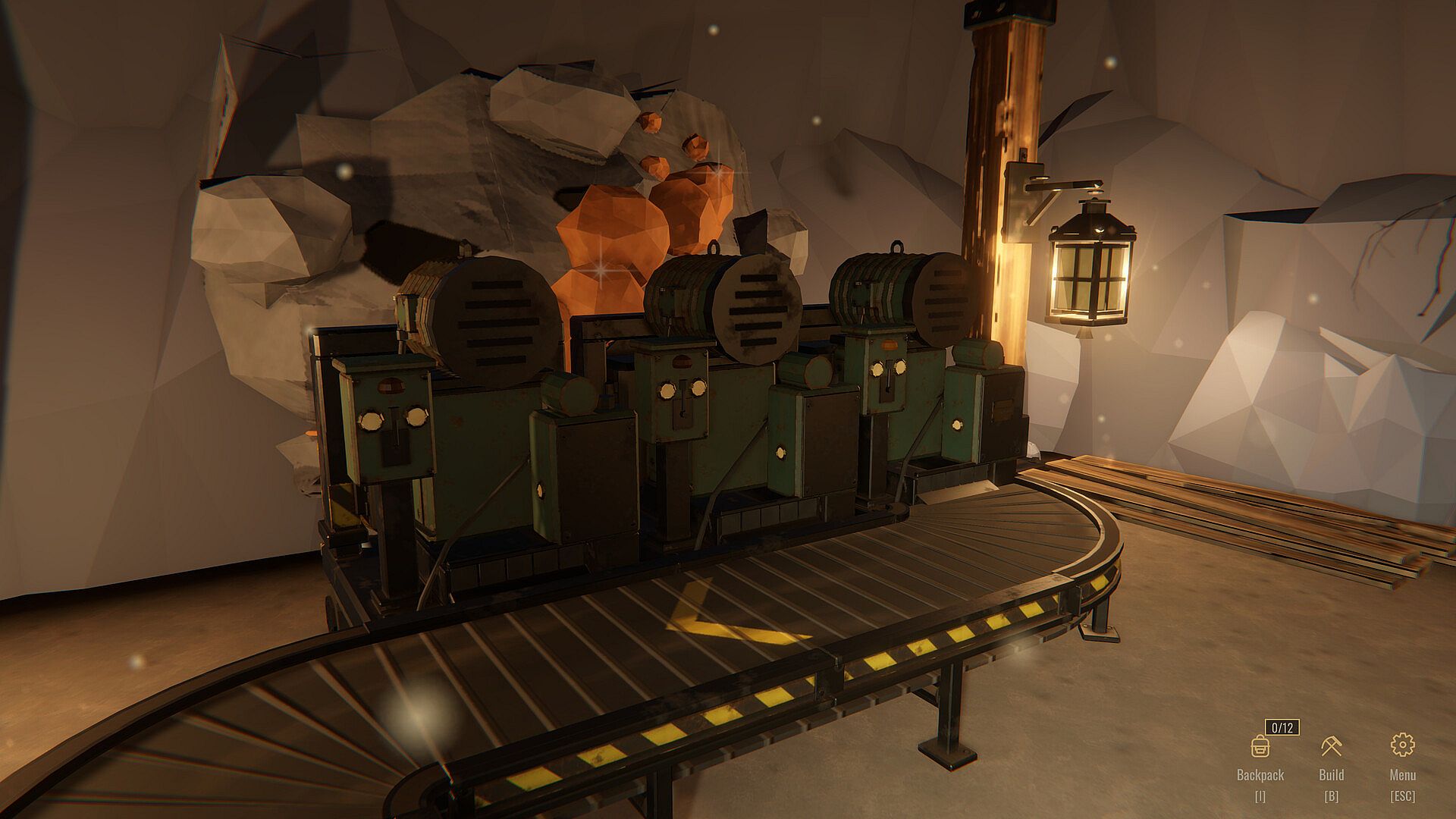
Production lines must navigate the mine's tight, winding chambers. Belts can merge or split flows, storage containers hold excess output, and machines upgrade in place. Each piece of equipment displays clear status messages for issues like empty inputs, full outputs, or blocked paths, turning any interruption into a solvable logistics puzzle. Resources remain accounted for at all times, and rebuilding carries no penalties.
Contracts from a mining corporation request specific ores, ingots, or parts in exchange for new prototypes and blueprints. Separate requests from a retired caretaker in the nearby town provide additional options. Completing deliveries gradually activates lights, machinery, and environmental details throughout the cave, expanding accessible areas and revealing further content.
Game Modes
Oreflow offers a single-player experience focused entirely on automation and exploration within the mine. There are no separate multiplayer options or distinct named modes. Progression occurs through a continuous campaign structure where contract fulfillment drives both mechanical expansion and narrative advancement at the player's chosen pace.
The design emphasizes experimentation without external pressures such as timers or combat. Players rebuild and refine their setups freely as new areas open and machines become available, maintaining a consistent single-player framework from the initial hand-mining stage through full automation.
Story and Atmosphere
A quiet personal narrative unfolds through environmental details rather than direct exposition. Clues appear in the form of old company markings on equipment, handwritten blueprints, damaged logbooks, photographs, and occasional radio communications. These elements connect to the player's father, who worked as an engineer at the site before its closure.
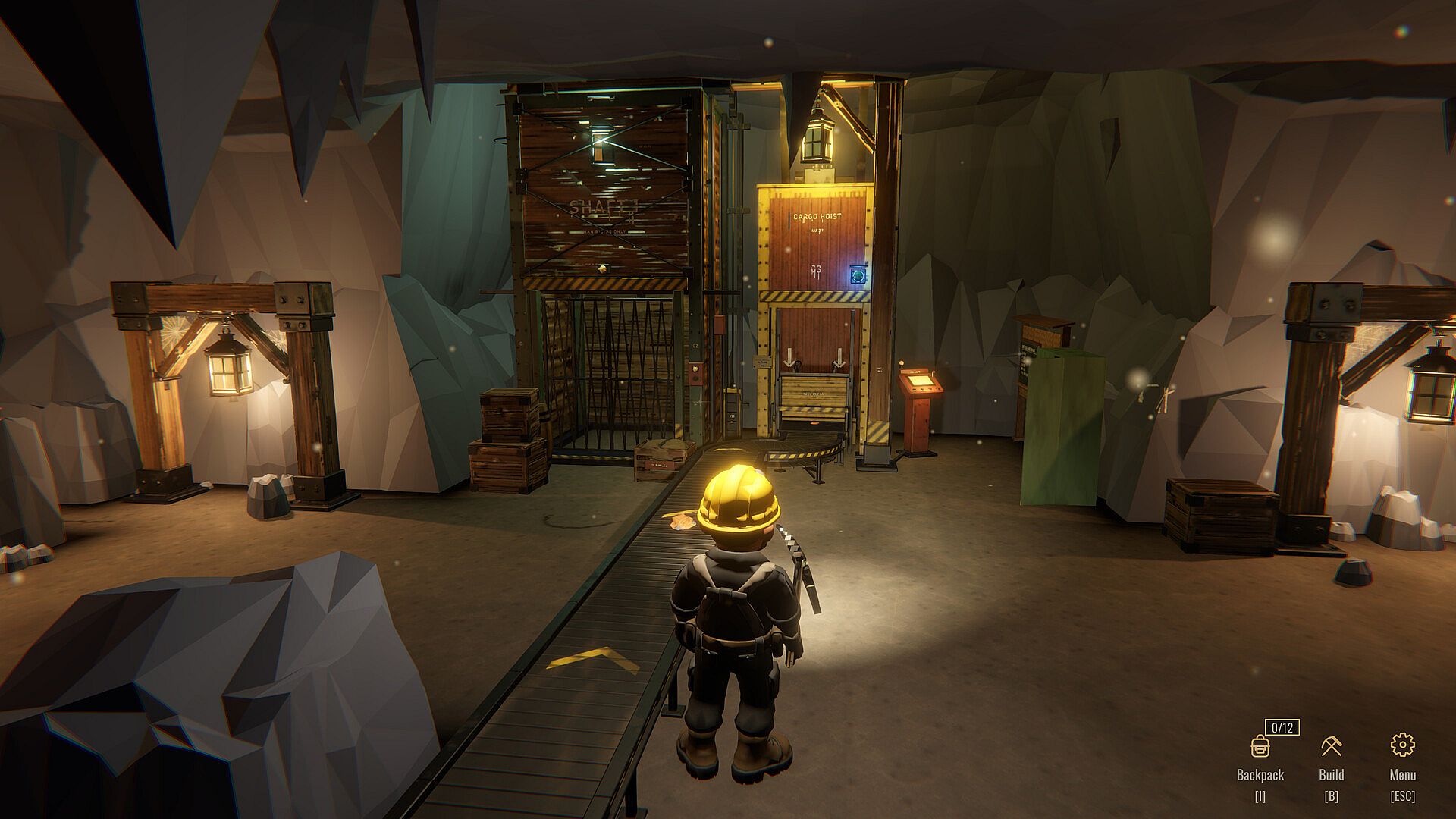
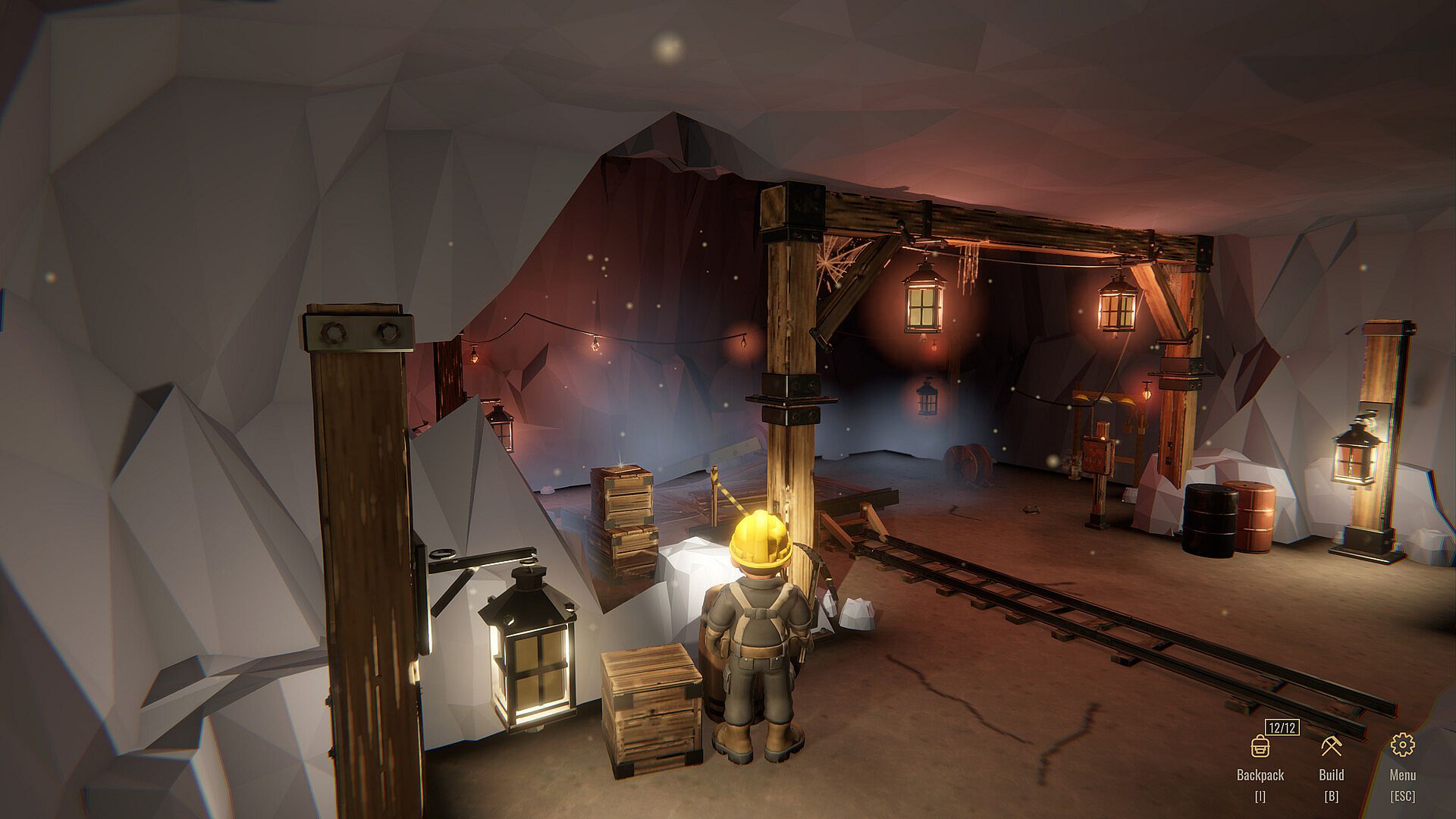
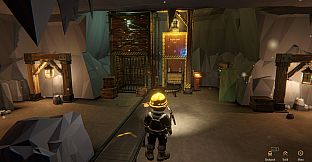
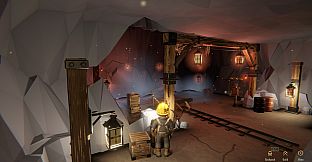
The cave itself evolves visually and audibly with progress. Early chambers start dark and quiet, but completed contracts bring flickering lamps, humming equipment, rising steam, and spreading warm light. Hand-painted textures and a growing soundscape reinforce the sense of revival. The deep lift remains a central landmark from the start, restored section by section to reach deeper levels.
Is It Worth Playing?
Oreflow targets players who enjoy deliberate, puzzle-oriented automation in a contained single-player setting. Its calm pace, readable systems, and focus on self-built production lines suit those seeking methodical building without competitive elements or time limits. The integration of light narrative discovery through world details adds another layer for those interested in atmospheric exploration.
Since the game remains in development with a planned release in 2027 and no reviews available yet, any assessment rests on the described mechanics and features. It aligns well with fans of resource management and factory-style simulations that prioritize clarity and freedom to iterate over high-stakes challenges. Availability on PC will determine access once launched.












