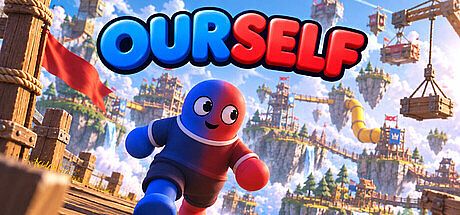


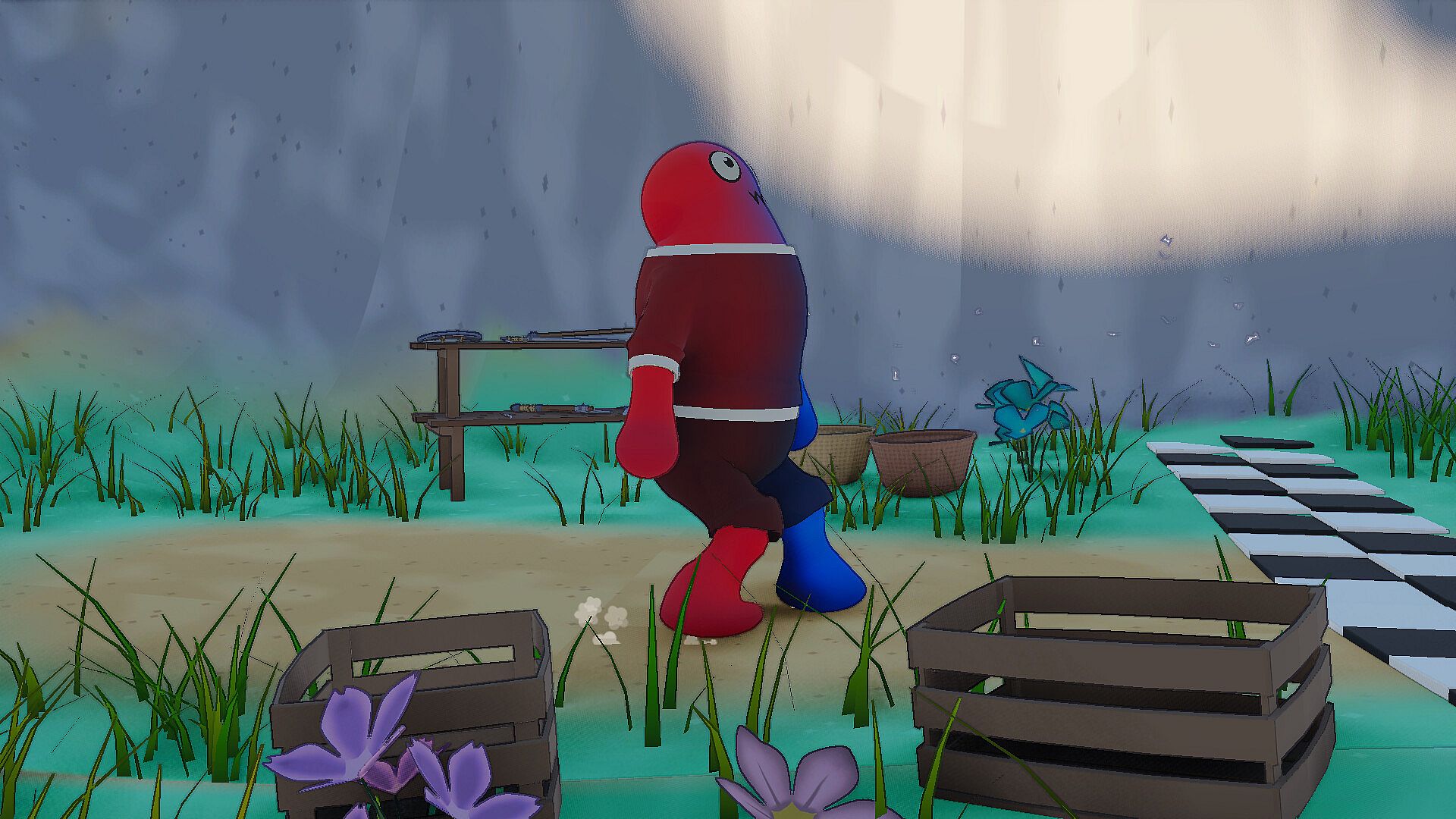
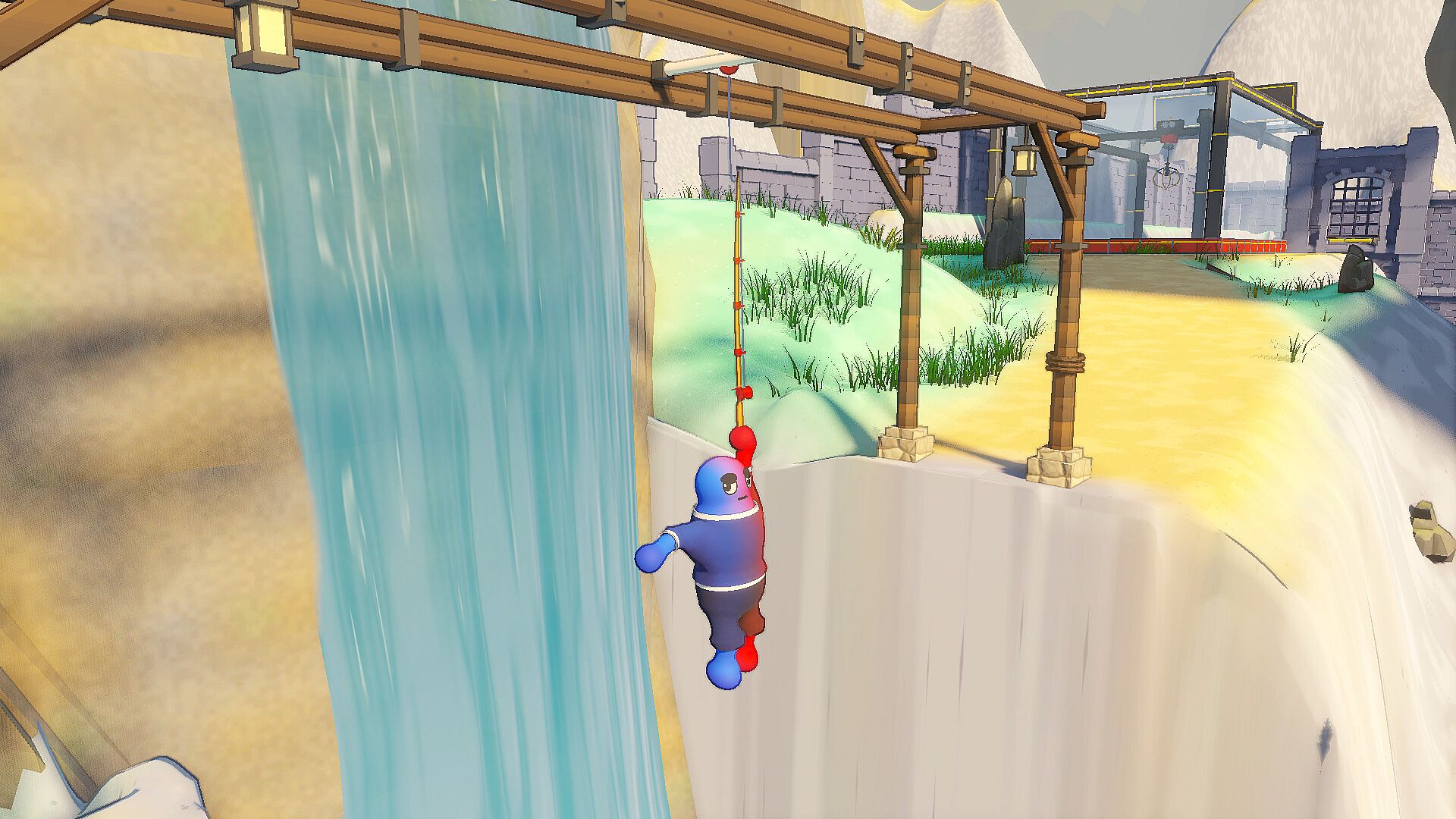
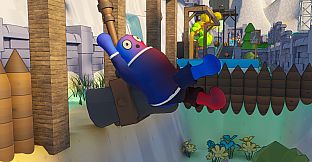
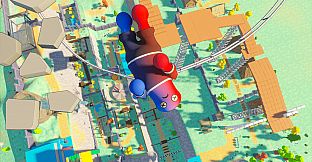
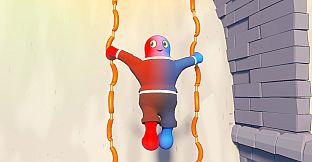
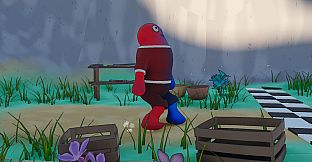
Ourself is a two-player co-op action adventure game built around the unusual premise of two friends forced to share one body after an evil sorcerer swaps their souls. One player controls the left half while the other manages the right, creating constant tension as both inputs affect the same character at once. The game emphasizes precise coordination on PC through online matchmaking that supports both Steam friends and random partners.
Gameplay
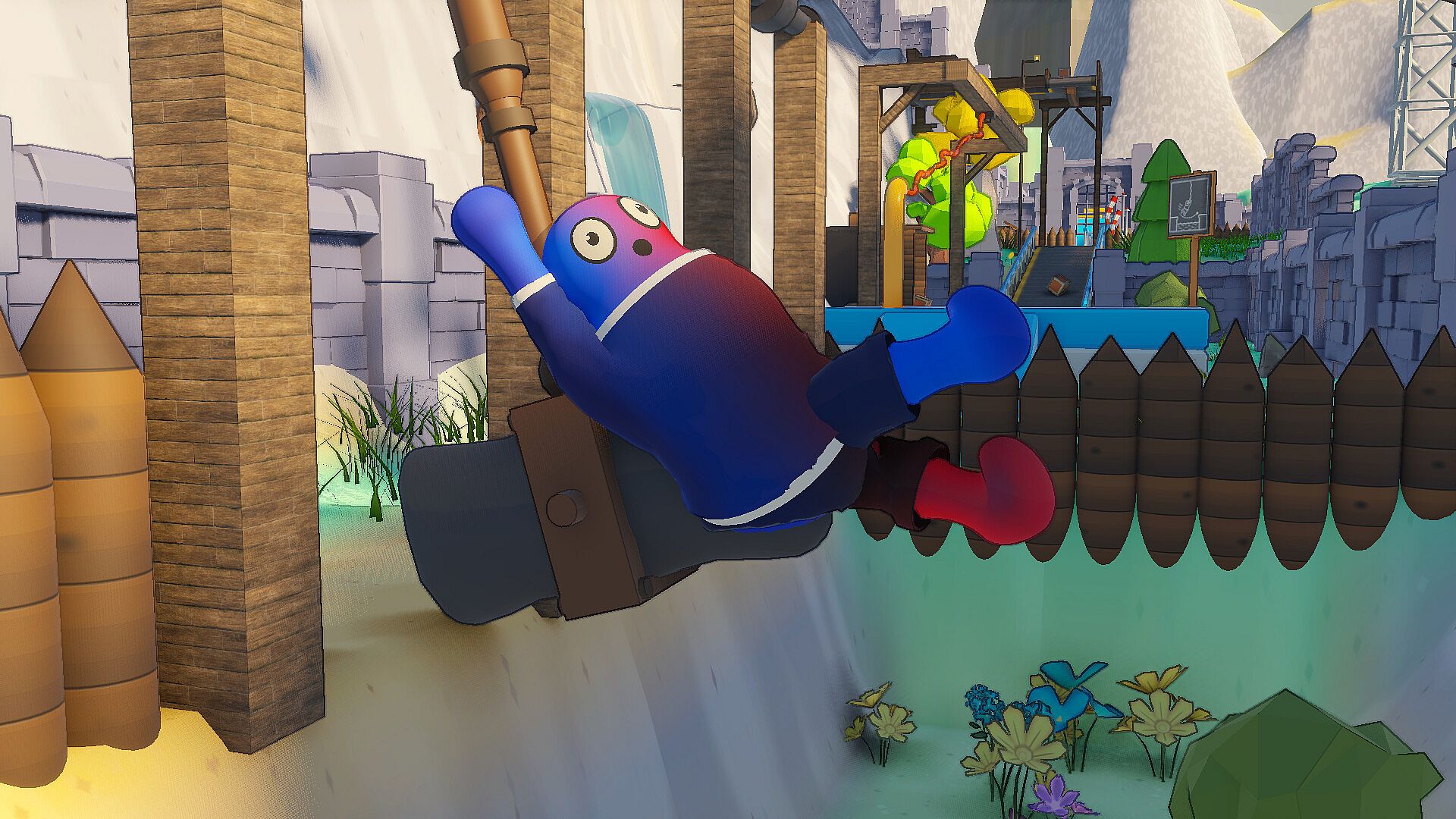
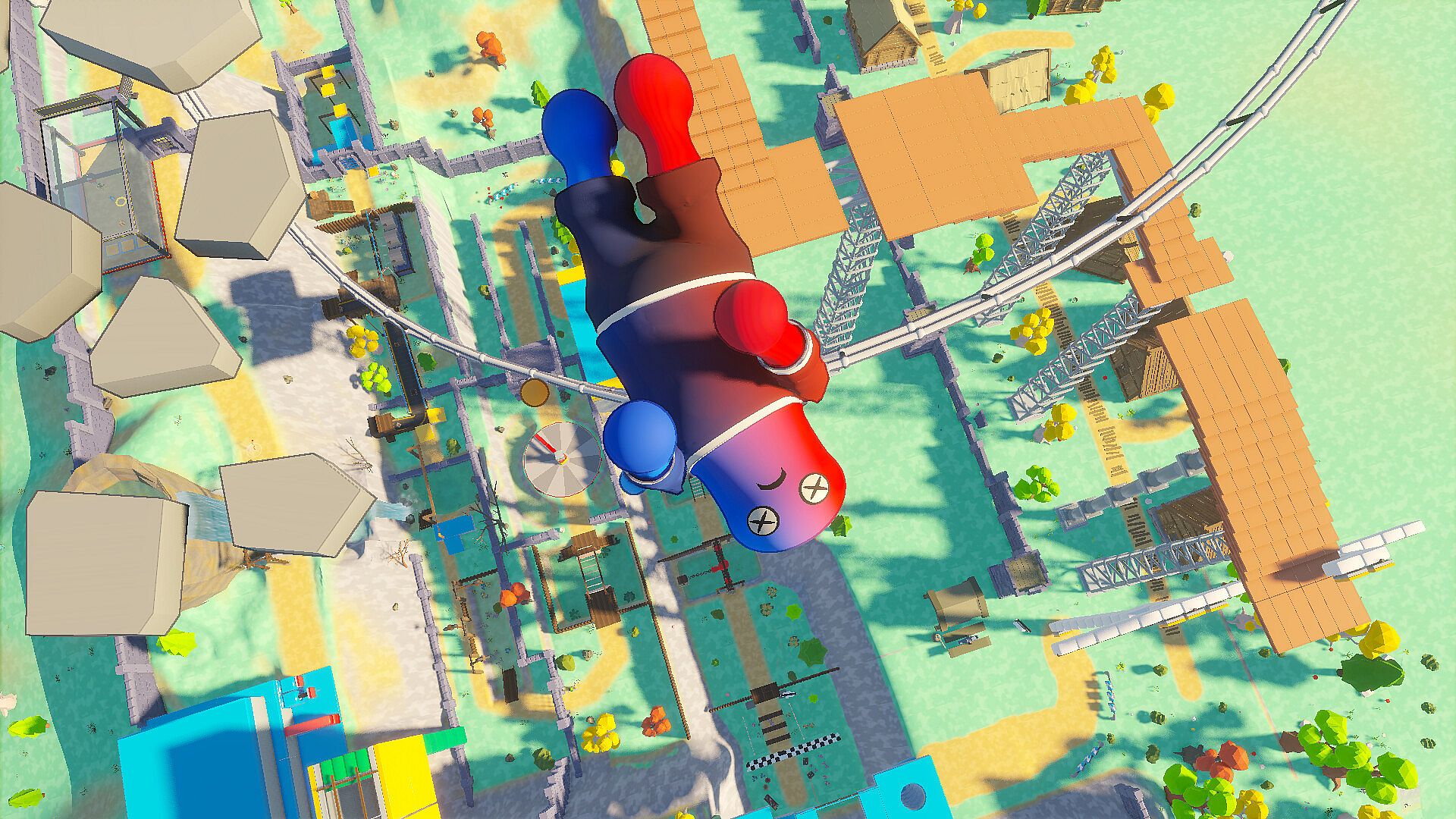
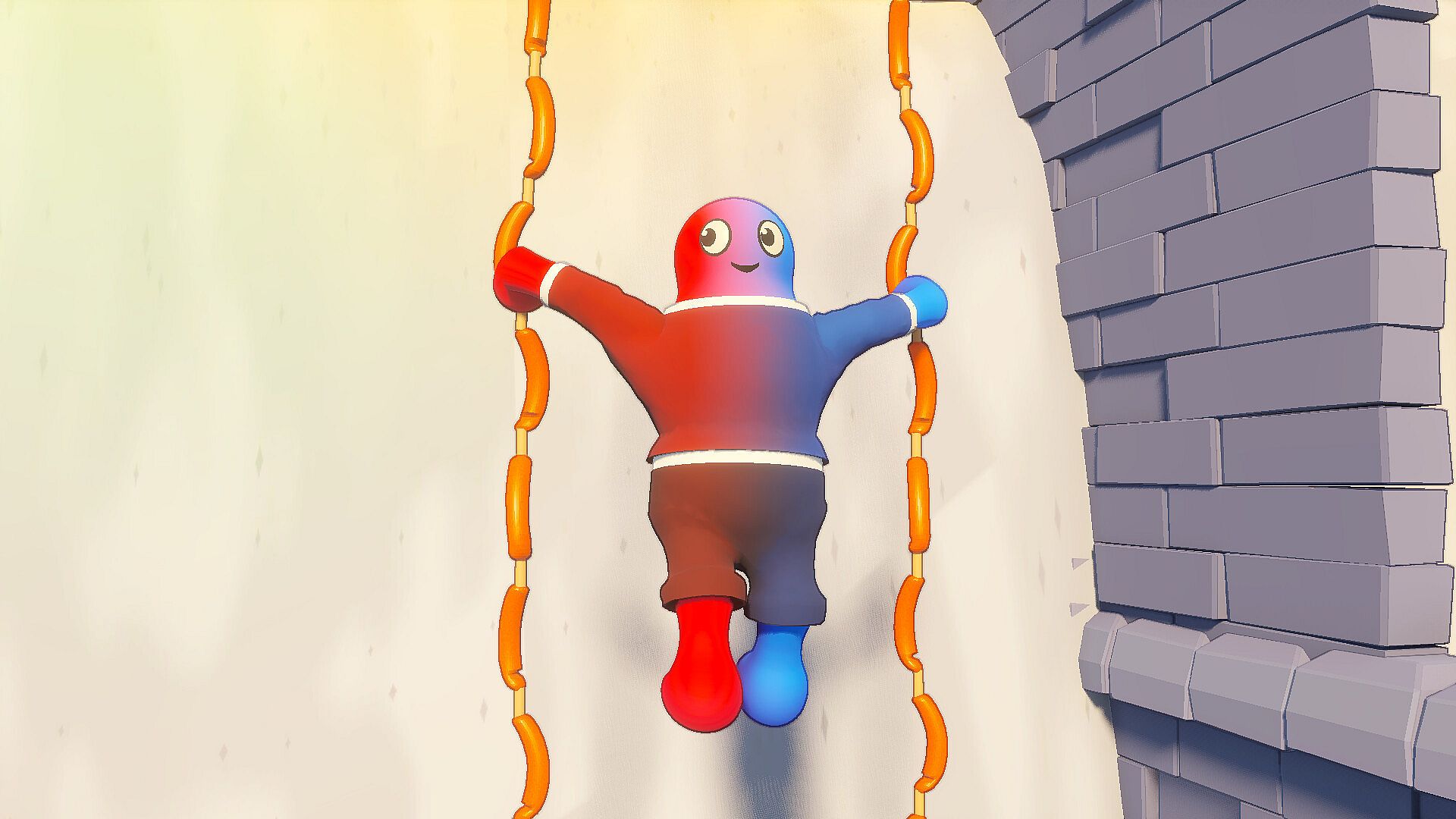
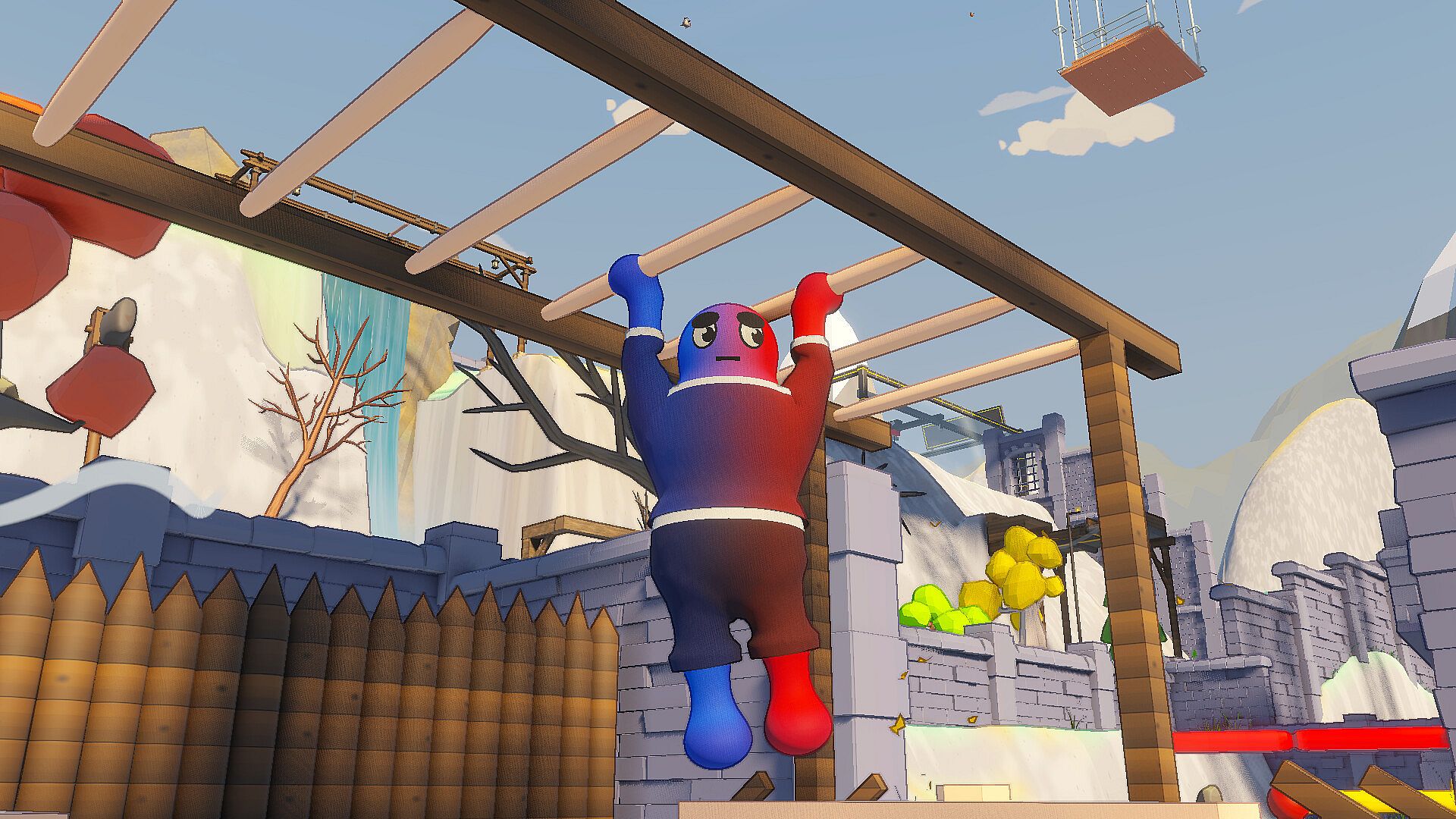
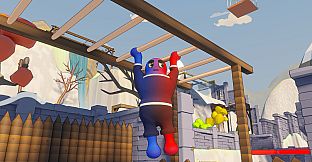
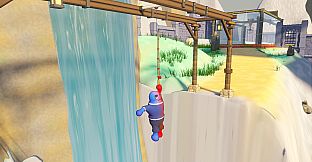
The core loop revolves around navigating platforming challenges where mismatched inputs cause the shared body to stall or fall. Players must climb surfaces, haul objects that require two hands, and recover from drops that set both participants back simultaneously. A fishing rod serves as a grappling tool to reach distant ledges or pull the body upward when a standard jump falls short. Progression takes players through distinct vertical environments including a cloud market, a sky harbour, a fortress, and ancient ruins at the highest point of the map. Success depends on learning each other's timing and rhythm rather than individual skill alone, turning every movement into a negotiation between the two controllers.
Game Modes
The game centers on online co-op sessions limited to exactly two participants. Players can invite friends from their Steam list for repeated attempts at the same sections or join open rooms with strangers to experience fresh partner dynamics. No single-player option exists, and the structure encourages multiple runs with different people to discover how communication styles influence progress through the shared-body mechanics. The experience remains consistent across sessions, with the same sequence of climbing, hauling, and grappling challenges leading toward the final reunion goal.
The Shared Body Challenge
Every action in Ourself requires both players to align their intentions in real time. Simple tasks like walking forward become tests of synchronization, while complex maneuvers such as casting the fishing rod demand one player to aim while the other stabilizes the body. Falling from height resets progress for the pair as a unit, reinforcing the idea that neither half operates independently. The design rewards pairs who develop shorthand cues or count down jumps together, turning the absence of direct voice chat into an opportunity for intuitive teamwork built purely through movement.
Is It Worth Playing?
Ourself suits players who enjoy cooperative platformers that demand constant communication and compromise rather than individual heroics. The upcoming release on October 29, 2026, positions it as a focused indie title with online co-op as its sole mode and no additional single-player content confirmed. Those seeking a light-hearted adventure with a unique twist on partnership will find the shared-body system engaging, especially in repeated sessions with the same partner to refine timing. The game requires a steady connection and a second participant, so it appeals most to groups already comfortable with online co-op experiences on PC. Its concise scope and emphasis on coordination make it a strong choice for short, repeatable play sessions once it launches.