




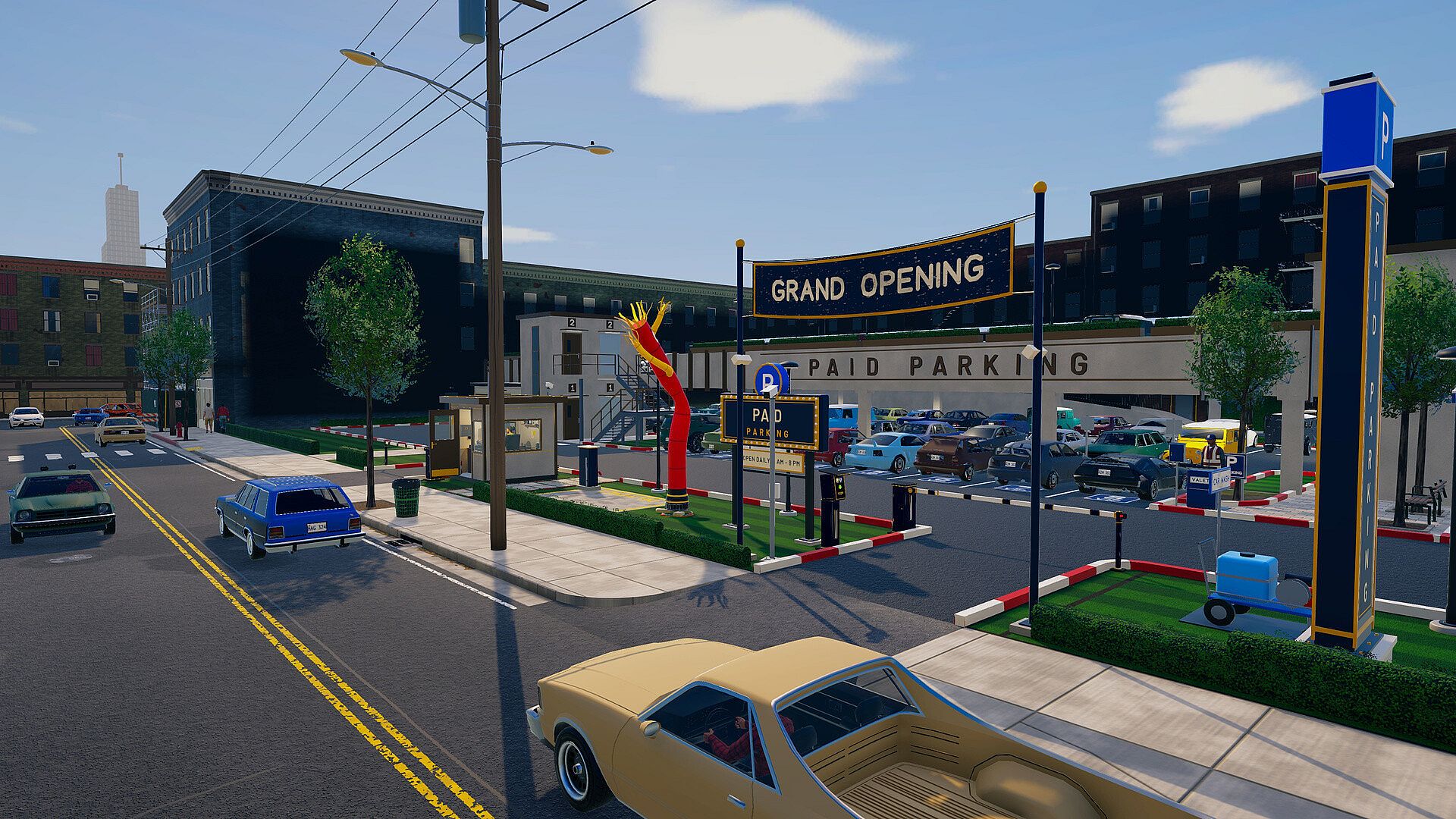
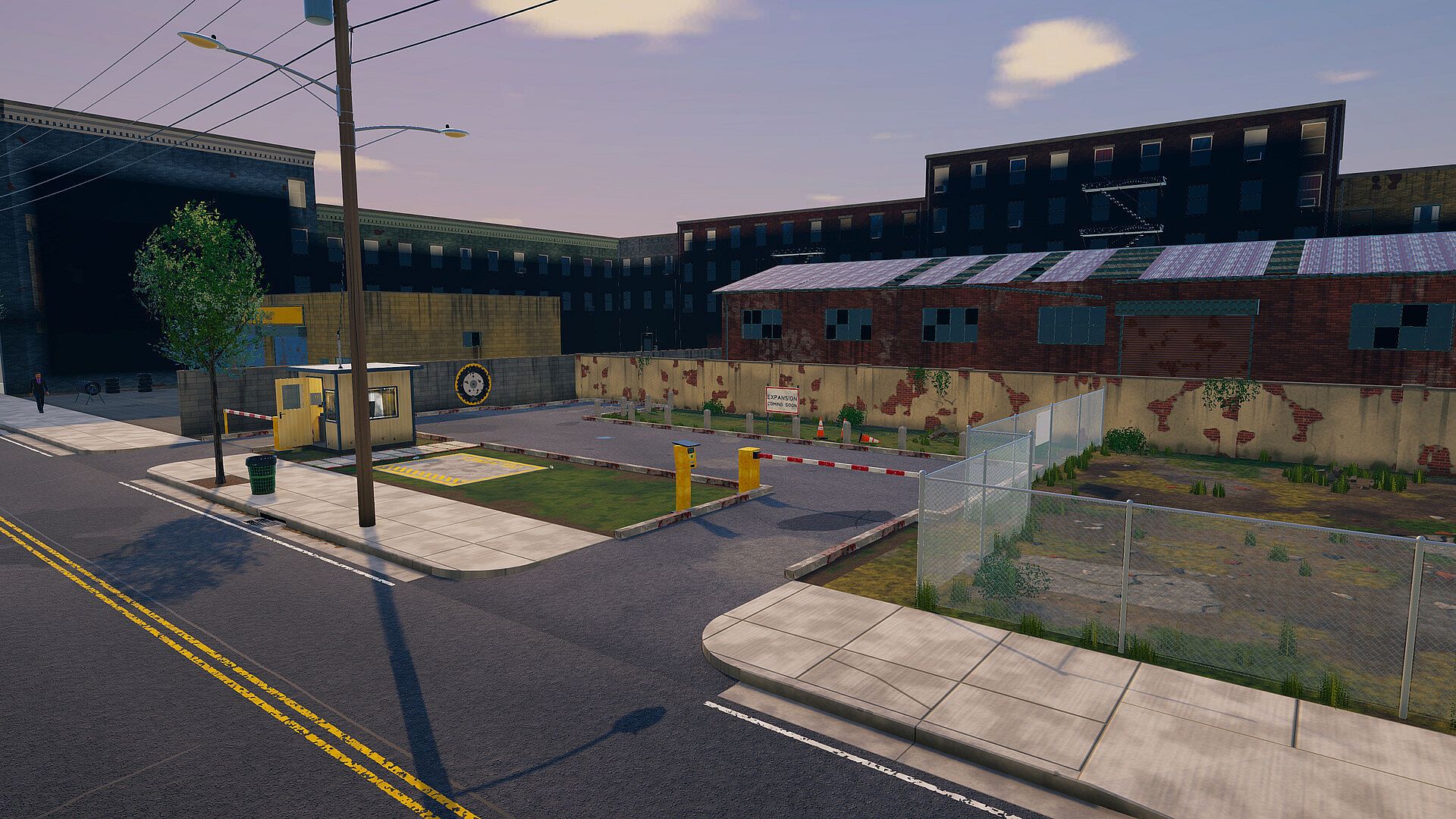
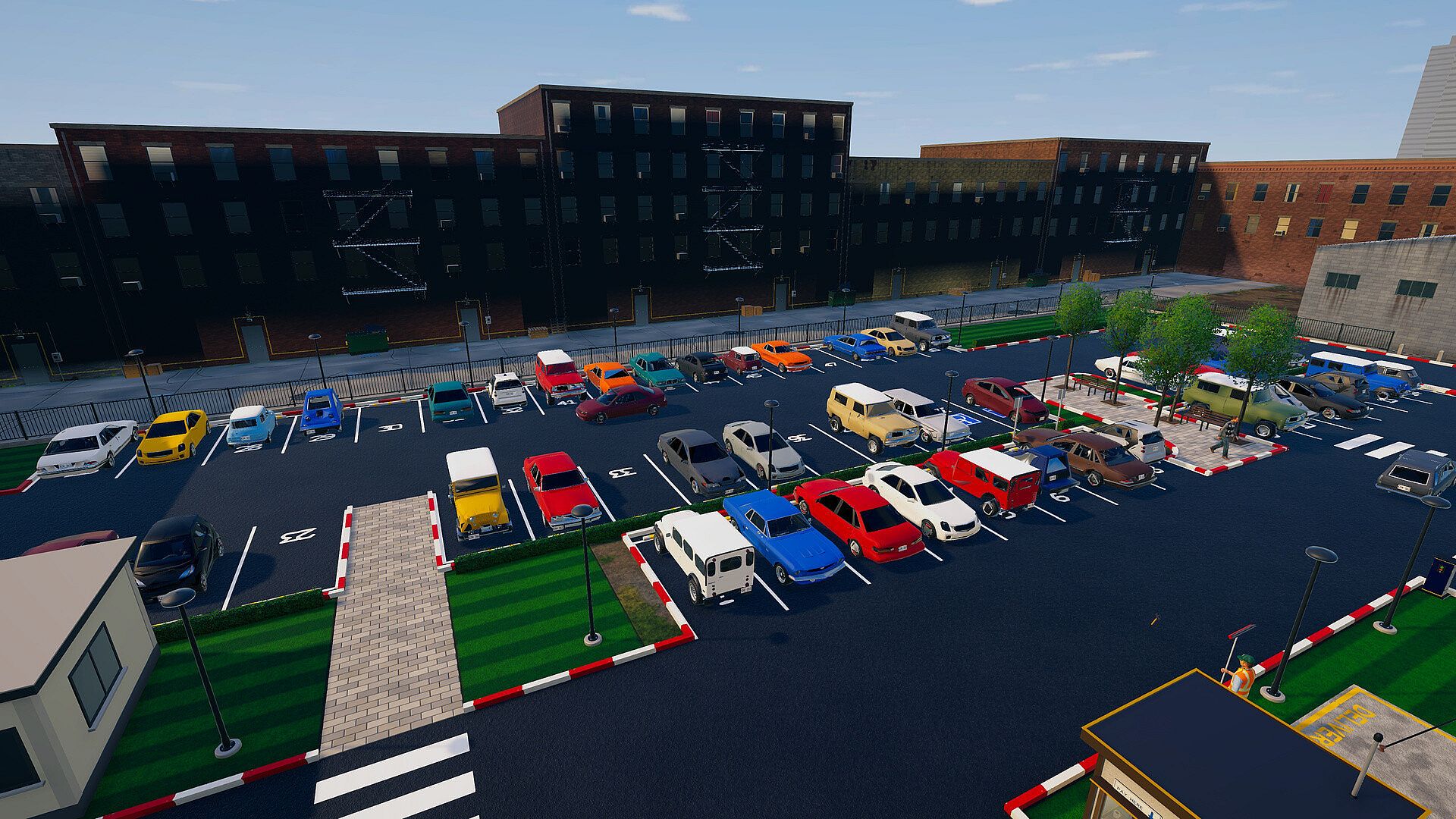
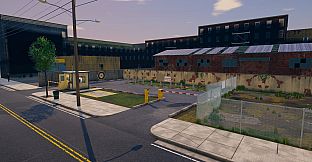
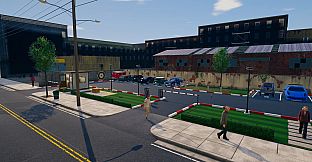
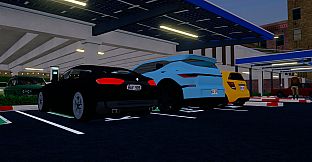
Paid Parking Simulator is a first-person management simulation game for PC in the indie and casual genres. Players inherit a small, rundown parking lot from a retiree and work to transform it into a large operation through careful daily management and steady expansion.
Gameplay
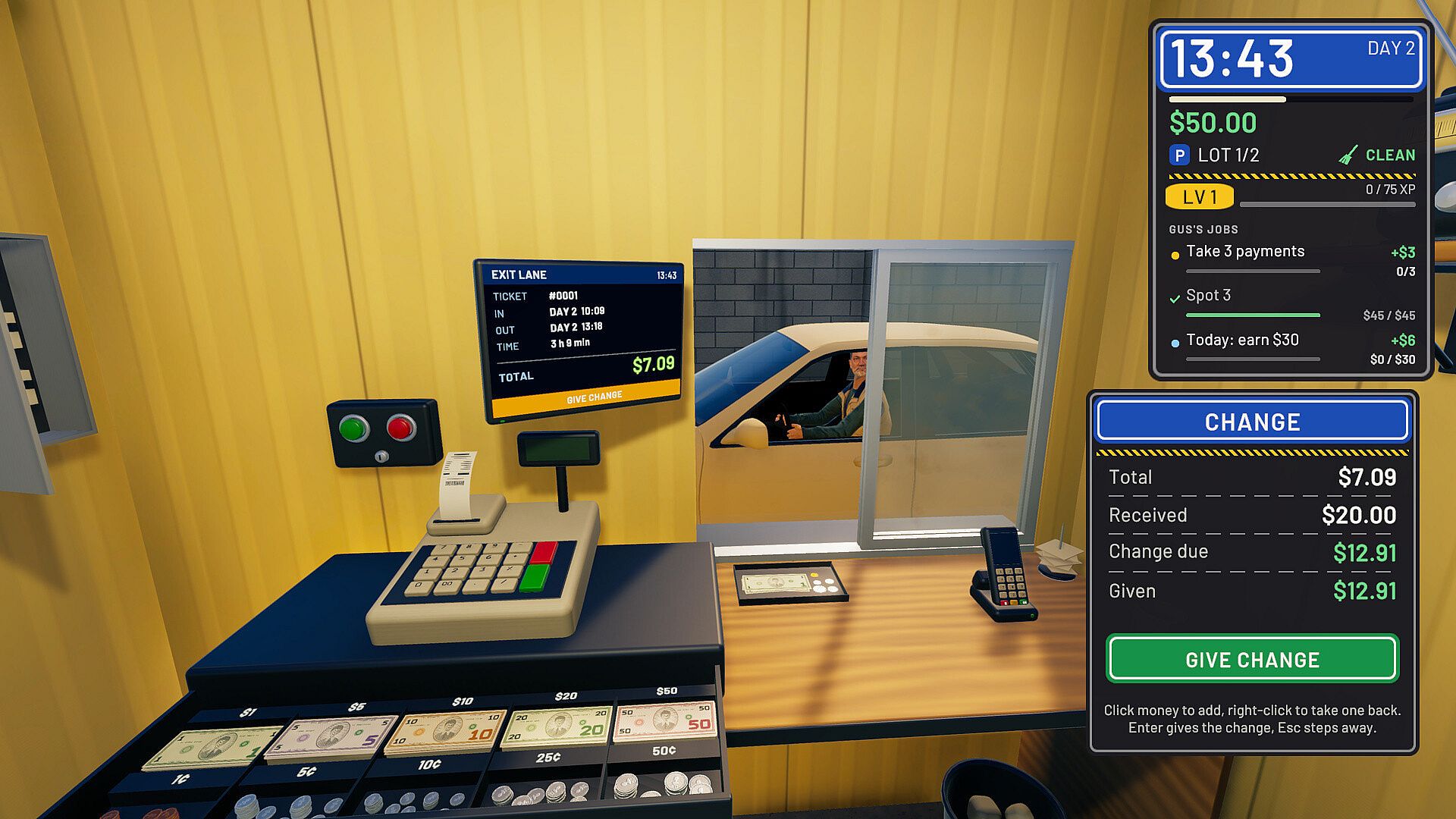
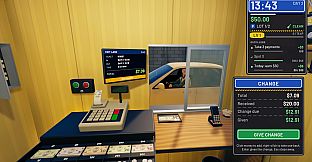
The core loop centers on operating the lot from morning until closing time at 8 PM. Drivers enter on their own, take tickets, and park in available spaces. At the exit booth, players scan tickets, accept cash or card payments, and make change accurately while managing any growing line of vehicles. Every dollar earned funds upgrades and new construction.
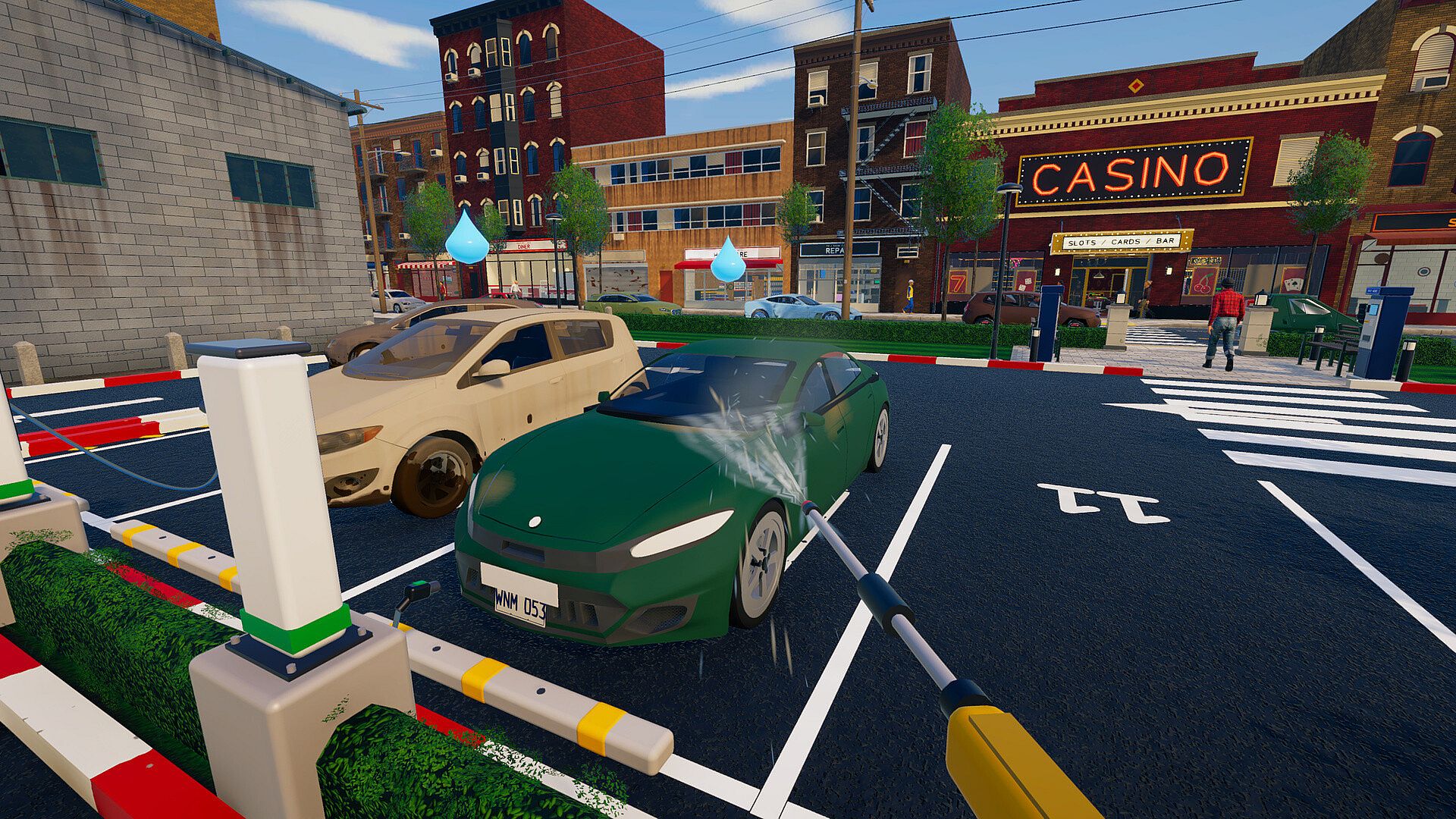
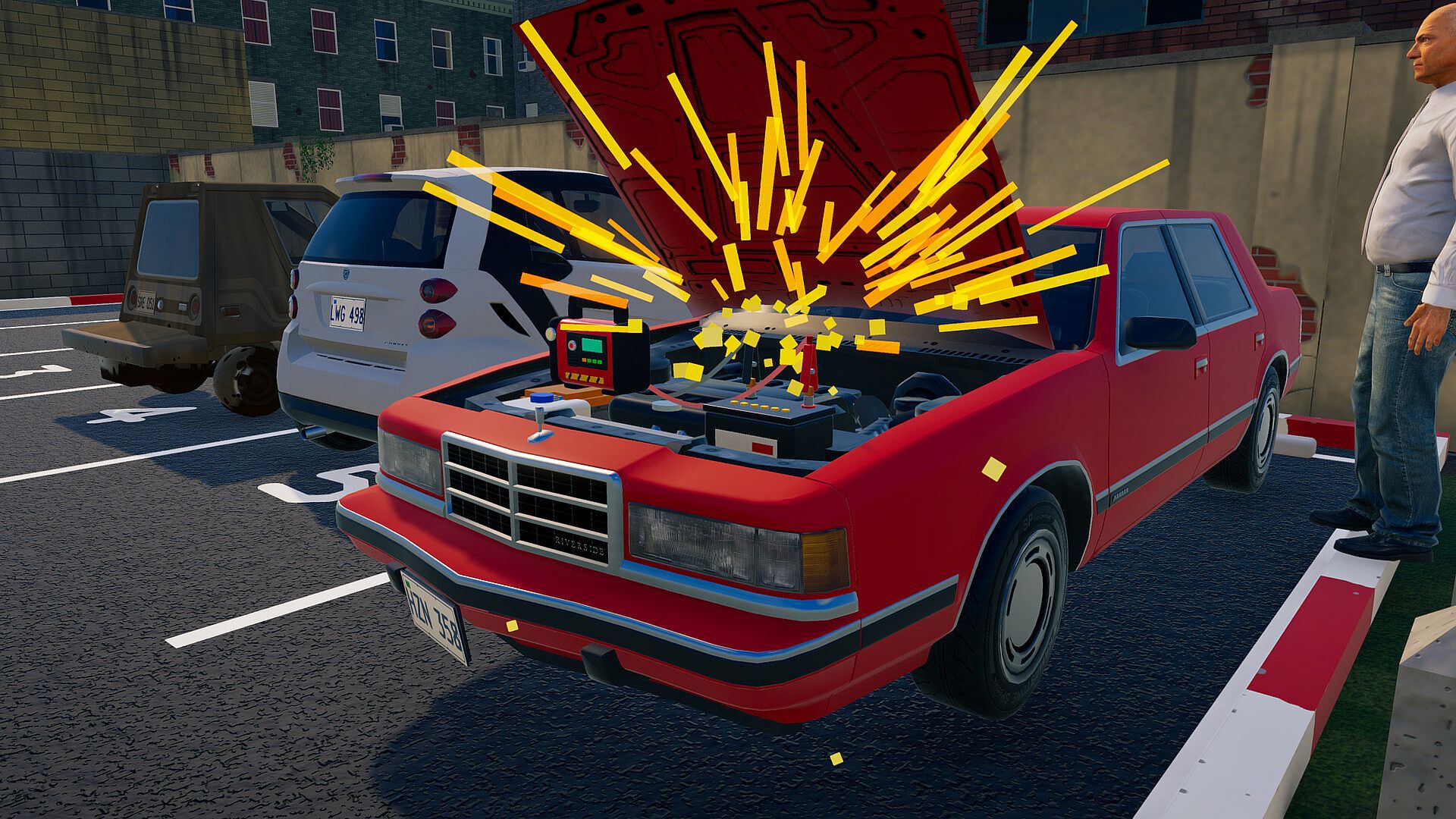
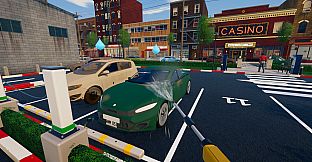
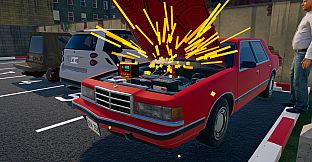
Maintenance forms a constant part of the routine. Players sweep litter, scrub oil stains, remove graffiti, wash dusty cars, and jump-start batteries to keep the lot clean and appealing. A tidy environment leads to happier customers and better tips. When drivers park poorly across multiple spaces, players can intervene directly with a mallet in a lighthearted sequence that encourages proper parking without any serious consequences.
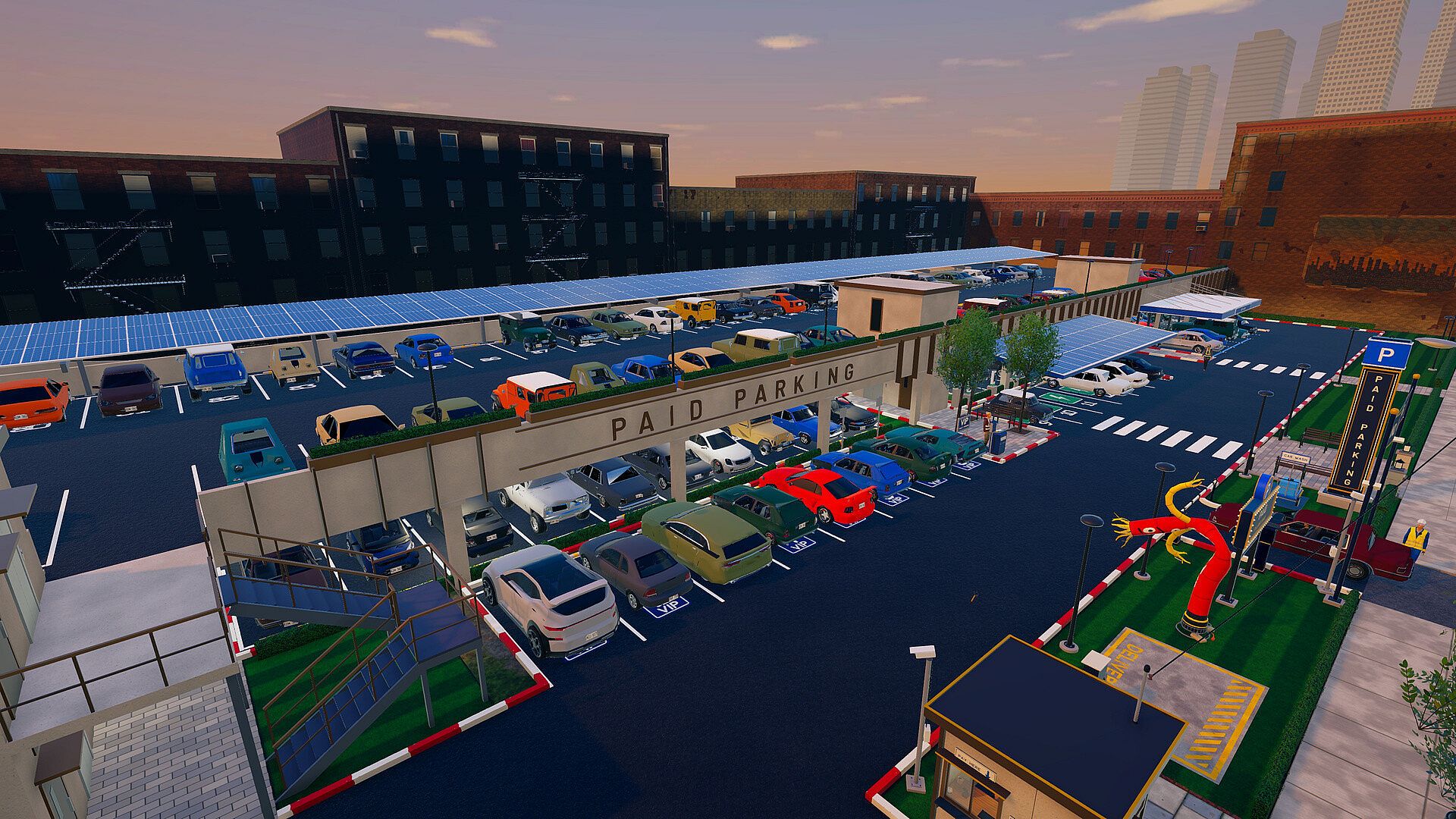
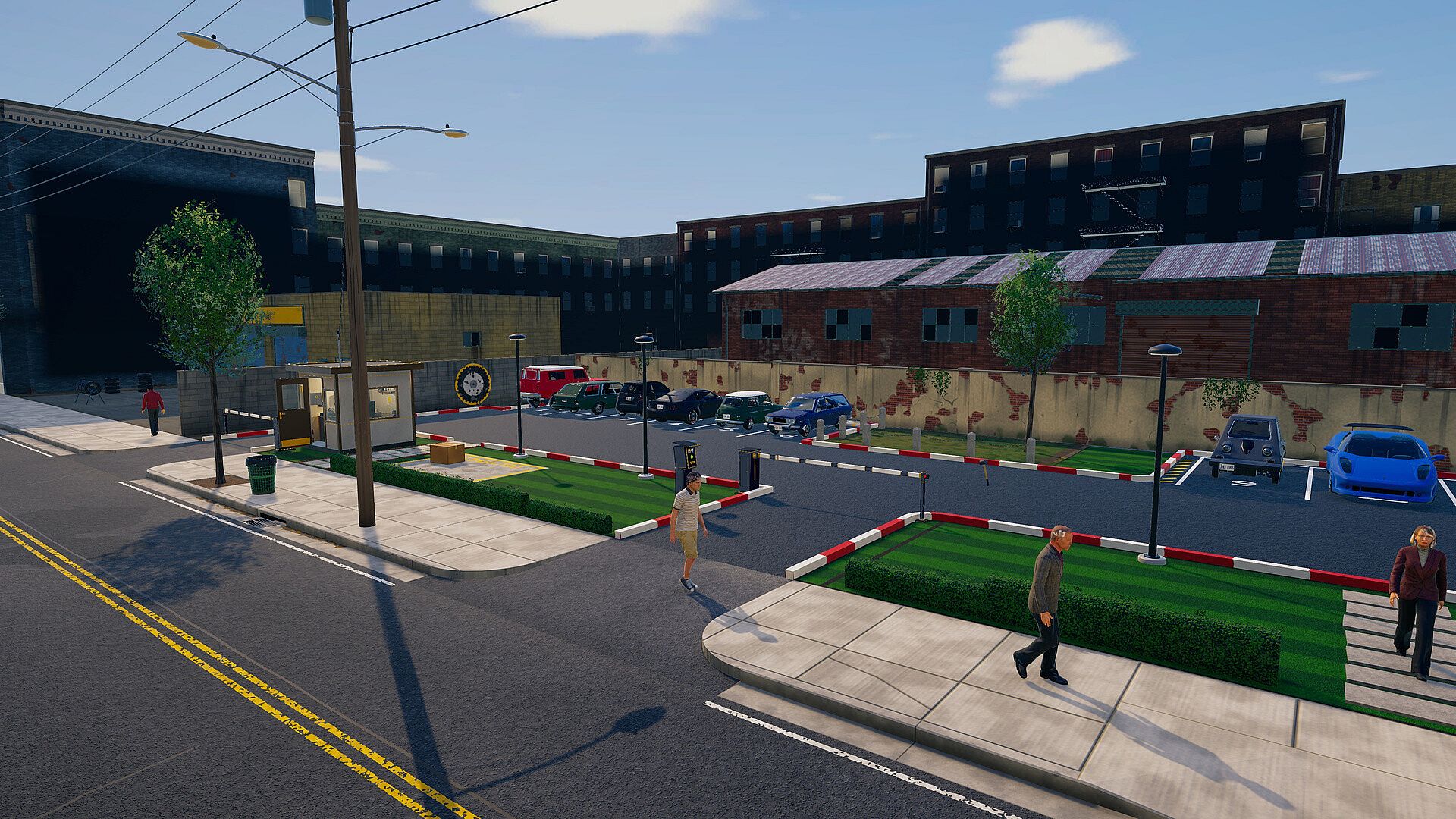
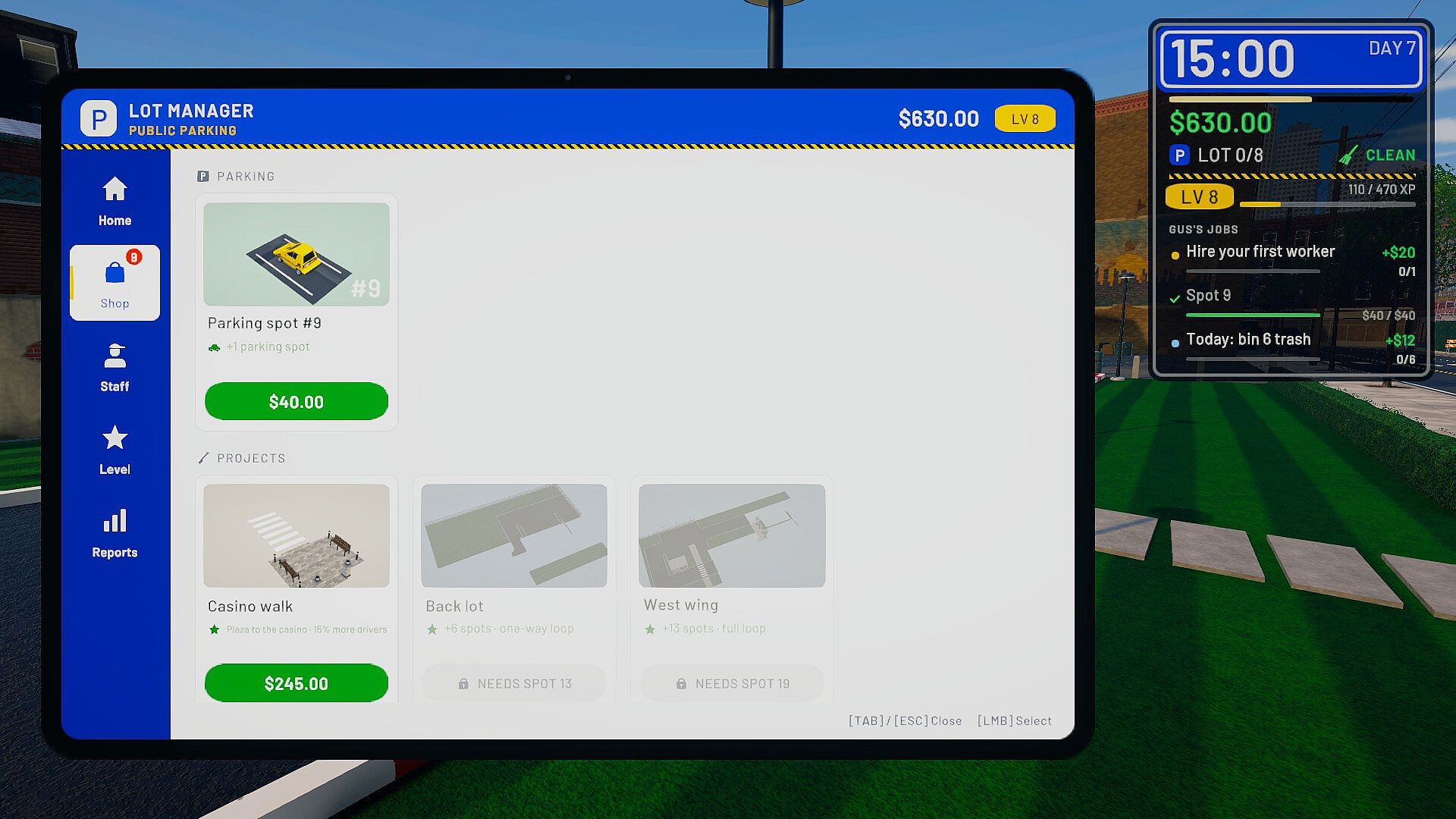
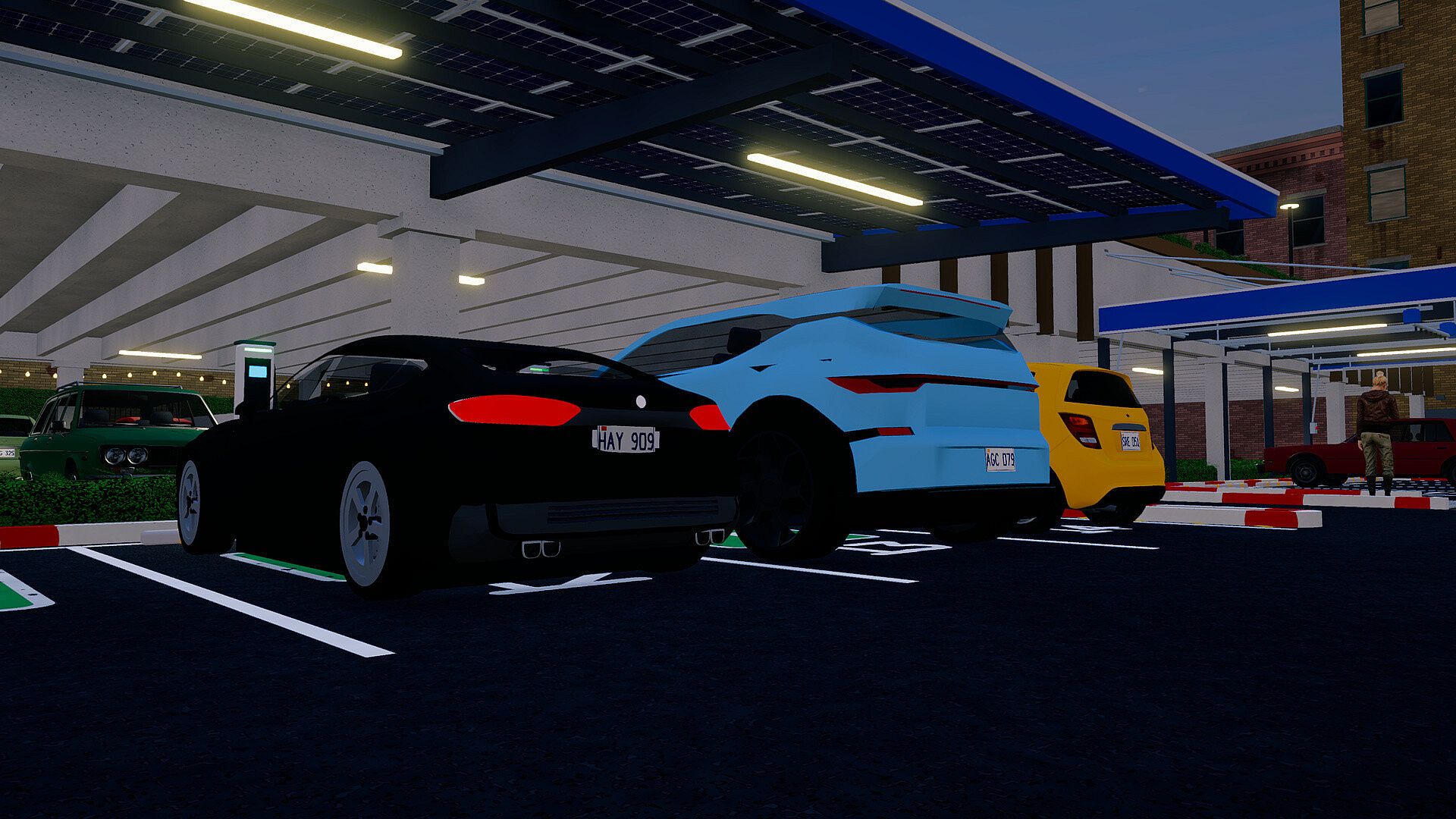
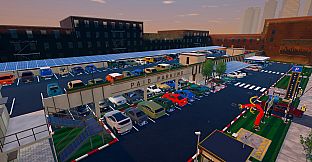
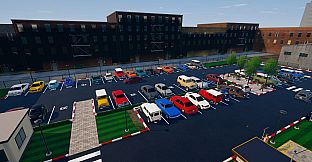
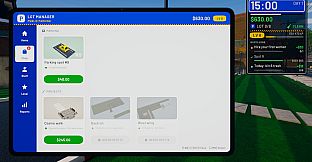
Expansion happens space by space. Players buy and paint new spots themselves, unlocking additional areas and eventually an upper deck. Further improvements include EV chargers under solar canopies, a car wash, ticketless plate recognition, and a VIP section with valet service. Over 50 different vehicles appear, ranging from classic models to modern electric cars. A full casino sits across the street for optional breaks involving slots, blackjack, or roulette, while scratch cards and coin flips add quick chances inside the lot itself.
Hiring staff helps handle routine tasks. Players select from candidates for roles such as cashiers, cleaners, service workers, a security guard, and a valet, then continue hands-on work alongside the team. A day-night cycle brings variety through broken machines, stranded drivers, and other daily incidents. At the end of each shift, players review a report before resting on a camp bed in the booth.
Game Modes
The experience follows a clear progression from the first morning onward. Players manage the lot through its early days, focusing on growth and operations until reaching a grand opening night featuring fireworks. After that event, free play mode unlocks, allowing continued management and attempts to surpass previous daily earnings records.
No separate competitive or multiplayer modes exist. The structure emphasizes single-player progression with a defined endpoint that transitions into open-ended play. Daily reports and the day-night cycle provide natural pacing throughout both phases.
Building and Managing the Lot
Growth relies entirely on reinvesting revenue. Starting with just two cracked spaces, a broken barrier, and limited cash, players gradually add capacity across eight areas plus the upper deck to reach a total of 135 spaces. Services like EV charging and valet parking increase income potential while plate recognition streamlines operations.
Staff management adds another layer. Each hire brings specific responsibilities, freeing the player to focus on booth duties, cleaning, or handling unusual situations. The casino across the street offers a change of pace without leaving the overall management focus.
Is It Worth Playing?
Paid Parking Simulator suits players who enjoy detailed, hands-on simulation games with a mix of routine tasks and long-term progression. The first-person perspective keeps the action immediate, from handling payments to physical maintenance and occasional interventions with bad parkers. The combination of expansion goals, staff oversight, and optional casino activities creates a steady rhythm that rewards consistent attention.
Those drawn to casual management titles with clear visual feedback on improvements will likely find the loop engaging. The game supports play in 27 languages and includes a full day-night cycle plus a defined campaign path leading into free play. As an upcoming release with no player reviews available yet, its appeal rests on the described systems of ticket handling, cleaning, hiring, and incremental growth from a tiny lot to a major complex.












