


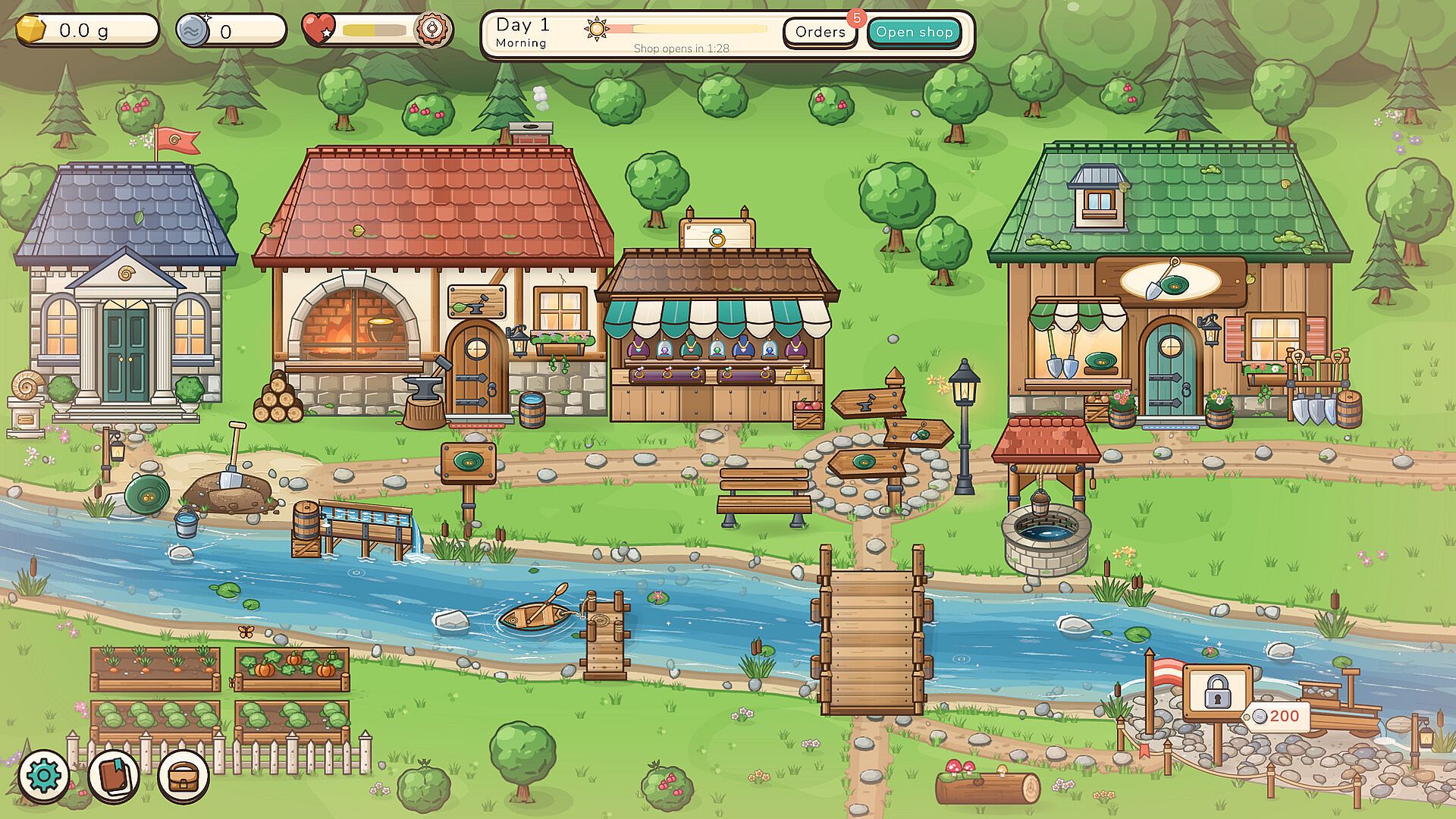


Panning Out is a single-player simulation game set in a quiet village where players take on the role of a goldsmith working along a sleepy creek. The core experience revolves around gathering materials from the riverbank, processing them into jewelry and other items, and fulfilling orders for local residents while gradually expanding a personal stall and workshop. This cozy title emphasizes deliberate, hands-on tasks over any sense of urgency or competition.
Gameplay
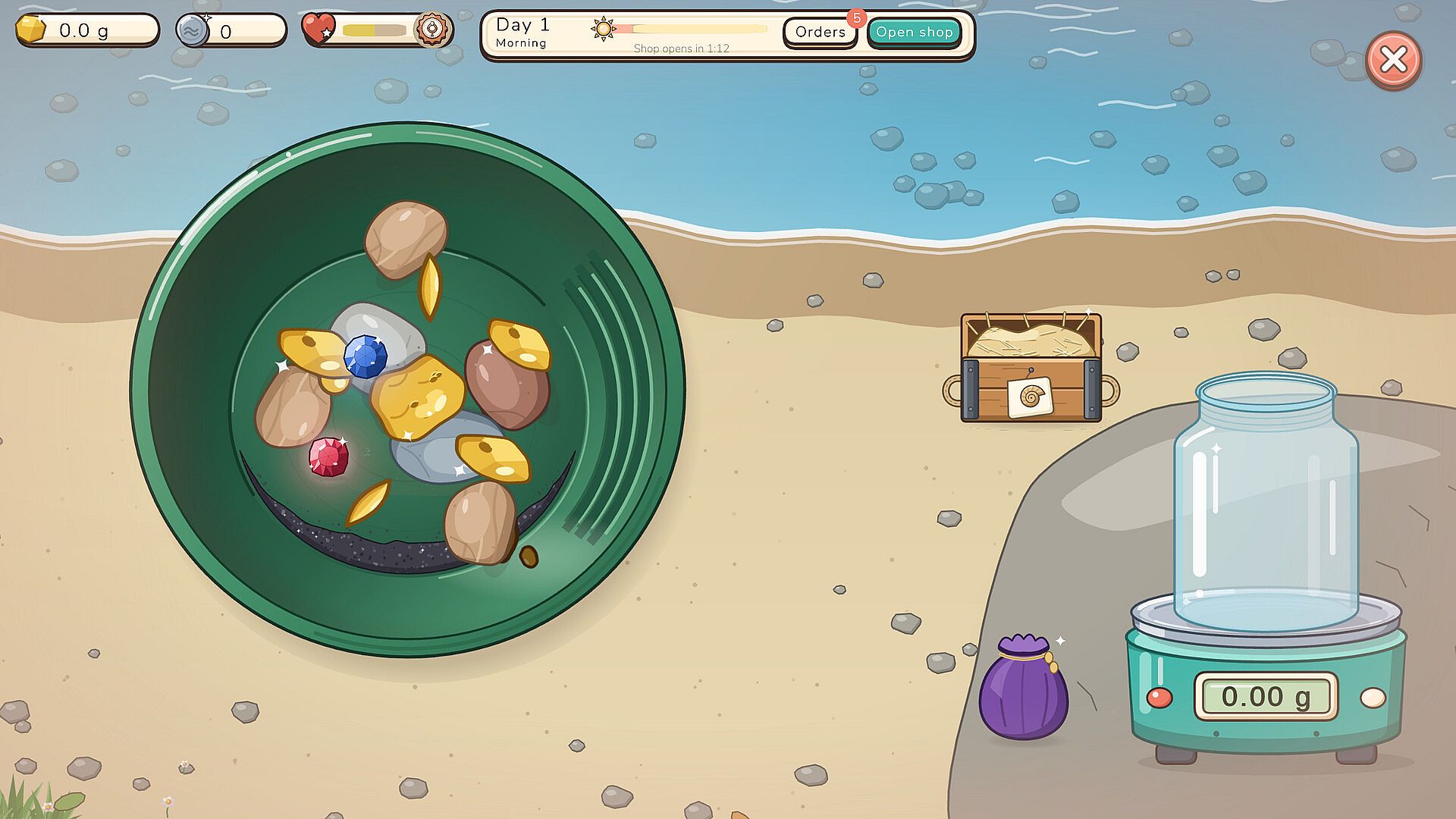
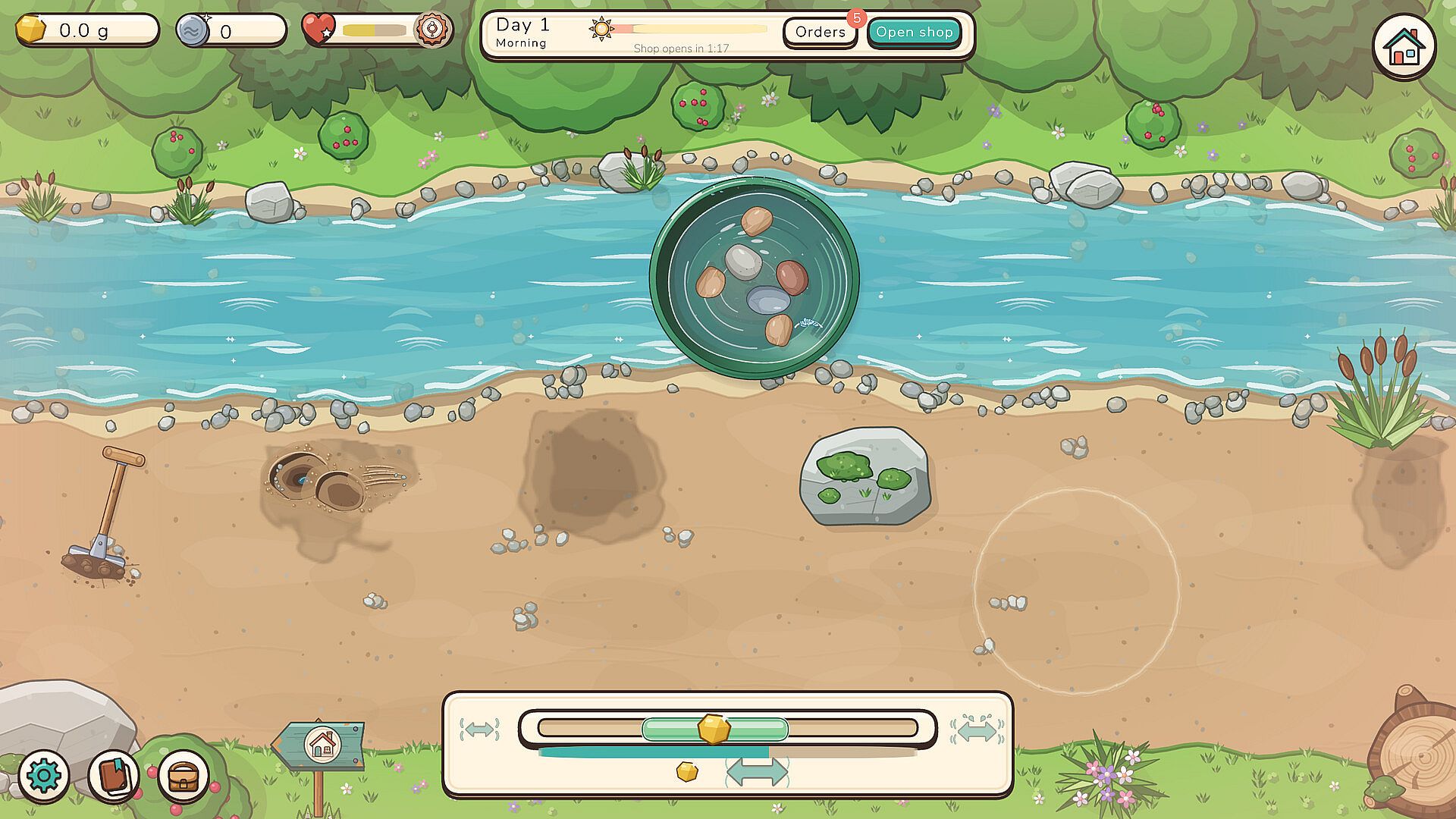
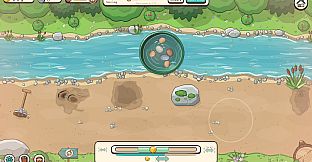
The gameplay loop centers on a sequence of crafting steps that players perform directly. Each day begins with checking a board for new orders, then heading to the creek to dig soil from promising spots along the bank. Loads go into a pan for washing in the stream, where shaking at a measured pace separates mud and reveals gold flakes along with occasional gemstones such as rubies, sapphires, emeralds, or amethysts. Players flick away stones and collect the valuables before returning to the forge.
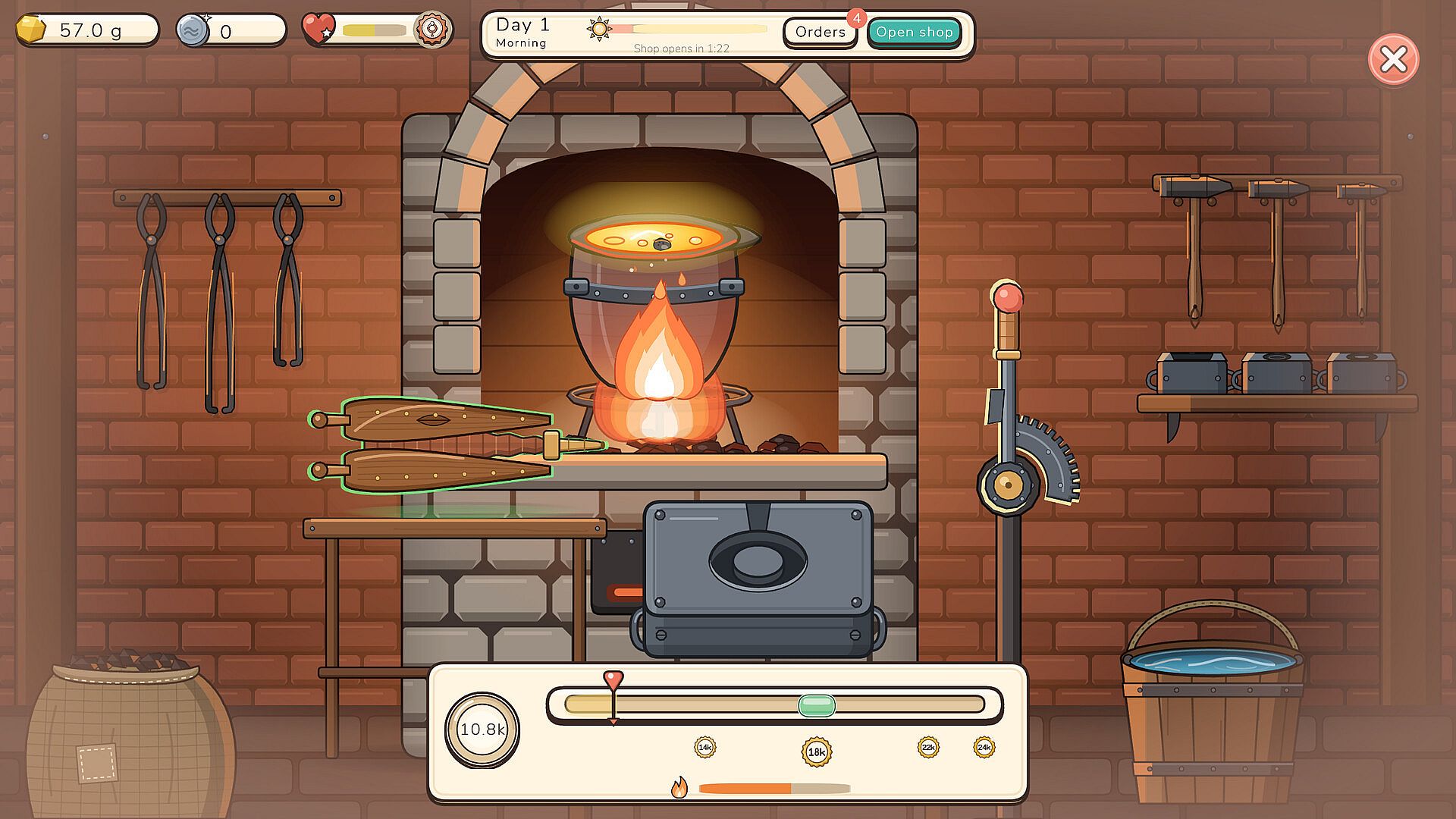
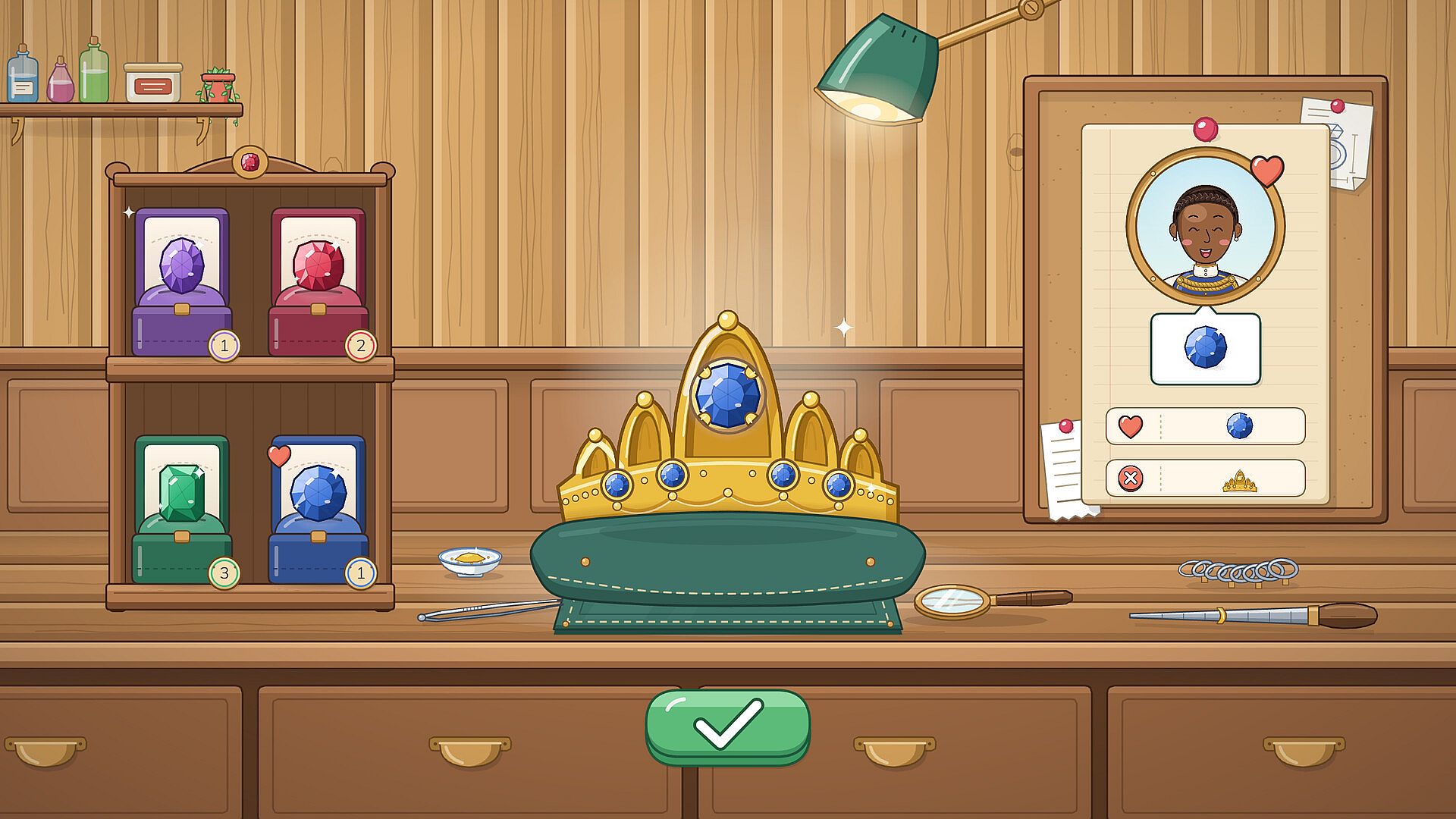
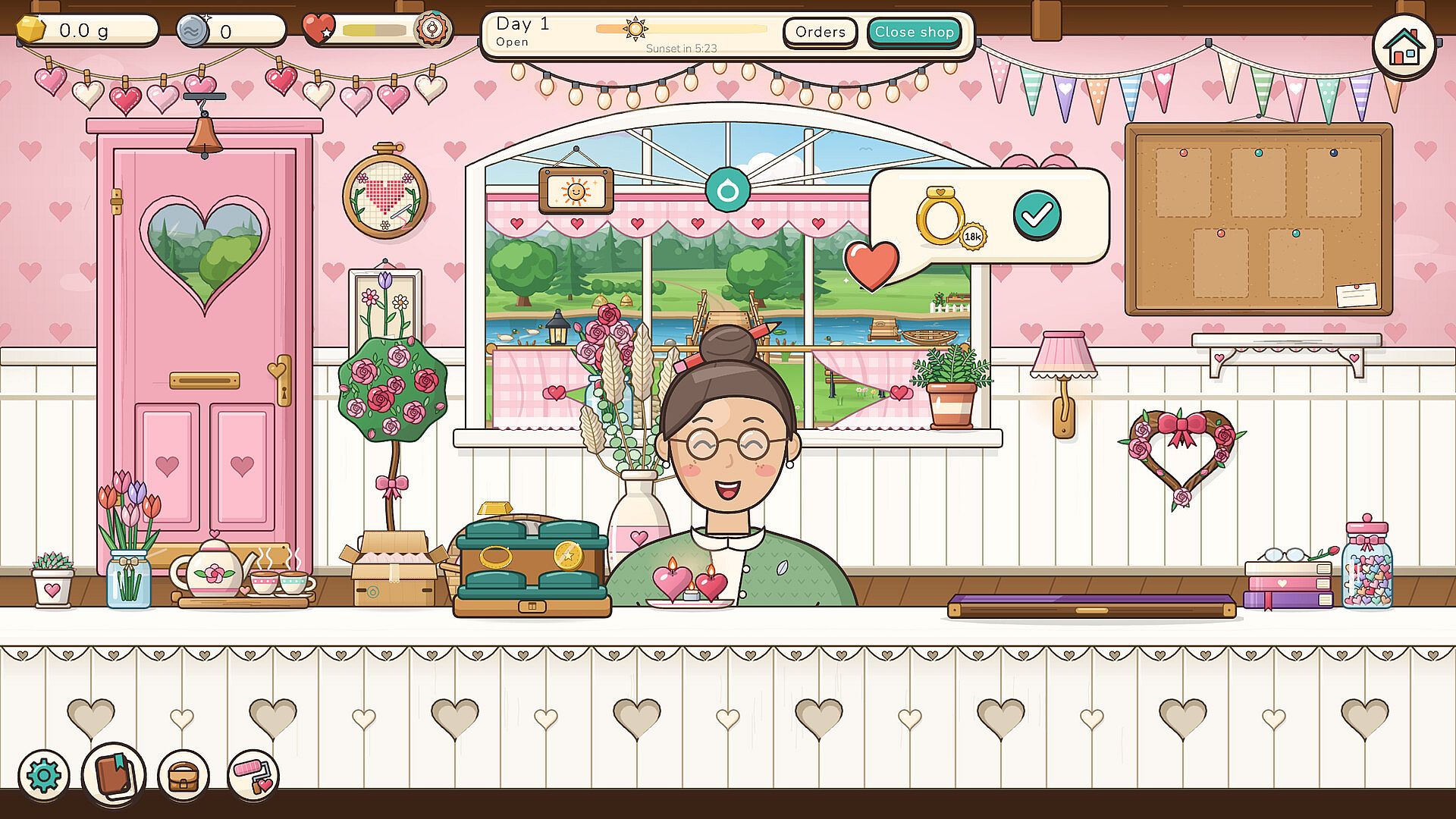
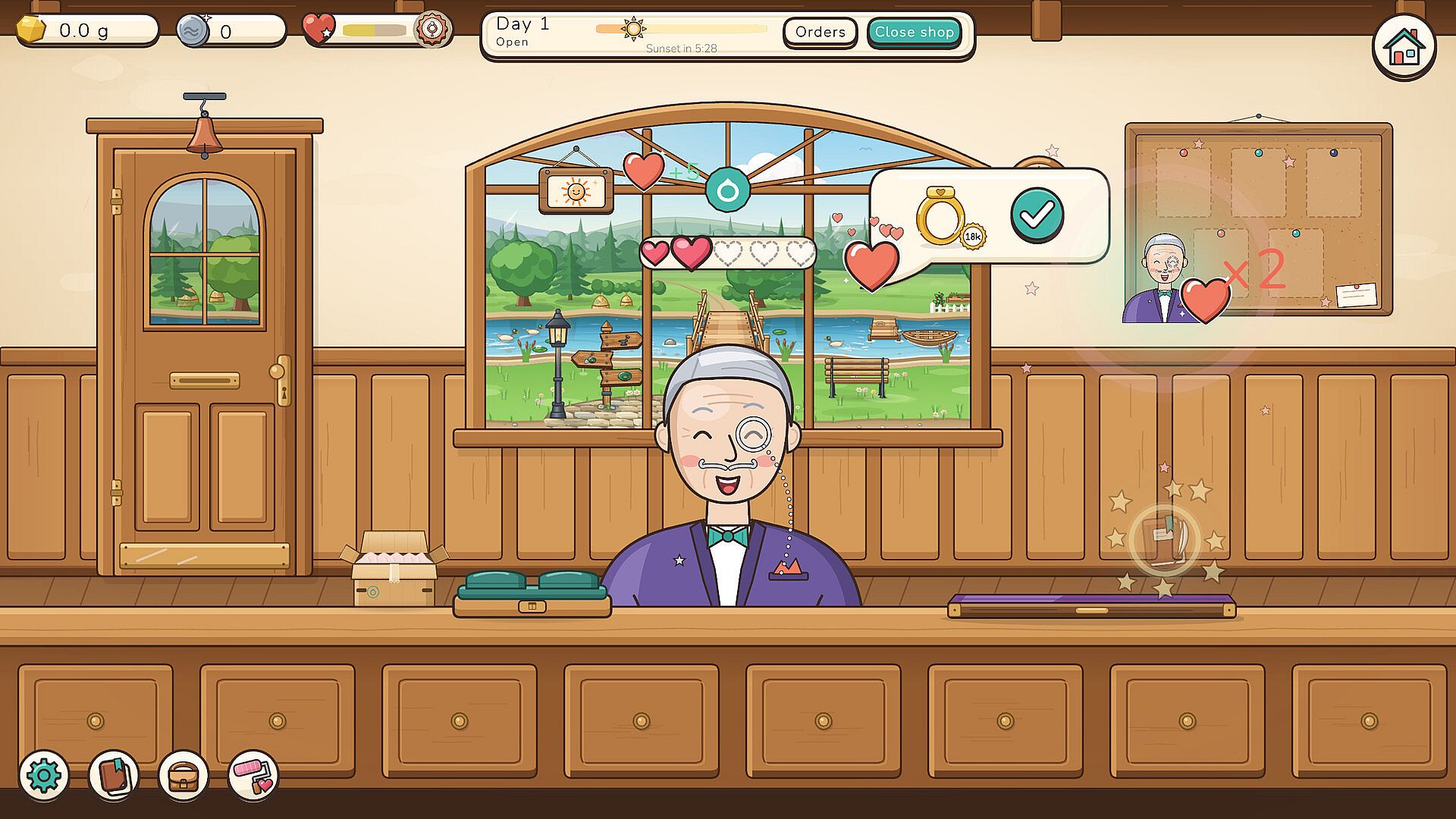
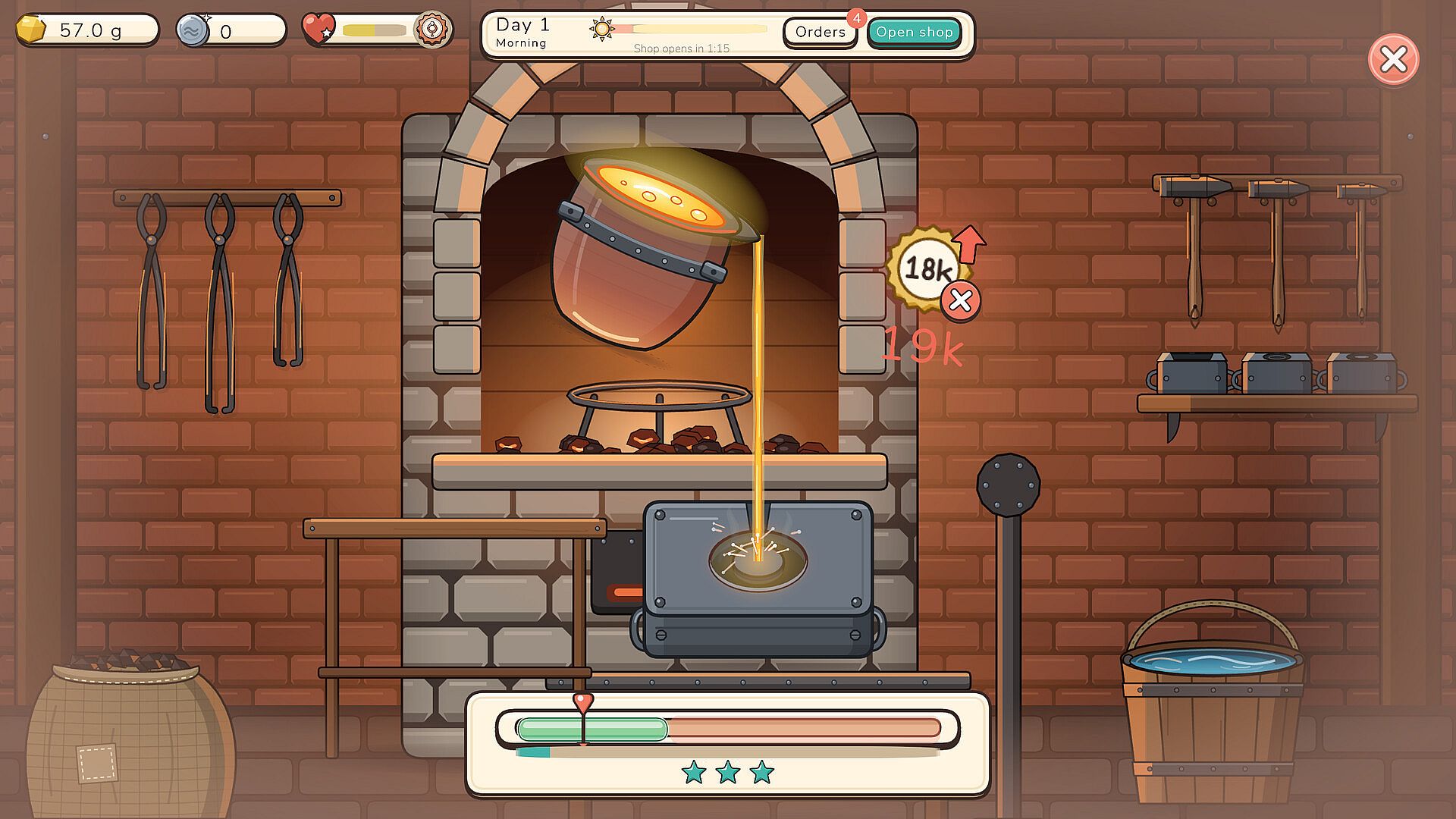
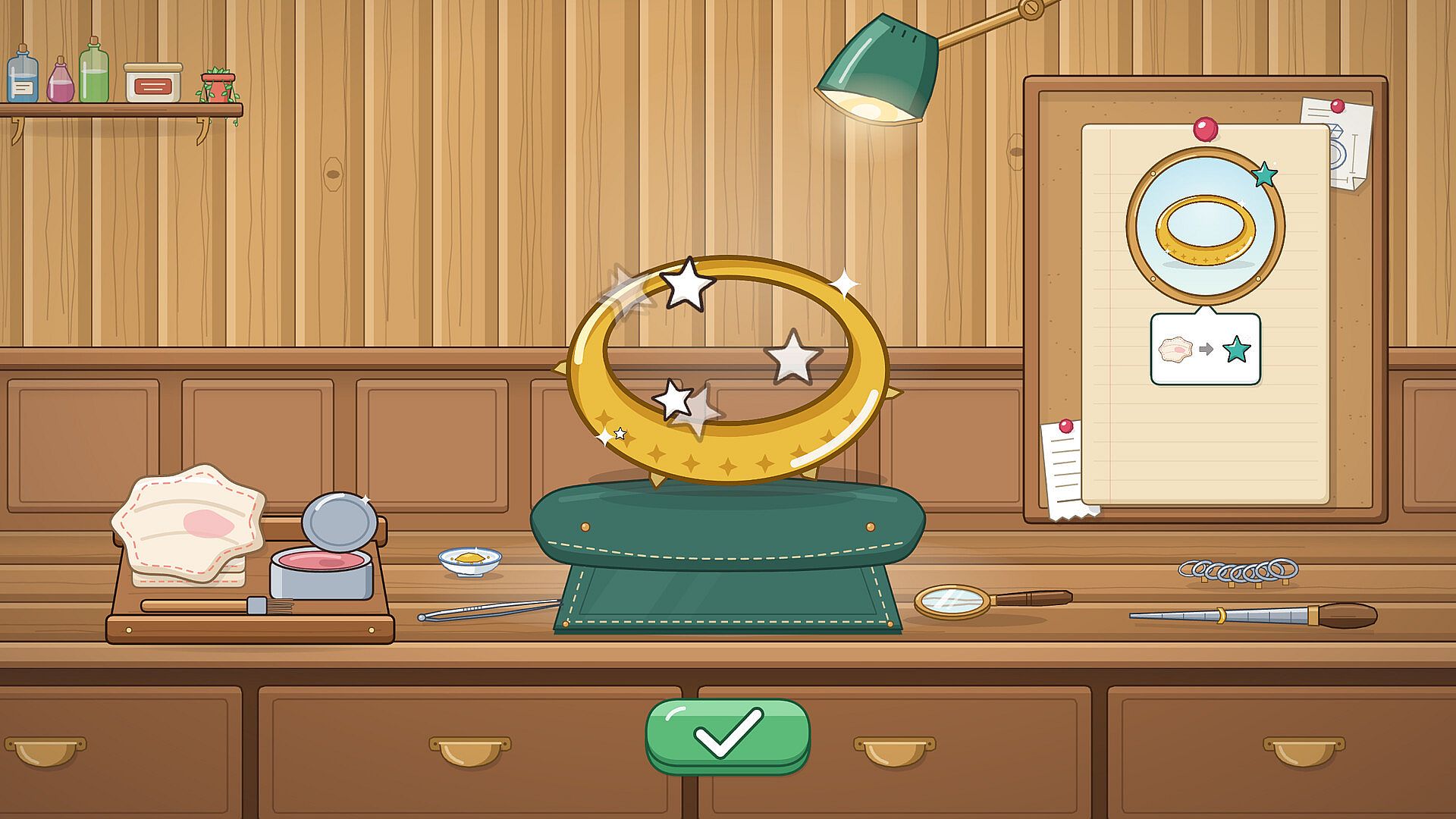
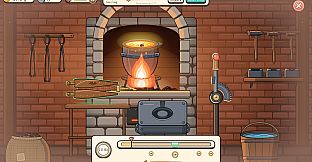
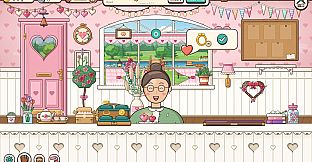
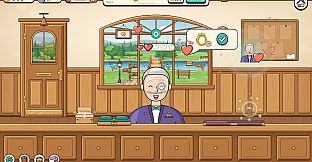
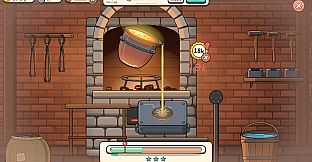
At the forge, gold is refined to the required karat level by pumping bellows, then poured into one of eighteen available molds to create items ranging from basic coins and rings to more elaborate lockets, goblets, or even a royal tiara. After casting, pieces receive polishing, hallmark stamping, and gem setting. Later stages introduce rose and white gold alloys for customers seeking higher-end work. Completed orders are packaged with a card, wrapped according to preference, and delivered by ringing a bell at the stall, where villagers respond with varying levels of satisfaction that can unlock hearts, gifts, and brief personal stories.
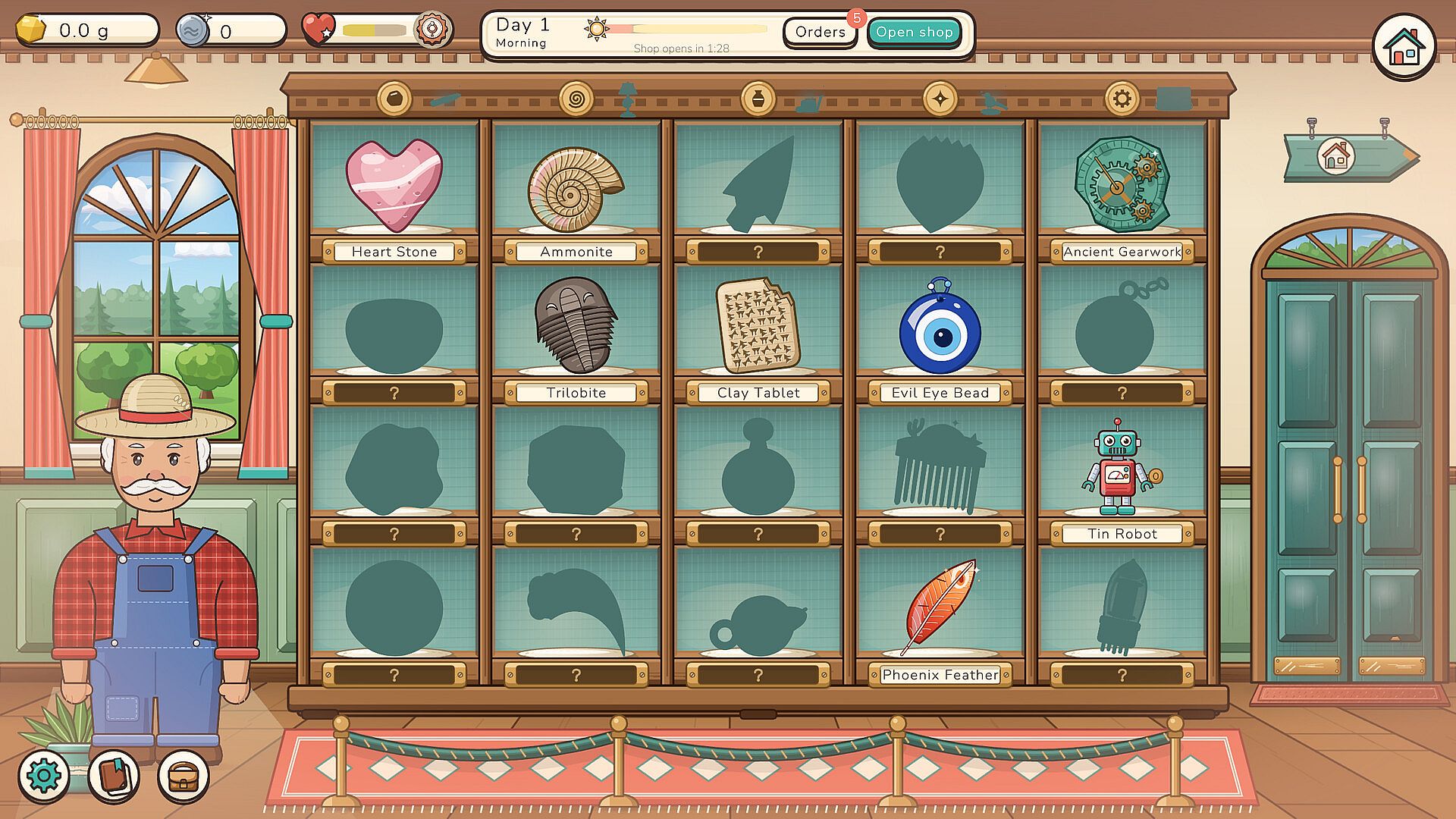
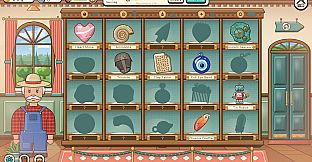
Additional systems include upgrading tools like shovels, pans, and the forge through purchases at the village store. Players also collect twenty unique curios for a museum display that draws villagers to visit. Decorations such as paints, wallpapers, garlands, and themed gift wraps allow customization of the stall, while guild progression involves completing masterpiece exams that lead toward a royal commission. A relaxing acoustic soundtrack and soft, tactile sound effects accompany every action.
Game Modes
Two distinct modes shape the pace of play. Cozy mode removes any time pressure, allowing each day to extend for as long as desired so players can focus entirely on the crafting sequence without interruption. Busy mode introduces a ticking clock that adds structure and mild challenge for those who prefer a more guided rhythm. Players can switch between the modes at any point during a session.
Both modes retain the same core mechanics of digging, panning, smelting, refining, pouring, polishing, stamping, and setting stones. The choice simply alters how much time is available before the next morning arrives with fresh orders. No other modes or variations appear in the game.
Progression and Village Life
Advancement comes through consistent order fulfillment and guild exams rather than any competitive ranking. Regular customers develop relationships that reward accurate deliveries with small gifts and short narrative snippets about their lives. The stall grows through accumulated sales, unlocking more shelf space and decoration options. Museum curation adds a separate collection goal, encouraging exploration of different riverbank spots for rare items that villagers then come to admire.
Tool upgrades improve efficiency at each stage of the process, from faster digging to better gold retention during panning. Three shades of gold and four gem types provide variety in the jewelry produced. The overall structure rewards steady, methodical play as the village gradually recognizes the goldsmith's growing skill.
Is It Worth Playing?
Panning Out suits players who enjoy deliberate crafting loops and relaxed single-player simulation experiences without timers or failure states in its primary mode. The hands-on sequence of physical tasks, from riverbank digging to final polishing, creates a satisfying rhythm supported by responsive controls and atmospheric audio. Village interactions add light narrative flavor through customer reactions and small stories, while customization and collection elements provide ongoing goals.
With 58 achievements and Steam Cloud support confirmed, the game offers clear milestones for completionists. As an upcoming title with no player reviews available yet, its appeal rests on the detailed systems described by the developer. Those drawn to cozy simulation games focused on resource gathering, item creation, and gradual stall improvement will likely find the pace and mechanics rewarding. The absence of multiplayer or high-pressure elements keeps the focus squarely on personal craftsmanship in a peaceful setting.