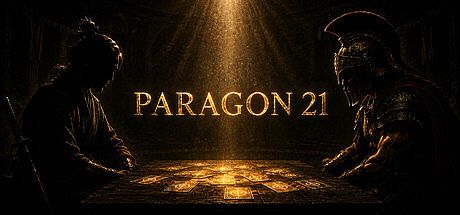



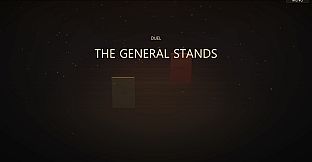
PARAGON 21 is a single-player strategy card game that pits historical warriors against one another in tense duels built around blackjack-style hand building. Developed as an indie title for PC, it blends casual accessibility with deeper strategic layers drawn from real historical figures who never actually met in life. Players select a warrior and face off across a table where reaching exactly 21 triggers powerful strikes, with hidden information and risk-reward decisions shaping every exchange.
Gameplay
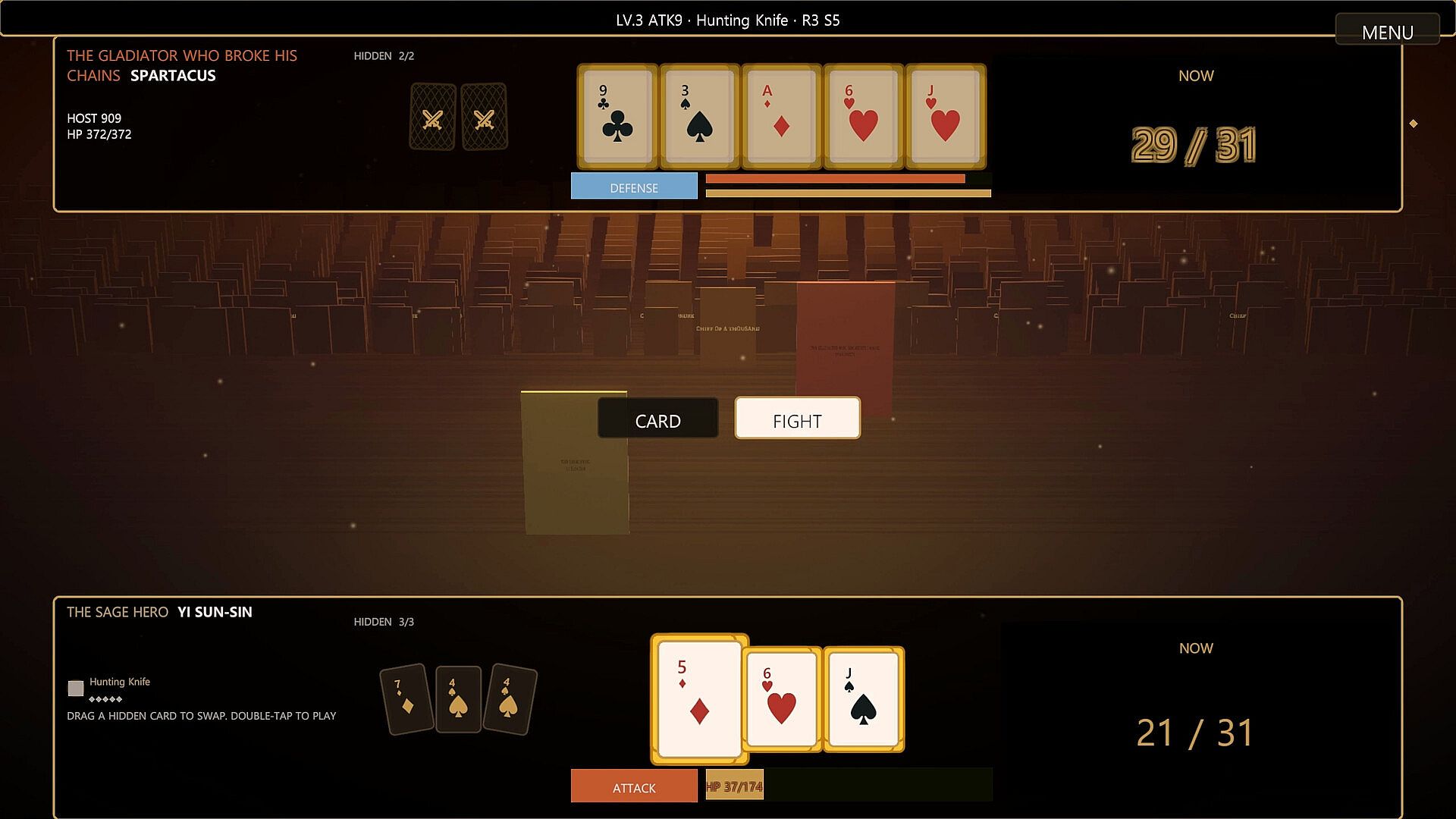
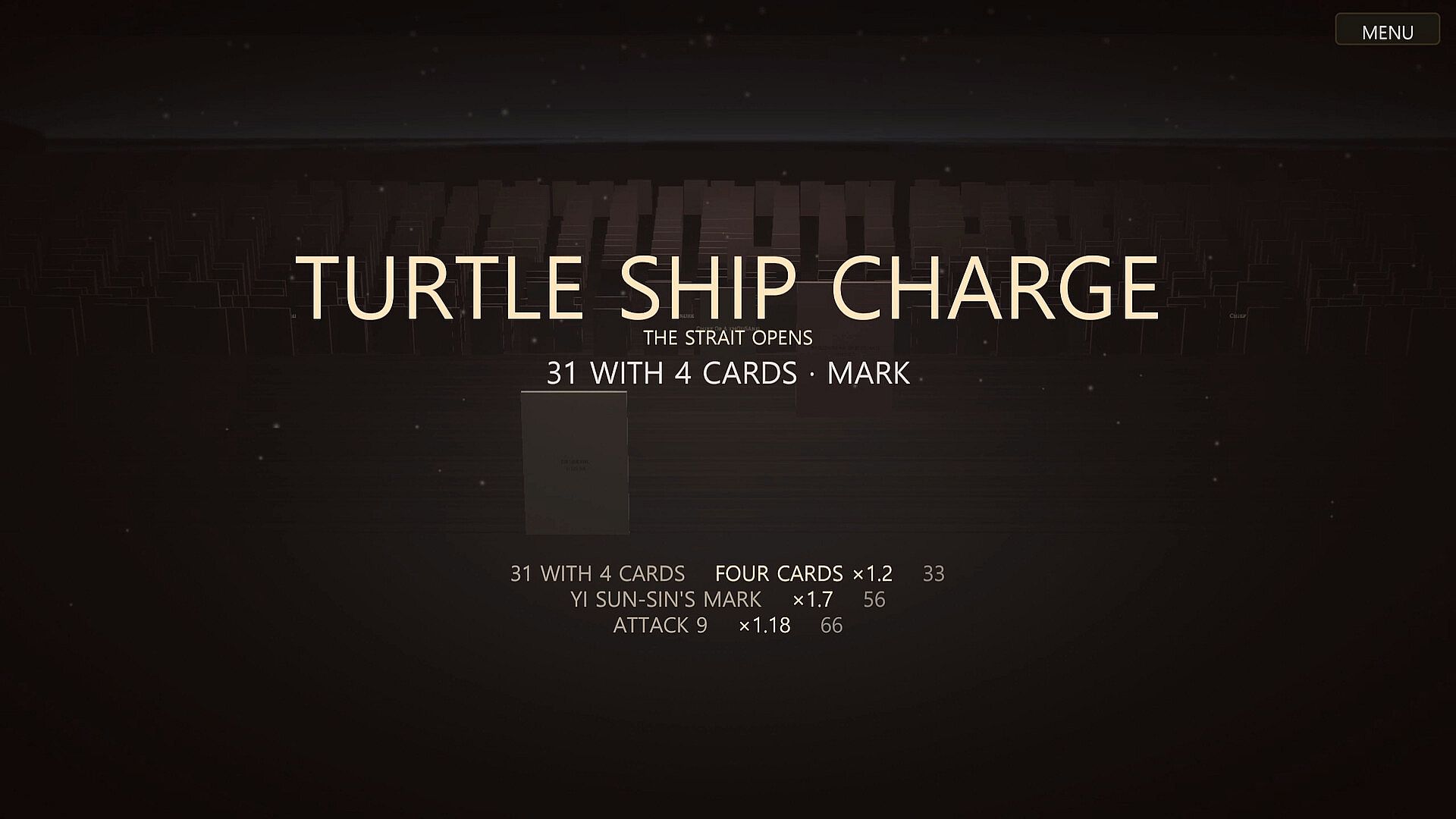
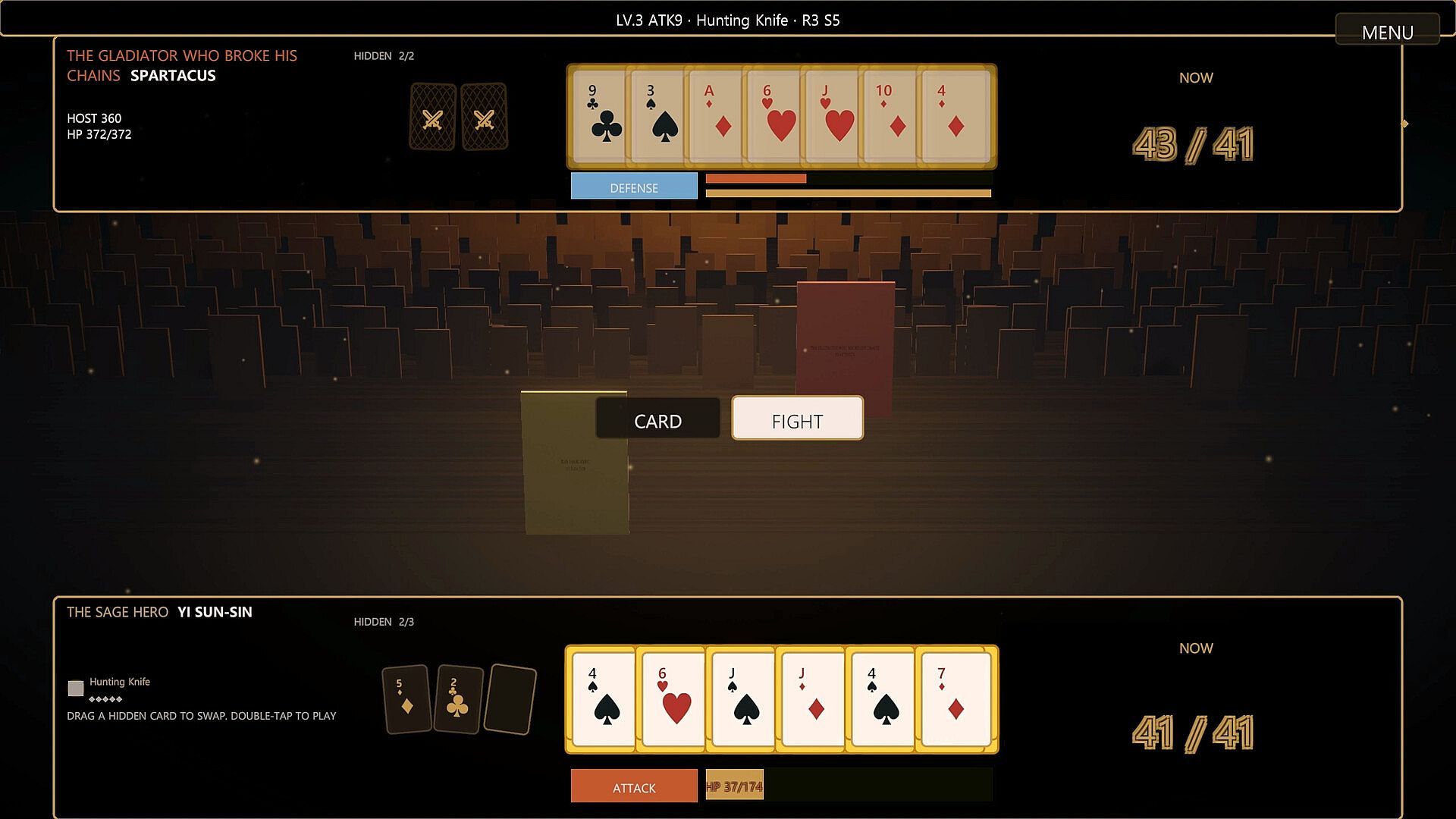
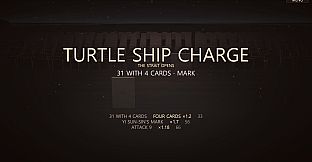
The core loop revolves around drawing cards to hit exactly 21 without going over. Each warrior brings four unique arts tied to different hand sizes, so a two-card blackjack delivers maximum impact while larger hands spread the same total across multiple strikes with varying effects. Yi Sun-sin, for example, channels his two-card art into the Battle of Myeongnyang and scales up to the five-card Battle of Hansan for the same numerical target but entirely different weight and consequences.
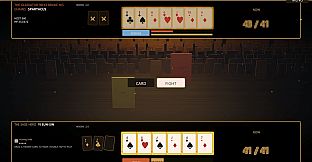
Two cards remain hidden from the opponent at all times. Players can swap these hidden cards onto the table, pull cards back, or rebuild their visible hand freely without spending a turn. Opponents see only the count of cards held, never the values, creating constant uncertainty that rewards careful observation and timely bluffs. This hidden layer turns every duel into a psychological contest layered on top of the numerical math.
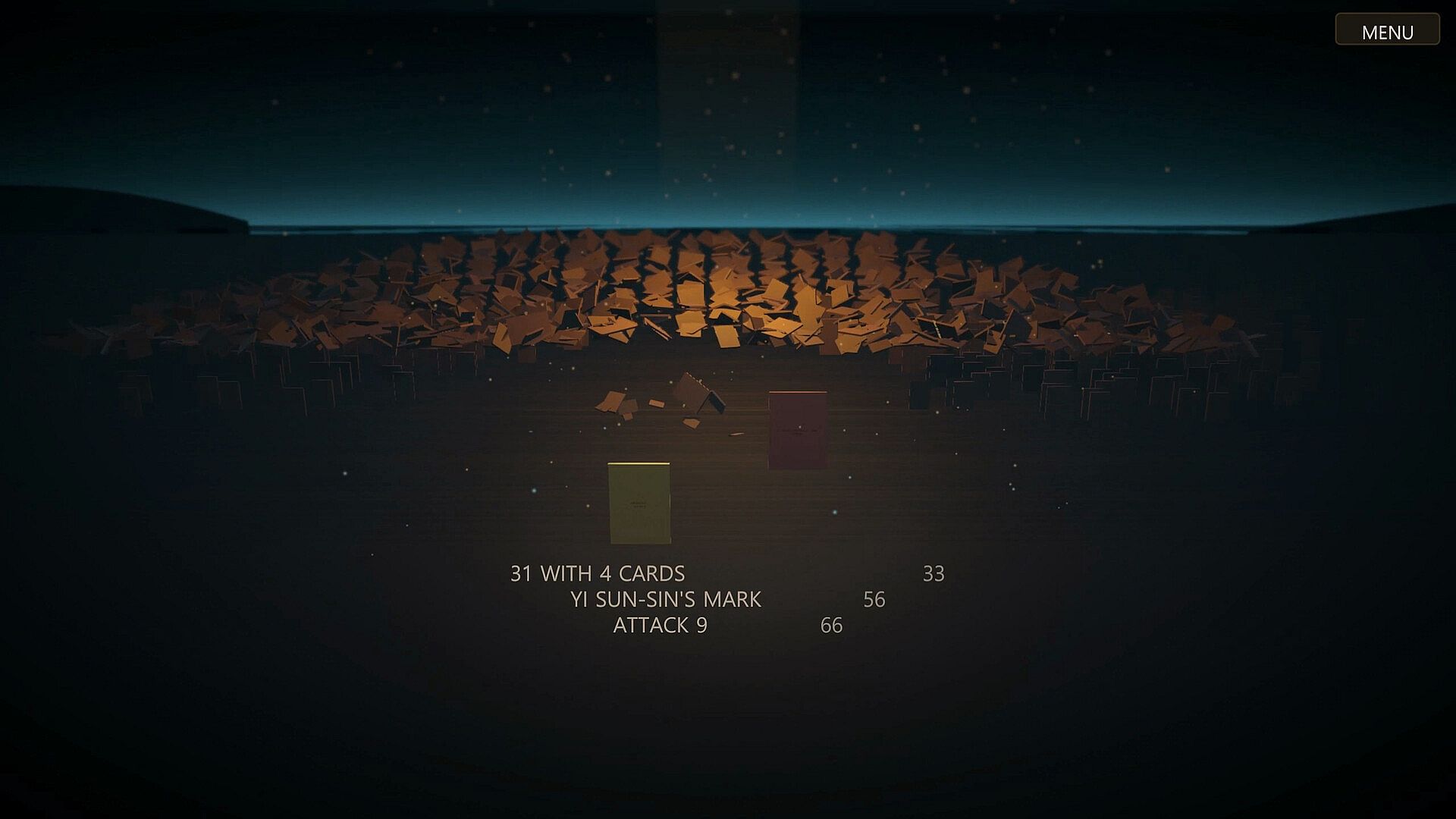
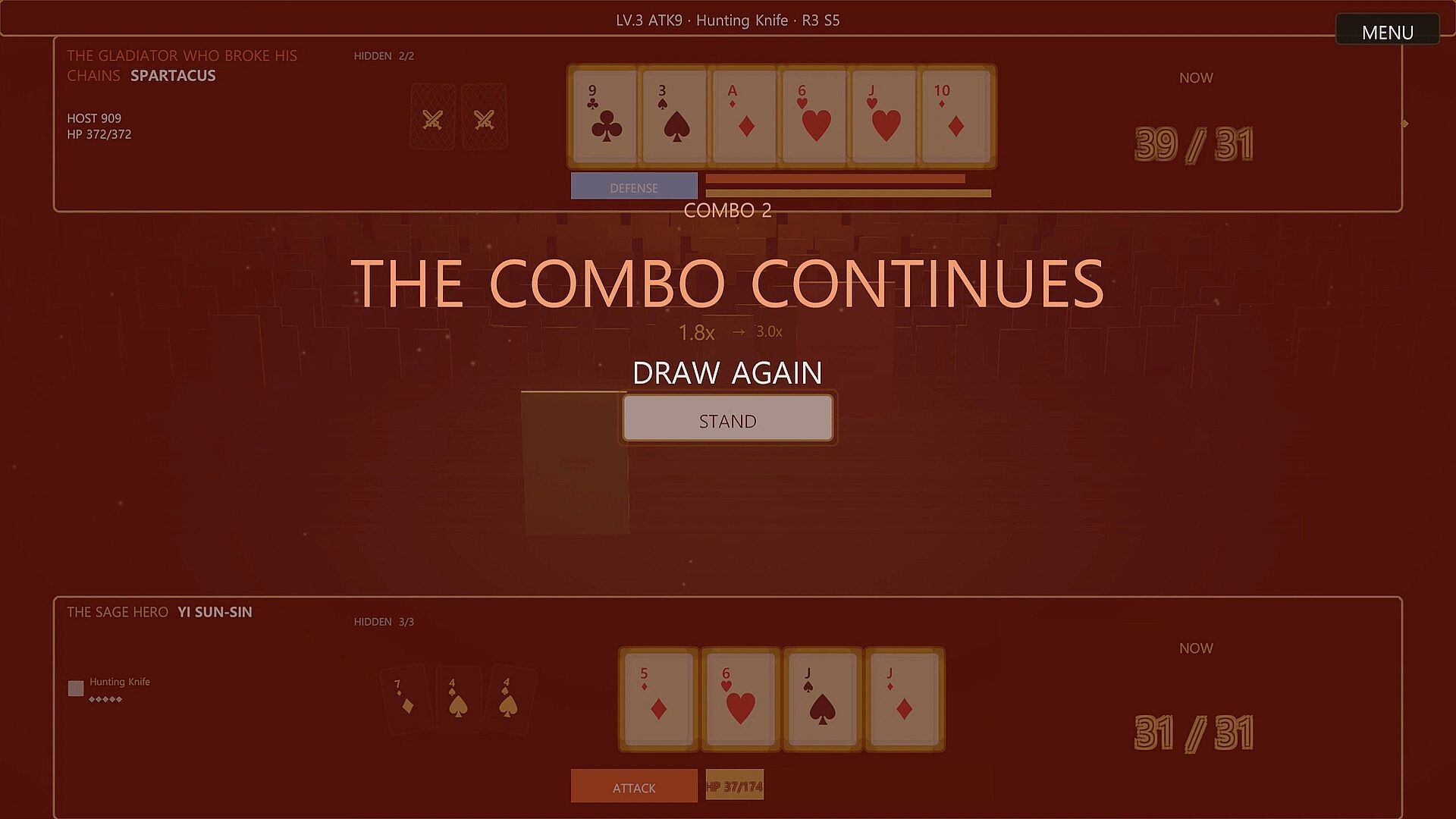
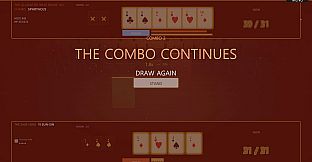
Successful finishers can be chained into longer sequences. The target limit rises to 31 and then 41, increasing the multiplier on damage dealt. A miss, however, returns half the accumulated value as damage to the player. The decision to stop for guaranteed progress or push for a bigger payout appears repeatedly, forcing constant evaluation of current momentum and remaining resources.
Game Modes
PARAGON 21 operates entirely in single-player. The experience centers on selecting a warrior and advancing through successive opponents, beginning with foot soldiers, moving to captains, and culminating in a confrontation with the enemy paragon. Each victory adds to a growing tally of defeated legends while the chosen warrior remains the constant factor. Progression emphasizes survival and adaptation across these escalating encounters rather than branching multiplayer formats.
No separate competitive ladders or co-op options appear in the available details. The structure supports repeated runs where different warrior choices alter the available arts and overall approach, encouraging experimentation within the same core duel framework.
Warriors and Historical Themes
Every fighter draws from documented history without supernatural elements. Korean admiral Yi Sun-sin stands alongside a Chinese warlord, a Japanese swordsman, and a Roman gladiator, each commanding forces that grow from small units to massive armies by the final stages. The blade and the count remain unchanged; only the scale of opposition expands. This setup keeps focus on the card mechanics while the narrative framing highlights the "what if" nature of these matchups.
Progression tracks the number of fallen legends, turning each completed path into a measurable record of conquest. The absence of magic or fantasy powers keeps every decision grounded in the card values and hidden information rather than external variables.
Is It Worth Playing?
PARAGON 21 targets players who enjoy deliberate strategy card games with elements of bluffing and calculated risk. Its single-player roguelite structure suits those who prefer self-paced sessions over live matchmaking, and the historical warrior theme adds flavor without complicating the rules. The game remains in a pre-release state with no user reviews or long-term update history available yet, so expectations should center on the described mechanics rather than community benchmarks.
Fans of casual strategy titles that reward pattern recognition and opponent reading will find the hidden-card system and chaining decisions engaging. Those seeking fast multiplayer action or extensive customization may want to wait for more information once the title launches. The compact scope and clear rules make it approachable for newcomers while the depth in hand management offers room for mastery over multiple runs.