

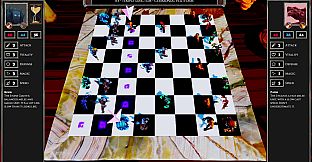
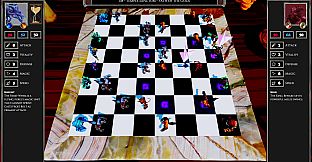
Pawnage blends chess strategy with real-time action combat in a way that turns every match into a series of high-stakes individual fights. This early access title on PC places players in control of chess pieces that leave the board to settle disputes in dedicated 3D arenas. The result is a hybrid experience where board positioning matters, yet the outcome often hinges on direct skill in melee and spell-based duels rather than abstract rules or random elements.
Gameplay
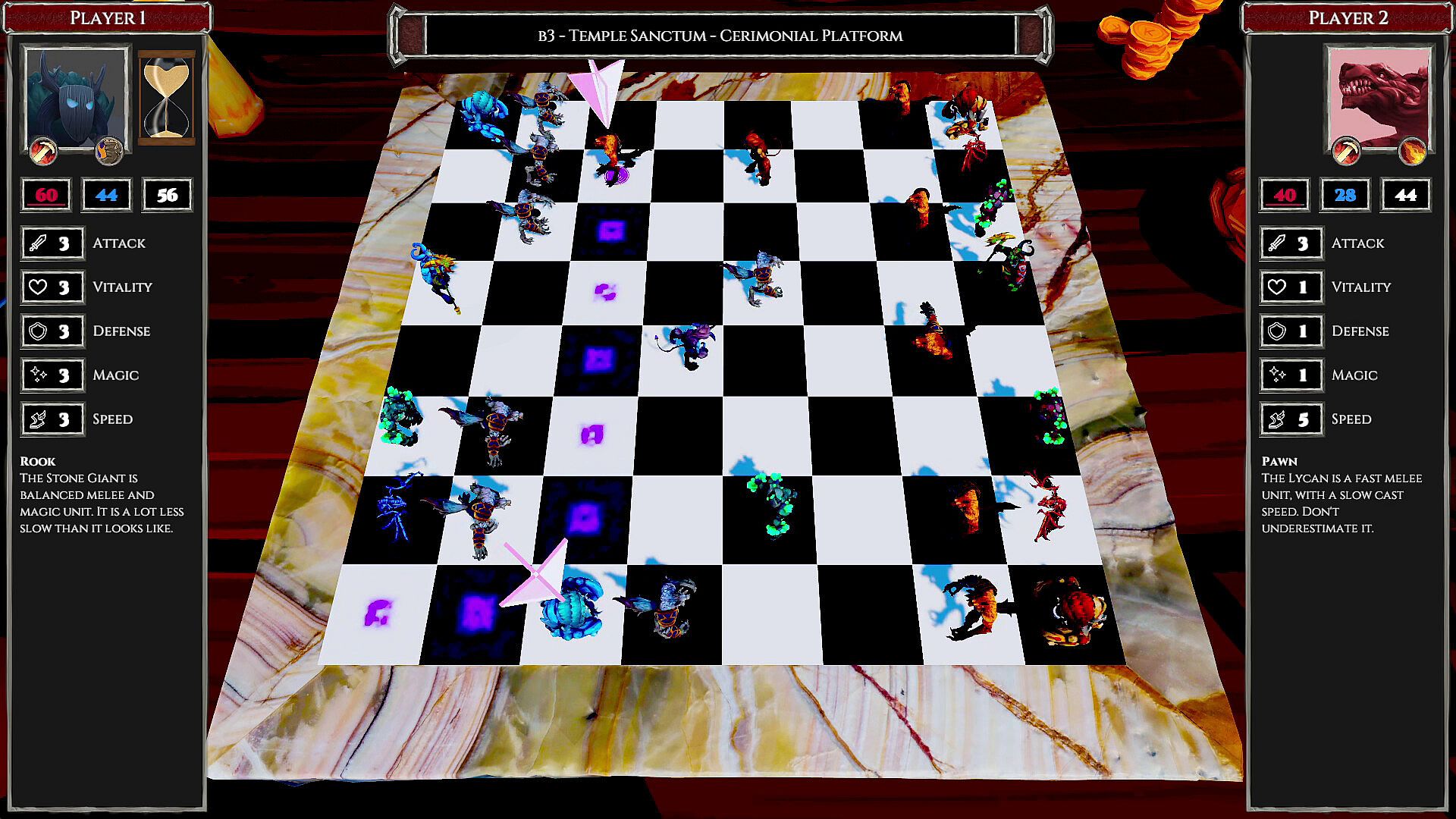
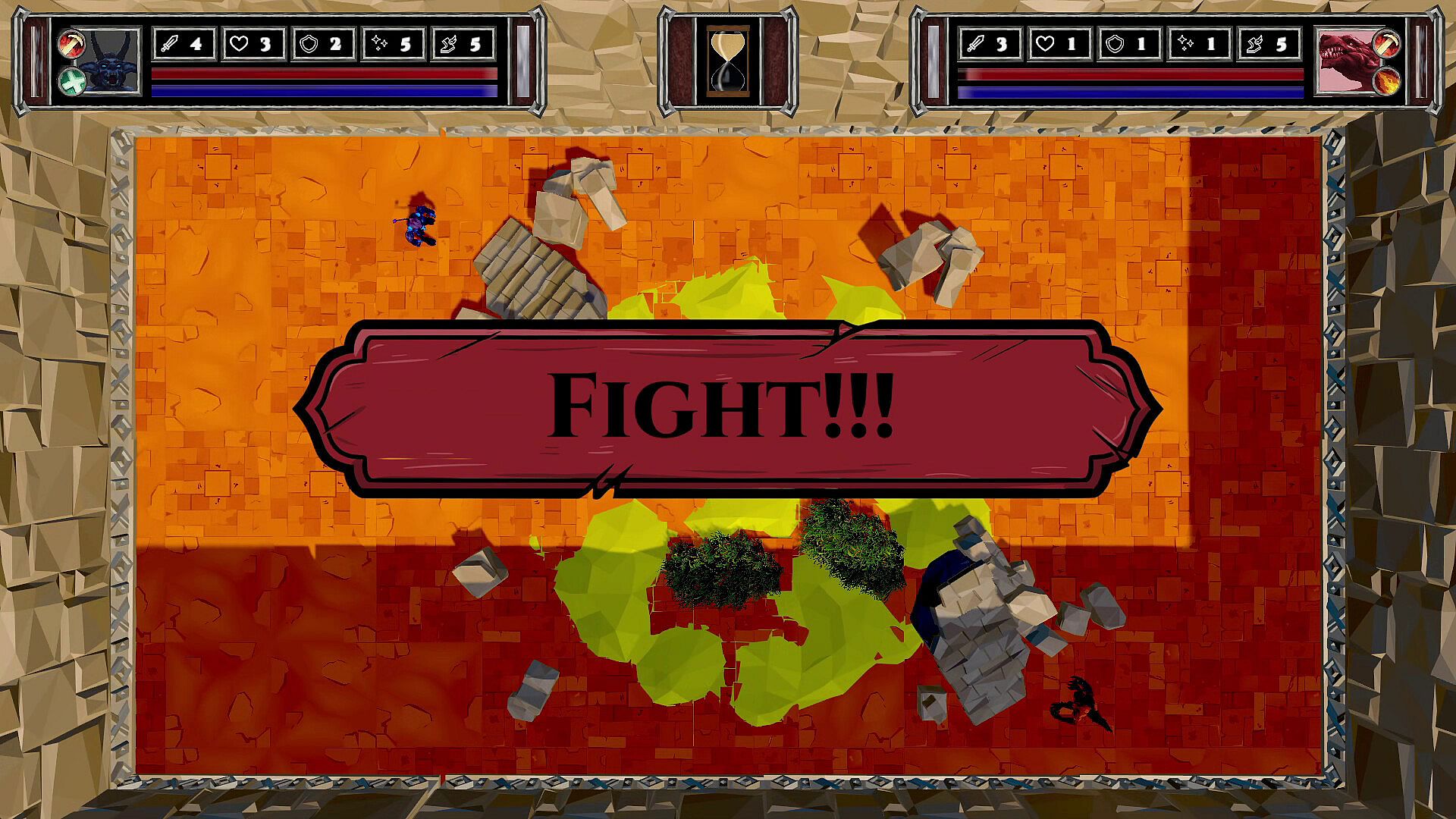
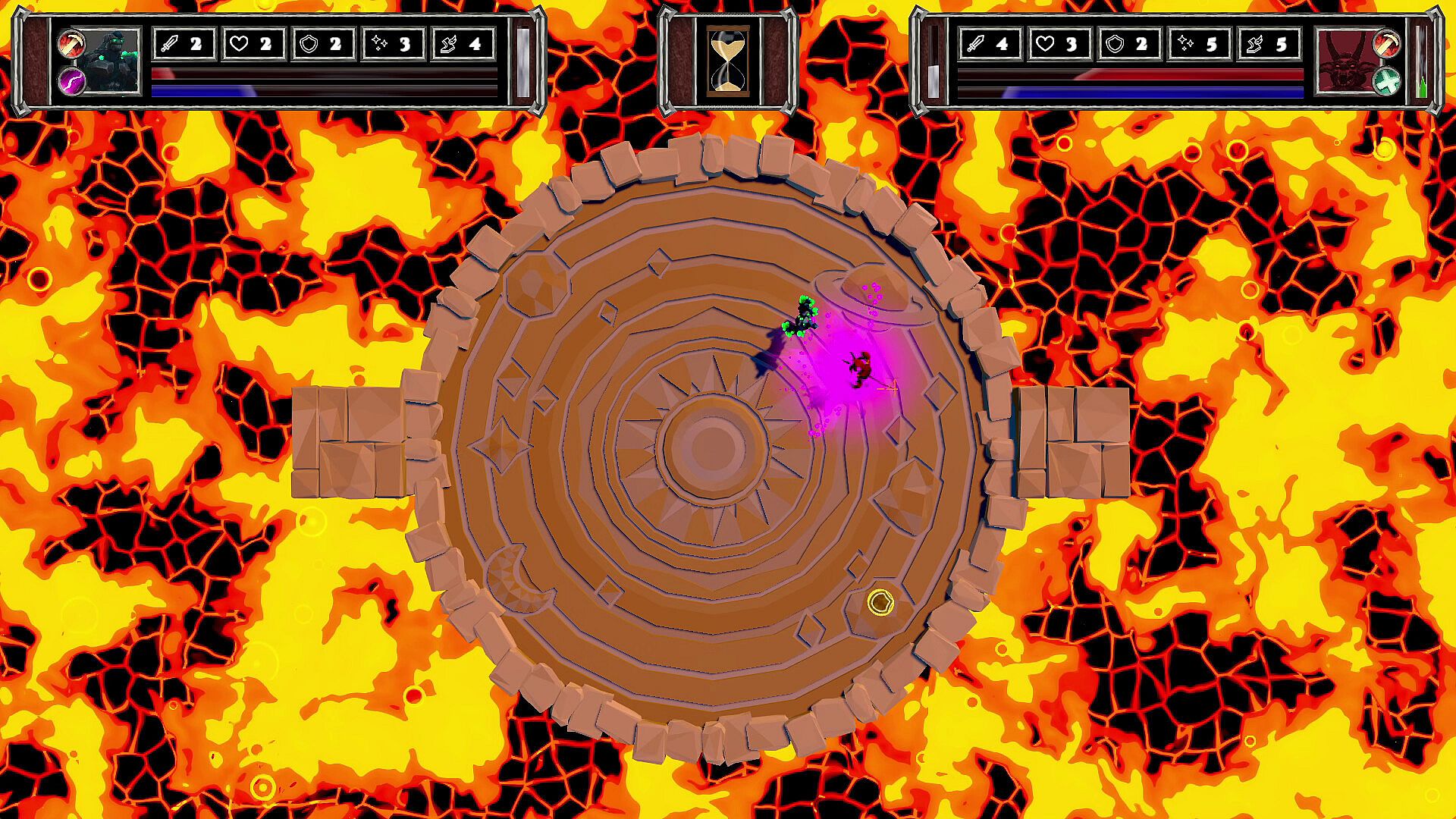
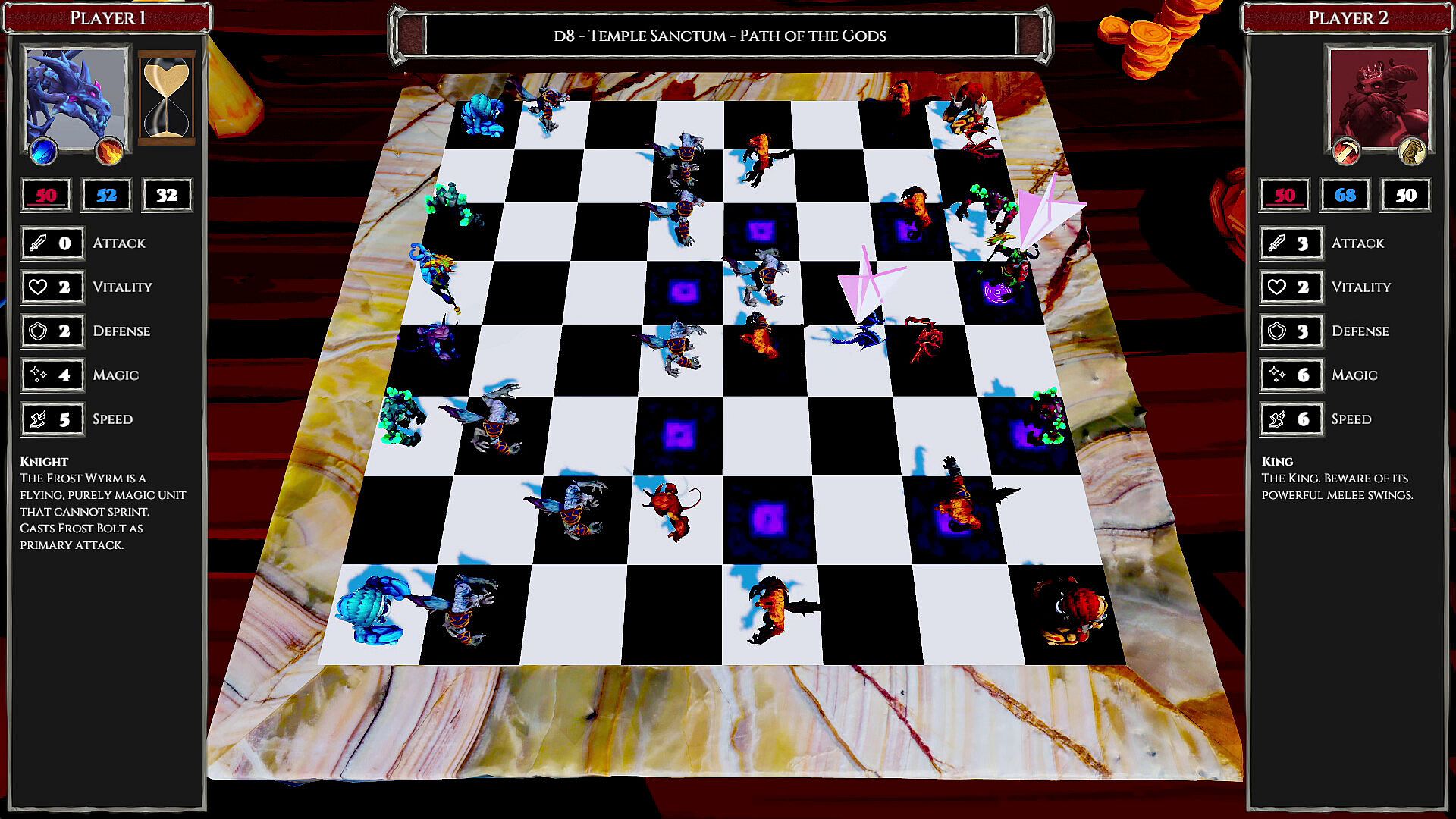
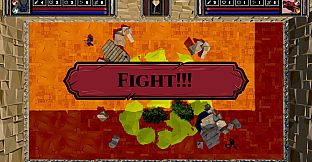
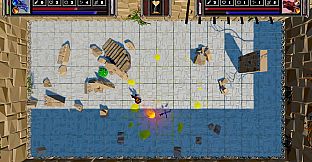
Matches begin on a standard chess board, but any capture attempt triggers a shift to a real-time arena fight. A knight sliding onto an opposing queen, for example, causes the board to vanish and drops both pieces into a three-dimensional space where they battle without turns or dice. Victory returns the winner to the board on that square, while defeat removes the losing piece permanently. This system makes every trade risky, since even a powerful queen can fall to a well-played pawn.
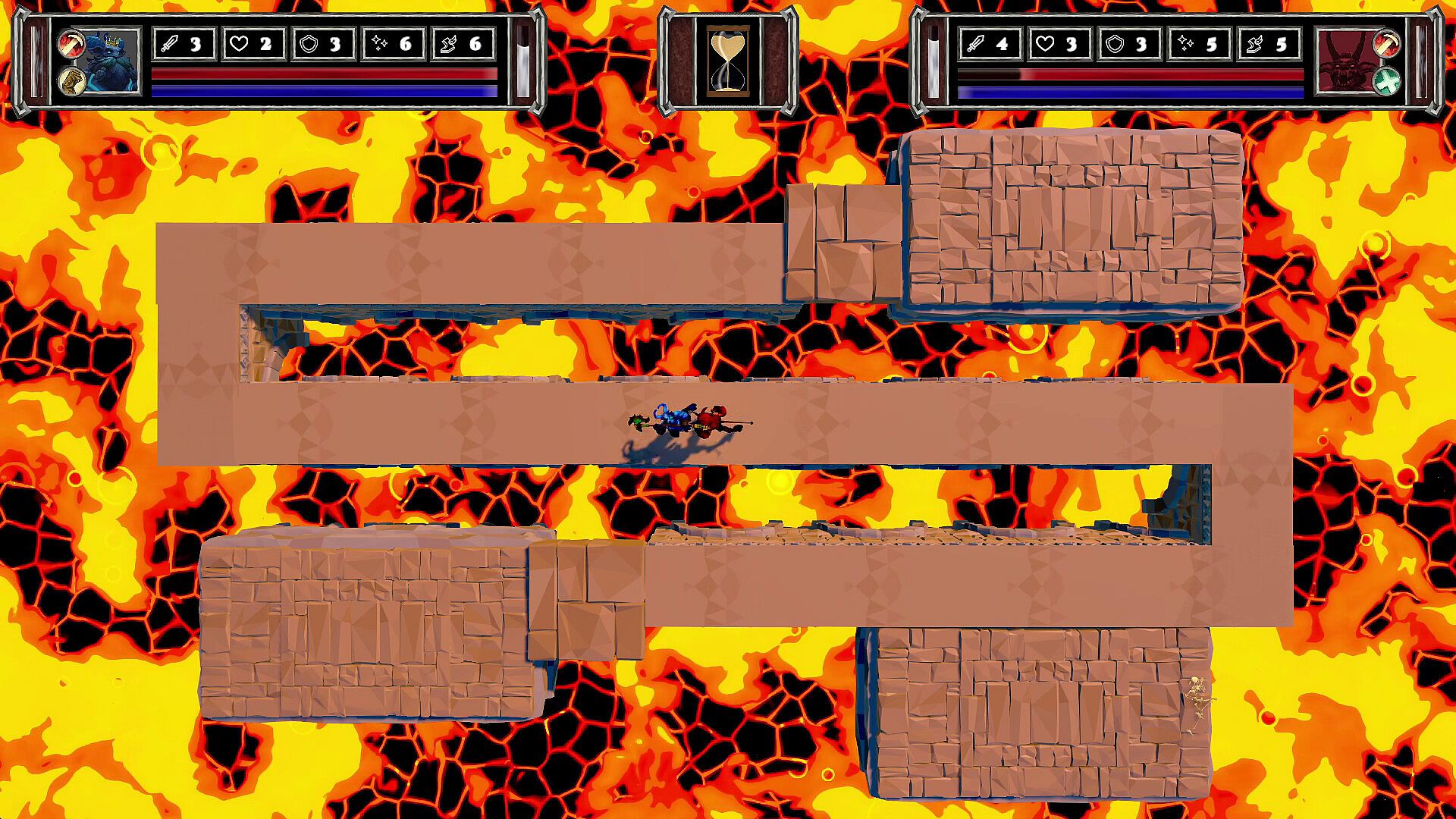
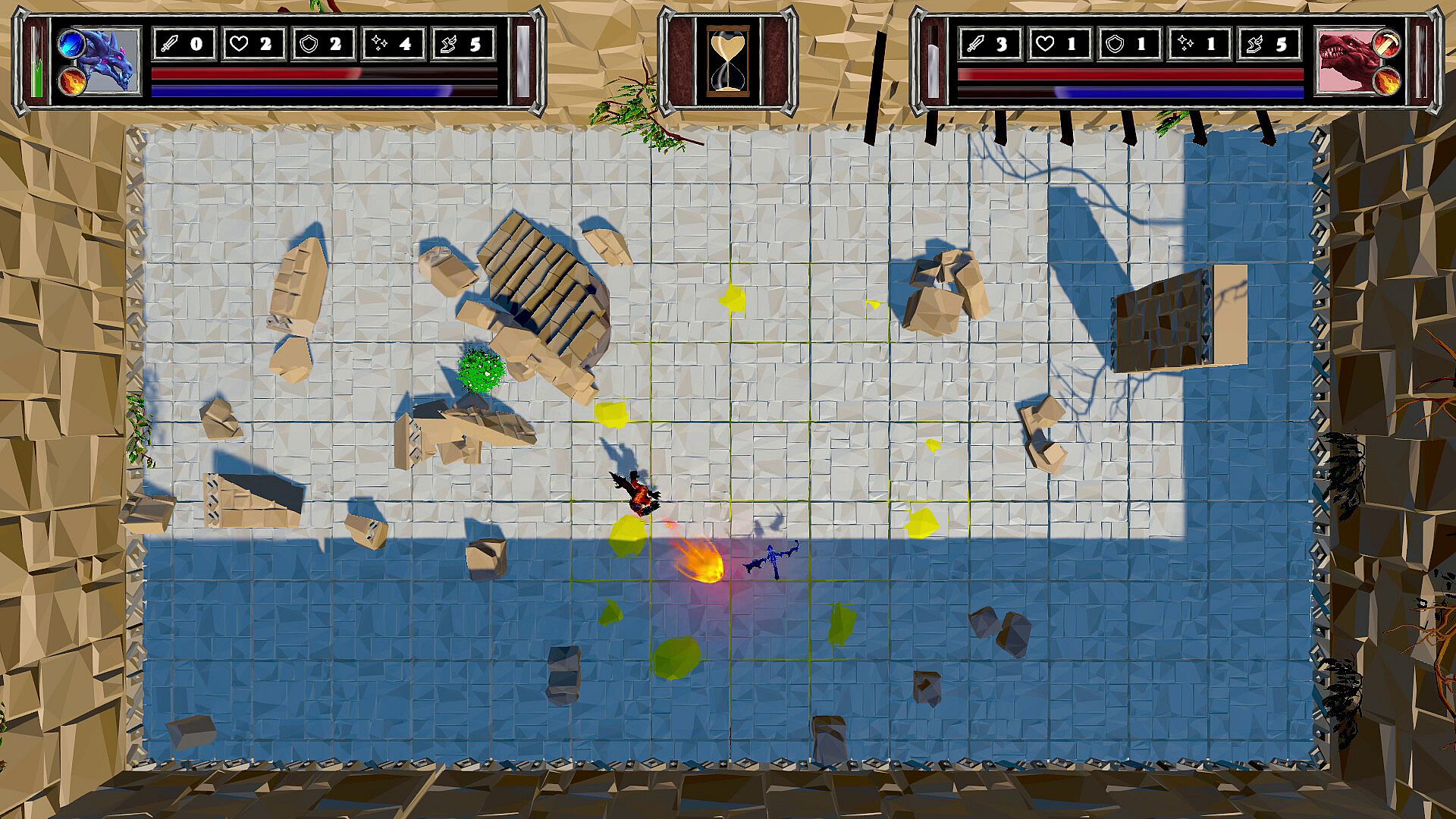
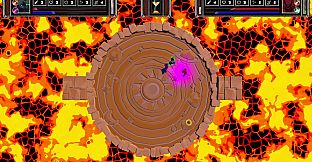
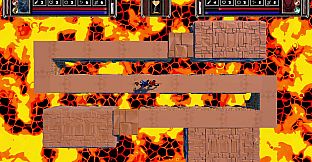
Each square on the board maps to a unique arena that changes with every match. One location might feature spike traps and pressure plates, while another includes pits capable of ending a duel instantly. Players must learn the layout of the current arena or risk environmental hazards deciding the fight. Power-ups drop during combat, offering health, mana, stat boosts, or a random spell to the first combatant who reaches them. Managing stamina becomes critical, as it governs sprinting and attacks; expending it too quickly leaves a piece vulnerable, while hoarding it can mean dying with unused resources.
Piece types carry distinct stats and attack options. Some rely on melee strikes, others on spells such as fireballs or frostbolts, and a few combine both. Strength and speed buffs appear alongside heals, forcing players to adapt their approach based on the piece they control and the opponent they face. The arenas themselves are never neutral, so positioning around traps or power-up spawns often determines who claims the square.
Game Modes
Pawnage supports direct 1v1 online matches against other players through Steam integration. These encounters emphasize quick sessions where board control and arena skill combine to decide the winner. Reaching the enemy king through a successful duel ends the match outright, bypassing the need to clear the entire board.
Single-player options include matches against CPU opponents set across multiple difficulty levels. These serve as practice for learning piece matchups, arena layouts, and resource management before entering online play. The CPU modes scale to help players build familiarity with the core loop of board movement followed by real-time combat.
Piece Abilities and Arena Hazards
Every piece type brings its own strengths to the arena. Pawns might excel at close-range pressure, while higher-value pieces carry stronger spells or greater reach. Stamina and mana pools add another layer, requiring players to balance aggressive bursts with defensive play. Power-ups that appear mid-fight can swing momentum, rewarding quick movement and map awareness over raw stats.
Arena design varies enough that fighting on d4 feels distinct from a battle on h7. Traps, elevation changes, and interactive elements force constant adaptation. A player who ignores the ground they stand on will quickly find themselves at a disadvantage against someone who uses the environment to their advantage.
Is It Worth Playing?
Pawnage appeals most to players who enjoy skill-based 1v1 combat layered over strategic board positioning. Those drawn to chess variants that reward timing, positioning, and resource decisions will find the real-time duels a fresh take on familiar pieces. The early access state means the core systems are playable now, with online matches and CPU opponents available for immediate engagement.
Anyone seeking a pure traditional chess experience or a fully polished release may want to wait for further updates. The game rewards repeated practice in arena fights and board awareness, suiting competitive players who prefer direct confrontation over long-term campaign elements. Its mix of familiar chess pieces and arcade-style combat creates a niche that stands apart from standard strategy or fighting titles.