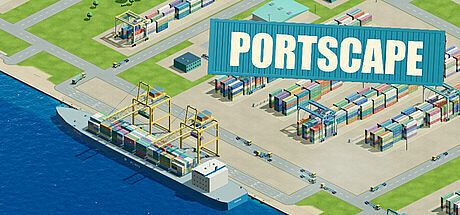


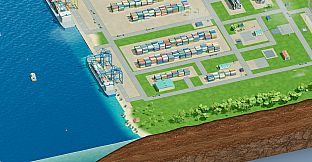
Portscape is a strategy, casual, and simulation game set on PC where players construct and operate a growing port facility. The core experience centers on expanding a modest waterfront into a functional harbor through careful planning and direct involvement in daily operations.
Gameplay
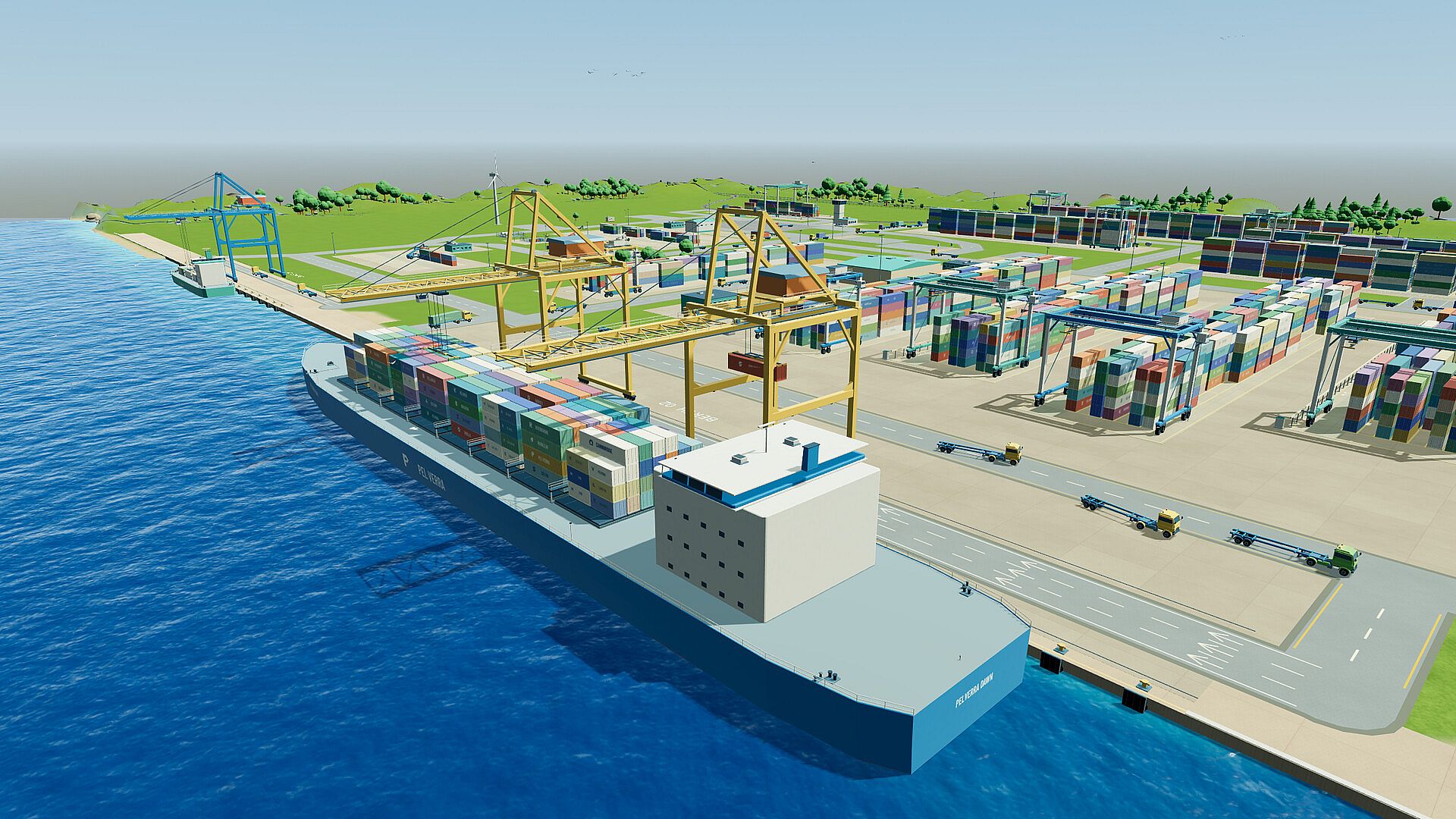
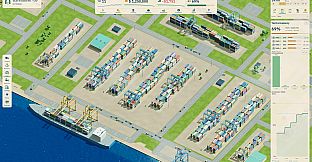
Players begin with a basic berth, a single crane, and limited space for containers. The loop involves laying roads and railways, designing quays and storage yards, and adding supporting structures such as parking areas, workshops, and lighting. Expansion requires balancing investments in larger cranes, taller container stacks, and additional berths to accommodate bigger vessels.
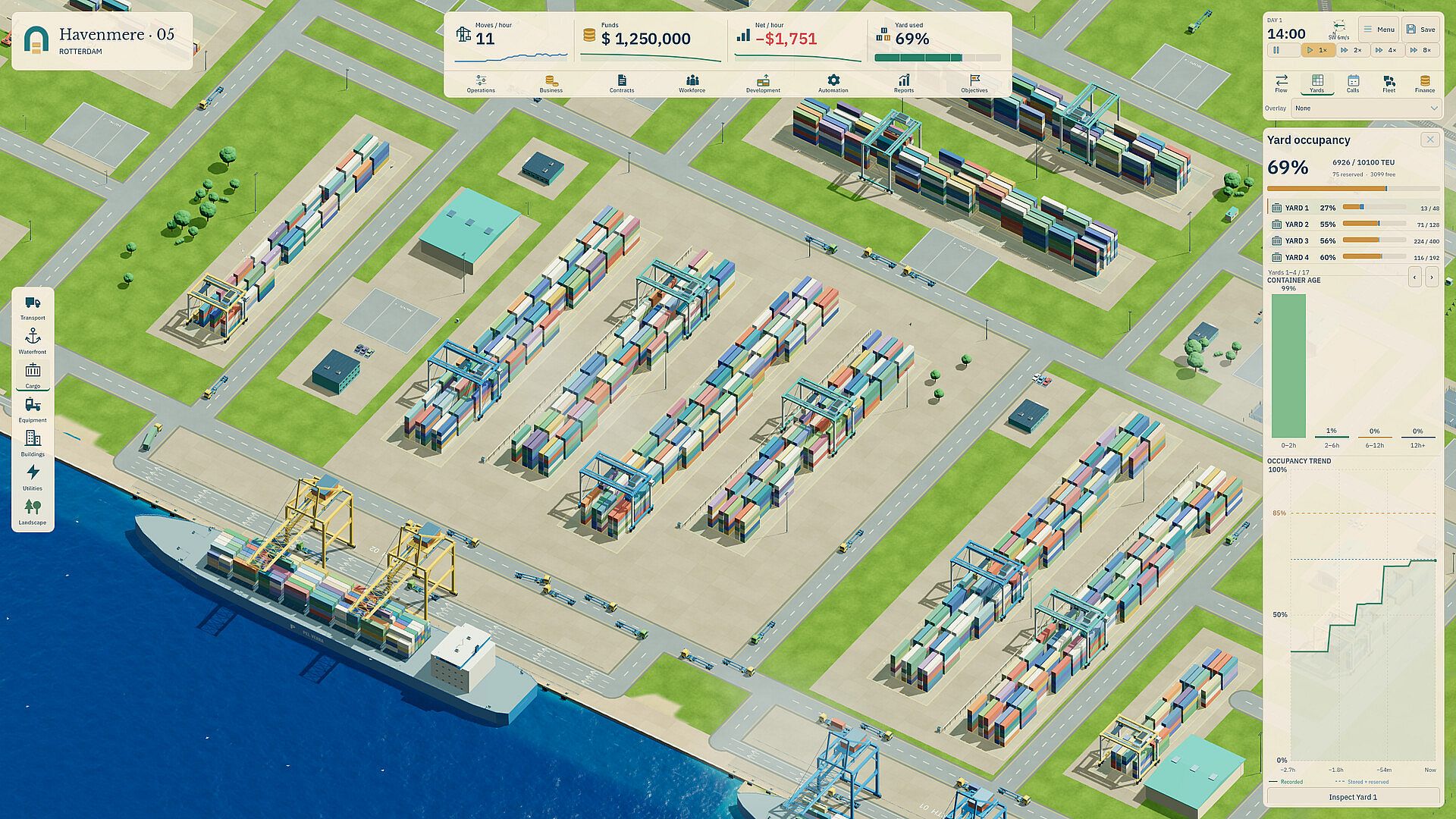
Management extends to contracts, equipment purchases, worker hiring, and fleet maintenance. Visual reports track finances, cargo volume, and available yard space, allowing players to set automation rules that influence how tasks proceed. Decisions about the next purchase, whether a tractor, expanded yard, or new waterfront section, shape long-term growth.
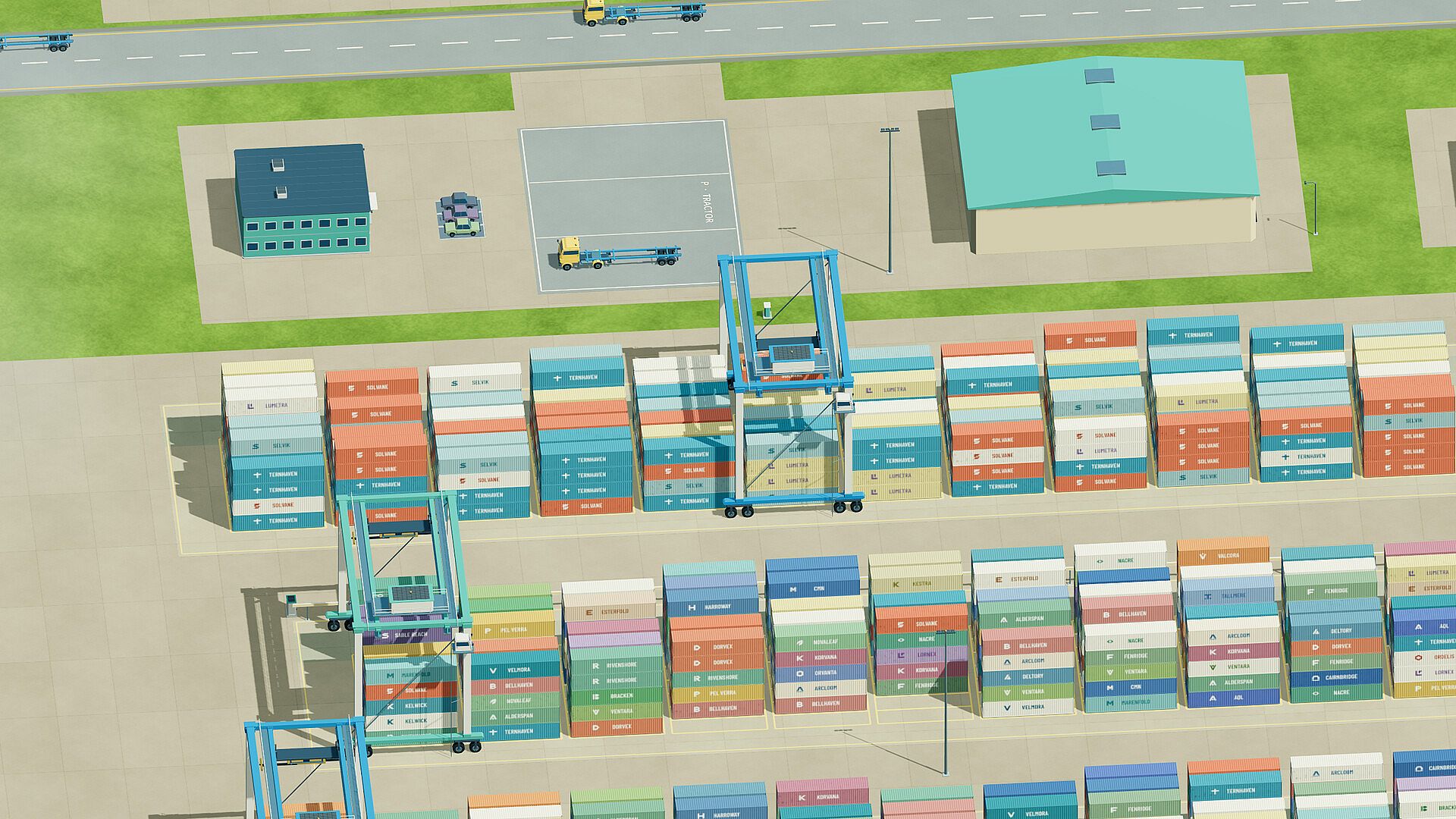
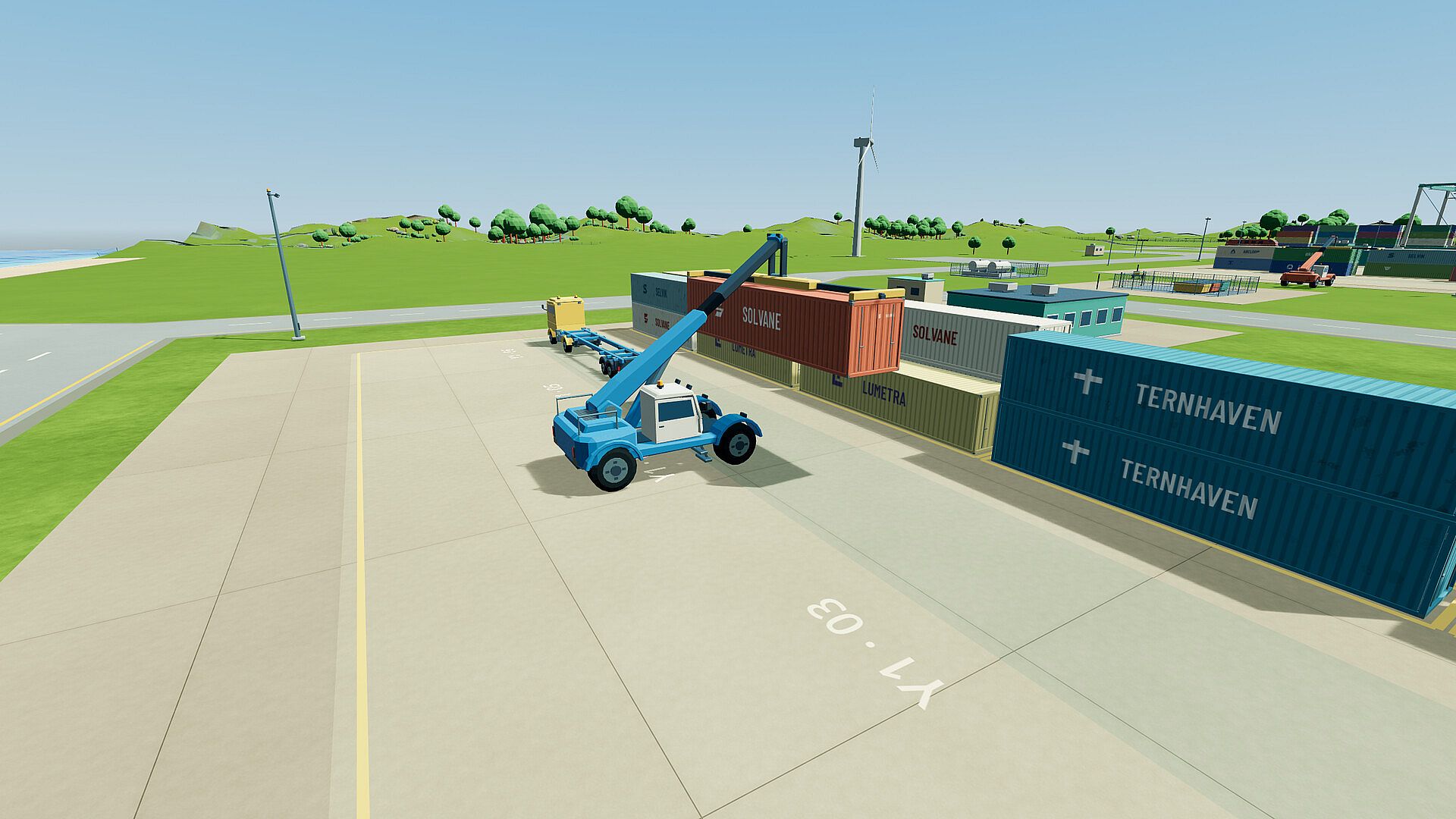
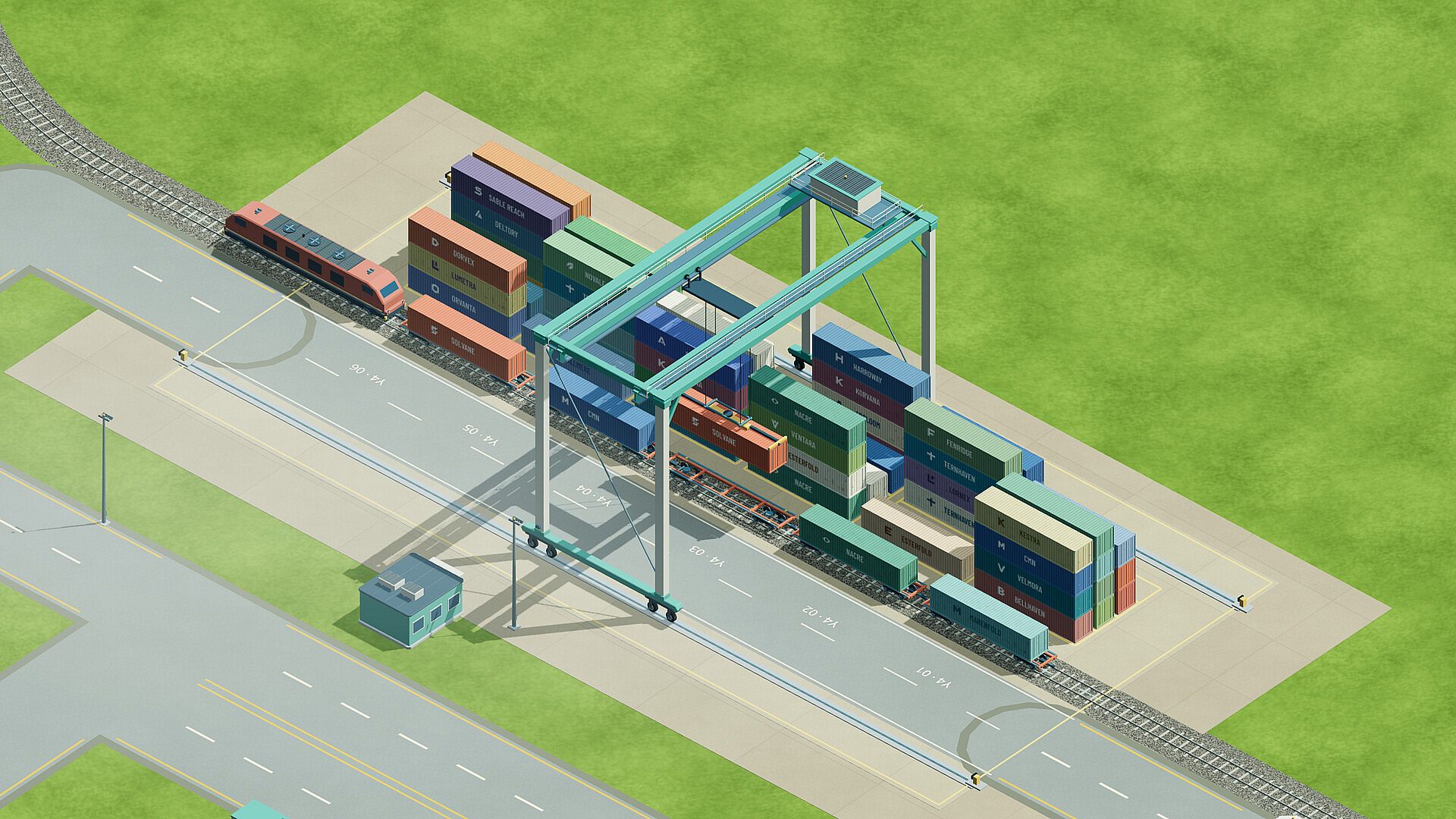
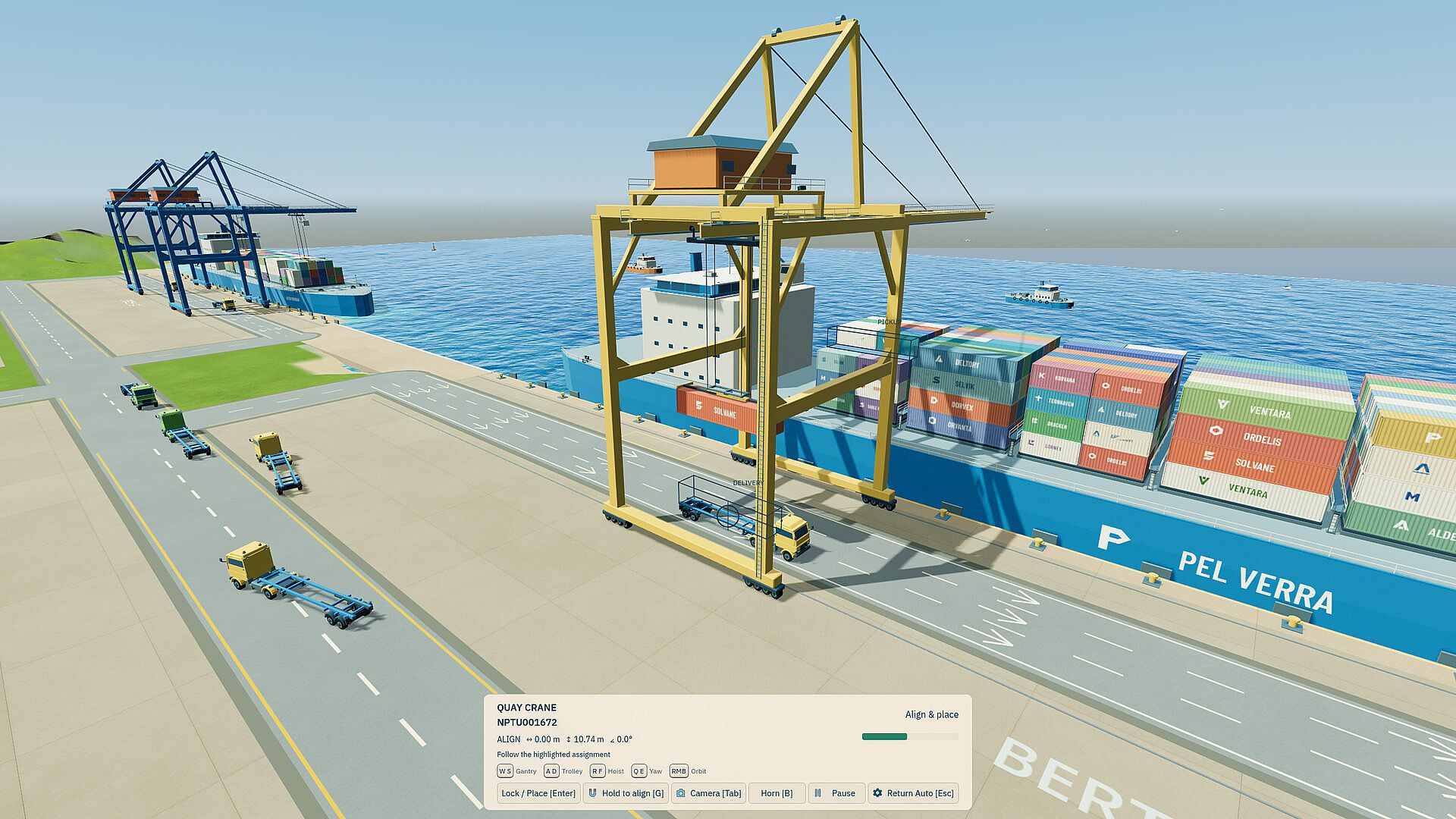
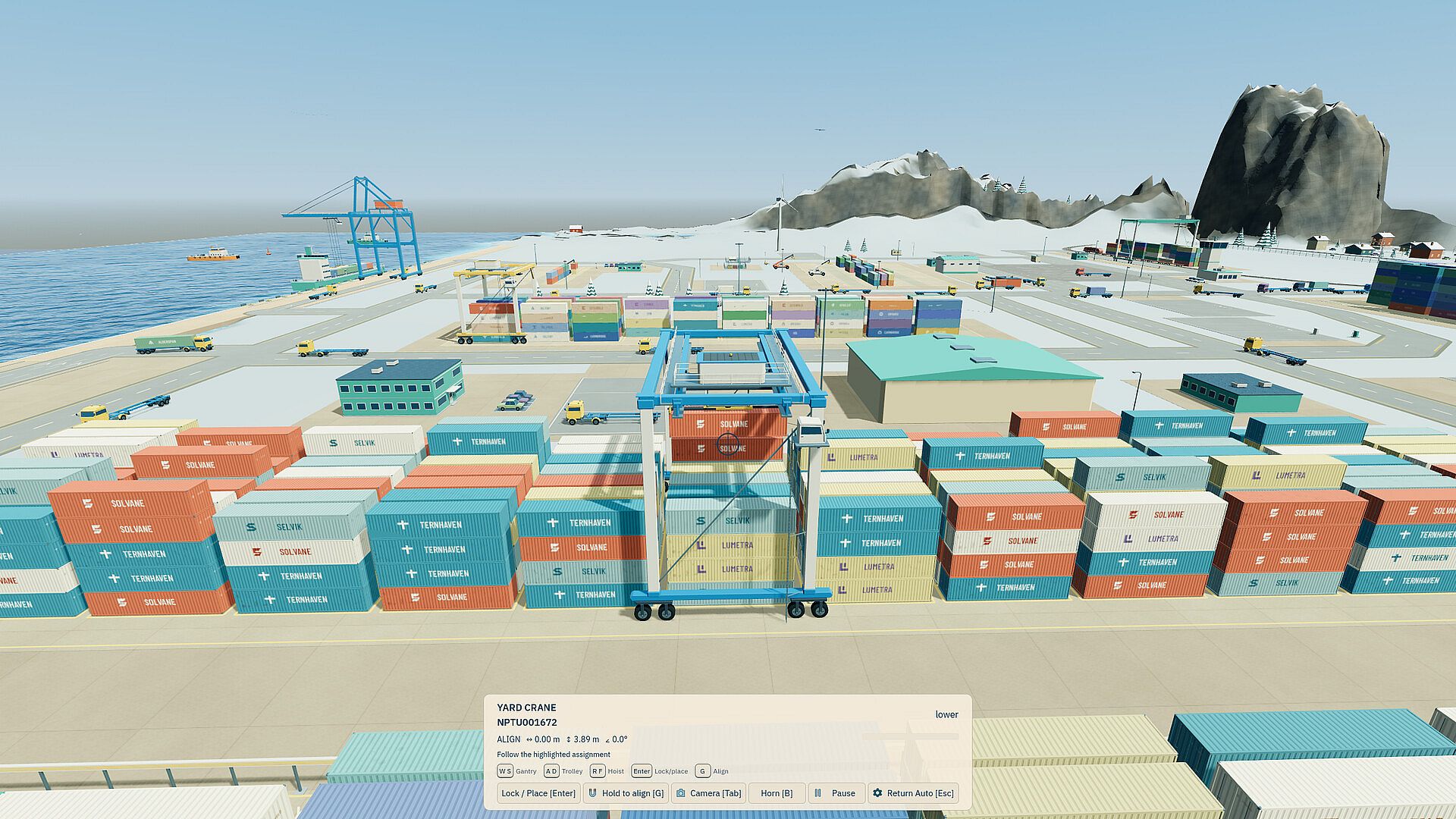
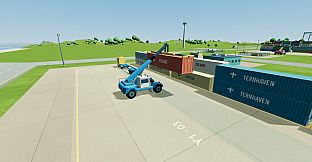
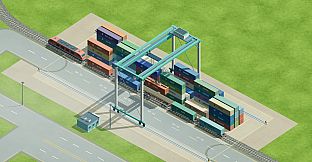
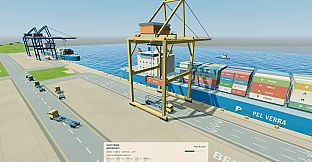
Hands-on operation forms a key part of the loop. Players can switch from oversight to direct control of equipment including quay cranes, rail cranes, yard gantries, reach stackers, and tractors. This involves lifting containers from ships, aligning them with waiting vehicles, and completing transfers across the quay, yard, gate, and rail terminal. Cargo moves include imports arriving by sea, exports departing by land or rail, and transfers between vessels.
Game Modes
Portscape operates entirely as a single-player experience focused on building and running one port at a time. There are no separate competitive or multiplayer modes. Instead, the game emphasizes a continuous campaign of growth where each session builds on prior progress through contracts and equipment upgrades.
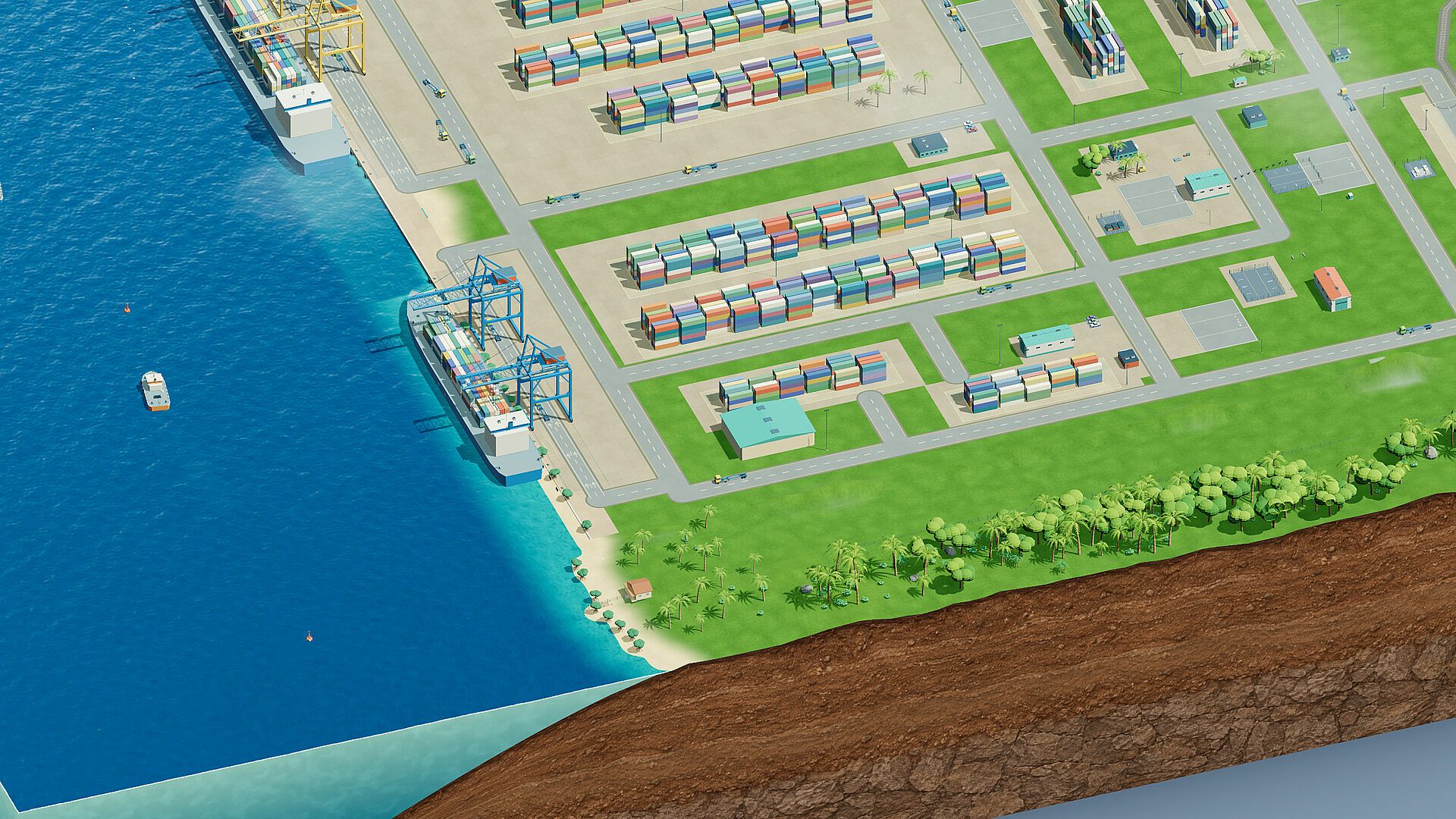
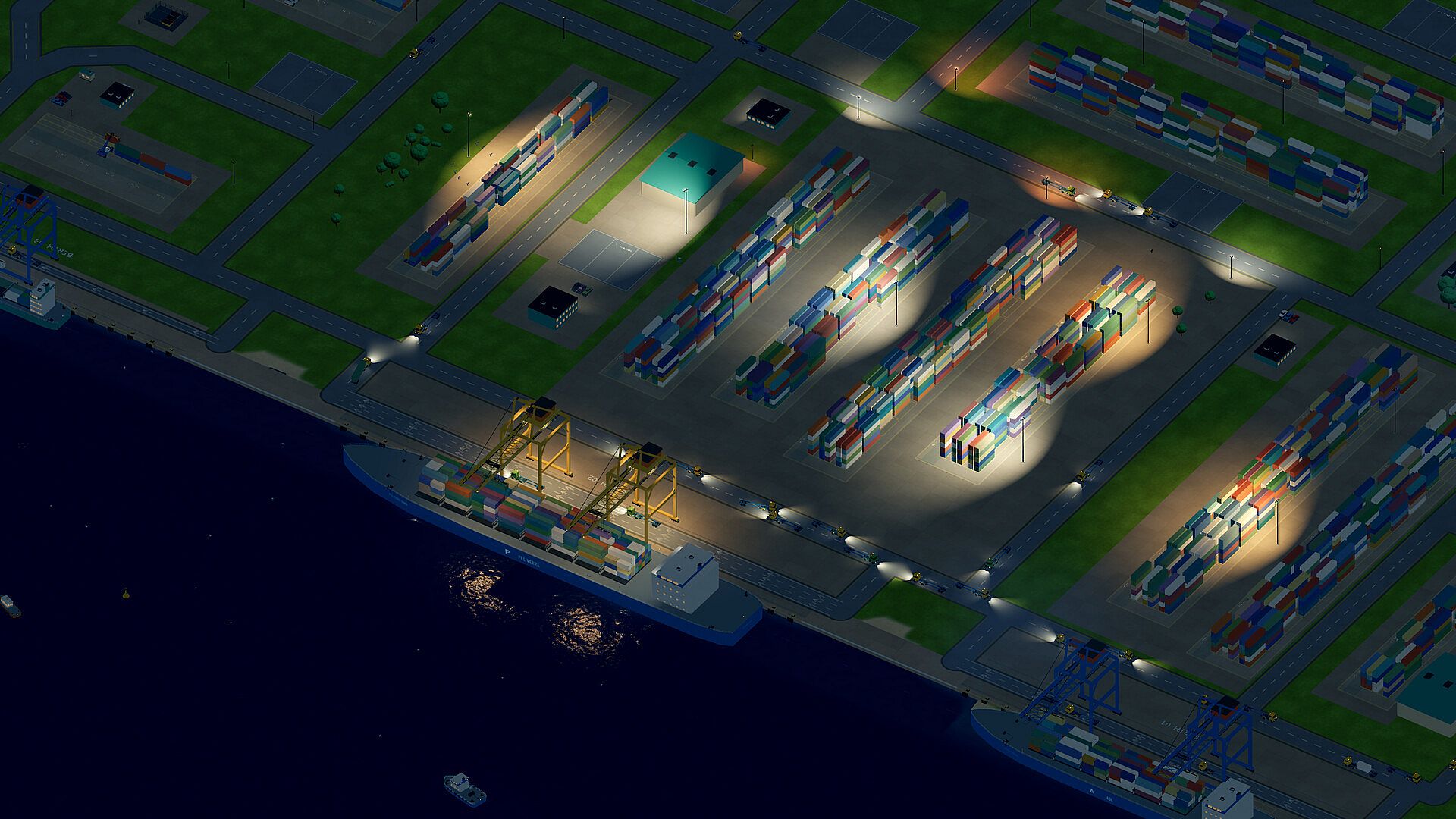
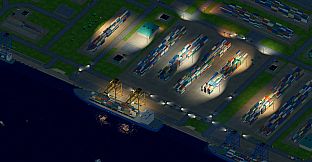
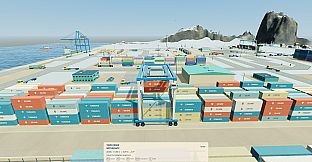
Players alternate between top-down planning and first-person or third-person operation of machinery. This unified approach means the same save file supports both strategic oversight and detailed manual work without switching to distinct modes. Environmental variety comes from choosing locations beside countryside, beaches, or mountains, with day-night cycles that affect visibility and atmosphere.
Building and Expansion Systems
Infrastructure development starts small and scales through deliberate layout choices. Roads and rail lines must connect key areas efficiently so that containers move smoothly between arrival points and departure routes. Container yards require space planning to avoid bottlenecks, while additional buildings support maintenance and worker needs.
Fleet and equipment progression follows a clear path. Early operations rely on basic cranes and small tractors. Later stages introduce taller stacks, larger berths, and specialized machinery that handle higher volumes. Visual feedback through reports helps identify when yard space or transport capacity limits further growth.
Is It Worth Playing?
Portscape suits players who enjoy simulation games that combine high-level management with optional direct control of vehicles and machinery. The single-player focus delivers a self-contained experience centered on incremental port development and cargo logistics.
Because the game remains in development with a planned release, no player reviews or ratings exist yet. Those interested in detailed port operations, route optimization, and hands-on equipment use will find the described systems align with classic management sim strengths. Availability is limited to PC at launch, with system requirements supporting a range of hardware from modest dual-core setups upward.
The emphasis on both planning and manual operation provides variety within the core loop, making it a solid choice for fans of casual strategy titles who value steady progression over competitive elements.