




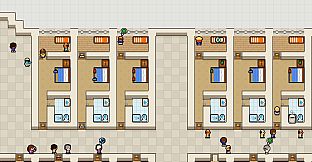
Project Overboard is a strategy, indie, and simulation game focused on cruise ship management. Players design vessels deck by deck, staff them with crew, and operate voyages that balance guest satisfaction against operational demands on PC.
Gameplay
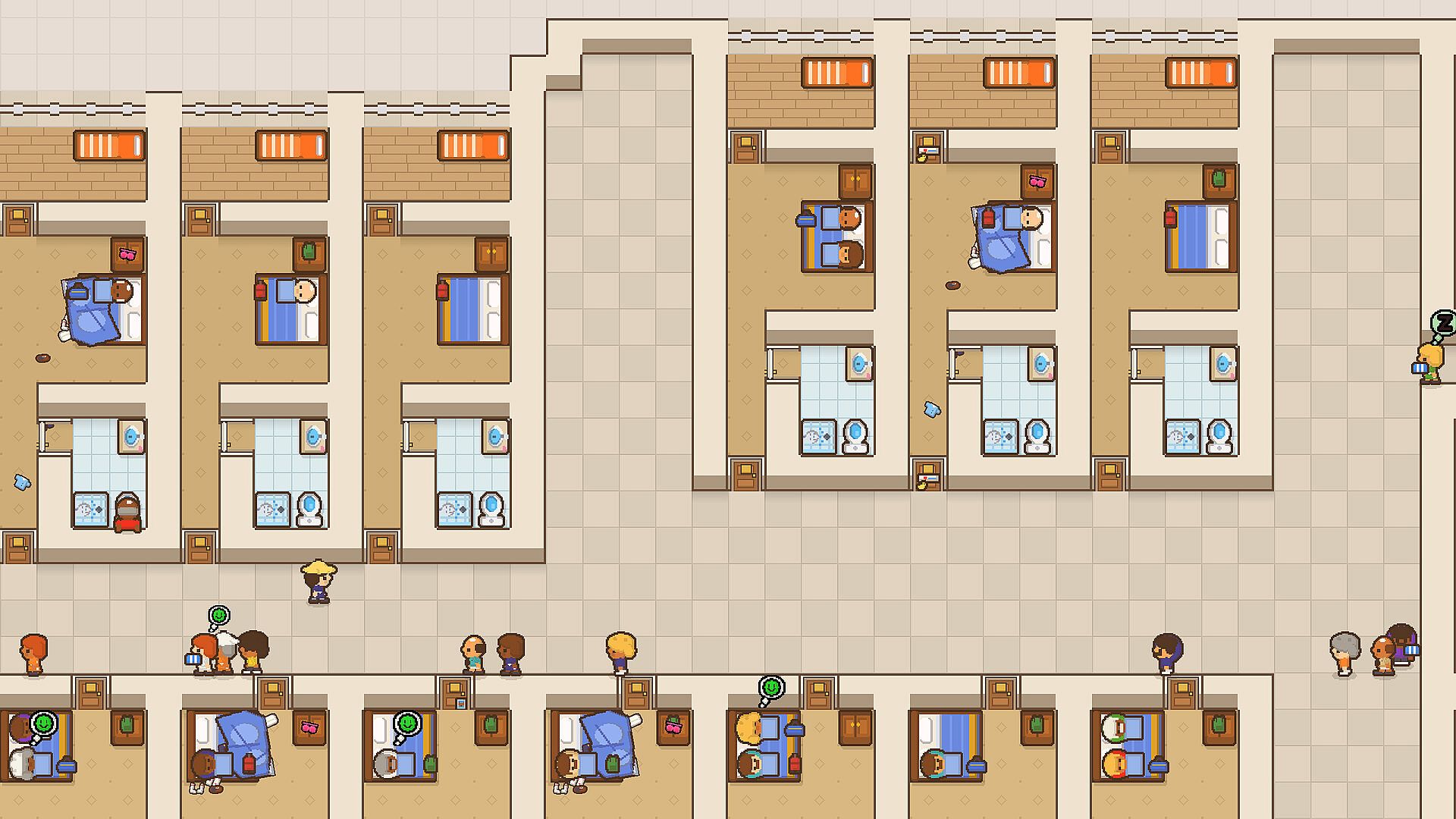
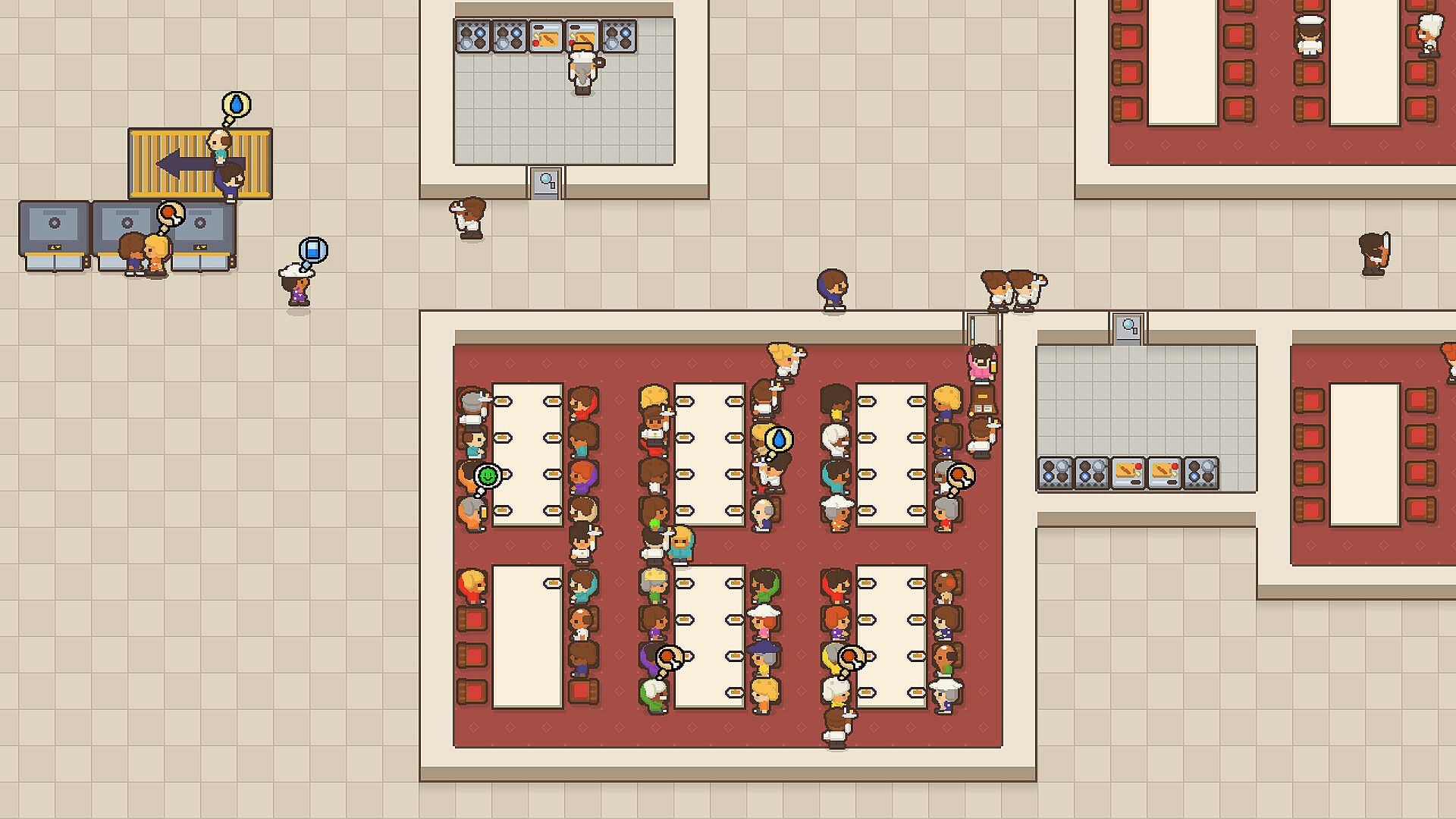
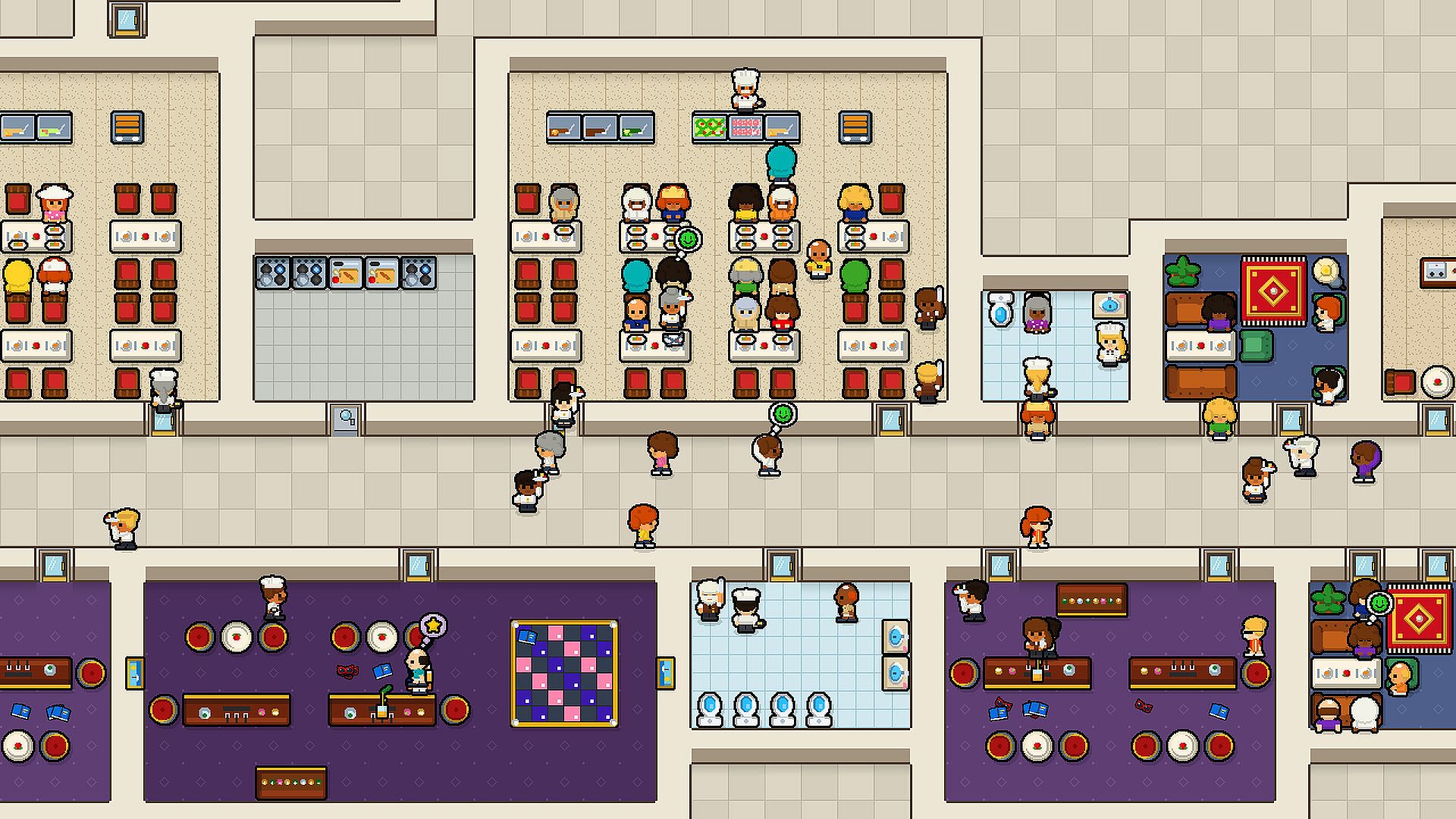
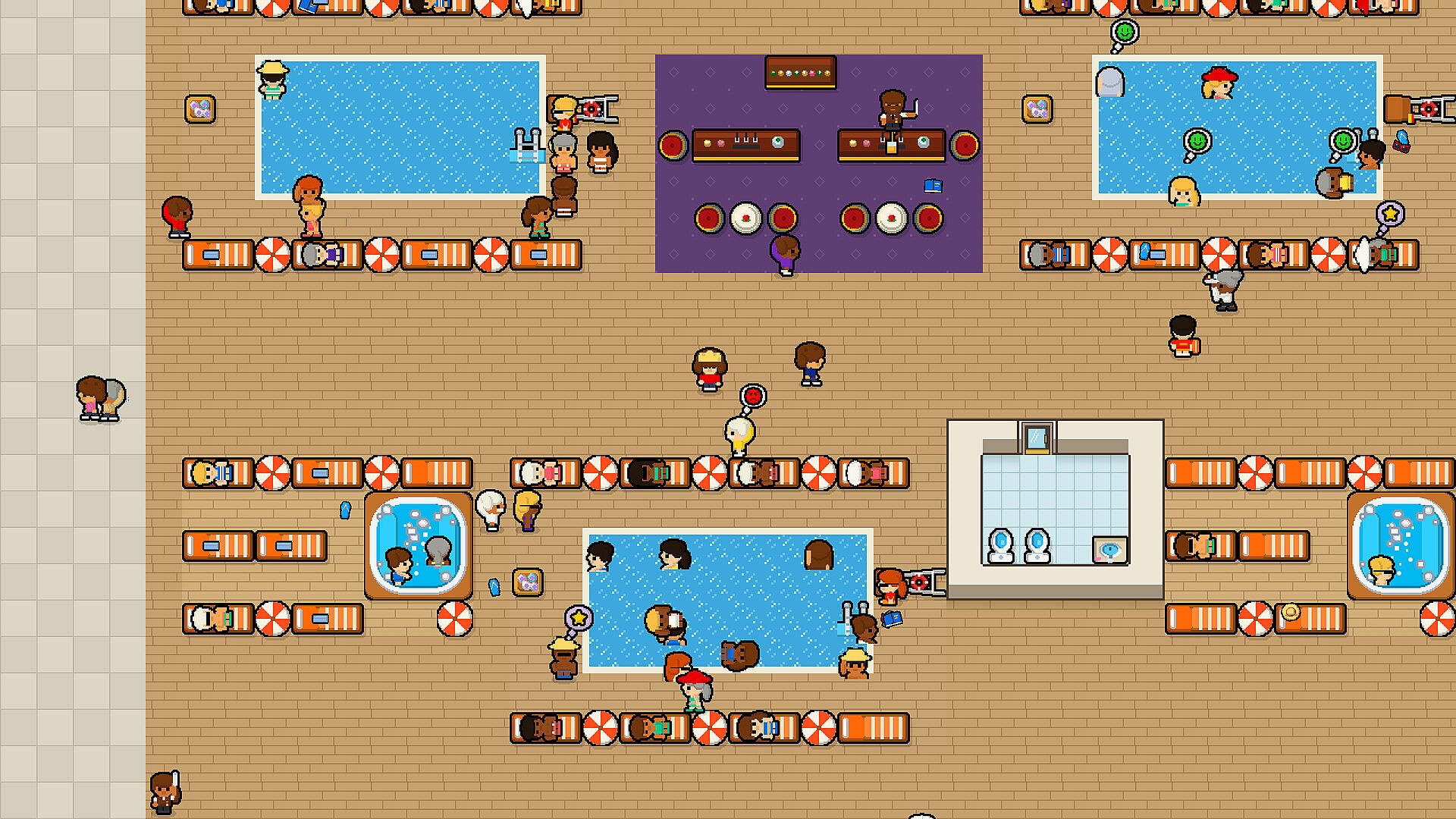
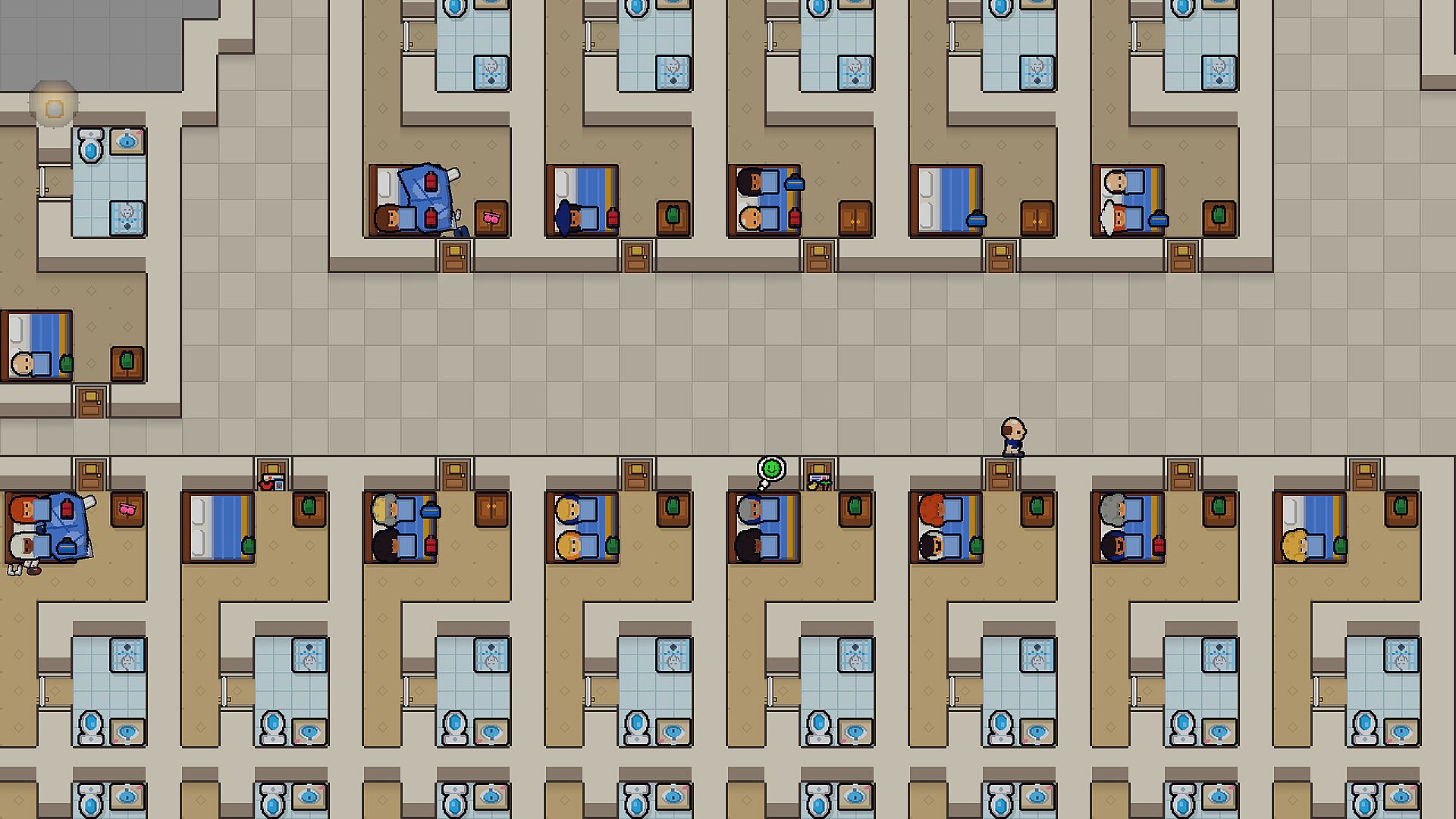
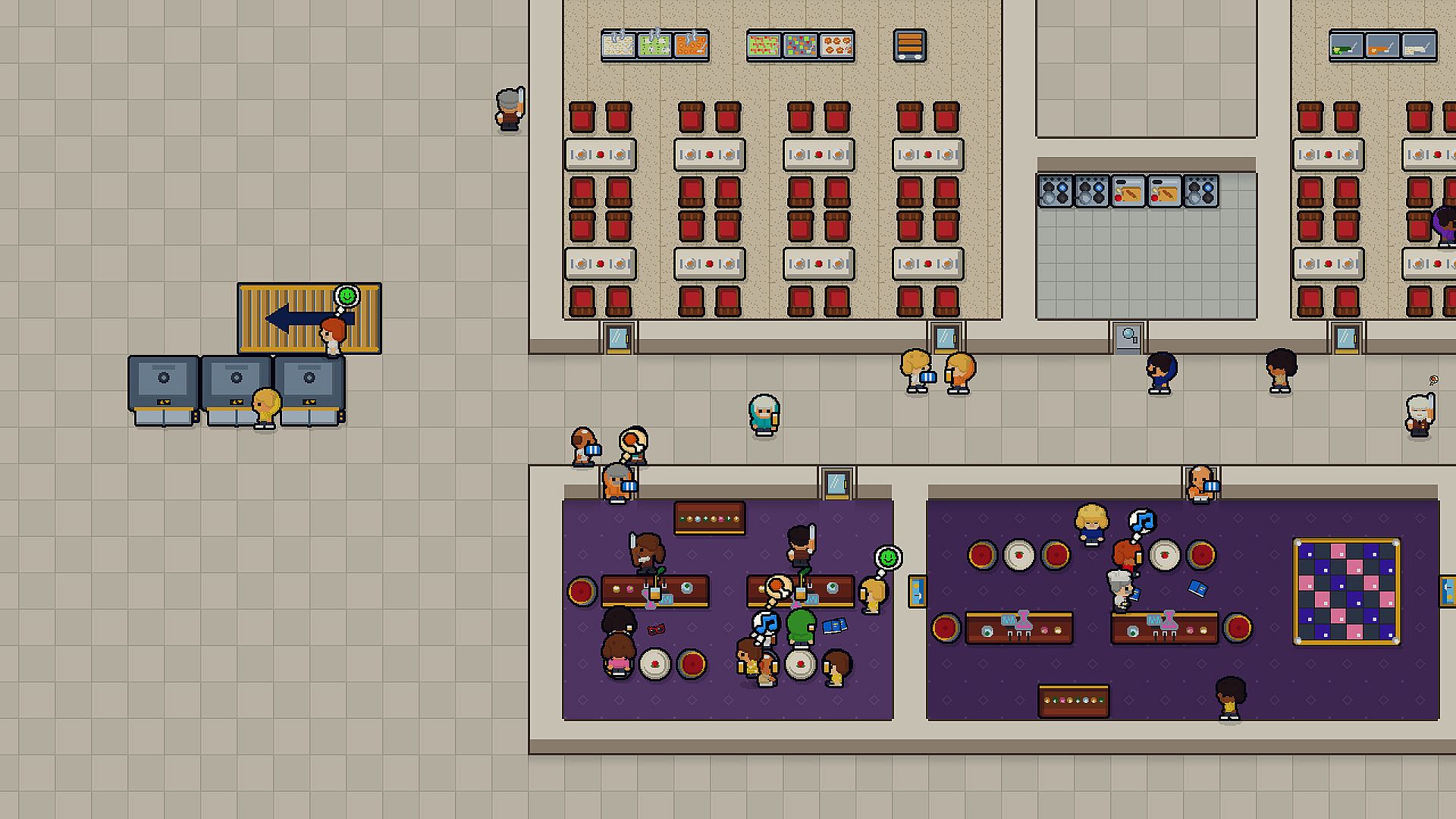
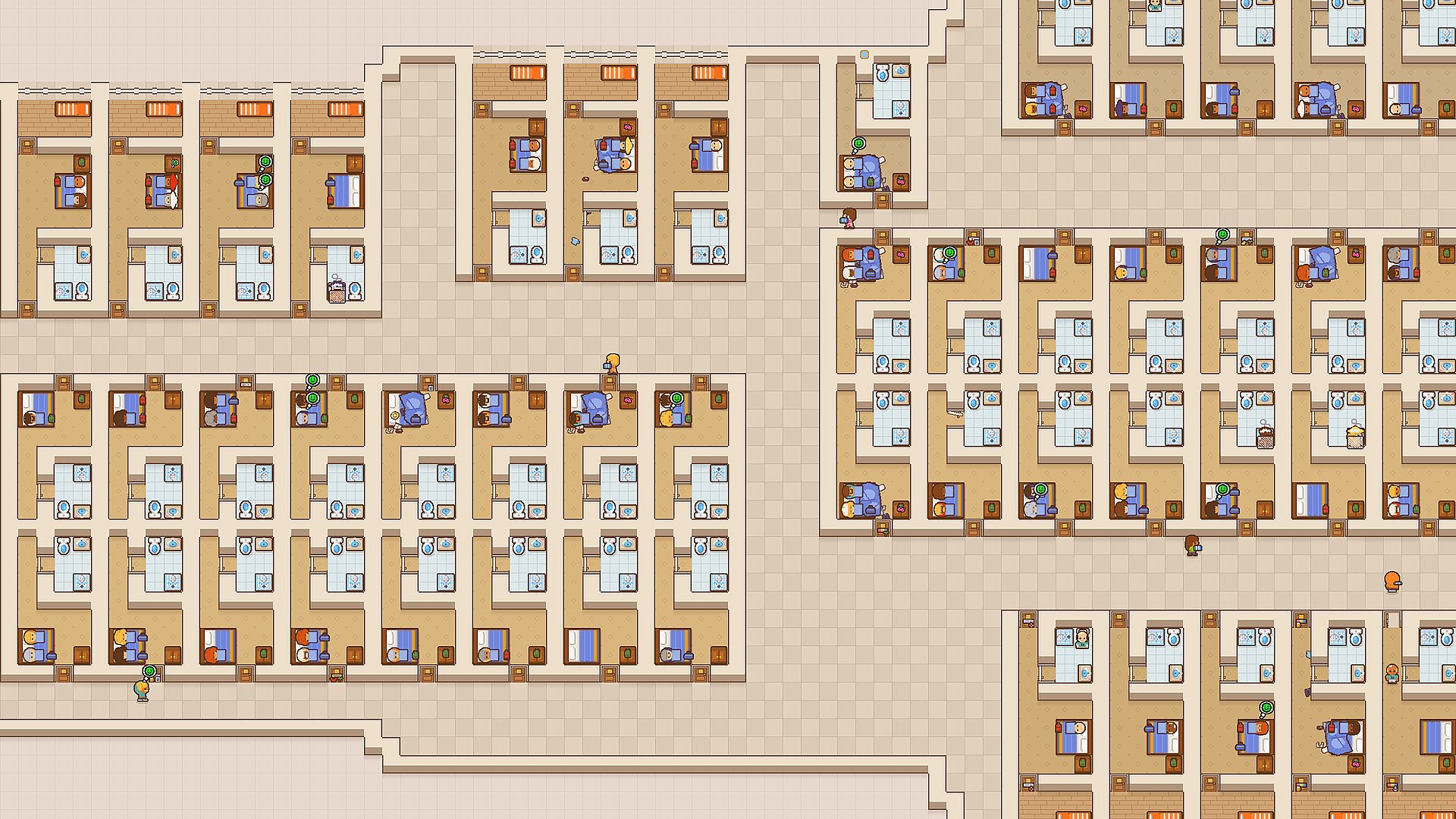
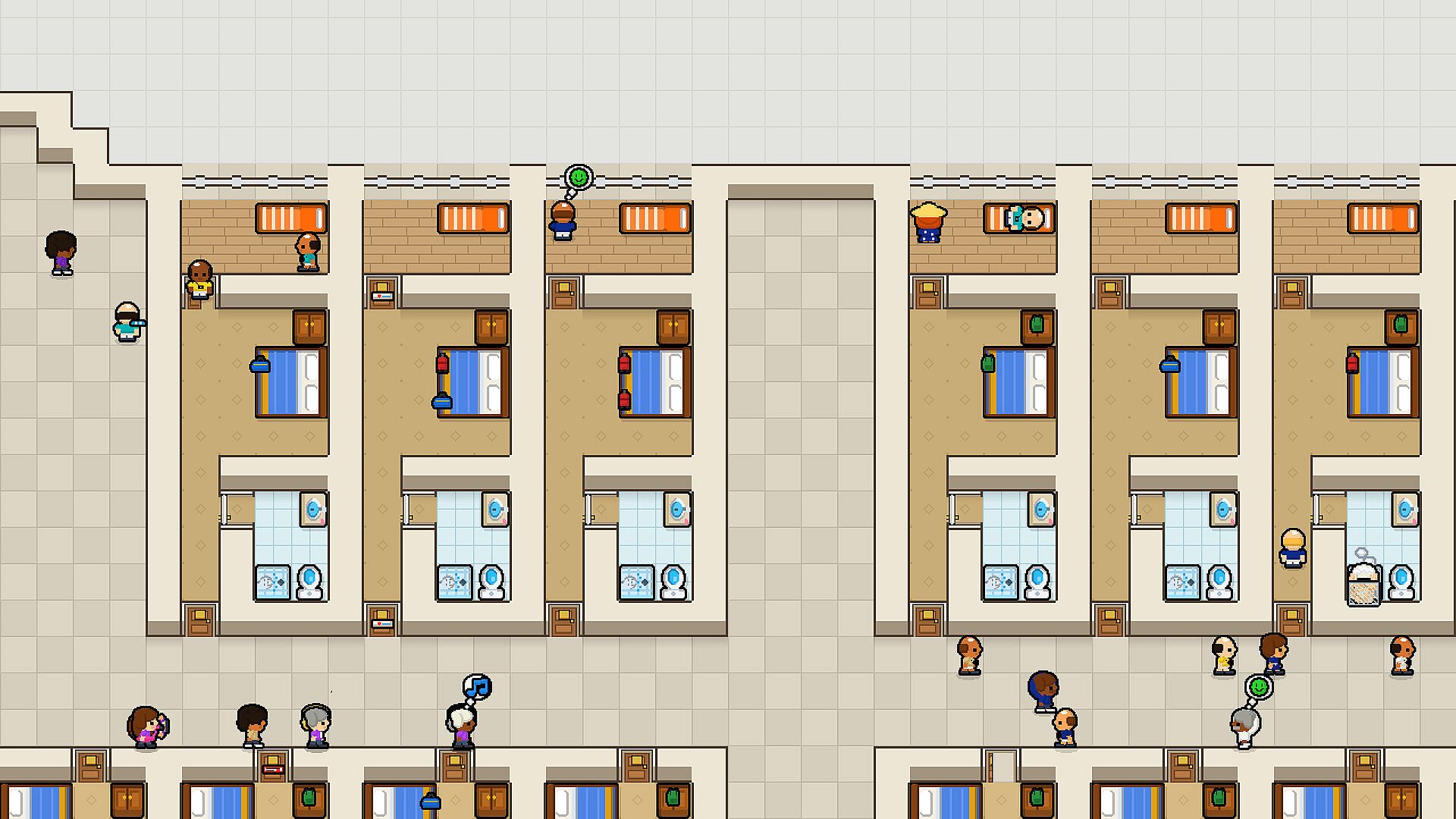
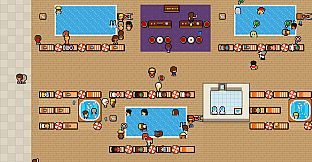
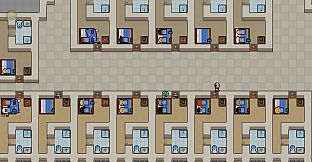
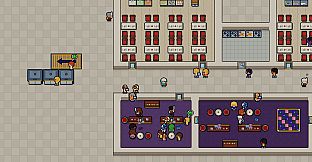
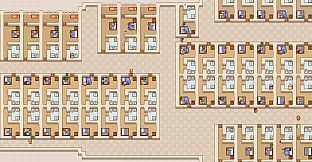
The core loop centers on ship construction and daily operations. Layout begins with individual decks, where cabins, restaurants with attached galleys, bars, theatres, pools equipped with slides, and connecting lifts or stairs are placed by hand. Construction advances through a contractor yard visible during port stays, with progress tracked crate by crate.
Once built, attention shifts to staffing and scheduling. Crew members are hired and assigned shifts to maintain services across the ship. Cruise itineraries are planned between ports, including excursions sold at each stop. Revenue comes from cabin fares plus onboard spending, which covers ongoing costs.
Guest management adds layers of simulation. Each passenger arrives with a fare, spending budget, and personal traits that influence behavior such as queuing at buffets, returning for multiple servings, starting group activities, reserving sunloungers, or voicing complaints. Reviews at cruise end directly affect overall reputation.
Problems arise naturally from the systems. A neglected buffet can trigger outbreaks requiring confined cabins and cleaning crews. Rough seas lead to seasickness visible at the rails. Unexpected incidents occur in pools and other shared spaces, forcing reactive management.
Game Modes
Sandbox mode provides immediate access to all unlocked content without progression gates. Players experiment freely with ship designs, crew configurations, and cruise routes from the outset.
Standard play follows a career-style structure where reputation growth unlocks new research options through head office. This includes additional room types, deck layouts, and staff specializations that expand available choices over time.
Ship Design and Operations
Two distinct vessel types are available: a large ocean liner suited to open-sea routes and a smaller riverboat for inland waterways. Each supports unique port calls with tailored excursion options that generate extra income.
Controller support is built into the interface, allowing full play without keyboard and mouse. Layout accommodates handheld use on devices like the Steam Deck through clear menu navigation and input mapping.
Economy ties directly to guest flow and spending. Fares provide baseline income, but profitability depends on keeping passengers engaged with onboard amenities rather than constant complaints or service failures.
Is It Worth Playing?
Project Overboard suits players who enjoy detailed management simulations with building and operational depth. The combination of deck-by-deck construction, crew scheduling, and guest trait interactions creates a focused single-player experience centered on reputation and efficiency.
Its pre-release status means the full scope will be confirmed at launch, yet the listed features already point to strong replay value through sandbox experimentation and progressive unlocks. Those drawn to indie strategy titles that emphasize planning, problem-solving, and light comedy in everyday operations will find the systems rewarding once available.












