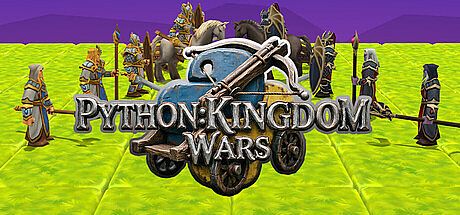



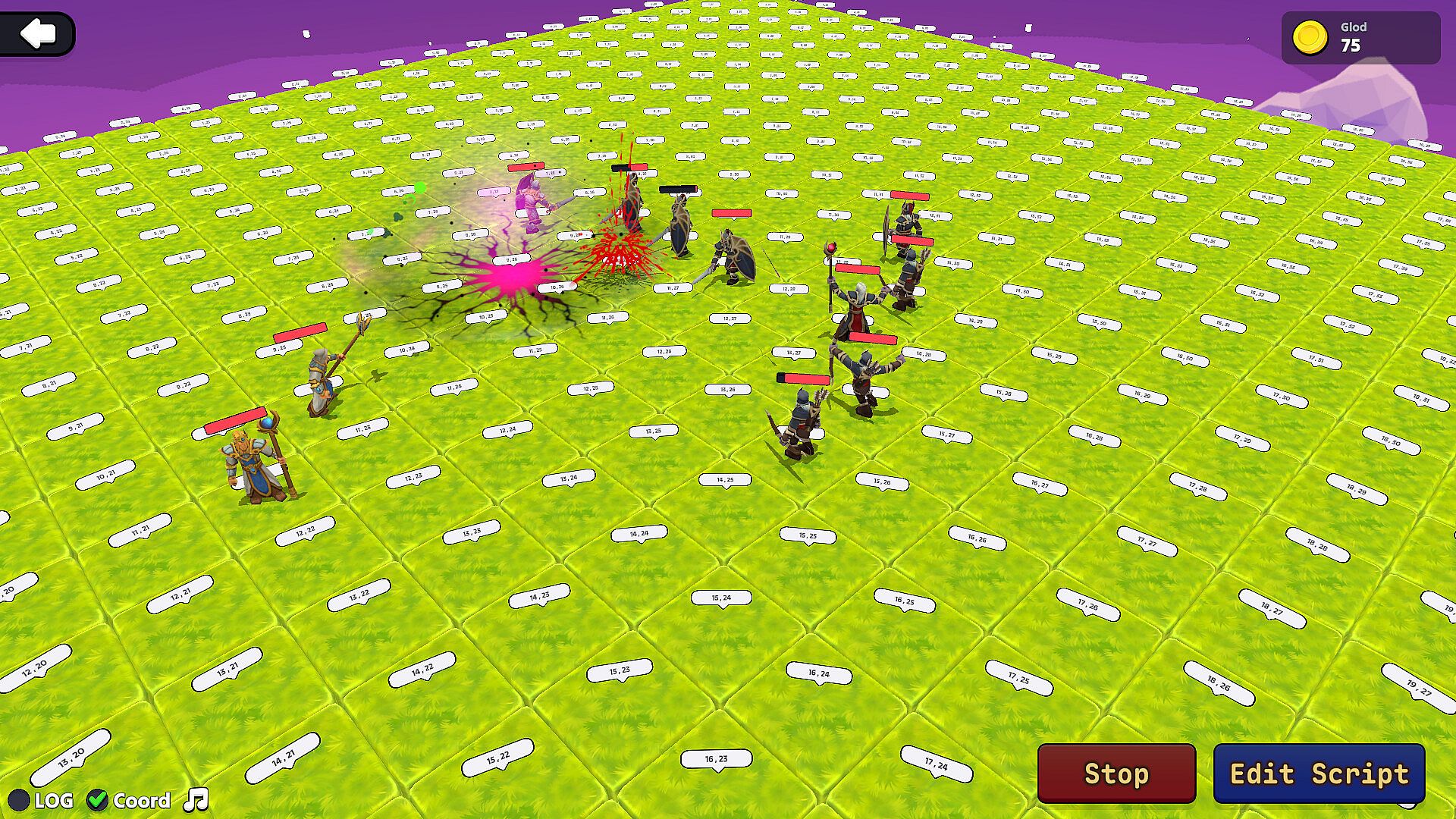
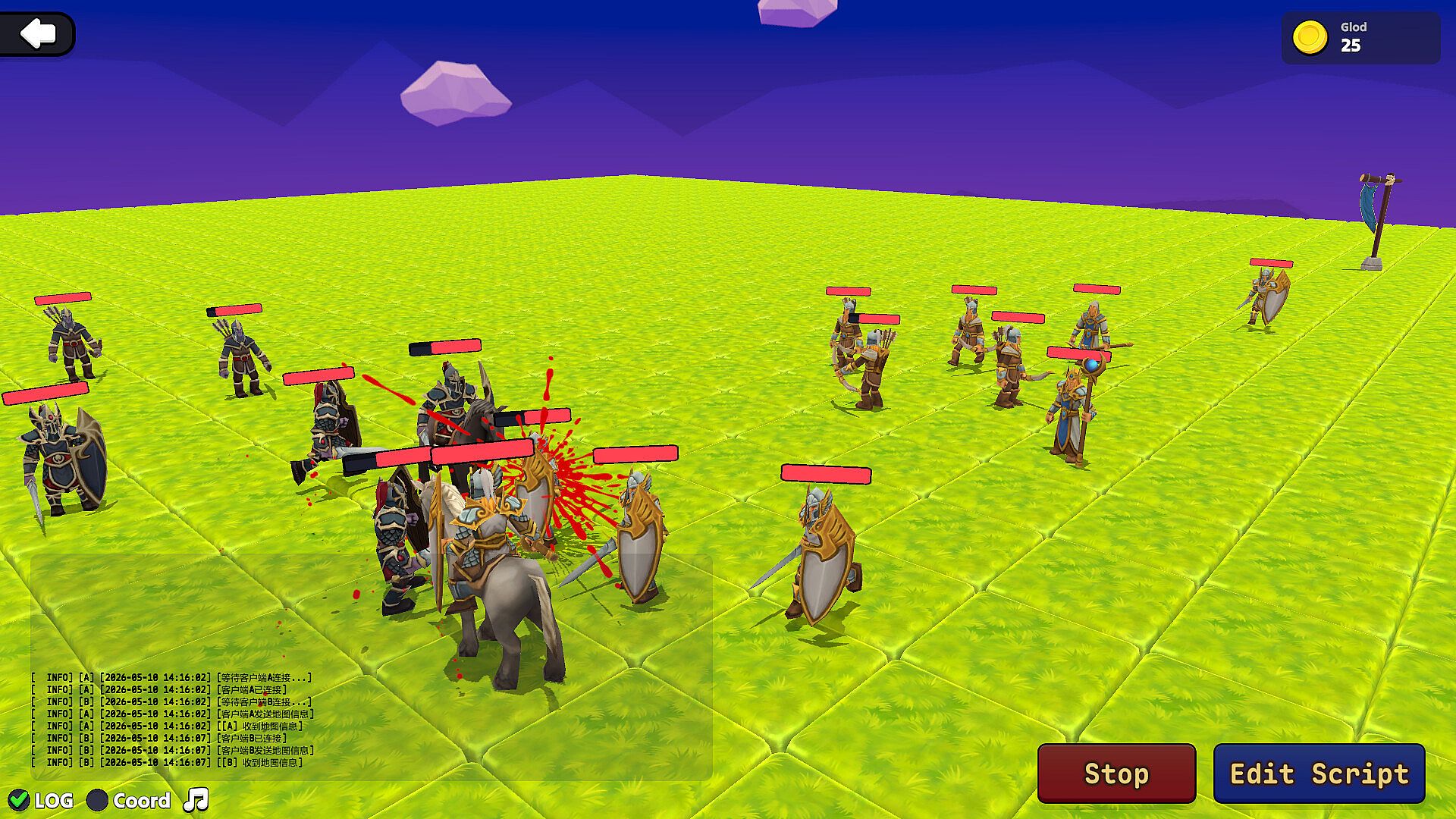
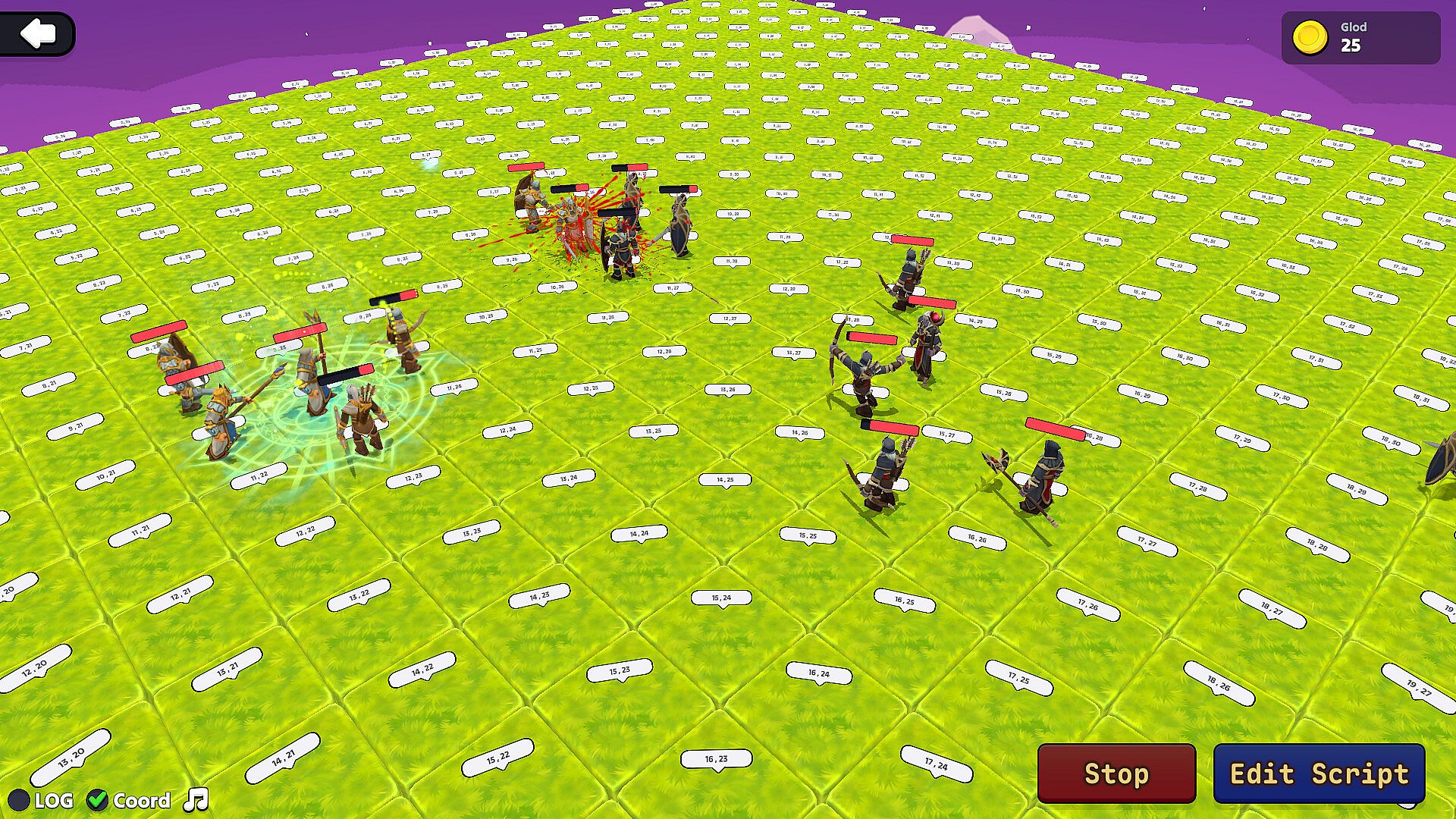
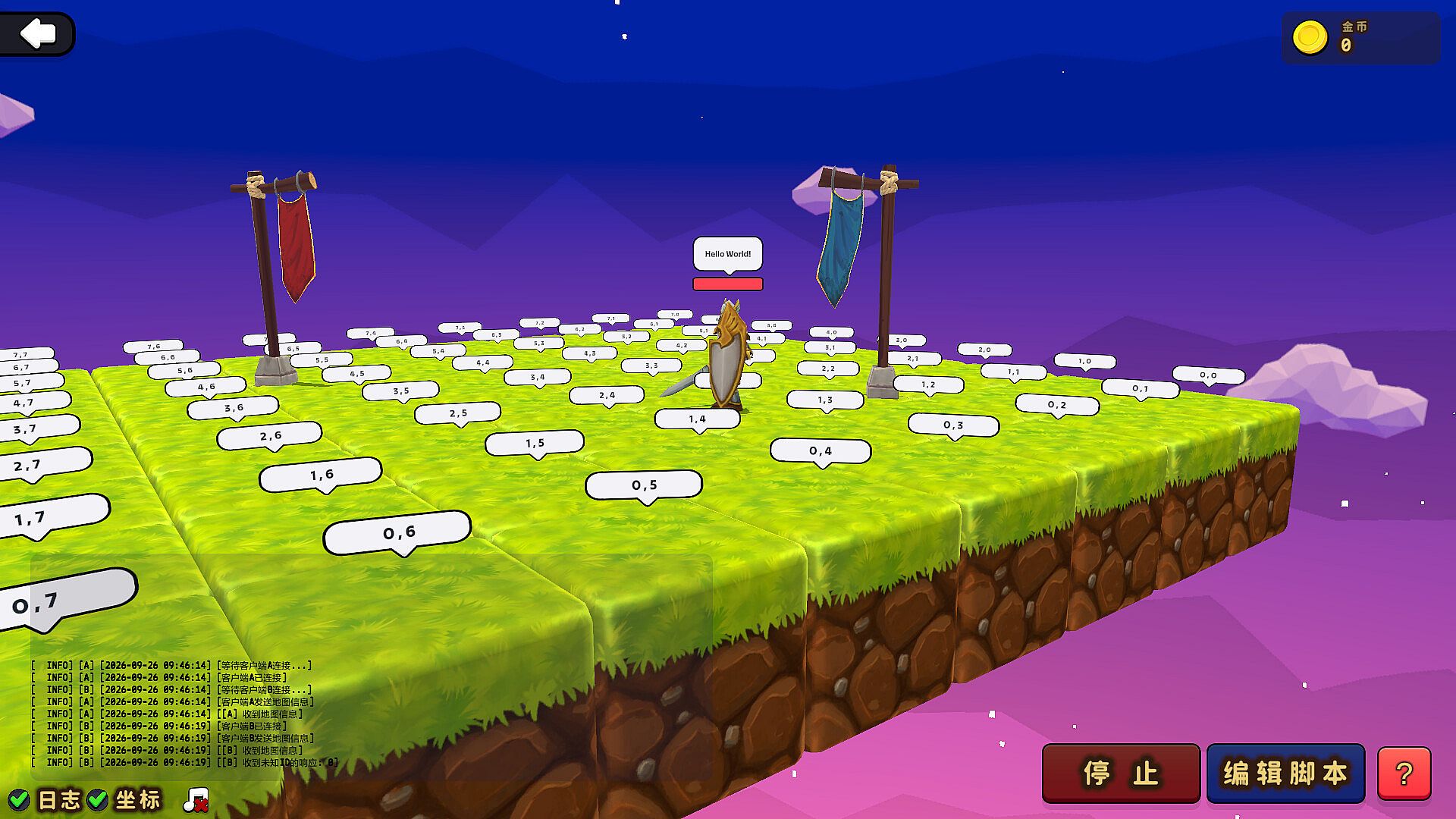
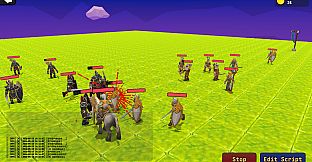
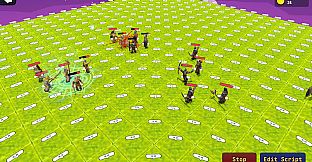
PYTHON:KINGDOM WARS is a strategy indie game for PC in which players write Python code to direct armies through real-time battles on a grid-based battlefield. Instead of issuing orders through mouse clicks or menus, every action from movement to attacks, healing, and spells comes from scripts that respond to the changing state of combat each frame. The game places coding skill at the center of tactical decisions, letting players define pathfinding, targeting priorities, and unit coordination for six distinct unit types.
Gameplay
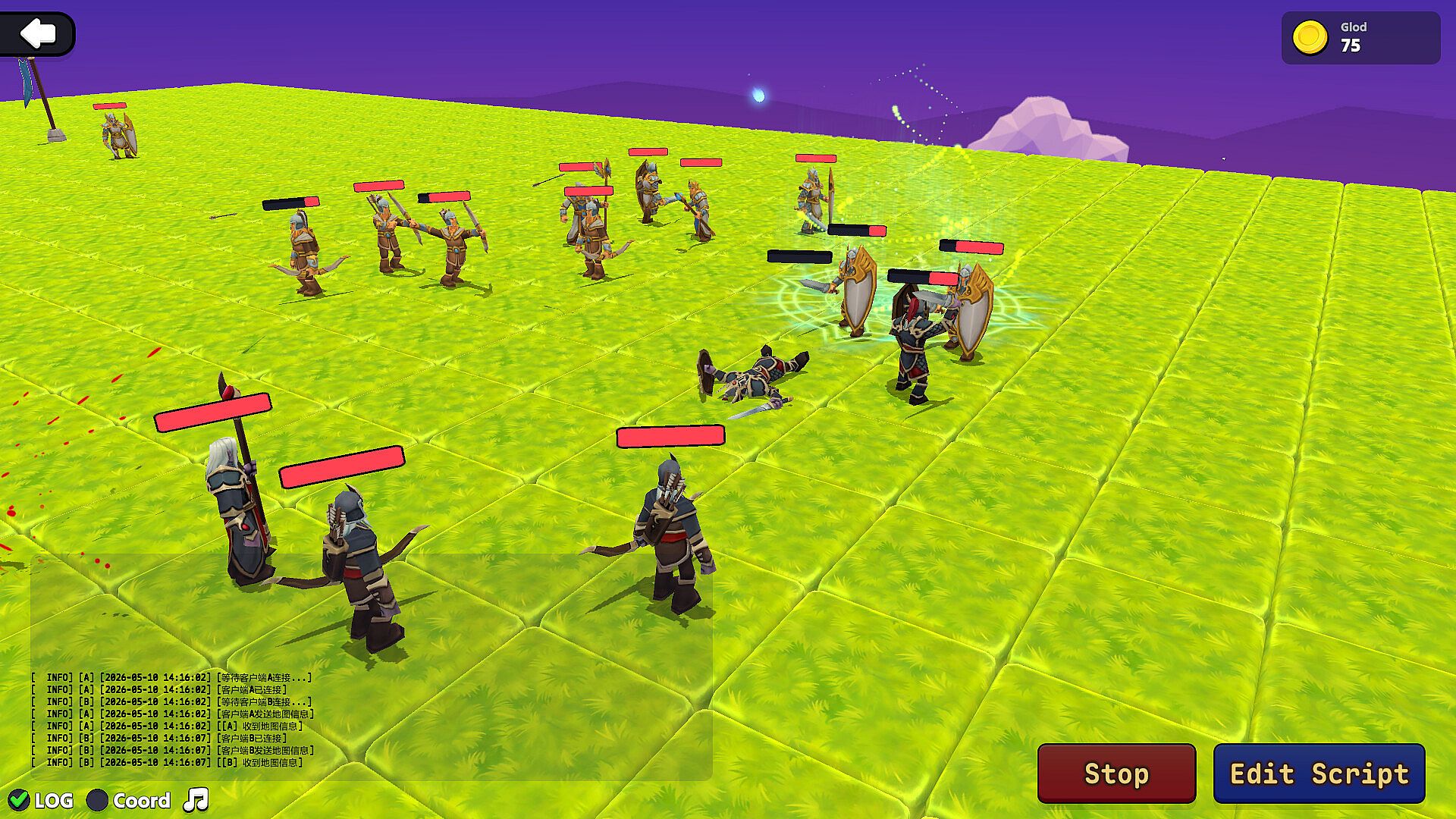
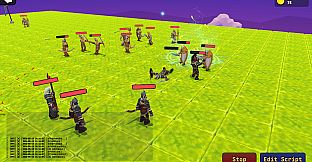
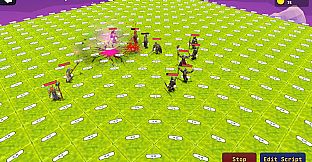
The core loop revolves around scripting commands for infantry, cavalry, archers, mages, priests, and ballistae. Infantry units serve as inexpensive front-line blockers suited to swarming tactics. Cavalry offers high mobility for flanking maneuvers and strikes against rear positions. Archers deliver ranged damage but require protection from closer threats. Mages provide area damage at the cost of long cooldowns and careful positioning. Priests handle healing and sustain to extend fights. Ballistae supply heavy, slow-moving firepower that can turn the tide when placed correctly.
Combat runs in a real-time framework where battlefield information updates every frame. Unit speed controls how often each soldier acts, creating natural rhythms between fast and slow forces. A gold economy rewards players for eliminating enemies by granting half the defeated unit's recruitment cost, which can then fund further recruitment or adjustments mid-battle. Grid movement restricts actions to up, down, left, and right directions with explicit boundary checks for attacks. Skill cooldowns and area effects demand precise timing and placement within the script logic.
Players customize every aspect of army behavior through open Python scripting. This includes writing pathfinding routines to outflank opponents, setting attack priorities to focus fire on key targets, and programming sustain logic so priests keep the front line intact during prolonged engagements. The result is a direct link between code quality and battlefield outcomes, where smarter scripts produce stronger tactics.
Game Modes
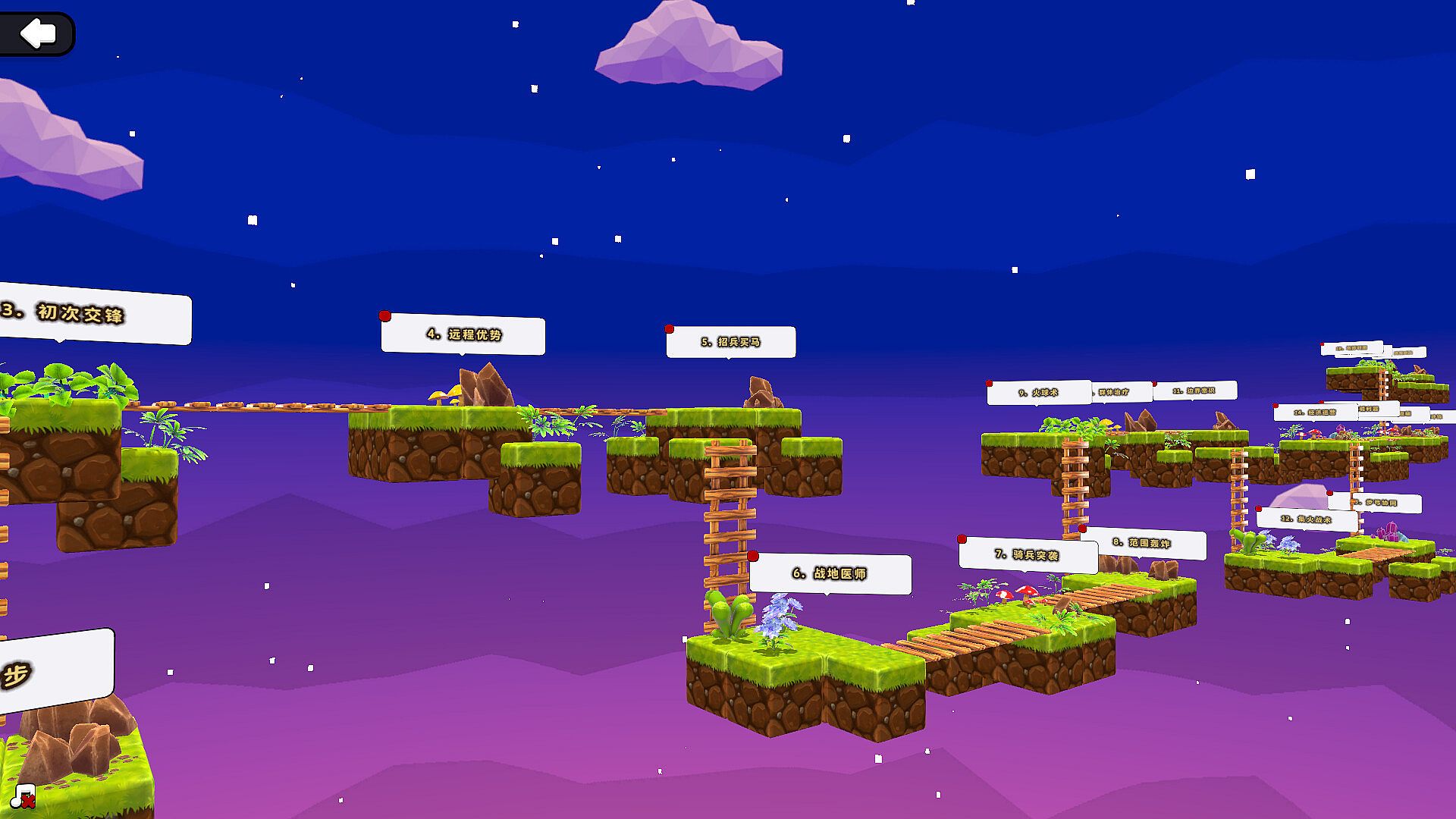
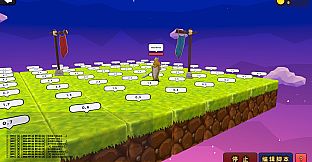
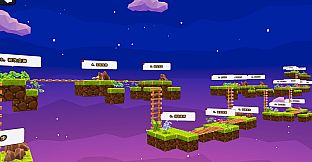
Ten tutorial levels introduce the mechanics step by step. These start with basic unit controls and map interaction before advancing to command structures and scripting techniques. The progression supports players new to programming while building toward more complex battlefield management.
Ten challenge levels pit the player against opponents whose code was pre-generated by large language models. These encounters feature adaptive strategies rather than static scripts, so each match presents fresh tactical problems. The format tests whether human-written logic can outperform the LLM-generated approaches in direct confrontation.
Scripting and Customization
The game provides a fully open scripting environment on PC. Users can rewrite movement logic, adjust targeting rules, and experiment with army composition without restrictions. Every match reflects the effectiveness of the code written, turning each battle into a test of programming decisions applied in a shifting combat environment.
Grid-based maps enforce clear movement and attack ranges, while frame-by-frame state updates keep scripts responsive to real-time changes. This setup rewards iterative testing and refinement of code between matches.
Is It Worth Playing?
PYTHON:KINGDOM WARS suits programming enthusiasts who want to apply code directly to strategy outcomes, as well as strategy players interested in experimenting with custom tactics. Teachers and students can use the tutorial levels as a practical introduction to programming concepts through immediate visual feedback on the battlefield. The challenge levels add a unique layer by pitting player scripts against AI-generated opponents, creating repeatable tests of tactical coding ability. Those who enjoy building and refining logic systems will find consistent value in the open scripting space and the direct connection between code quality and results. Players seeking traditional click-based controls or preset unit behaviors may find the emphasis on writing scripts less appealing.