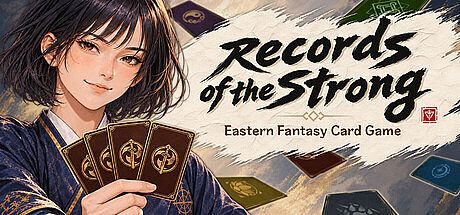


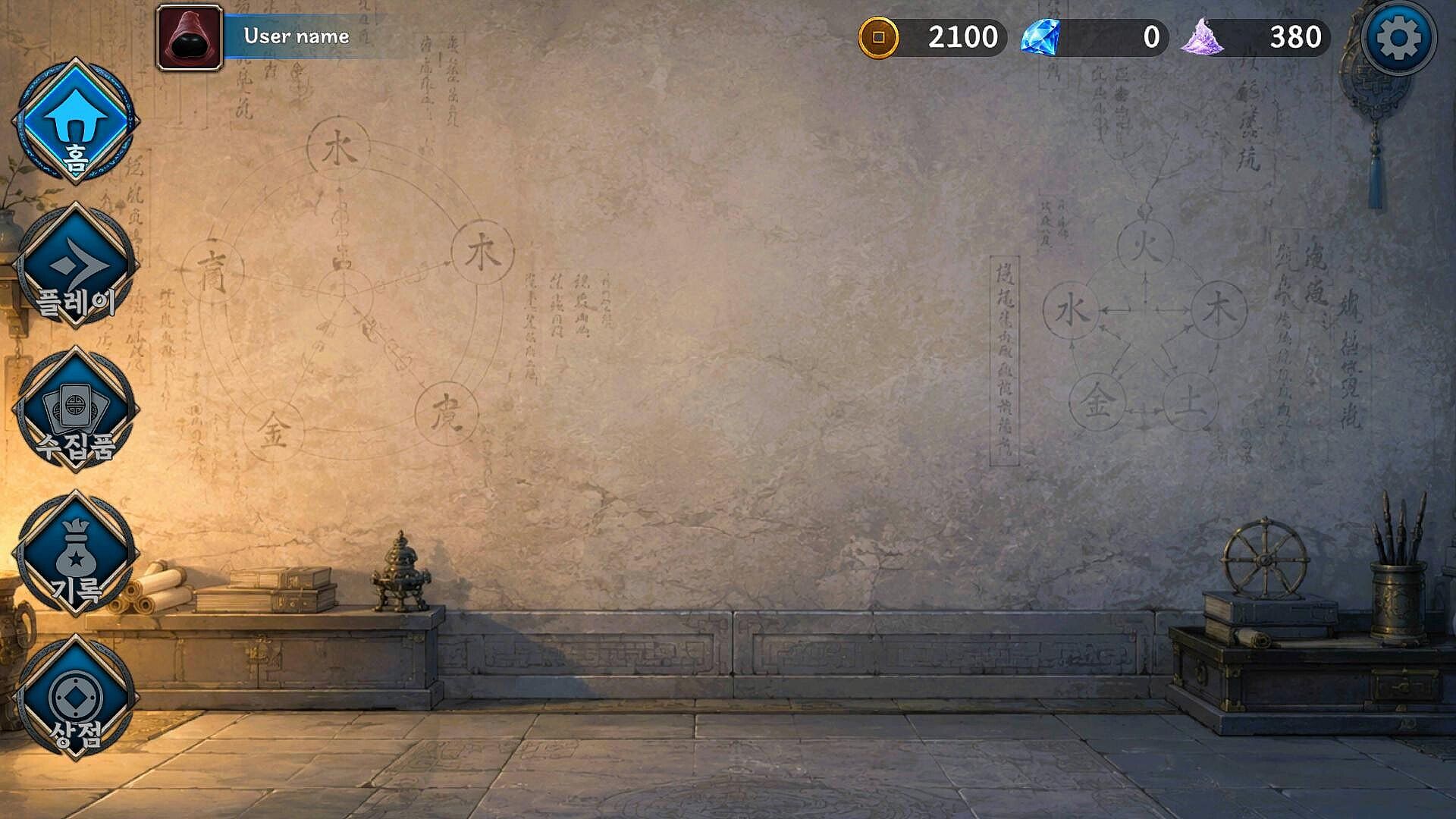
Records of the Strong is a strategy card game set in an Eastern fantasy world. Players build decks from four distinct factions and engage in simultaneous-action combat where both sides plan moves in advance before actions resolve together. The game blends deck construction with tactical prediction, allowing custom strategies that mix philosophies of power, harmony, freedom, and endurance.
Gameplay
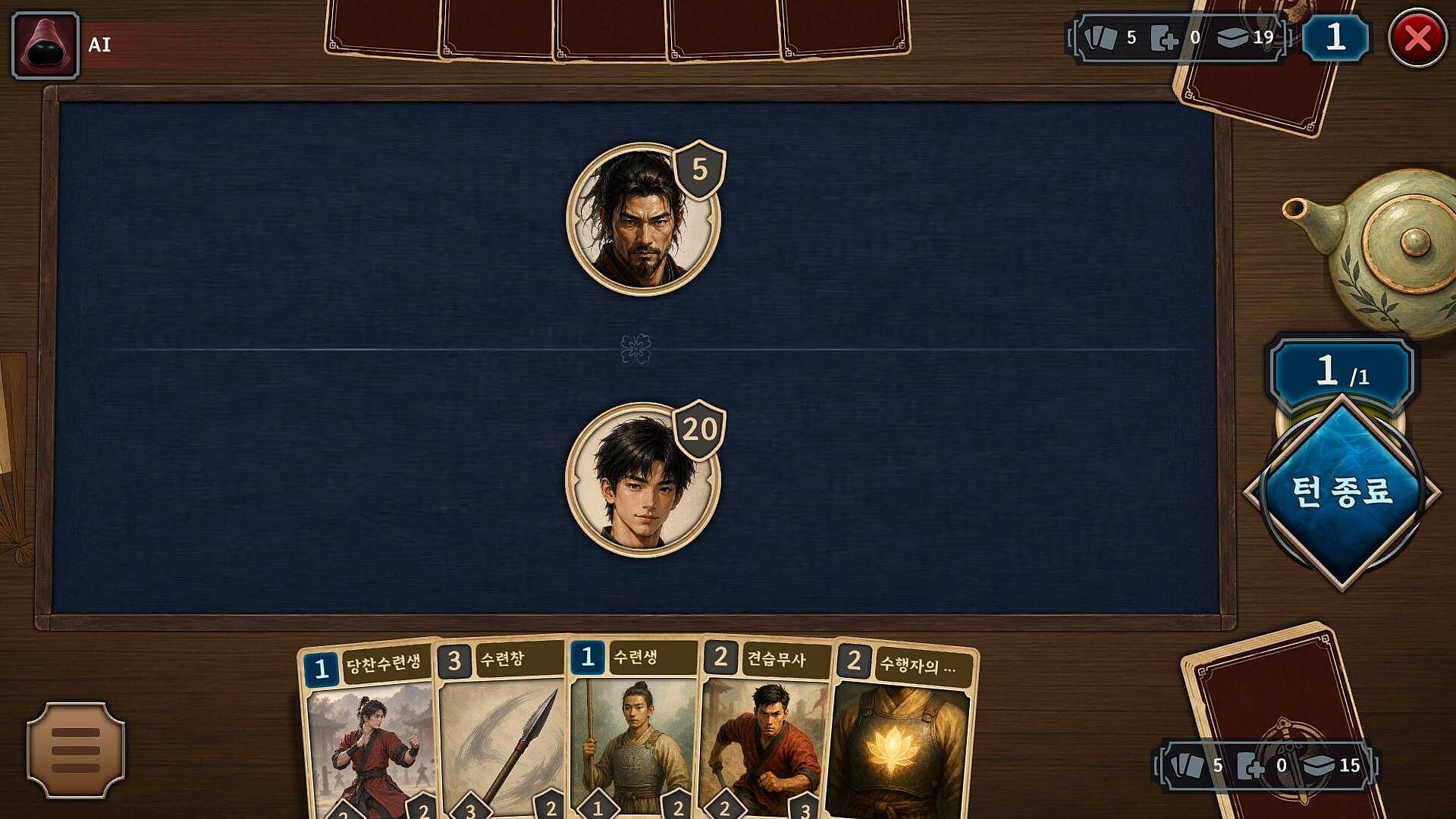
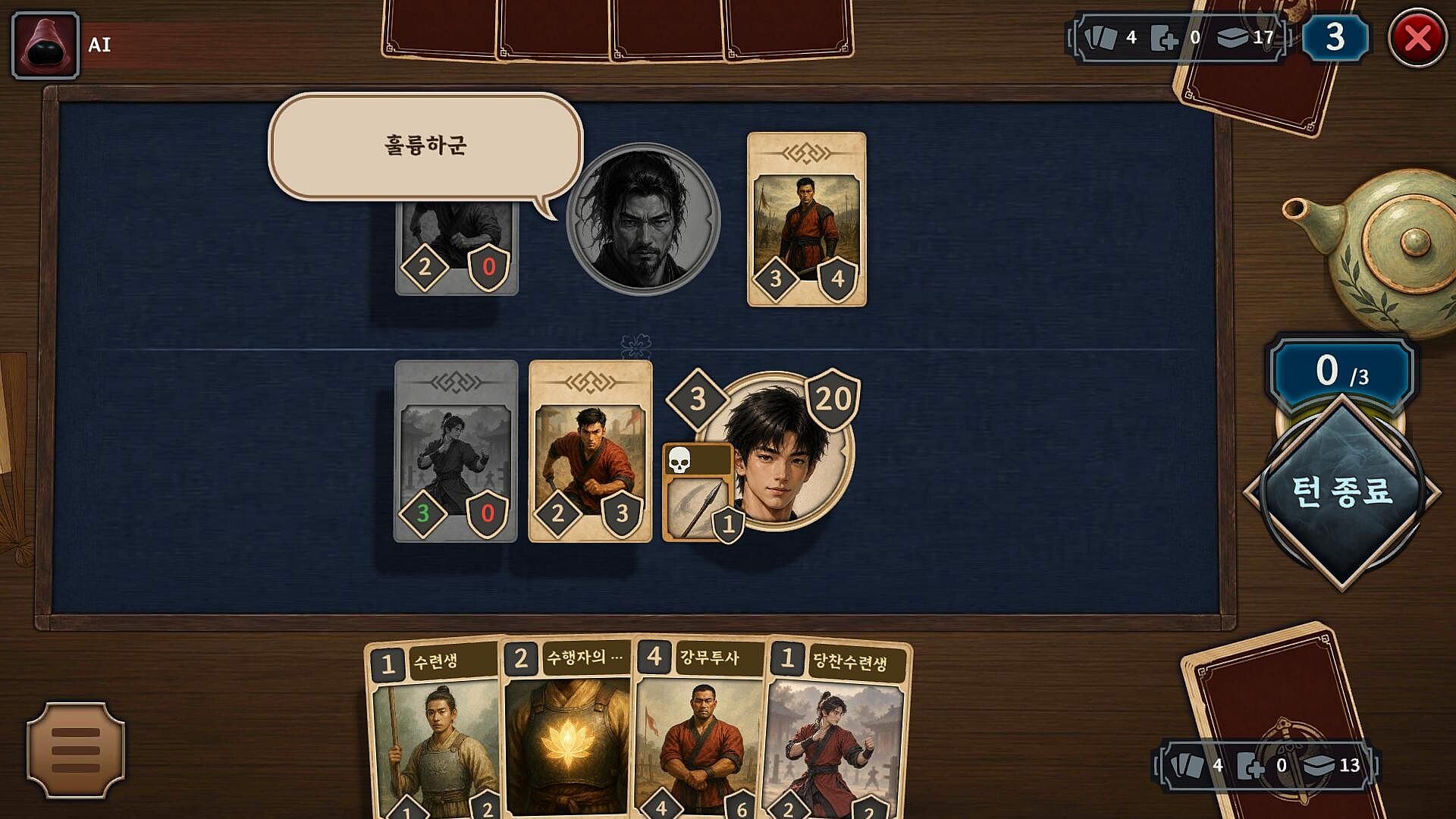
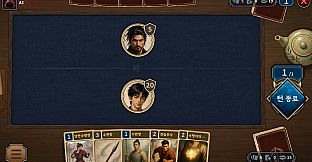
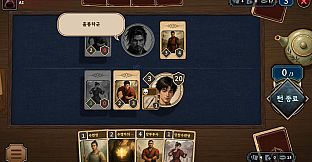
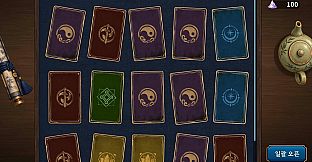
The core loop centers on planning and anticipation. Each player selects cards and actions without seeing the opponent's choices, then watches the results unfold at the same time. This system rewards foresight over reaction, as units deploy, spells activate, and weapons strike in a shared sequence. Decisions about when to commit resources or counter potential threats determine the outcome of every clash.
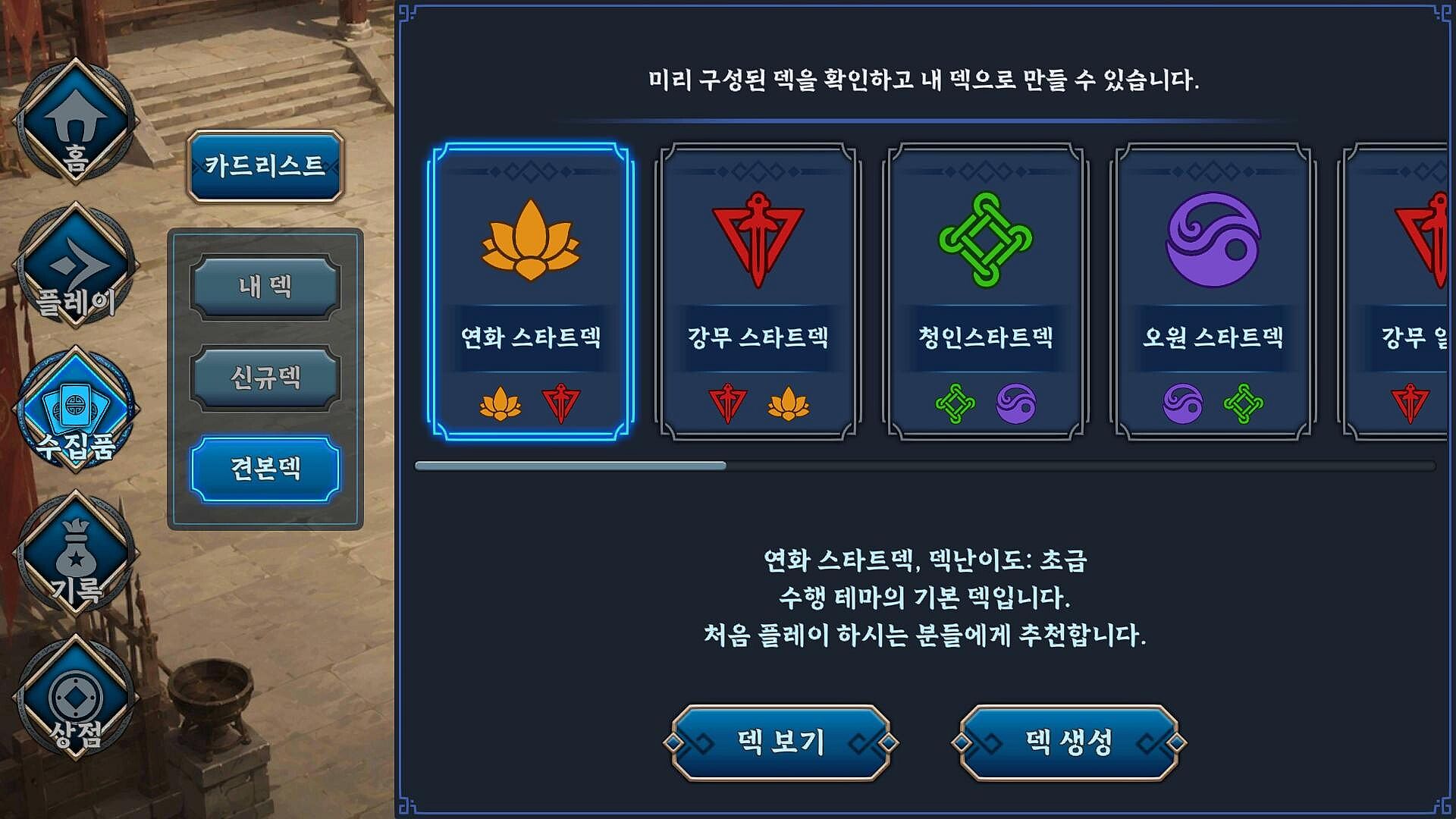
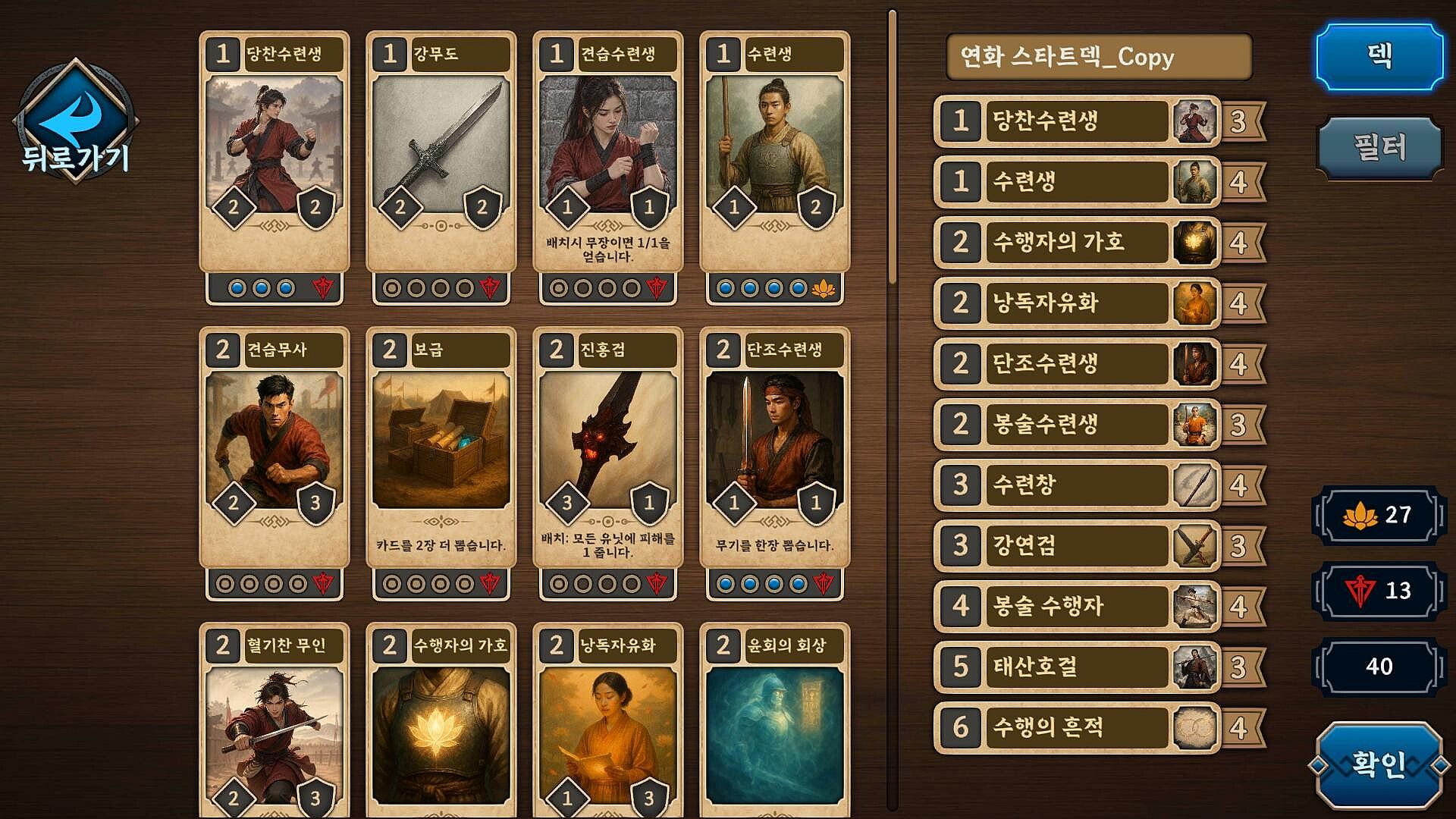
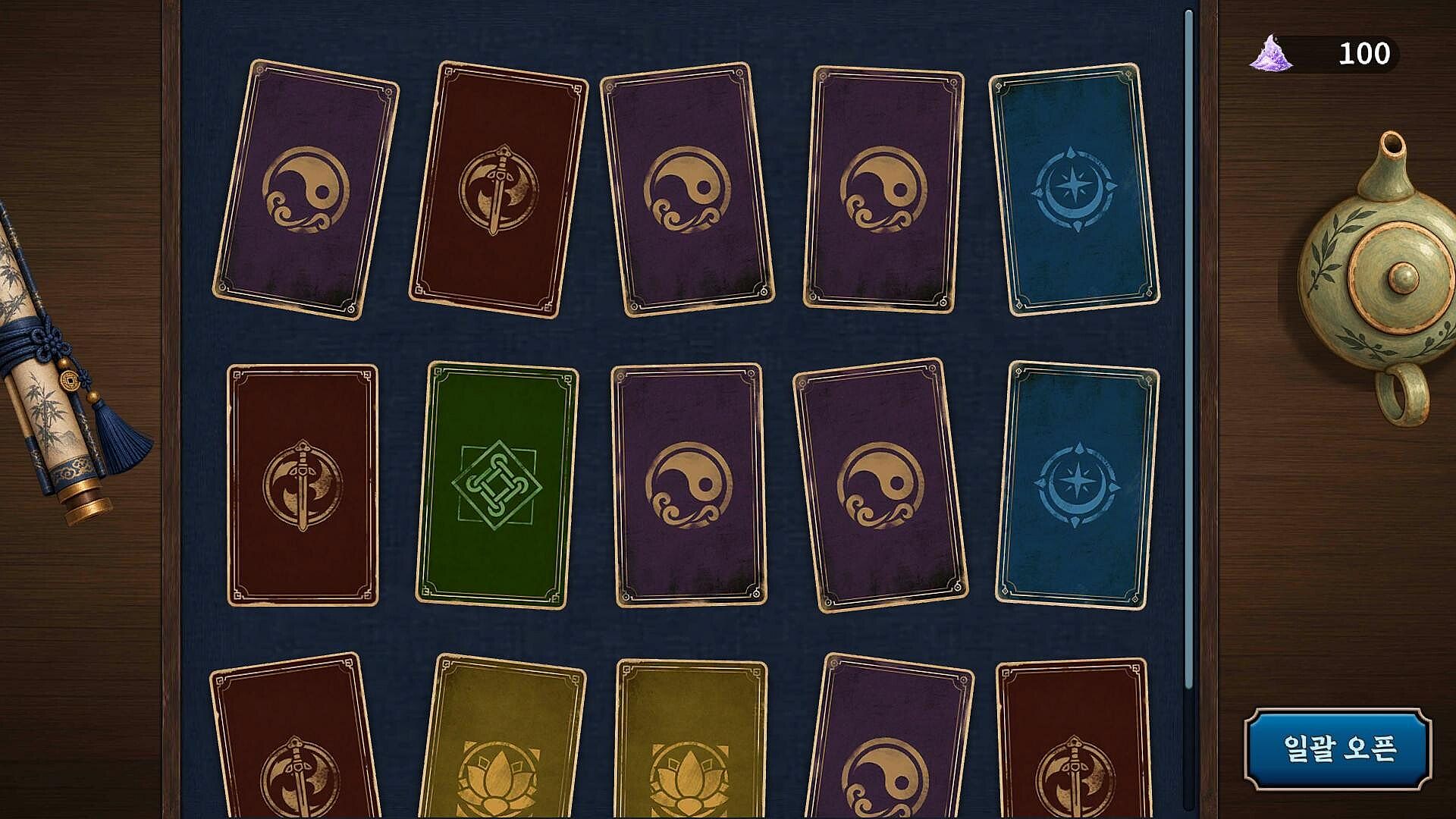
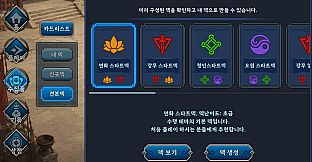
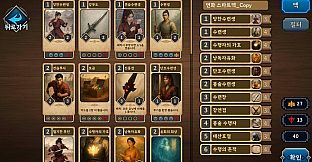
Deck building draws from four factions, each tied to a unique approach. Gangmu emphasizes aggressive offense and direct martial force. Cheongin focuses on cooperative bonds and shared strength. Owon favors flexible, unpredictable maneuvers. Yeonhwa stresses sustained endurance through healing and disciplined growth. Cards from multiple factions combine freely, so players craft hybrid strategies that match personal preferences rather than following a single path.
Game Modes
Online PvP supports direct matches against other players, where the simultaneous planning system creates tense mind games. Matches test the ability to read patterns and adapt decks on the fly.
Path of Heroes provides a single-player roguelike experience. Runs consist of a series of battles with opportunities to strengthen the deck between encounters. Choices during progression open new card options and force adjustments to handle tougher opponents, emphasizing long-term growth over any fixed build.
Factions and Strategy Options
Each faction brings distinct card effects and play patterns that reward different mindsets. Aggressive Gangmu decks push for early pressure, while Cheongin builds rely on synergy across multiple units. Owon cards introduce variance through unconventional timing, and Yeonhwa options extend fights with recovery tools. Mixing factions lets players experiment with balanced or specialized compositions without rigid class restrictions.
The simultaneous resolution mechanic amplifies these differences. A well-timed spell from one faction can disrupt an opponent's planned sequence, turning planned offense into vulnerability. Success comes from understanding how faction identities interact rather than memorizing linear combos.
Is It Worth Playing?
The game remains in development with a release date listed as coming soon and no user reviews available yet. Its free-to-play elements and focus on strategic depth suit players who enjoy prediction-based card combat and roguelike progression. Those drawn to faction variety and simultaneous planning will find the systems align closely with the described mechanics. Availability on PC through standard digital storefronts makes it accessible once launched, though the current lack of released content means prospective players should monitor updates for confirmed launch details and balance adjustments.