




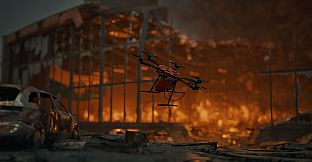
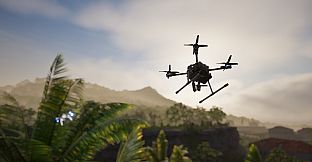
Rescue Drone Simulator: Second Chance is an action simulation adventure game set on PC where players operate specialized drones in high-stakes crisis response scenarios. The title places you in a newly formed unit of operatives who each received a second chance after professional setbacks, sending remote machines into environments too dangerous for human entry.
Gameplay
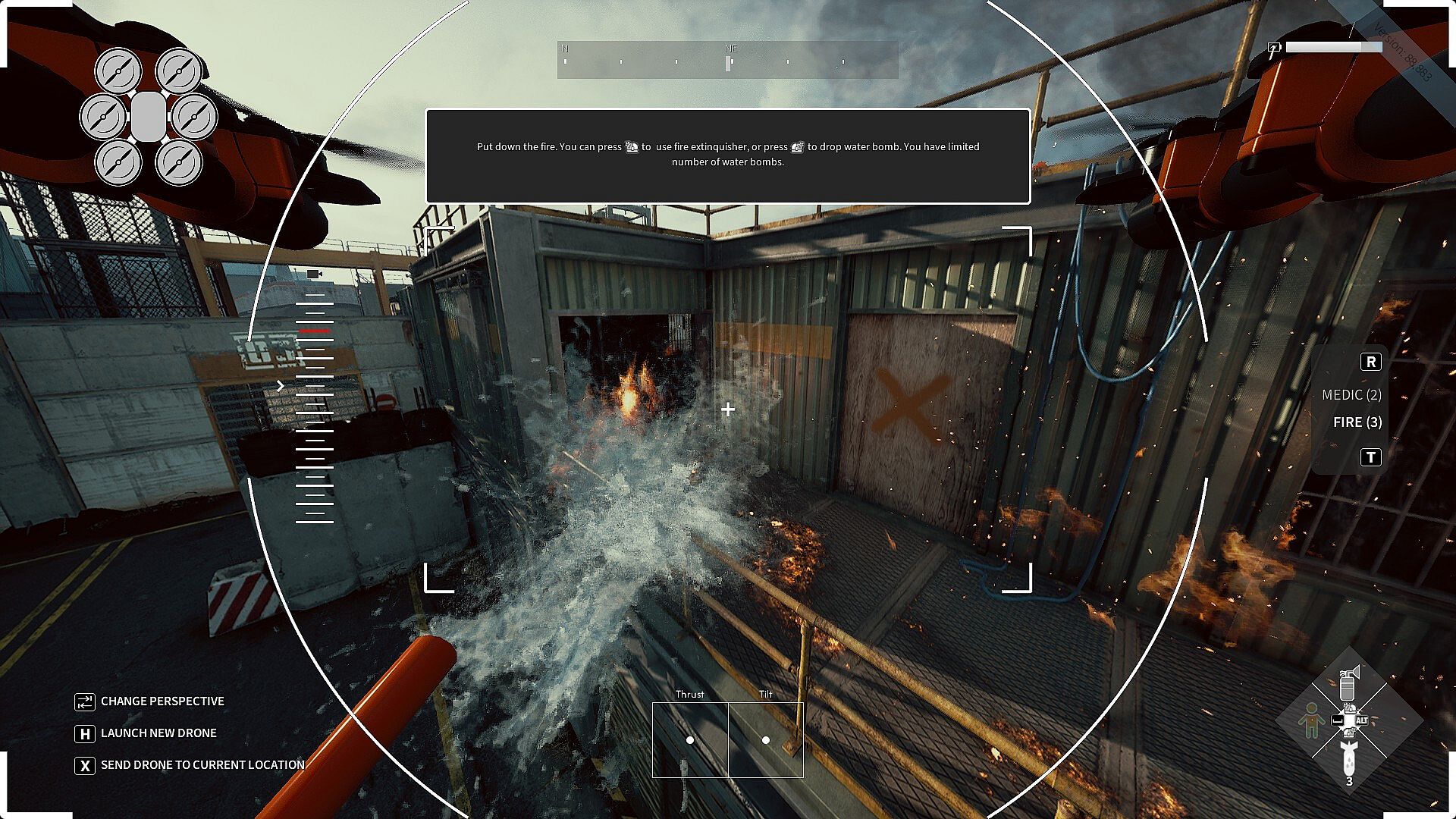
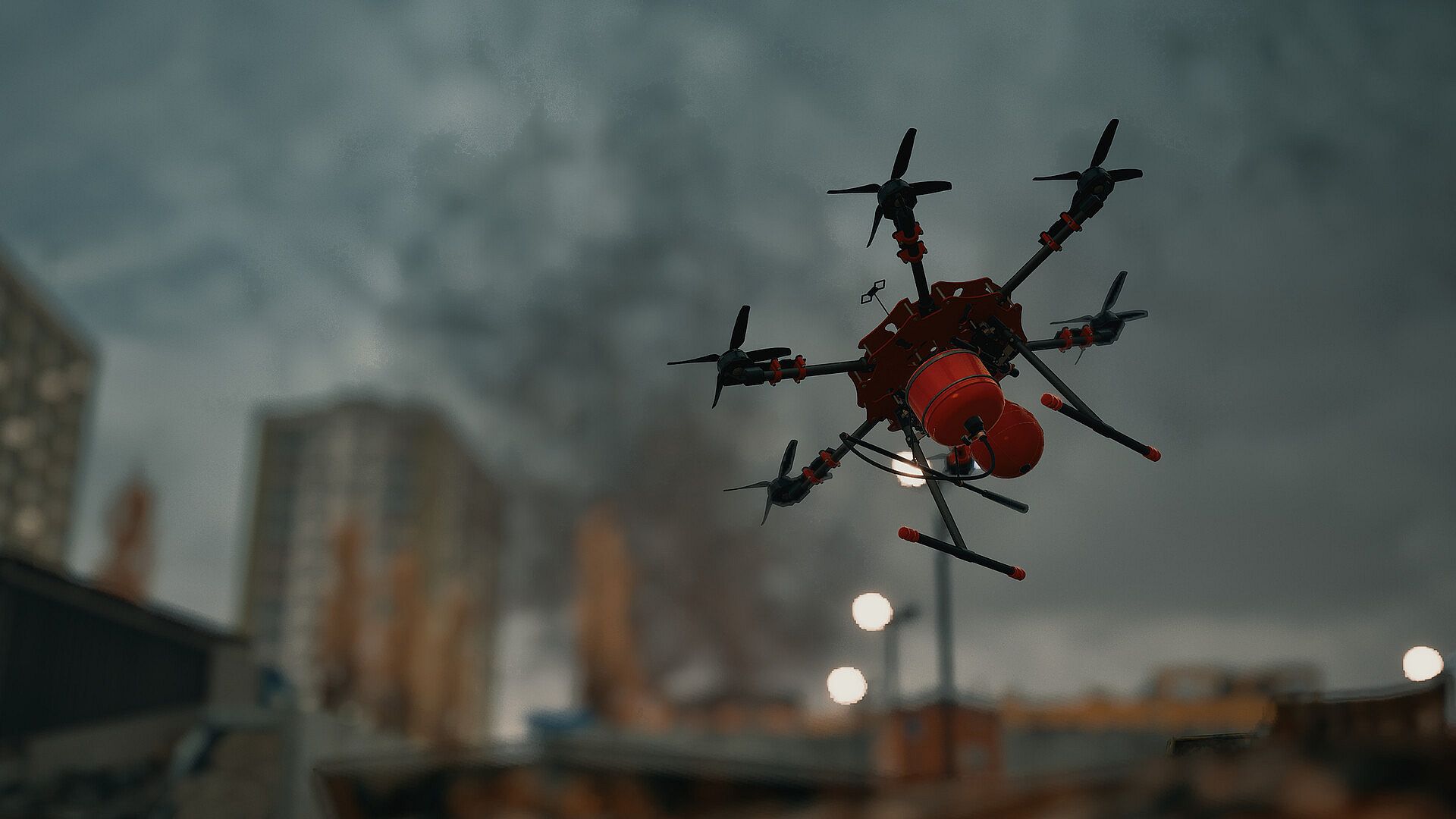
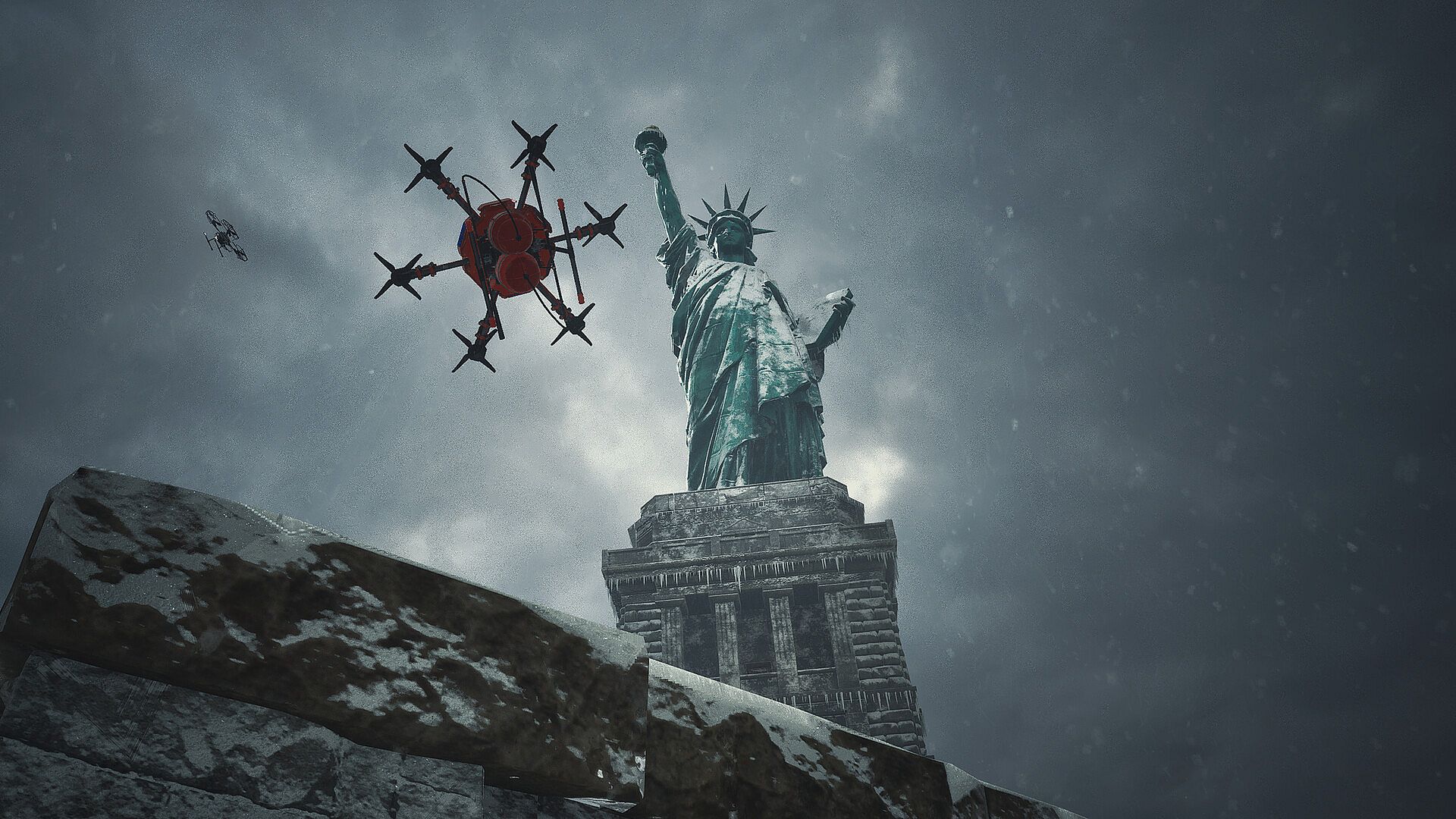
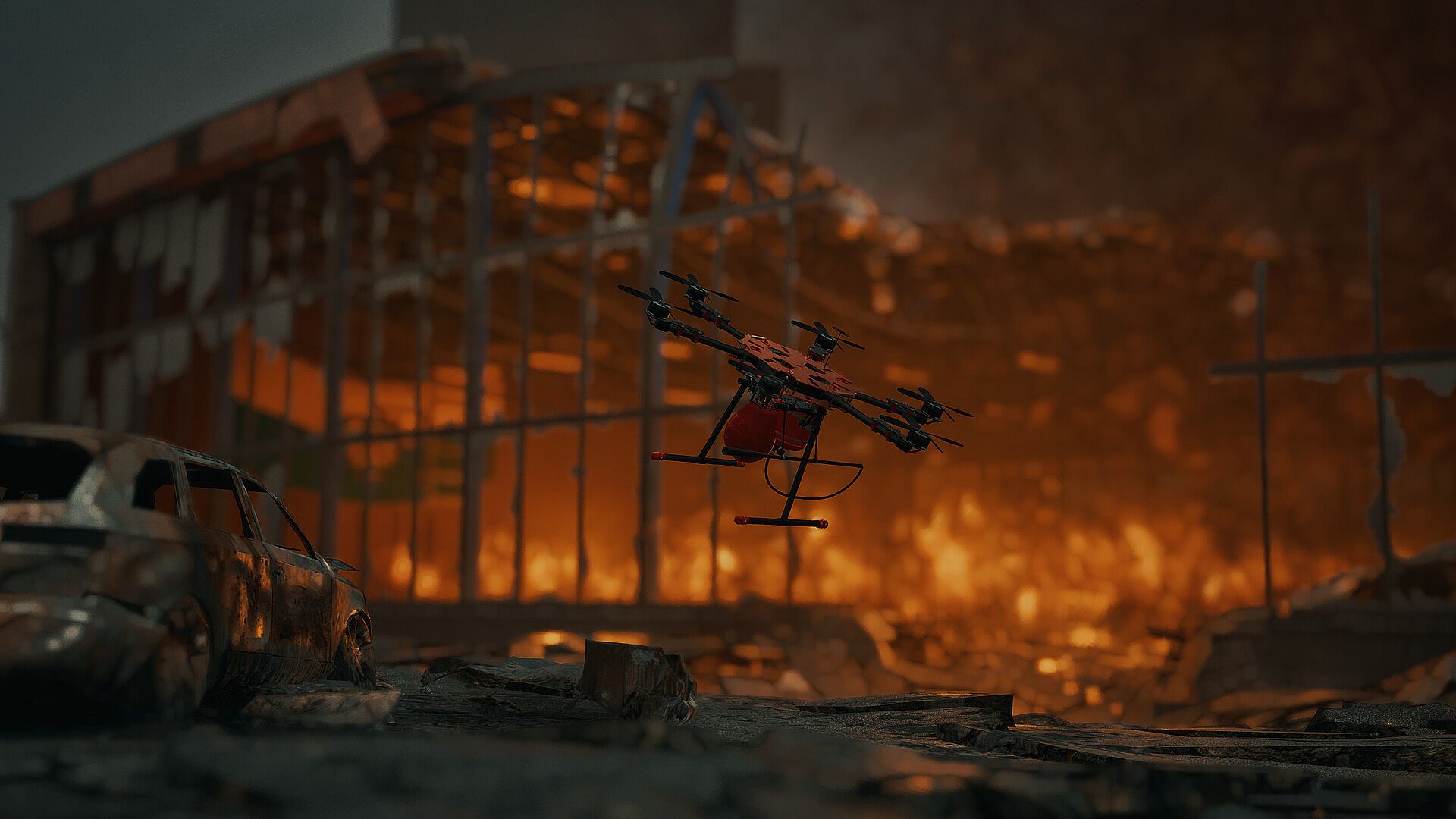
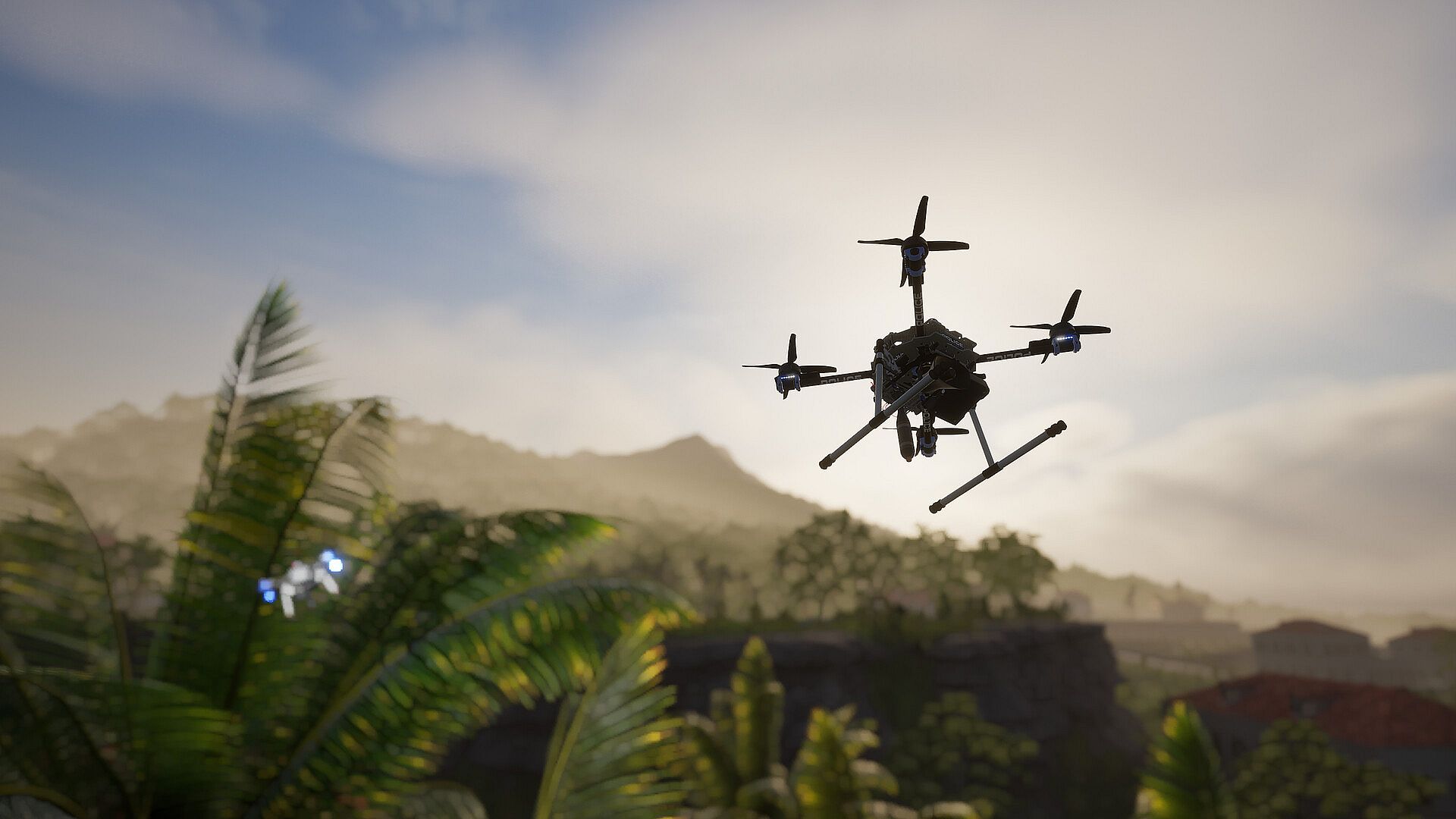
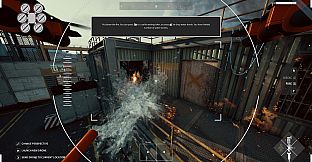
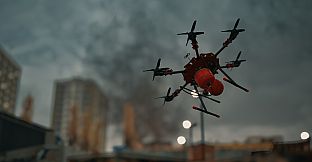
The core loop centers on piloting four distinct drone types across disaster zones filled with fire, unstable structures, and flooding. The rescue drone locates missing people by tracking phone signals and delivers medical supplies on demand. The firefighting drone suppresses flames and opens routes for ground teams. The police drone manages crowds and neutralizes threats from a safe distance. The anti-drone variant uses a net launcher to intercept hostile machines in midair. Each model handles uniquely in the air, requiring separate mastery of thrust, stability, and response times.
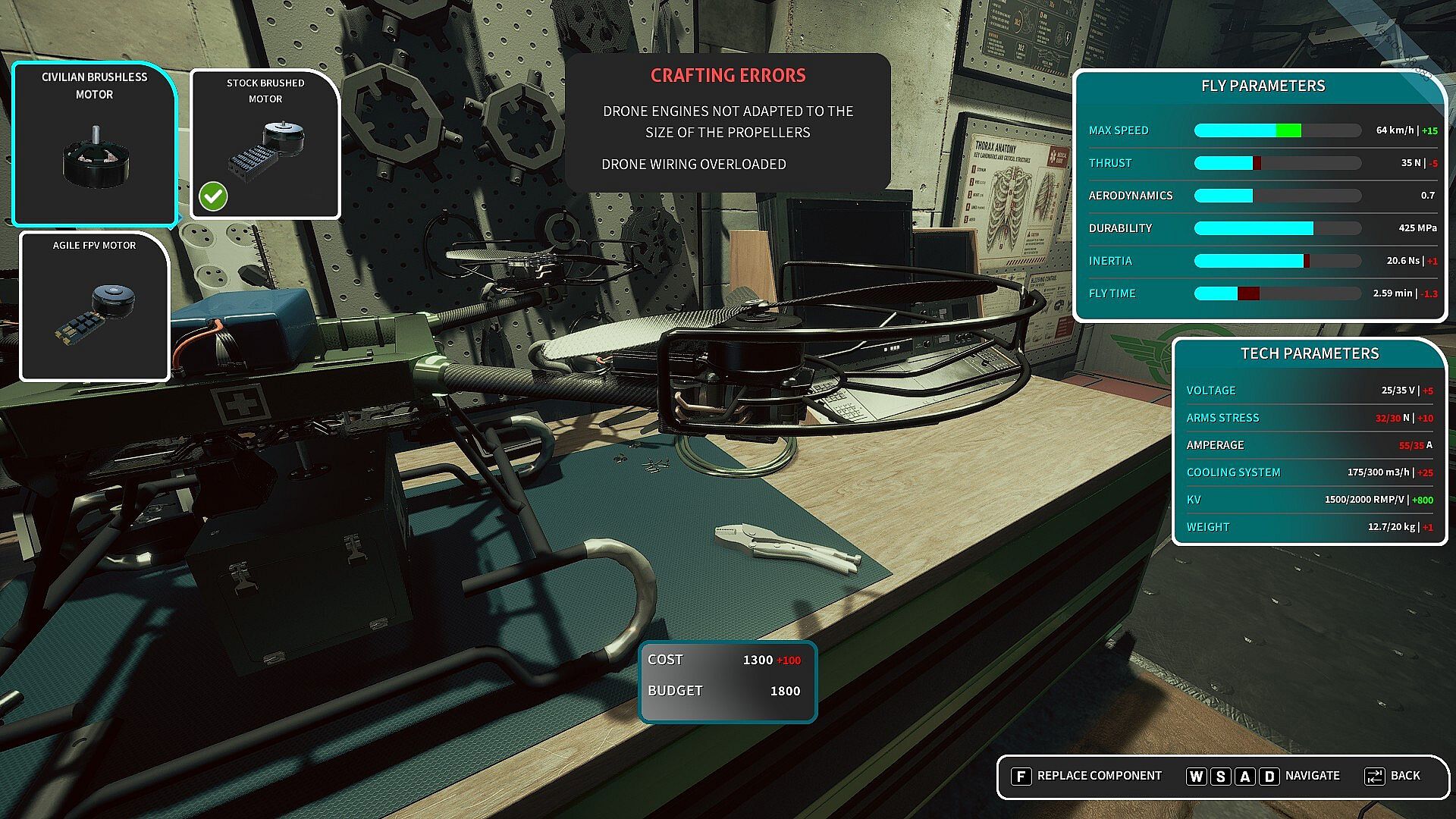
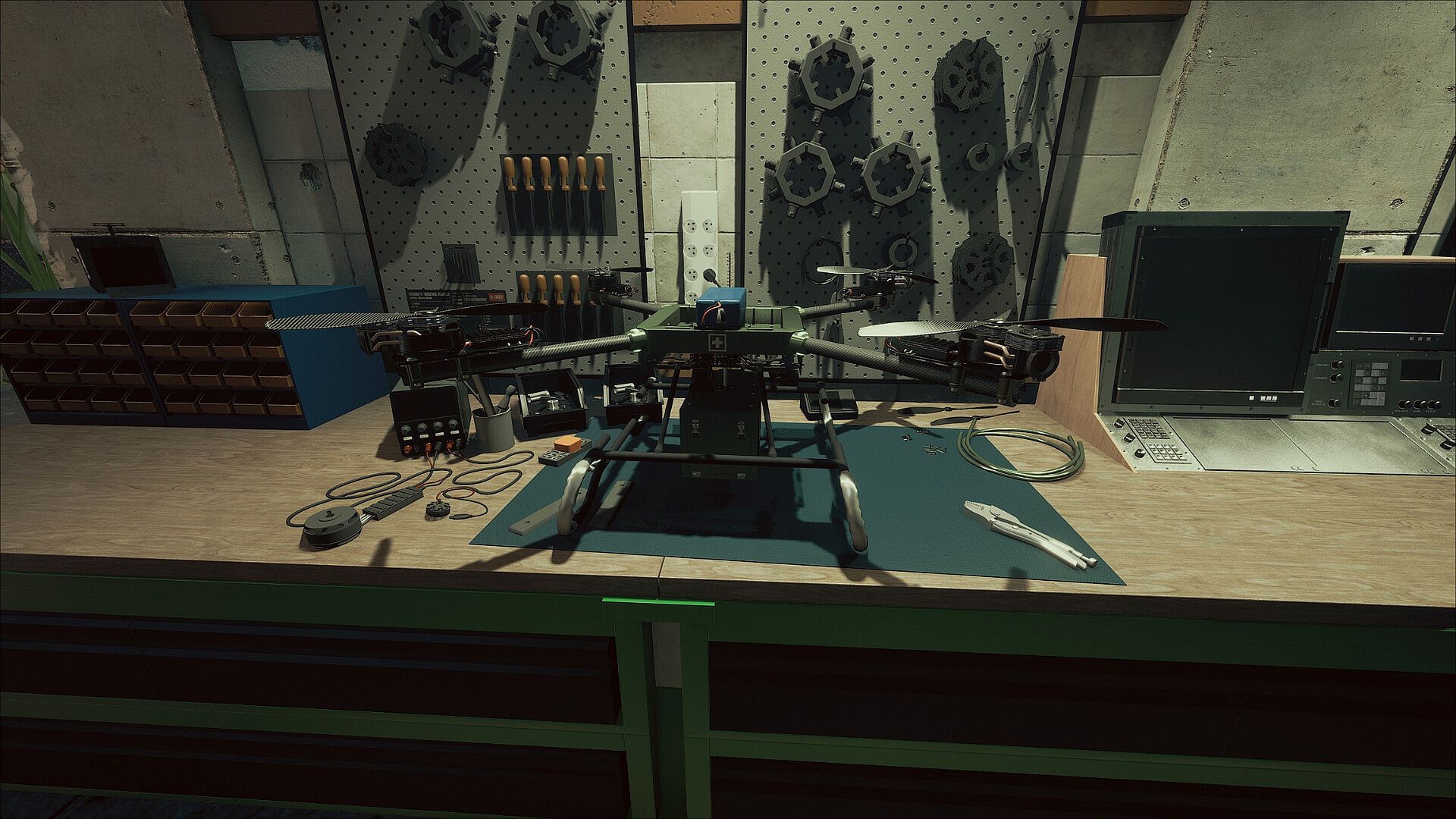
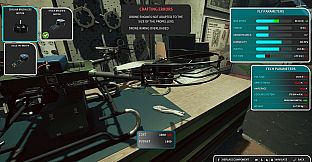
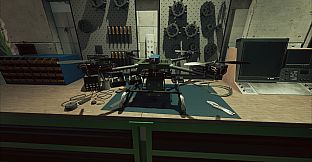
Every mission begins in the workshop. Players swap engines, blades, batteries, arms, and cooling systems, with each change altering speed, thrust output, and endurance in measurable ways. A poorly assembled drone reveals itself quickly through visible camera shake, drifting altitude, and sudden power loss during critical moments. Controls support both arcade and simulator modes, along with first-person and third-person perspectives, plus full compatibility with gamepads or keyboard and mouse.
Game Modes
The story-driven campaign consists of twenty missions spread across five varied maps. These operations begin with immediate environmental hazards such as spreading fires or collapsing floors, then shift toward uncovering human decisions behind the disasters. Free-play mode allows unrestricted access to the drones and maps outside the campaign structure. The two control schemes and view options remain available in all modes, letting players adjust difficulty and perspective to match their preference for precision or accessibility.
The Crew and Narrative
Four team members accompany each deployment, each carrying personal history that surfaces during operations. The firefighter grapples with retirement from direct response work. The paramedic recalls every individual lost in prior incidents. The investigator remains skeptical of technology yet committed to results. The specialist seeks validation after past injustice. Missions gradually connect these threads to larger revelations, blending procedural response with character-driven progression.
Is It Worth Playing?
This single-player experience suits players who value detailed drone handling, component-level customization, and a focused campaign that mixes immediate crisis management with longer-term storytelling. The emphasis on learning each drone's flight characteristics and feeling the impact of workshop choices creates a tangible sense of progression and consequence. Those drawn to simulation titles that reward careful preparation and adaptive piloting will find the mechanics align closely with that interest, while the narrative elements provide context without overshadowing the core flight and response systems.