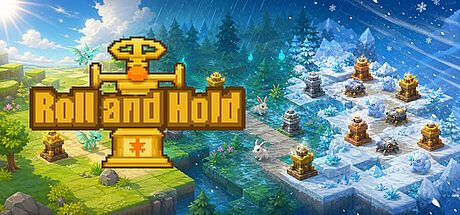


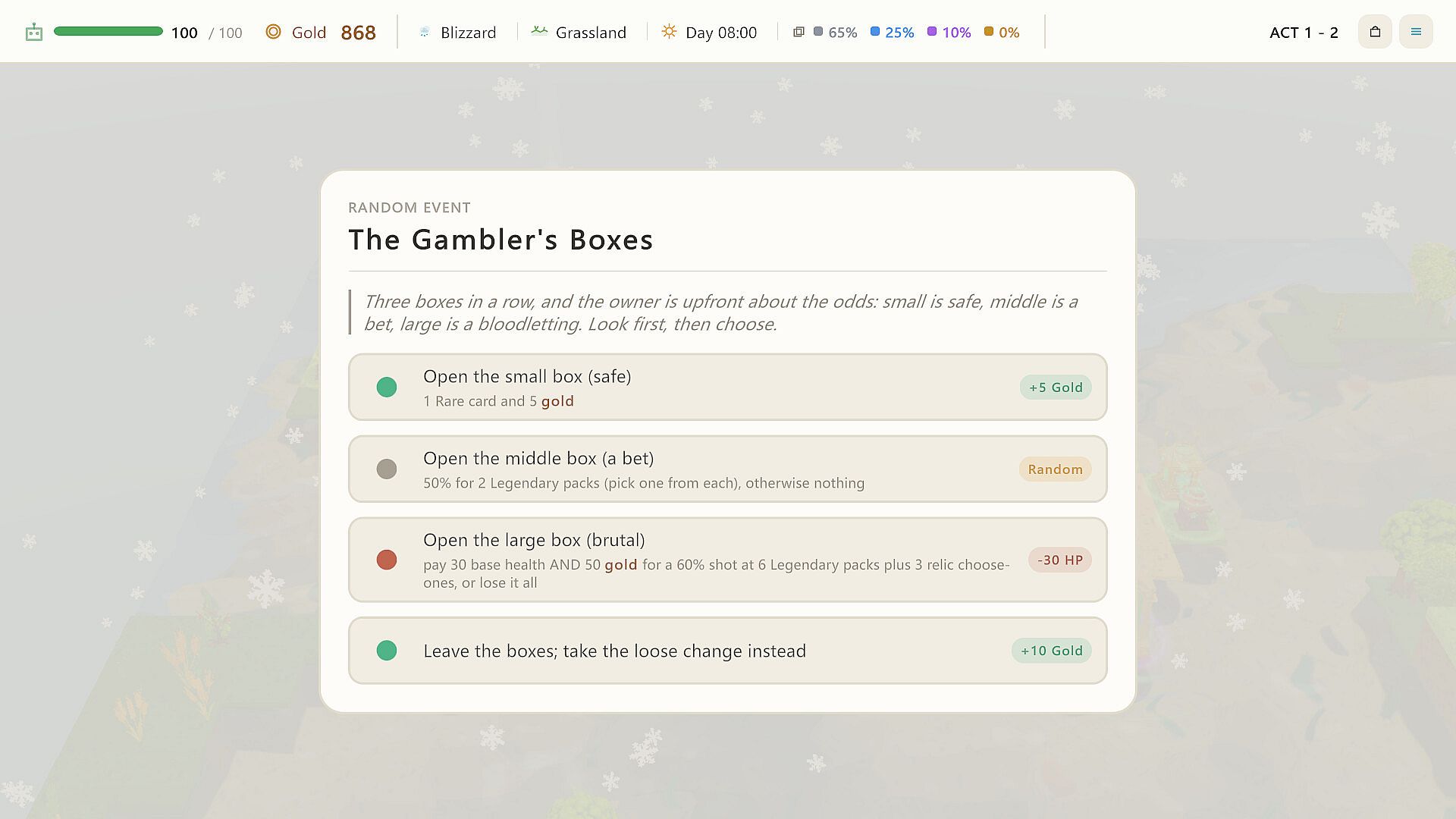


Roll and Hold is a card-driven roguelite tower defense game for PC that blends strategy with casual pacing. Players grow towers across runs rather than purchasing static defenses, using equipment cards that evolve through placement, enhancements, and upgrades. The core loop centers on real-time combat decisions, between-wave drafting, and navigating a visible branching map while managing elemental interactions and environmental factors.
Gameplay
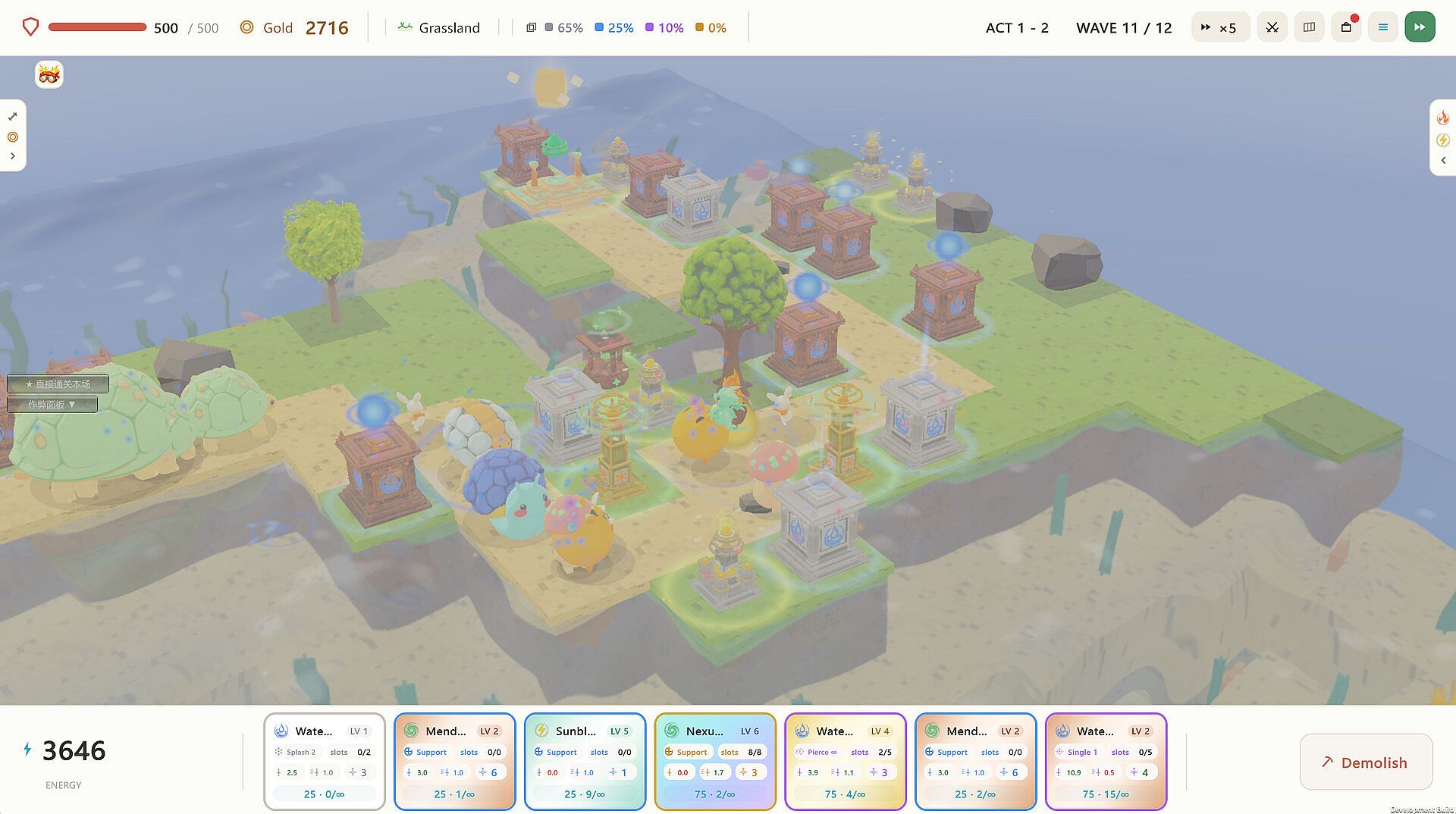
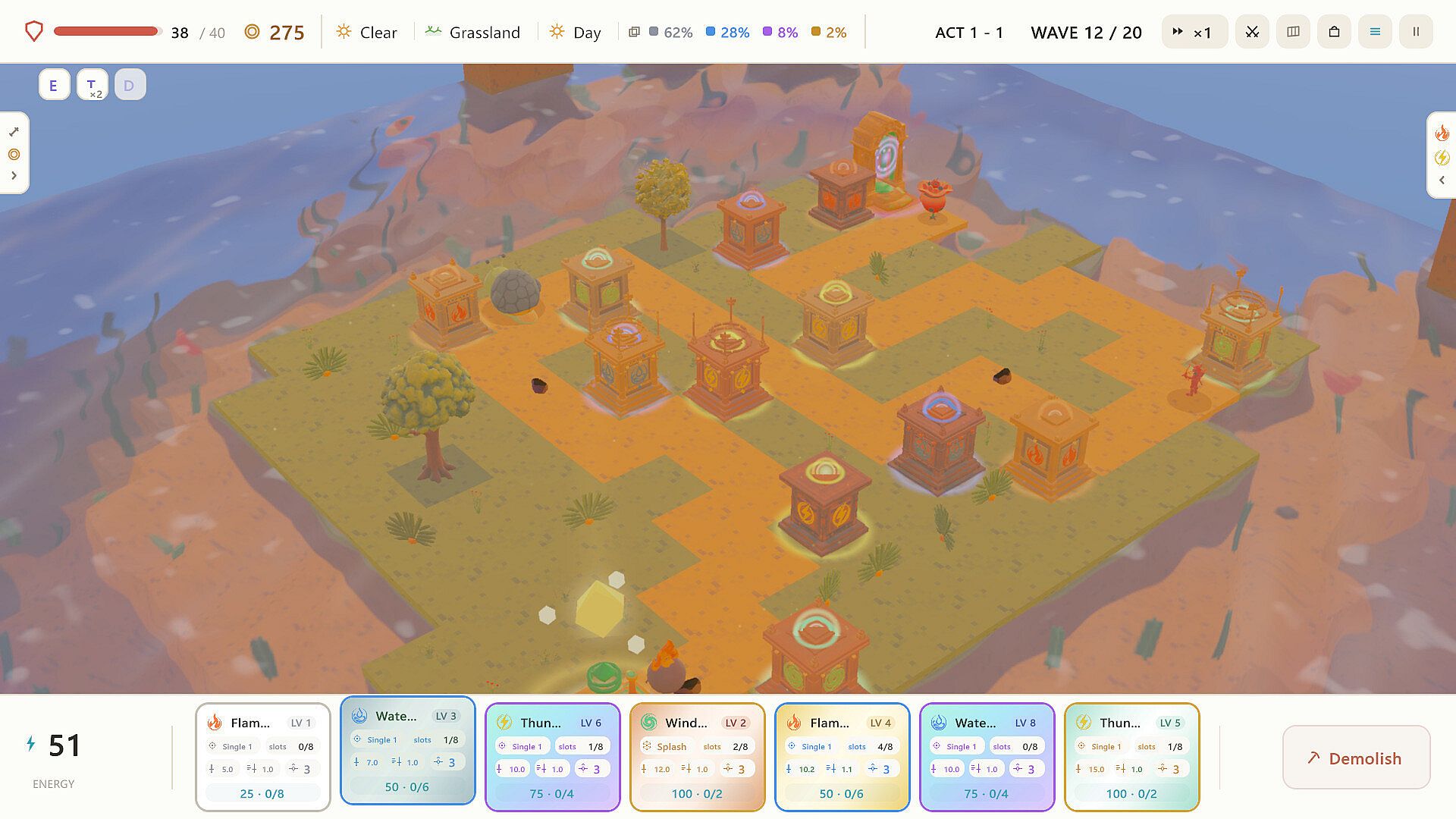
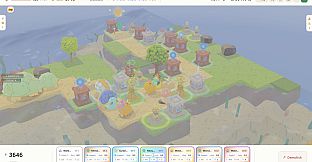
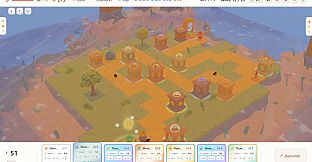
Combat unfolds in real time on voxel-built battle maps viewed from a tilted top-down perspective. Towers fire autonomously once placed, leaving players to focus on positioning, reinforcement, and sealing breaches as enemy lines advance. Maps feature terrain elements such as puddles and elevation that alter line-of-sight and movement, while spawn gates dictate wave entry points. The visual style uses hard-edged, warm-lit toy geometry that keeps the board readable during intense moments.
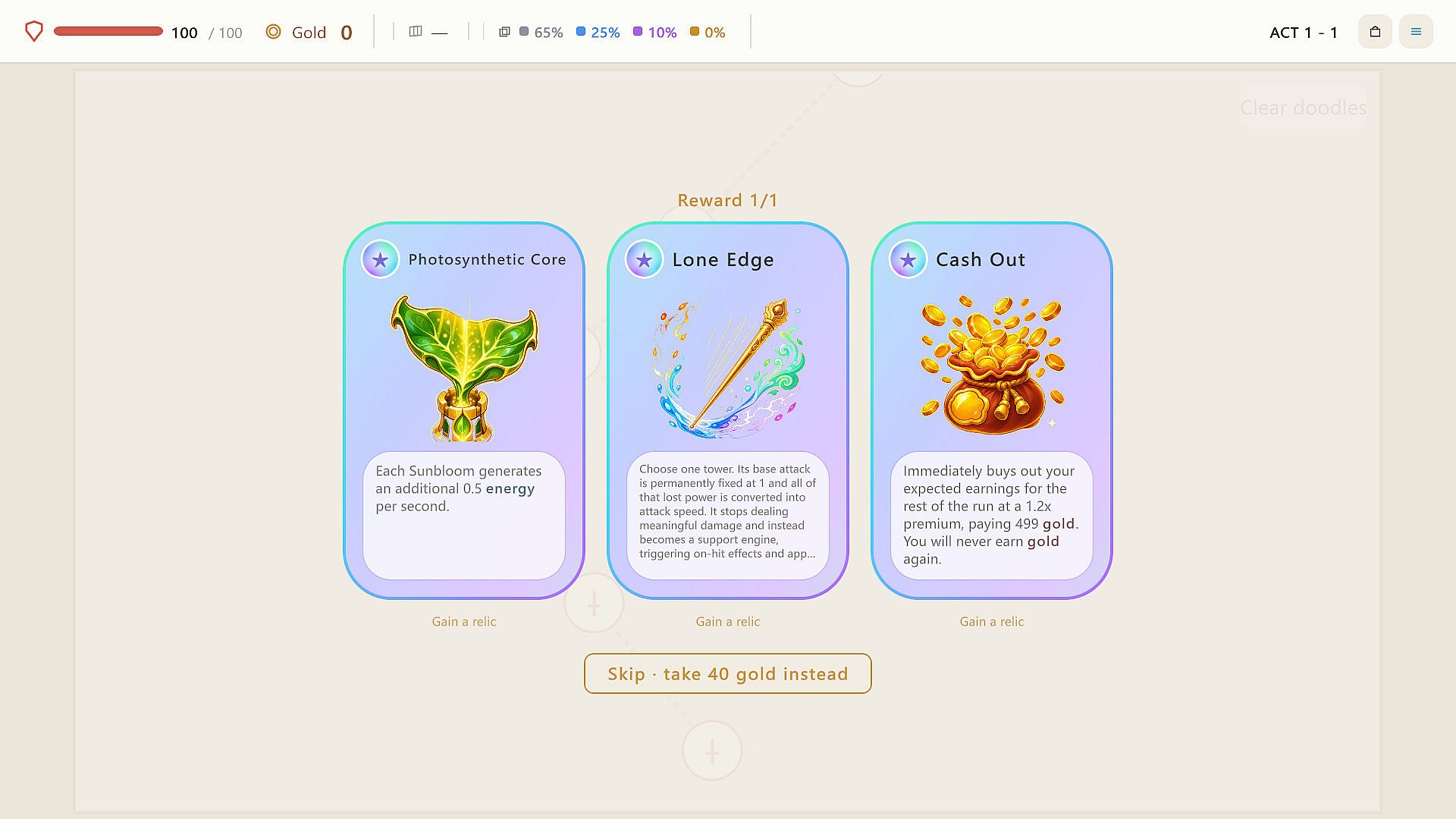
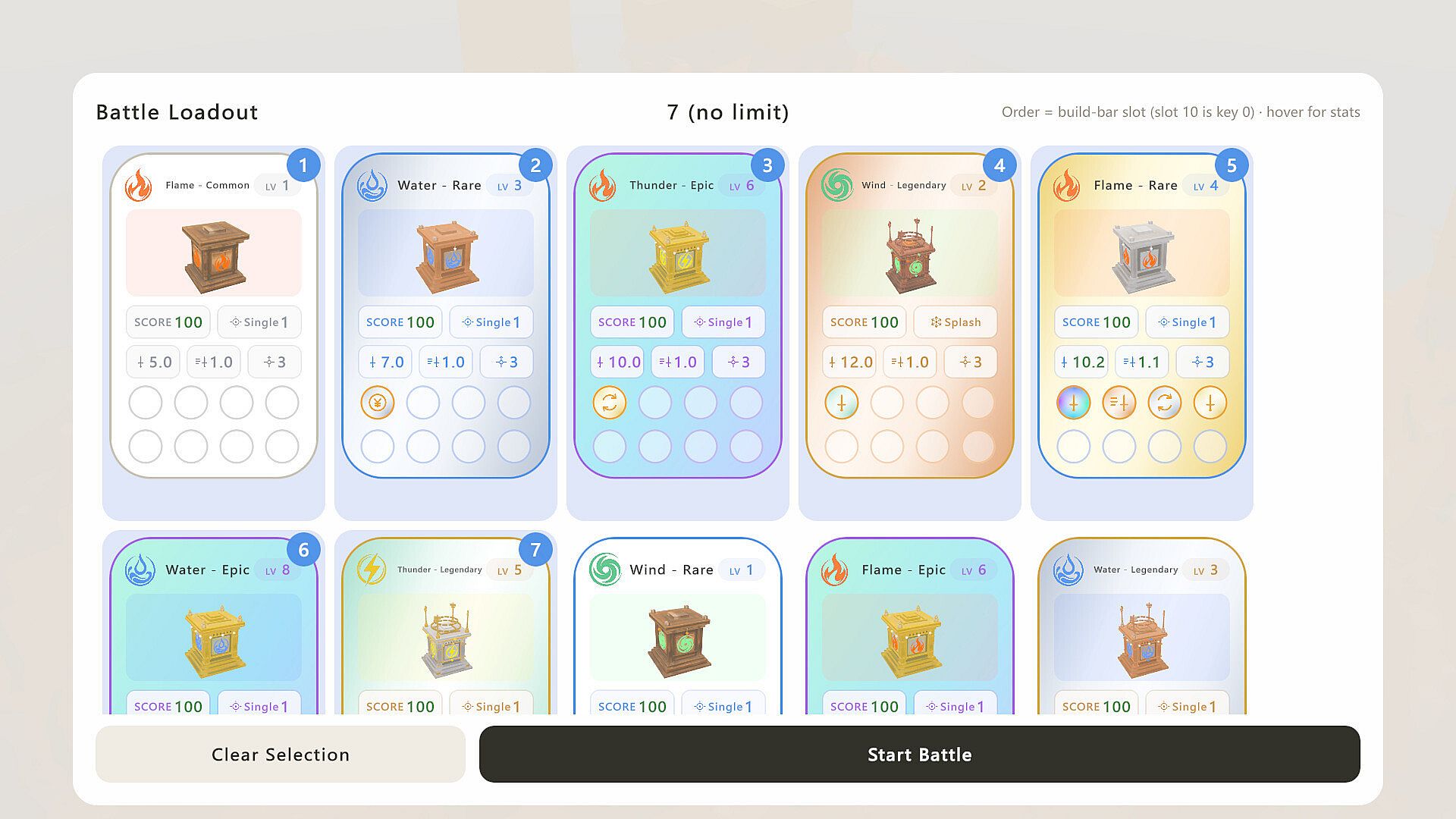
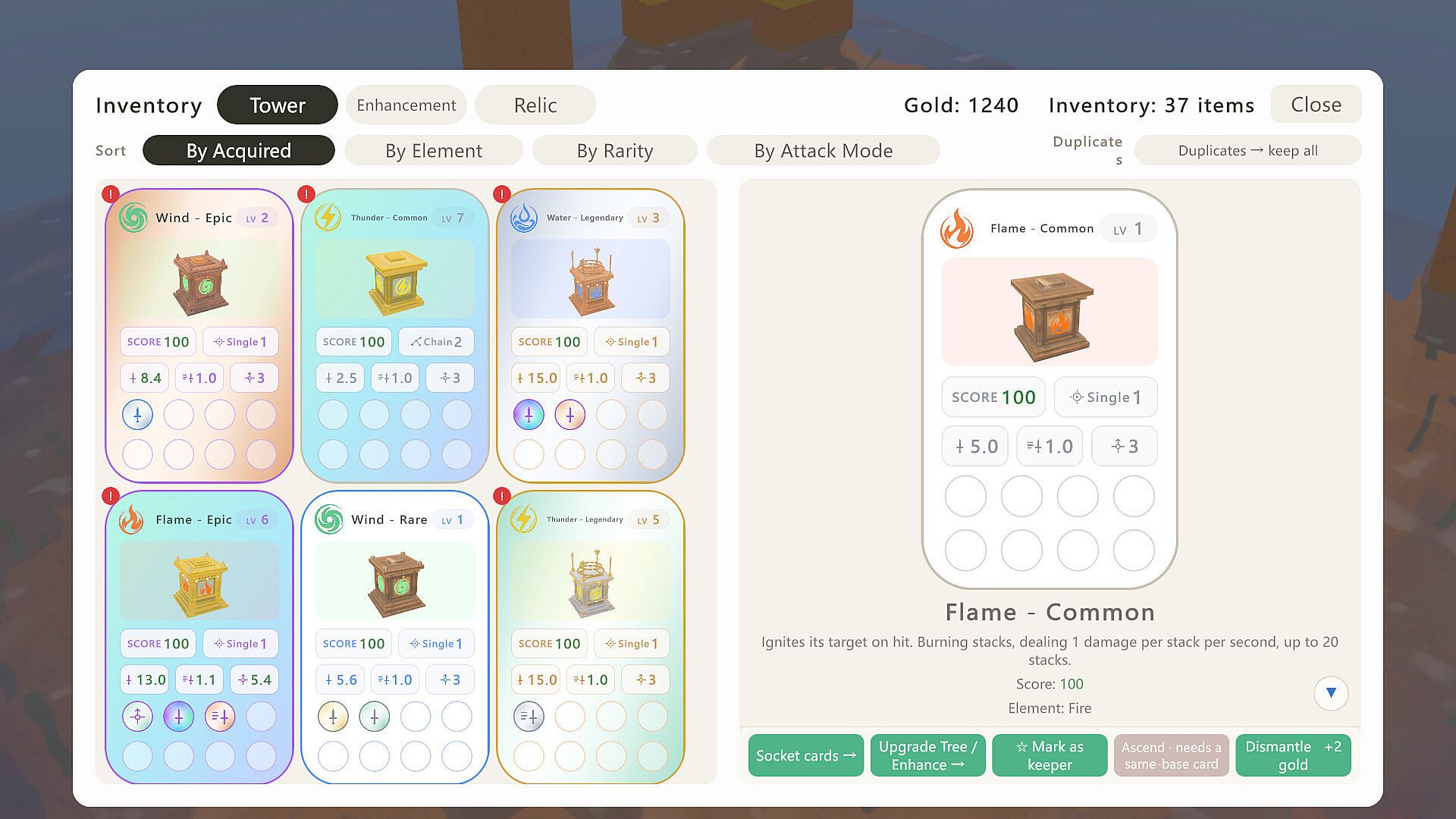
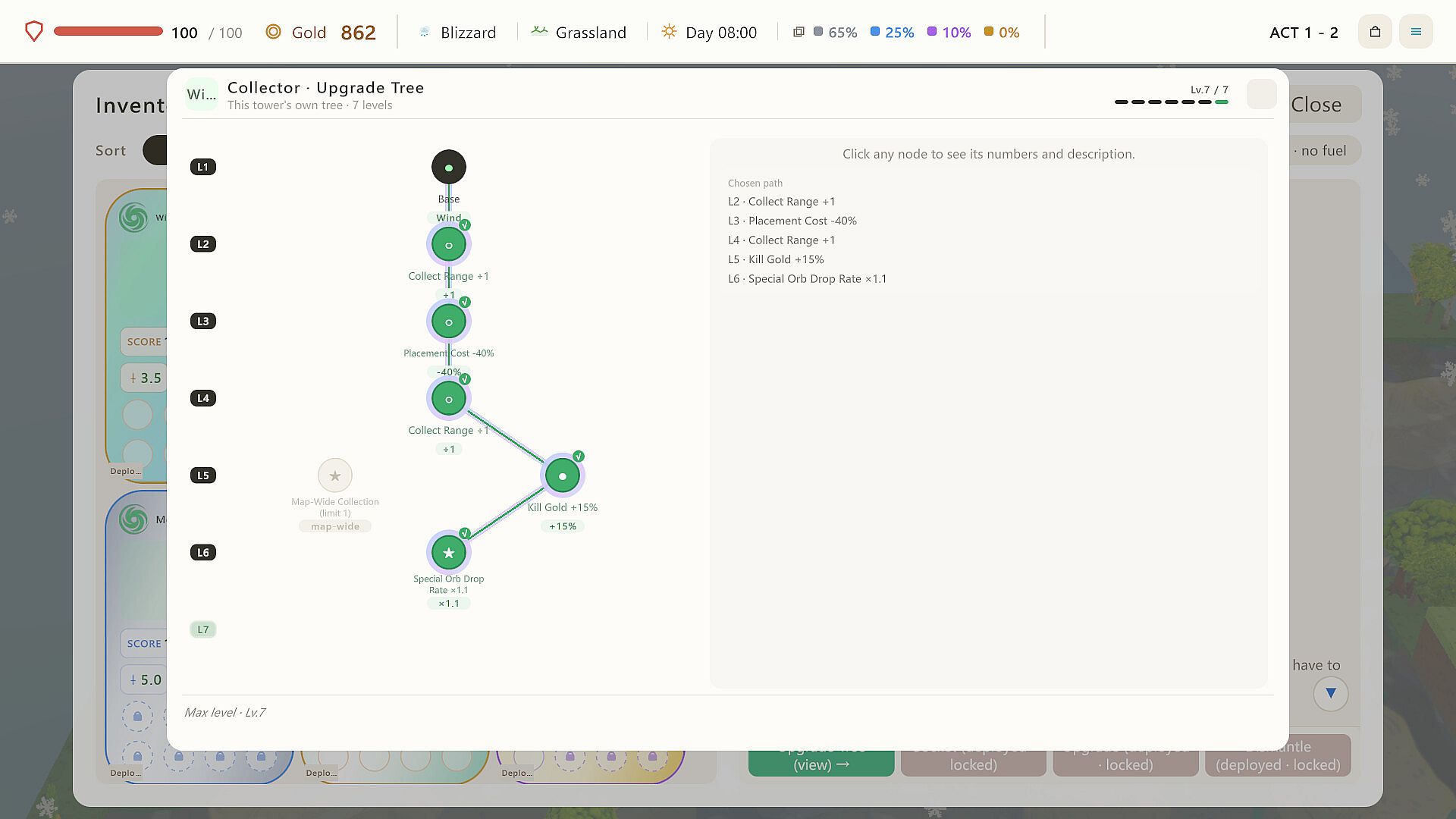
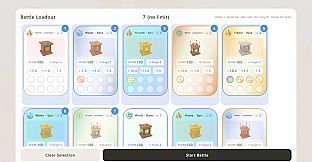
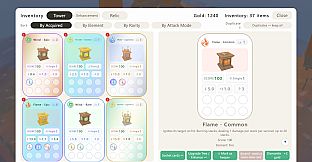
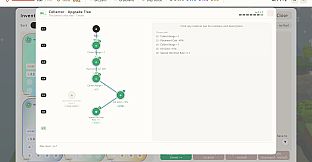
Between fights, drafting mixes tower cards and enhancement cards. Each tower rolls its own stats upon entering the hand, then accepts welded enhancements that level from 1 to 5. Commons provide two sockets while legendaries offer eight, allowing focused investment in a few powerful units or broad coverage with many simpler ones. An upgrade tree per tower offers six tiers with four choices each, culminating in an apex option for a seventh tier. Global relics add passives, some carrying curses, and the system supports 82 total relics across runs.
Four elements drive status interactions rather than simple damage types. Fire into Water creates Vaporize for single-target spikes. Fire into Lightning produces Overload blasts with radius effects. Lightning into Fire triggers Ignite that detonates stacked burns and chains outward. Wind spreads carried statuses to nearby targets. Weather and day/night cycles layer additional effects, such as thunderstorm Thunderstrike clearing fields or blood moons summoned only through specific events. Six biomes and six weather conditions combine with day/night variations to reshape each encounter across grassland, desert oasis, tundra, volcano, sky isles, and magic forest settings.
Game Modes
Single-player runs follow the standard roguelite structure with a branching map visible from the start. Players choose paths through battles, elites, shops, events, and rest stops, weighing resource expenditure against potential rewards. Twenty towers span four elements and rarity tiers, supported by hub, healing, and energy towers. Seventy events present meaningful forks rather than straightforward gains, while thirteen enemy types across twenty-five wave sets demand varied counters including armor, splitting, shields, and tower-breakers.
Multiplayer supports two to four players through online co-op or direct LAN connections. Enemy health scales with player count and map layout, while relics and card pools remain shared. This setup distributes problem-solving across participants without simplifying the challenge. After completing the final boss, Ascension levels from 0 to 7 unlock progressively tighter runs. An endgame endless stage follows victory, testing build longevity across infinite waves. Thirty achievements track progress, and a codex reveals details on events, relics, weather, and terrain as they are encountered.
Progression and Systems
Each run builds toward a personalized tower on the board through repeated placement, enhancement, and tree advancement. The third dimension of voxel terrain influences strategy beyond flat layouts, forcing adaptation to elevation and water features. Combat speed options range from 1x to 8x, aiding both deliberate planning and faster replays. Saves are partitioned into twenty solo slots and ten co-op slots per account with Steam Cloud support, preserving multiple ongoing campaigns.
Support towers handle hub functions, healing, and energy management alongside the twenty main towers. Enhancement cards number thirty-three and integrate directly into sockets, scaling with tower rarity. The system rewards experimentation across rarity concentrations, from concentrated legendary builds to distributed common coverage.
Is It Worth Playing?
Roll and Hold suits players who enjoy strategic tower defense combined with roguelite decision-making and card drafting. The emphasis on growing towers across a run, managing elemental synergies, and adapting to visible map branches provides consistent depth without requiring constant micro-management during fights. Co-op expands the experience for groups seeking shared problem-solving on scaled encounters, while solo runs offer repeatable progression through Ascensions and endless stages. The indie casual-strategy blend appeals to those comfortable with procedural elements and environmental variables that alter each attempt. Availability on PC with full English and Simplified Chinese support broadens accessibility for the described systems.