






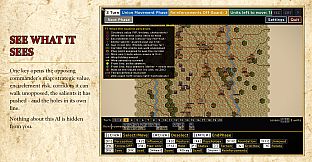
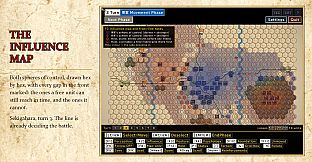
Sekigahara 1600 is a hex-and-counter strategy and simulation game for PC that places players in command of historical armies across several famous battlefields. The design centers on movement and positioning rather than isolated skirmishes, with every decision carrying weight because contact with the enemy forces immediate combat.
Gameplay
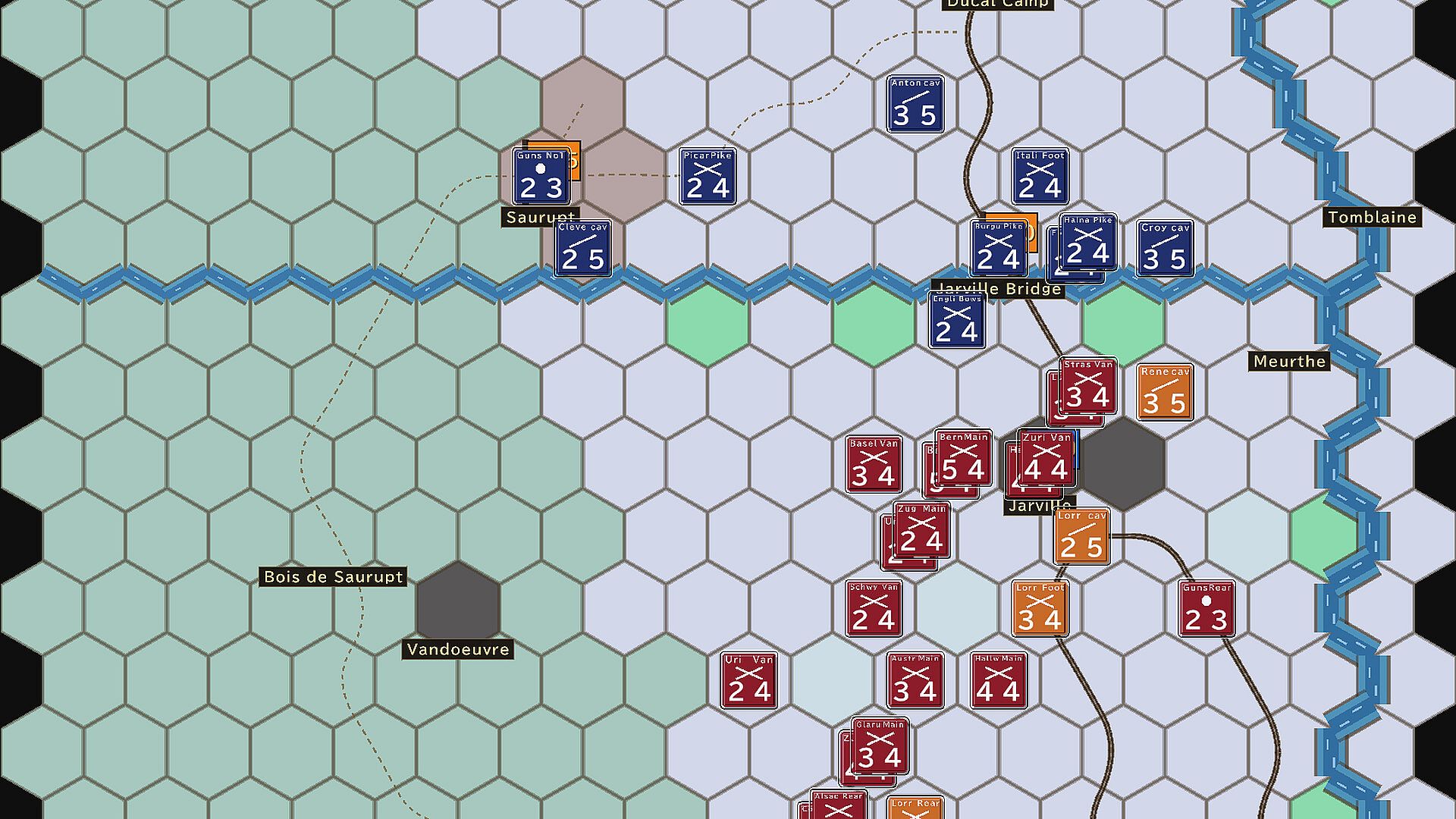
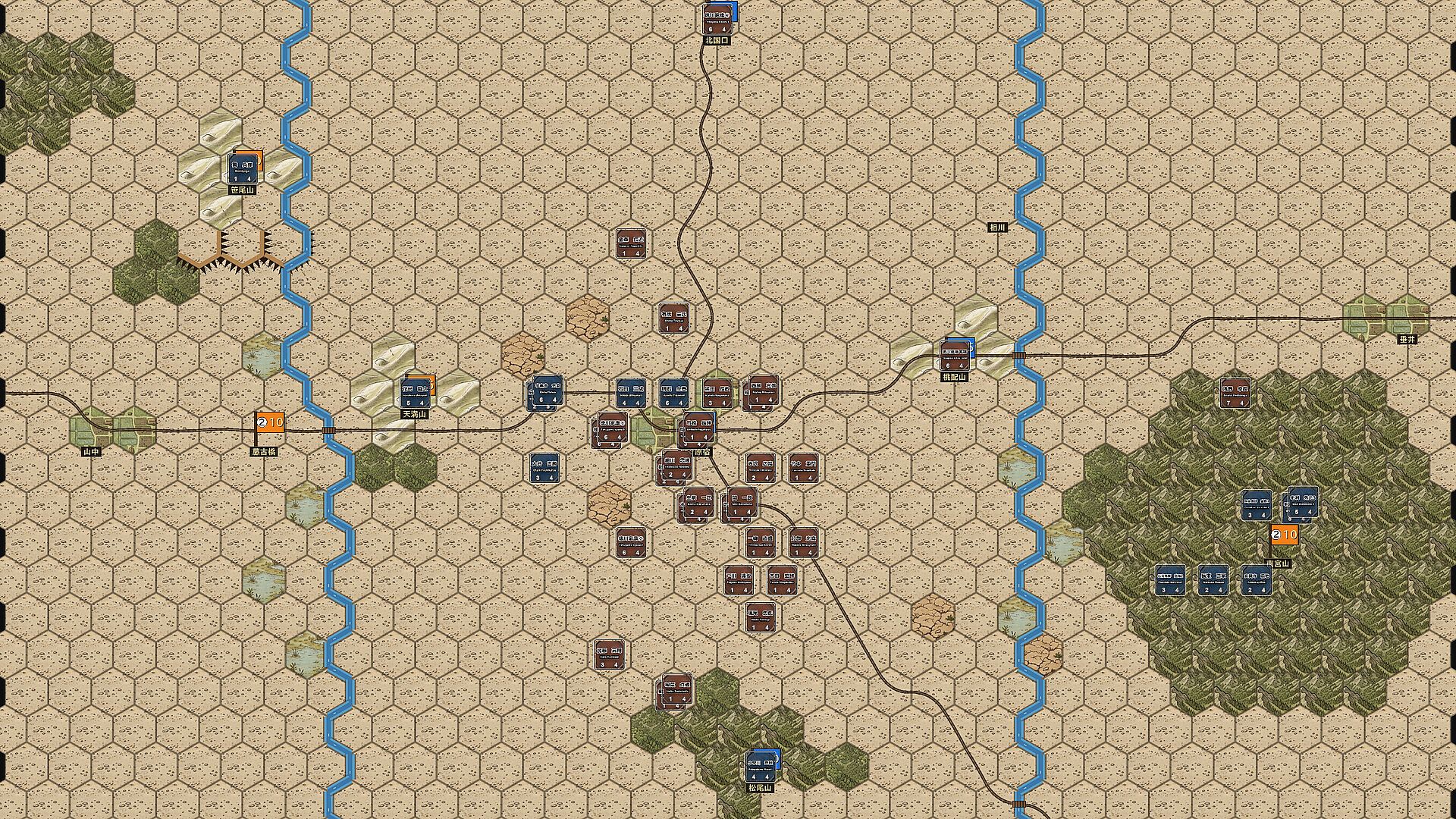
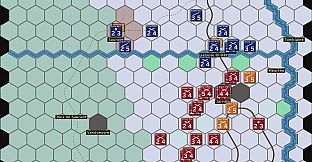
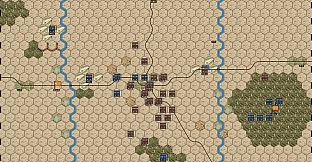
The core loop revolves around moving units across a hex grid while managing zones of control. Any unit that ends its move inside an enemy zone must attack, eliminating the option to sit back and wait for the opponent to commit. This rule turns every step into a calculated risk, as players decide which enemy positions to engage and which to avoid. Combat resolves in groups, with one side facing multiple opponents or vice versa, and artillery units add range and line-of-sight considerations that shape the battlefield.
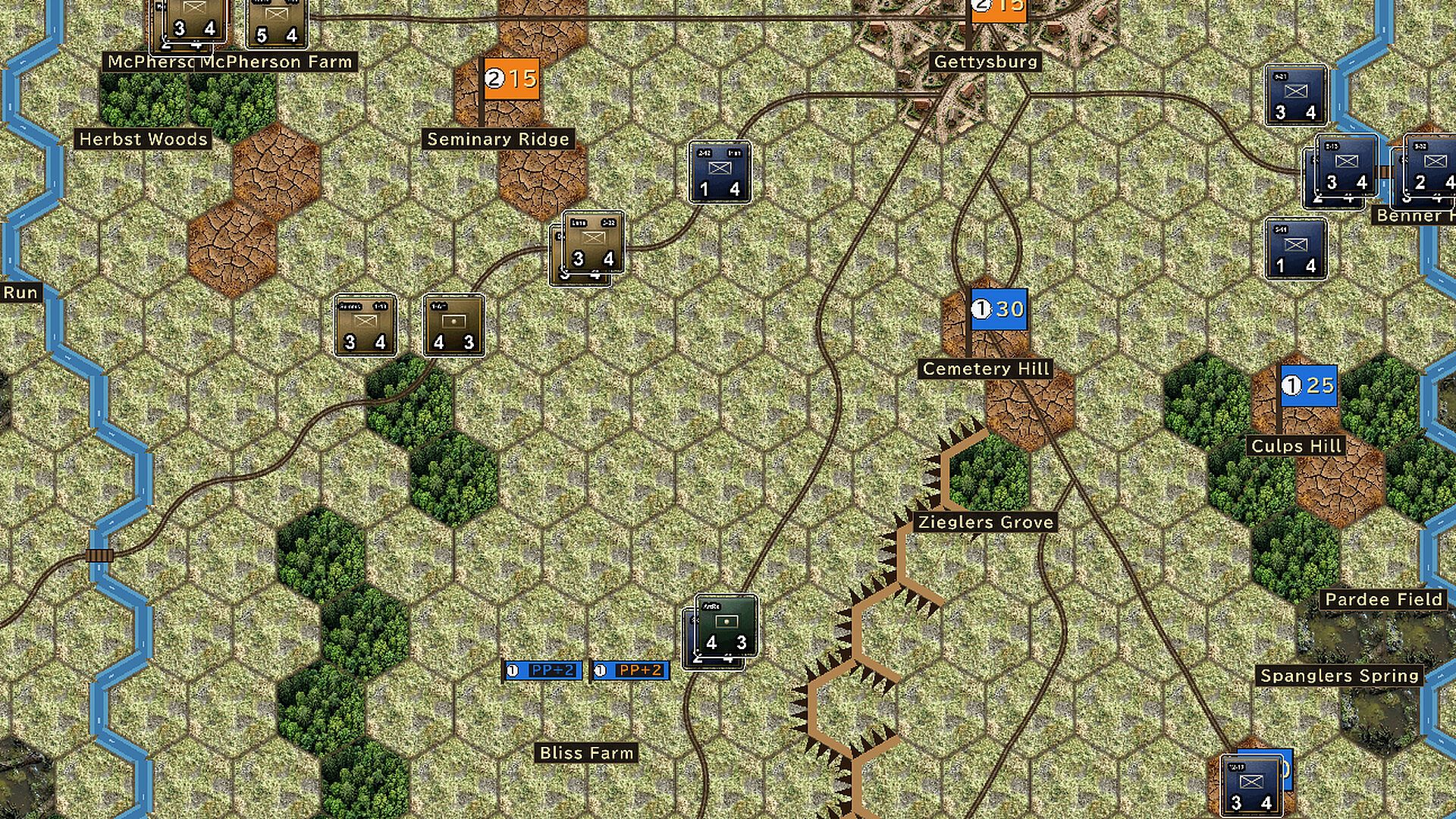
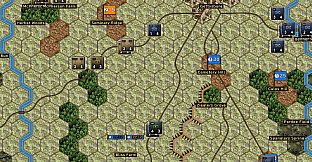
Terrain plays a decisive role. Rivers, ridges, woods, marshes, and fortifications alter movement costs and combat effectiveness, forcing commanders to plan routes carefully. Night turns, held reserves, reinforcement schedules, and sudden-death objectives further layer the decision-making. An in-game advisor can demonstrate suggested moves and explain the reasoning, though players can disable it once they grasp the systems. The interactive tutorial and rulebook support learning without external references.
Game Modes
Play focuses on singleplayer scenarios drawn from six distinct historical battles. Each battlefield presents unique challenges and victory conditions that differ by side. At Gettysburg the attacker must break through within the allotted time while the defender simply needs to hold position. Similar asymmetry appears across the other fields, where scoring ranges from decisive victory down to total defeat on seven graded levels.
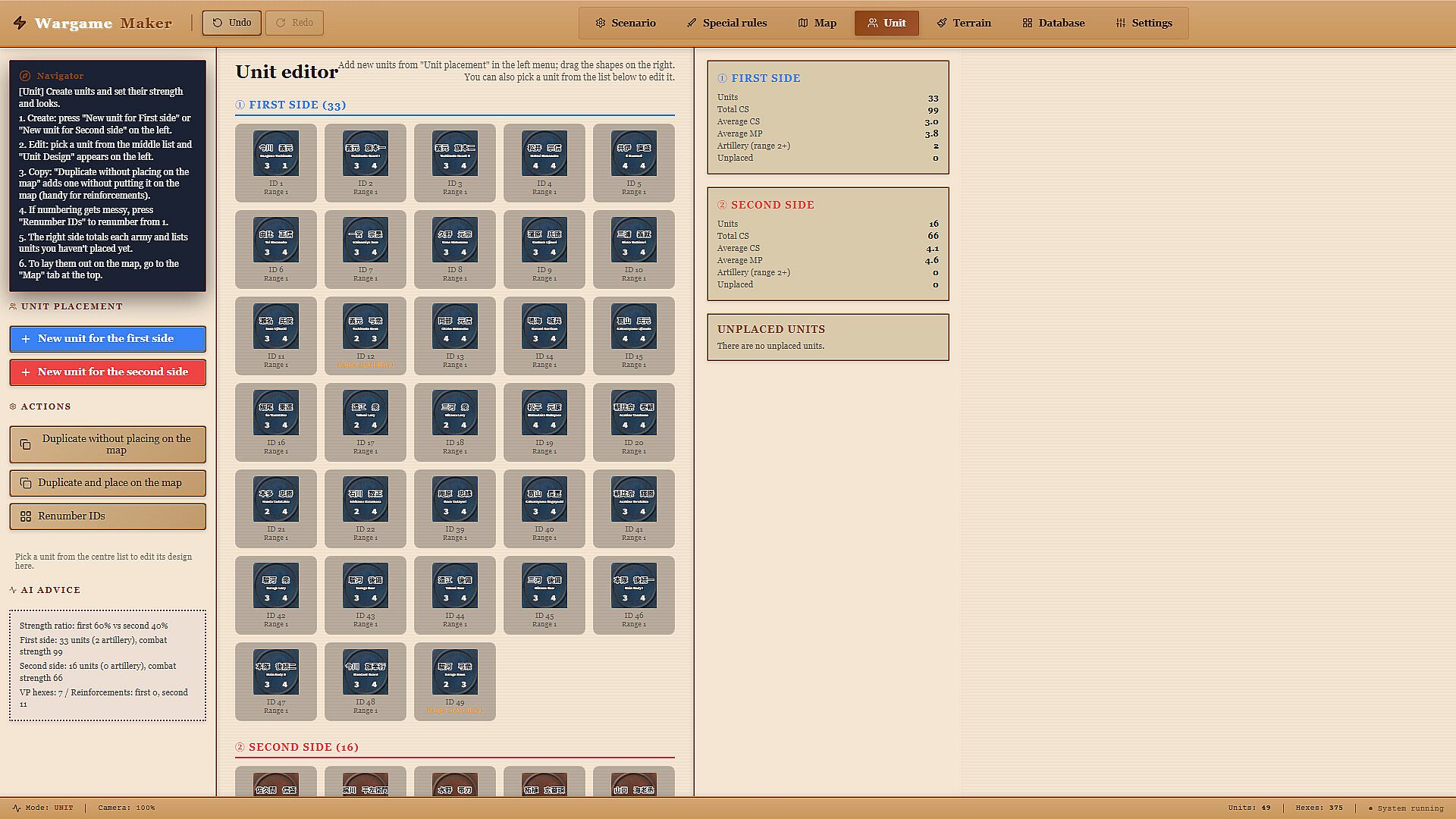
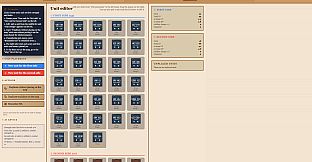
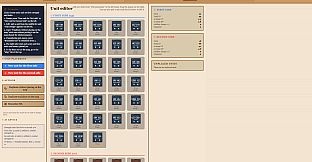
The free demo includes Nancy, Sekigahara, and Gettysburg, allowing players to test the movement and combat systems before committing to the full set. A complete scenario editor lets users create and share custom maps by laying out hex grids, painting terrain, placing rivers and roads, positioning counters, and defining victory conditions. The included battles were built with the same tools.
AI and Opponent Behavior
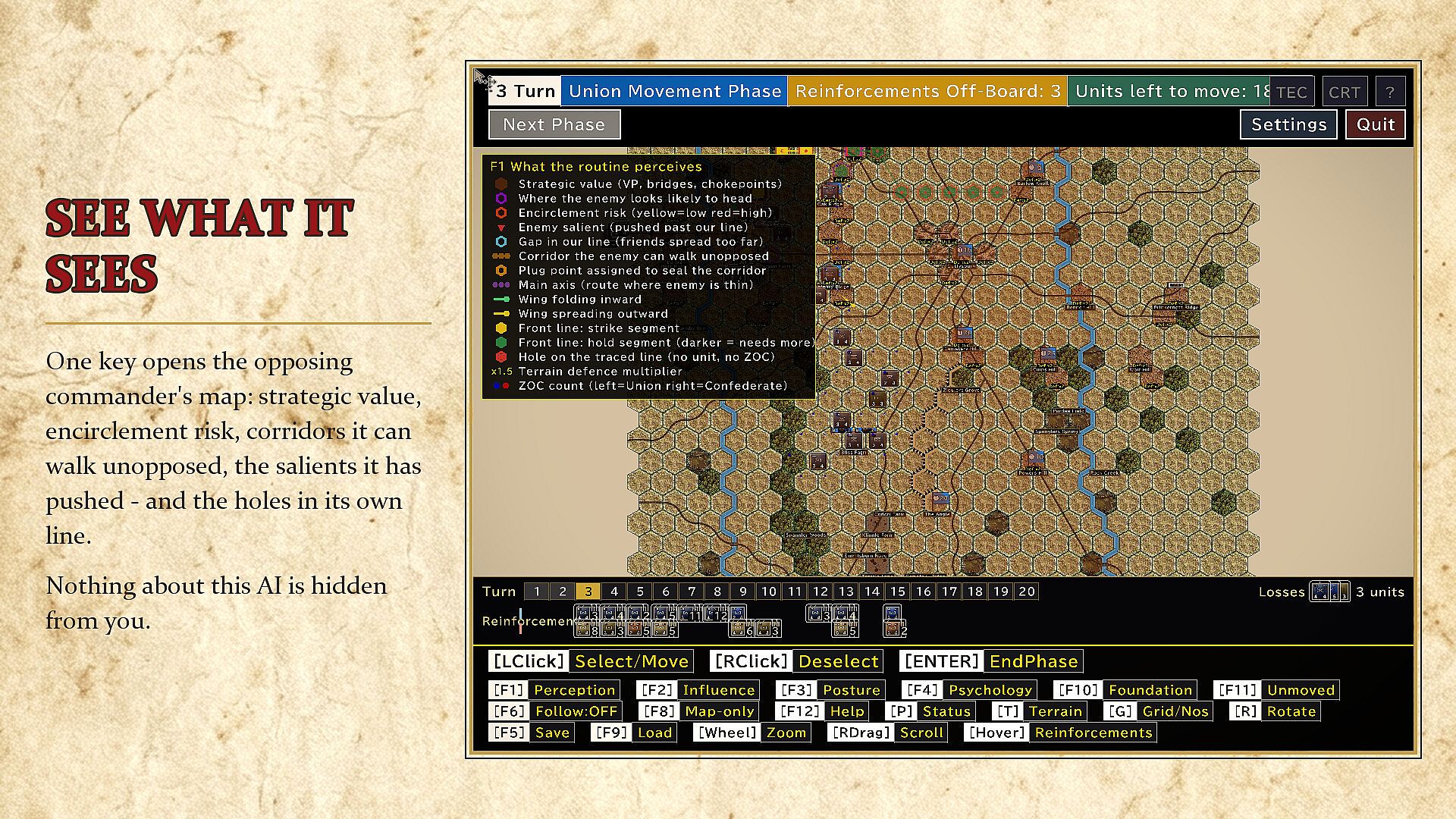
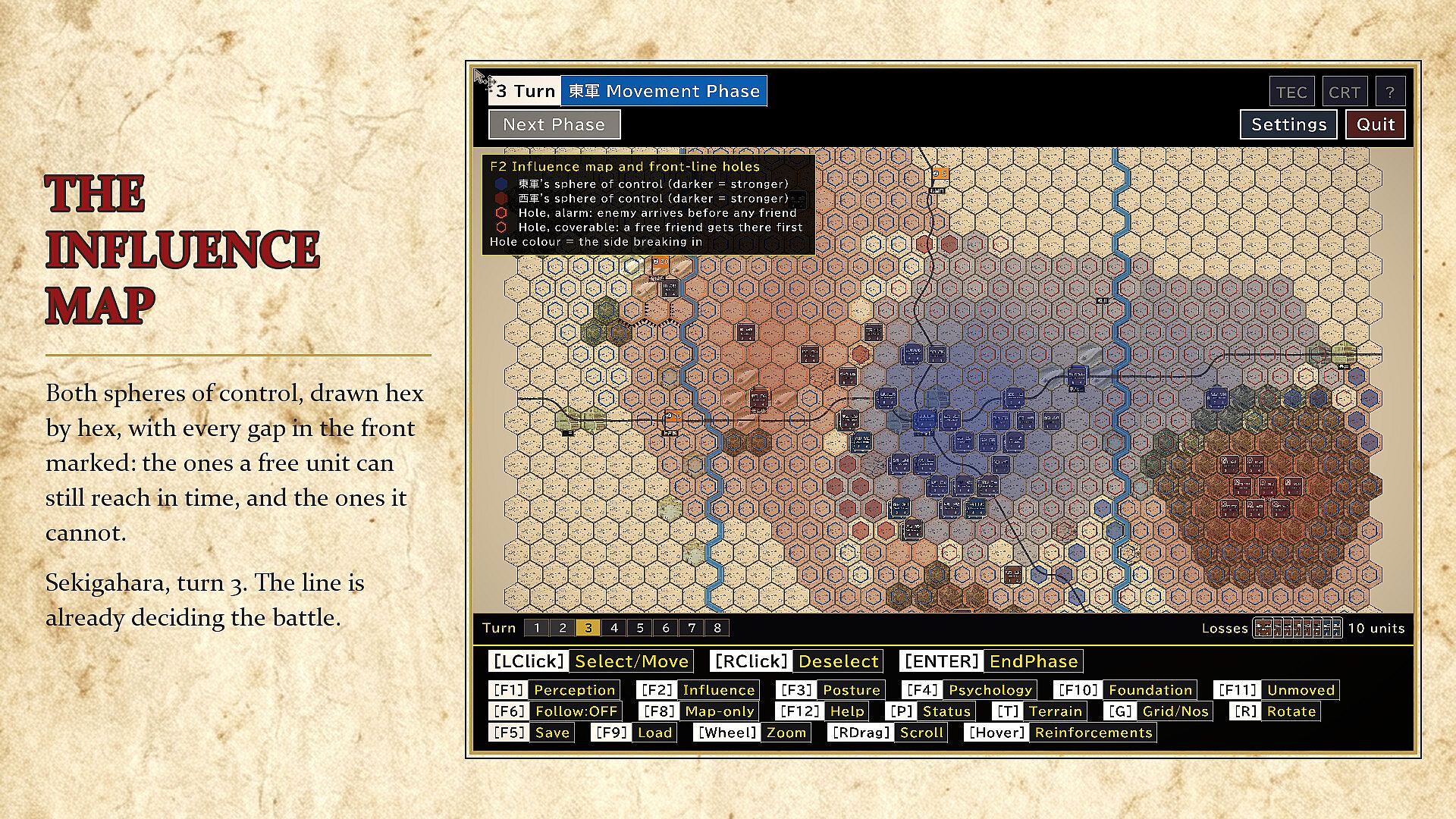
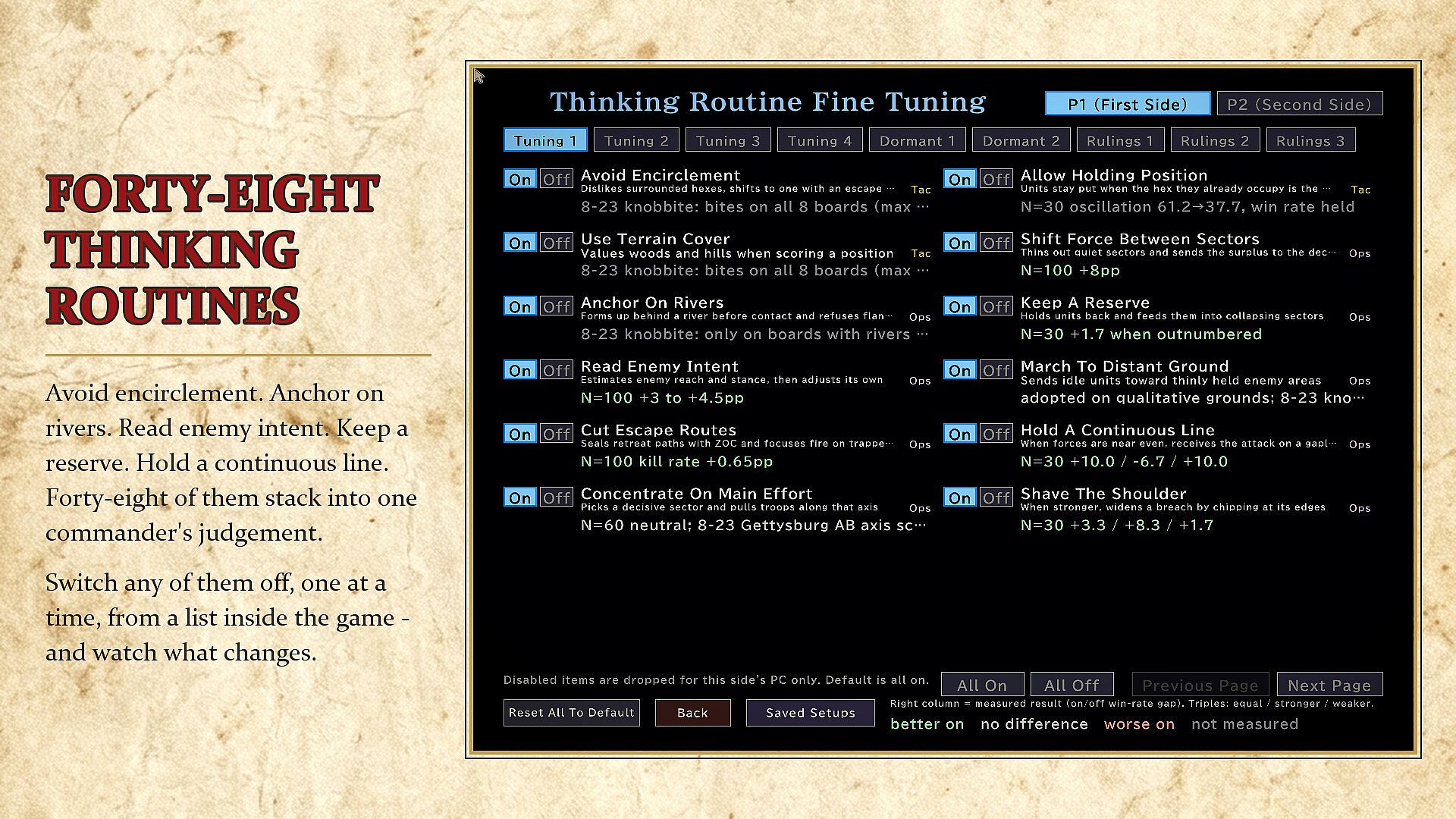
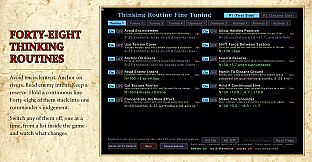
The opposing commander relies on forty-eight separate routines that handle river defense, encirclement avoidance, and intent reading. These stack into coherent judgment rather than isolated actions. Players can toggle individual routines on or off to test specific weaknesses or create custom opponents. Nine temperaments further customize behavior, ranging from standard and defensive to relentless assault or outright incompetence. This flexibility lets users observe how changes in AI priorities alter the flow of a battle.
Is It Worth Playing?
Sekigahara 1600 suits players who enjoy deliberate hex-and-counter wargames where positioning and timing matter more than raw combat odds. The mandatory contact rule and emphasis on maintaining a continuous front create constant tension during movement phases. The graded victory system and side-specific conditions reward holding ground or achieving breakthroughs in ways that mirror historical outcomes without requiring perfect replication.
The scenario editor and adjustable AI provide long-term variety for those who want to experiment or design their own engagements. A free demo with three full battles offers a low-risk way to evaluate the systems. The game runs on PC and includes English and Japanese support along with an in-game rulebook. Those seeking fast-paced action or large-scale multiplayer may find the deliberate pace and focus on singleplayer scenarios less appealing, while fans of tactical simulation will appreciate the depth in movement choices and AI customization.











