


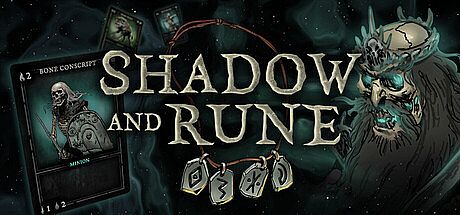


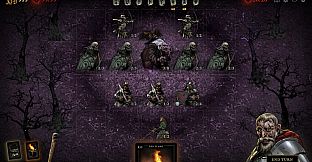
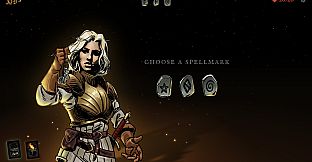
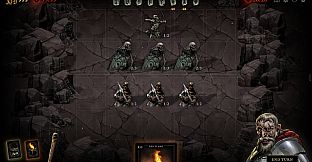
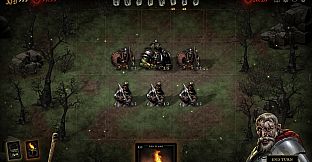
Shadow and Rune is a tactical roguelike deckbuilder that blends strategy, indie sensibilities, and RPG elements on PC. Players build rune chains that trigger in sequence while deploying minions across a grid battlefield, managing limited actions through torches, and customizing units through grafting and forging systems.
Gameplay
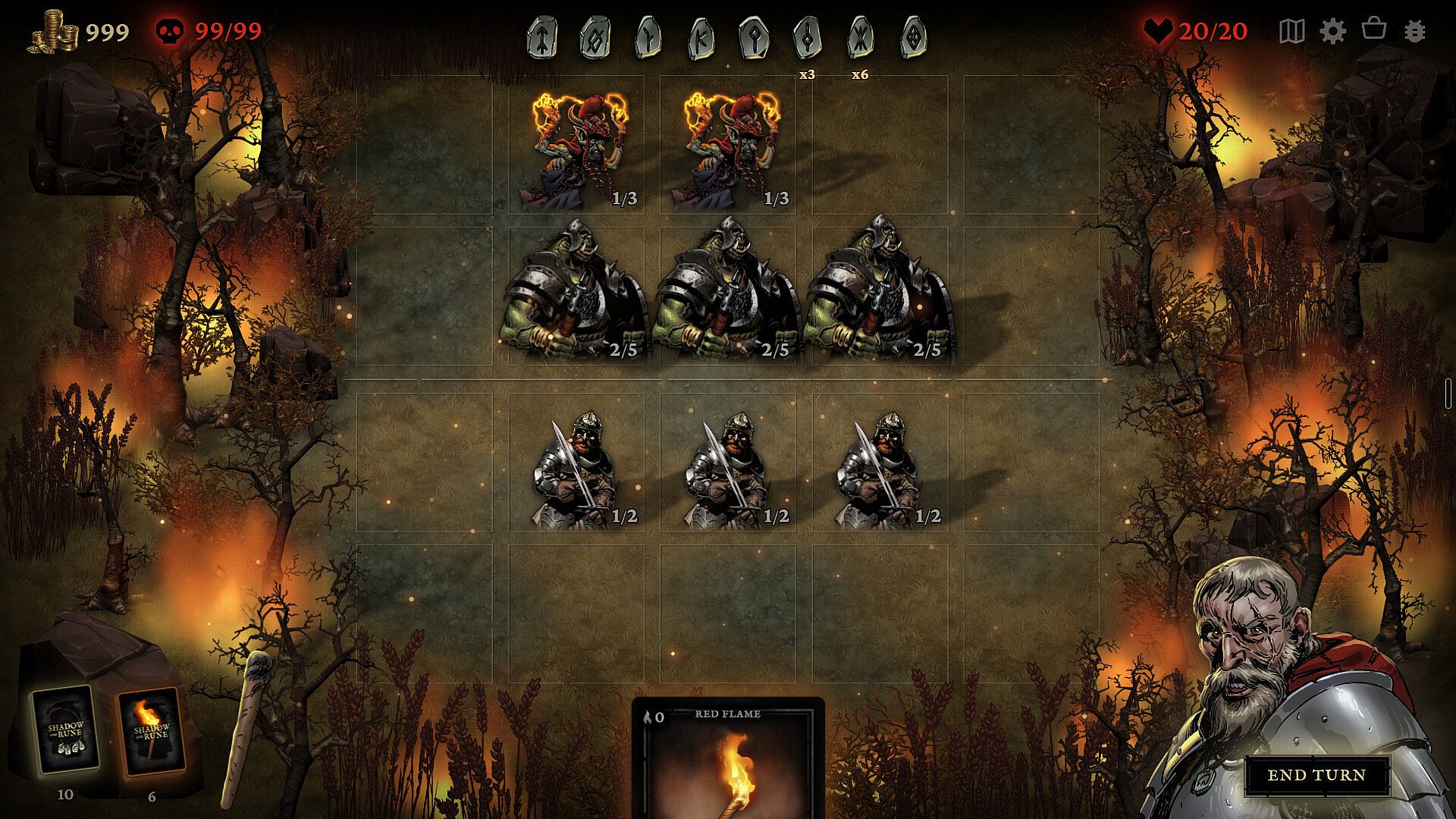
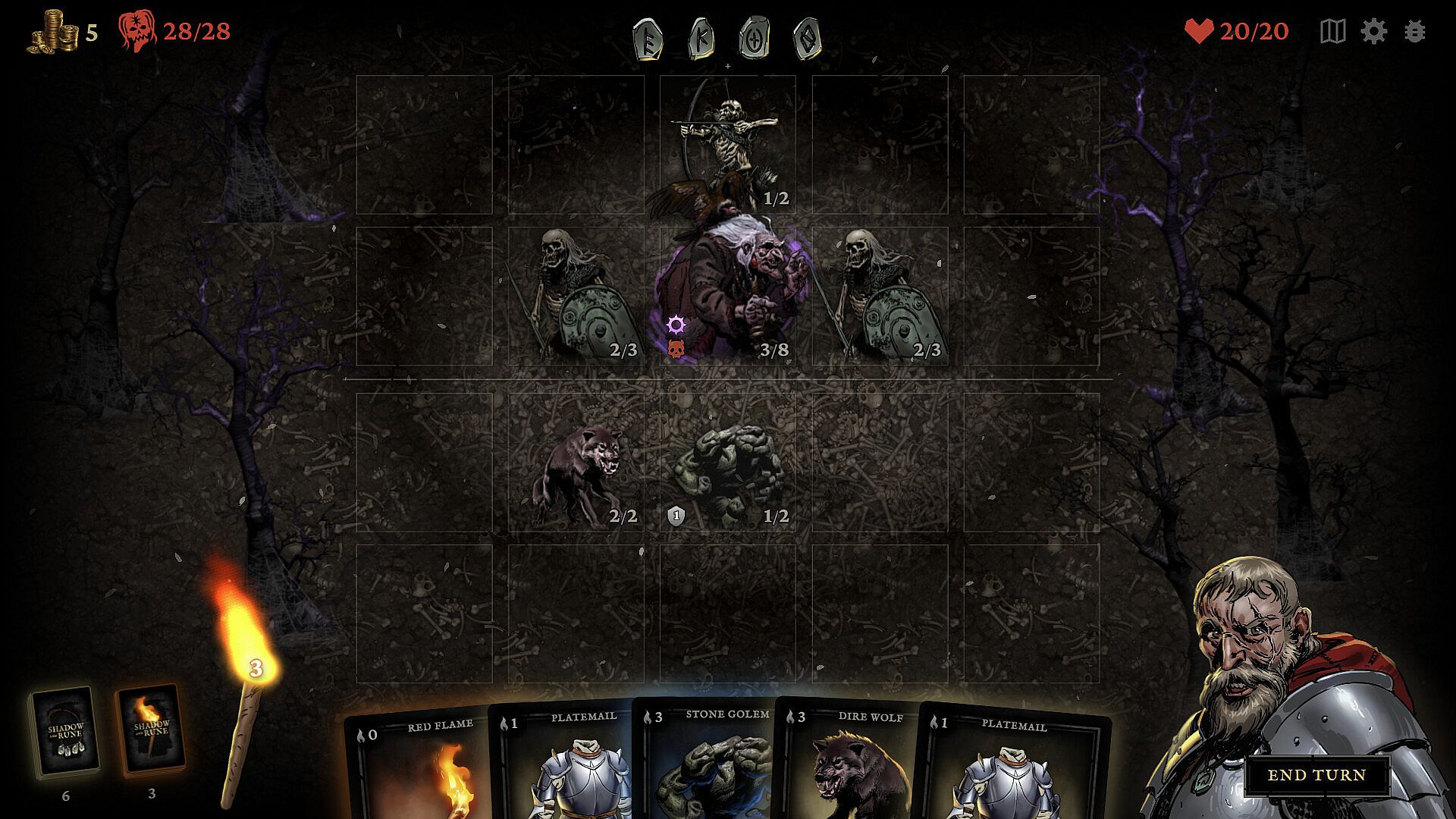
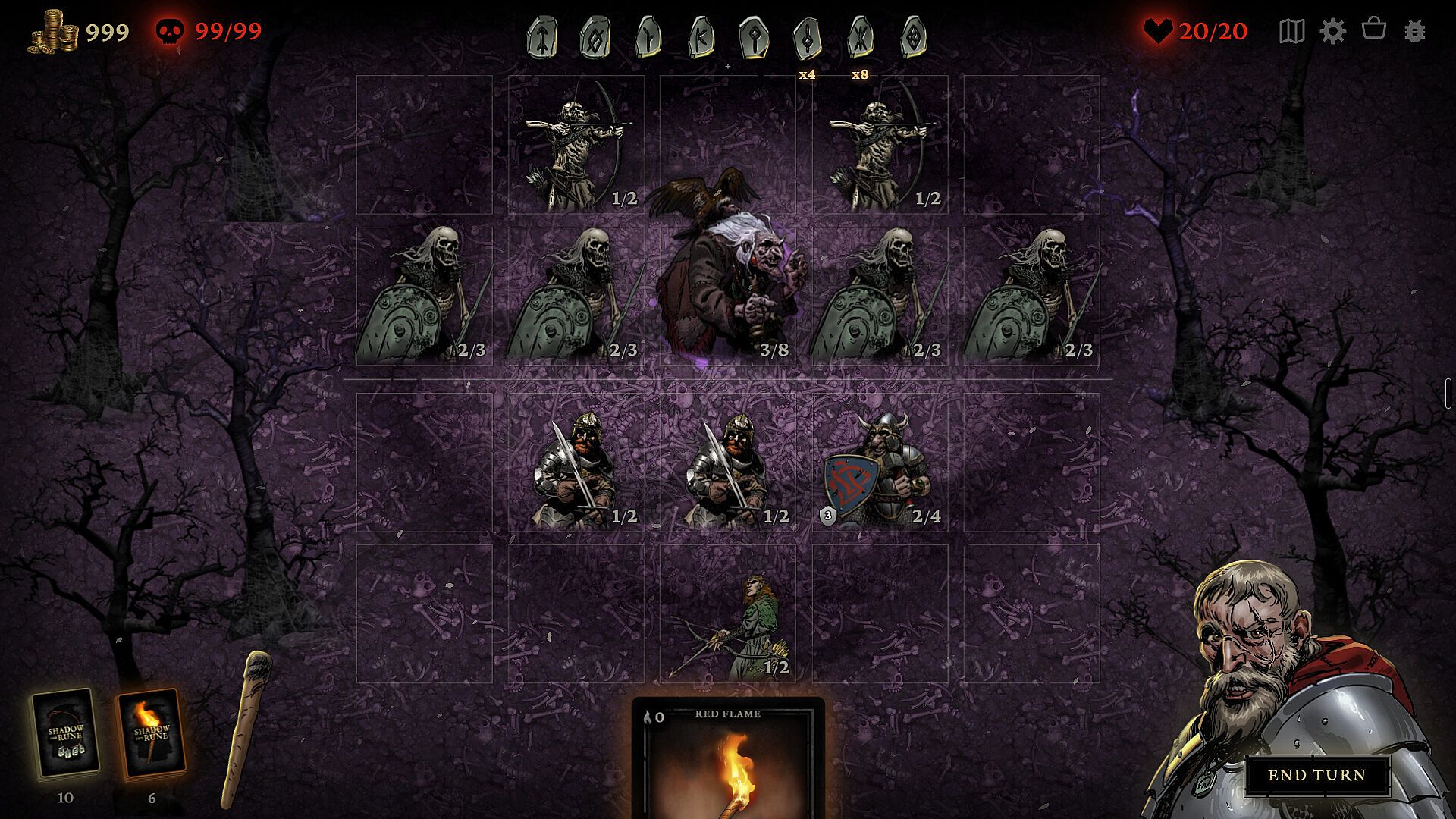
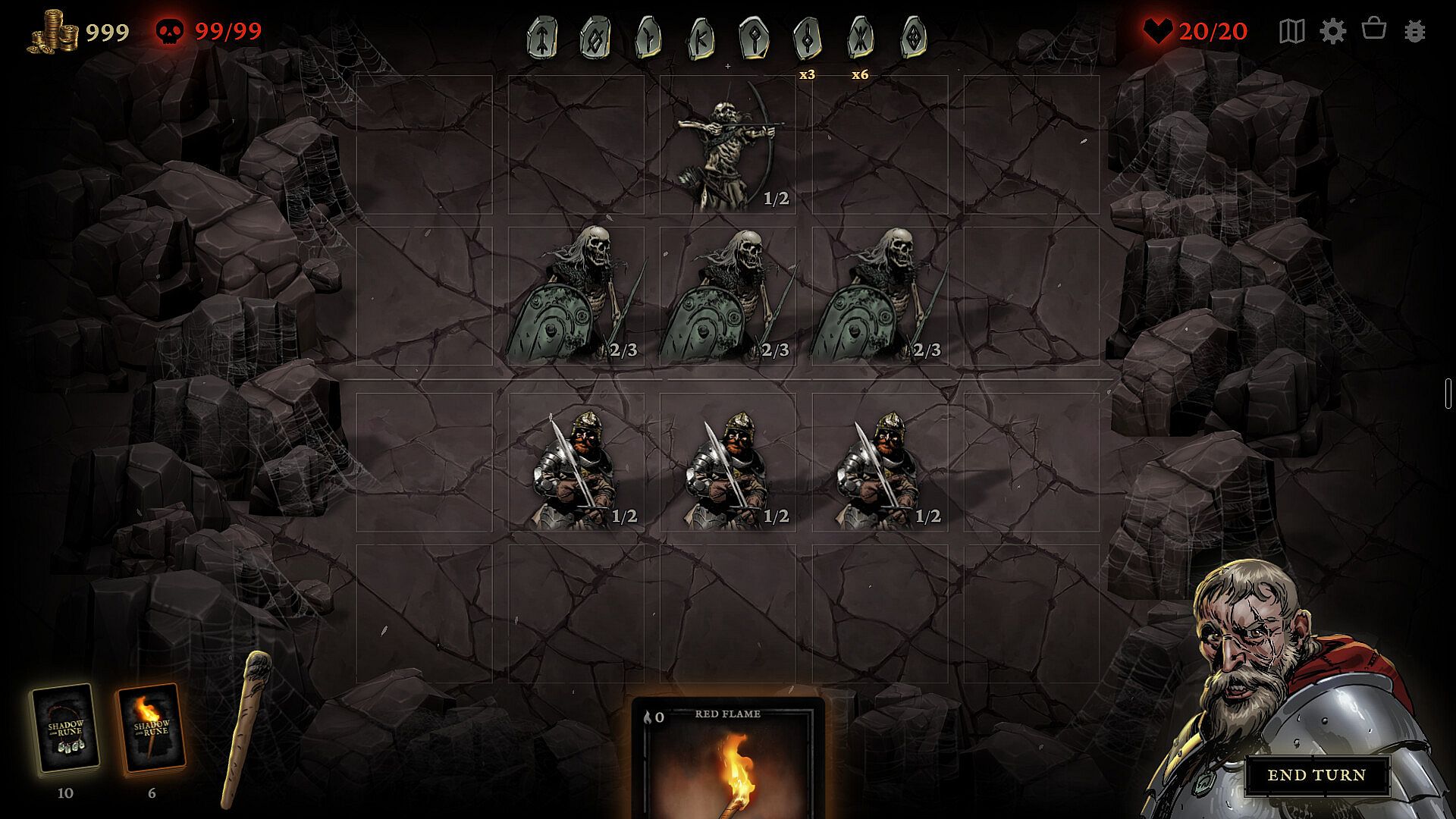
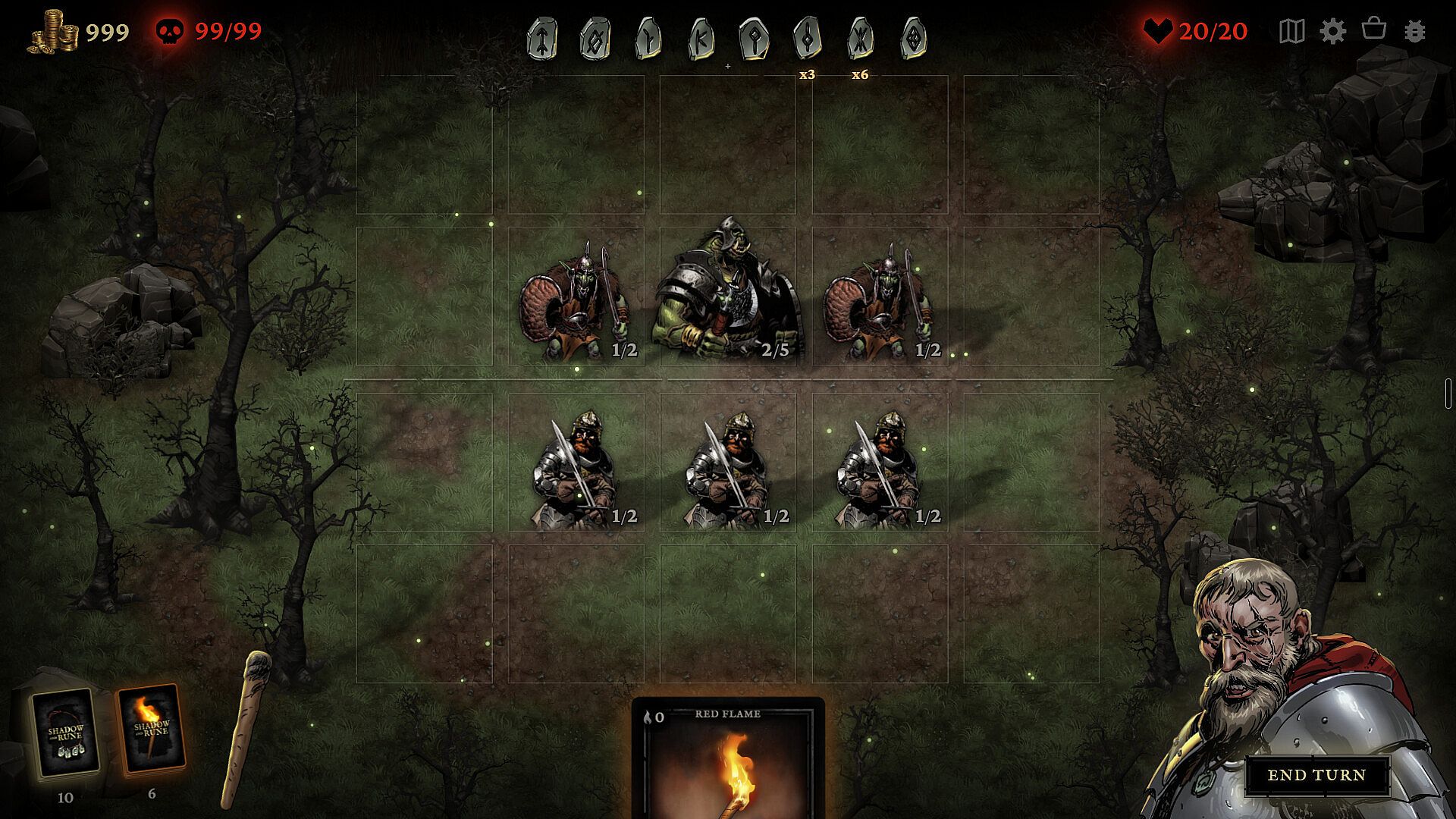
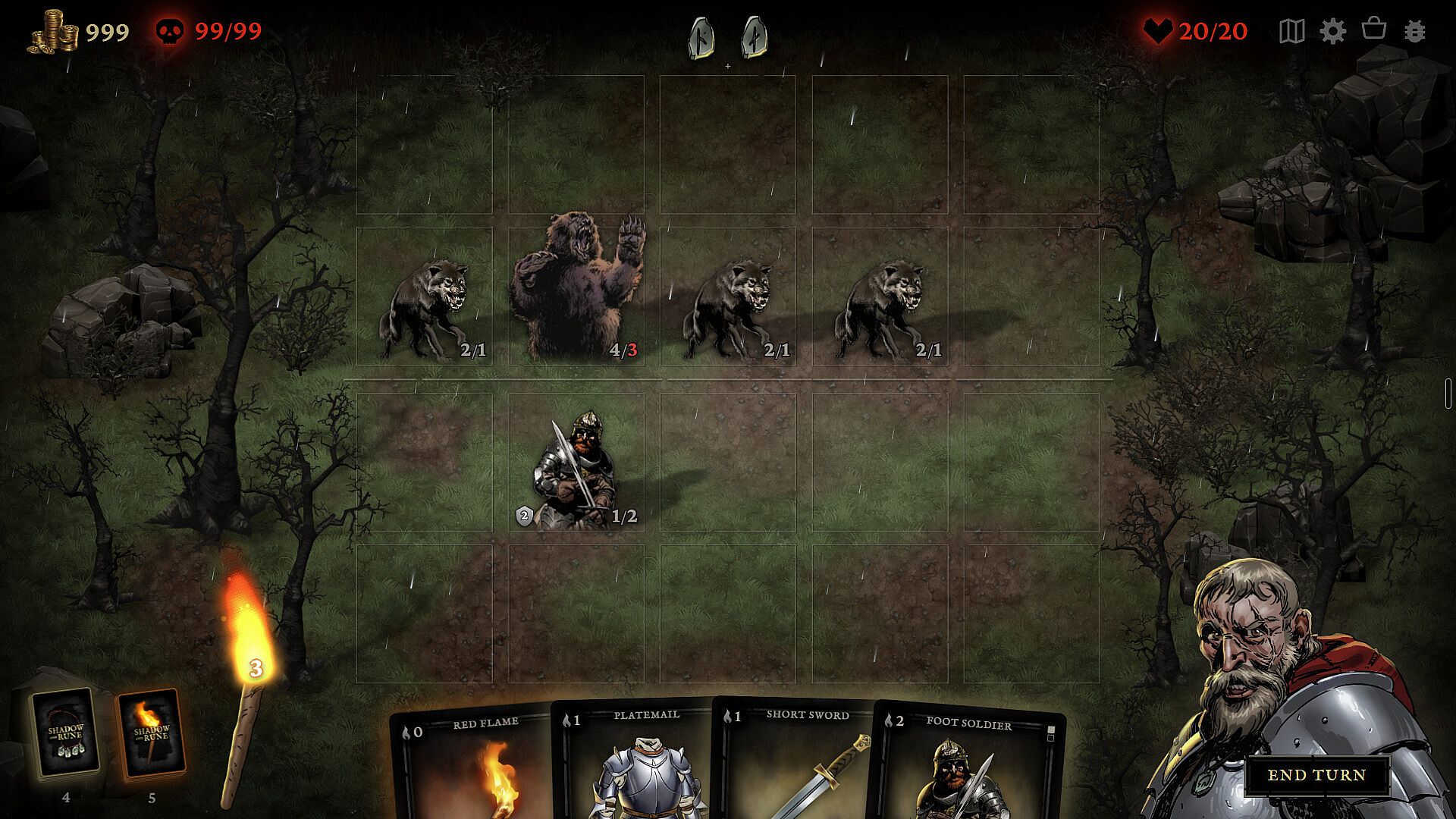
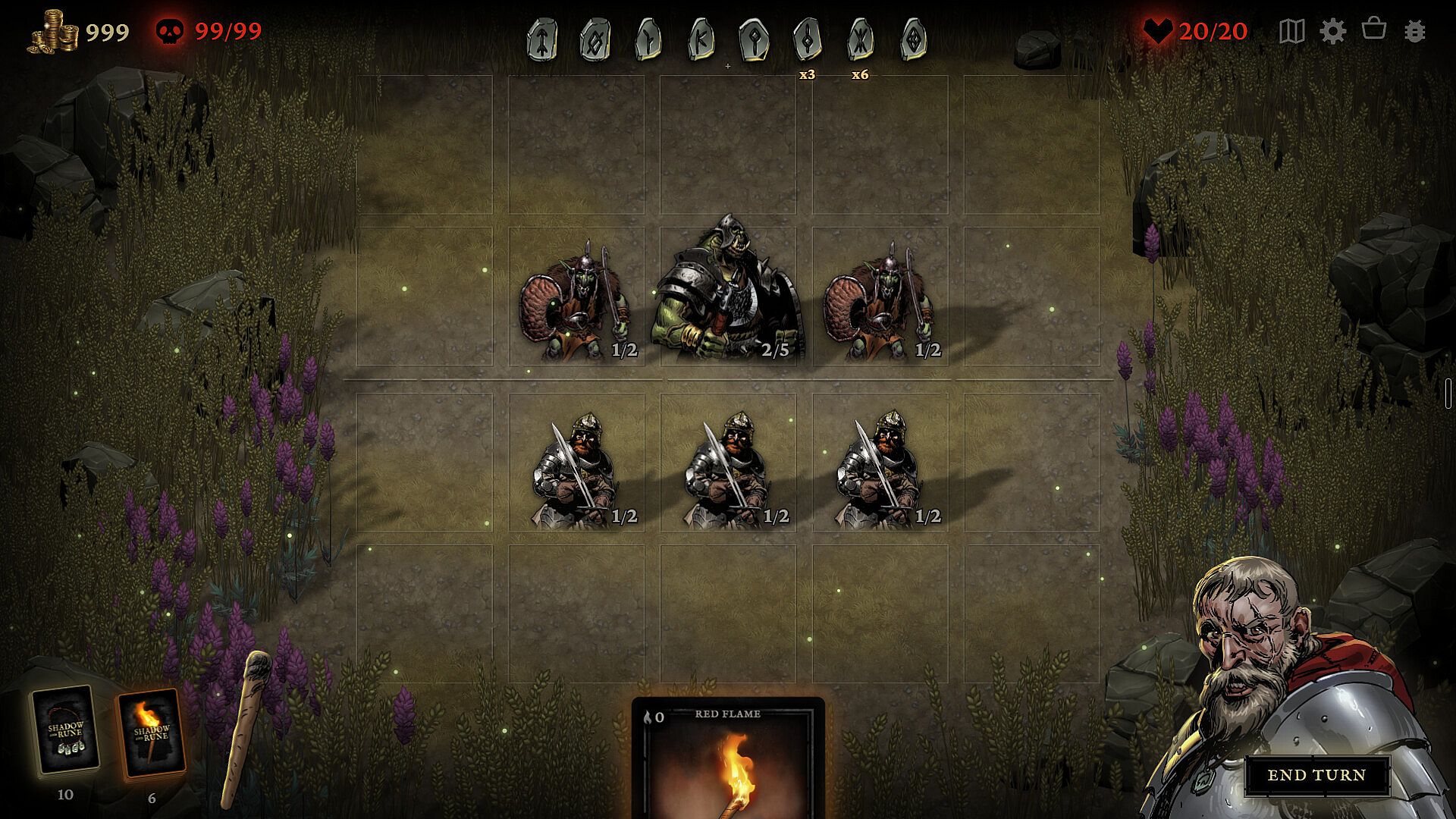
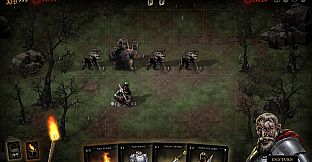
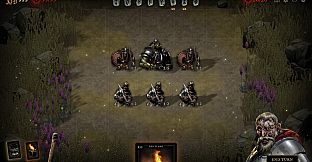
The core loop centers on tactical placement and chain reactions. Minions occupy spaces on a 4x5 battlefield, each with distinct attack patterns that reward careful positioning against enemy units. Spell runes slot into a dedicated bar where their left-to-right order determines amplification, copying, or sequential triggers during the Reckoning phase that resolves the entire chain automatically.
Actions rely on torches drawn from a second deck rather than traditional mana. These resources deplete with each move, ending the turn when exhausted. Campfire visits allow tempering a Red Flame into a Blue one, extending future turns without increasing the total number available in a run. This creates meaningful trade-offs between aggressive plays and resource conservation.
Minion customization adds depth through grafting and forge runes. Players strip abilities from one card and attach them to another, or insert forge runes at dedicated stations to permanently alter units. A basic wolf minion can evolve into something unrecognizable by the end of a run through repeated modifications.
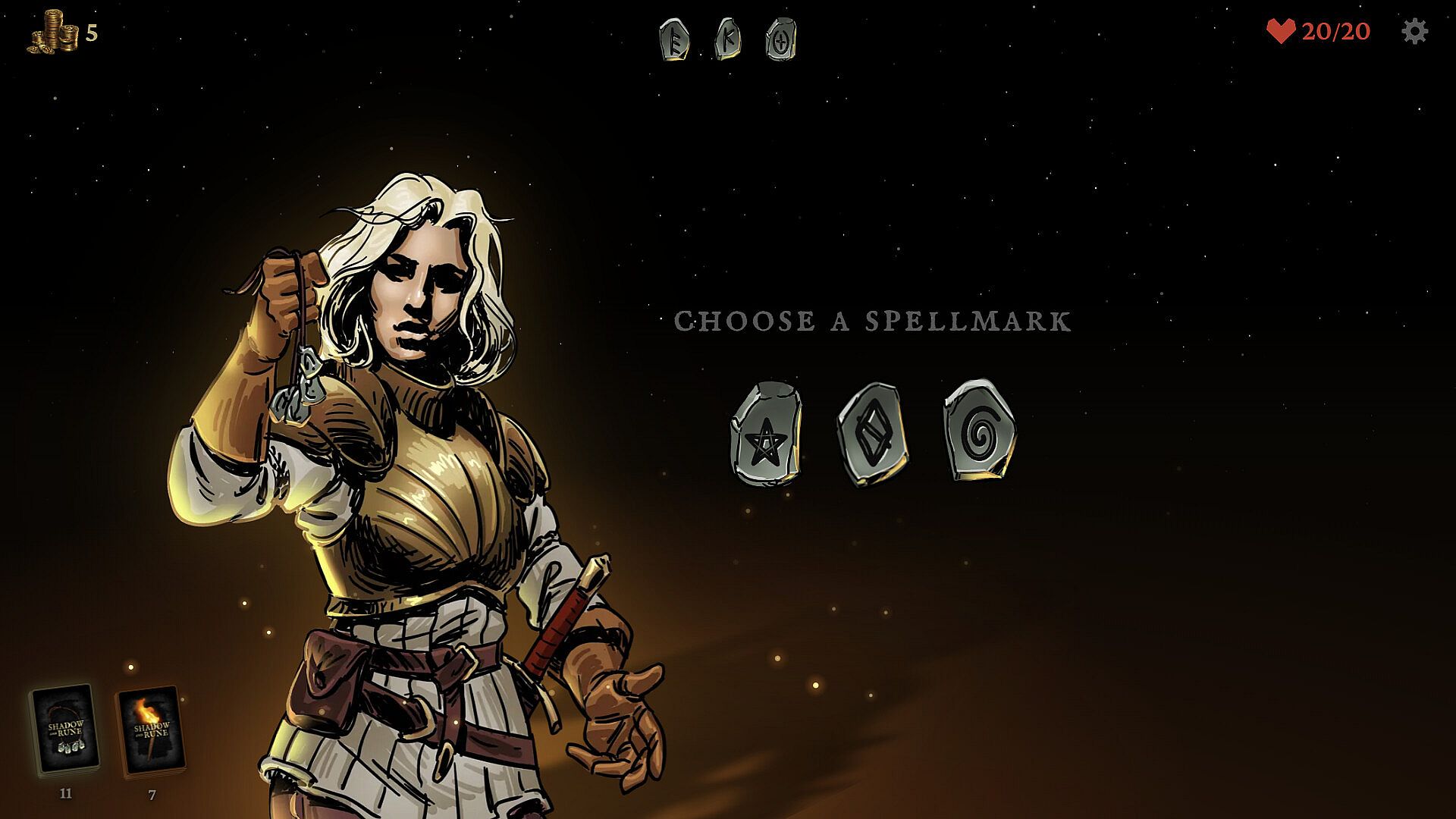
Four distinct classes shape starting options and strategies. The Paladin emphasizes human mercenaries and defensive gear, the Druid focuses on beasts with supportive items, the Necromancer summons undead minions, and the Mage leans into arcane spell synergies. Each class begins with different minions, items, and opening rune setups that influence early decisions.
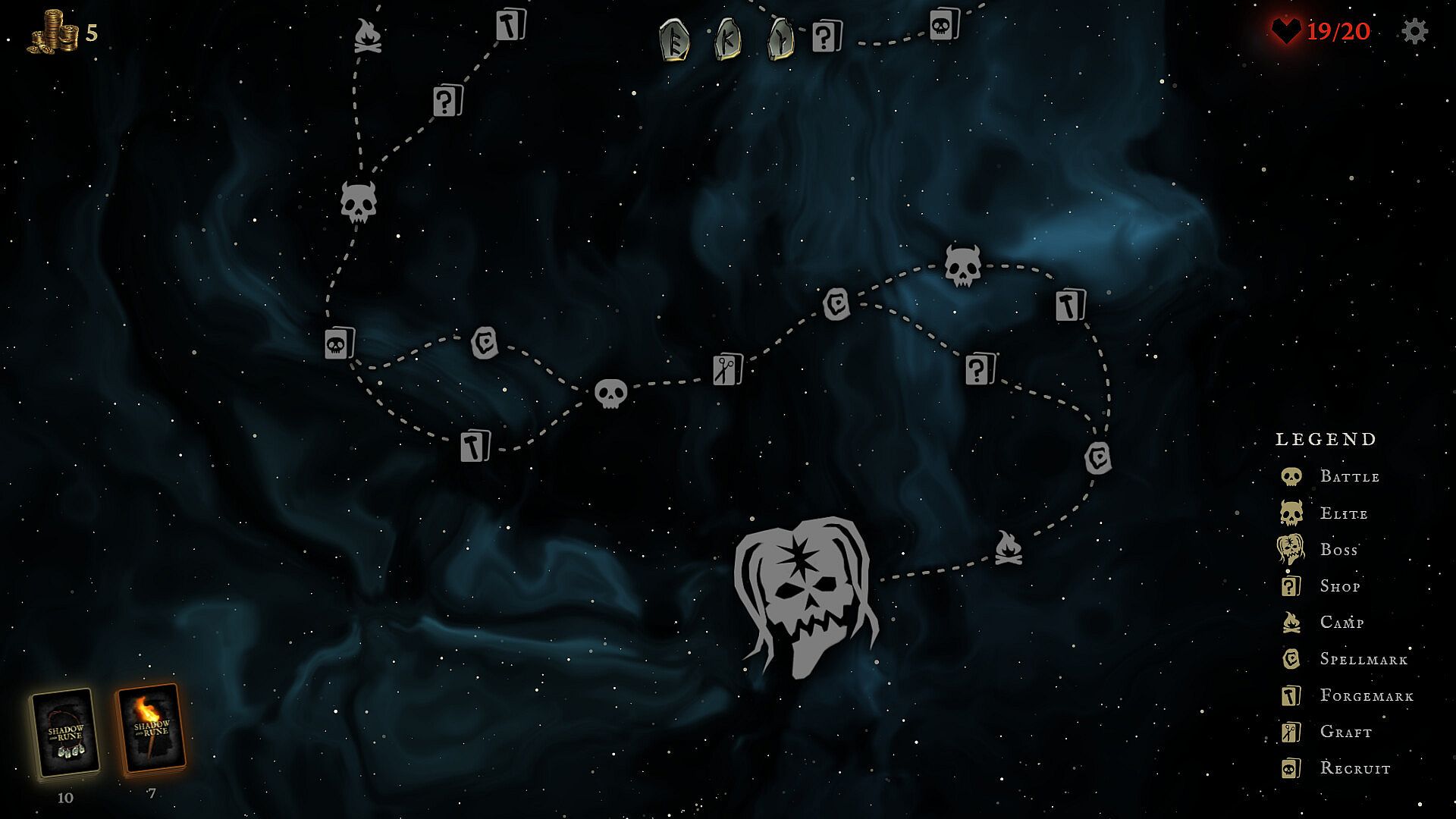
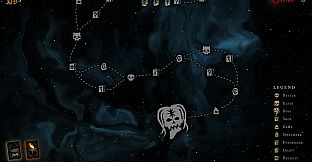
Route selection on a node-based map introduces roguelike variety. Players choose between standard fights, elite encounters, merchants for new cards, campfires for upgrades, and rune learning or forging opportunities. Every run generates a fresh layout, encouraging experimentation with different paths and builds.
Game Modes
Competitive play supports head-to-head matches where two players build opposing forces and aim to reduce the opponent's health to zero through superior positioning and chain execution. Multiplayer extends to team formats that allow coordinated strategies across shared or opposing sides of the battlefield.
Solo and cooperative modes shift focus to a campaign structure. Players navigate a branching map of randomized encounters, building and refining a deck between battles while facing an automated enemy with its own pre-built forces. The objective involves collecting a set number of runestones to complete the run, with health serving as the primary failure condition.
These modes emphasize persistent progression through deck upgrades and resource management across multiple encounters. Randomized dungeon-style tiles and fully automated opponents ensure each campaign feels distinct, blending deckbuilding decisions with tactical combat on the grid.
Classes and Customization
Class choice dictates more than starting cards. Paladins gain access to armored human units and shielding items that control space effectively. Druids summon beasts that excel in flanking maneuvers. Necromancers leverage bone soldiers and archers for attrition tactics, while Mages prioritize spell rune synergies that amplify chain reactions.
Grafting and forging systems let players transcend class boundaries over time. Stripping traits from acquired cards and applying them elsewhere, or embedding forge runes during runs, produces hybrid units tailored to specific strategies. This customization rewards long-term planning, as early choices compound through later fights.
Art and Presentation
Hand-painted gothic artwork defines every card, minion, and boss. The dark aesthetic reinforces the theme of a world without light, where players act as Rune Wardens pushing back encroaching shadows. Detailed illustrations on individual pieces enhance the tactile feel of building monstrosities from humble origins.
Is It Worth Playing?
Shadow and Rune suits players who enjoy deliberate tactical decisions combined with roguelike replayability and deckbuilding progression. The emphasis on positioning, chain ordering, and resource management through torches creates engaging risk-reward moments that differ from faster-paced card games. Those drawn to grid-based combat and gradual unit evolution will find substantial depth in the grafting and rune systems.
The mix of competitive skirmishes and longer solo or co-op campaigns provides variety for different session lengths. With four classes offering distinct entry points and procedural maps ensuring fresh layouts, the game supports repeated play without feeling repetitive. Its indie focus on core mechanics over extraneous features makes it a strong choice for fans of strategic depth in a compact package.











