


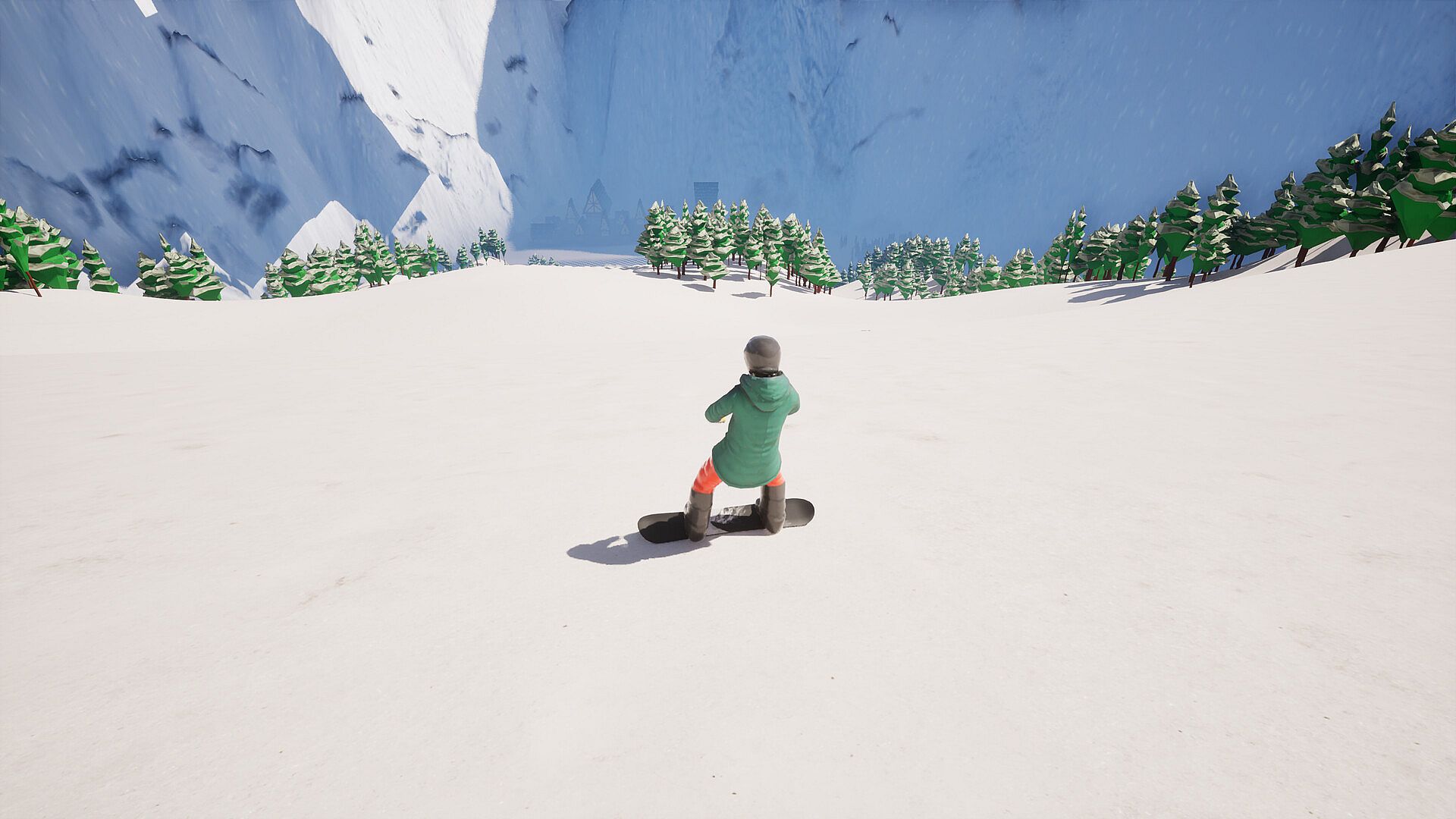
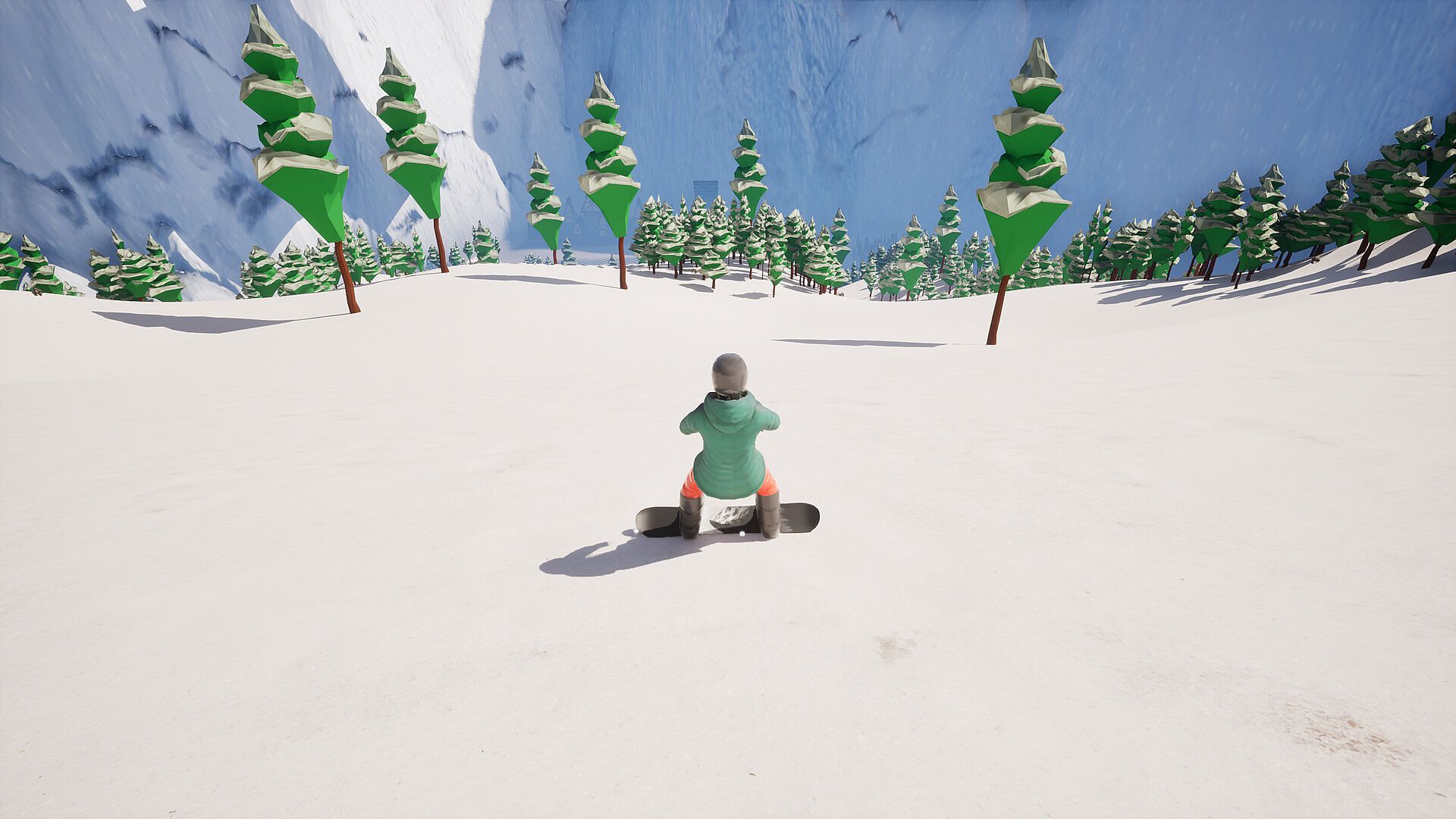
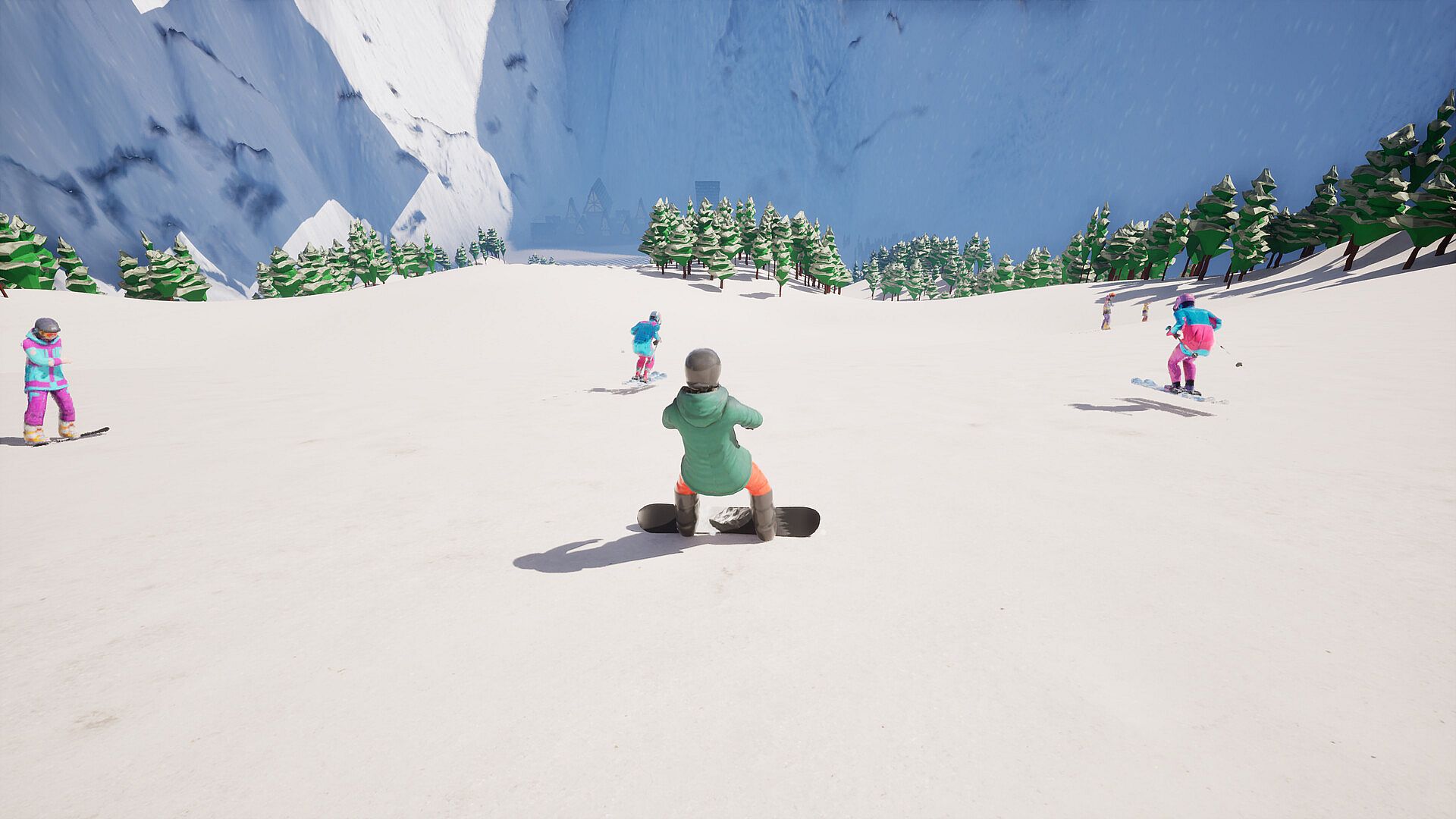
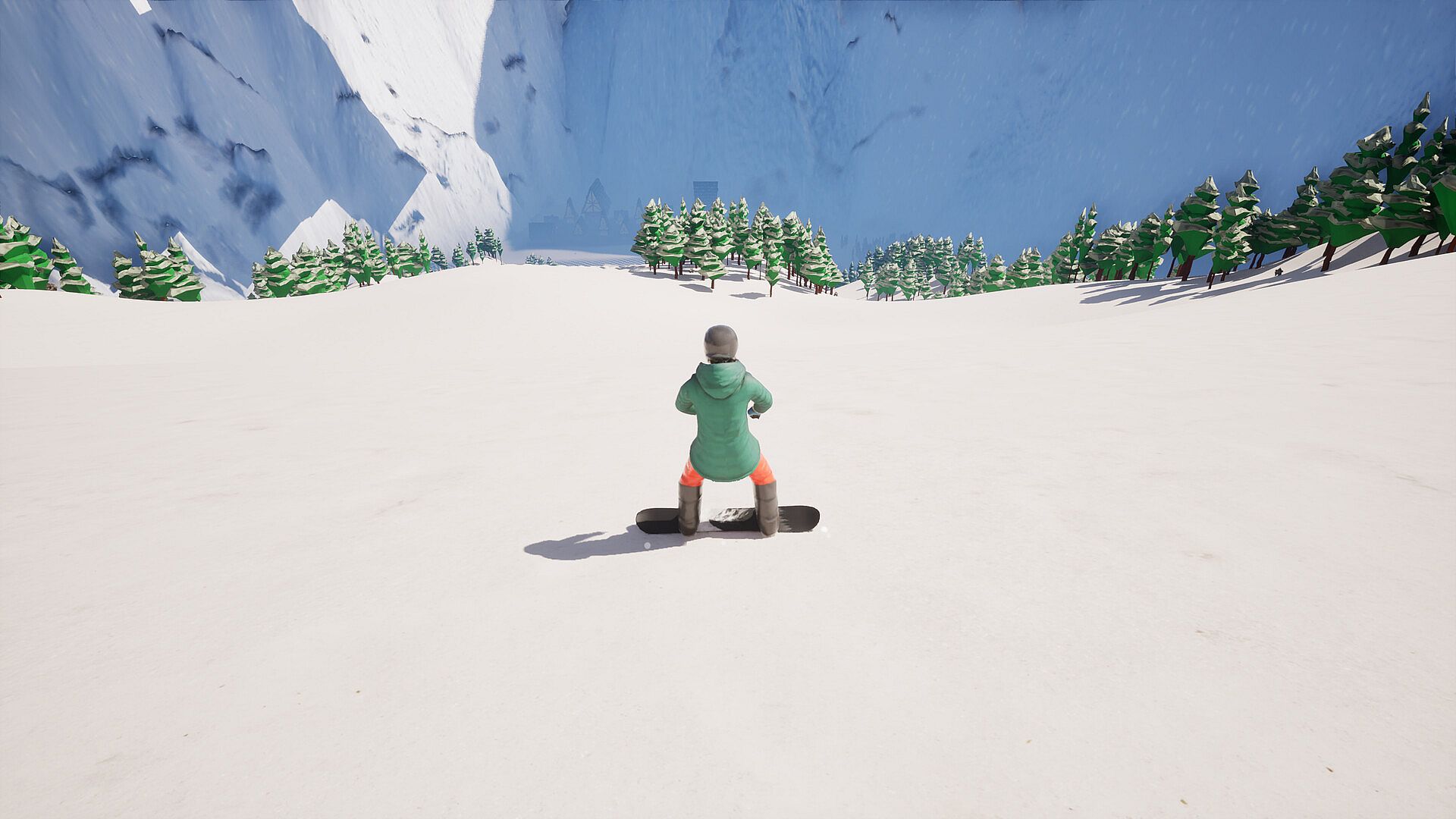
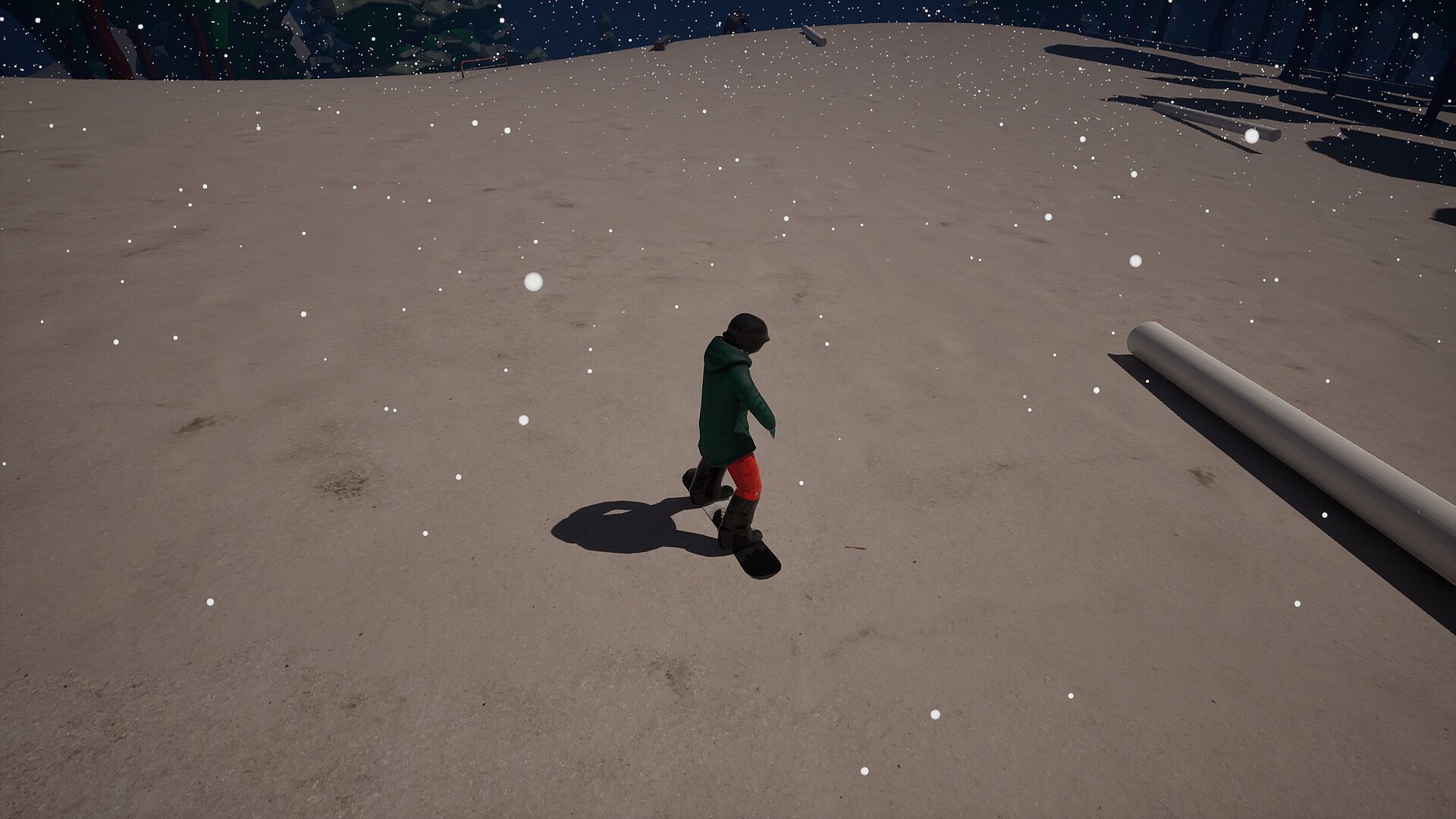
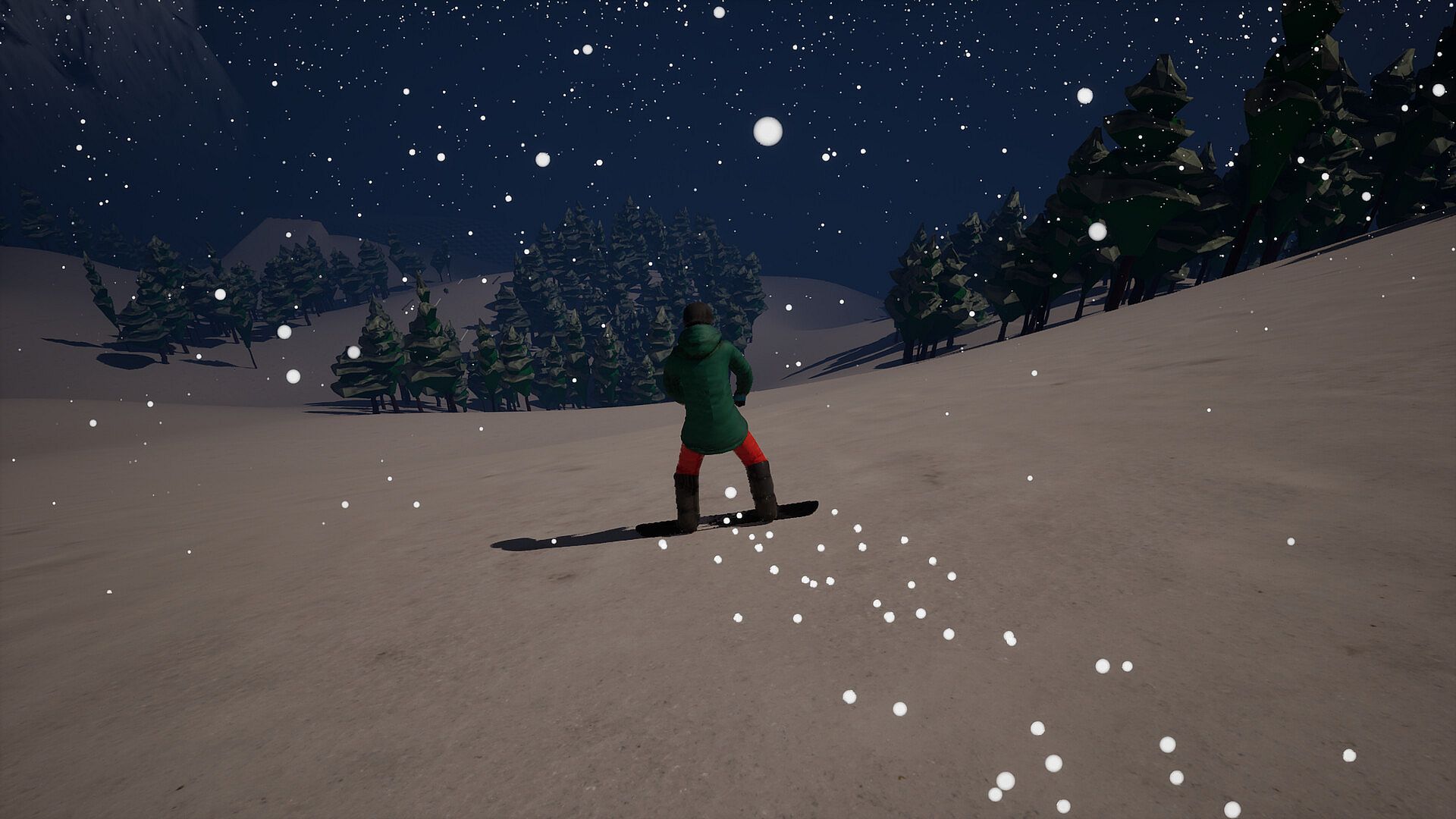
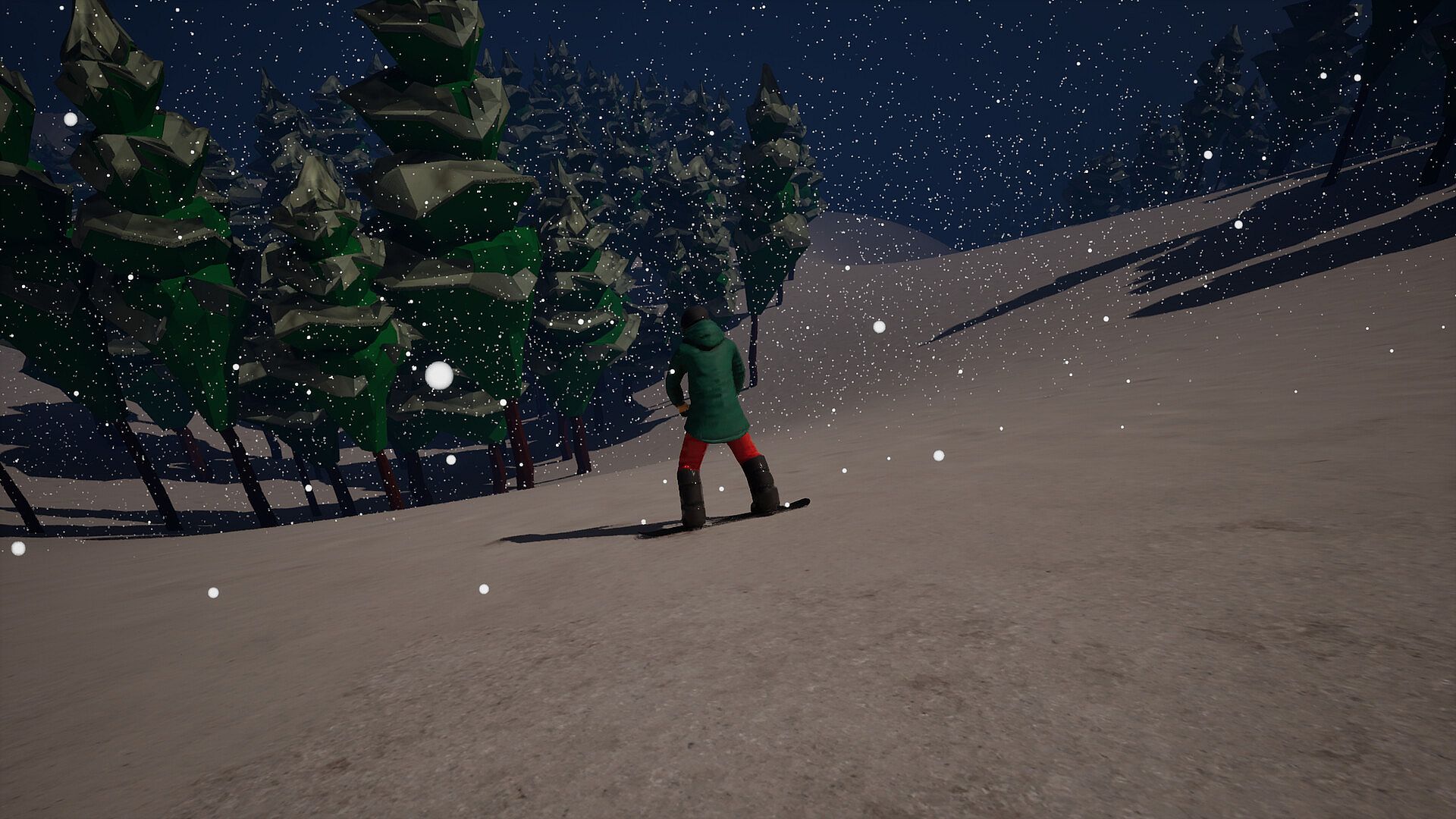
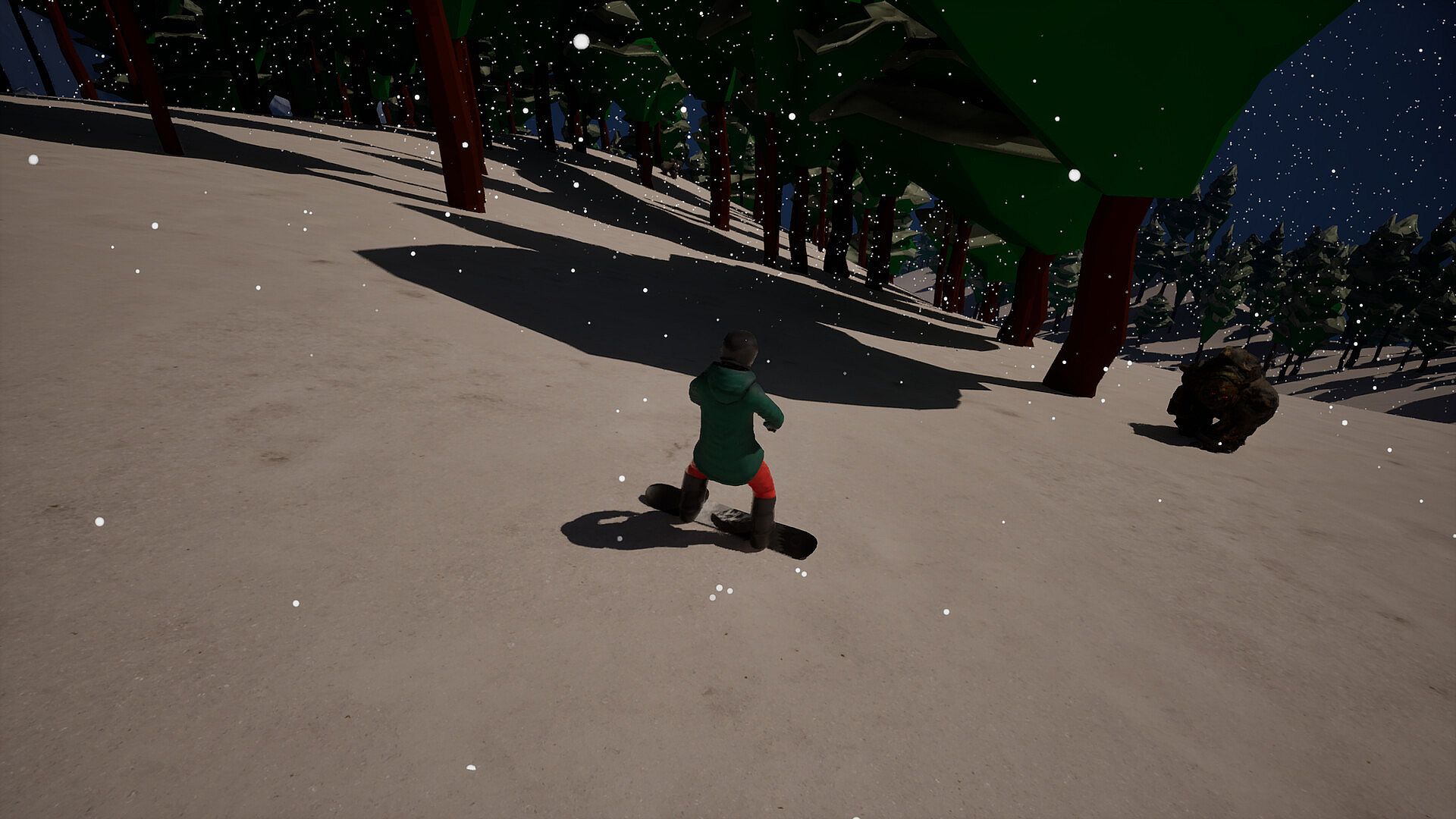
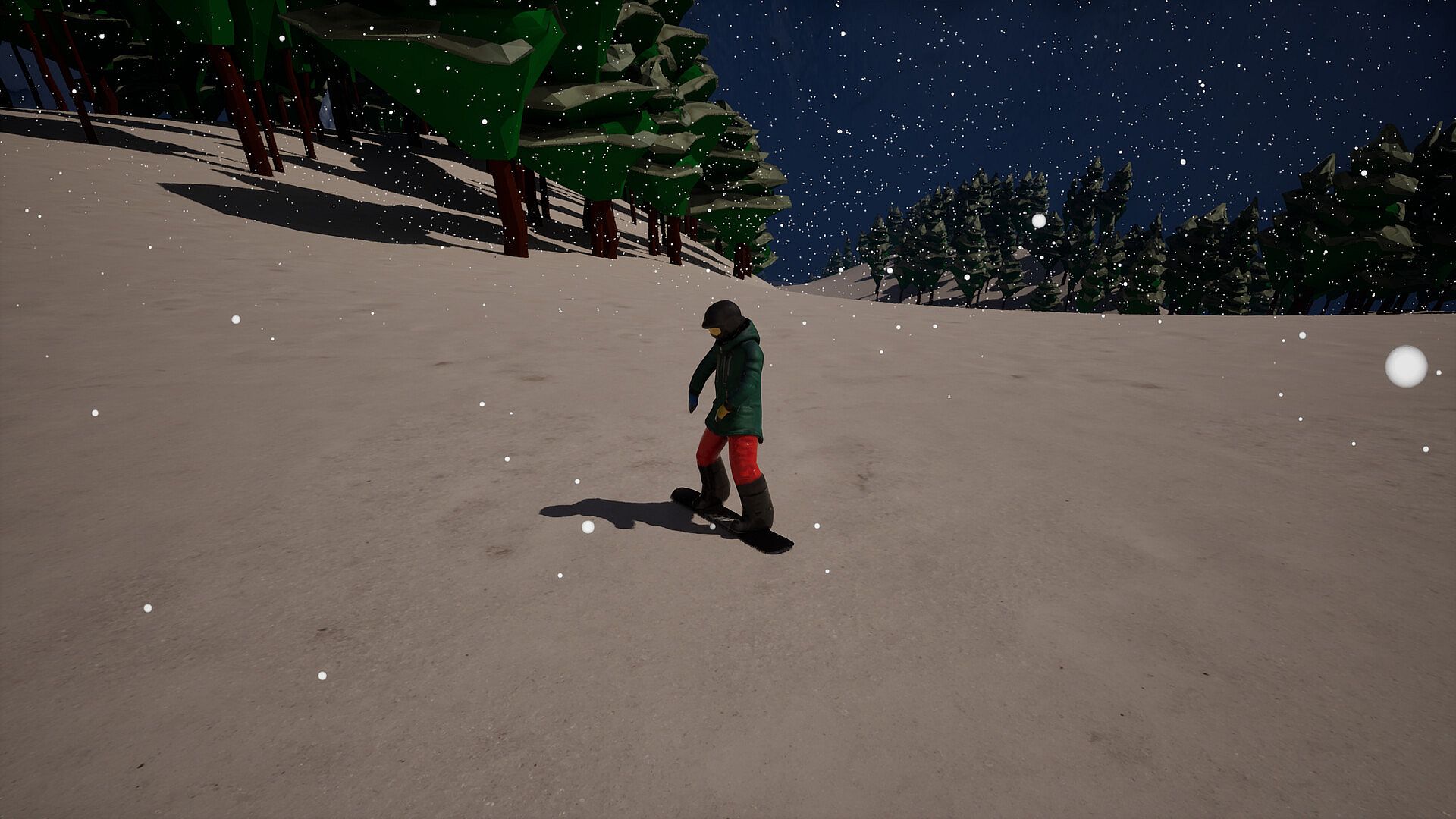
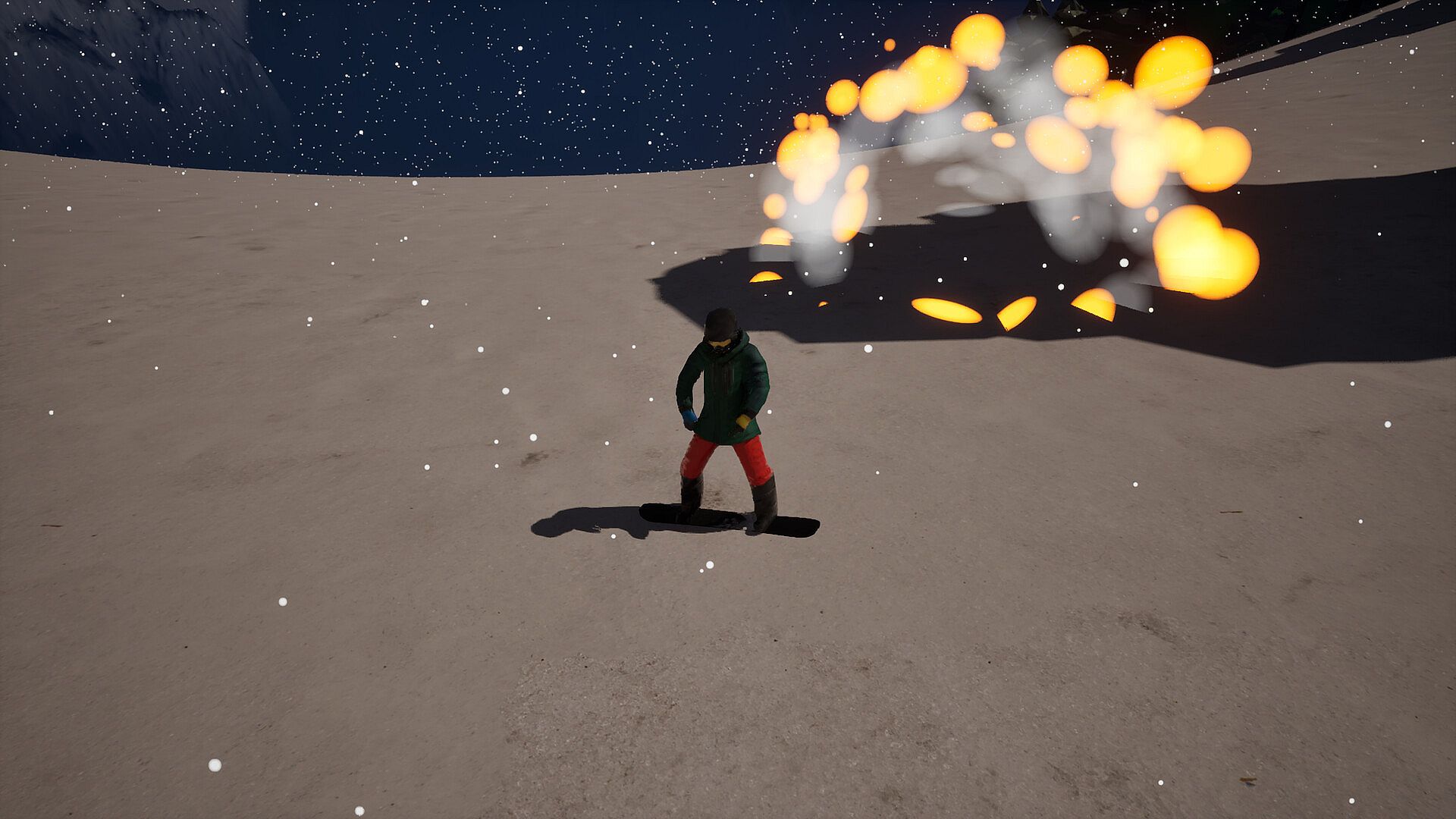
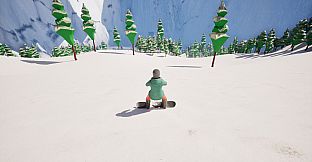
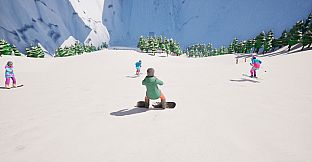
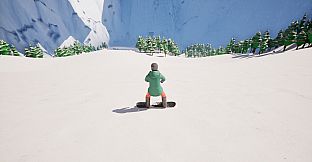
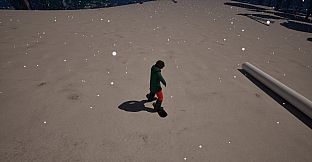
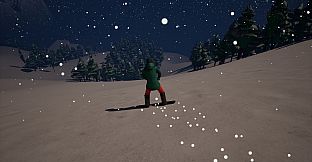
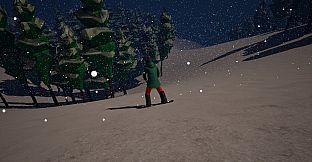
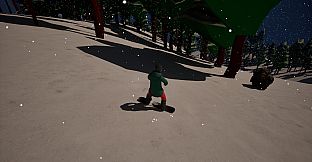
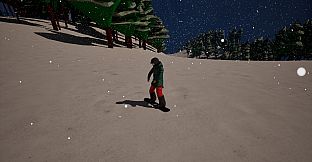
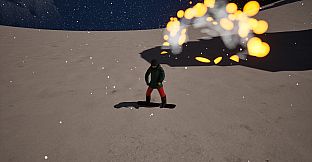
Snop is a free-to-play action sports game on PC that challenges players with a physics-driven snowboarding experience. The title puts players in control of an unforgiving descent down a mountain slope, where success depends entirely on precise manipulation of the board rather than fluid movement or stylish tricks. Developed as a deliberate test of patience and coordination, it draws direct inspiration from notoriously difficult control schemes to create a unique sports challenge centered on survival and progress rather than competition or exploration.
Gameplay
The core loop revolves around navigating a downhill course using two separate joystick inputs. One joystick manages the left heel while the other handles the right heel, forcing players to coordinate independent movements to keep the snowboard stable and pointed in the right direction. Every shift in weight or angle affects balance in realistic ways, leading to frequent tumbles and recoveries that feel unpredictable at first. The physics system emphasizes momentum and instability, so even small errors compound quickly into full crashes that reset progress or force restarts from checkpoints along the slope.
Players focus on incremental mastery rather than speed or scoring. The objective remains straightforward: reach the bottom without falling. Achieving that requires learning how each heel responds to input and anticipating how terrain changes will throw off equilibrium. Awkward stances and sudden flips become common, turning each run into a trial of adaptation. Leaderboards track successful completions, adding a layer of comparison for those who persist through multiple attempts.
Game Modes
Snop operates as a single-player experience built around one primary challenge: completing the full mountain course. There are no additional named modes or variations confirmed at this stage. The structure centers on repeated attempts at the same descent, with the physics and control system remaining consistent across runs. Steam leaderboards provide the only external element, allowing players to see how their completion times or survival compare against others who have finished the course.
The design keeps attention fixed on overcoming the control scheme itself. No multiplayer options, seasonal events, or alternate objectives appear in available details. Everything funnels toward the singular goal of reaching the end intact, with the difficulty curve arising naturally from the heel-based input method rather than layered rulesets.
Controls and Mechanics
Input mapping stays minimal by design. Left and right joysticks correspond directly to the respective heels on the snowboard, creating a split-control system that demands simultaneous attention to both sides. This setup produces the signature awkwardness, as natural snowboarding instincts do not translate cleanly to independent heel commands. Terrain interaction follows standard physics expectations, with slopes, bumps, and turns influencing speed and stability without additional modifiers or power-ups.
Recovery from falls forms a key part of the experience. Players must reset their stance and rebuild momentum after each wipeout, reinforcing the trial-and-error nature of the challenge. No combat, collection, or customization systems factor into the loop, keeping focus narrow on board control and course navigation.
Is It Worth Playing?
Snop targets players who enjoy extreme difficulty in control schemes and are willing to invest time in learning an intentionally frustrating system. The free-to-play model removes any financial barrier, allowing anyone curious about QWOP-style challenges to test the mechanics without commitment. A cash prize for the first verified completion adds an extra incentive for dedicated participants, though full eligibility details sit outside the game itself.
With the title still listed as coming soon and no user reviews available yet, reception remains unknown. Those drawn to precise, punishing sports simulations may find satisfaction in incremental progress, while players seeking smooth runs or varied content will likely move on quickly. The narrow scope and single challenge mean it suits short sessions focused on personal improvement rather than long-term engagement or social features.