




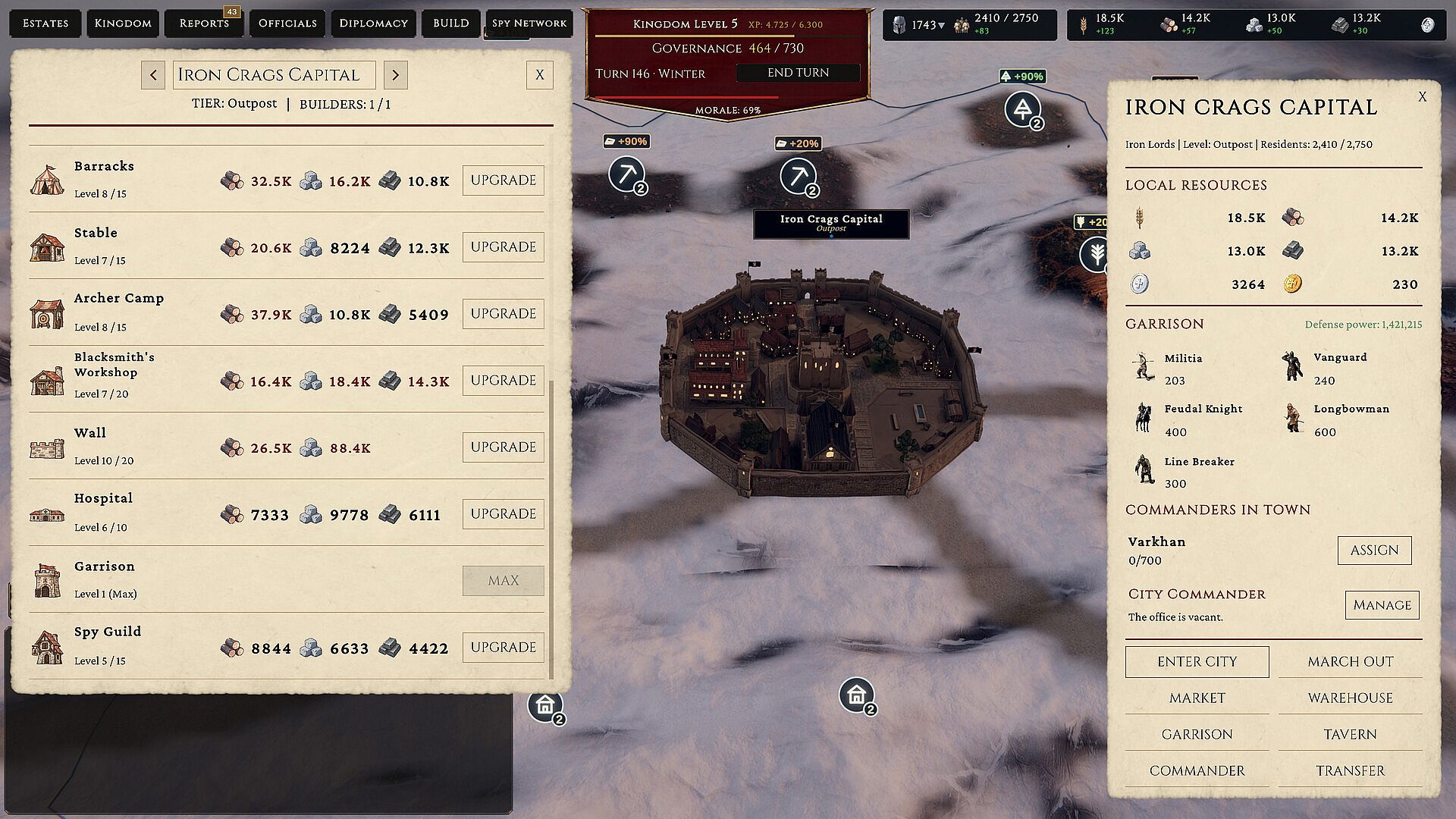
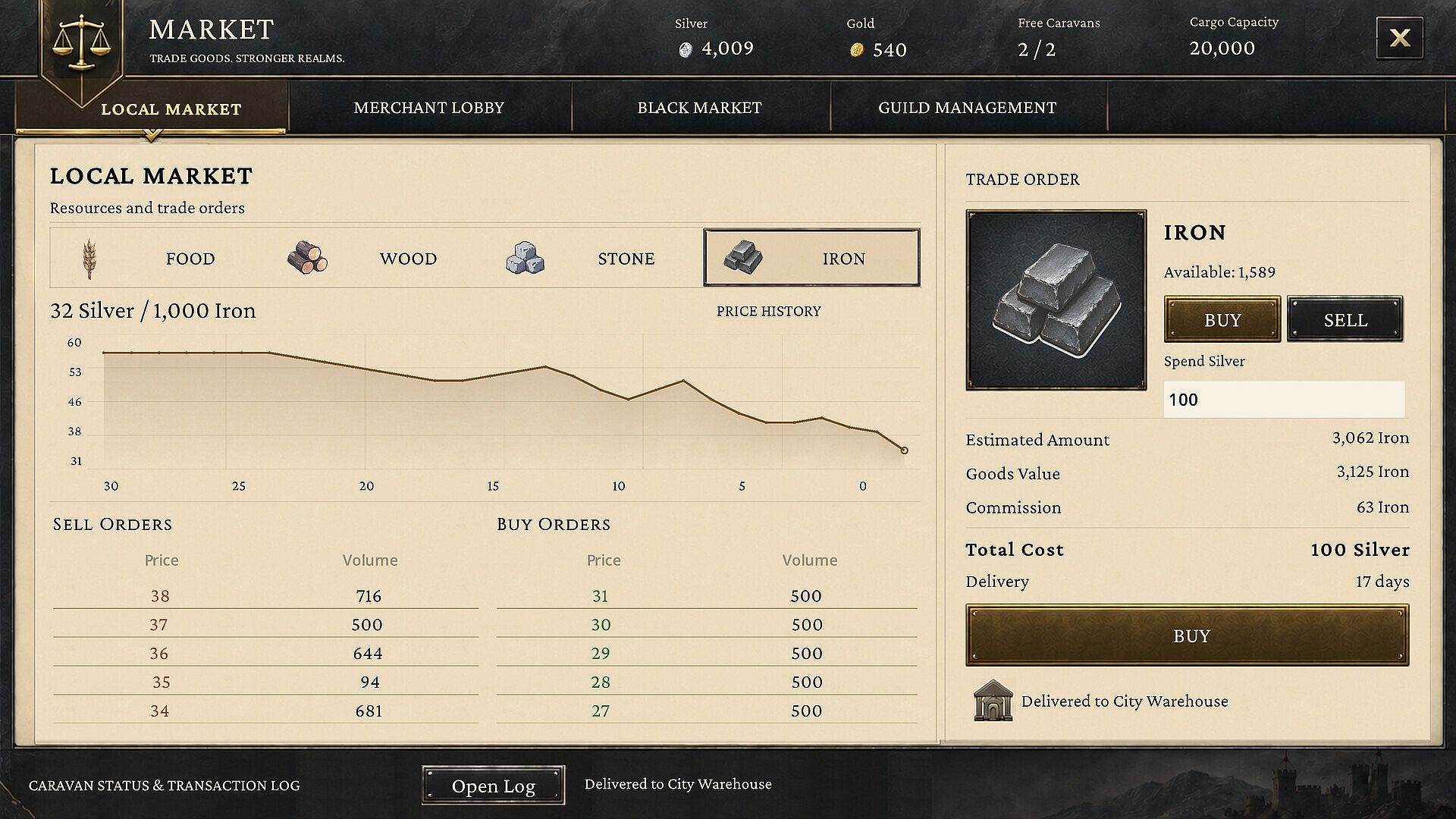
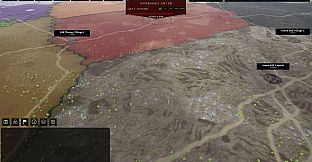
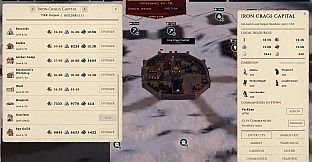
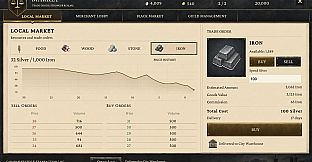
Sons of Infinite Dawn is a medieval grand strategy game with strategy, indie, RPG, and simulation elements, available on PC. It combines real-time play with pause and turn-based options in a setting where every faction operates under identical rules and constraints.
Gameplay
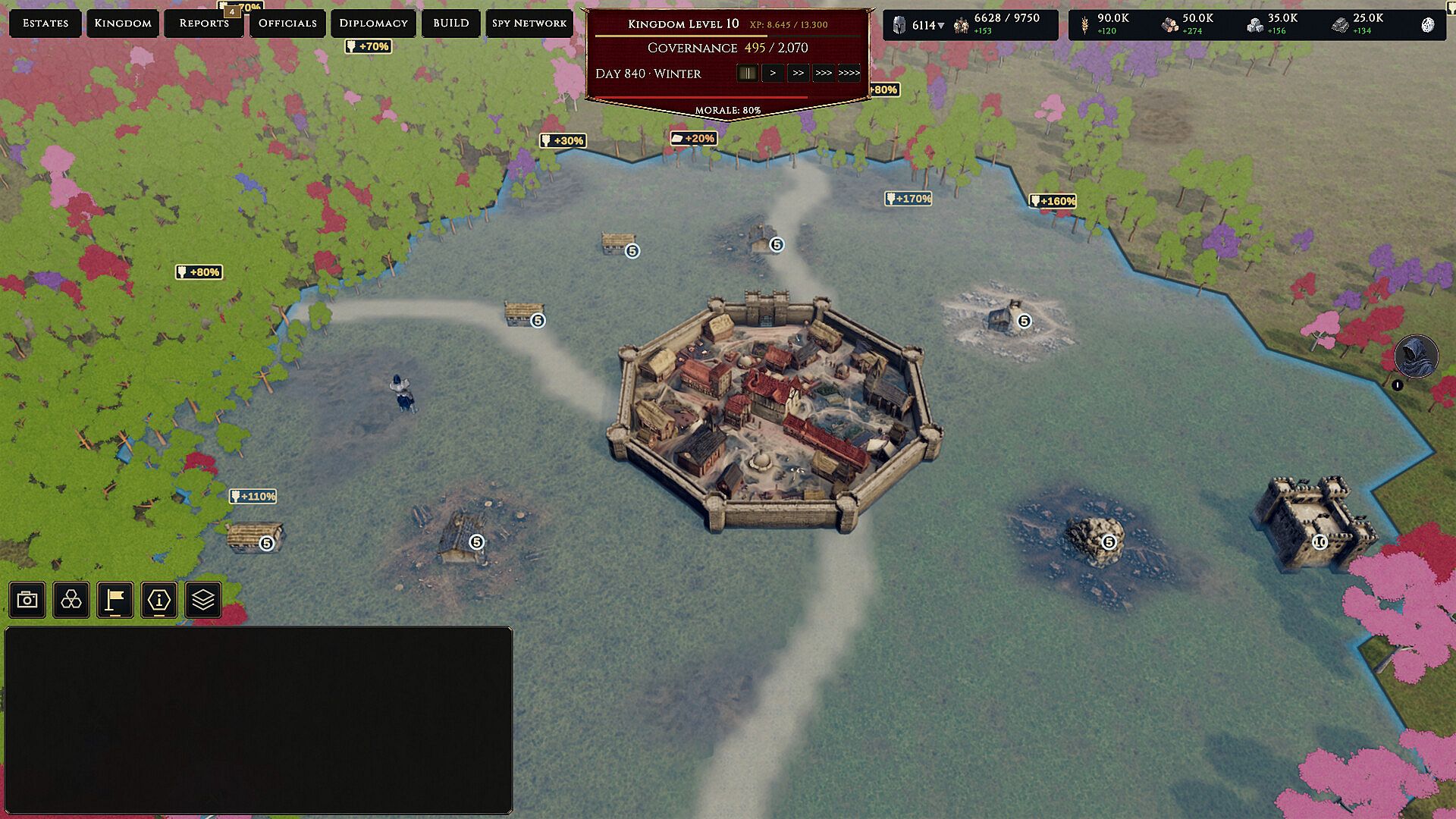
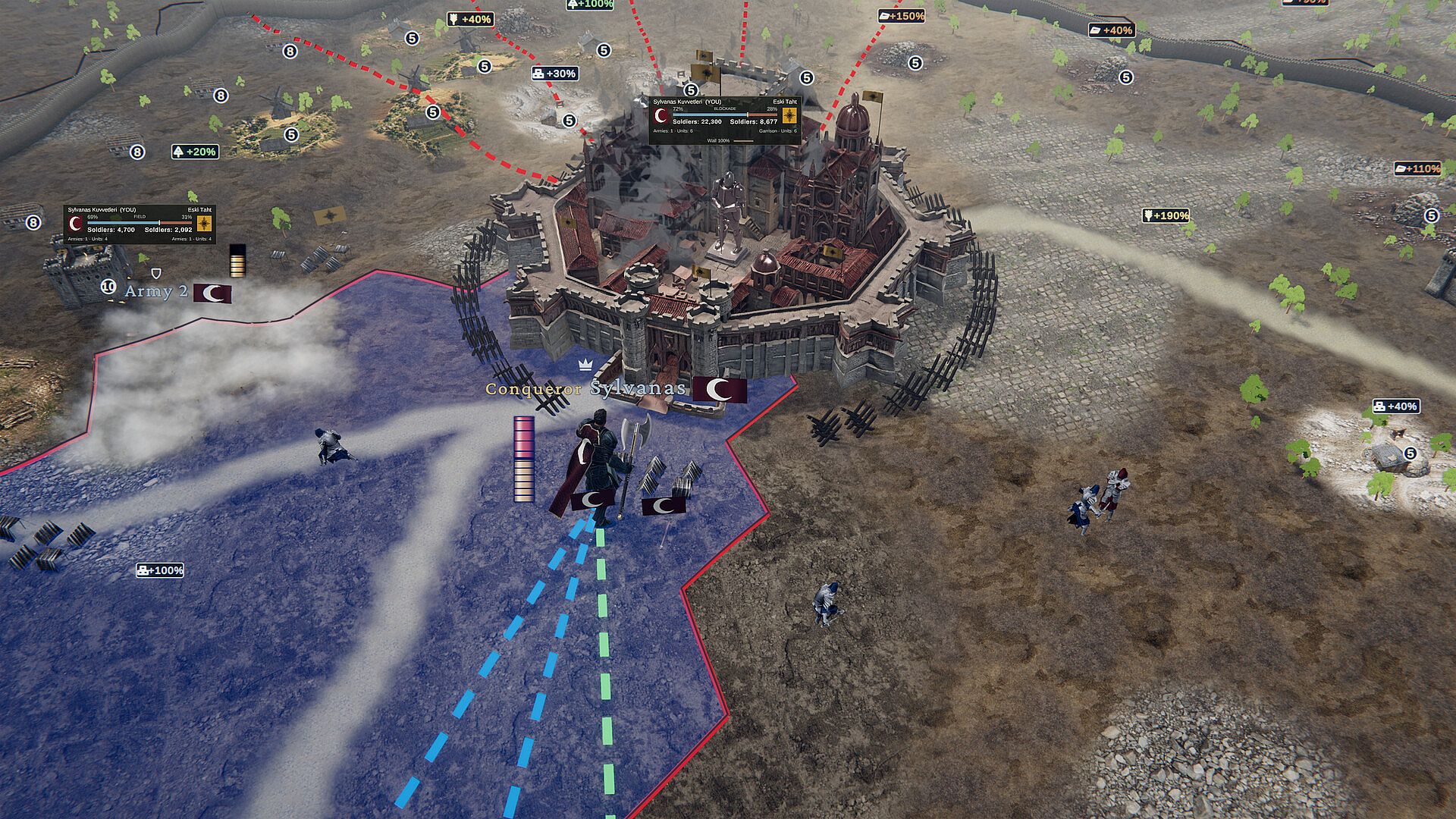
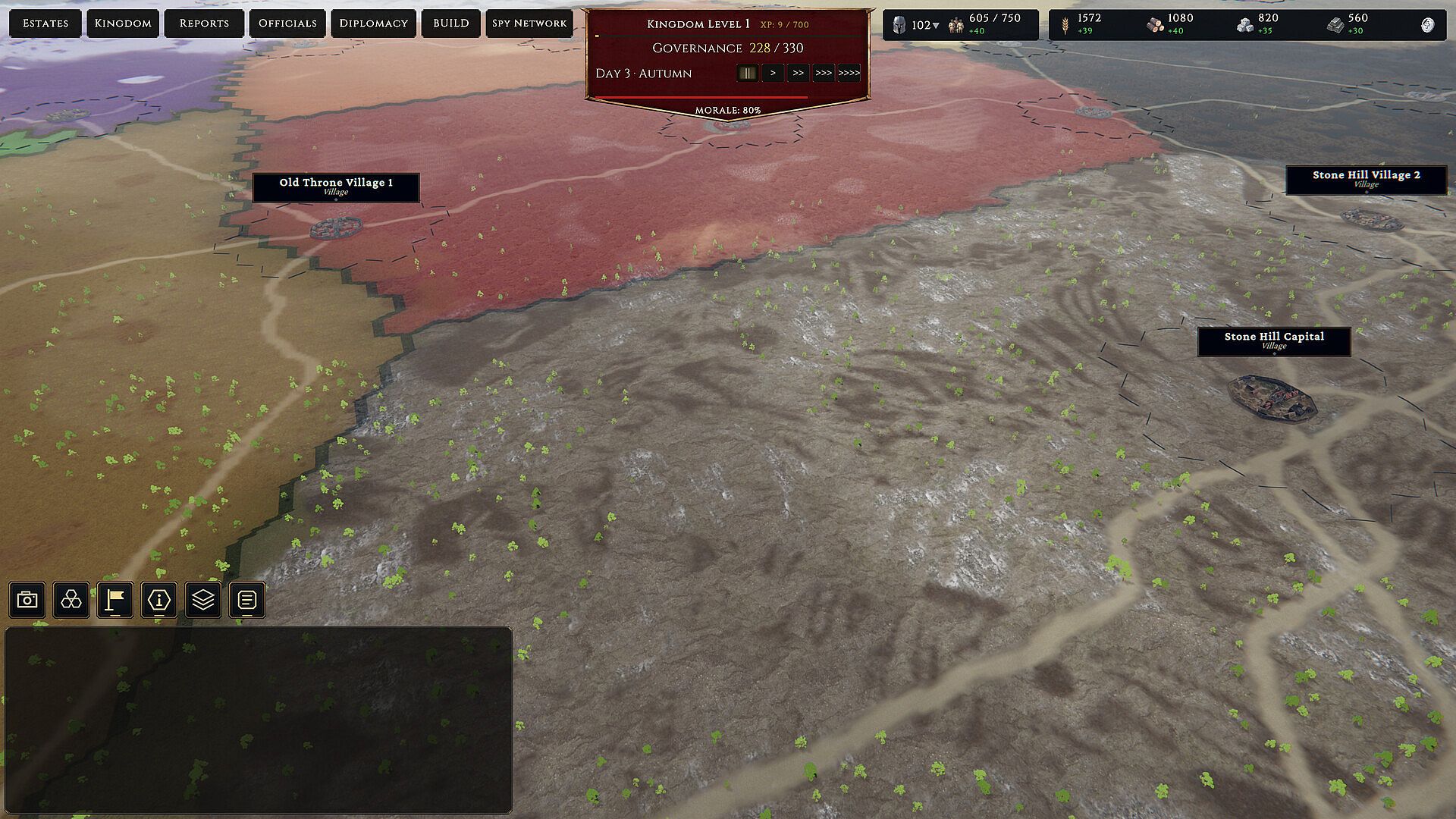
The core loop centers on managing a realm through diplomacy, warfare, territorial growth, and internal governance. Players issue commands that align with current needs, while rival nations evaluate their own priorities and adjust actions accordingly. This setup ensures that external forces respond to the same limitations and opportunities as the player, producing campaigns that diverge based on shifting circumstances rather than scripted events.
Decision-making remains open at every stage. A player might prioritize alliances one session and aggressive expansion the next, with the simulation reflecting those choices through visible outcomes in relations, resources, and territorial control. The systems support this flexibility without directing progress toward any predetermined sequence of events.
Game Modes
Two primary play styles define the experience. Real-time mode with pause allows continuous observation of the world while granting the option to halt action for detailed planning. Turn-based mode breaks the same systems into discrete phases, emphasizing deliberate sequencing of moves across diplomacy, military orders, and development.
Both approaches draw from the same underlying ruleset, so switching between them does not alter the fairness of faction behavior or the transparency of consequences. The choice mainly affects pacing and the level of moment-to-moment oversight required.
World Simulation and Player Agency
Every nation in the simulation weighs its immediate requirements when selecting actions, then revises those priorities as conditions evolve. This produces organic changes in alliances, conflicts, and internal policies without reliance on hidden advantages or fabricated forces. The result is a world that reacts consistently and evolves uniquely across different playthroughs.
Player input influences these dynamics directly through chosen policies and responses. Expansion decisions, treaty negotiations, and administrative choices all feed into the same evaluation process used by AI-controlled entities, creating feedback that remains legible even as complexity increases with experience.
Is It Worth Playing?
The game suits players who value transparent mechanics and long-term strategic planning over guided narratives or asymmetric power structures. Its emphasis on equal rules for all participants and clear cause-and-effect relationships rewards those willing to experiment with different approaches to realm management.
Accessibility comes from straightforward initial rules that layer additional depth through repeated play, rather than from simplified interfaces or tutorial gates. Those drawn to grand strategy titles that avoid artificial difficulty spikes or predetermined story beats will find the systems rewarding over multiple campaigns.












