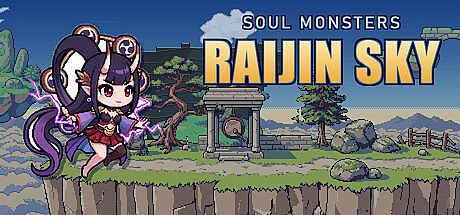


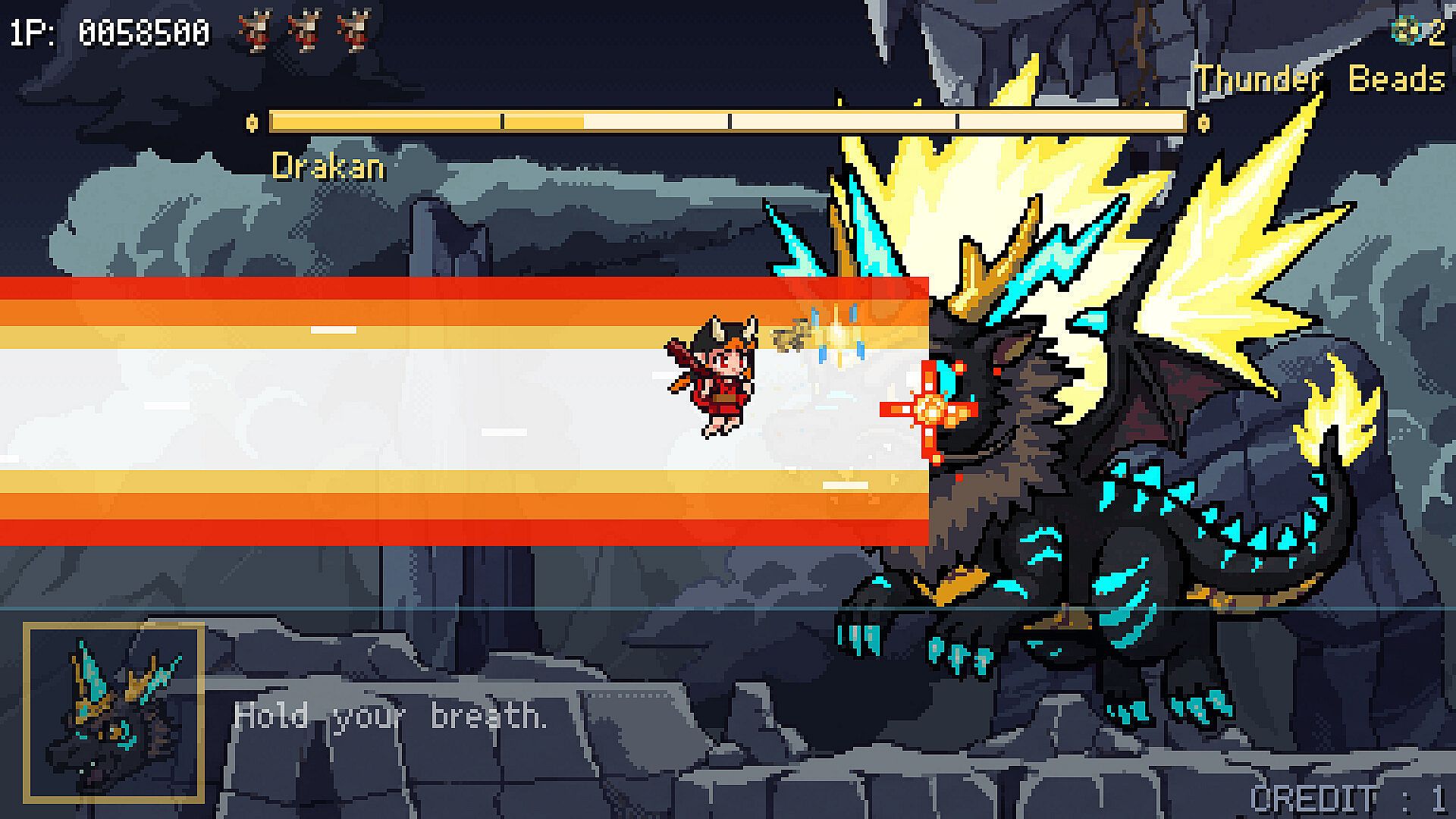
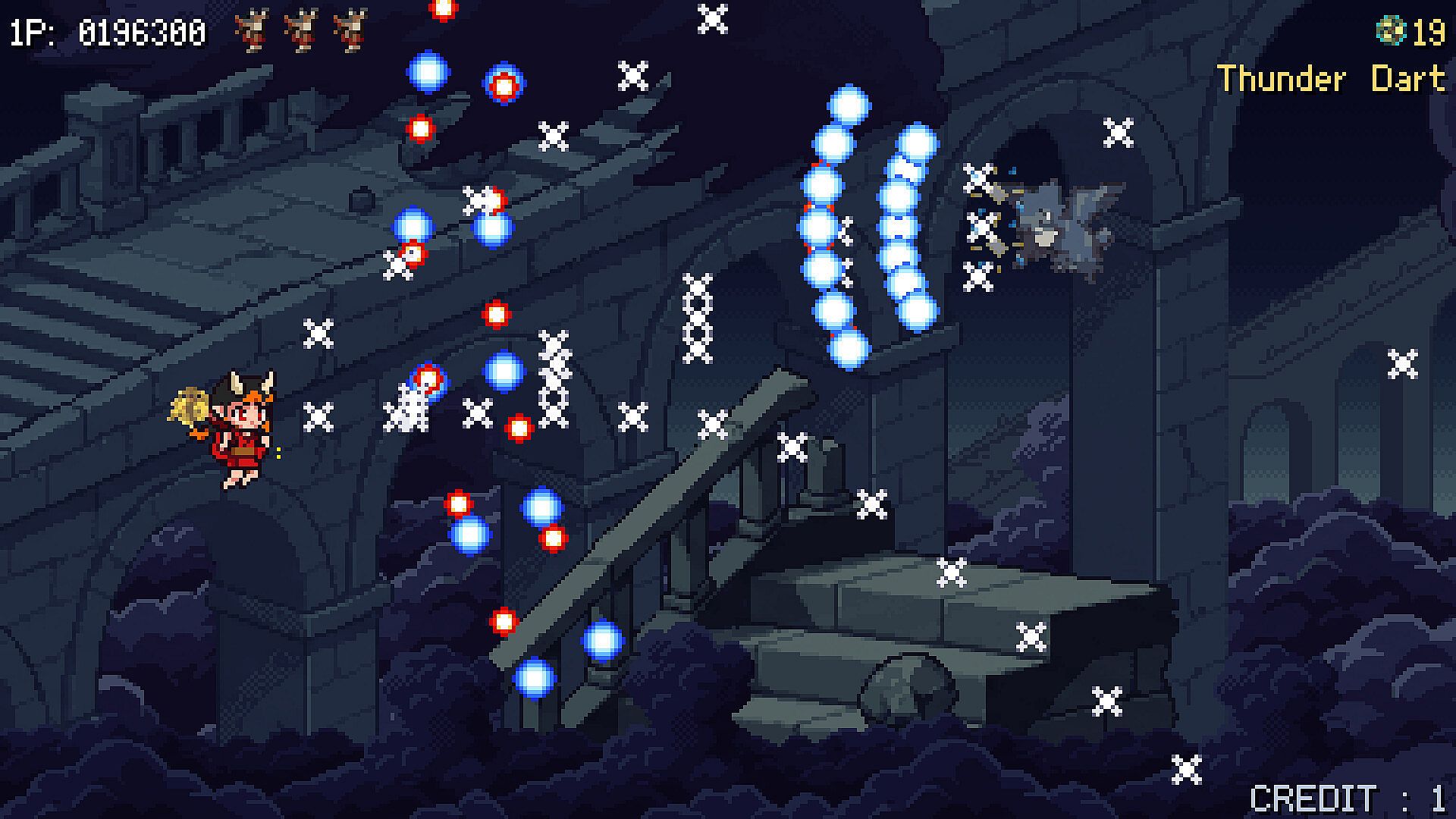
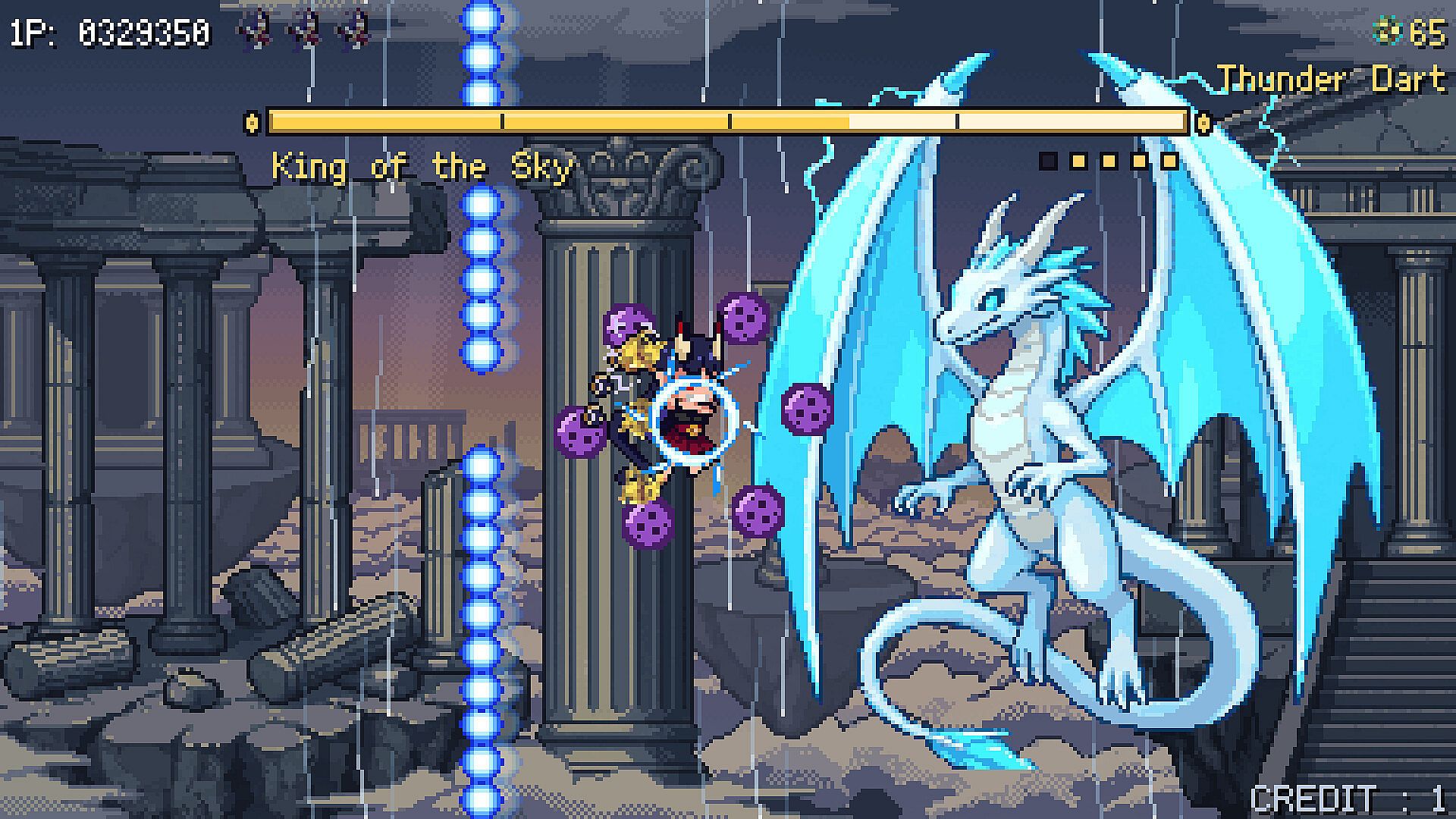
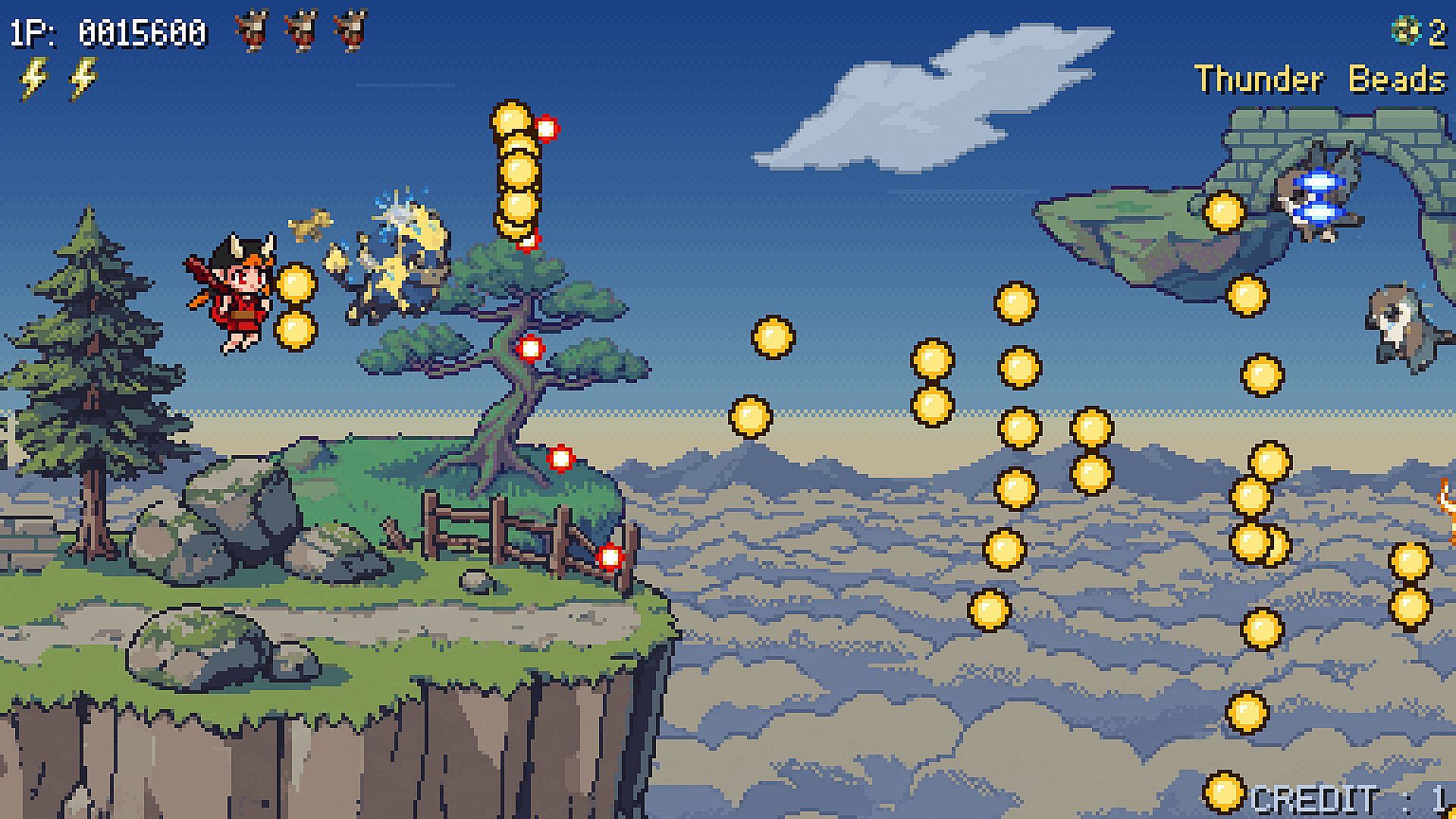
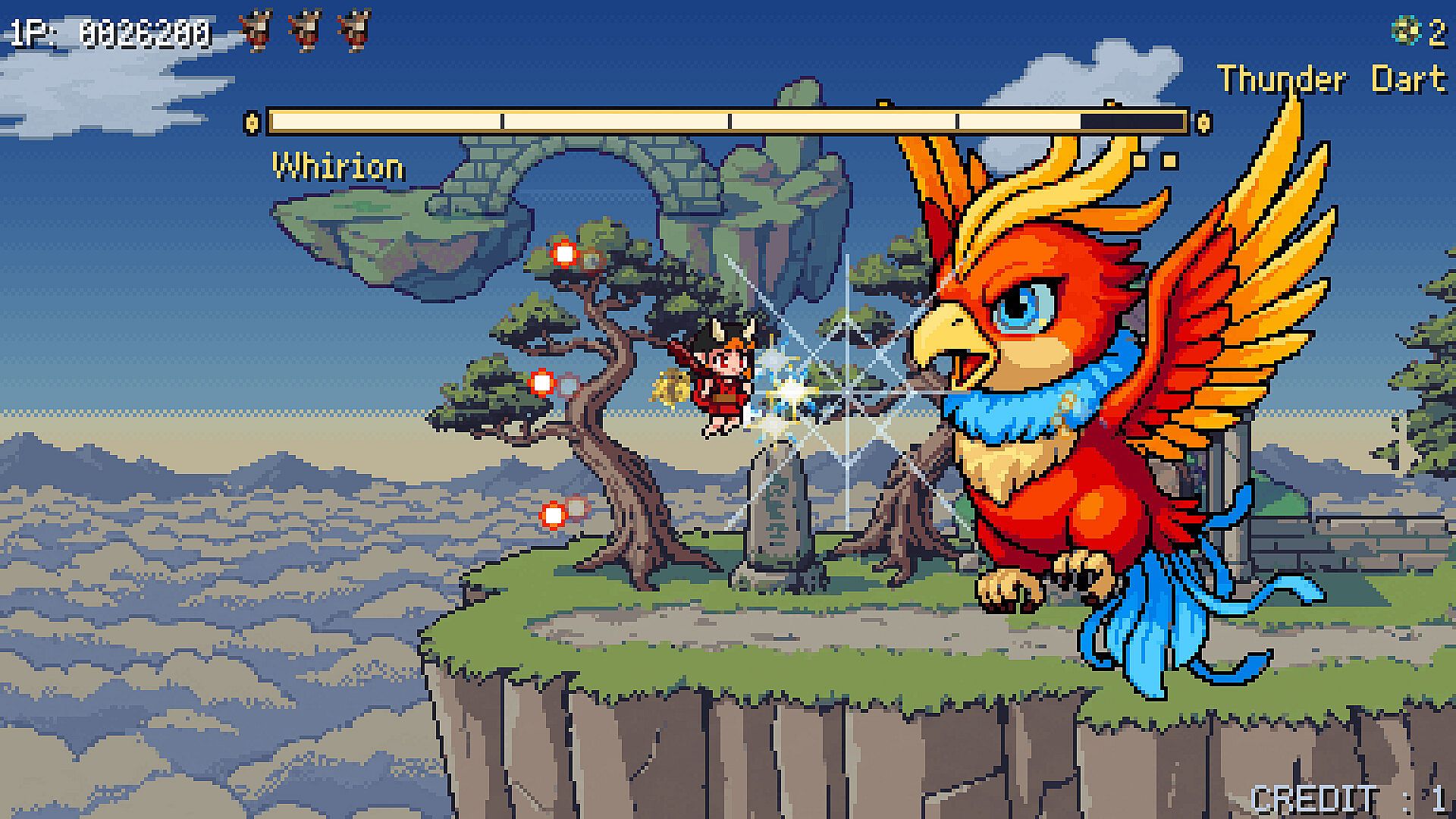
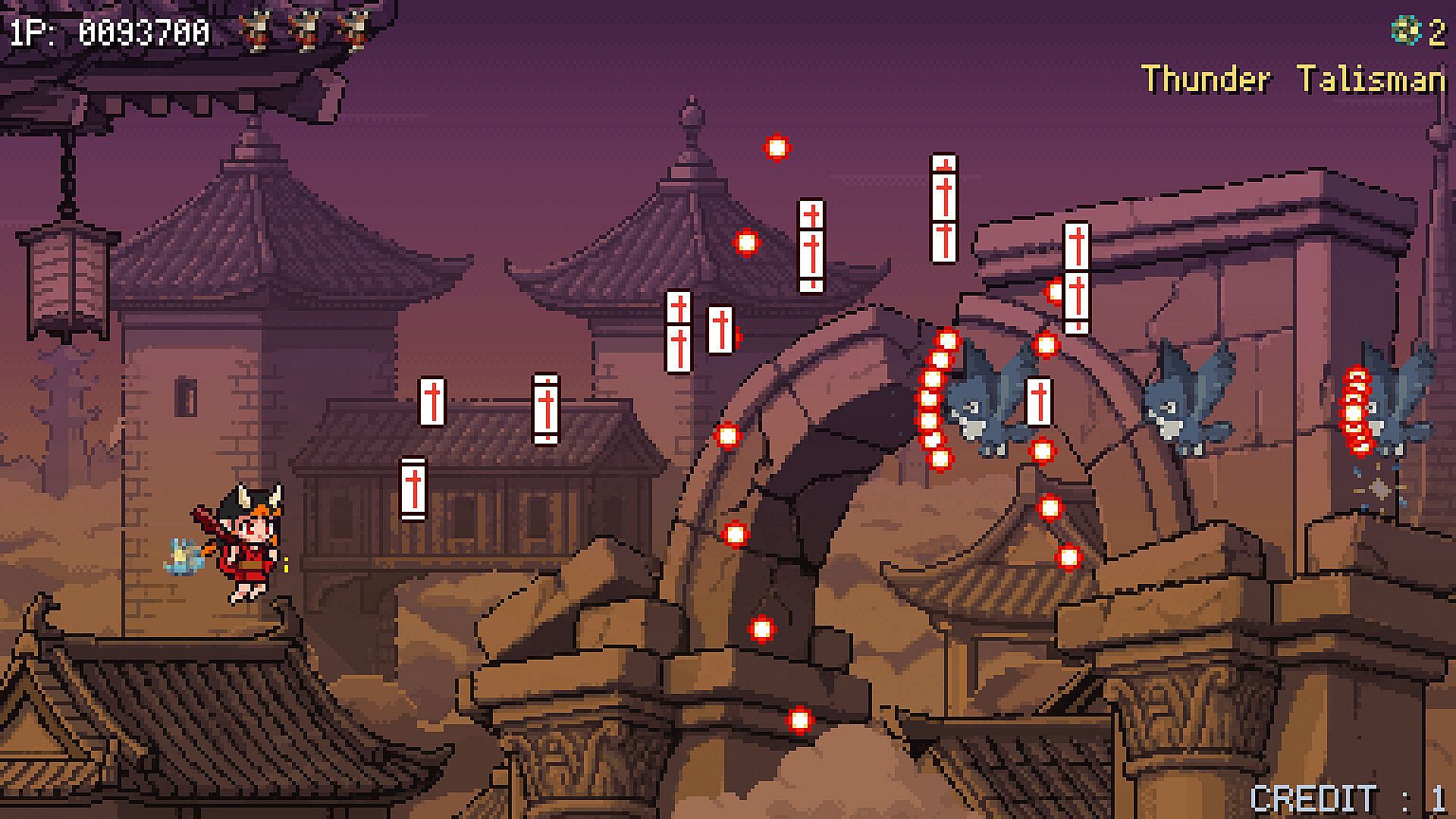
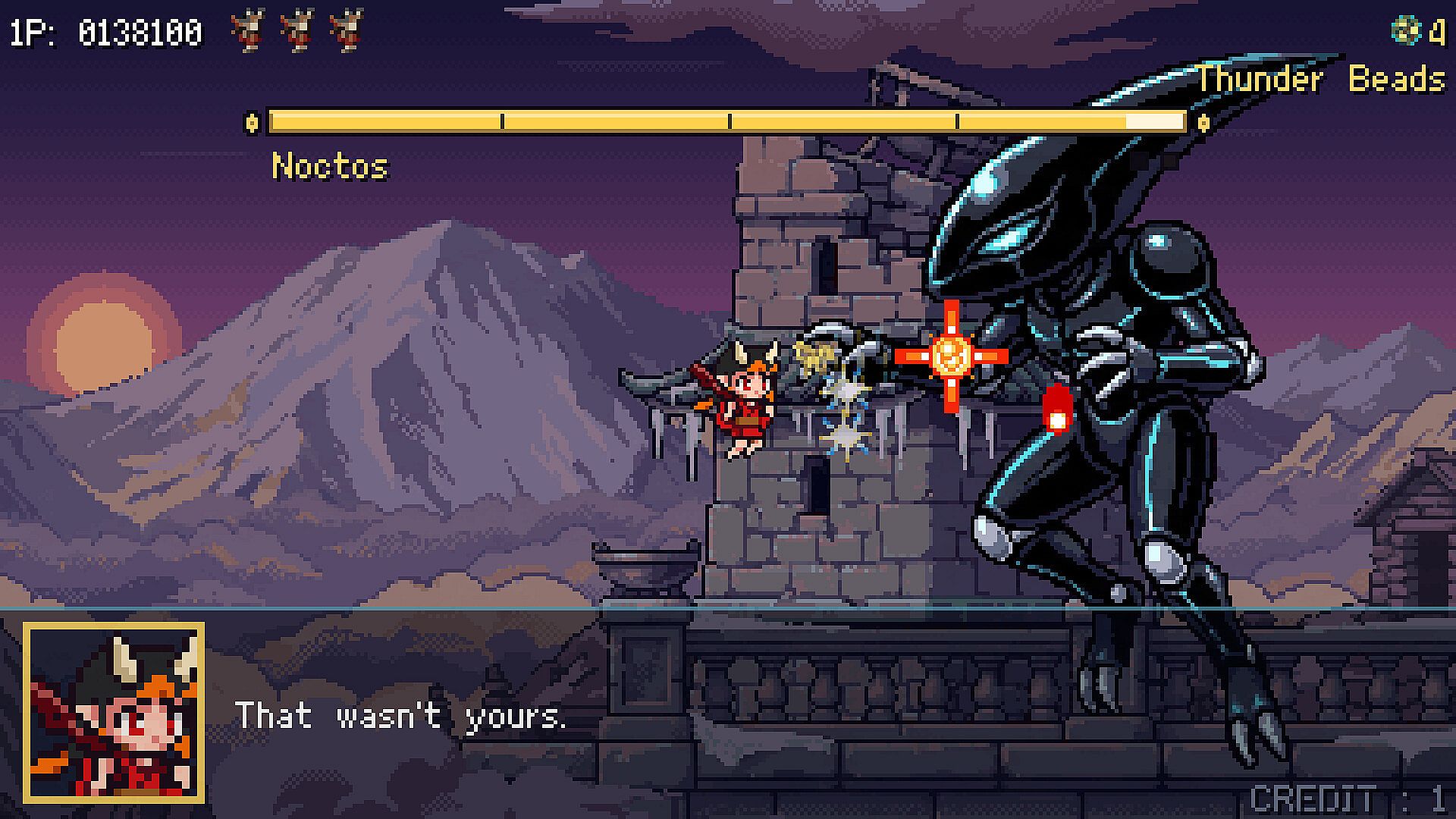
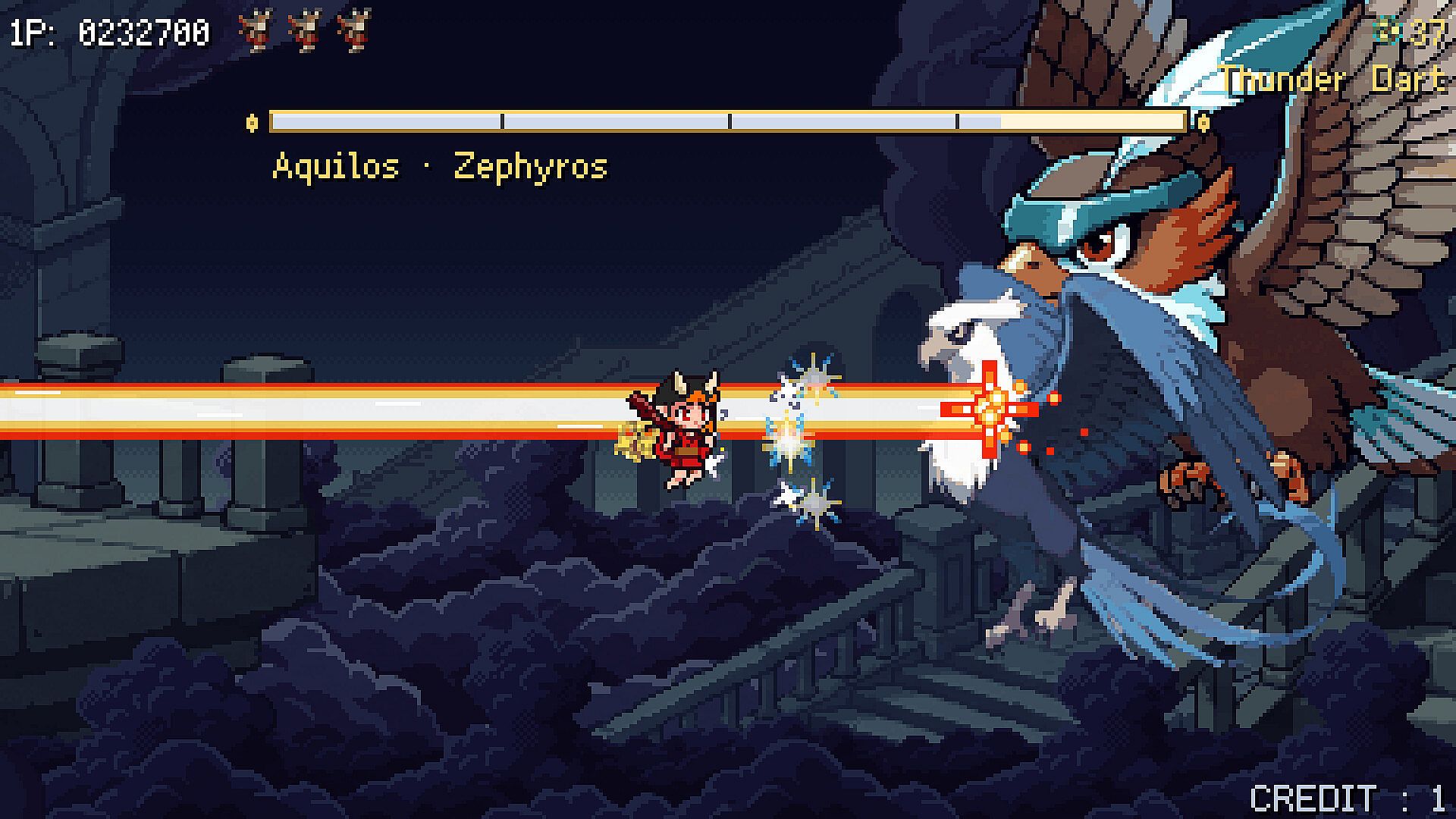
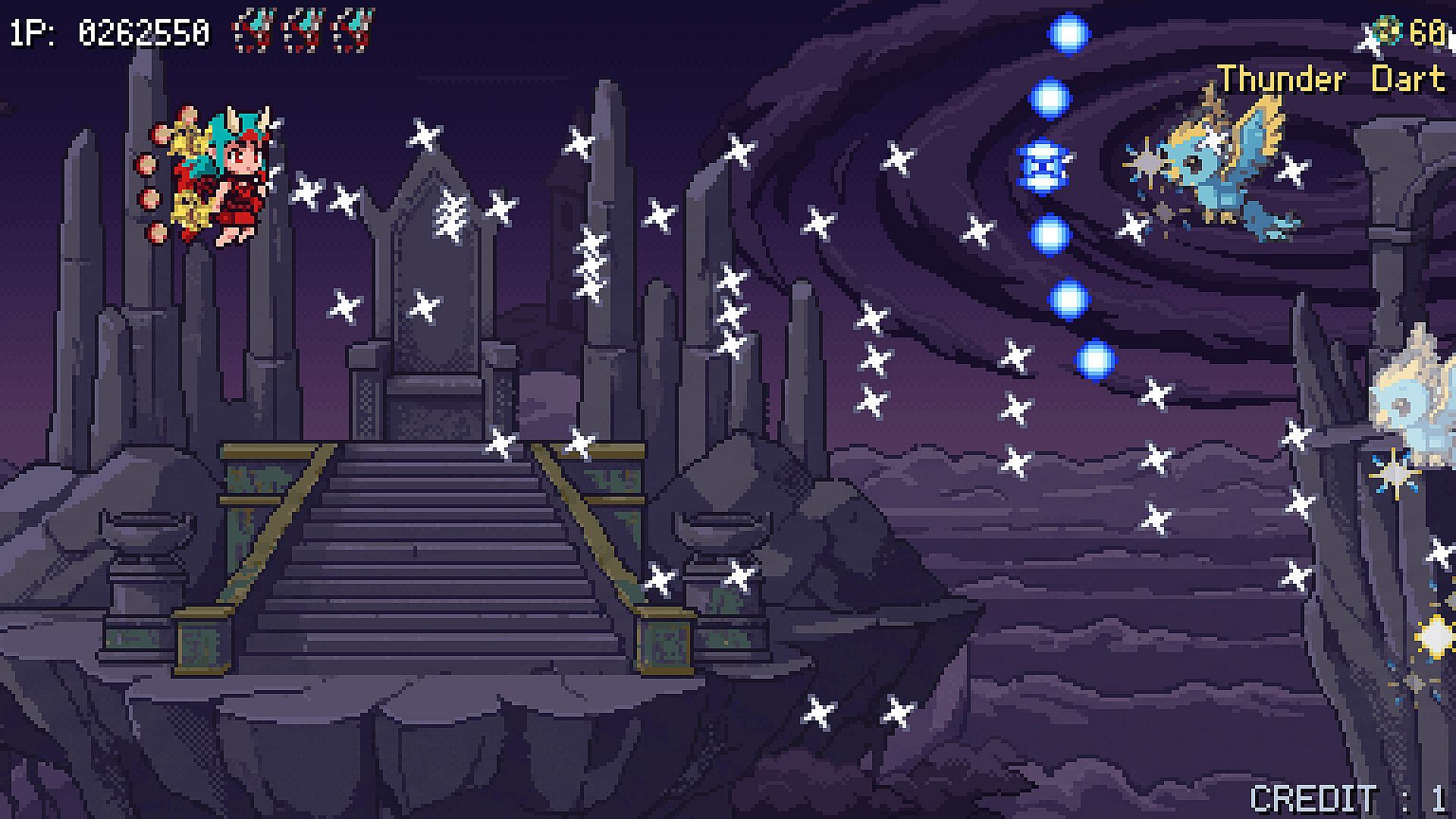
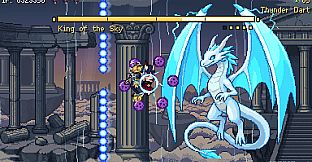
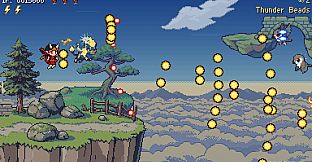
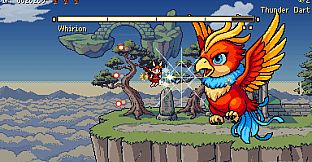
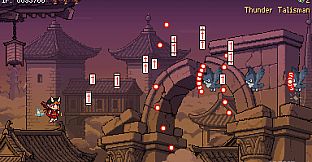
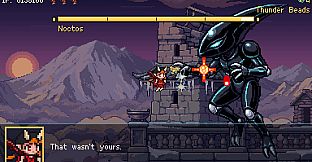
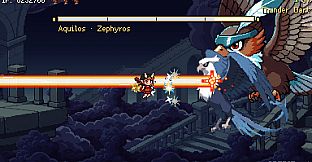
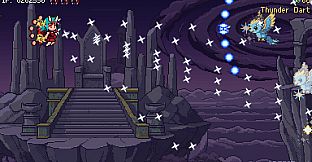
Soul Monsters: Raijin Sky is an action indie pixel-art horizontal shooter for PC in which players guide a wingless goblin named Raijin through a series of skies using a thunder club and a collection of sealed weapons. The game forms part of the Soul Monsters series as a side story set before the events of Radan's Journey and the priestesses' placements. It emphasizes deterministic enemy patterns, close-range combat incentives, and run-building choices without any reliance on random elements.
Gameplay
Raijin begins her ascent with only the Thunder Club and a desire to reach the sky despite lacking wings. Players navigate seven stages across distinct sky environments, selecting paths through three of four opening areas before confronting repeated mid-bosses at the Beacon Tower of the Highest Peak. Progress continues along the Stairs of the Raised Head, branches at the Throne of the Sky, and culminates in a trial against the King of the Sky at the Sky Temple.
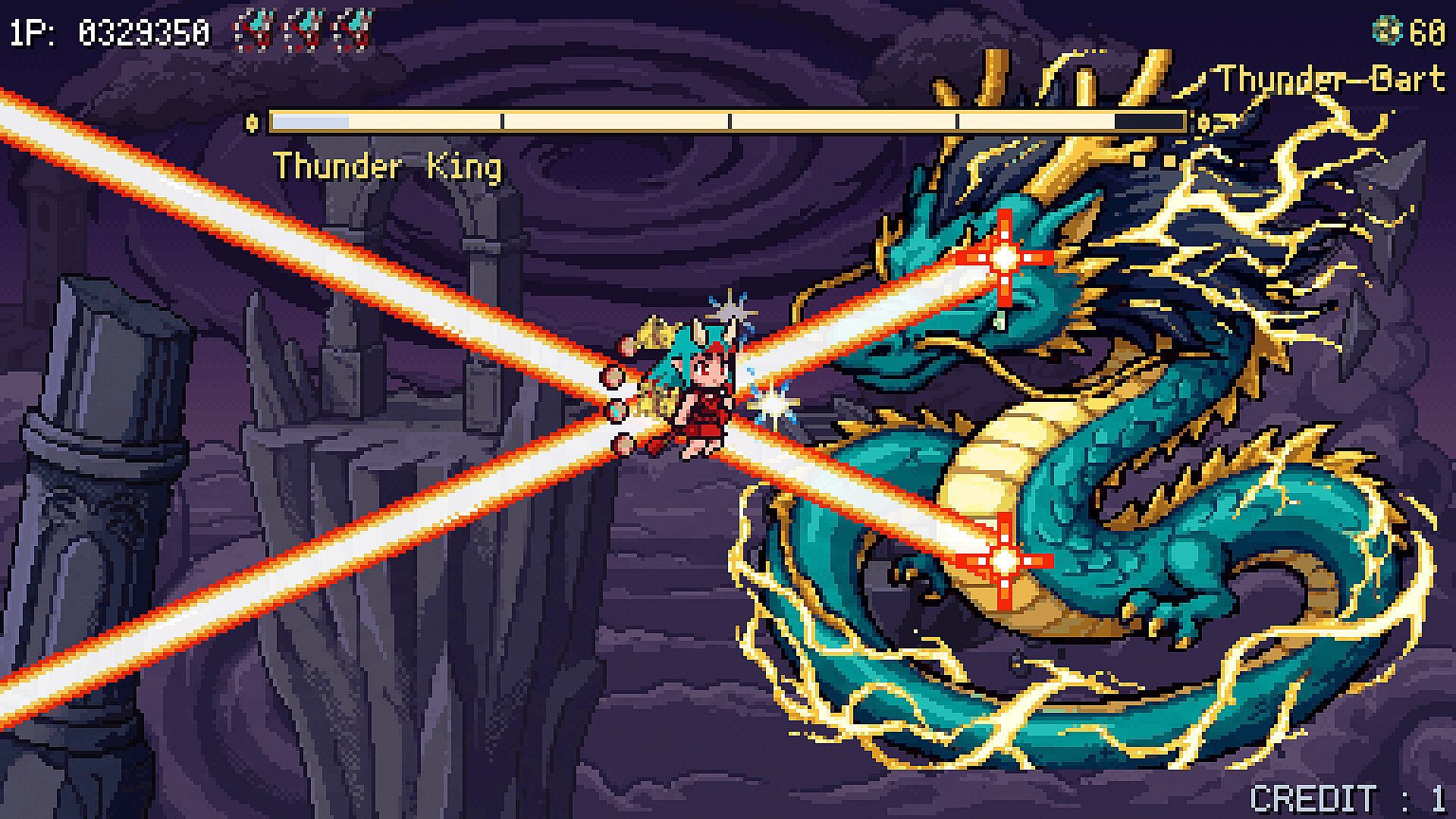
Combat centers on seven weapons that alter shot patterns, charge attacks, and bombs. The Thunder Club serves as the starting option alongside Beads, Dart, Lance, Talisman, Mirror, and Blade. Two weapons can occupy active slots for quick swapping. Holding the charge attack builds a heavy close-range strike that pauses other actions during wind-up. Defeating enemies at close range yields more thunder magatama, which fuel three progressive evolutions that permanently strengthen Raijin without reversal.
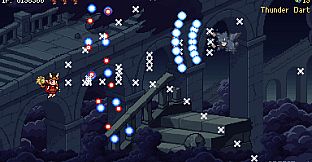
Sigils chosen after boss encounters from three sky masters allow run customization. Enemy movements follow fixed cycles tied to pattern numbers, enabling players to learn and anticipate every sequence. Contact with foes causes stagger and power loss rather than instant defeat, rewarding aggressive positioning for greater damage output. The pixel art operates at 384x216 resolution with locked 60 frames per second and integer scaling support for keyboard or gamepad input.
Game Modes
Four difficulty settings shape the experience. Breeze and Normal provide unlimited checkpoint continues. Thunder God limits continues to three, while Original removes them entirely to support one-credit clear attempts. A second loop activates upon clearing the initial run, incorporating the previously skipped stage and unexplored path for extended play.
Story elements appear through 234 lines of dialogue across the campaign. Audio consists of 12 music tracks with all sound effects generated directly by the game's code. The structure supports repeated attempts focused on mastery of patterns and weapon pairings rather than luck-based variables.
Progression and Systems
Raijin collects thunder magatama to advance through evolutions that enhance capabilities stage by stage. Sigil selections after each boss add layers of strategy to weapon loadouts and playstyle. The absence of RNG means every encounter follows predictable cycles, allowing consistent improvement through practice. Touching enemies trades health-like resources for positioning advantages, encouraging players to stay near threats for optimal damage.
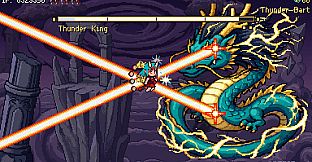
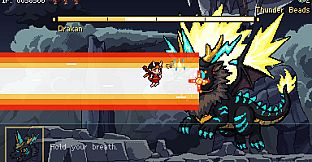
The campaign features 44 sky monsters and 13 bosses including mid-boss encounters. Language support covers Korean, English, Russian, and Japanese. The design prioritizes precise dodging and timing over randomized events, with mechanics that scale difficulty through restricted continues and full one-credit challenges on the highest setting.
Is It Worth Playing?
Soul Monsters: Raijin Sky suits players who enjoy horizontal shooters that reward pattern recognition and deliberate close-range engagement over random chance. Its deterministic enemy cycles and evolution system provide clear feedback on skill growth across multiple difficulties and a second loop. The weapon variety and Sigil choices offer meaningful customization within a focused single-player structure.
Those seeking arcade-style precision without procedural generation or luck elements will find the core loop consistent and replayable through mastery. Availability on PC with controller and keyboard options broadens accessibility for fans of indie action games that emphasize learning fixed sequences. The game's emphasis on permanent progression through evolutions and path selection in the second loop adds depth for repeated runs without introducing unverified elements.