




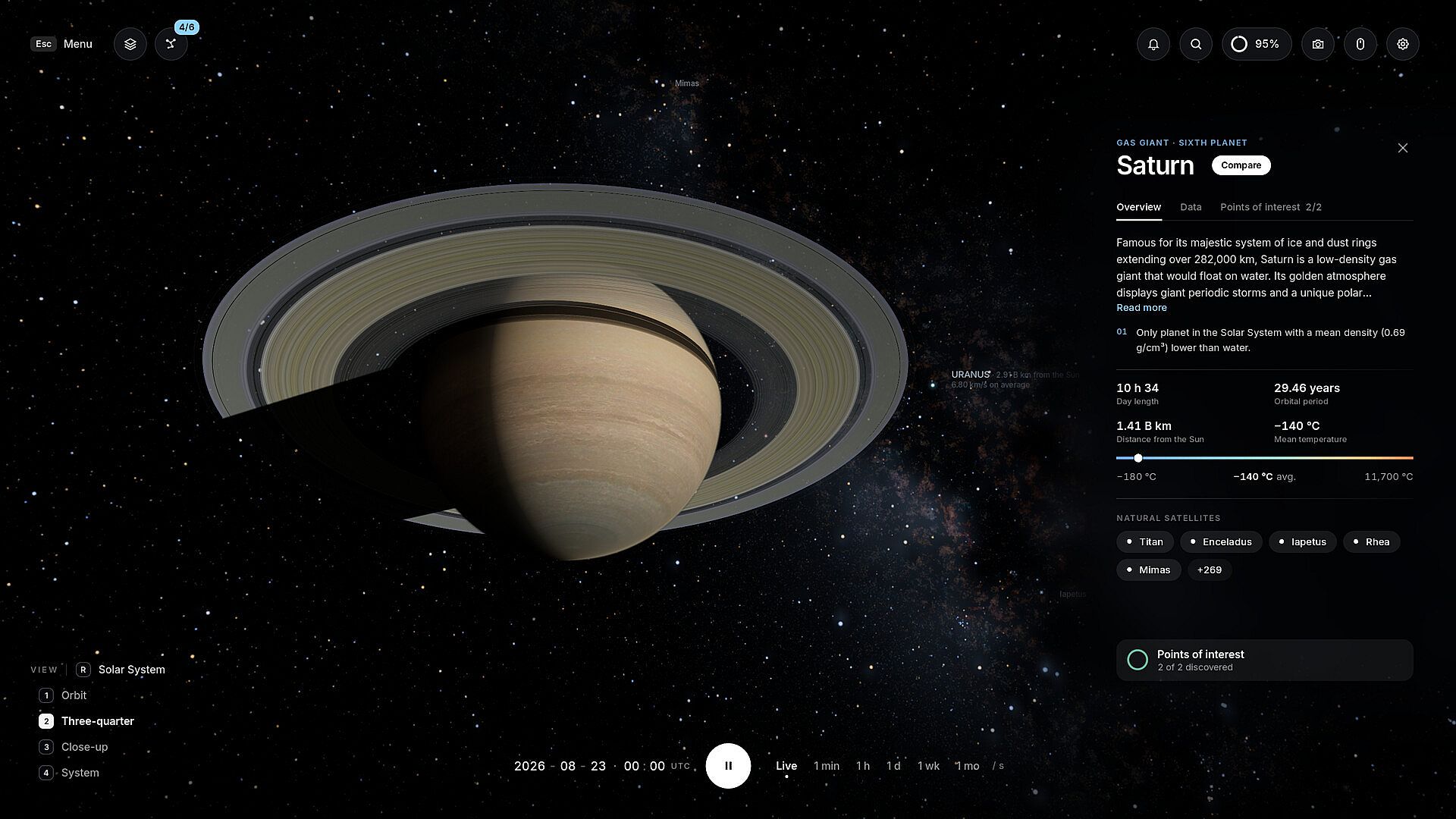
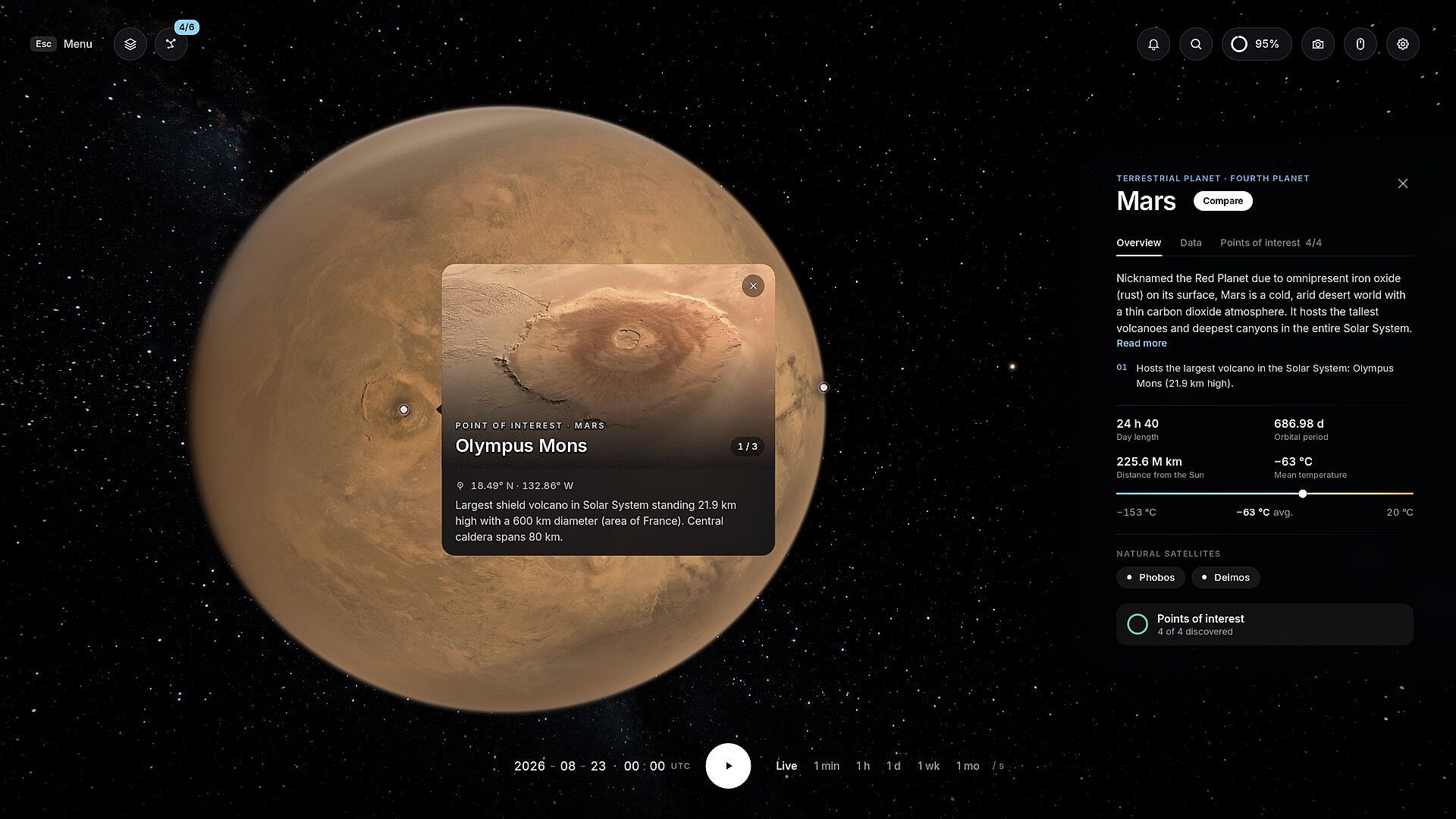
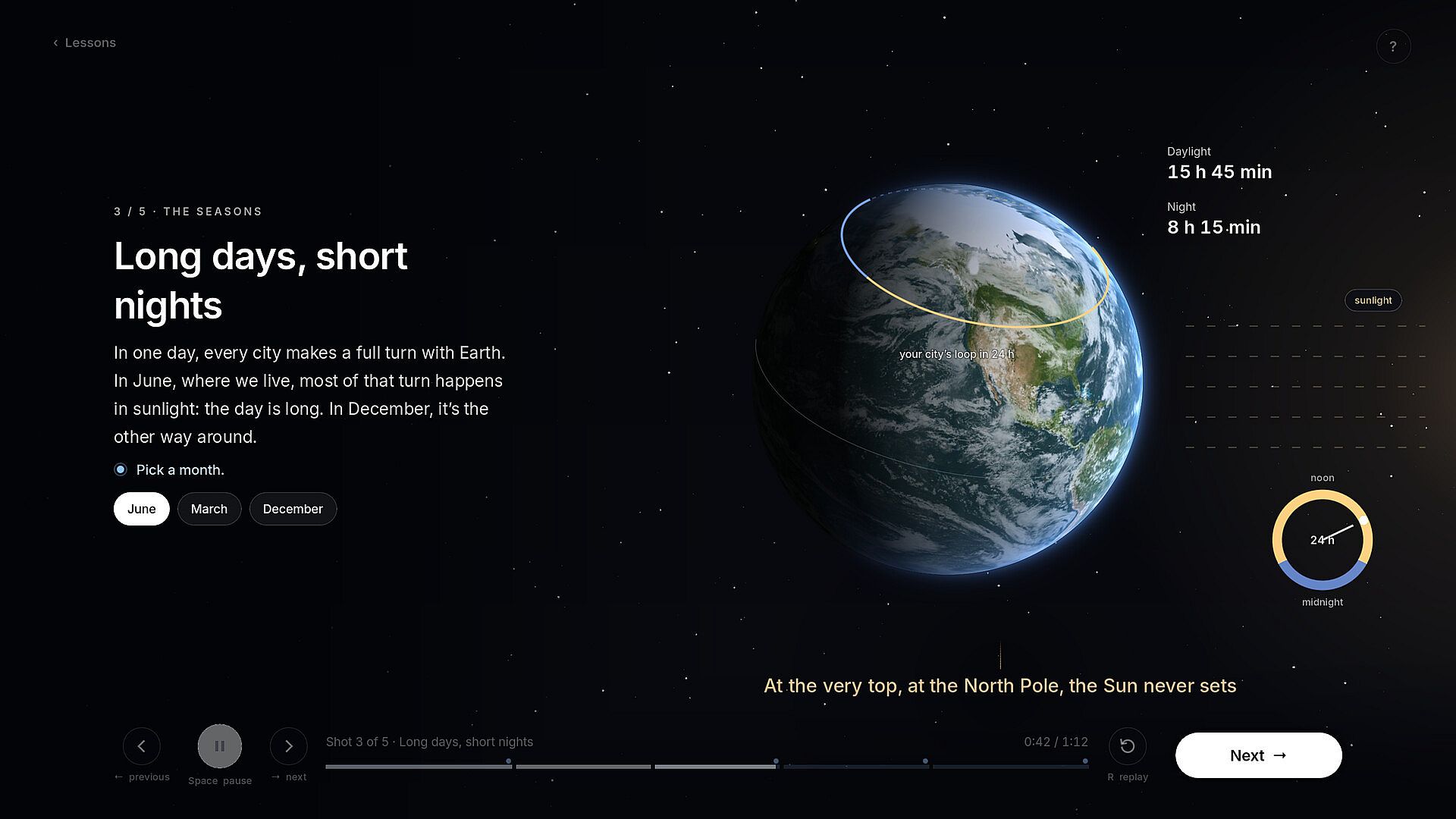
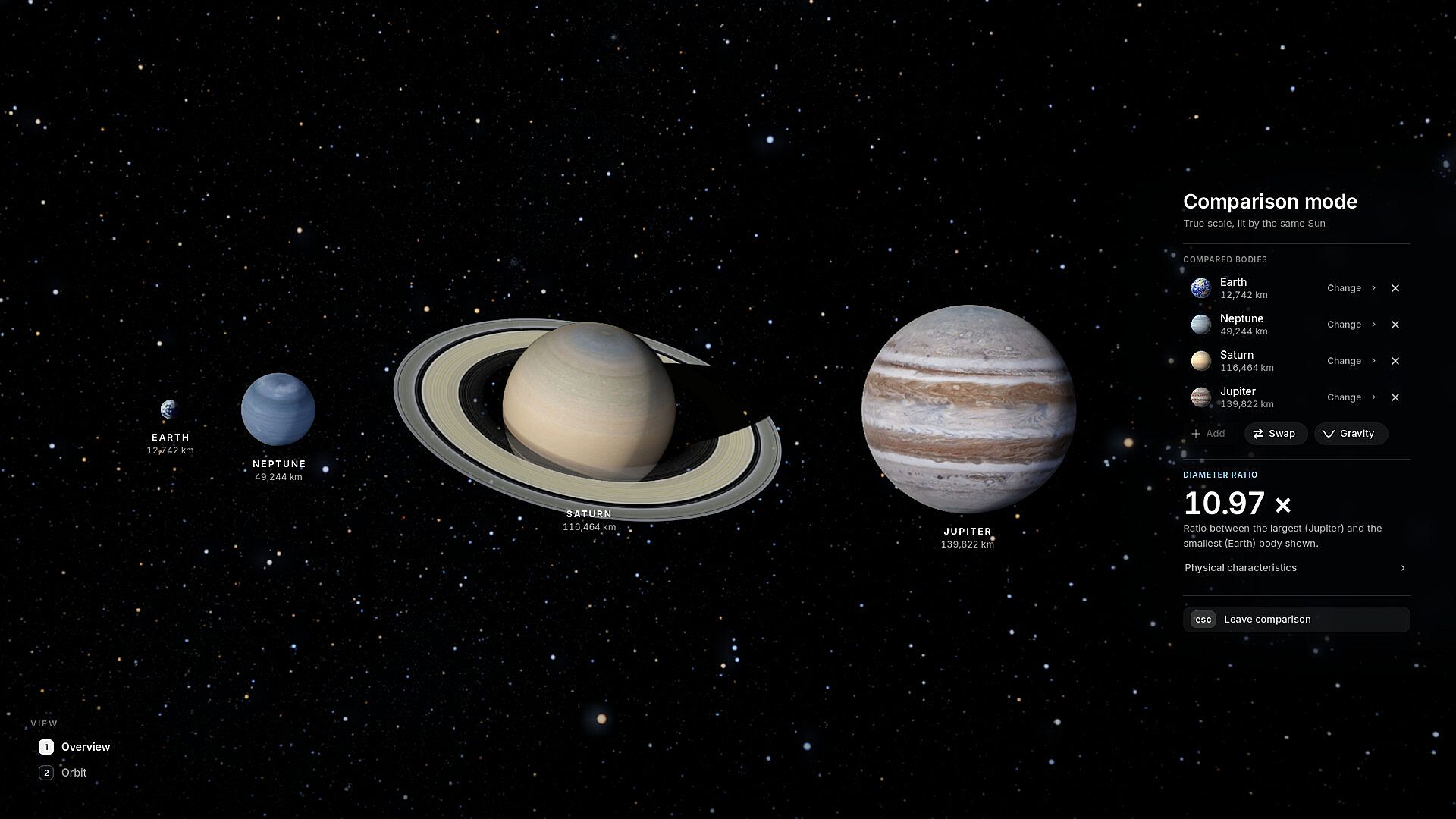
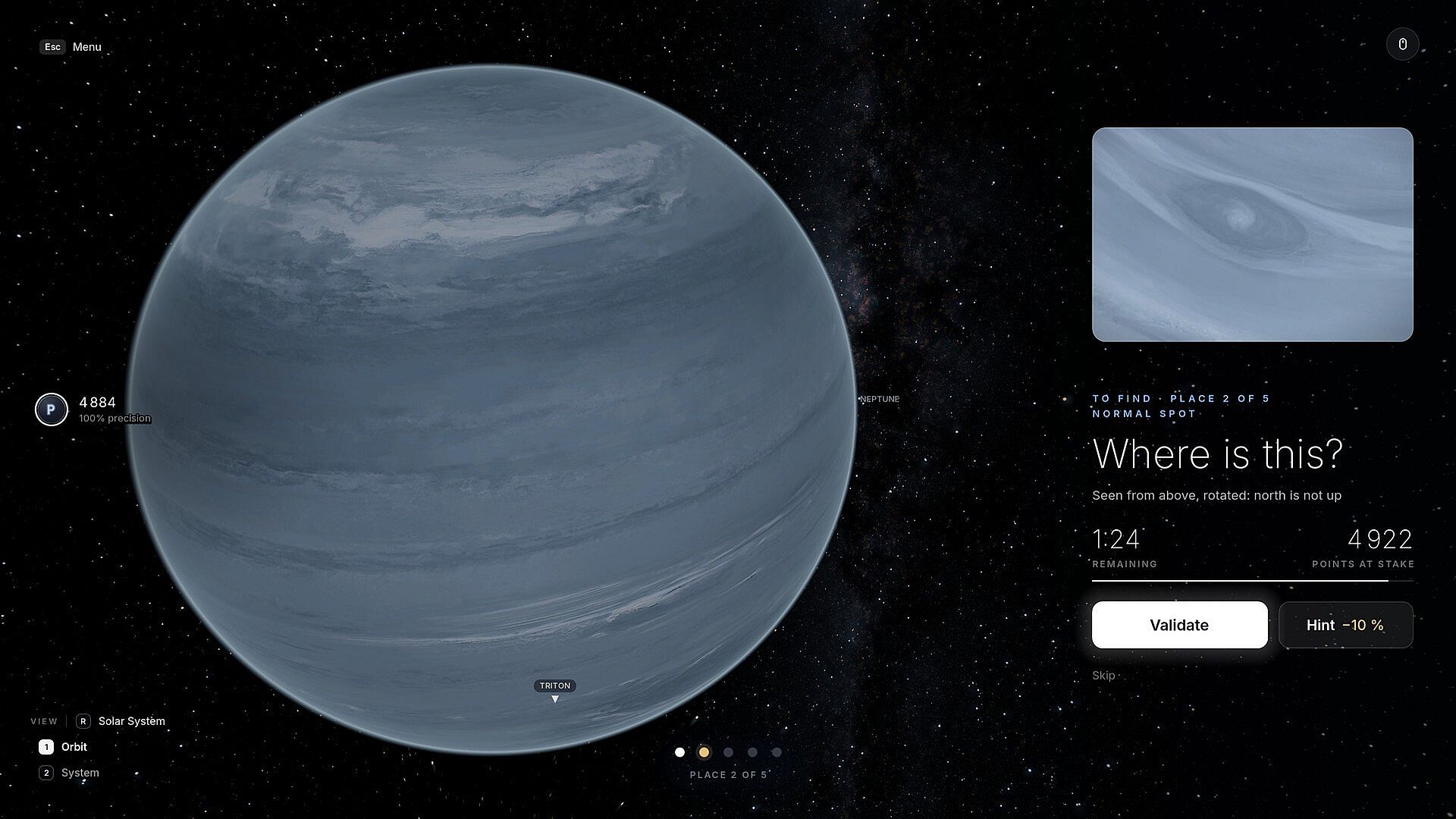
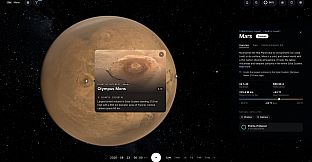
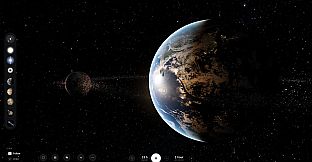
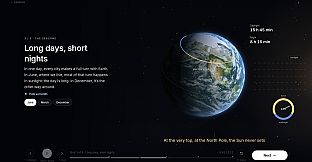
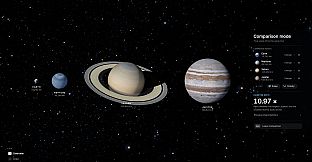
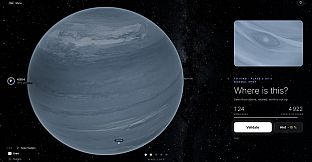
Space Query 2 is an indie casual simulation game for PC that places the real Solar System at your fingertips with accurate positioning drawn from NASA data. Players control a free-flying viewpoint to move between planets and moons, adjust the flow of time, and observe gravitational interactions in a living model of the solar system as it exists at any chosen moment.
Gameplay
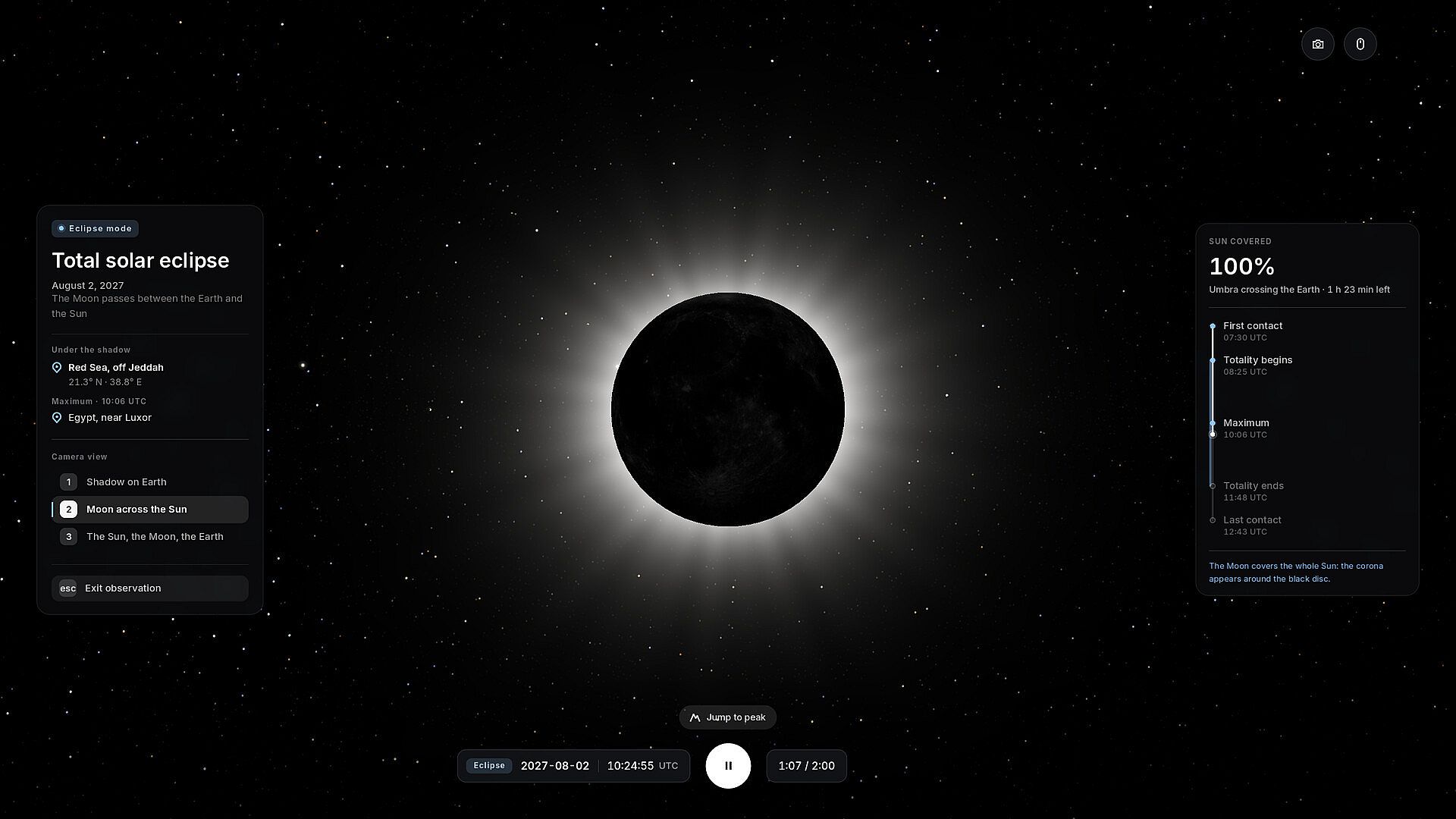
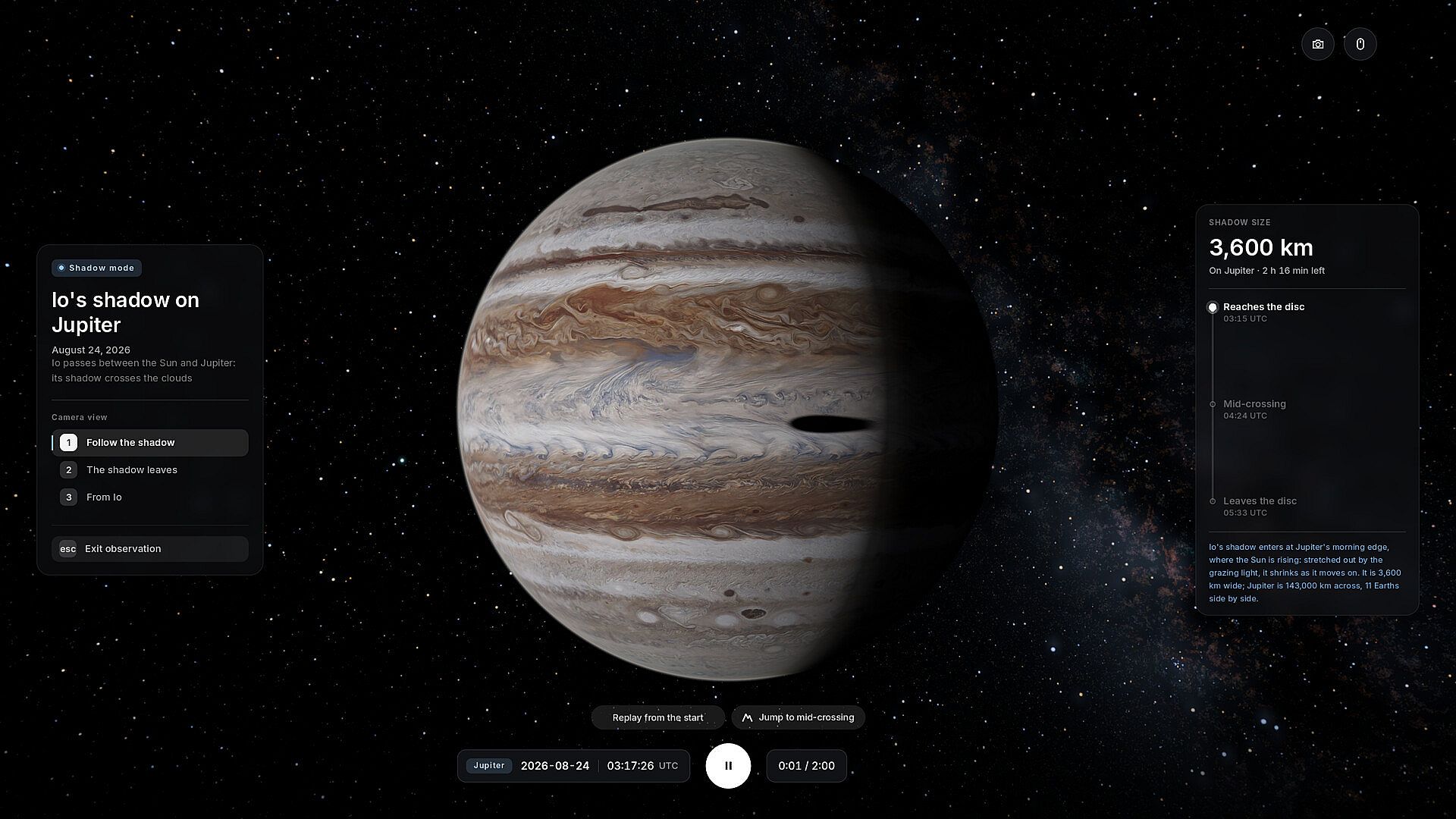
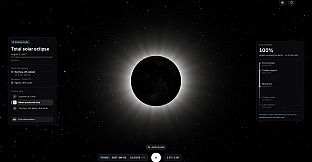
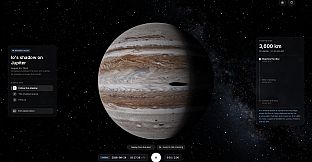
The core loop centers on free exploration combined with precise time manipulation and physics experimentation. Users navigate from the Sun outward to the outer planets and beyond, watching positions update in real time or jumping forward and backward across decades. Astronomical events such as solar and lunar eclipses or planetary shadow transits occur on schedule, and the simulation supports close approaches to surface features or orbiting spacecraft for closer inspection.
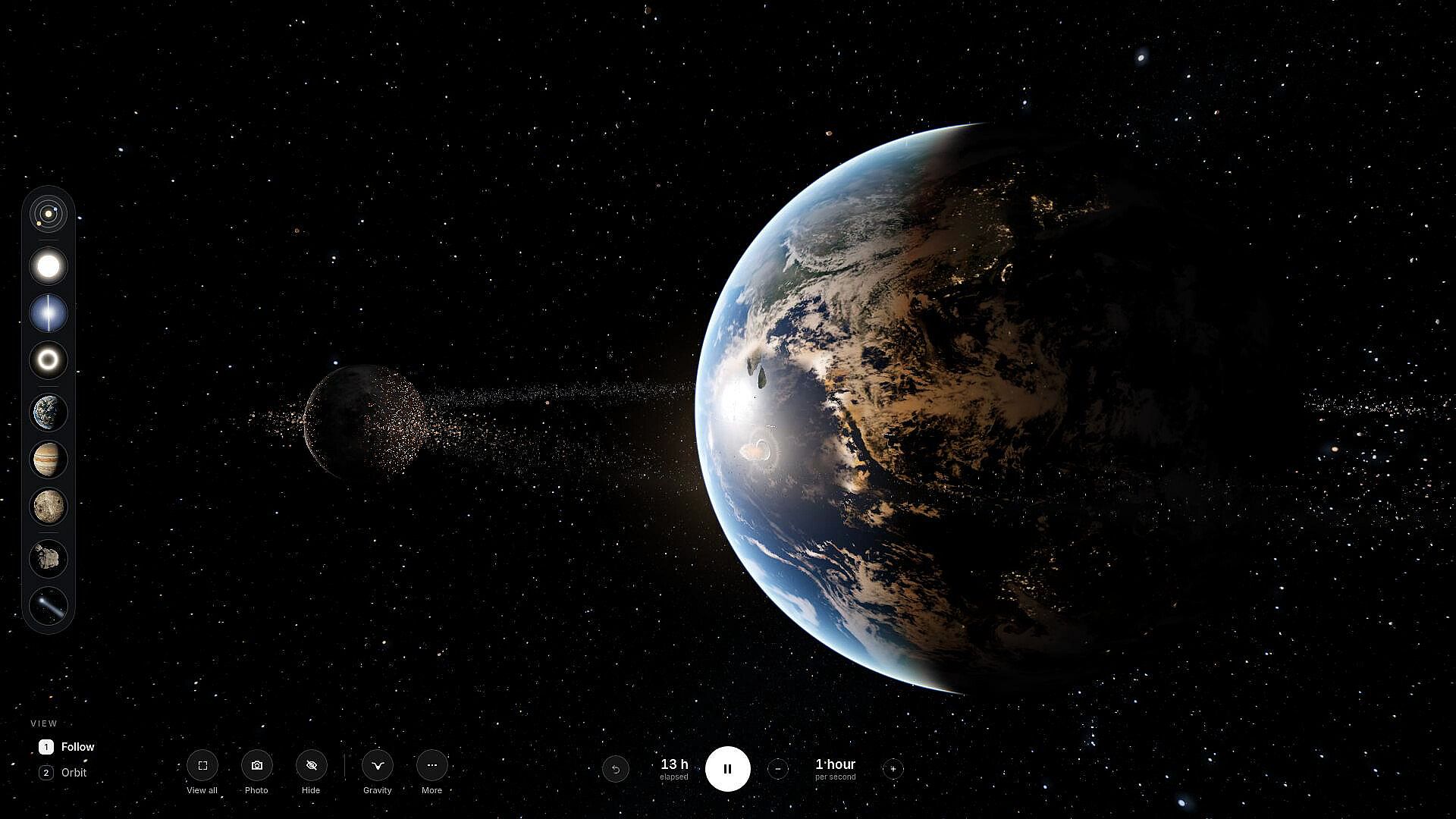
Gravity interactions form another key system. Objects respond to each other according to N-body rules, allowing users to introduce new bodies and observe resulting orbits, collisions, or disruptions like ring formation when moons cross the Roche limit. Time control extends from real-time pacing to scrubbing through years, supporting both casual viewing and deliberate study of orbital mechanics.
Game Modes
Exploration centers on the current real Solar System configuration, with all major bodies at their verified positions and support for witnessing predictable sky events. A separate sandbox mode lets users place stars, planets, moons, comets, or exotic objects like pulsars and black holes, then set initial velocities to create stable systems or test collision scenarios.
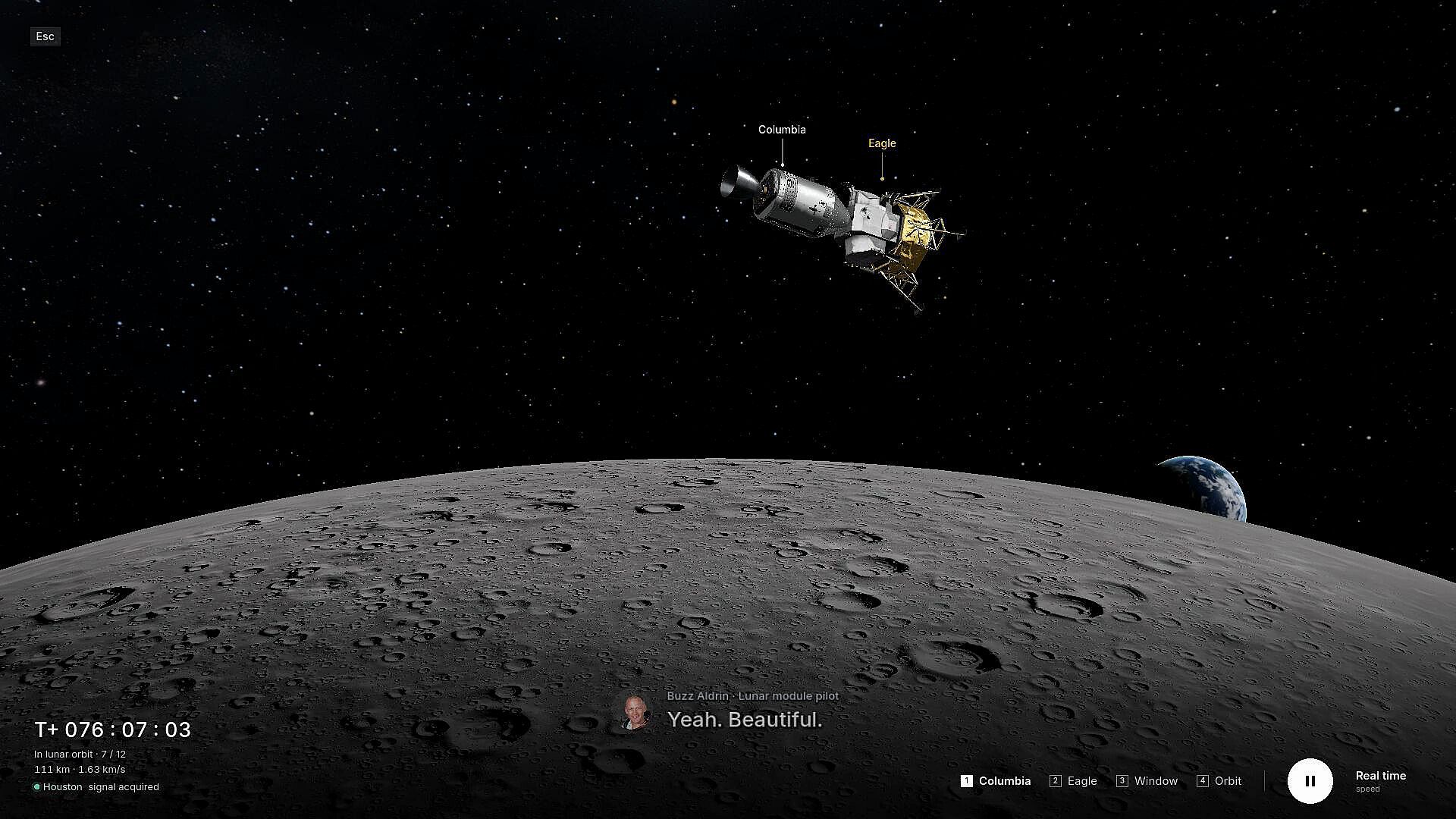
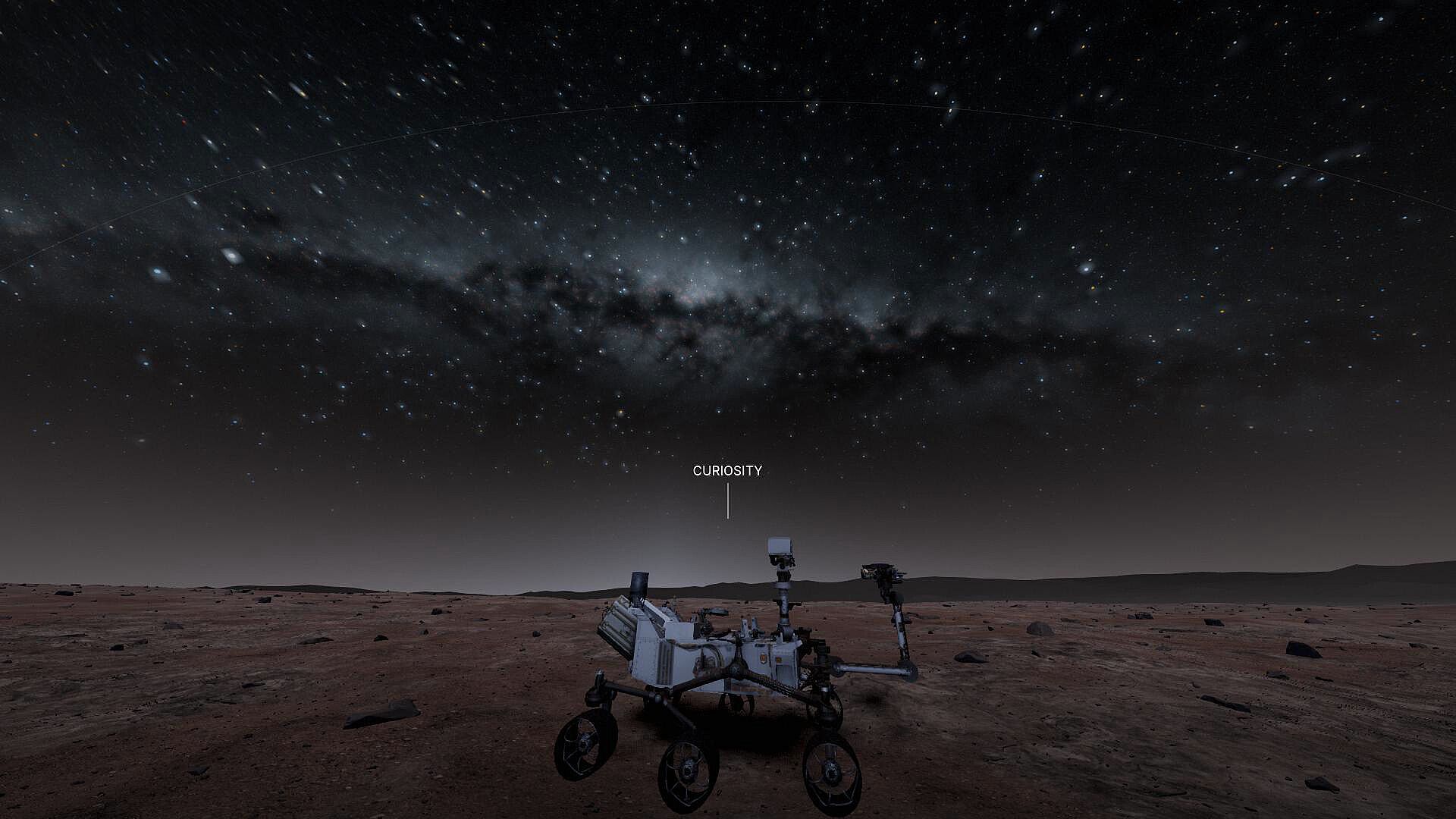
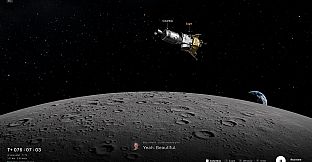
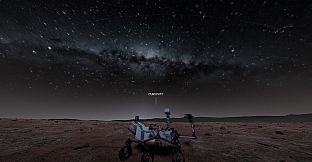
History-based sections recreate specific missions with chapter-style progression. One follows the Apollo 11 flight timeline with synced audio and footage, including manual control of docking and descent phases. Another lets players plan rover operations on Mars surface maps to investigate past habitability conditions. Additional challenges test knowledge of celestial mechanics and planetary terrain through solo or shared tasks.
Visuals and Controls
Planetary surfaces display detailed landmarks such as craters and canyons, while spacecraft like the ISS, Hubble, and James Webb Space Telescope appear at their real locations. Controls support free camera movement, time sliders, and object placement tools that feel responsive for both quick experiments and longer observation sessions.
Is It Worth Playing?
Space Query 2 suits players interested in accurate space simulation and hands-on gravity mechanics rather than action or narrative-driven experiences. The combination of real ephemeris data, time flexibility, and sandbox tools provides educational value alongside open-ended play. With only a small number of reviews available and all of them positive, the game has seen limited but favorable reception since its release. It remains a niche title best suited to space enthusiasts who enjoy experimenting with orbital physics and historical recreations on their own schedule.












