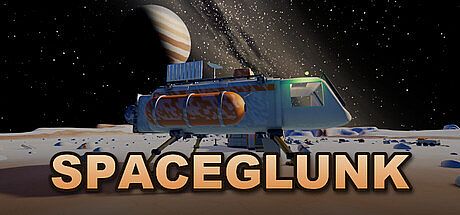


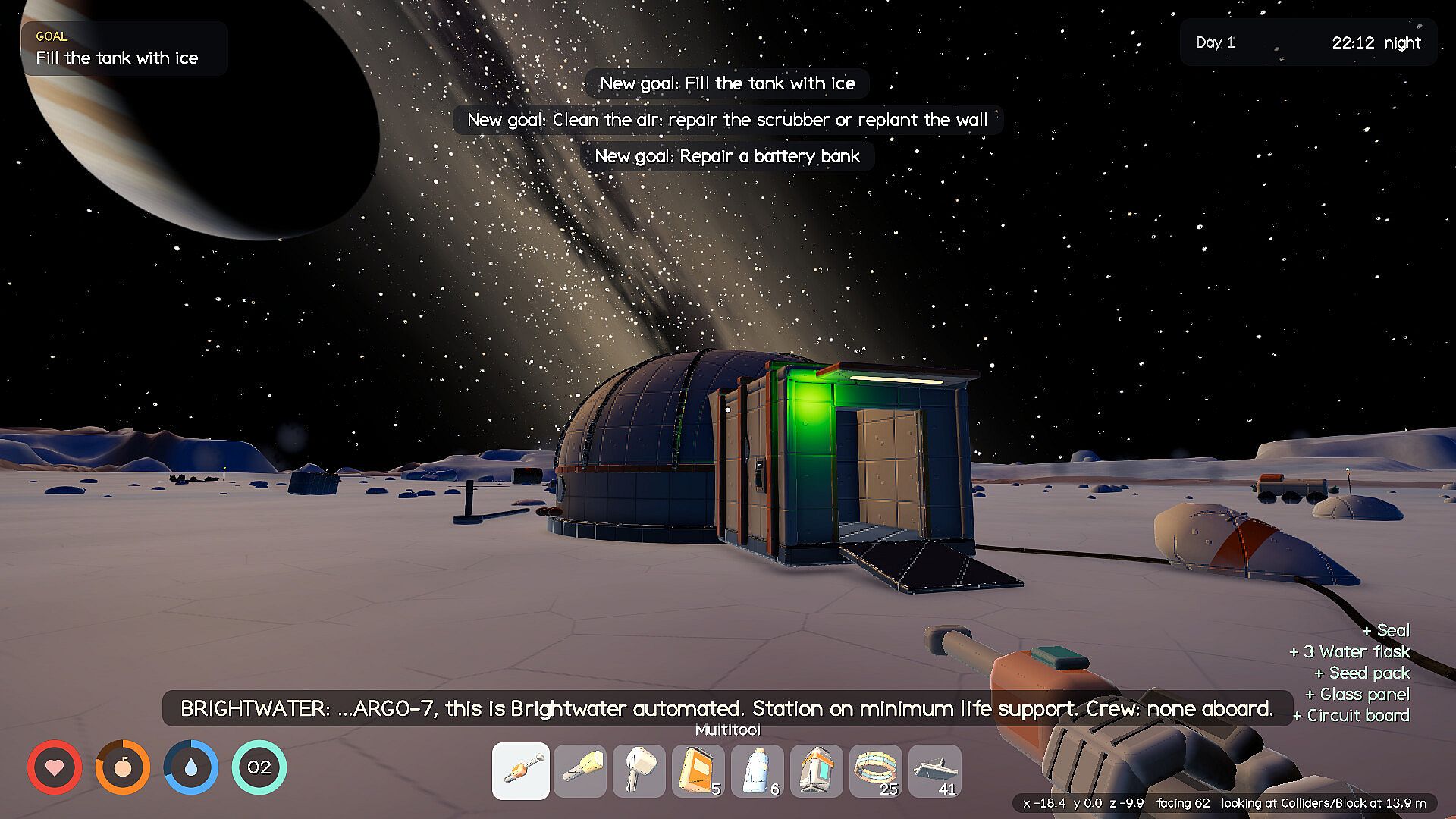
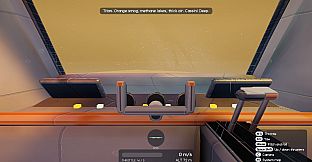
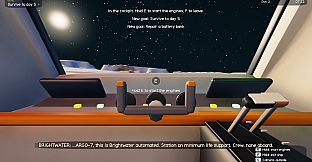
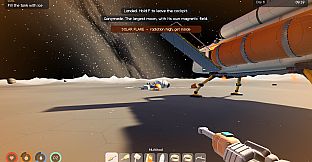
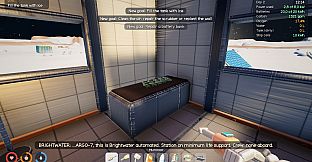
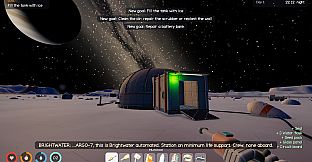
Spaceglunk is a first-person survival and base-building game set on the moons of Jupiter and Saturn. There is no shooting. The fight is with cold, vacuum, a dead reactor and an empty water tank — and with the distance between one small moon and the next.
Everything runs on a simulation you can see and touch.
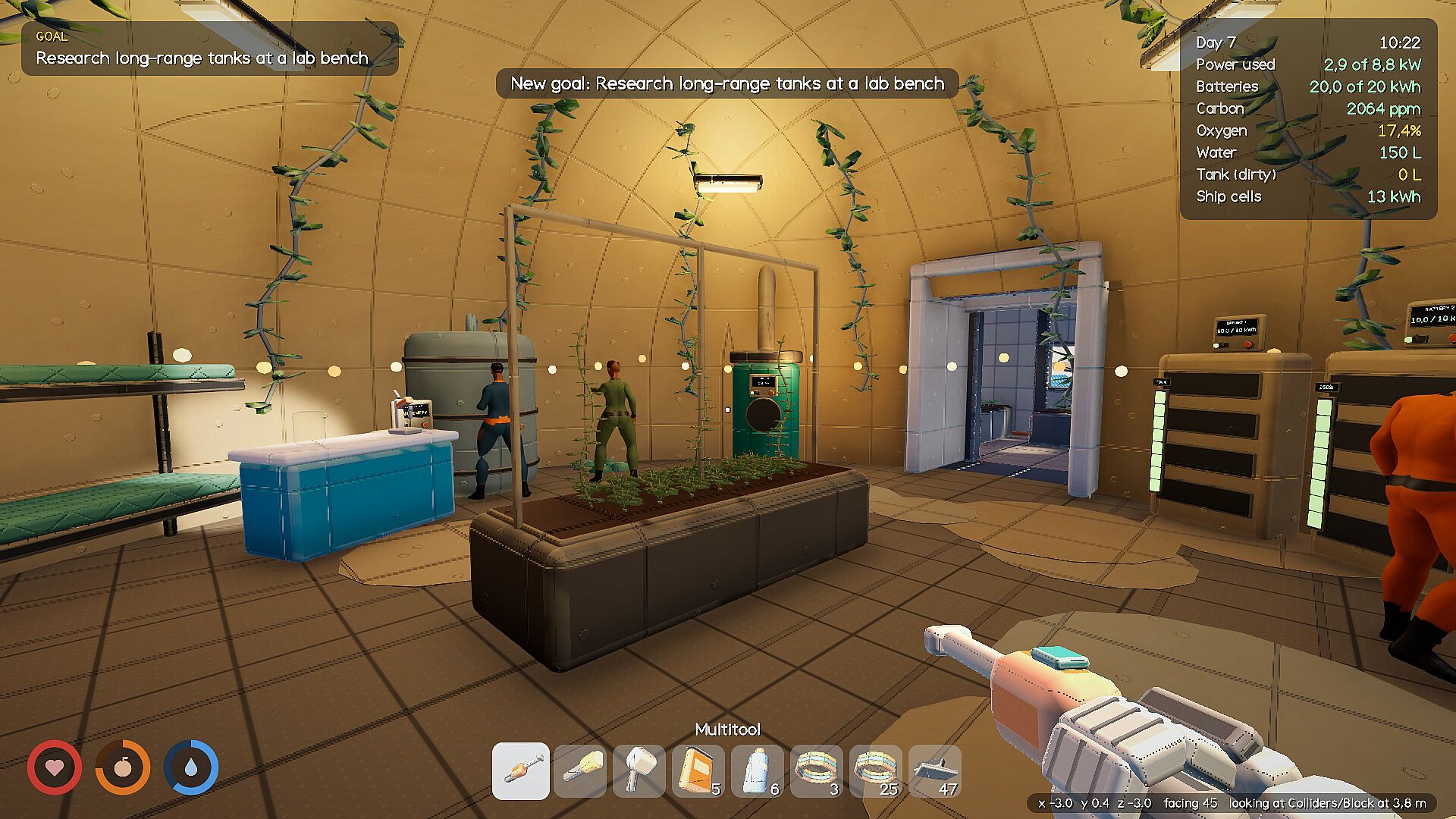
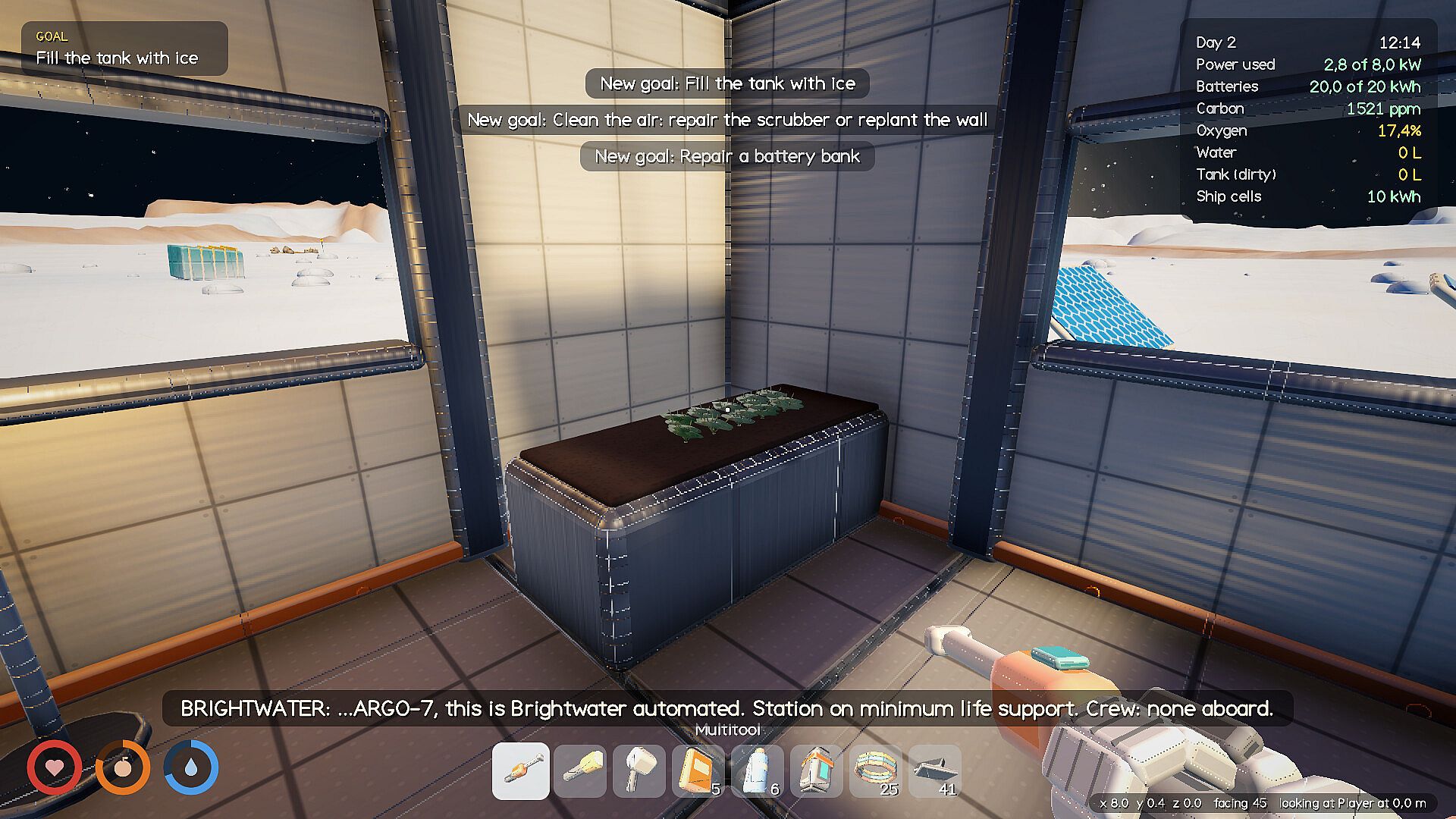
- Power — patch the reactor, string cables, lay solar fields, charge the batteries.
- Air — scrubbers pull carbon, plants and electrolysis make oxygen; every built room dilutes the air a little more.
- Water — dig ice, melt it, purify it; your crops drink from the clean tank.
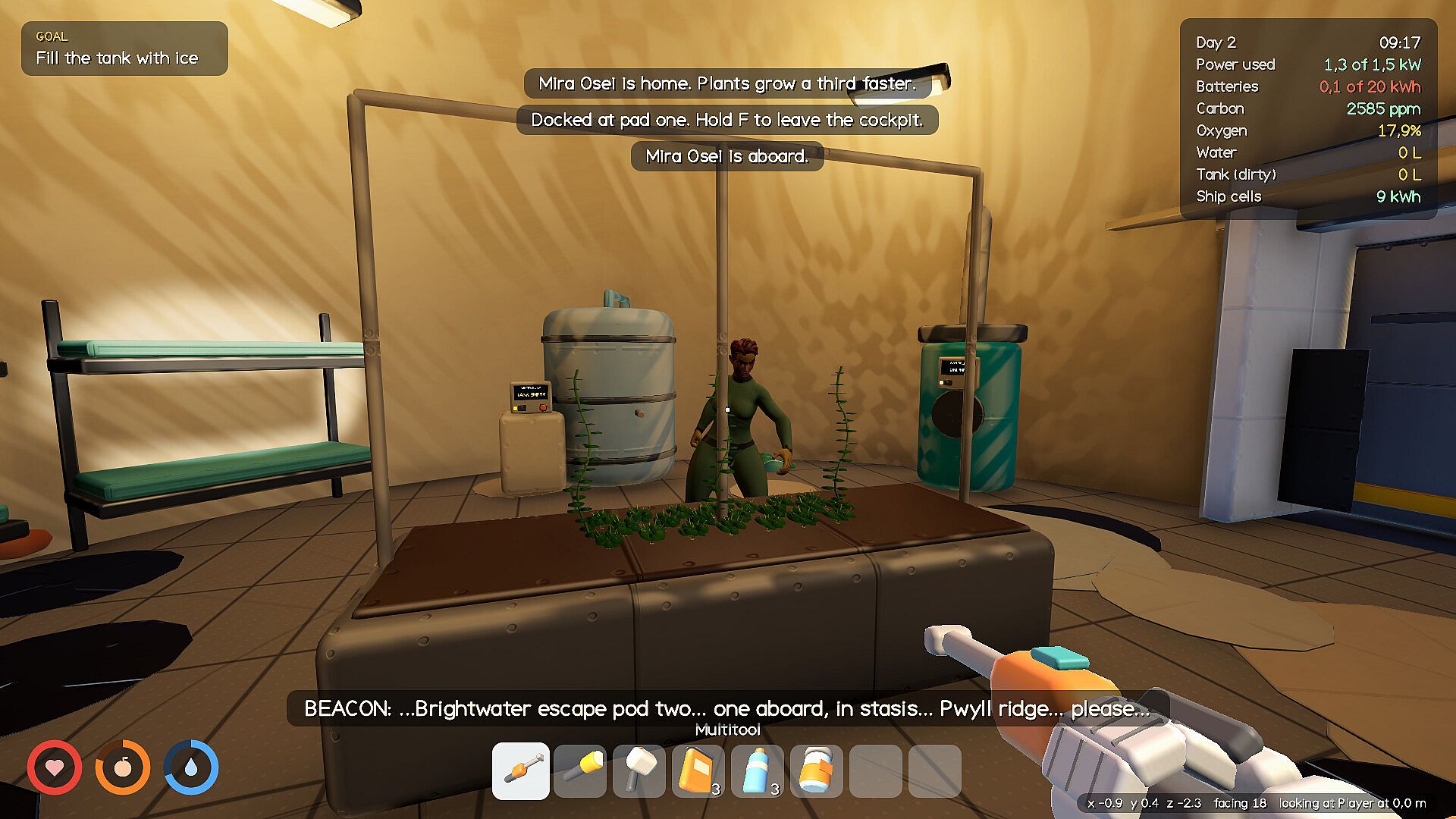
- Food — grow greens and beans under glass, and keep the lights on through the night.
Snap modules onto a grid — rooms, power, life support, water, workshop. Seal them against the vacuum and they count as indoors. Shadows, heat and sealing all matter: put a generator too close to a planter and it wilts; roof a room and its air goes thin. Salvage wrecks, drag the heavy ones home, break them down for parts.
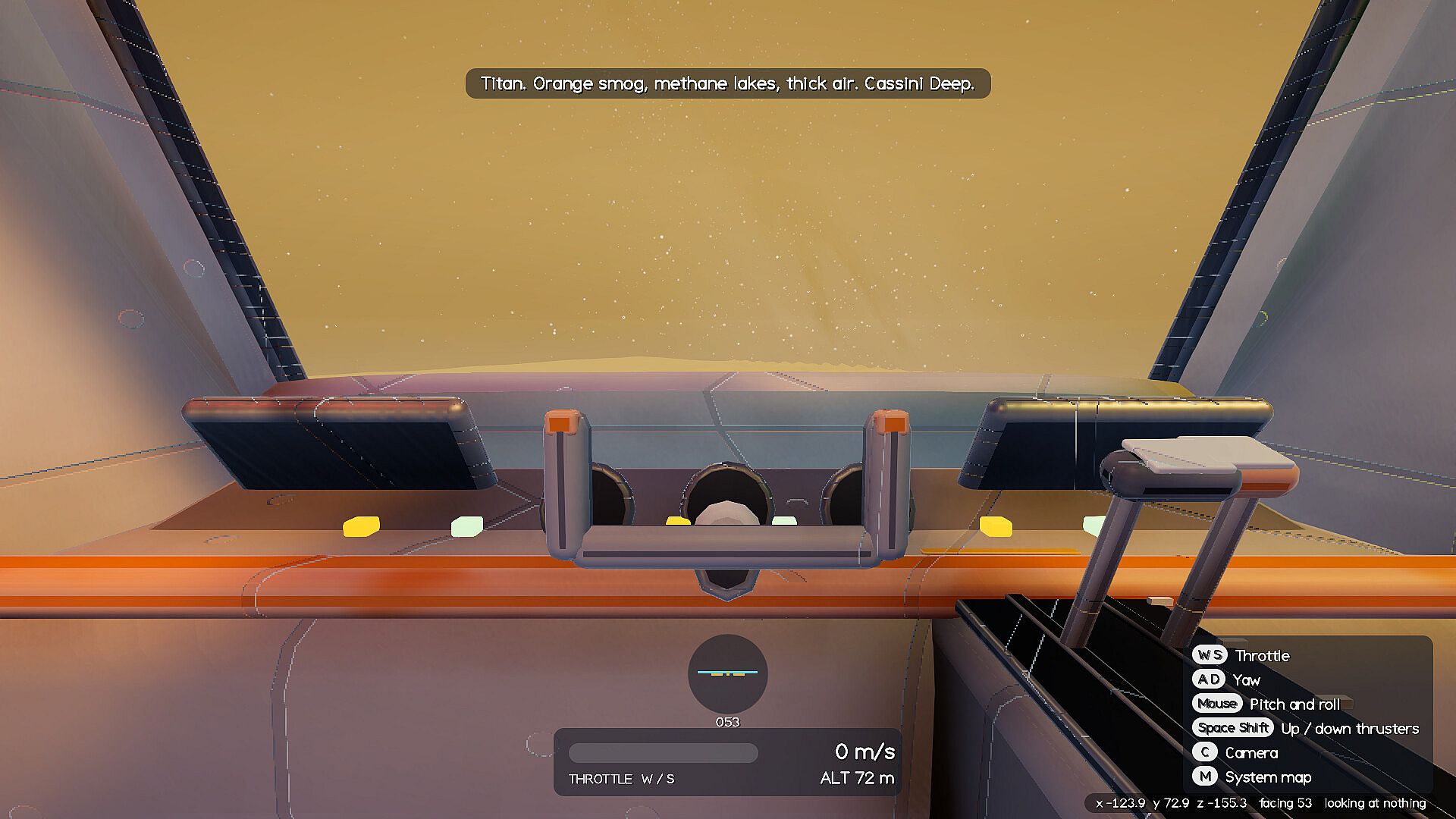
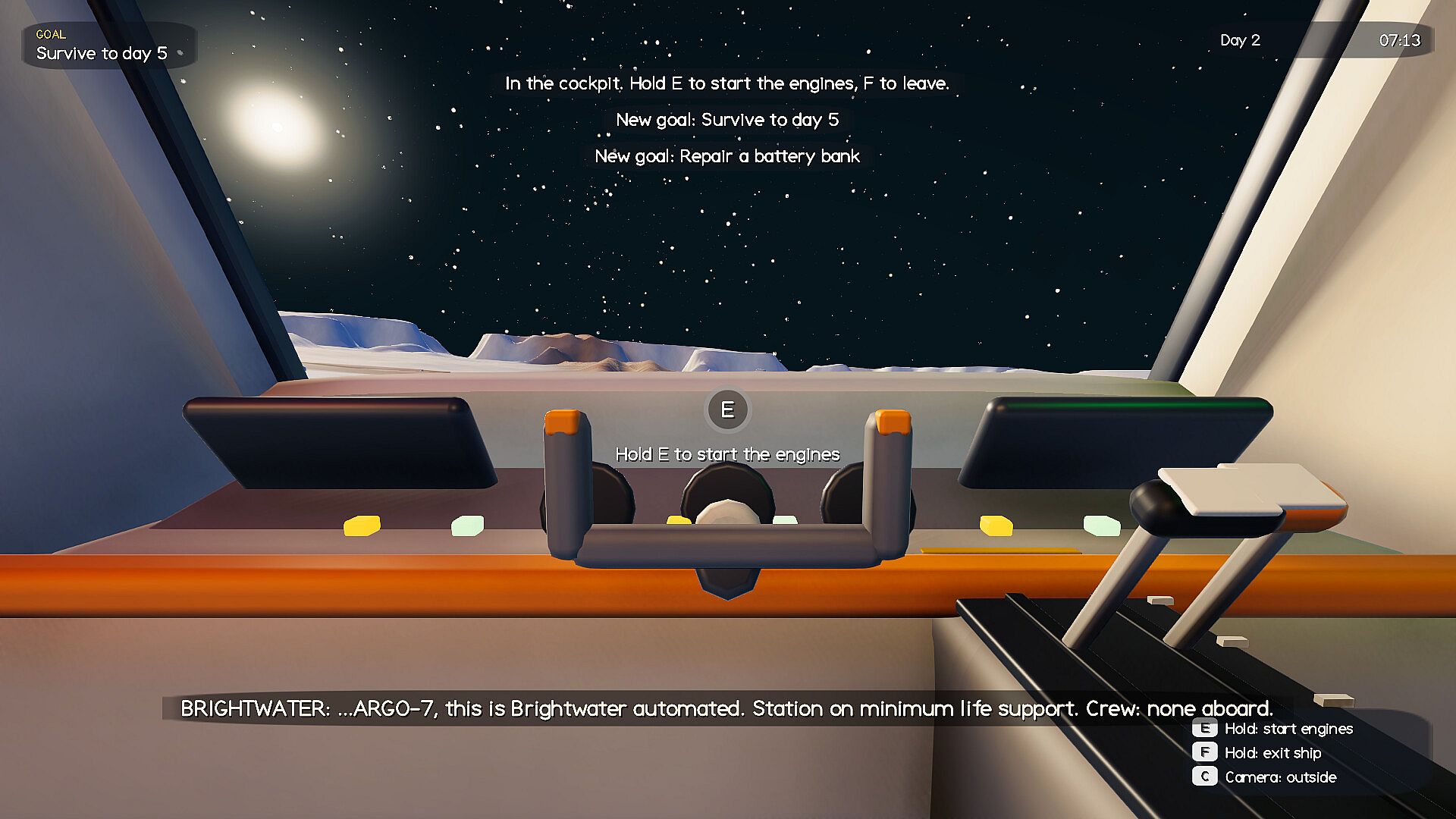
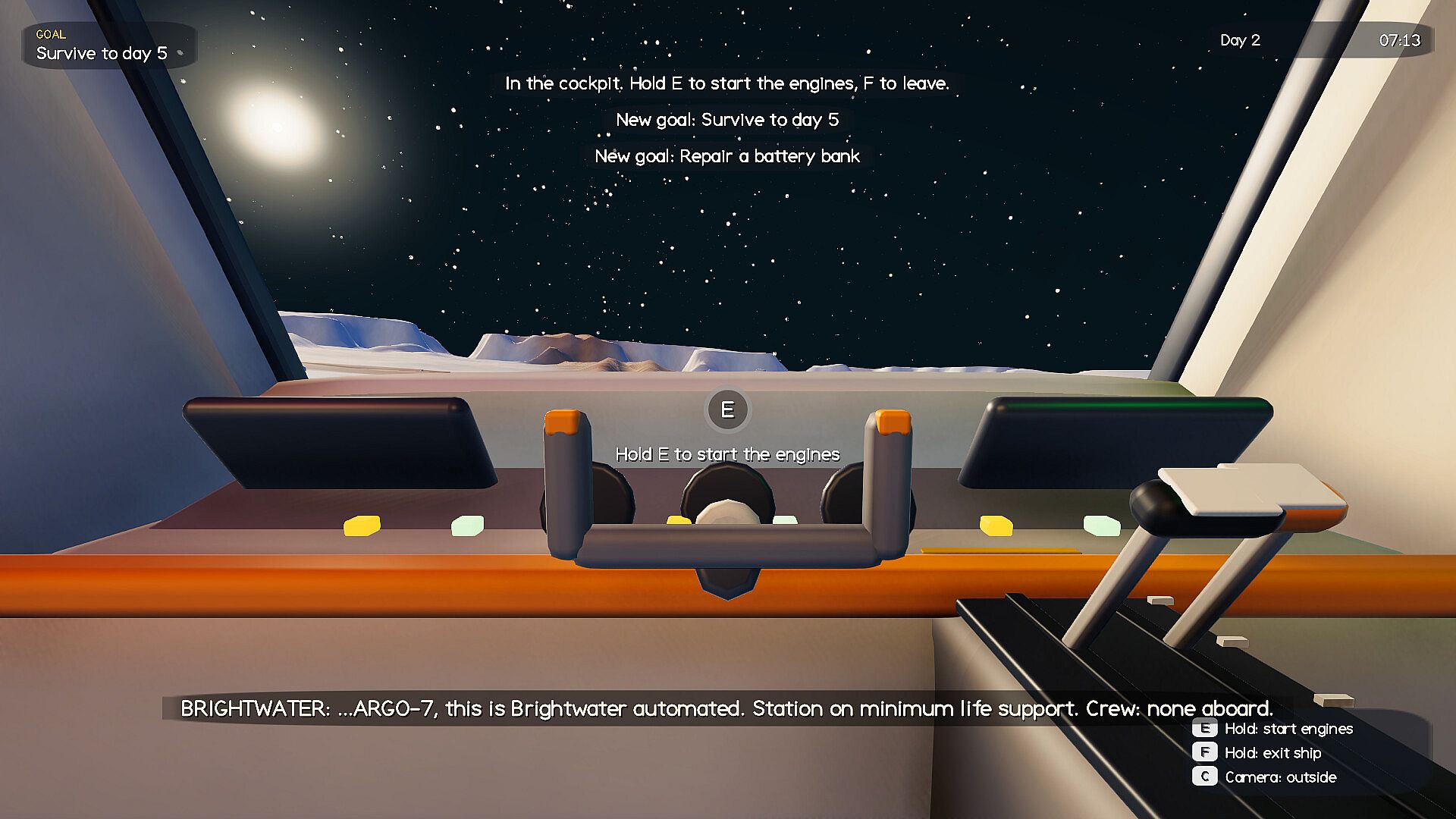
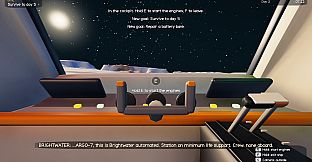
Repair the dead booster, then keep upgrading: chemical thrusters give way to an ion drive, then fusion, then warp. Flight is hands-on — a throttle quadrant, a yoke, vertical thrusters — and landing is on you, no autopilot. Crash it and you mean it.
Travel runs in real time, and your base keeps ticking while you are away. The trip home is always free, so you are never stranded.
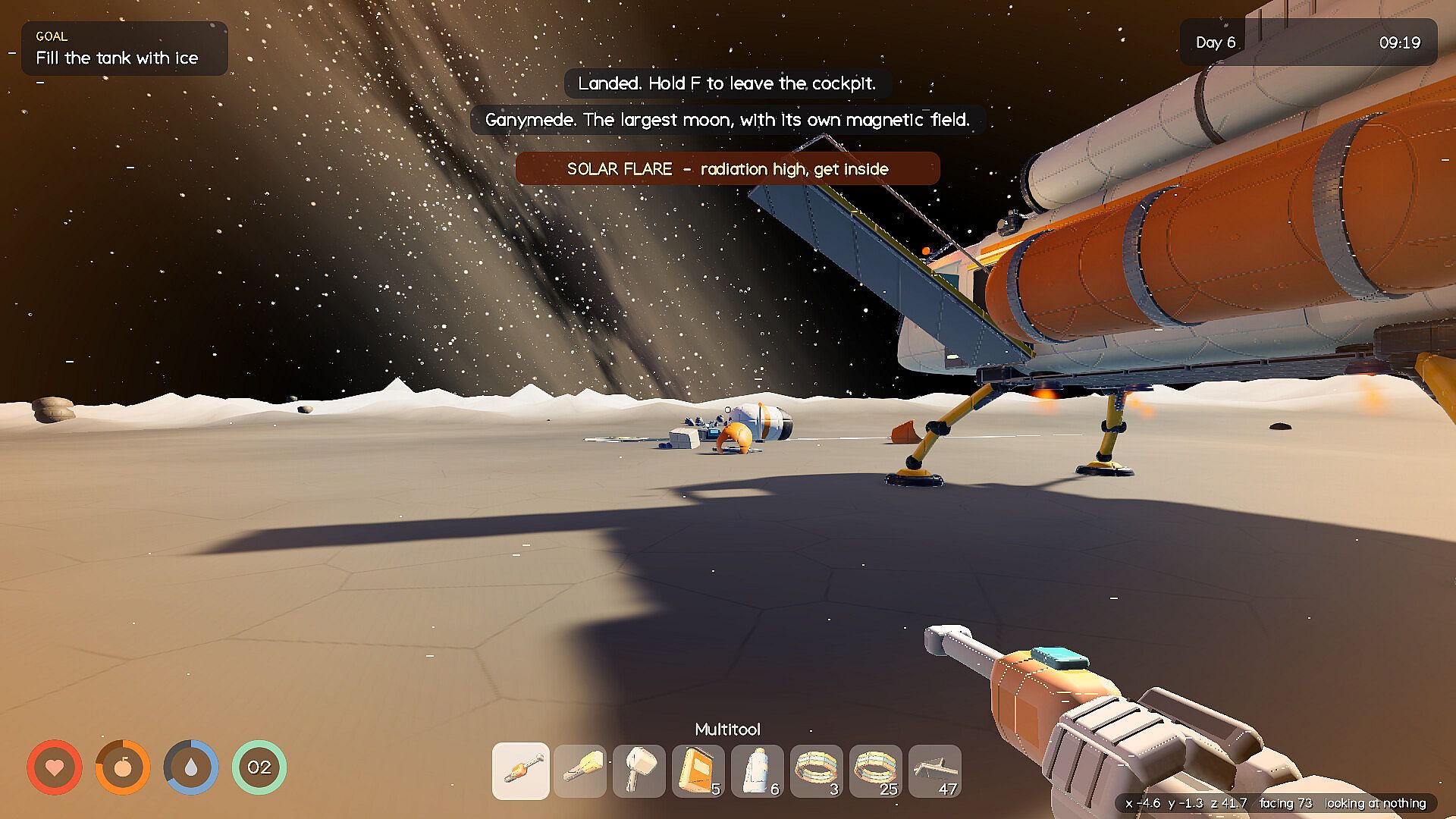
Europa first, then out across the Jupiter system — Ganymede, Callisto, a derelict relay, the lava of Io — and on to Saturn: hazy Titan with its methane lakes and storms, the geysers of Enceladus, a claim out in the rings, Iapetus, Mimas. Each world has its own ground, its own sky, its own weather and its own hazards. Jupiter and Saturn hang huge overhead.
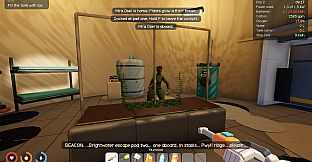
Answer distress calls and pull stranded crew out of crashed pods. Each one moves into your base, breathes your air, works a station and lends you a hand — a specialist who speeds up their branch of research, or makes your drives run cheaper. Trade over the radio for the plans you cannot find.
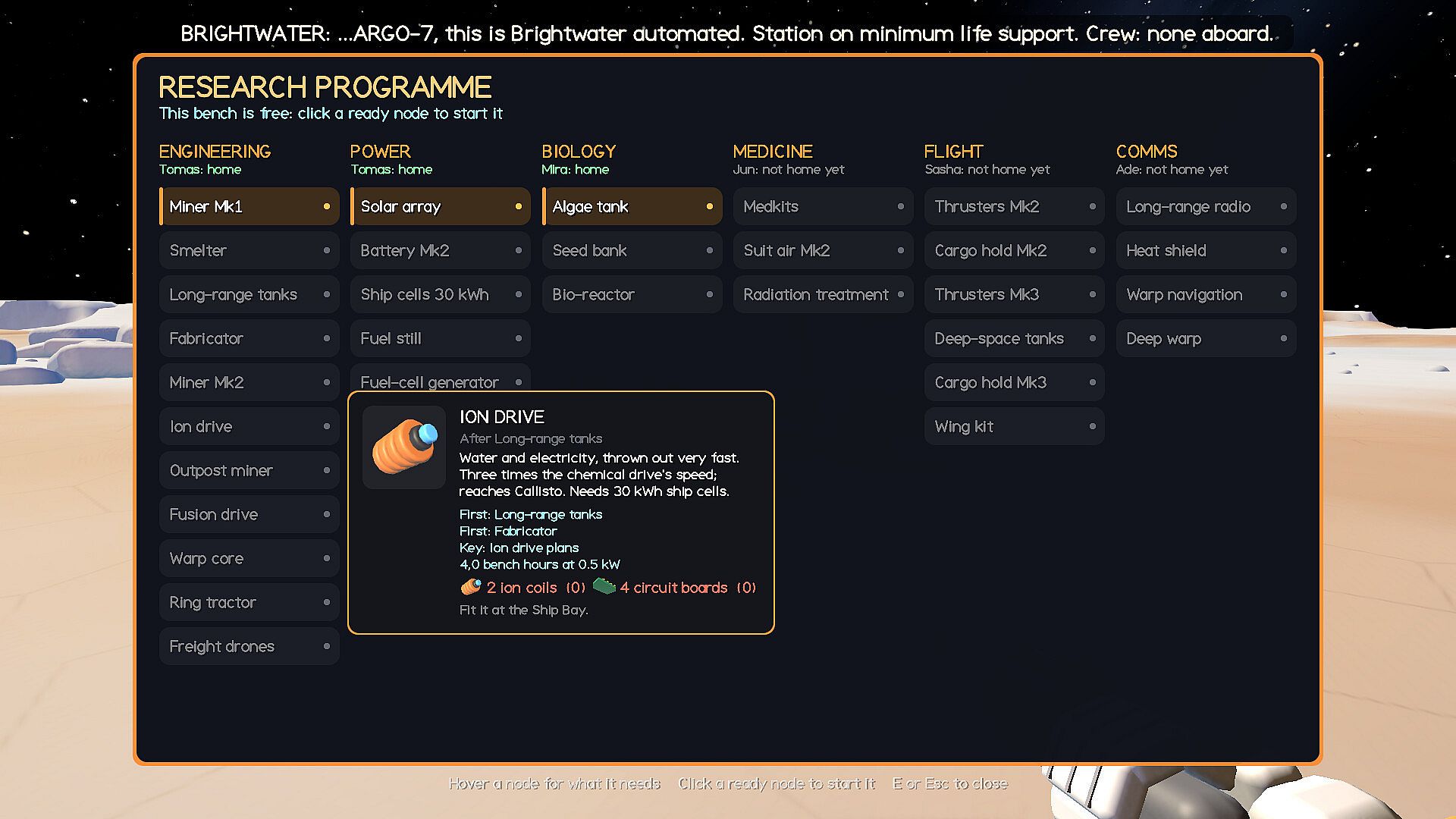
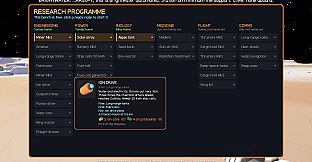
Cut ore out of seams, smelt it, fabricate parts, still fuel. Work a research tree of dozens of technologies across six branches, each one gated by a sample you studied or a plan you earned. Set up outposts and let freight drones fly the ore home while you are off-world.
Every mesh, texture and sound in Spaceglunk is generated in code at start-up. That makes for a tiny download and a handmade, chunky, toy-like look — warm interiors against stark sunlit ice, strong bevels catching the light, no two craters the same.
Snapshot your base and share it as a file; drop into someone else's and walk around it.