






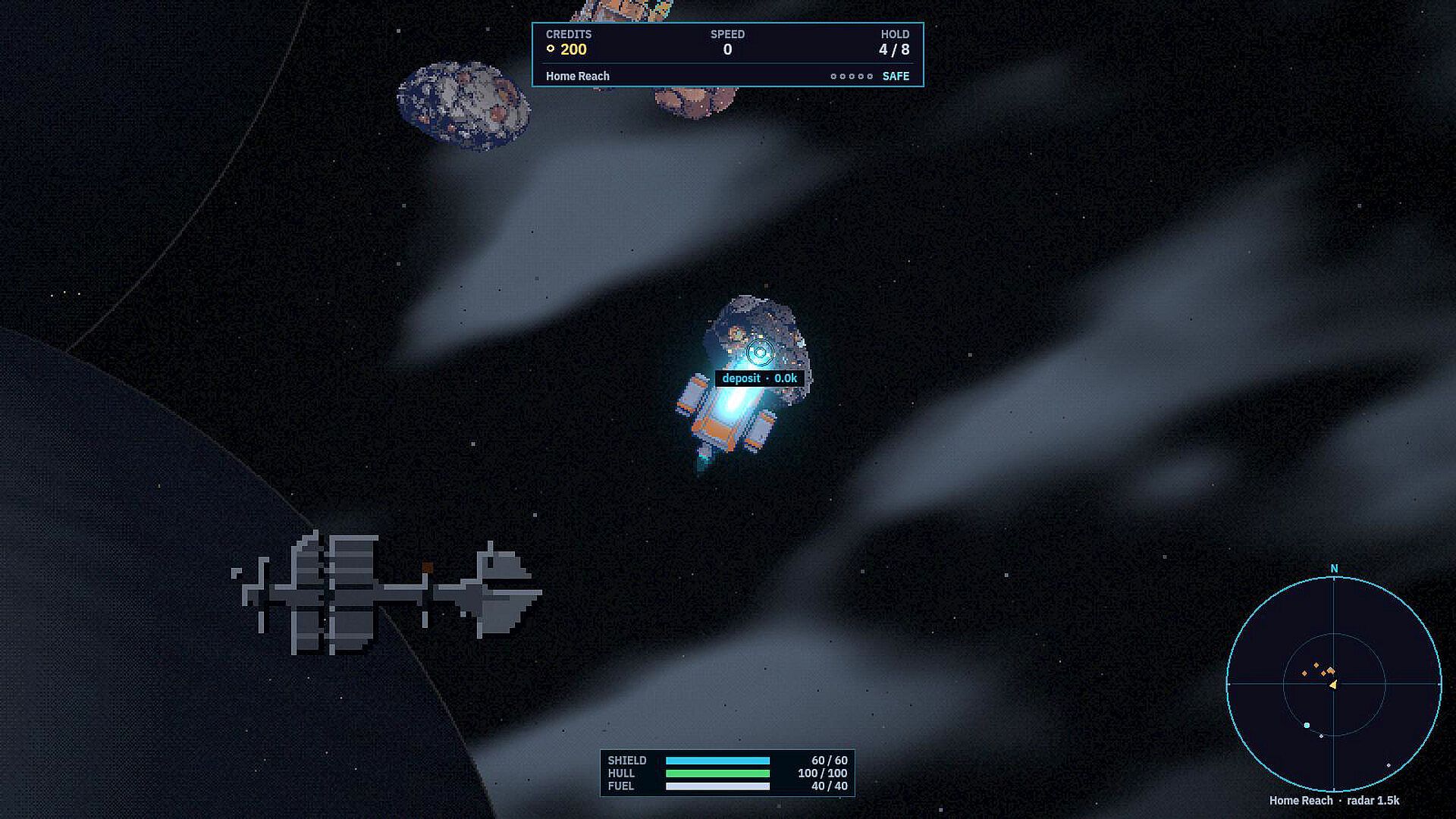
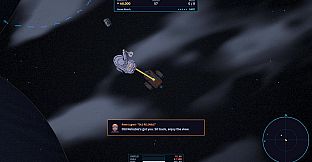
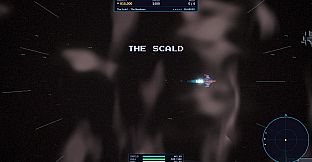
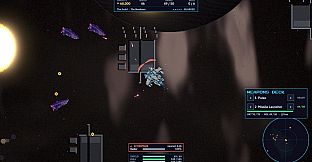
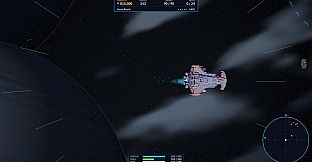
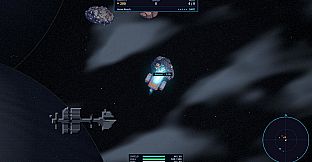
Spindledrift is a top-down space trader simulation for PC that centers on a living economy driven by production, consumption, and scarcity across stations. Players manage cargo routes in a system where prices shift based on actual supply and demand rather than fixed values or player actions alone. The experience emphasizes discovery through observation of market data, ship handling that accounts for load weight, and navigation limited by fuel range in an expanding map that grows more hazardous outward from the patrolled core.
Gameplay
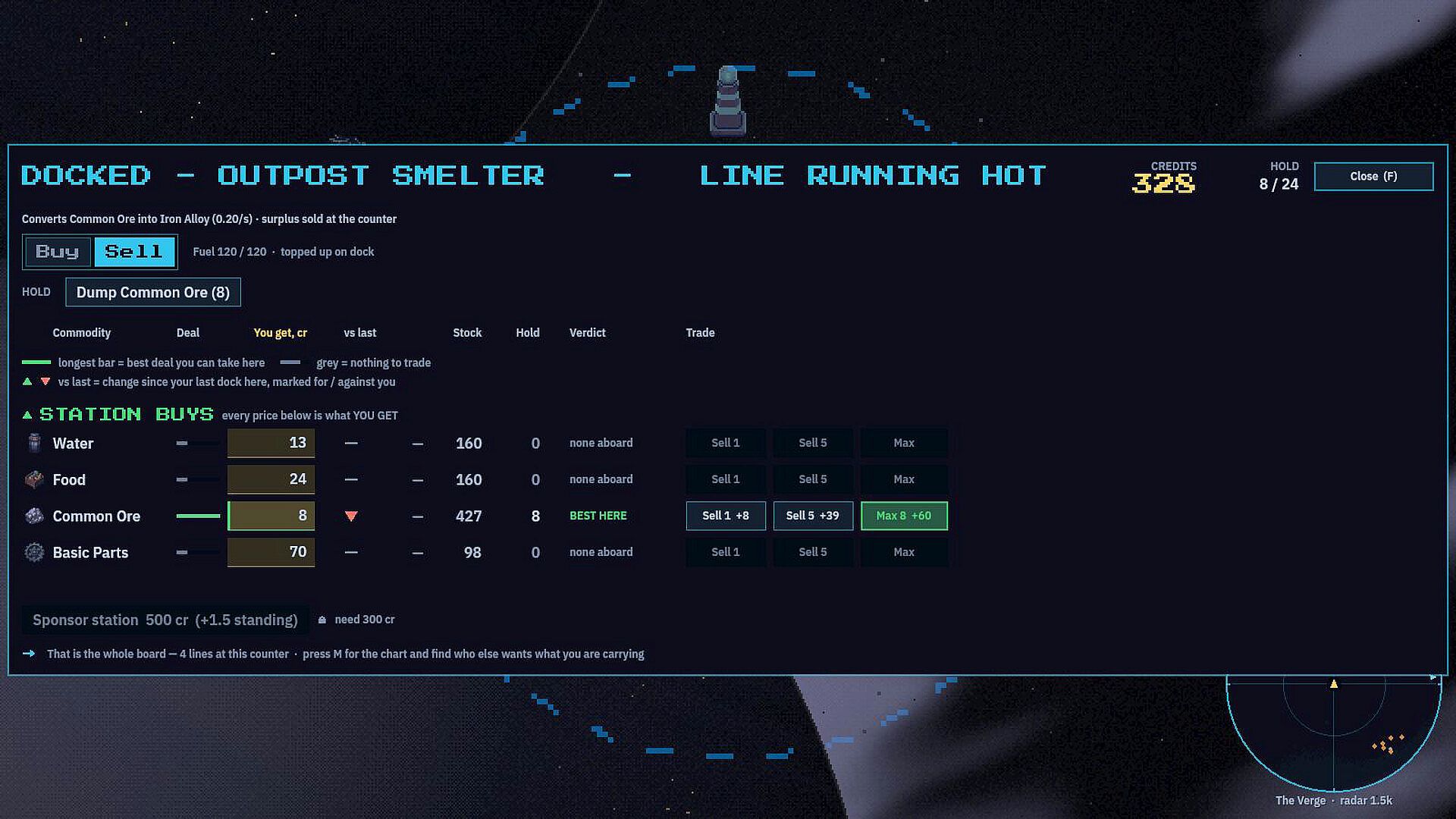
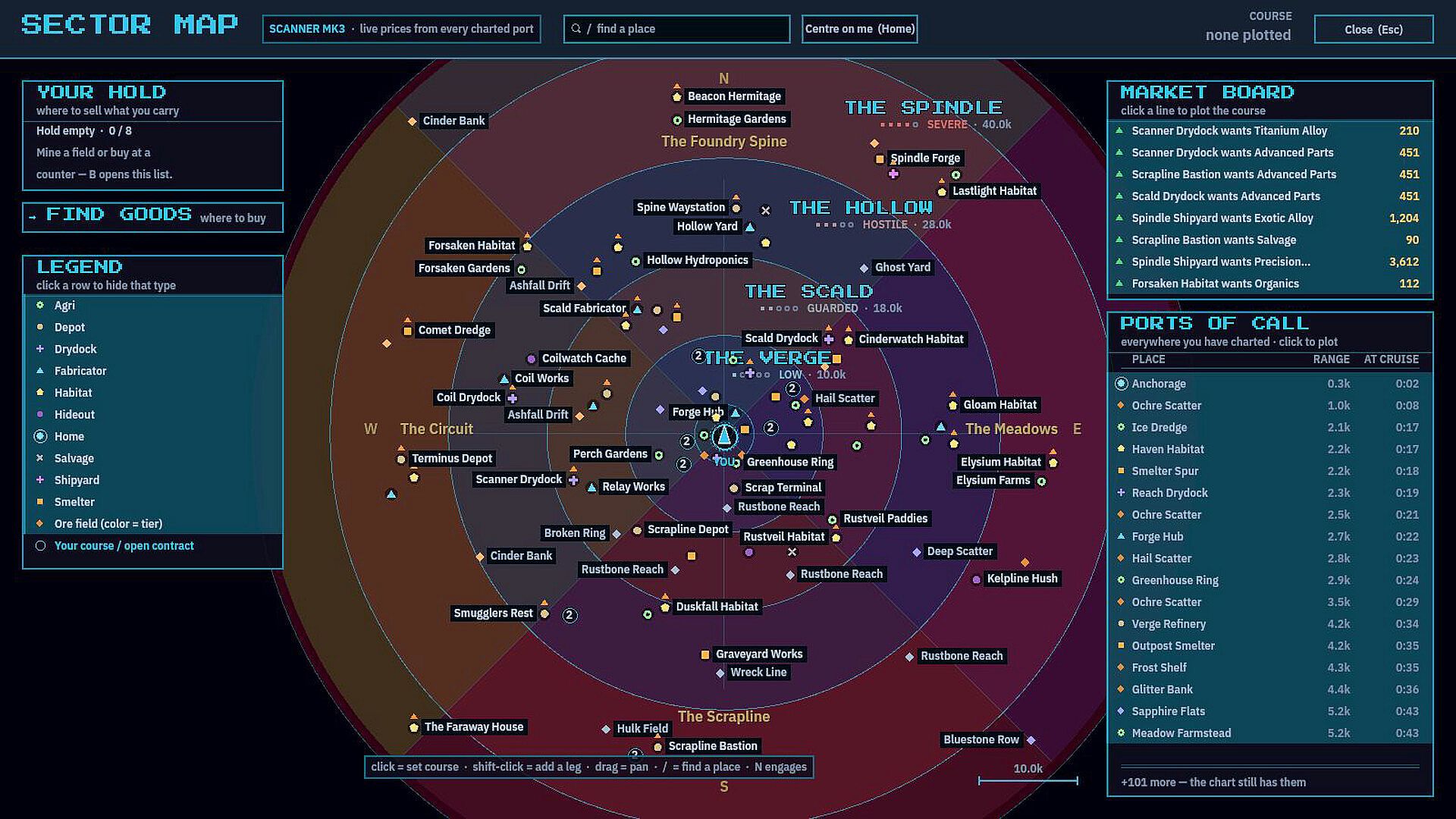
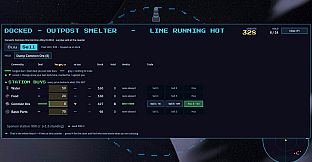
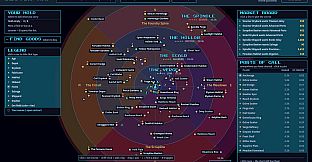
The core loop revolves around locating profitable trade routes that emerge from station activities. Stations produce goods, consume resources, and can run dry, causing prices to fluctuate independently. NPC haulers operate on genuine routes, moving cargo between locations and influencing availability. When a margin appears attractive, other traders respond by flooding the route, which narrows the opportunity and forces players to seek fresh connections using the map, personal recall of past prices, and direct observation of current listings.
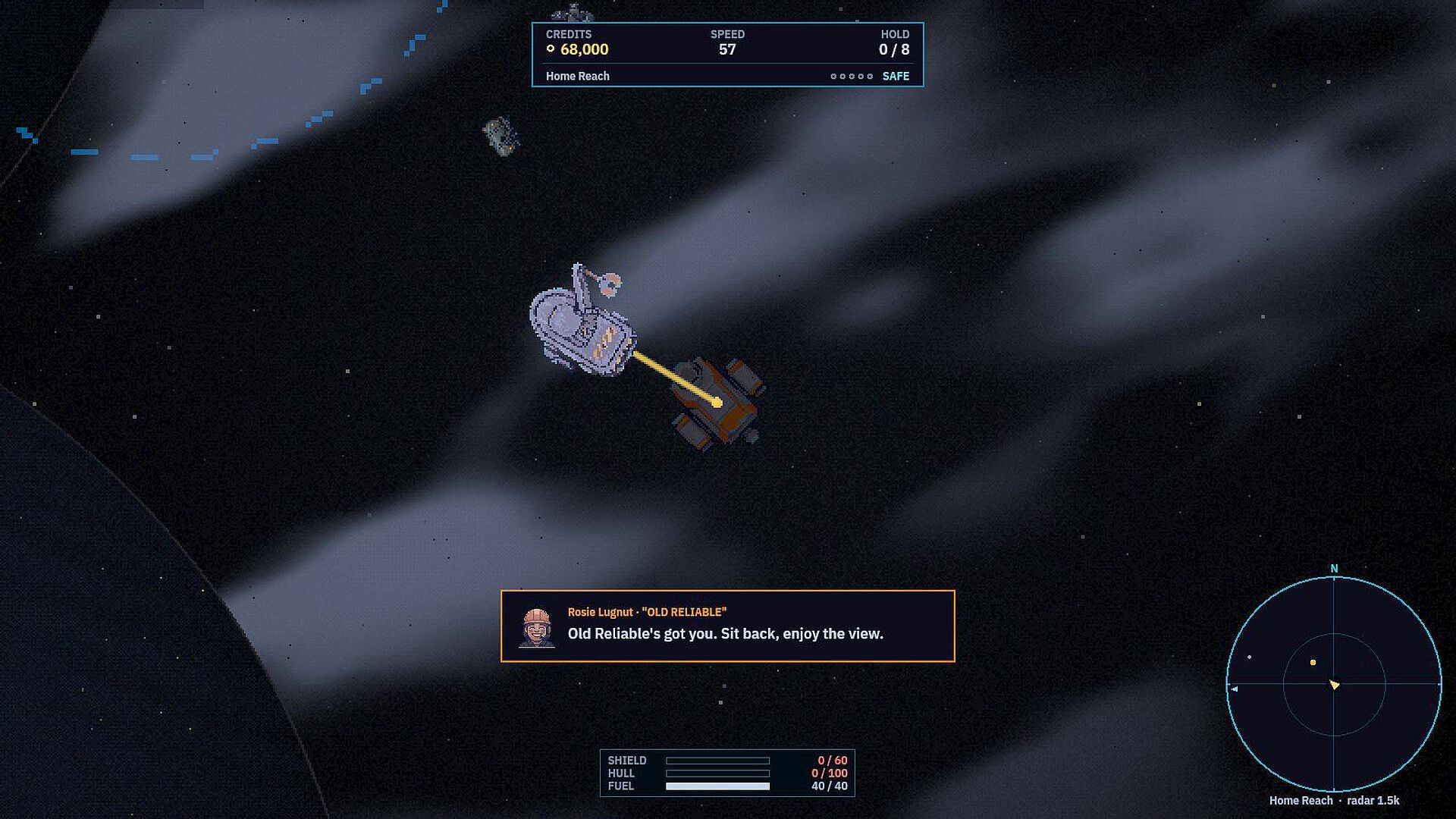
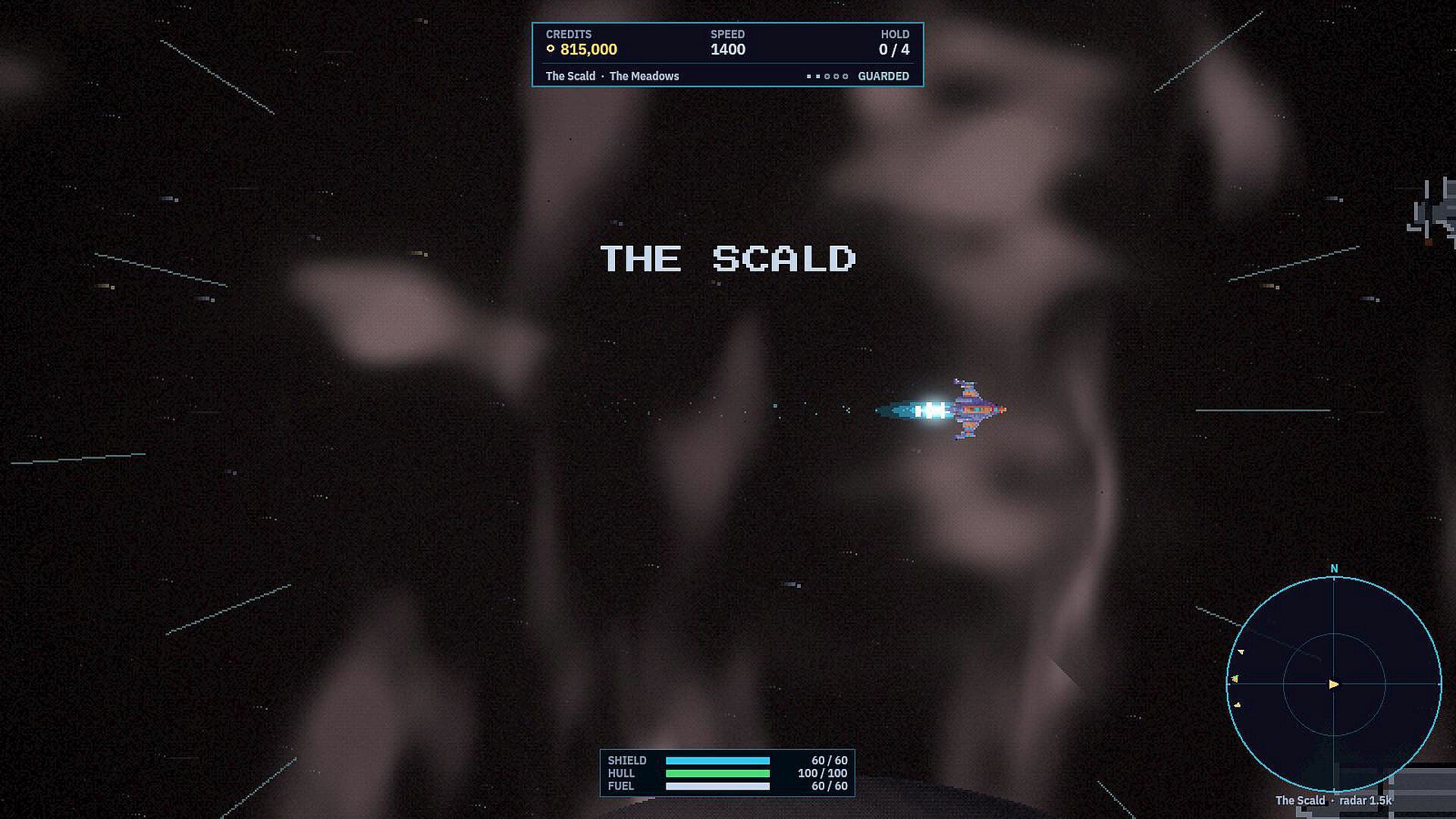
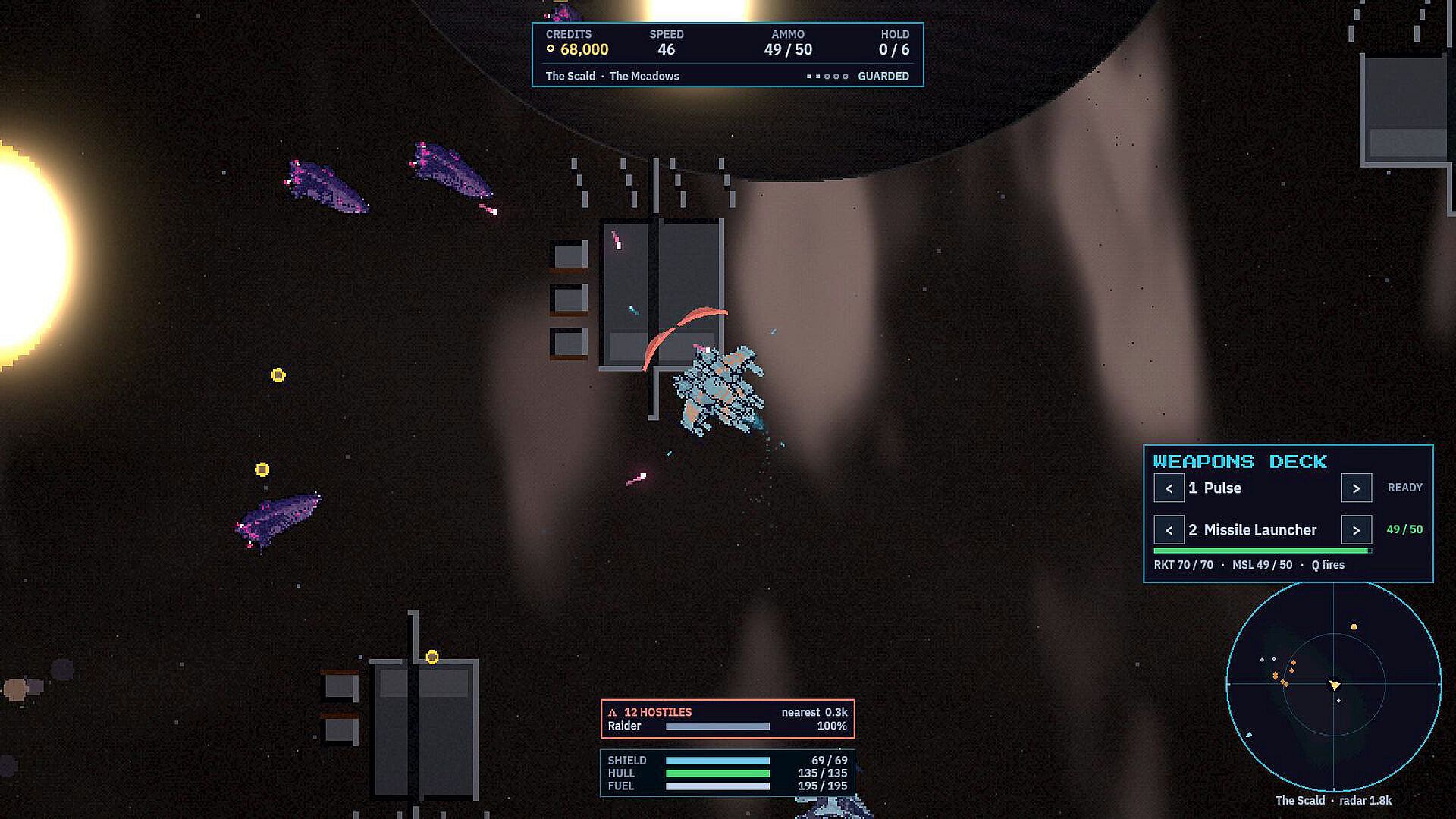
Ship physics incorporate realistic mass. A fully loaded freighter handles differently from an empty scout, affecting maneuverability during travel and encounters. The whoosh drive consumes fuel for long-distance jumps, so range becomes a limiting factor that determines how far into outer regions a player can venture. Upgrades cover engines for extended reach, weapons and shields for defense, expanded cargo capacity for larger hauls, and scanners for better market visibility. Encounters include pirate activity in fringe areas, patrolled zones in the core, convoys, opportunities for smuggling, salvage operations, and rescue tows.
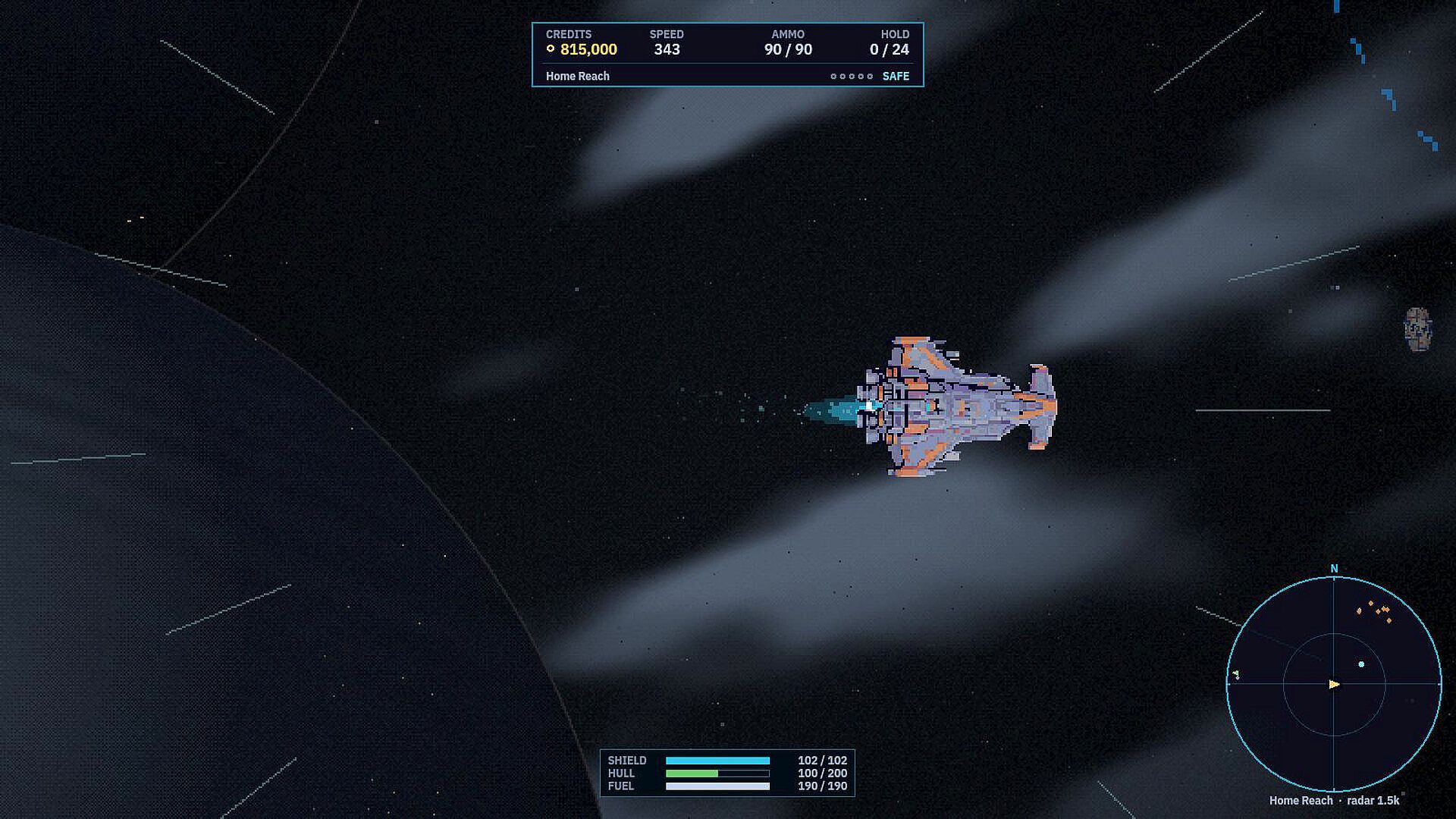
Progression comes through acquiring one of six ships that scale from a basic starter skiff to a large capital freighter. Each offers distinct trade-offs in speed, capacity, and durability. Keyboard and mouse controls handle navigation, trading, and combat interactions in this single-player setup.
Game Modes
Spindledrift operates as a single-player simulation without separate named modes or multiplayer components. All activity occurs within one continuous experience focused on economic navigation, route management, and survival against threats that increase with distance from the safe core. Players engage in trading, occasional combat or evasion, and opportunistic activities such as salvage or towing as they arise naturally from the simulation rather than through structured playlists or variants.
The absence of guided objectives means the entire session functions as an open-ended pursuit of margins. Routes form and collapse based on collective NPC and player behavior, creating a persistent world state that evolves without resets or dedicated campaign structures.
Economy and Progression Systems
Seventy-eight stations form the backbone of the simulation, each with its own production and consumption patterns that cause goods to appear, deplete, and reprice over time. This setup creates emergent opportunities where a player who monitors shifts can secure temporary advantages before competition erodes them. Memory of prior market states and careful scanning become key tools alongside the in-game map.
Expansion into riskier outer rings rewards better equipment. Improved engines extend fuel range for deeper exploration, while armaments and defenses counter pirate threats that concentrate where profits are highest. Cargo upgrades directly impact how much value one trip can carry, tying ship choice and upgrades tightly to economic success.
Is It Worth Playing?
Spindledrift targets players who enjoy simulation games built around systems that operate independently of direct player input. The emphasis on a reactive economy, weight-affected flight, and unguided route hunting suits those comfortable with trial-and-error learning and long-term observation rather than immediate feedback or story-driven progression. With a planned release in September 2026 and no reviews available yet, its appeal rests on the described mechanics of dynamic pricing, NPC traffic, and escalating danger zones.
Fans of indie space trading experiences that prioritize realistic supply chains and ship handling over simplified interfaces will find the core loop aligned with those interests. The single-player focus and keyboard-mouse controls keep the experience accessible on modest hardware while delivering depth through the interplay of fuel limits, station states, and competitive route pressure. Those seeking structured missions or multiplayer elements should look elsewhere, as the game centers entirely on solitary economic navigation in a changing environment.











