




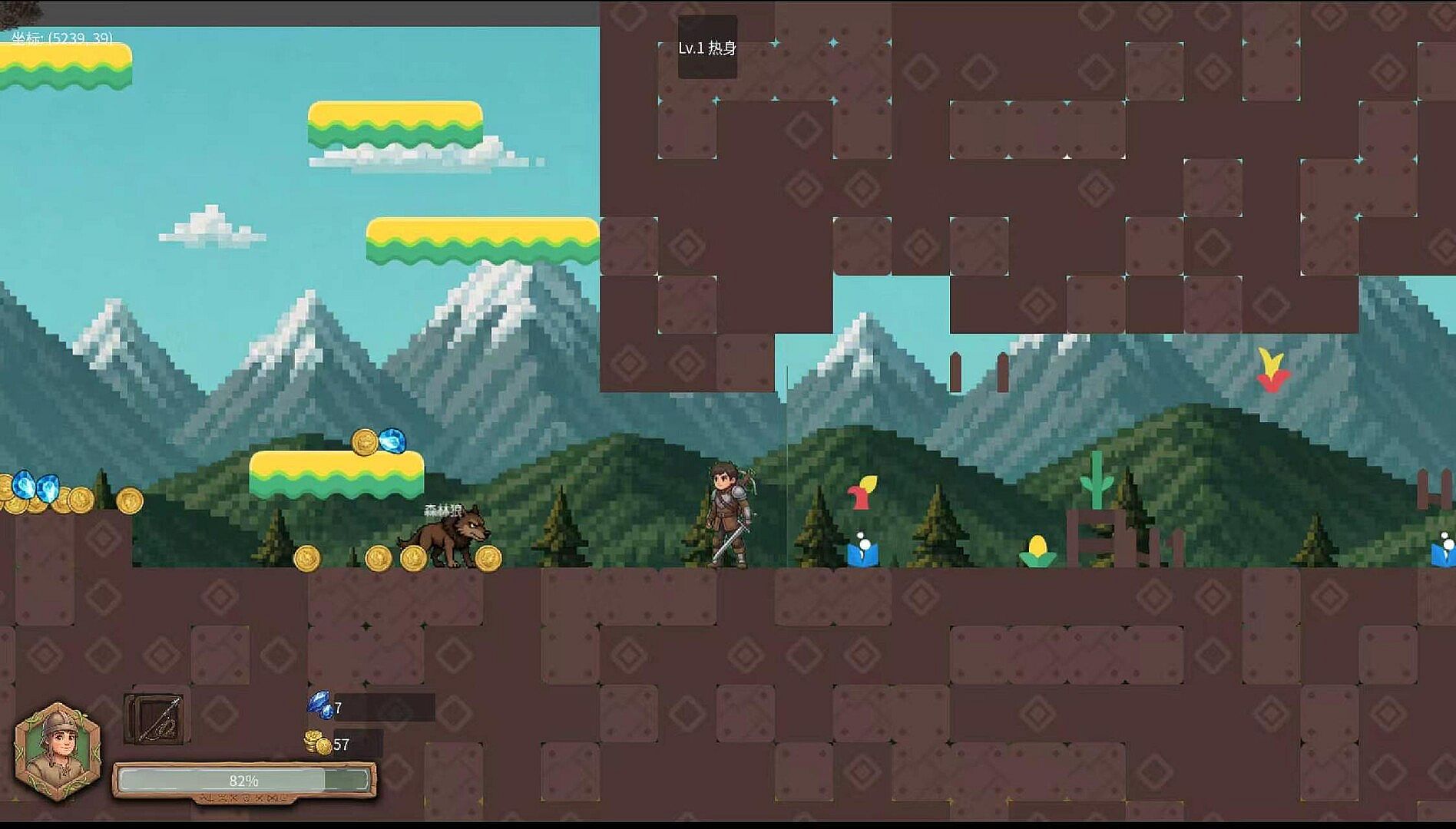
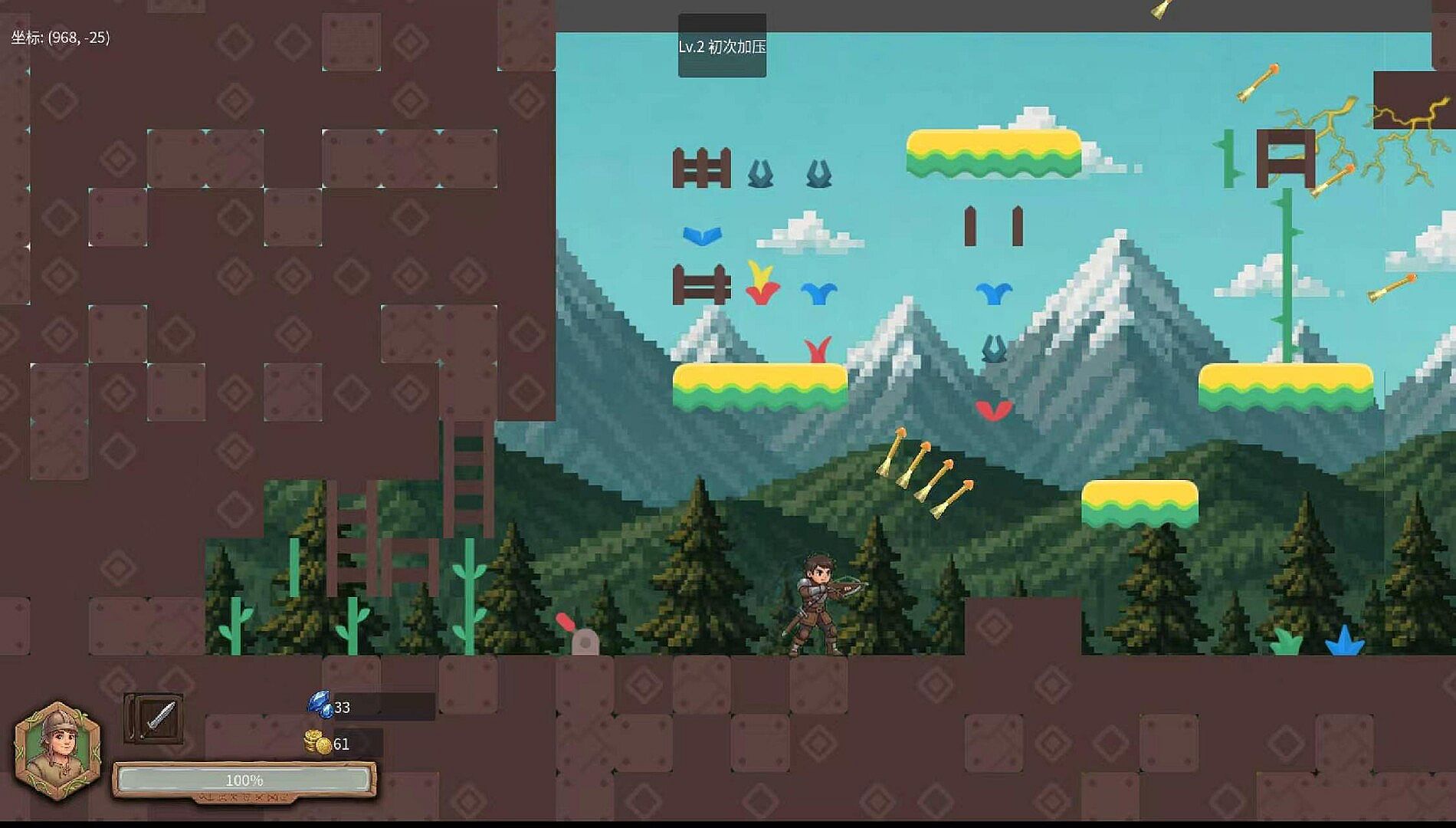




Spring Village: Restore is a free-to-play indie action adventure game on PC that blends classic fantasy platforming with roguelike elements. Players take on the role of a village adventurer tasked with restoring a corrupted sacred spring through repeated expeditions into dangerous wilderness areas.
Gameplay
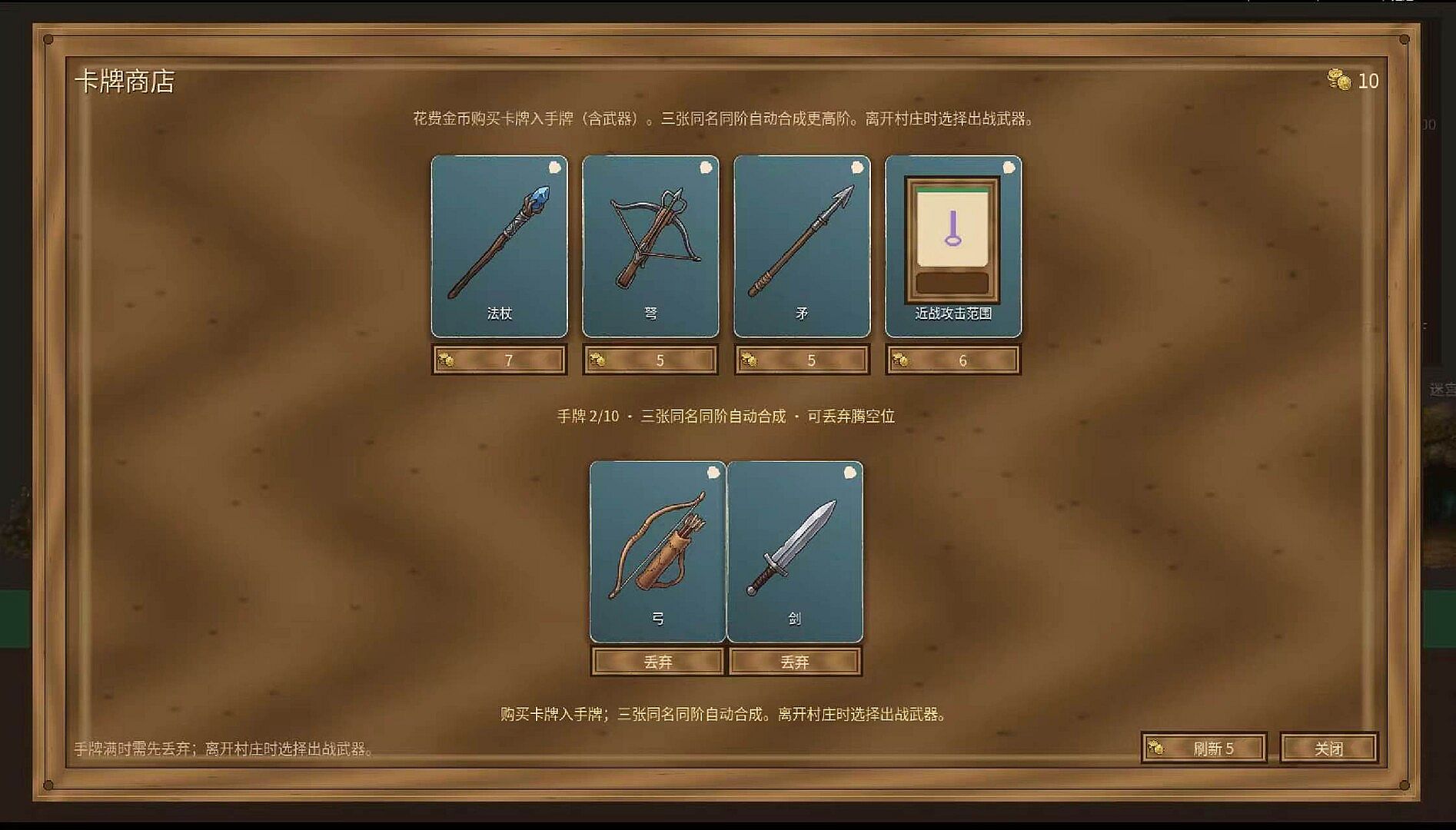
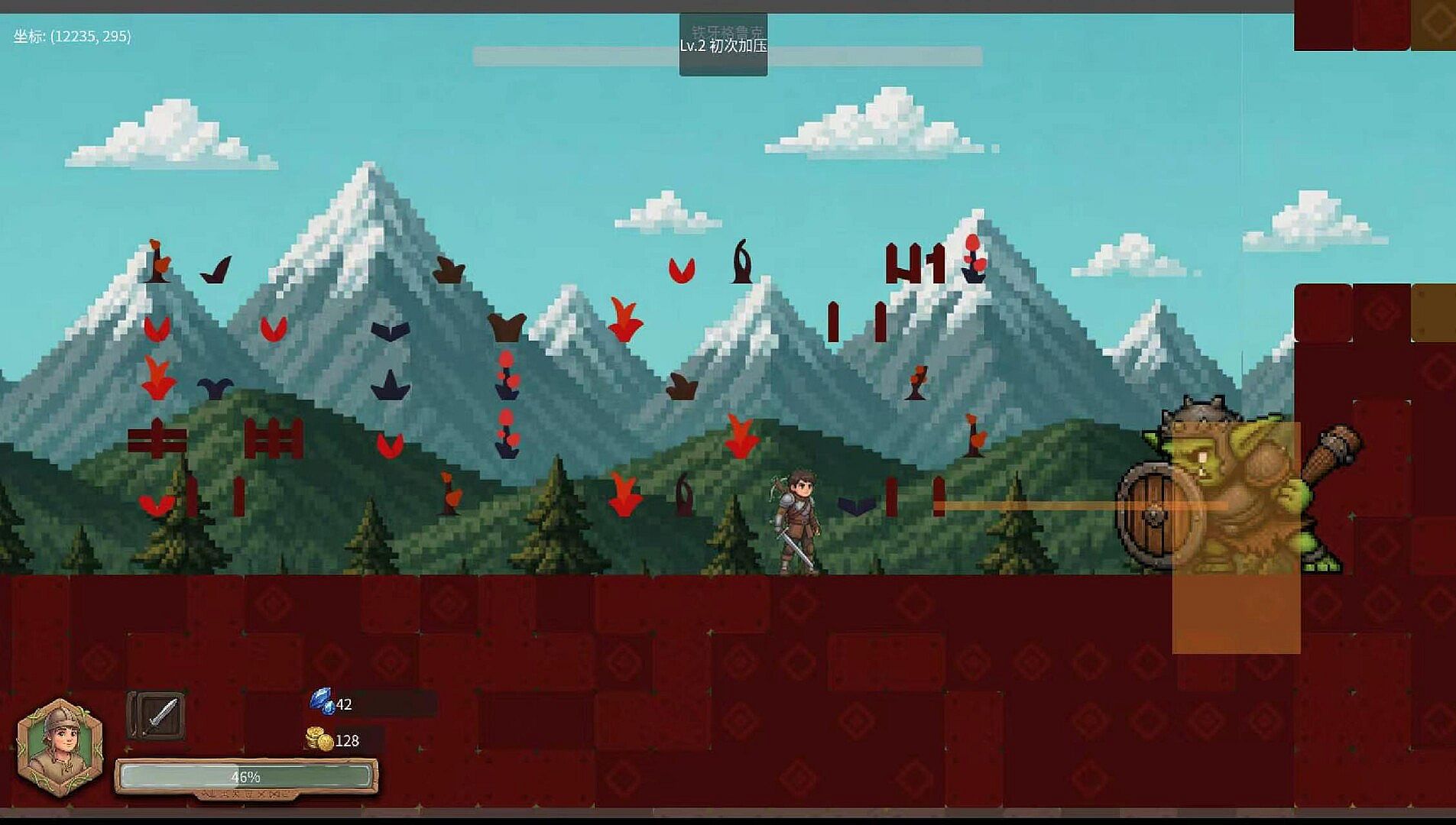
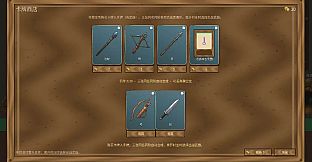
The core loop centers on short, repeatable runs where the goal is to gather materials by defeating enemies and bosses. Movement feels responsive, with emphasis on dashing, jumping, and striking to navigate procedurally generated stages. Each stage features branching paths and secret rooms that reward exploration. Combat allows free swapping between melee options like swords and polearms alongside ranged and magical tools such as bows and staves. In-run shops let players buy stat cards that modify attributes and abilities for the current attempt, encouraging different approaches each time. These cards disappear when the run ends in death, resetting the temporary build while preserving any permanent upgrades earned from prior restorations of the spring.
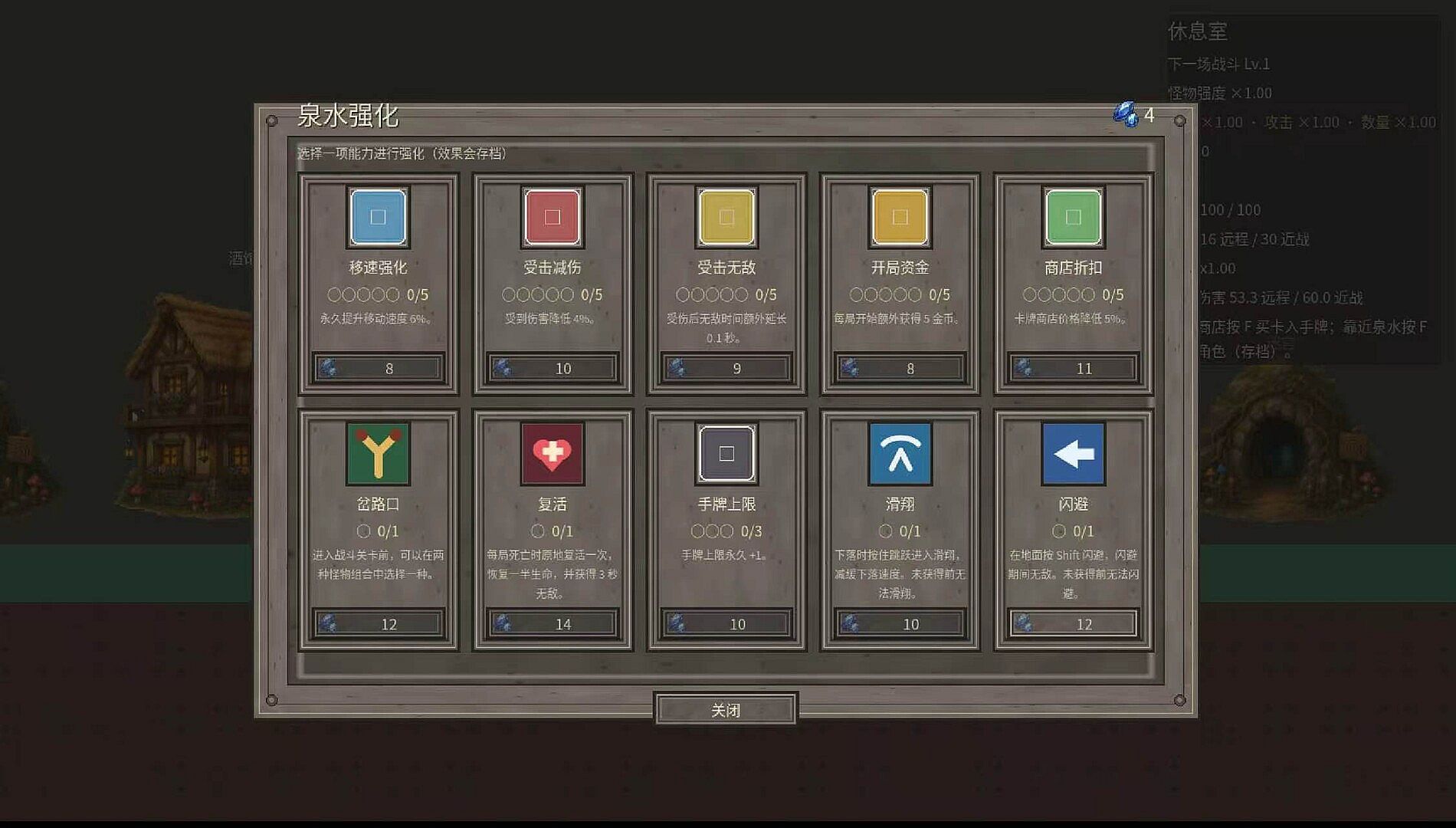
Progression splits between temporary power spikes during a single adventure and lasting global boons unlocked by successfully restoring the spring multiple times. The art direction follows traditional fantasy aesthetics with clear visuals suited to the platforming focus. At launch the experience includes one boss encounter along with elite enemies, and the developer has indicated plans for additional content in later updates. Controller support and adjustable difficulty settings are not present in the initial release.
Game Modes
The game operates entirely around its roguelike run structure. Each attempt begins fresh with procedurally generated levels that vary in layout, enemy placement, and opportunities for discovery. Players push through stages, collect resources, and confront the available boss to secure materials for spring restoration. Success grants permanent upgrades that carry over to all future runs, creating a sense of steady advancement despite the loss of temporary stat cards on death. There are no separate named modes or multiplayer options described; the singleplayer experience revolves around refining runs through repeated attempts and accumulating lasting power.
Progression and Builds
Build variety comes from the stat card system available in shops during runs. Different combinations of cards support distinct playstyles, such as favoring melee aggression, ranged safety, or magical effects. Because cards reset each time, experimentation happens naturally across attempts. The permanent boons from spring restorations provide a foundation that grows stronger over time, reducing reliance on perfect runs and allowing players to tackle later content with improved baseline capabilities. This mix of short-term customization and long-term growth forms the main incentive to keep playing.
Is It Worth Playing?
Spring Village: Restore suits players who enjoy platform action combined with roguelike repetition and incremental permanent progression. The fluid combat and procedural variety keep individual runs engaging, while the restoration system offers a clear long-term goal. As a free-to-play title with one boss available at launch and more content planned, it provides an accessible entry point for those interested in the genre. The absence of controller support and difficulty options may limit appeal for some, yet the core mechanics deliver a focused fantasy platforming experience centered on gathering materials and strengthening the village over multiple attempts. Those drawn to snappy movement, weapon variety, and build experimentation will find the loop rewarding without additional cost barriers.











