


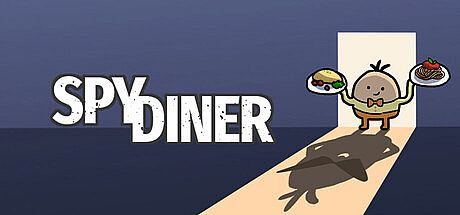


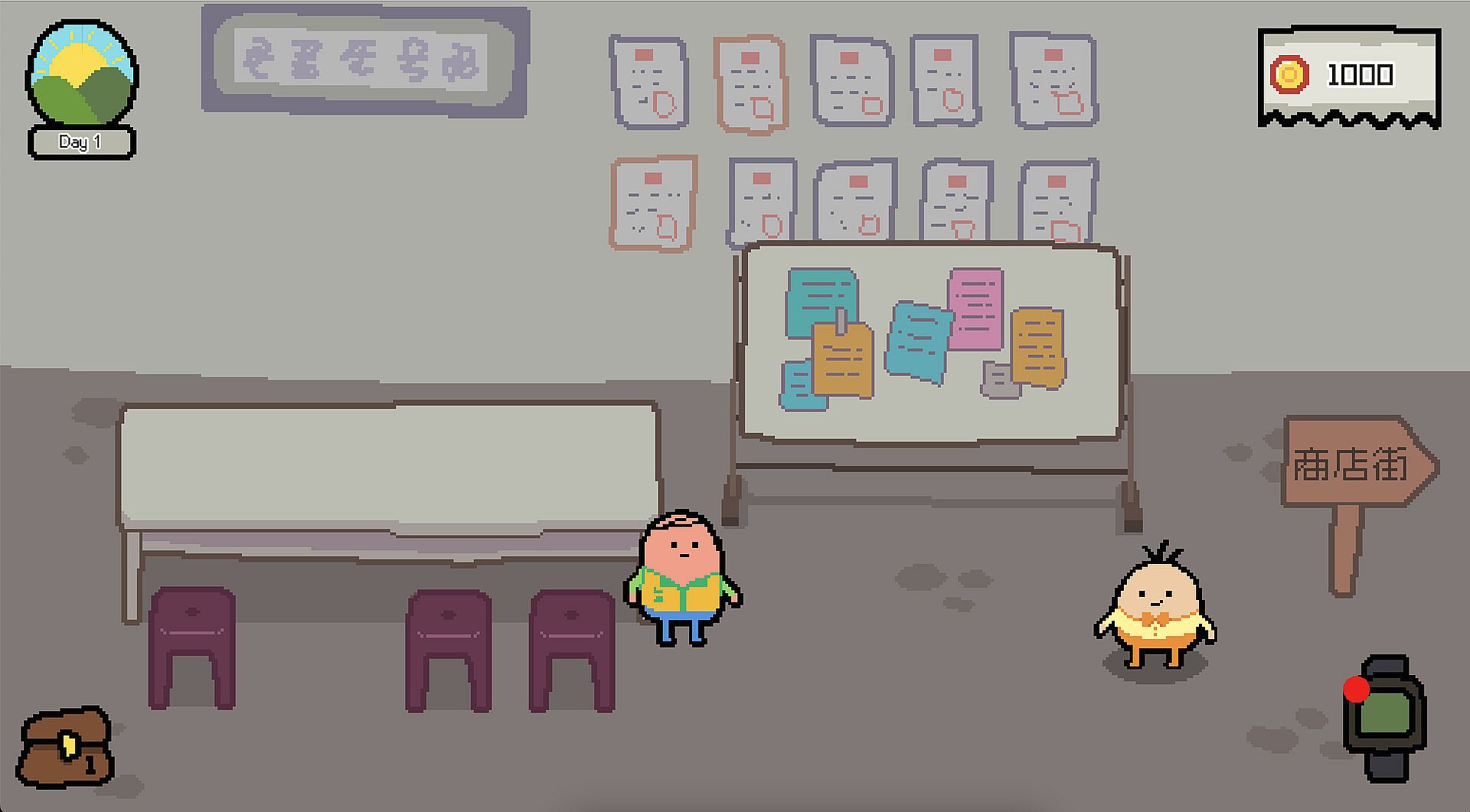
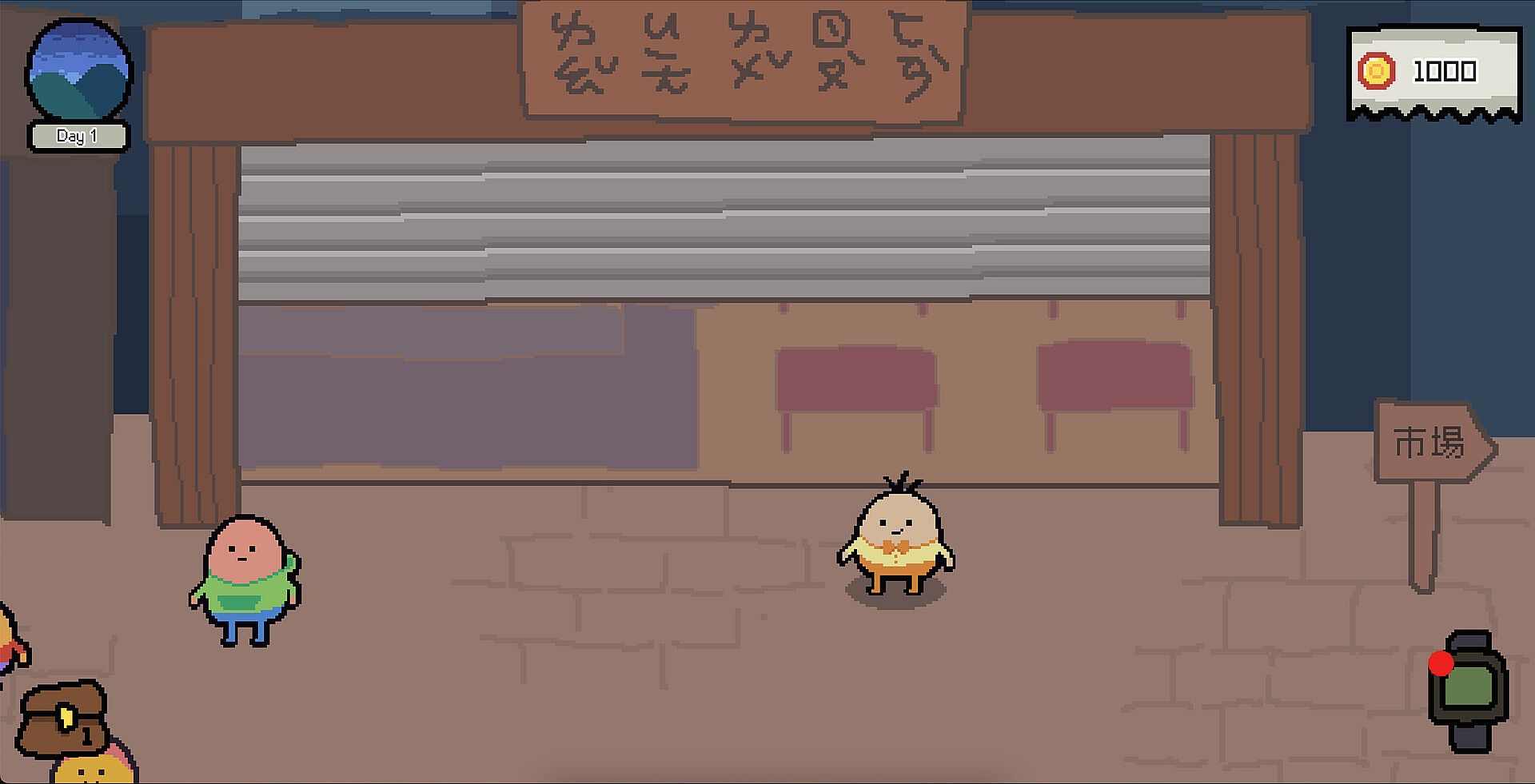
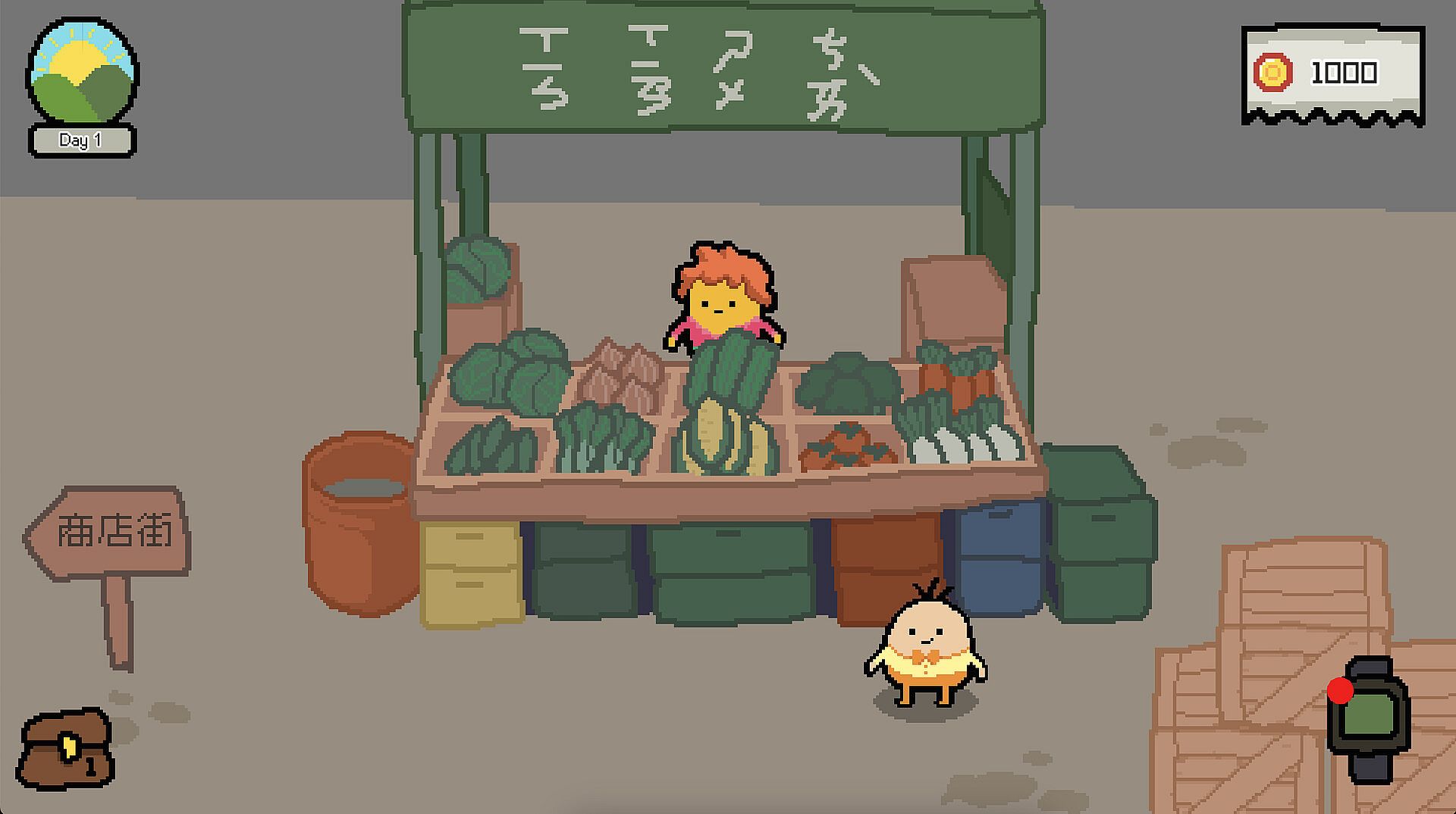
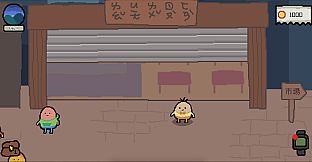
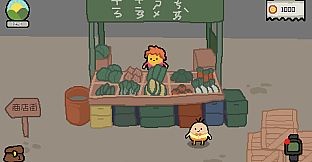
Spy Diner is a single-player indie simulation game that blends restaurant management with covert operations. Players take on the role of a new diner owner positioned next to a long-established rival establishment, balancing daily service tasks with deliberate efforts to undermine the competition through personal connections and nighttime interference.
Gameplay
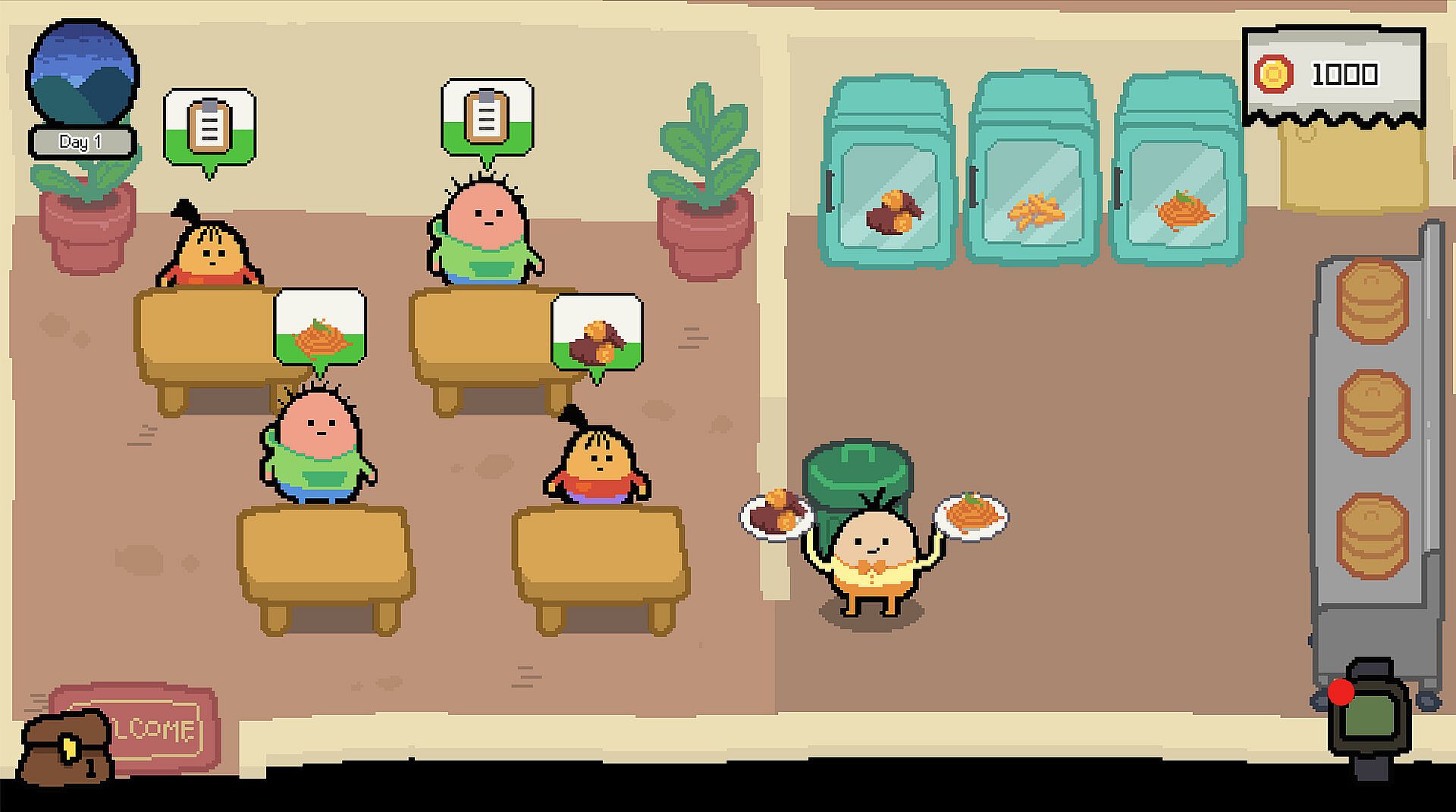
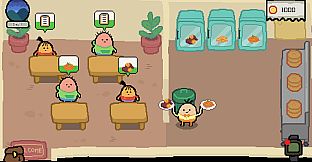
The core loop divides each in-game day into distinct phases that require careful time management and resource allocation. During daylight hours, the focus falls on operating the diner itself. This involves distributing menus, retrieving ingredients, preparing and delivering dishes, and clearing tables to keep customers satisfied before their patience runs out. Earnings from successful service provide the funds needed for later activities, turning routine orders into both income and a necessary cover story.
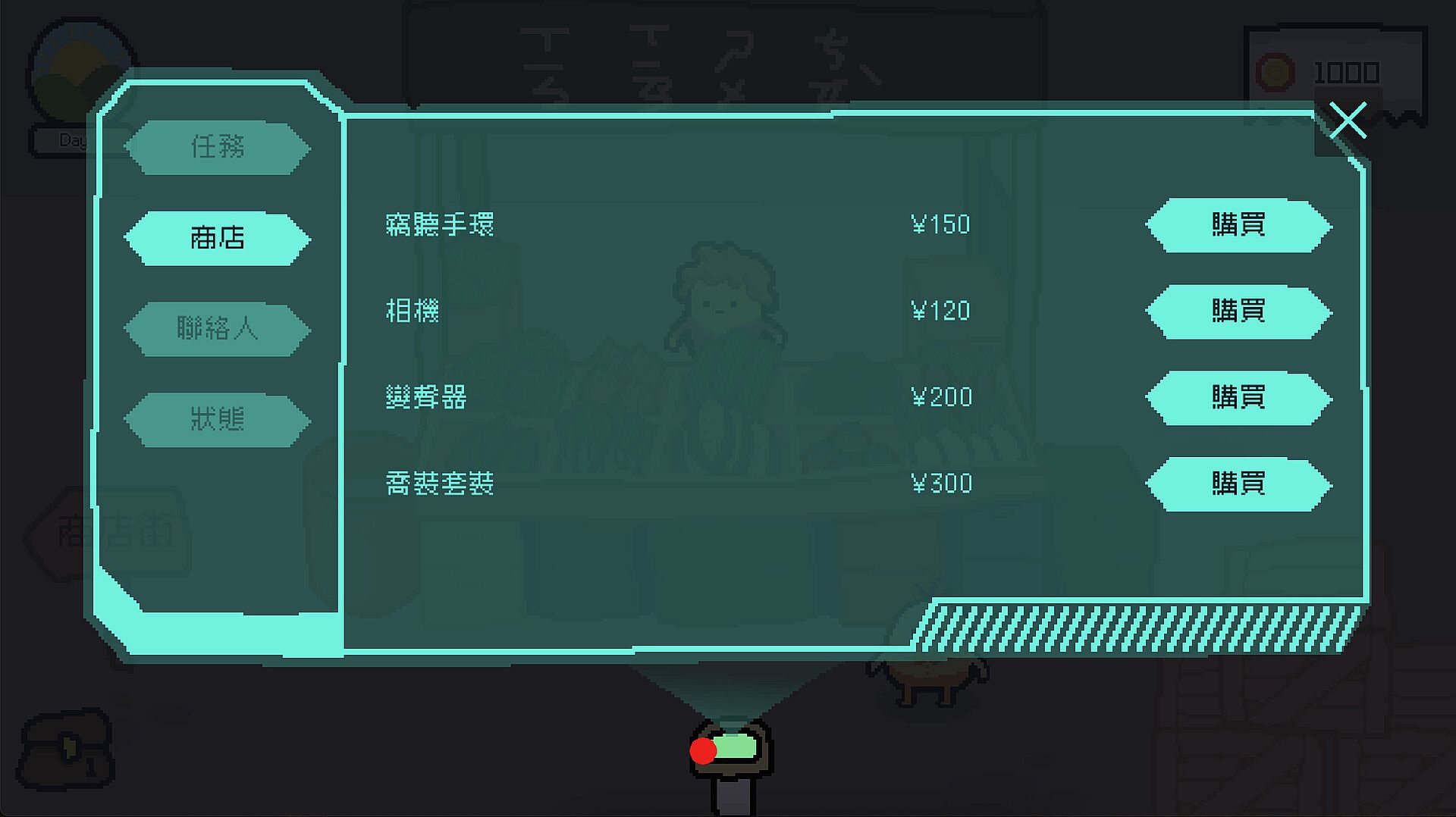
Evenings shift to social interaction at the neighboring business. Players visit the older establishment to engage in conversations, offer carefully chosen gifts, and build rapport with the owner and chef. Favorability increases gradually through attentive listening and relevant responses, opening deeper dialogue options and integrating the player into the rival's circle as a trusted presence.
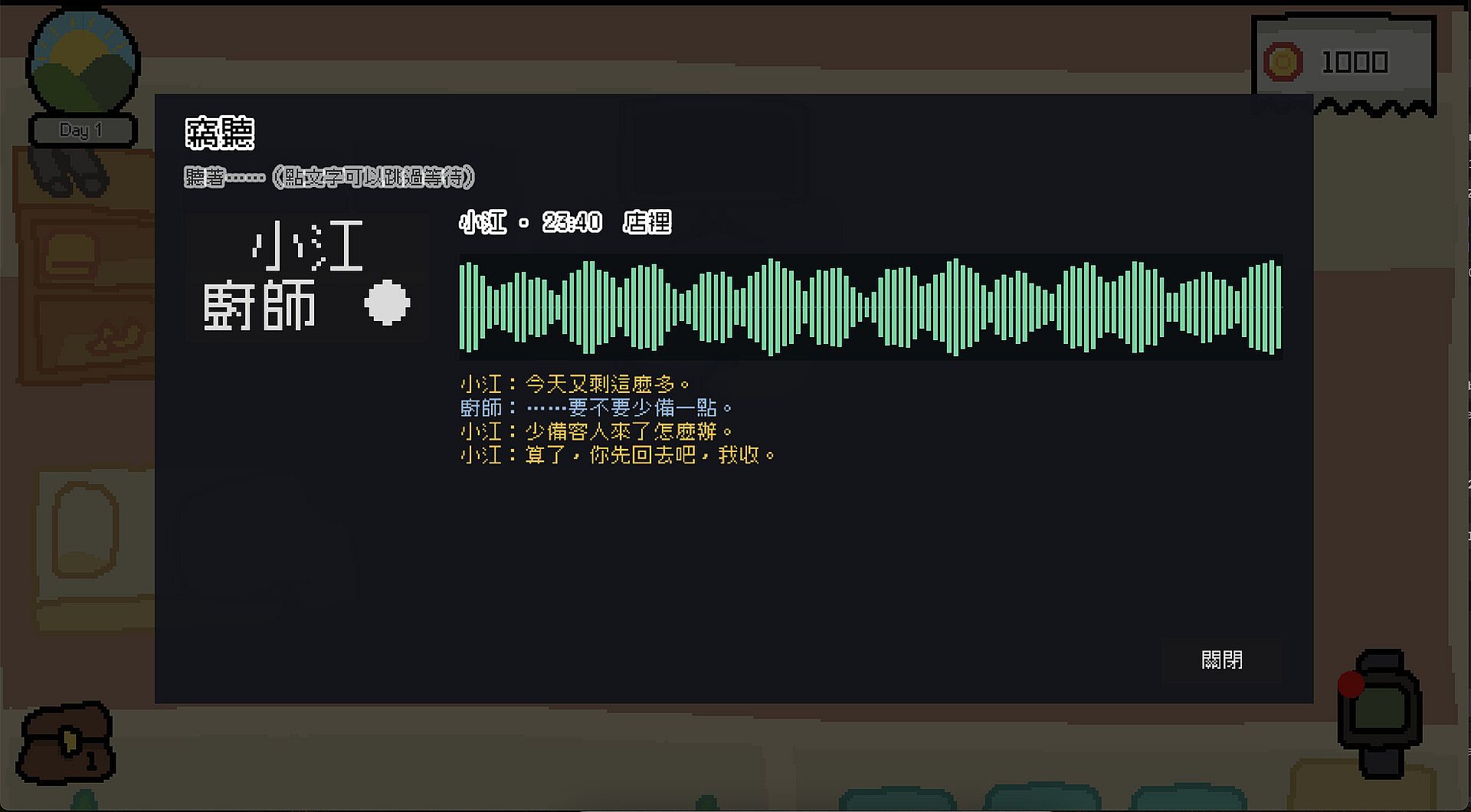
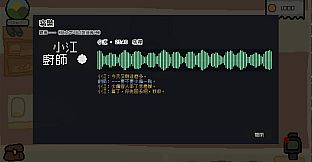
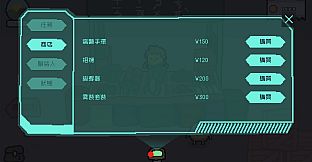
Nighttime activities emphasize stealth and disruption. These include severing connections, submitting unfulfillable requests, posting anonymous notices, or physically infiltrating the target location to install listening devices and access restricted systems. Progress is tracked through handler communications that check status without dictating specific actions, leaving all decisions to the player.
Game Modes
The game structures its experience around a repeating daily cycle rather than separate selectable modes. The daytime service phase emphasizes efficiency and customer flow in the player's own diner. The evening social phase centers on relationship progression and gift selection to advance favorability metrics. The nighttime phase handles infiltration and sabotage tasks that advance the overarching objective without direct oversight from external characters.
These phases interconnect through shared resources and consequences. Money earned during service funds gifts that improve evening outcomes, while nighttime actions can indirectly affect the rival's operations and the player's cover. No additional named modes appear in the available information, keeping the focus on this integrated routine.
Narrative and Progression
Story elements emerge through conversations and overheard information rather than traditional cutscenes. The handler provides minimal guidance, checking progress periodically while the player handles execution independently. Favorability levels influence dialogue depth and access to personal details that inform sabotage choices. The setup creates a self-directed experience where players determine the pace and methods of their approach.
Mechanics reward observation and adaptation. Listening to the rival owner's concerns helps select effective gifts, and gathered intelligence from nighttime actions can shape future strategies. The single-player format ensures all elements remain under player control without external variables.
Is It Worth Playing?
Spy Diner targets players who enjoy simulation games that combine operational management with narrative-driven strategy. The blend of service routines, relationship building, and covert tasks offers a distinct loop for those interested in indie titles that mix everyday responsibilities with layered objectives. Because the game remains unreleased with a planned 2027 launch and no user reviews available yet, direct assessment of performance or long-term support is not possible.
Those drawn to single-player experiences that emphasize choice in pacing and methods may find the described systems appealing. The absence of multiplayer or seasonal content keeps the focus narrow on the core daily structure and personal progression. Potential buyers should monitor updates closer to release for confirmation on final features and stability.












