


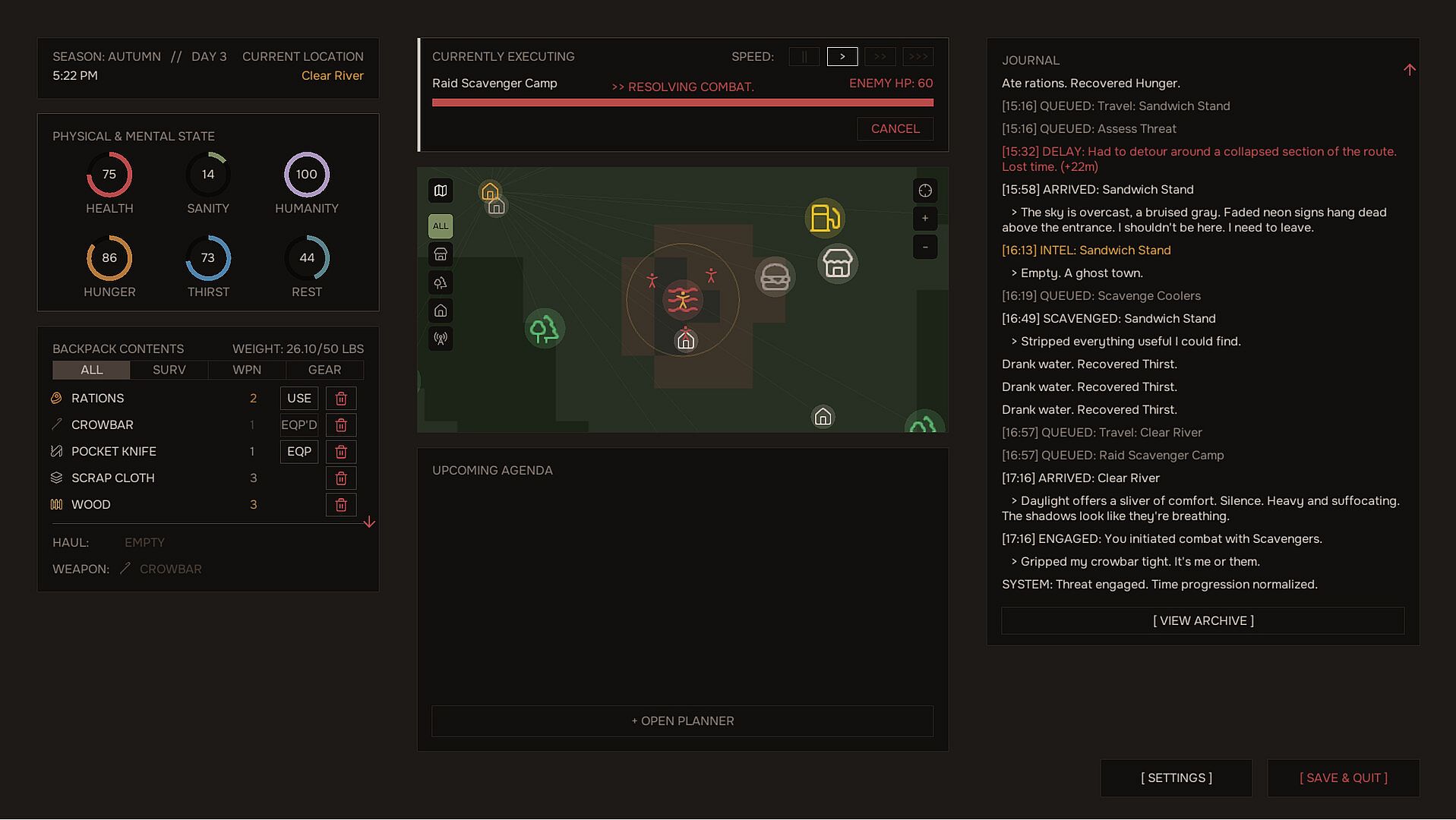
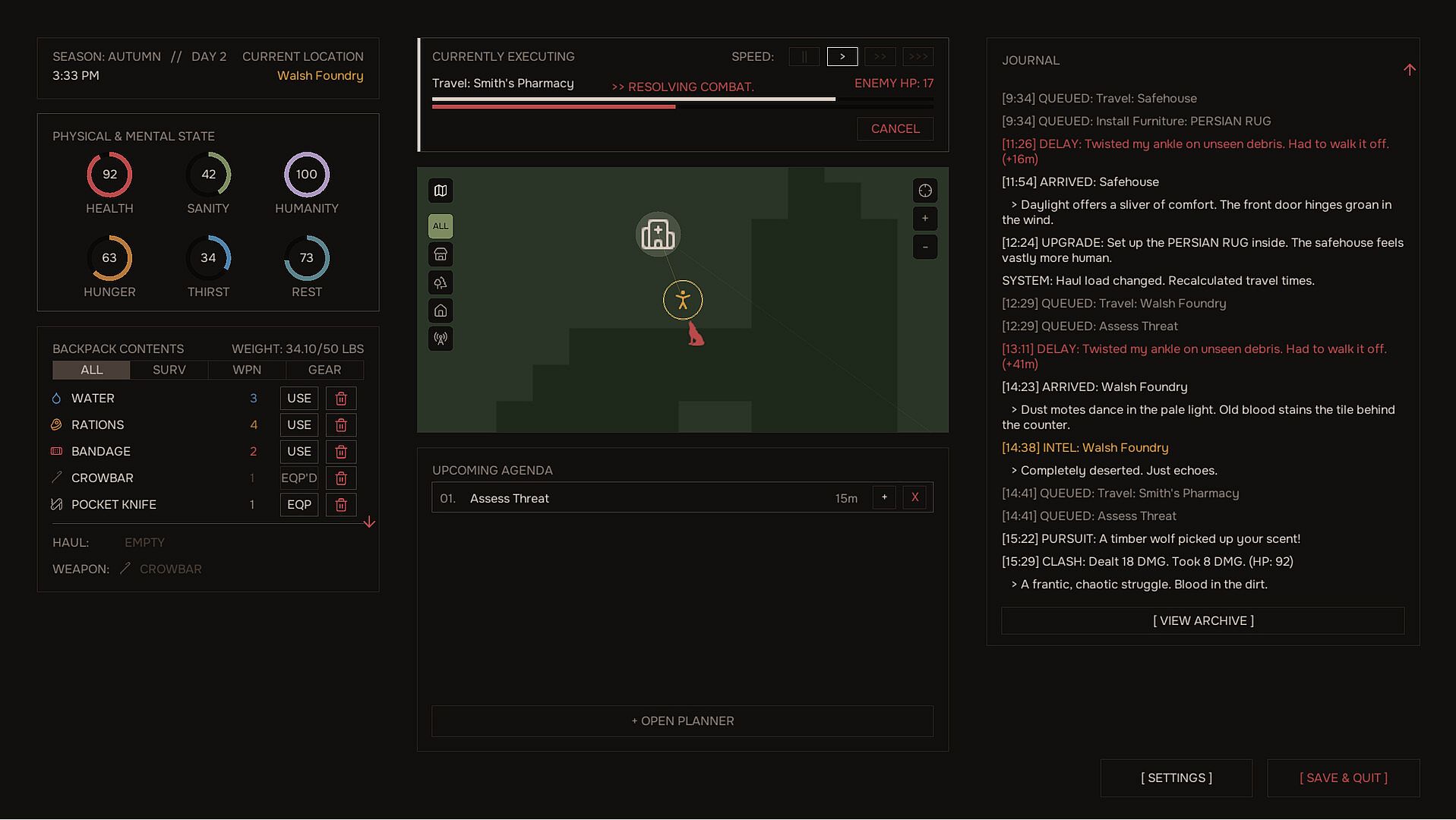
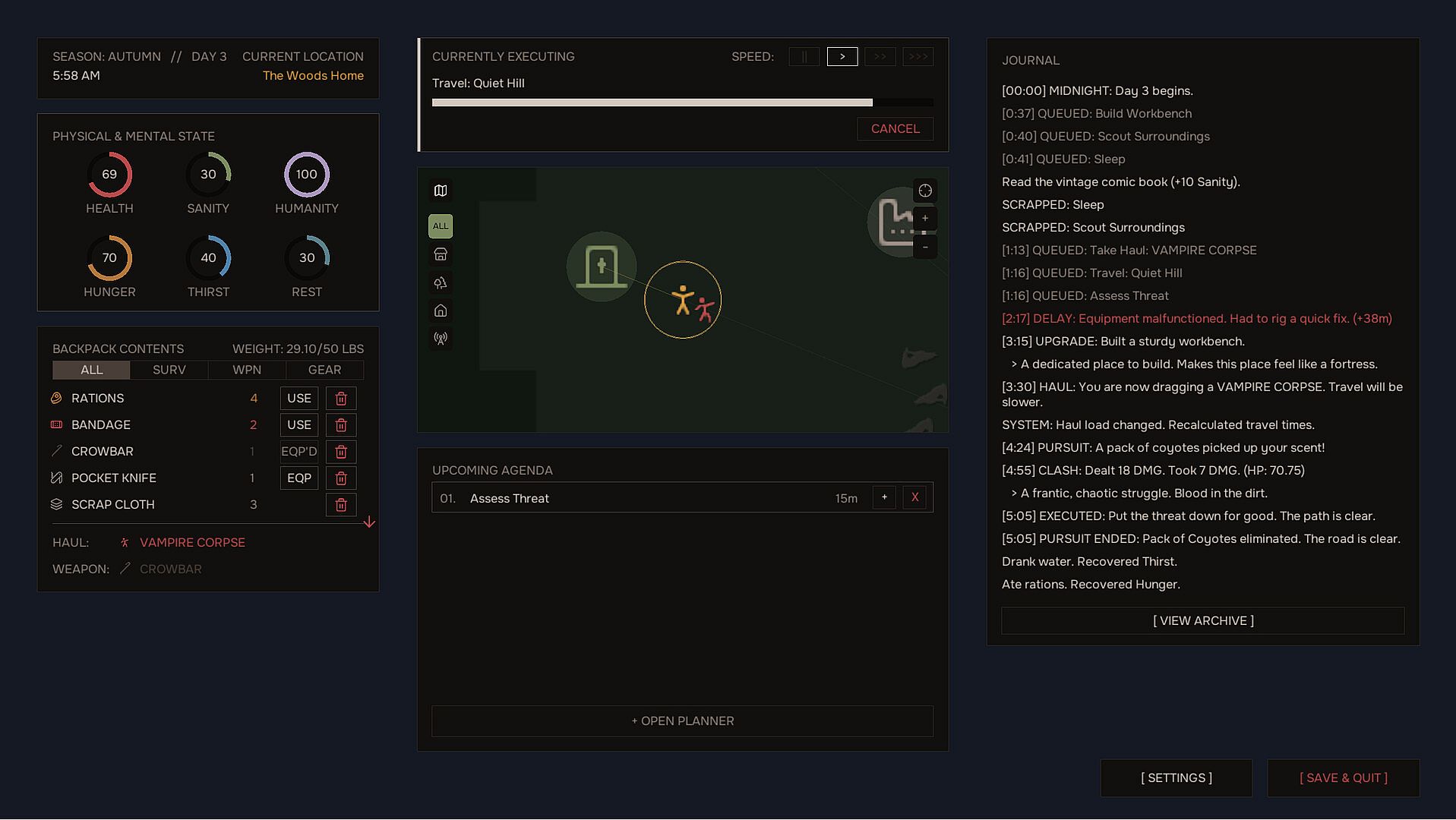
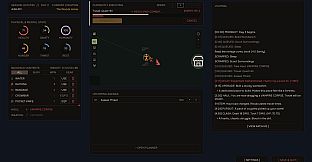
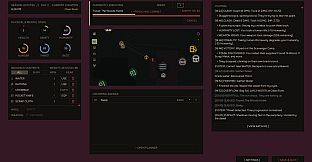
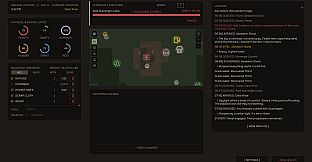
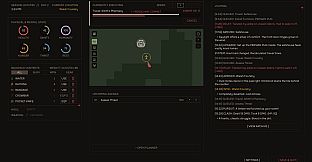
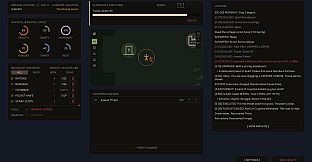


Stake is a strategy and simulation game set on PC that places players in a post-apocalyptic world overrun by vampires. The core experience revolves around methodical survival in a 2D text-and-grid environment where every choice carries lasting consequences for health, resources, and mental state.
Gameplay
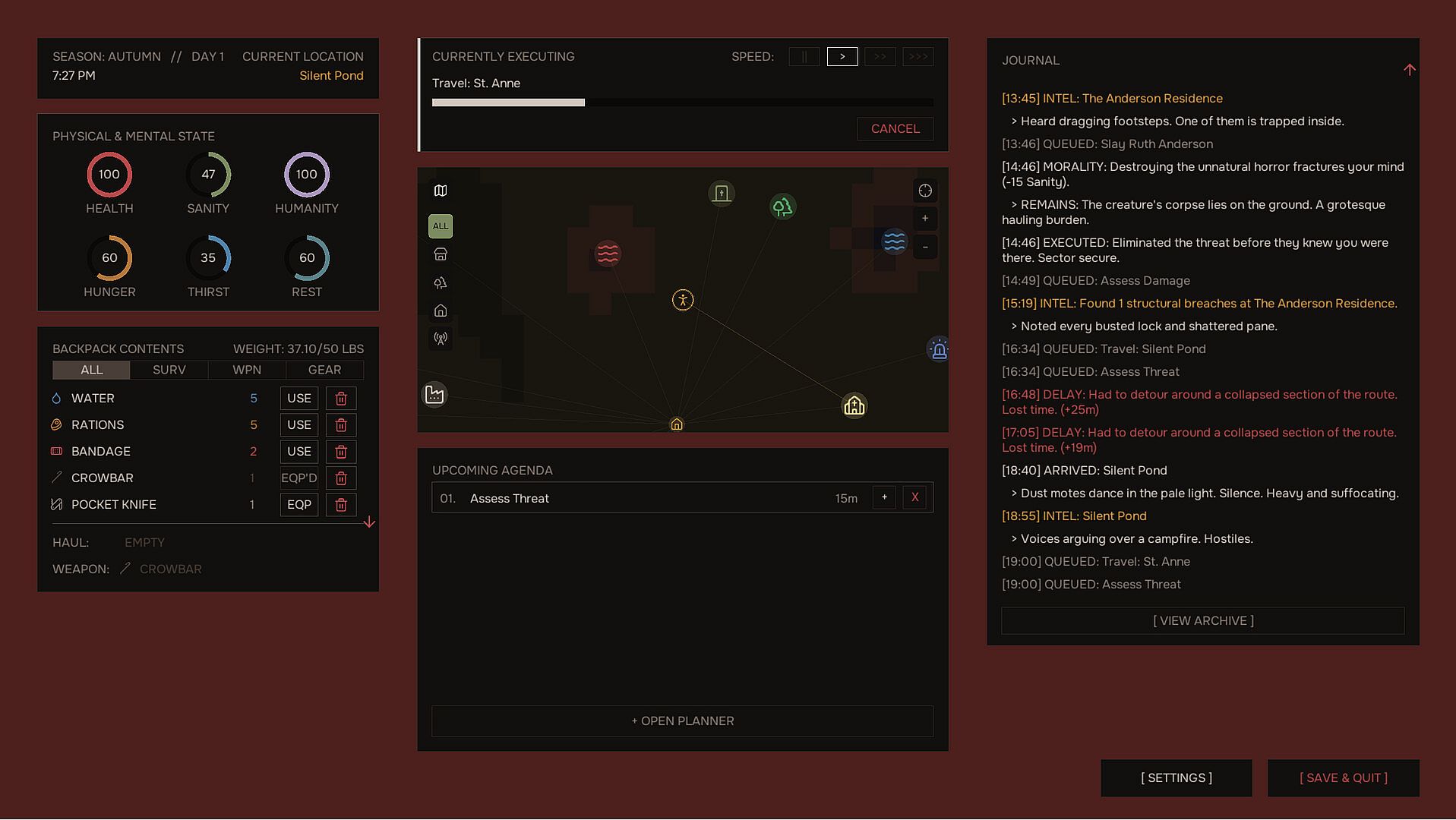
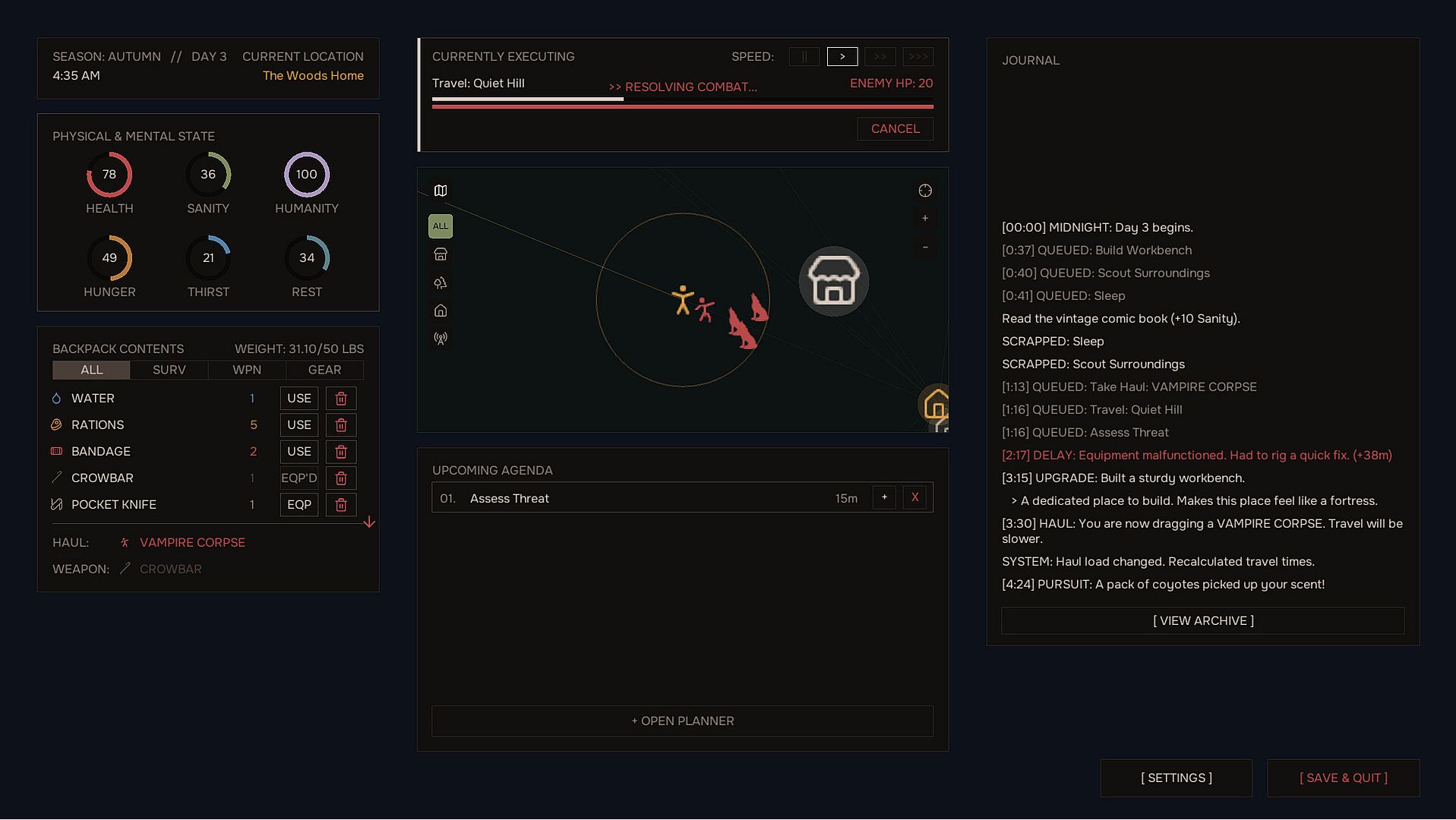
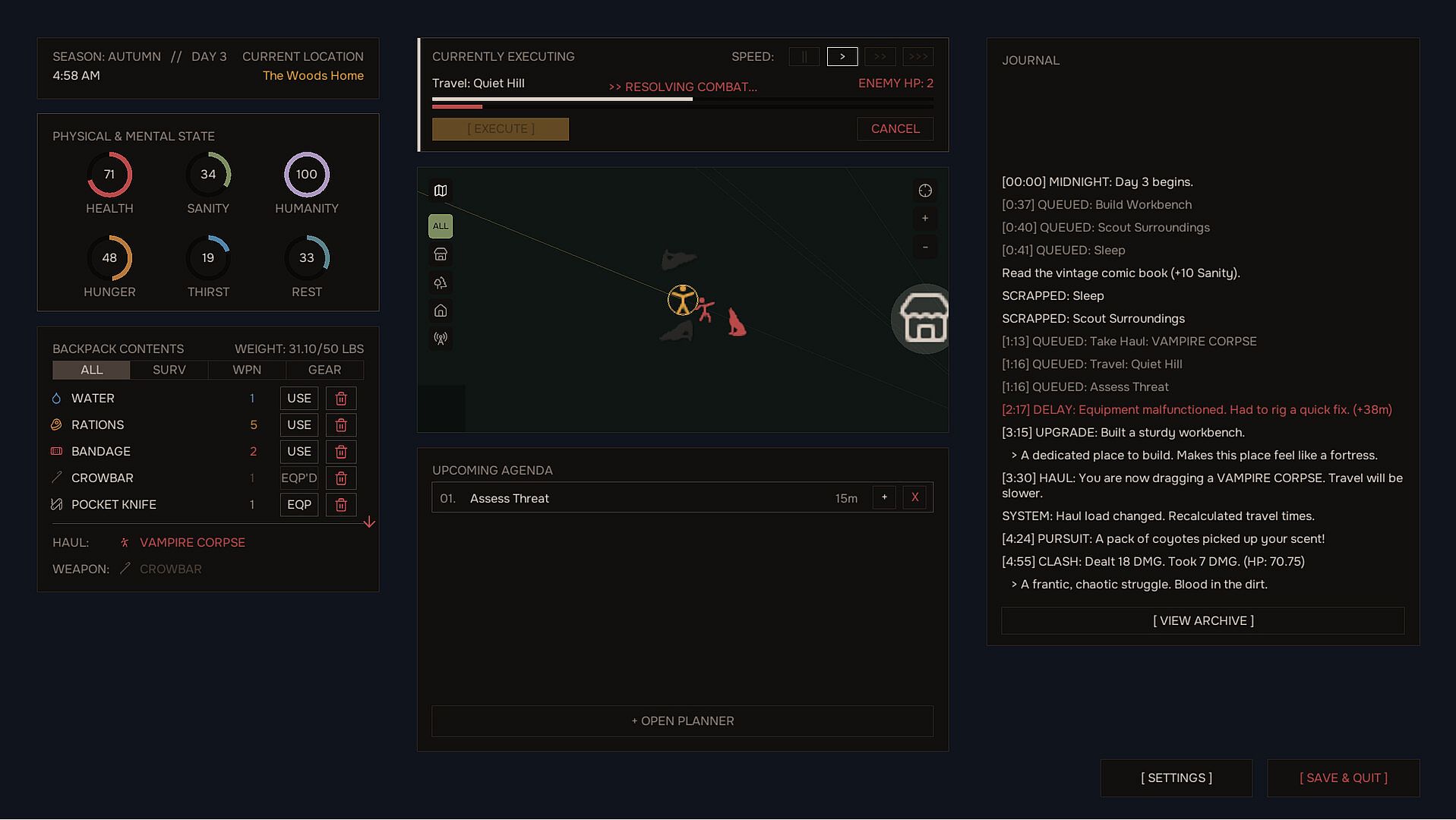
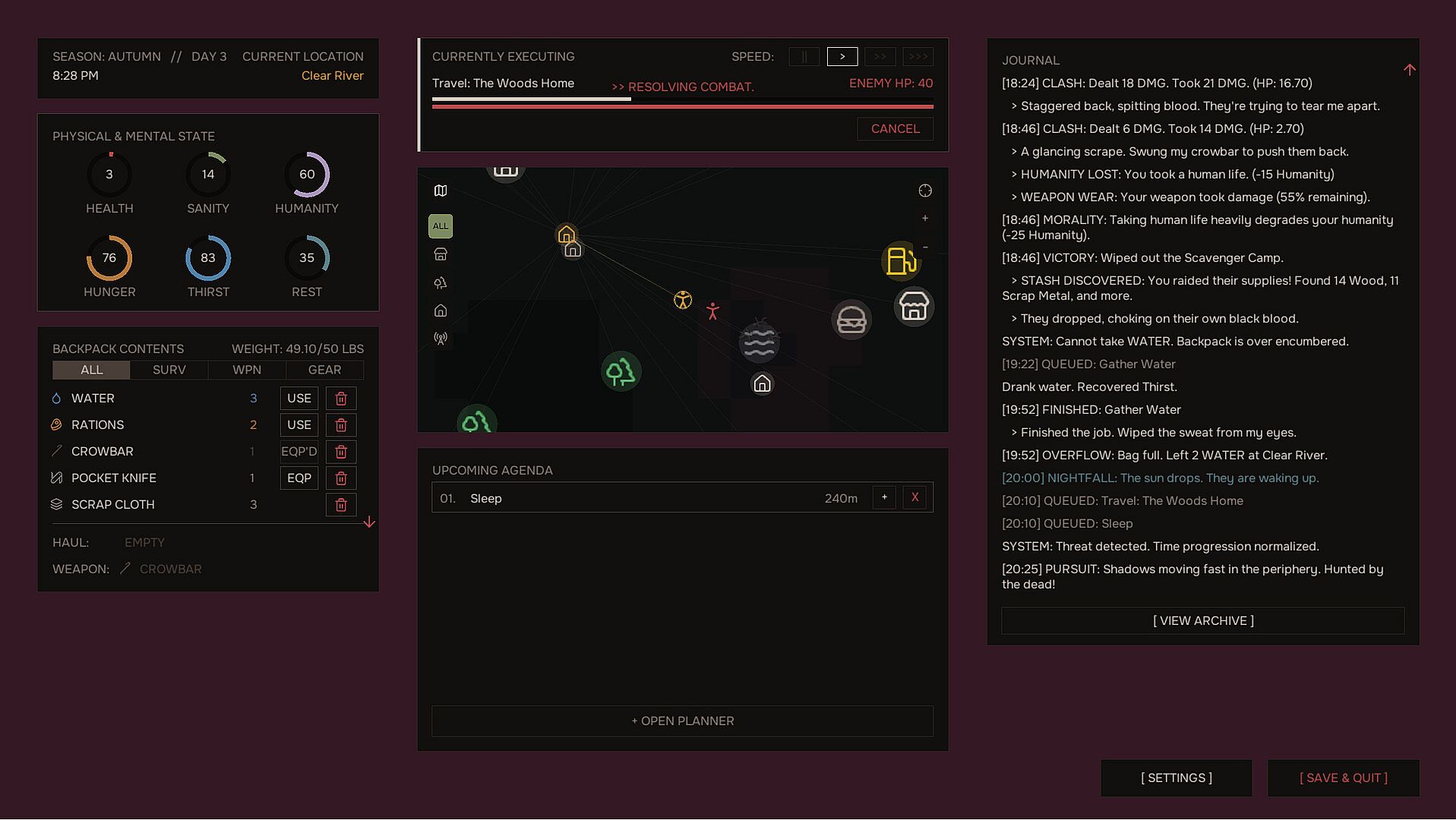
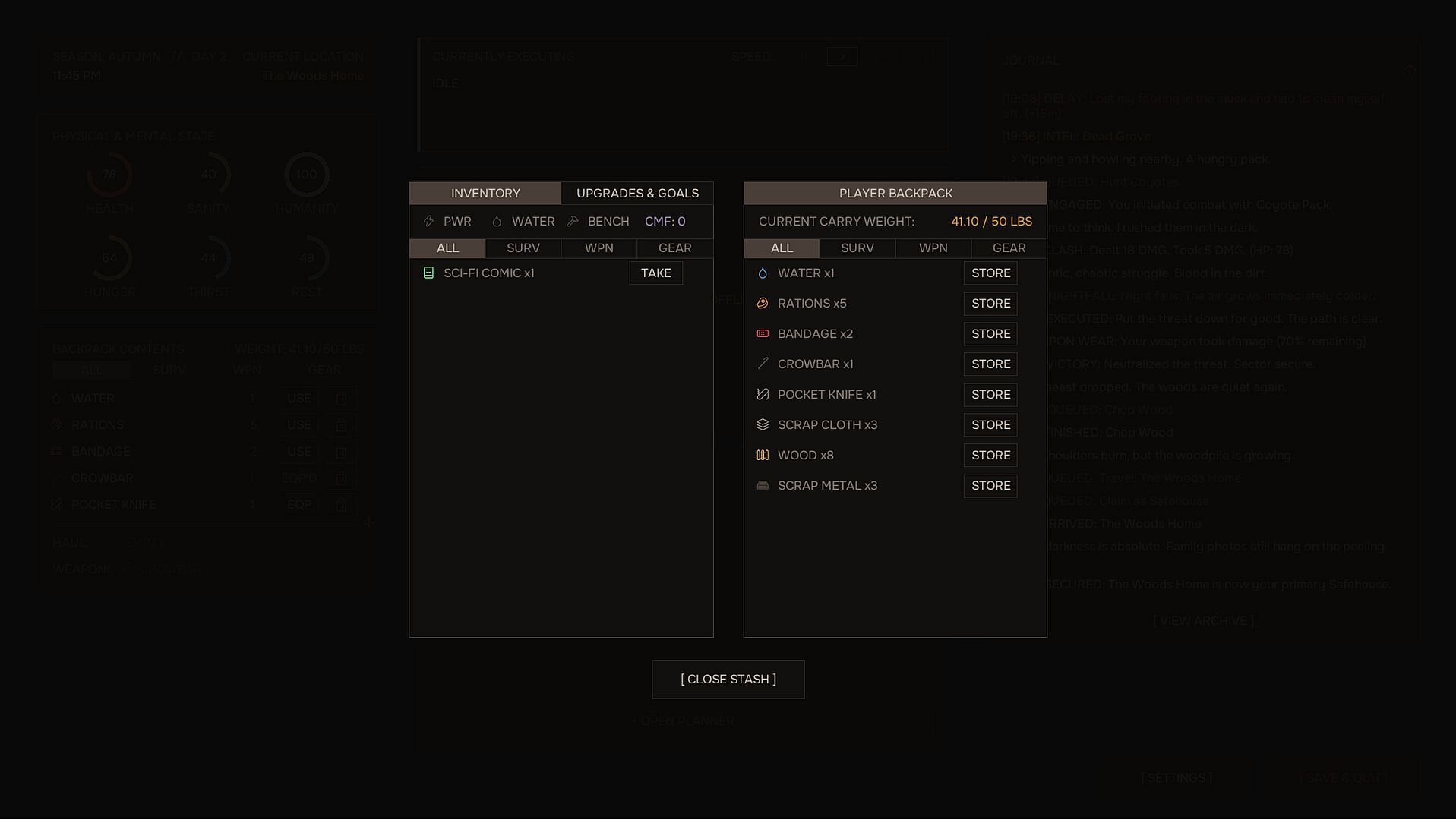
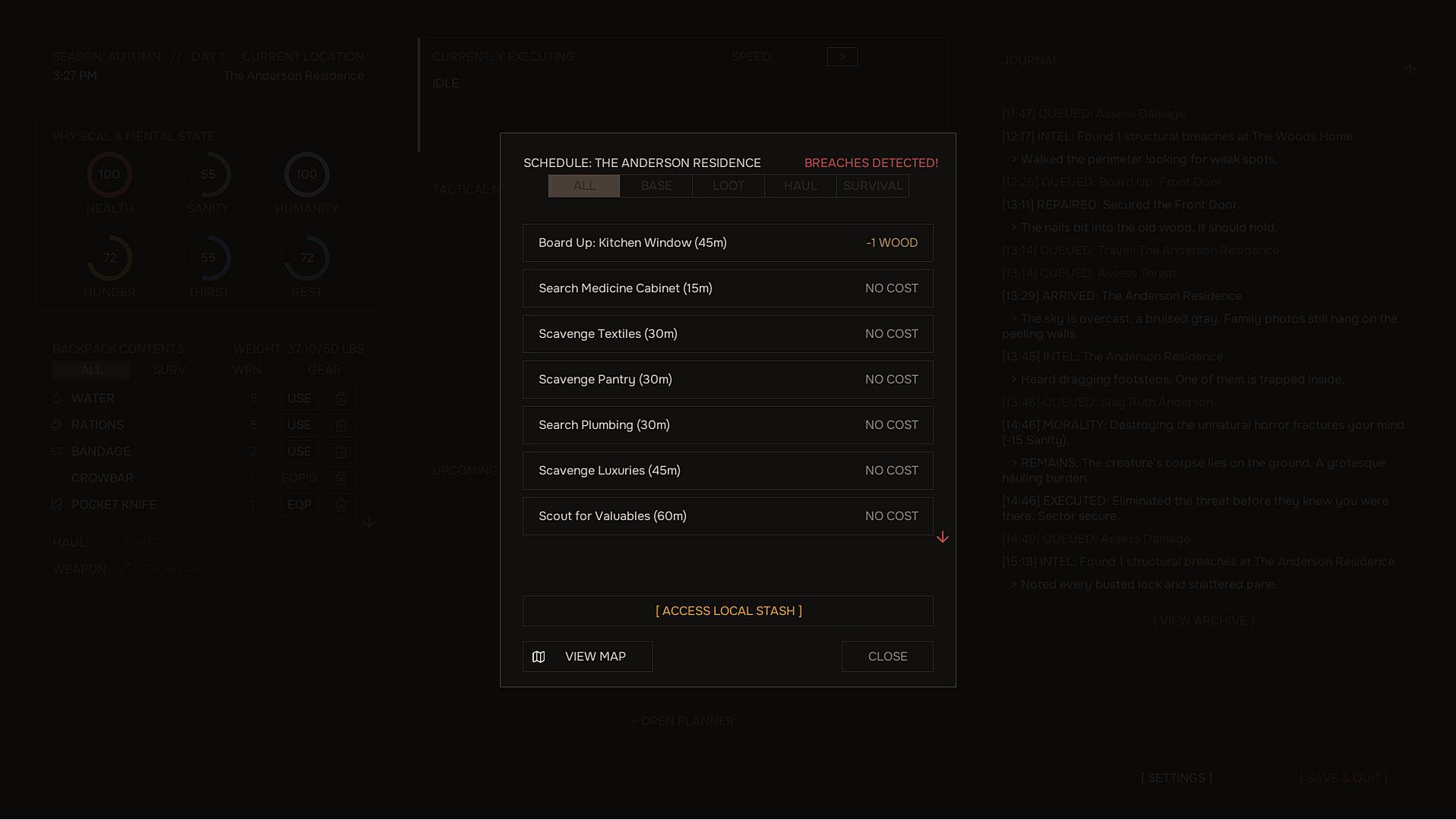
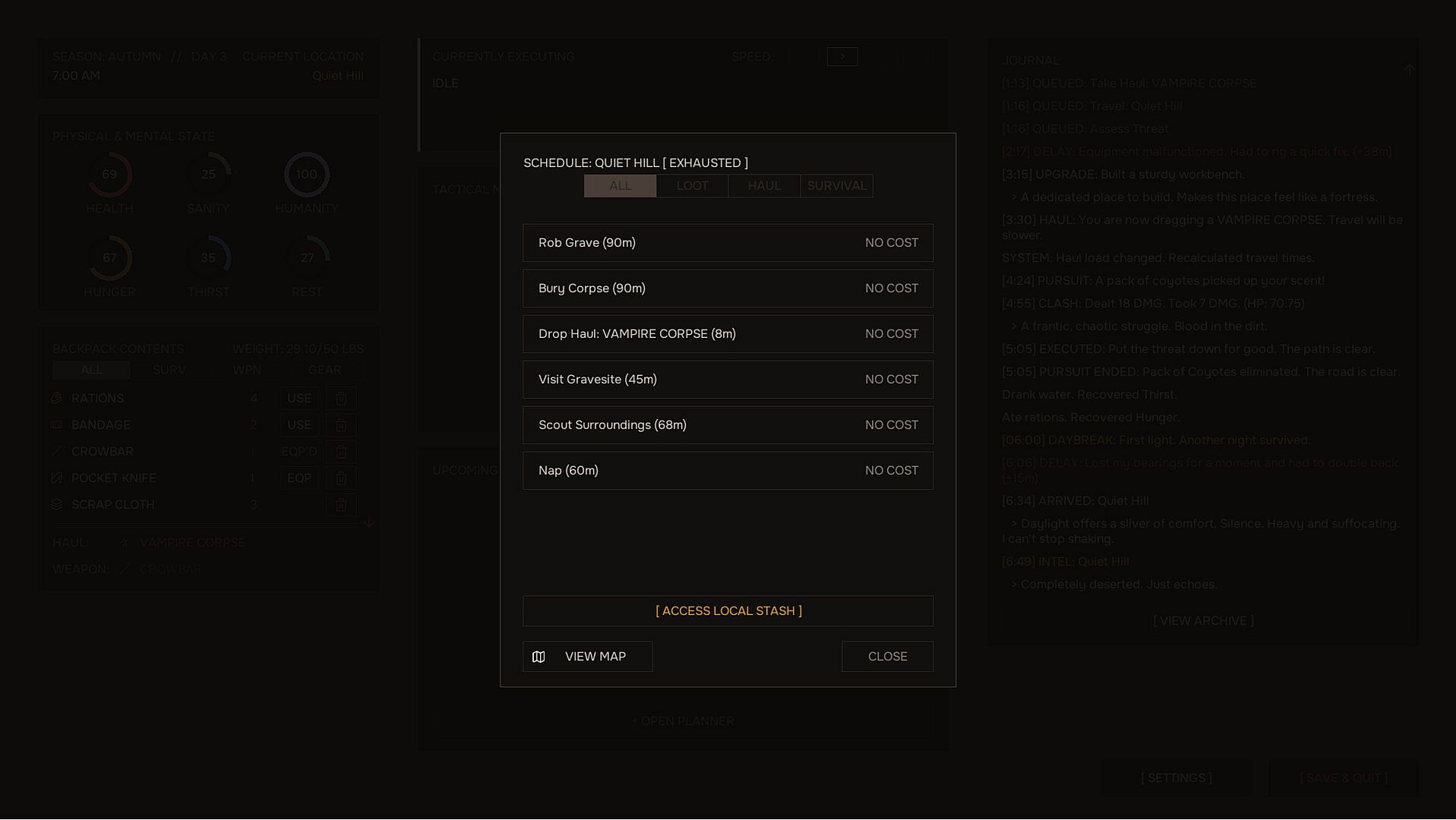
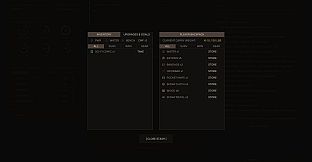
The gameplay centers on deep survival mechanics that extend far beyond basic health tracking. Players must monitor and balance hunger, thirst, rest, sanity, and humanity while navigating procedurally generated landscapes of hills, woodlands, and ruined cities. Scavenging forms the foundation of progress, requiring careful route planning on a dynamic topographical map with radar filters. Inventory management enforces strict weight limits, forcing decisions about tools like wheelbarrows or carts for transporting heavy items such as generators or large supply hauls.
Fortifying safehouses adds a layer of long-term strategy. Abandoned structures like roadside houses, churches, and gas stations can be cleared of squatters, repaired, and secured as personal bases for storage, rest, and defense. The day and night cycle dictates pacing: daylight hours focus on exploration, resource gathering, and locating vampire hives for preemptive strikes, while night brings heightened threats that demand barricade defense and careful positioning.
Reclaiming territory involves locating and restoring key infrastructure such as water plants, power stations, and broadcast towers. This process gradually reactivates sectors of the map, expanding safe zones and reducing overall danger. Physical injuries require specific treatments like bandages for bleeding and antiseptics for infection, while sanity can be maintained through items such as cigarettes, warm beer, novels, polaroids, or a Walkman.
Game Modes
Stake operates as a single-player survival simulation without separate named modes. The experience integrates all core systems into one continuous loop of scavenging, base building, and territorial reclamation. Players progress by establishing networks of fortified locations, managing daily risks from human scavengers, coyotes, and wolves, and confronting vampire sieges after dark. The procedural generation ensures varied topography and encounter layouts across runs, emphasizing logistical planning and risk assessment over repeated identical scenarios.
Core Survival Systems
Resource logistics and mental resilience define the challenge. Expeditions demand preparation because carrying capacity directly limits what can be recovered from each outing. Territory control builds resilience against nightly horrors, allowing safer storage of loot and opportunities to wait out threats. Restoring regional infrastructure serves as the broader objective, turning initial survival into a campaign of incremental world recovery through targeted repairs and expansion.
Is It Worth Playing?
Stake suits players who enjoy methodical strategy and simulation elements over fast-paced action. The emphasis on planning routes, managing multiple status bars, and building a network of safehouses rewards careful decision-making and long-term thinking. Those drawn to unforgiving survival loops with day-night tension and base fortification will find the systems align closely with that preference. The game remains in a state where its core features match the described simulation focus, making it a niche choice for dedicated strategy fans rather than those seeking quick sessions or multiplayer elements.