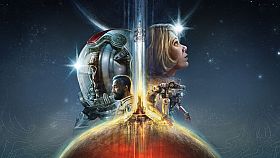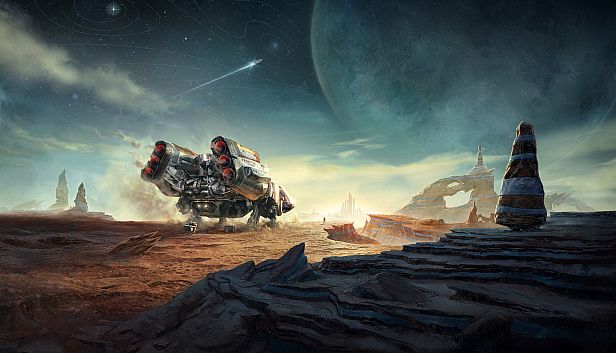











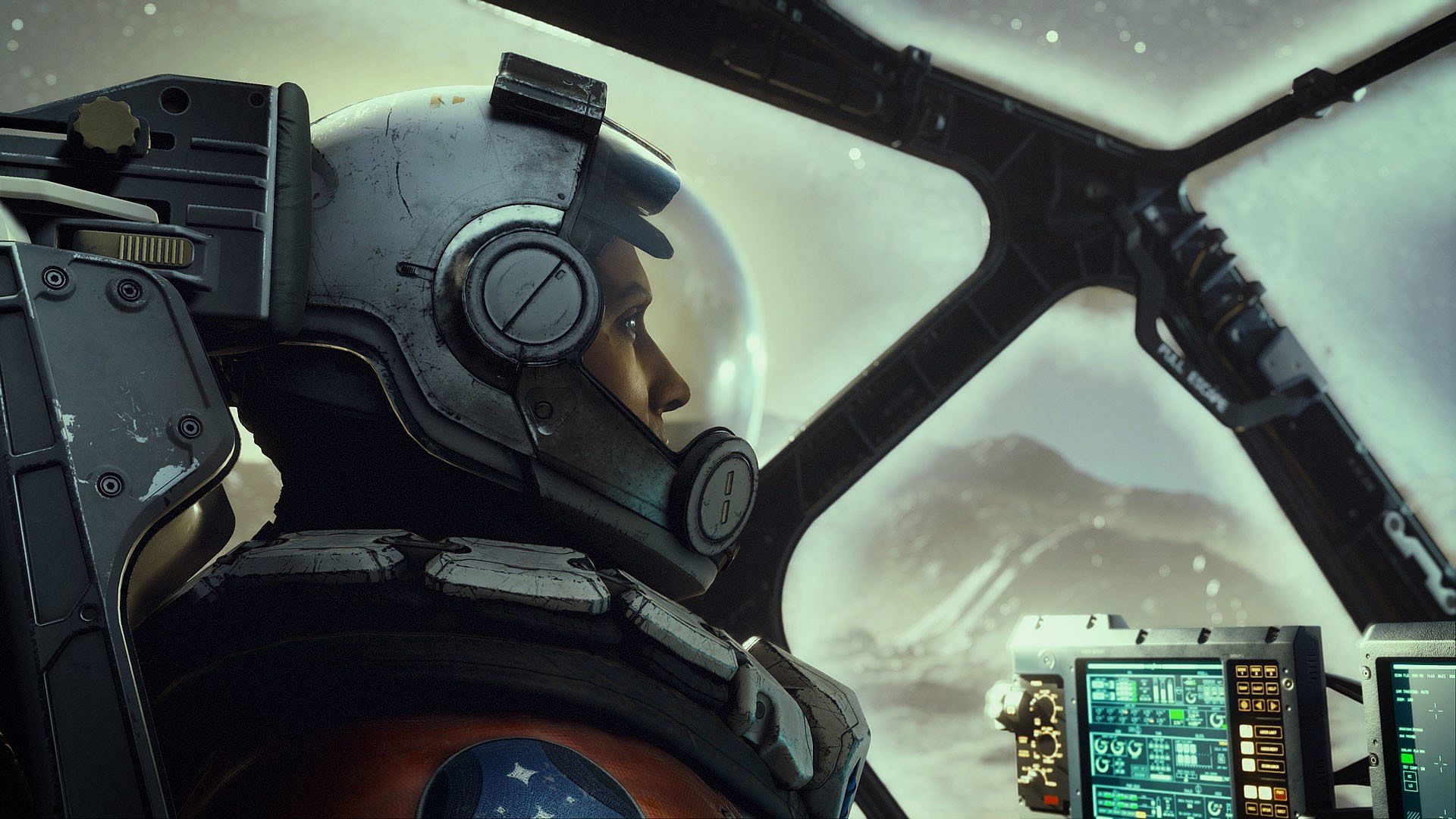





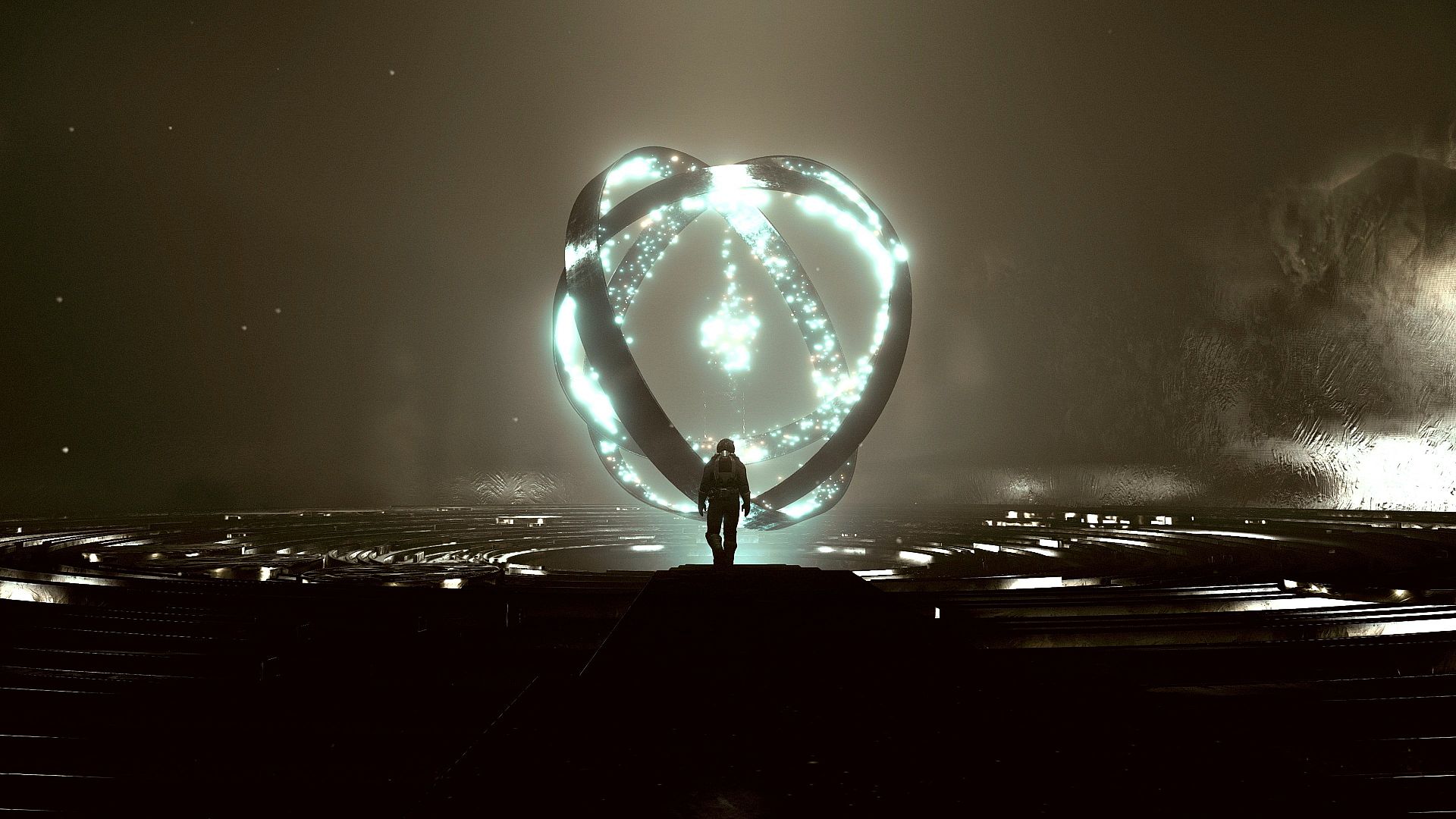


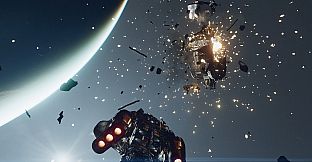
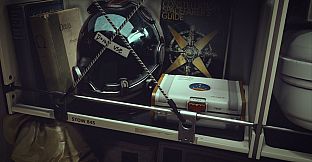

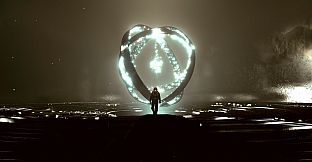
Starfield ist ein Einzelspieler-Rollenspiel von Bethesda Game Studios, das die Spieler in ein weitläufiges Science-Fiction-Universum versetzt, in dem die Menschheit längst das Sonnensystem hinter sich gelassen hat. Ursprünglich für Xbox Series X/S und PC erschienen, legt das Spiel großen Wert auf individuelle Charakterentwicklung und freies Erkunden prozedural generierter Welten. Vor dem Beitritt zur Constellation erstellen Spieler ihre eigene Vorgeschichte über Hintergründe und Eigenschaften und machen sich anschließend auf die Suche nach uralten Artefakten, während sie Schiffe, Außenposten und Kampfbegegnungen managen.
Gameplay
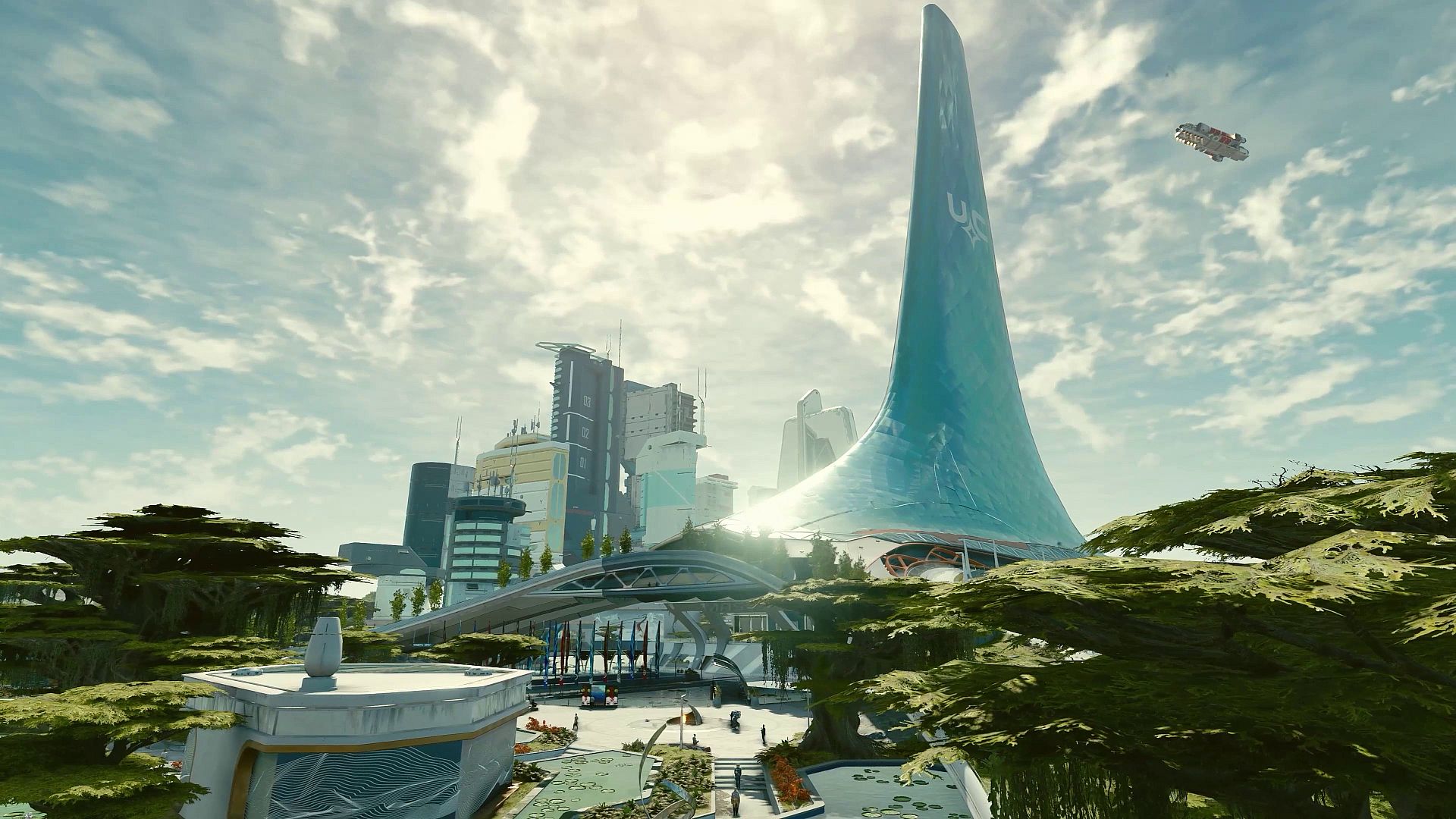
Im Mittelpunkt steht die Charakteranpassung und das Fortschrittssystem über Fertigkeiten, die Einfluss auf Dialogoptionen, Kampf und Erkundung nehmen. Mit ausgewählten Traits erhalten Spieler sowohl Vorteile als auch Nachteile, die ihren Umgang mit den Settled Systems prägen. Ein zentrales Element ist die Erkundung: Über tausend Planeten stehen zur Verfügung, jede mit eigenen Landschaften, Rohstoffen und Schauplätzen - von pulsierenden Städten bis hin zu verlassenen Basen.
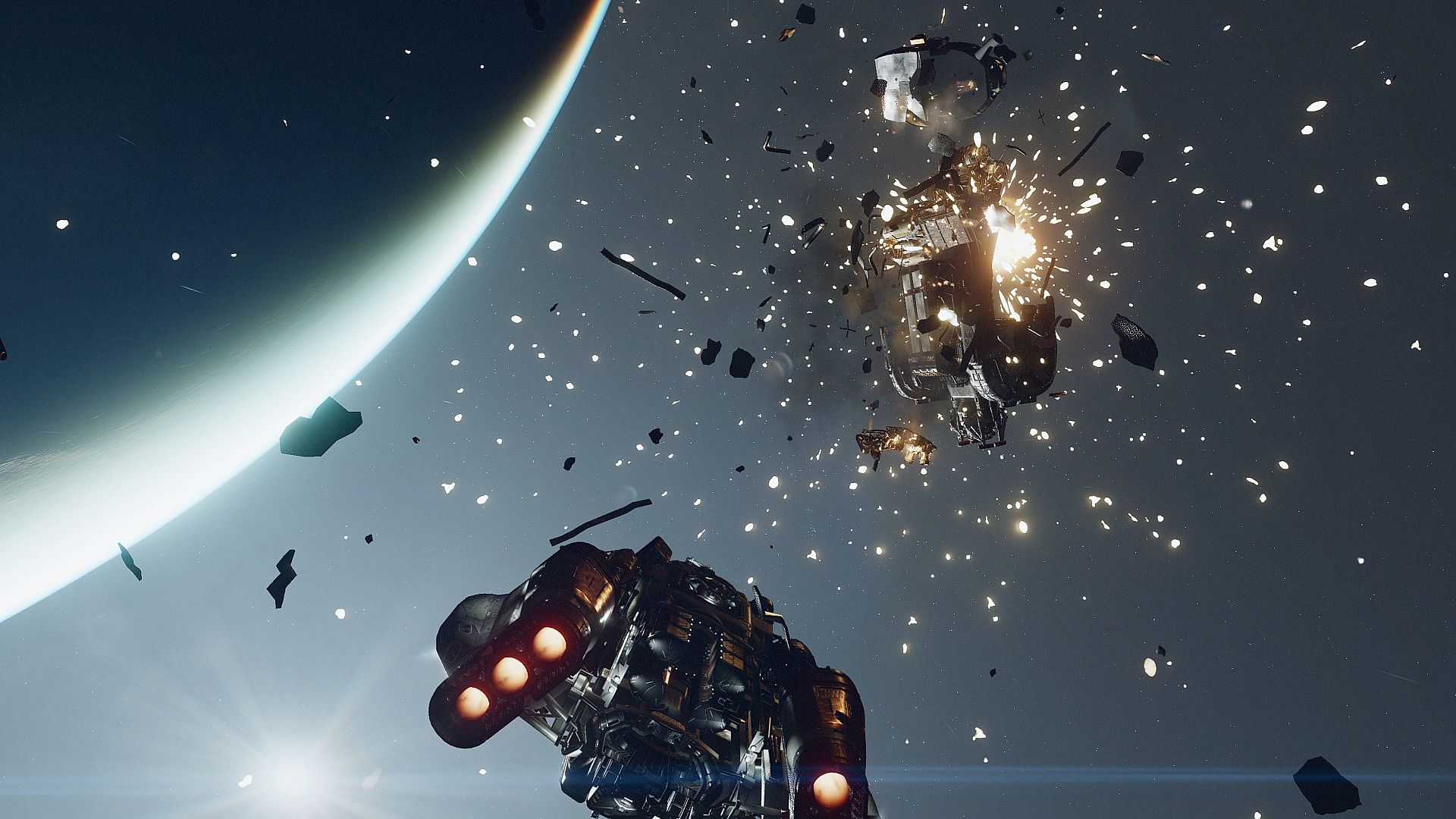
Besonders heraussticht das Schiffsmanagement. Spieler können Rümpfe, Waffen und Triebwerke individuell anpassen und so unterschiedliche Spielstile umsetzen. Im Cockpit steuern sie Raumschiffe in Echtzeit durch Gefechte, docken an Stationen an oder entern feindliche Schiffe. Am Boden verbindet sich der Kampf mit Schusswaffen und Schubdüsen, die Schwerelosigkeit ermöglichen und dynamische Positionswechsel erlauben. Rohstoffe dienen dem Crafting und dem Ausbau von Außenposten, wo angeheuerte Crew-Mitglieder Materialien abbauen und automatisierte Frachtverbindungen den Nachschub zwischen den Standorten regeln.
Spielmodi
Starfield ist ausschließlich als Einzelspieler-Erfahrung konzipiert und enthält keine Multiplayer-Elemente. Die Handlung dreht sich um die Artefaktsuche der Constellation, ergänzt durch verzweigte Fraktionsquests und zufällige Begegnungen während des Raumflugs. Ohne Zeitdruck oder Wettbewerb können Spieler frei über Planeten ziehen, Nebenaufträge annehmen oder eigene Flotten aufbauen.
Fortschritt ergibt sich aus wiederholbaren Aktivitäten wie Kopfgeldjagden für die Trackers Alliance oder Forschungsprojekten, die neue Rezepte freischalten. Diese Systeme sind fest in das Einzelspieler-Erlebnis eingebunden und fördern neue Durchgänge mit unterschiedlichen Charakterausrichtungen.
Erkundung und Fortschritt
Auf den Planeten entdecken Spieler unterschiedliche Biome mit Flora und Fauna, die gescannt und fürs Crafting genutzt werden können. Einmal eingerichtet, liefern Außenposten passiv Ressourcen und geben den Fokus frei für Story-Missionen oder Schiffsupgrades. Der Fertigkeitsbaum belohnt Spezialisierungen in Bereichen wie Tarnung, Überzeugung oder schweren Waffen, während rekrutierte Begleiter während Quests zusätzliche Boni gewähren.
Bis 2026 erschienene Updates haben das Raumfahrtsystem mit verbesserter interplanetarer Navigation und neuen Story-Inhalten erweitert, die weitere Fraktionen und Mechaniken einführen. Der Fokus bleibt dabei auf persönlicher Entdeckung, ohne das grundlegende Einzelspieler-Konzept zu verändern.
Lohnt sich das Spiel?
Starfield richtet sich an Spieler, die tiefgehende Einzelspieler-Rollenspiele mit starkem Fokus auf Schiffskonstruktion, planetarer Erkundung und freier Entscheidung in der Handlung suchen. Die jüngsten kostenlosen Updates sowie der Terran Armada-Inhalt haben neue Begleiter, Ausrüstungsstufen und Erzählstränge hinzugefügt und damit frühere Kritik an der Inhaltsdichte aufgegriffen. Die Resonanz ist insgesamt gemischt: Viele loben den Umfang des Schiffbaus und des Kampfsystems, während prozedurale Elemente mancherorts als repetitiv empfunden werden.
Wer Bethesda-typische Freiheit in einem Weltraum-Setting sucht, findet hier viele Stunden durch Fraktionsgeschichten und Außenposten-Management. Dank anhaltender Unterstützung bietet das Spiel Neuankömmlingen heute ein rundes Solo-Erlebnis. Wer vor allem Schiffspiloten und Ressourcenmanagement schätzt, profitiert von einem systemgetriebenen Ansatz mit anhaltendem Spielwert.