




Su Nomine: Sassari 1349 is an indie RPG set in the divided city of Sassari during 1349 under the rule of the Crown of Aragon. Players take on the role of Agnese Tola, a woman drawn back into a web of political intrigue after her father's execution. The story centers on gathering information through exploration and conversations while navigating tensions between the Aragonese authorities, the House of Doria, and local families resisting external control.
Gameplay
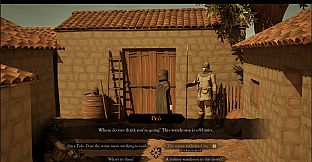
The core loop revolves around investigation and dialogue in a historically researched recreation of medieval Sassari. Players move through the city, complete quests, and interact with residents to collect details on alliances, conflicts, and daily life. These findings feed into reporting sessions where choices determine what reaches different power brokers.
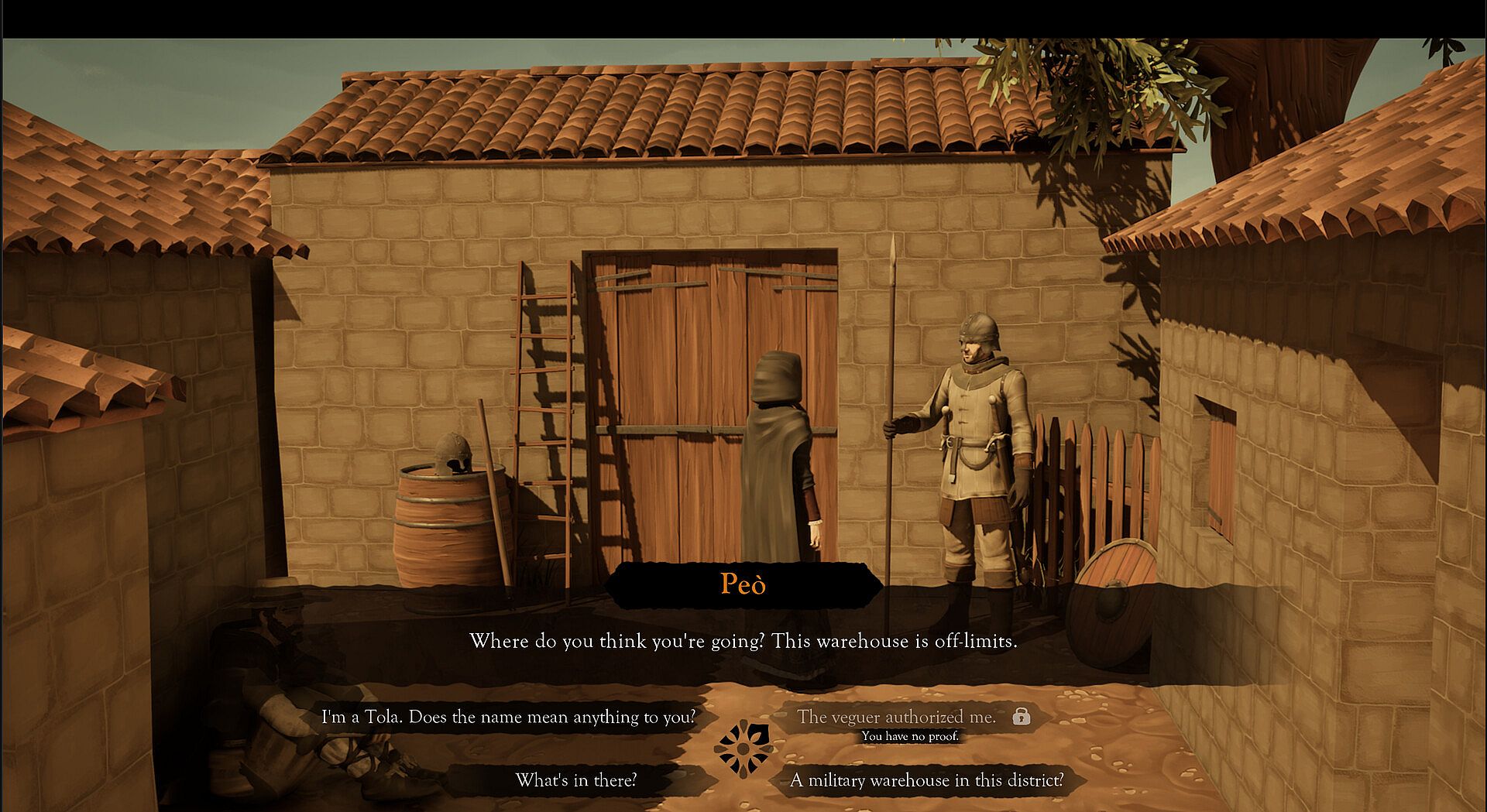
Dialogue options allow players to share accurate accounts, fabricate elements, or withhold key facts. Each selection shifts faction trust levels, which in turn changes available conversations, quest paths, and long-term outcomes for characters and the city itself. Persistent consequences mean early decisions can close off later opportunities or create unexpected alliances.
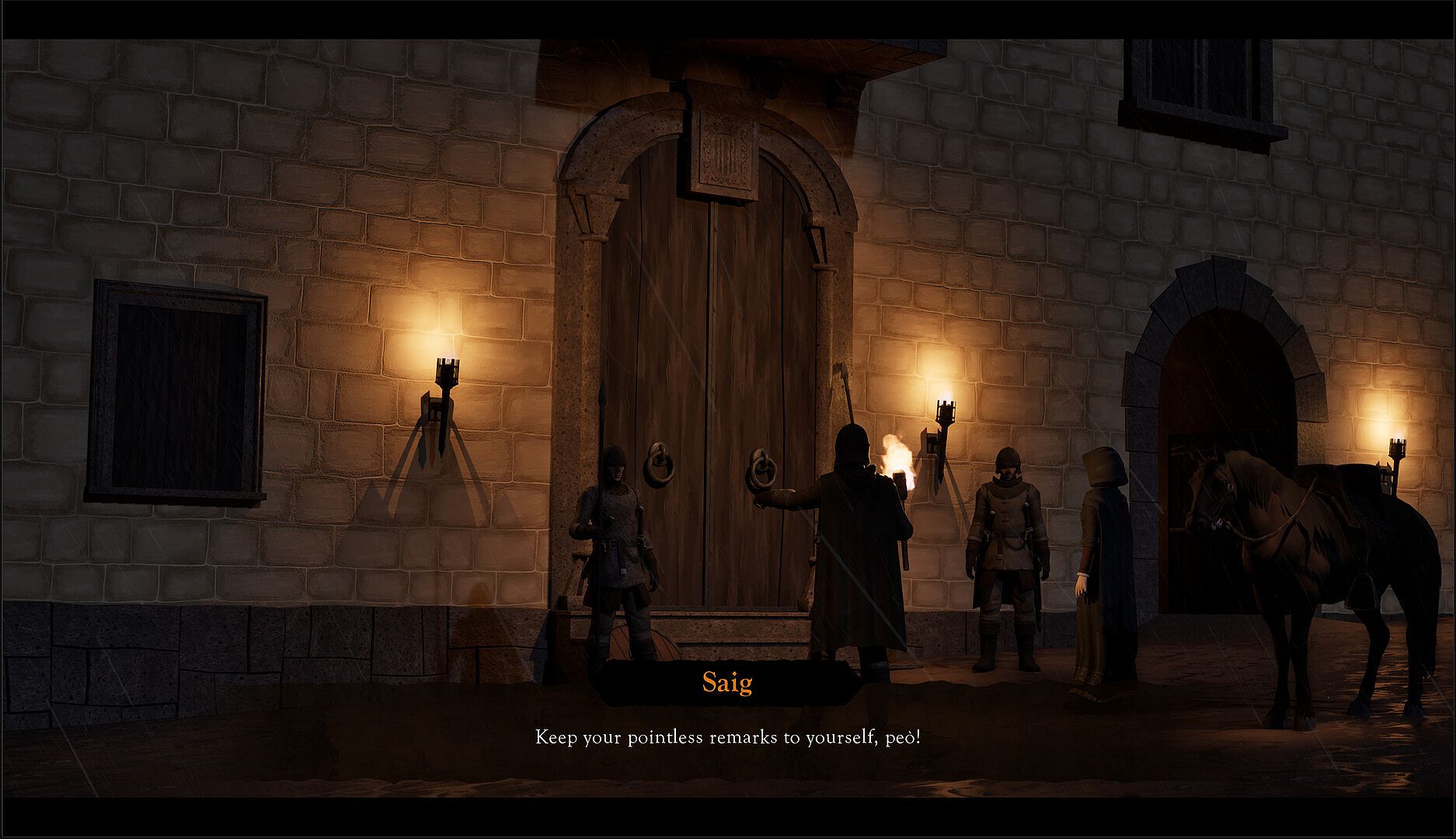
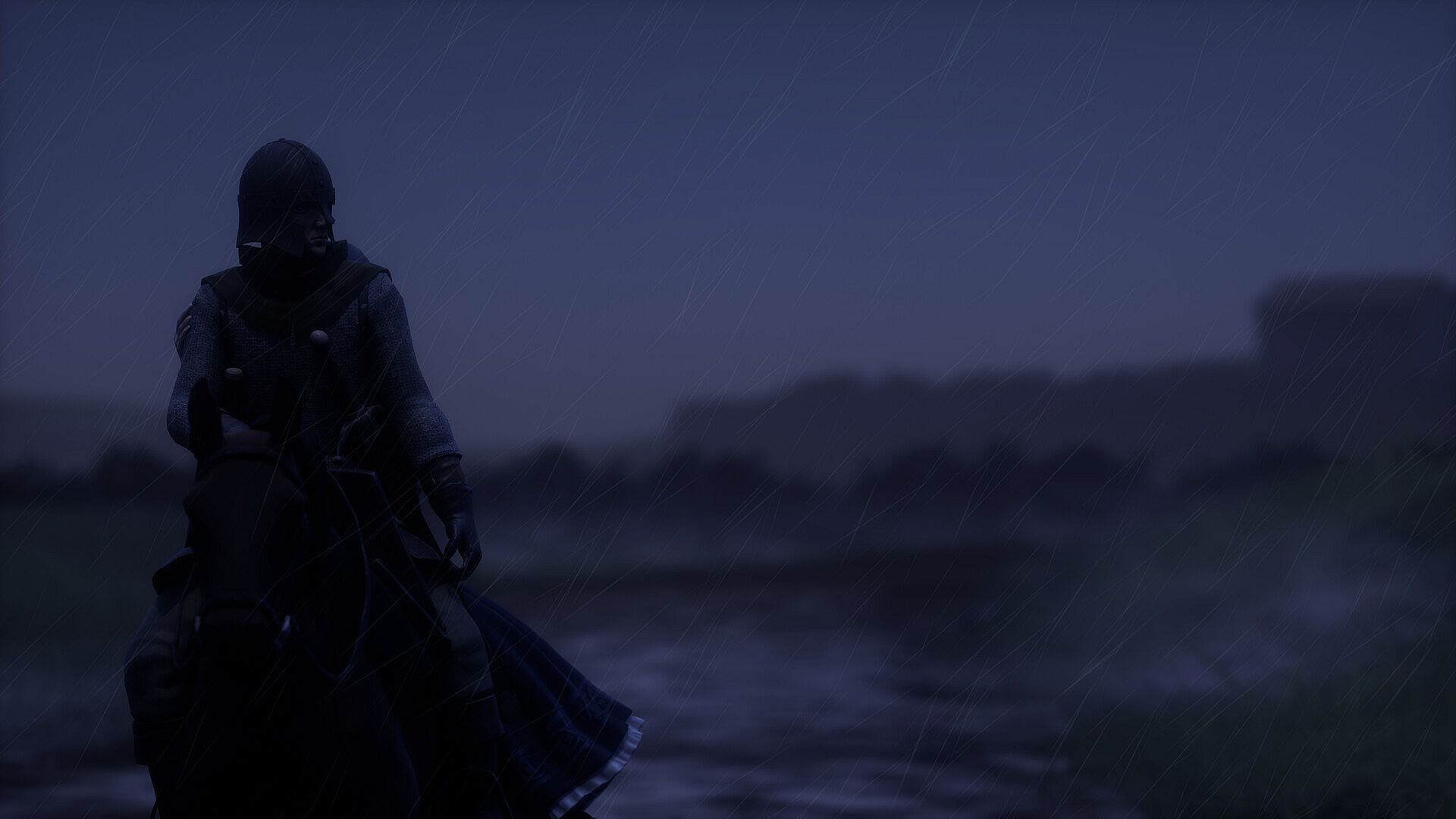
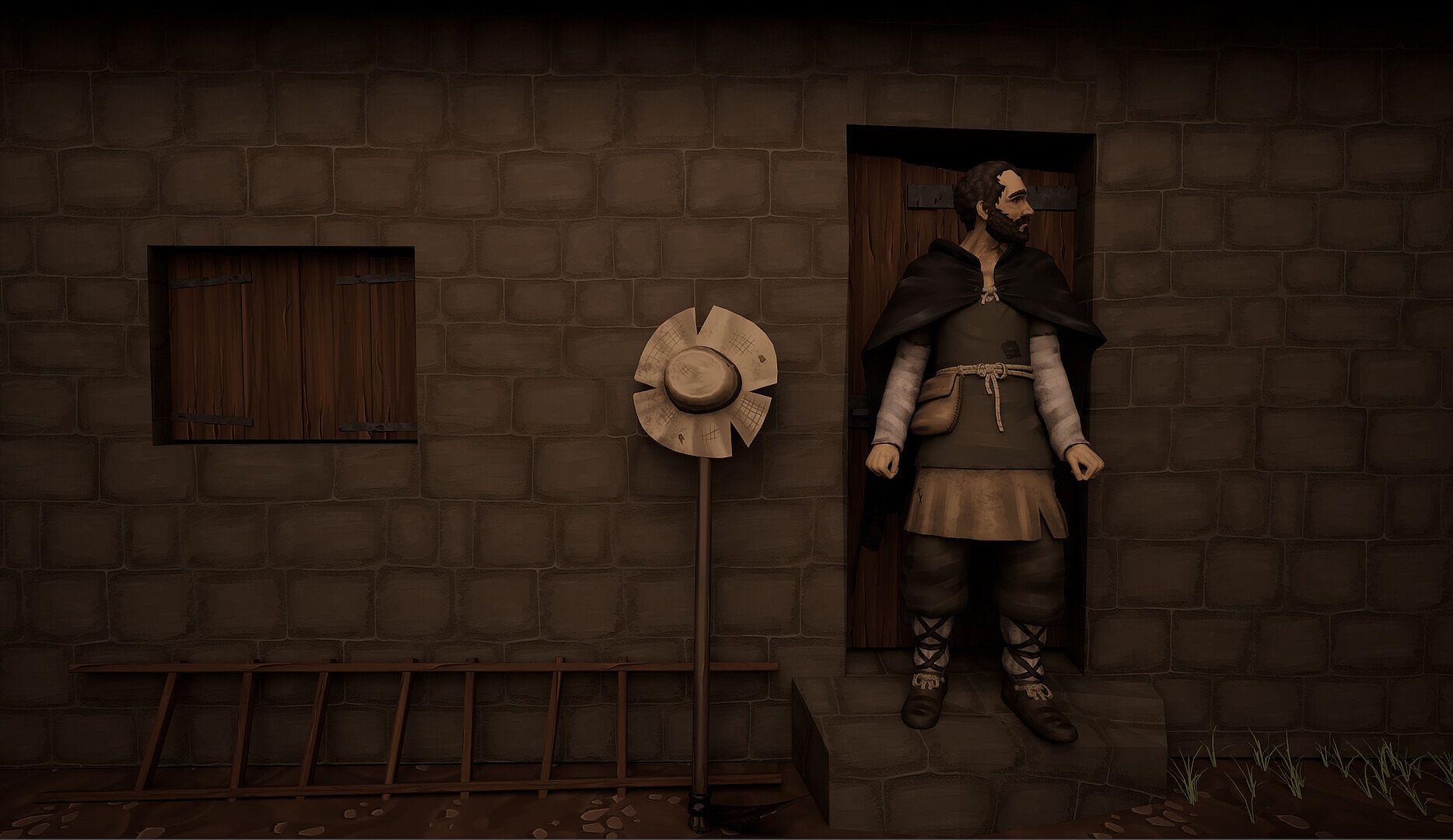
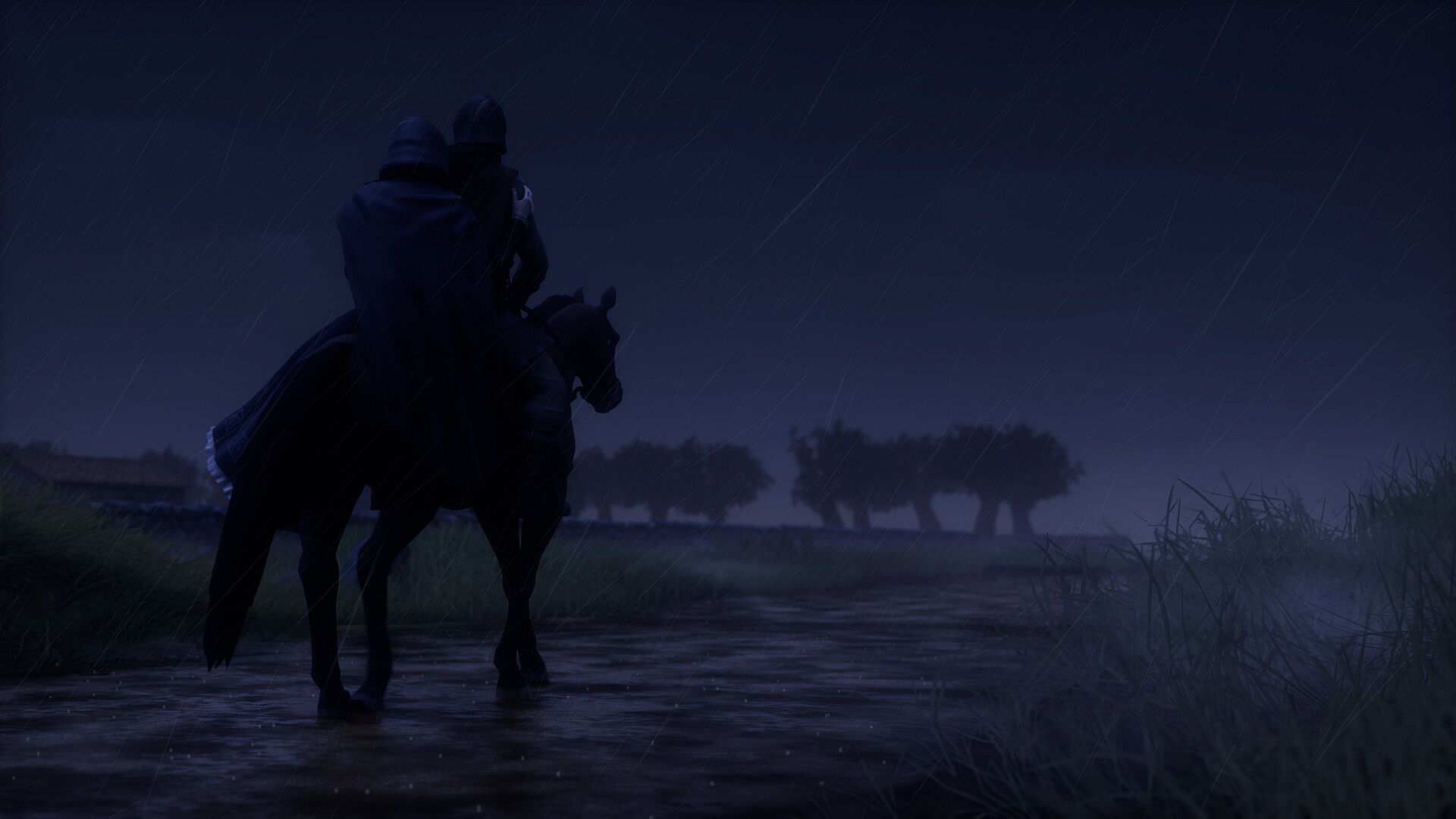
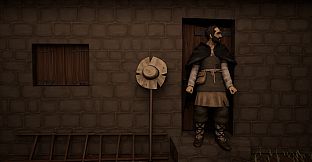
The environment supports this through exploration of buildings, streets, and social spaces rendered in a stylised painterly 3D style. Weather effects like rain on stone surfaces and the muted earthy palette reinforce the atmosphere of tension and uncertainty without relying on overt visual spectacle.
Game Modes
The game operates entirely as a single-player experience focused on narrative progression and choice consequences. There are no separate multiplayer components or distinct modes beyond the main story campaign. All gameplay centers on the ongoing campaign where decisions accumulate across the full playthrough.
Progression follows a linear structure with branching outcomes driven by information management and faction alignment. Players revisit locations and characters as relationships evolve, but the experience remains contained within one continuous story arc rather than episodic or repeatable scenarios.
Historical Setting and World Building
Development draws on academic input and primary sources to portray 14th-century Sardinian politics, architecture, and social structures. Real documented events and figures appear alongside the fictional story of Agnese Tola, creating a grounded backdrop where religion, family ties, and power struggles feel integrated into daily interactions.
The city itself functions as more than scenery. Its layout, material details, and political divisions directly influence available information and the weight of player choices. Supporting one side often carries visible costs for others, reflecting the documented rivalries of the period.
Is It Worth Playing?
With the game still listed as coming soon and no user reviews available yet, any assessment rests on the described systems. Those drawn to choice-driven narrative RPGs will find appeal in the emphasis on dialogue consequences and faction management rather than combat or resource grinding.
The single-player format suits players who enjoy replaying to explore different alignments or withheld information paths. Historical accuracy adds depth for those interested in medieval Sardinia, while the painterly aesthetic and mature themes of political persecution provide a distinct tone.
Potential buyers should note the focus on conversation and decision persistence over traditional RPG progression systems. If that style matches personal preferences for story-focused titles, the game offers a self-contained experience centered on moral and political trade-offs in a believable setting.