

Sumo Dynasty is a strategy, simulation, and sports management game set in the world of professional sumo. Players take on the role of an oyakata, the head of a sumo stable, and focus entirely on behind-the-scenes decisions rather than competing in the ring themselves. The experience centers on building a lasting organization by recruiting talent, overseeing training, handling finances, and guiding wrestlers through the ranks of the banzuke over multiple eras starting from 1967.
Gameplay
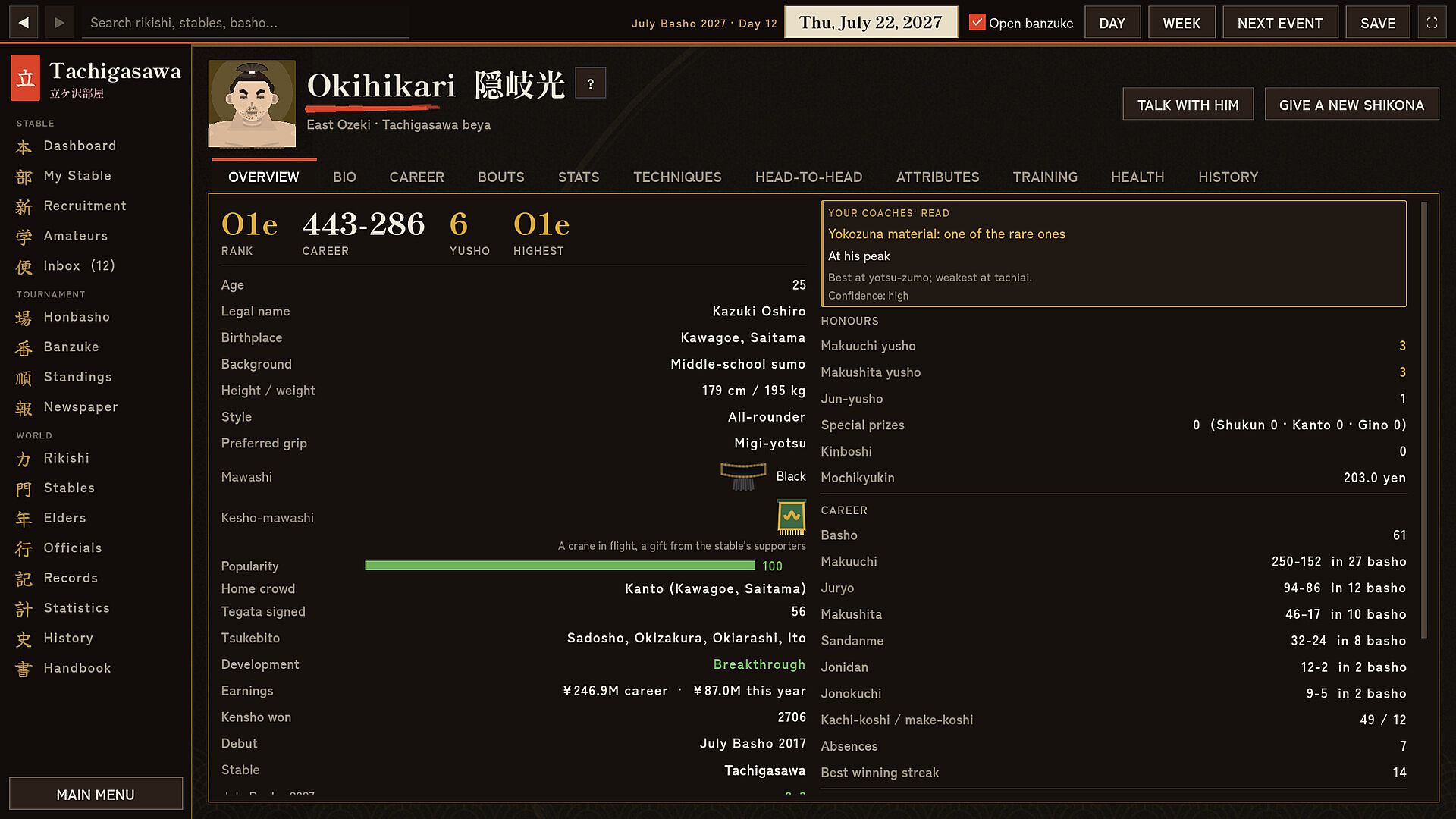
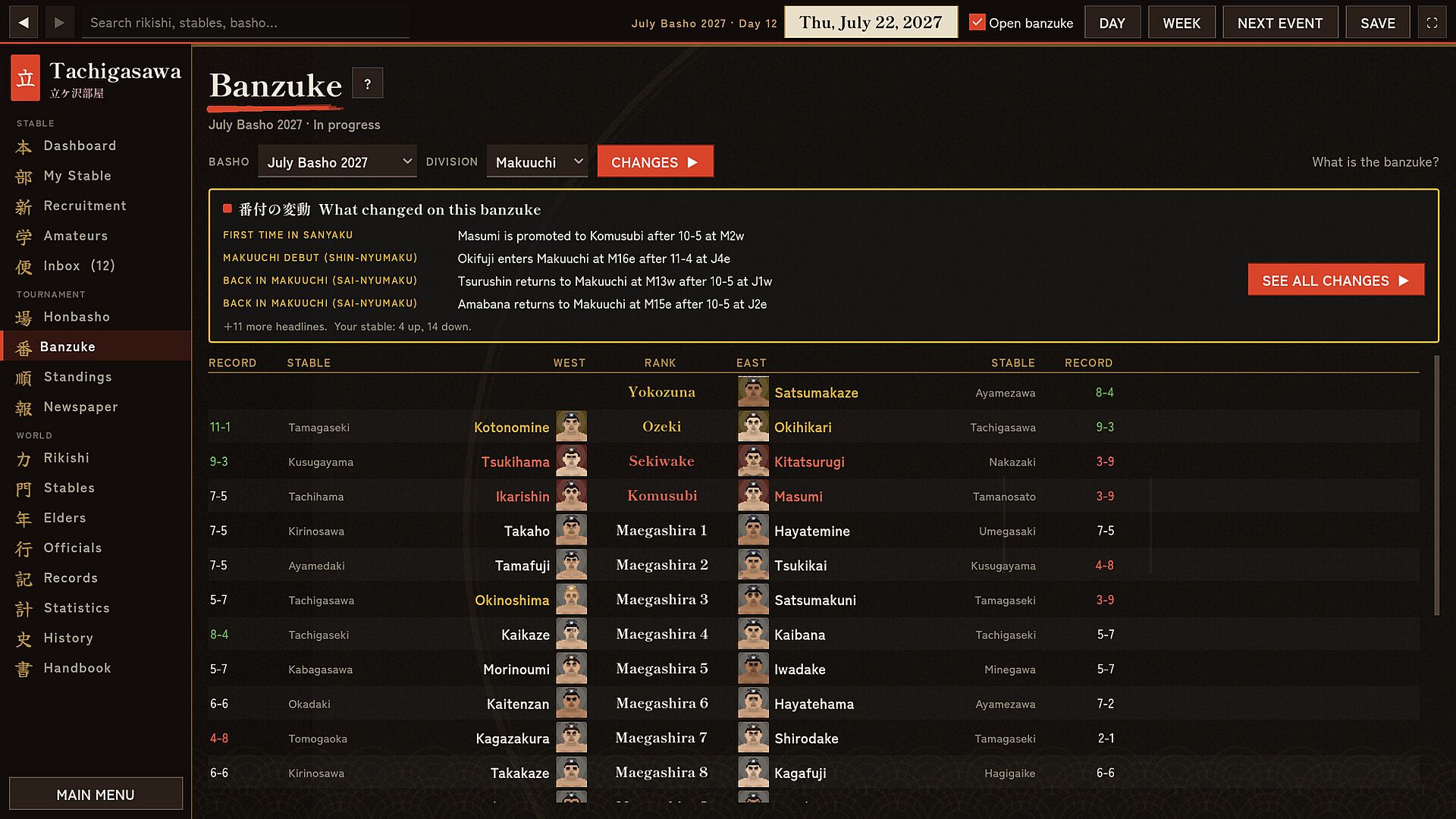
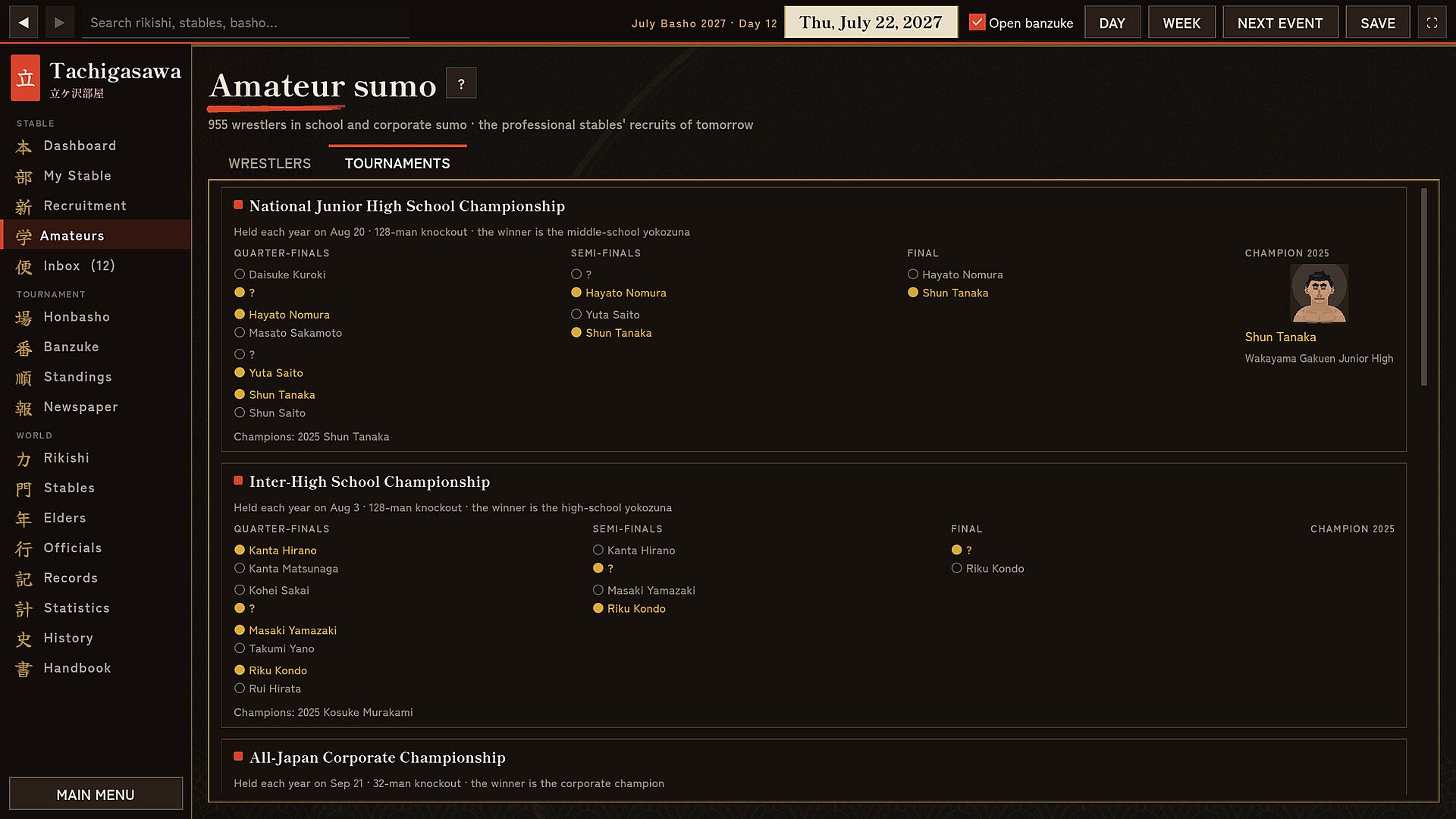
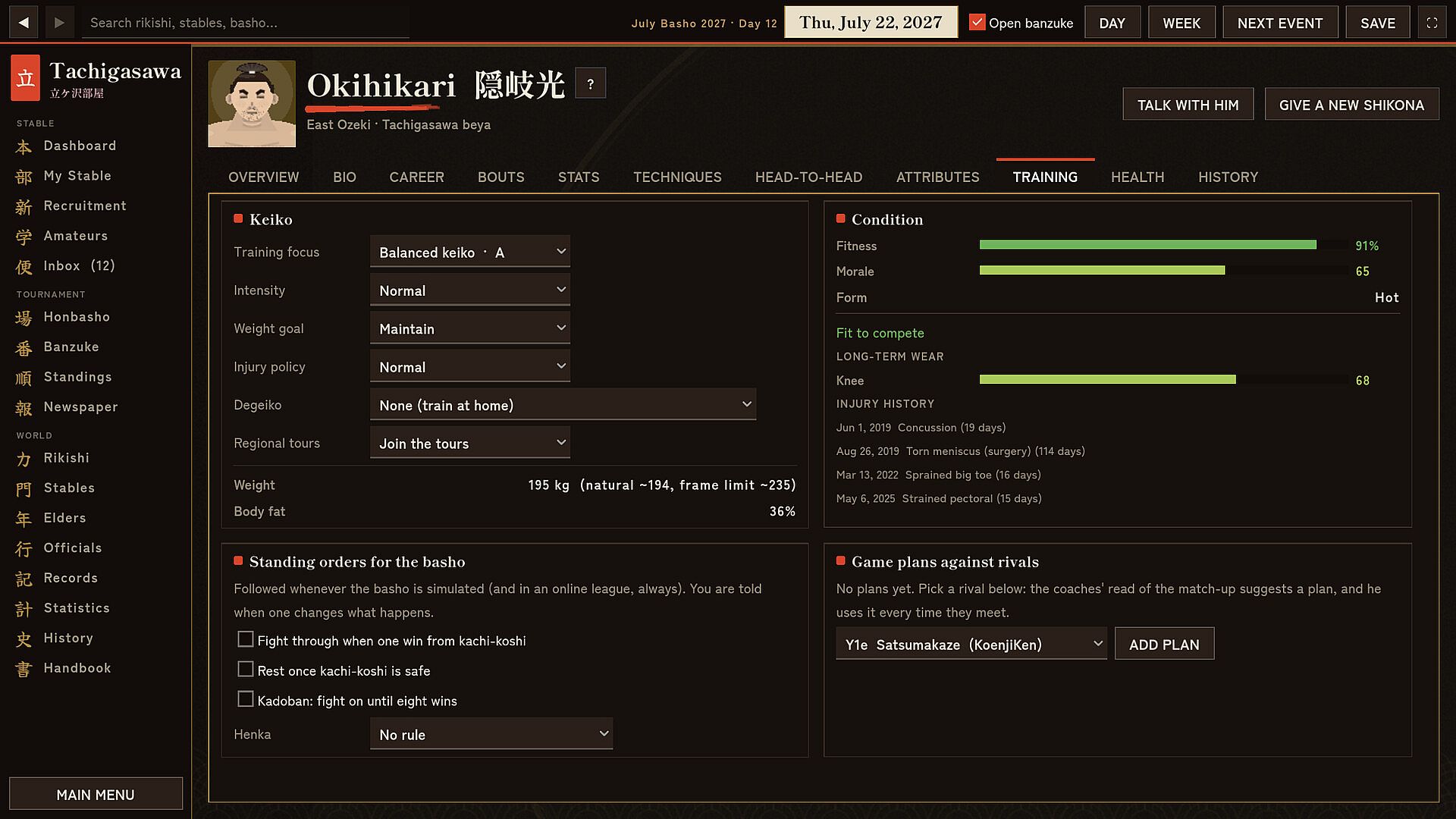
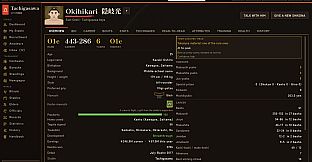
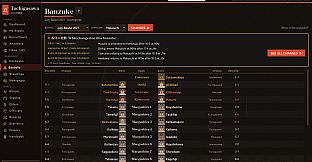
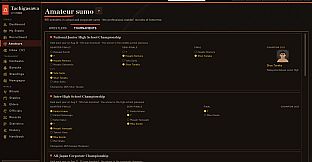
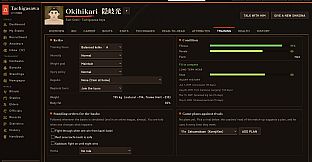
The core loop revolves around long-term stable management and detailed simulation of sumo rules. Every wrestler occupies a precise position on the banzuke across all six divisions, and a Banzuke Committee updates rankings after each tournament based on real conventions. Players handle scouting from amateur circuits, where hundreds of middle-school, high-school, university, and corporate athletes develop over time, and they can follow prospects for years before they turn professional. Training regimes, degeiko sessions, mentors, and staff assignments shape individual progress, while standing orders dictate how wrestlers approach bouts when the player is not actively managing each day.
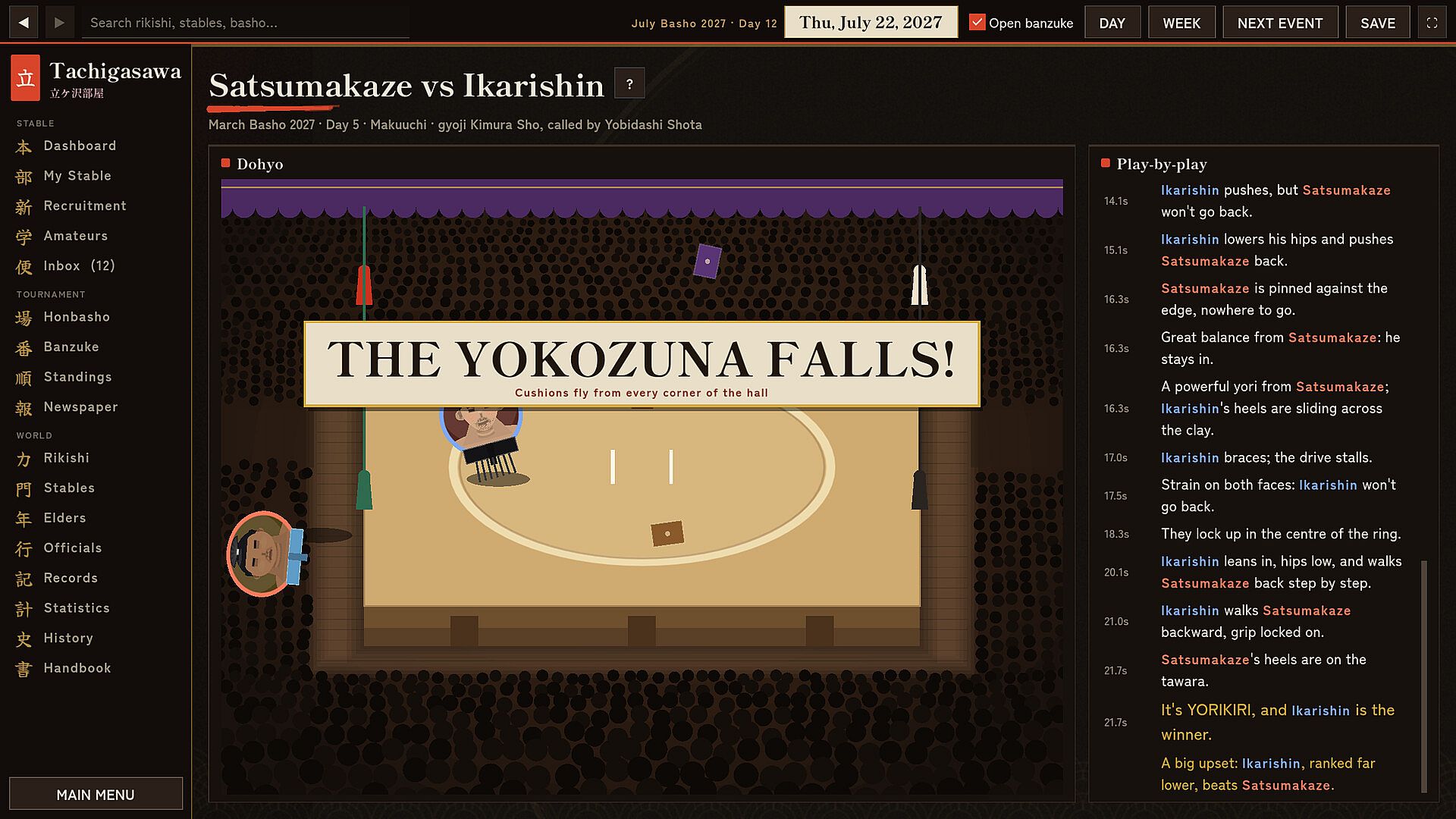
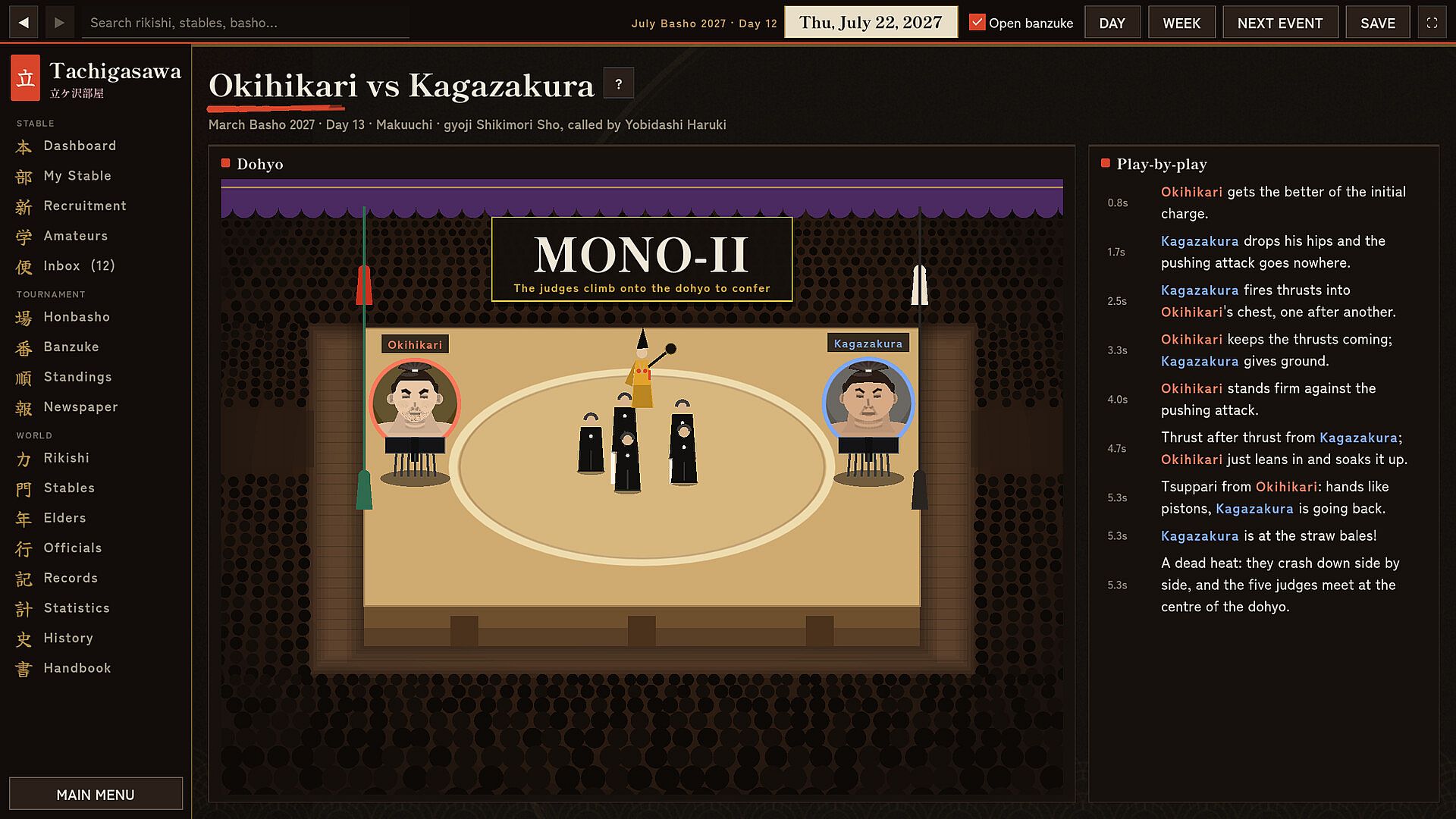
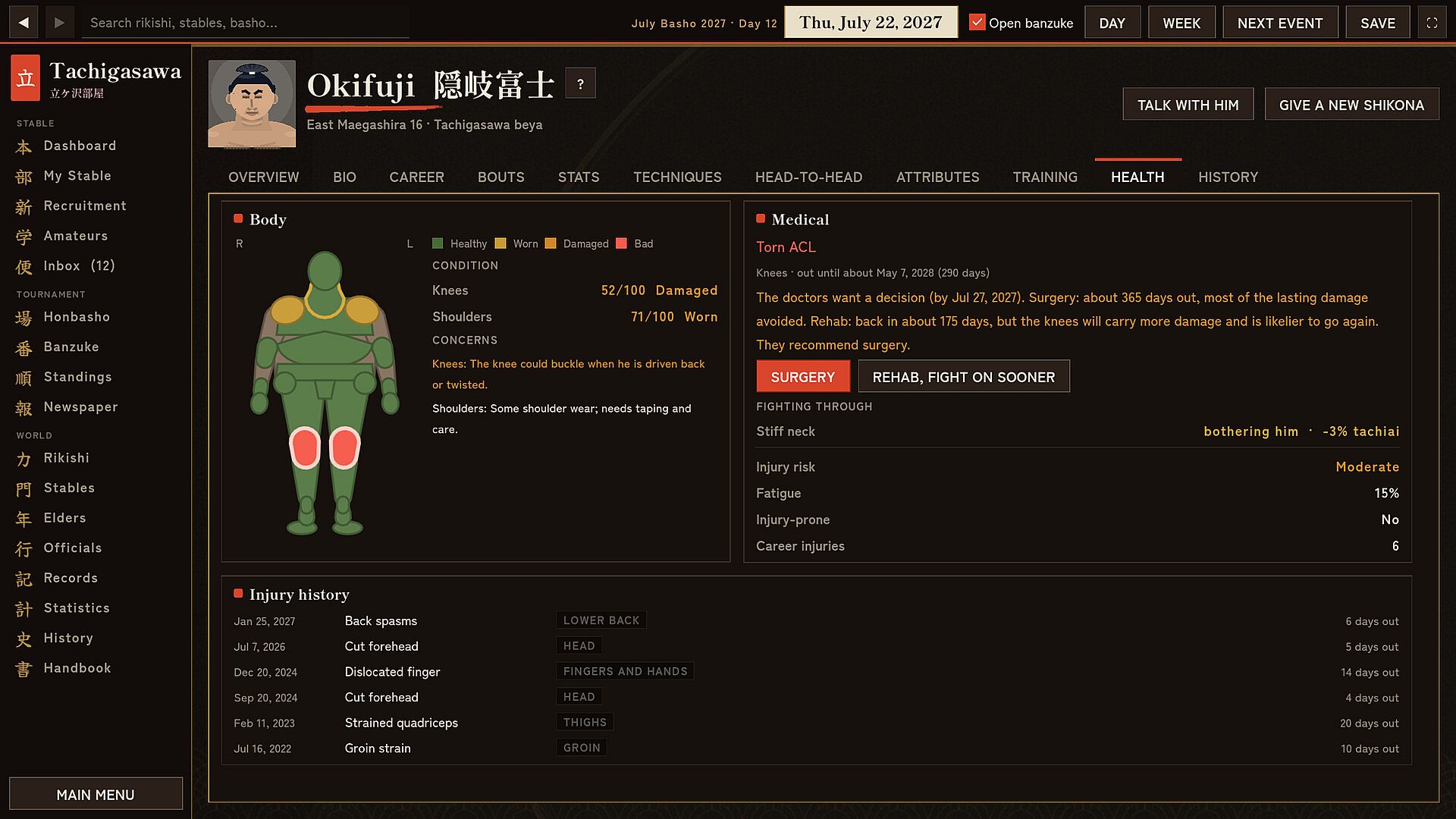
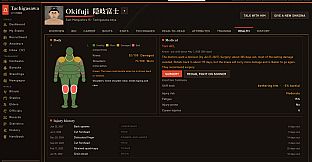
Bouts receive full simulation from the initial charge through to the finish, incorporating 82 kimarite techniques plus non-technique outcomes. Players can set bout plans such as all-out tachiai, push and thrust, belt fighting, or a risky henka, and they monitor injuries through a body map that tracks lasting damage. Decisions include whether to pursue surgery or allow a wrestler to fight through ailments, with policies for withdrawals and regional tours. The world advances independently, so rival stables compete for the same recruits and the broader sumo association evolves with board elections and ichimon politics.
Financial management covers sponsor bids for popular sekitori, kensho banners, stable projects, and earnings from supporters' groups. Elder names become available for purchase to secure post-retirement paths for wrestlers, and succession planning ensures the stable continues under a new master. Procedural faces and unique biographies add individuality to every rikishi, while records, rivalries, and a year-in-review summary track long-term achievements.
Game Modes
Single-player campaigns allow starting in any era from 1967 onward, with rules such as kosho, division sizes, pay scales, and foreign limits updating on their historical dates. A database editor supports creating custom stables and rikishi, adding photos, and sharing modifications. The in-game handbook provides explanations of sumo mechanics, a glossary, and details on each kimarite with real-world frequency data.
Multiplayer takes the form of online leagues supporting up to 45 owners, where each participant manages their own stable in a shared world. Decisions synchronize on a schedule set by the host, with options for weekly, daily, or full-tournament simulations. Autopilot handles absent owners, and a commissioner can pause or adjust the league. Fair competition governs recruit bidding, elder name auctions, and board seat elections according to in-game rules rather than connection speed.
Key Systems and Features
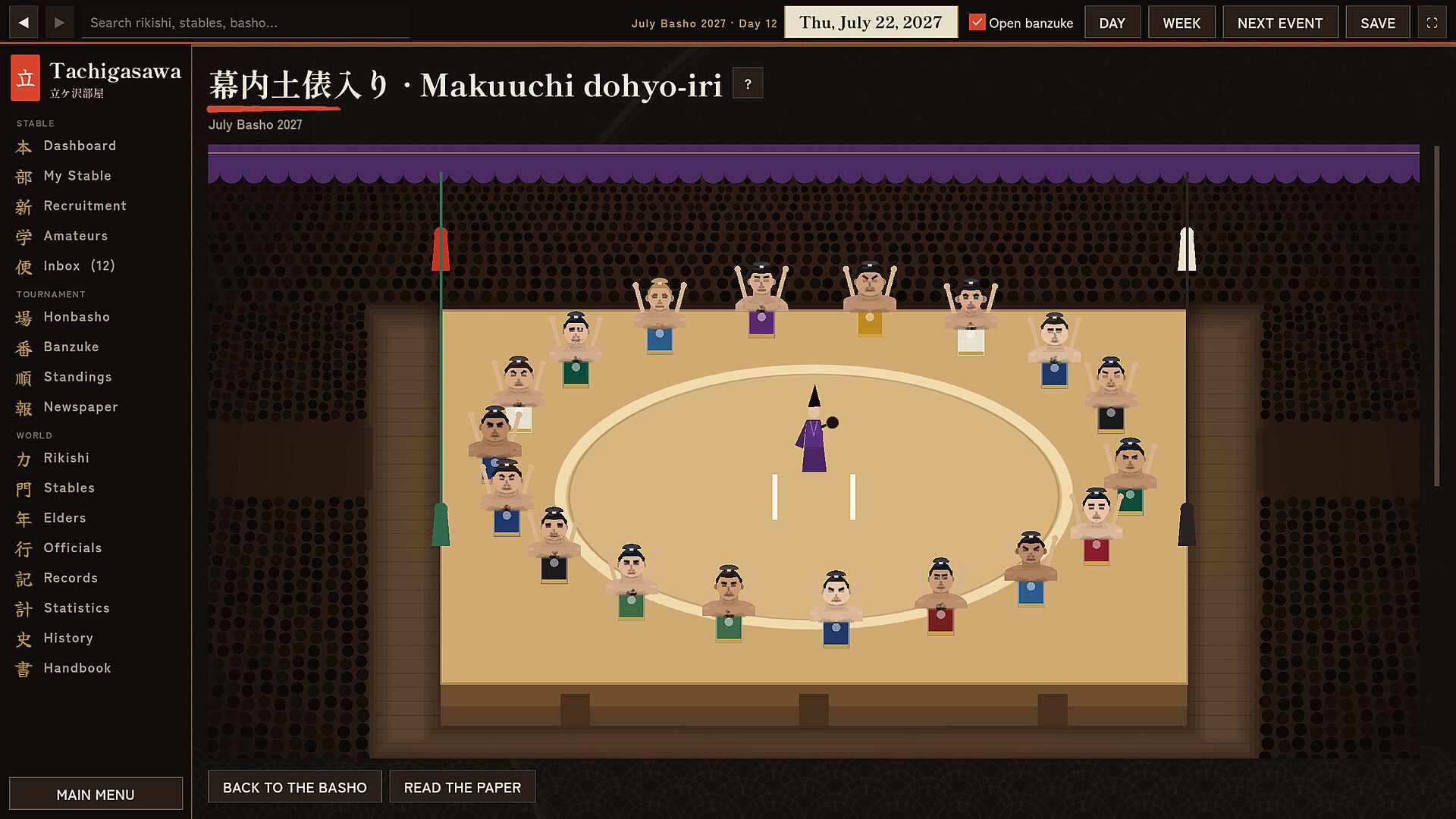
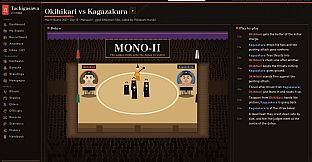
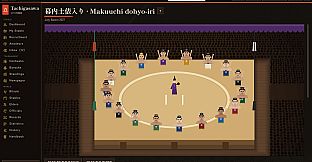
Amateur pathways feed into the professional ranks through seven national championships run as knockout brackets, granting tsukedashi rights under era-specific rules. Foreign scholarship students add another recruitment layer. Live tournament days let players step through bouts in real order, with play-by-play commentary, mono-ii judge conferences, and torinaoshi rematches when calls are close. Ceremonies including dohyo-iri, salt throwing, and the bow-twirling ritual appear in full during watched matches.
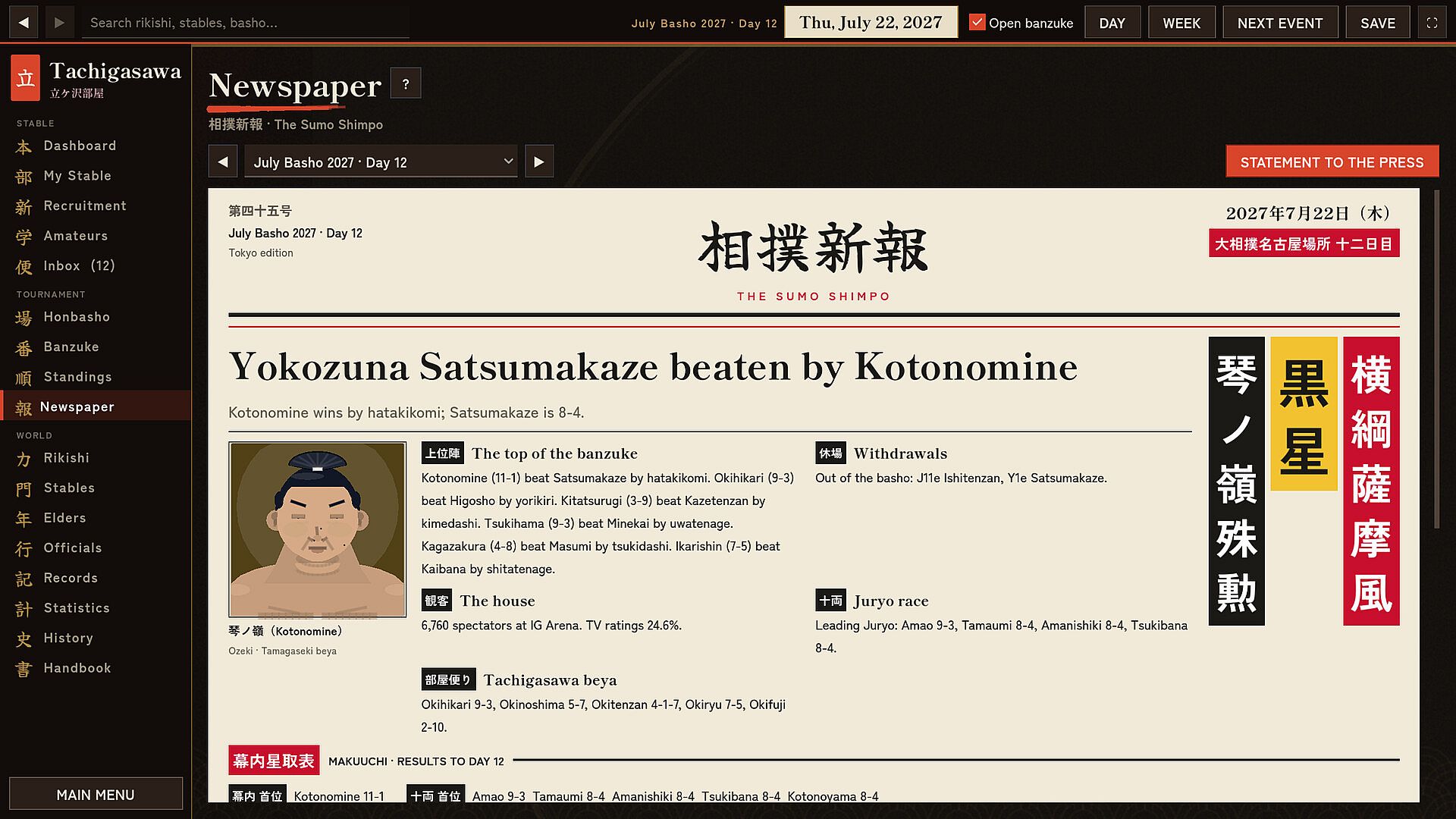
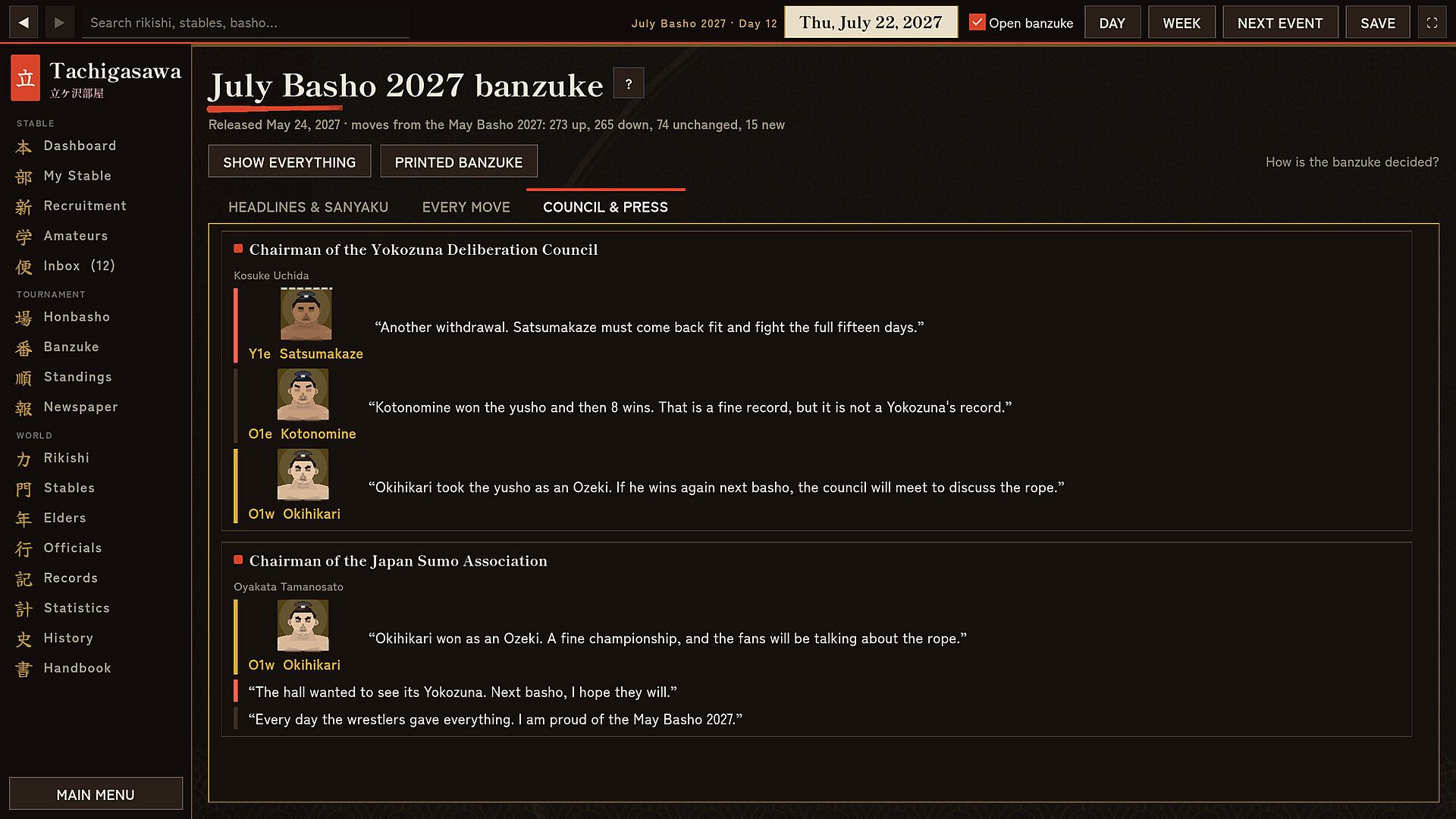
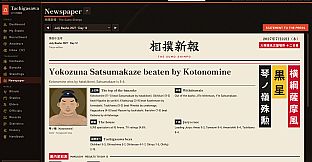
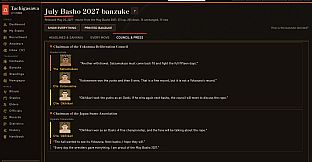
Post-basho events feature the Yokozuna Deliberation Council issuing public statements on performance, promotions, and potential retirements. A Japanese-style sports page generates for each banzuke and tournament day, complete with hoshitori tables and full-house stamps on major events. Players can submit 240-character press statements and make pre-tournament predictions scored against newspaper pundits.
Is It Worth Playing?
Sumo Dynasty targets fans of deep management simulations who appreciate authentic modeling of a niche sport. Its strength lies in the breadth of systems that mirror real sumo operations, from injury management and sponsorship dynamics to political elements within the association. The option for solo play or coordinated online leagues adds flexibility for different group sizes. Since the title remains in development with no public release date or player feedback available yet, those interested should monitor official channels for updates on launch timing and any post-release support. The combination of historical eras, detailed bout simulation, and dynasty-building elements makes it a specialized choice for players seeking something beyond standard sports management titles.