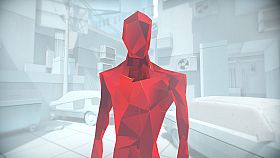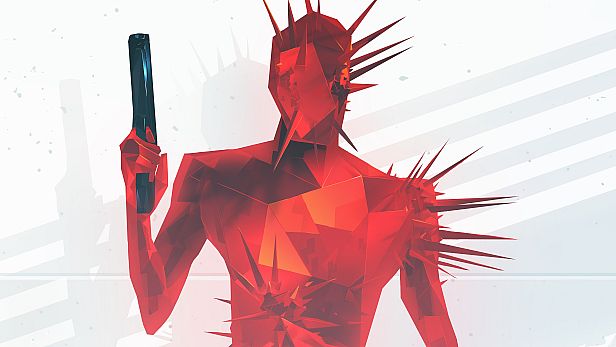








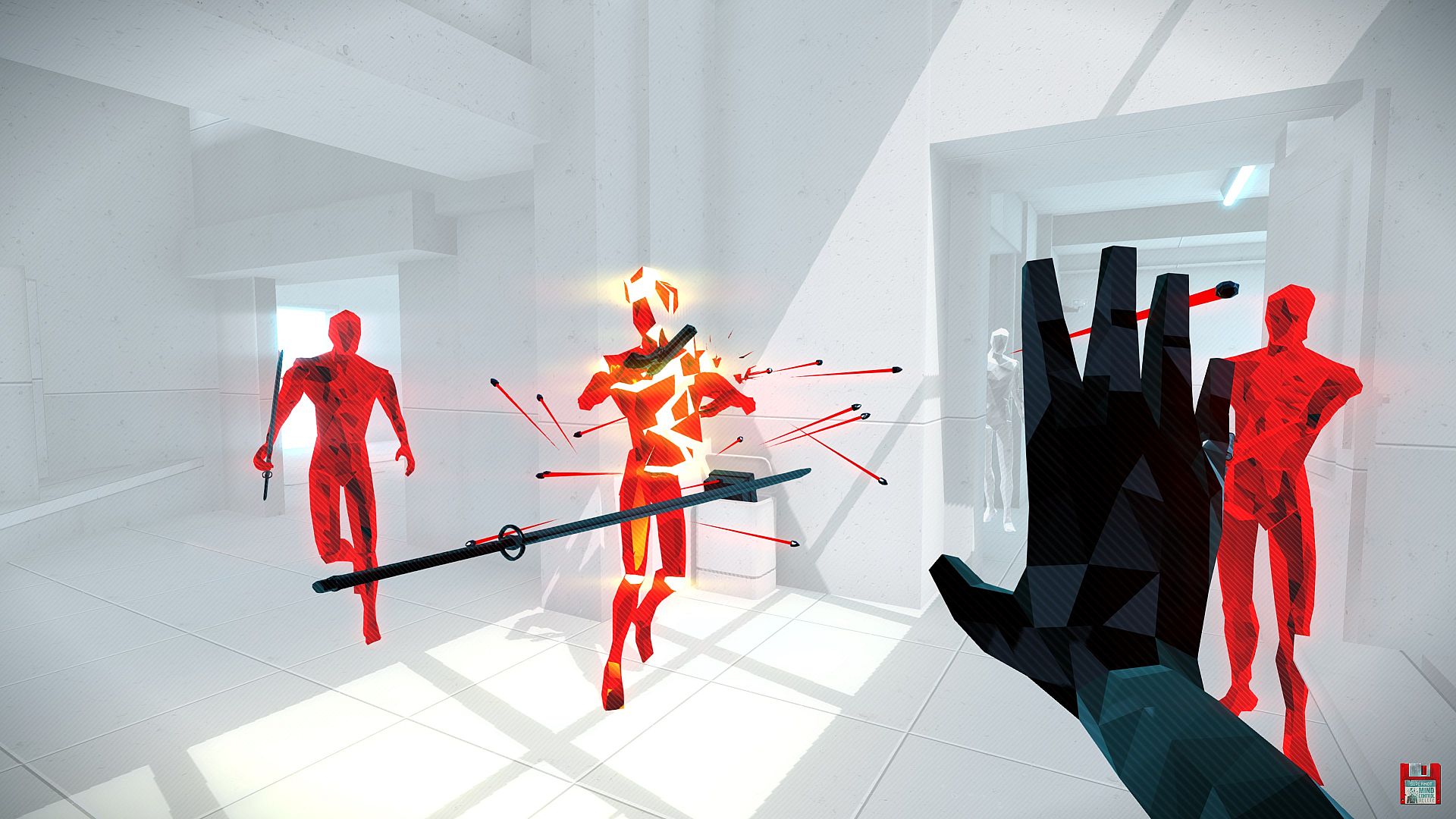
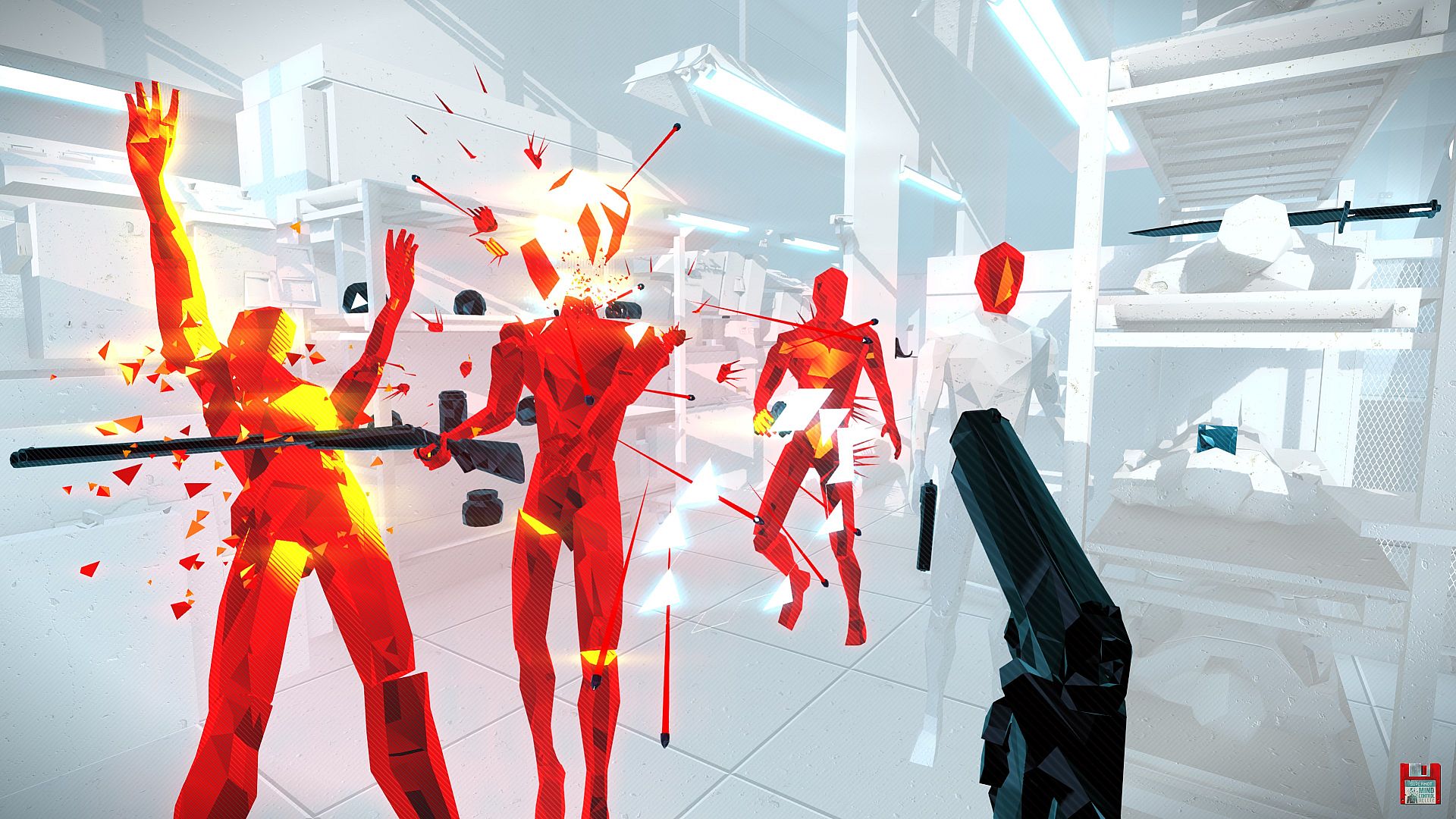
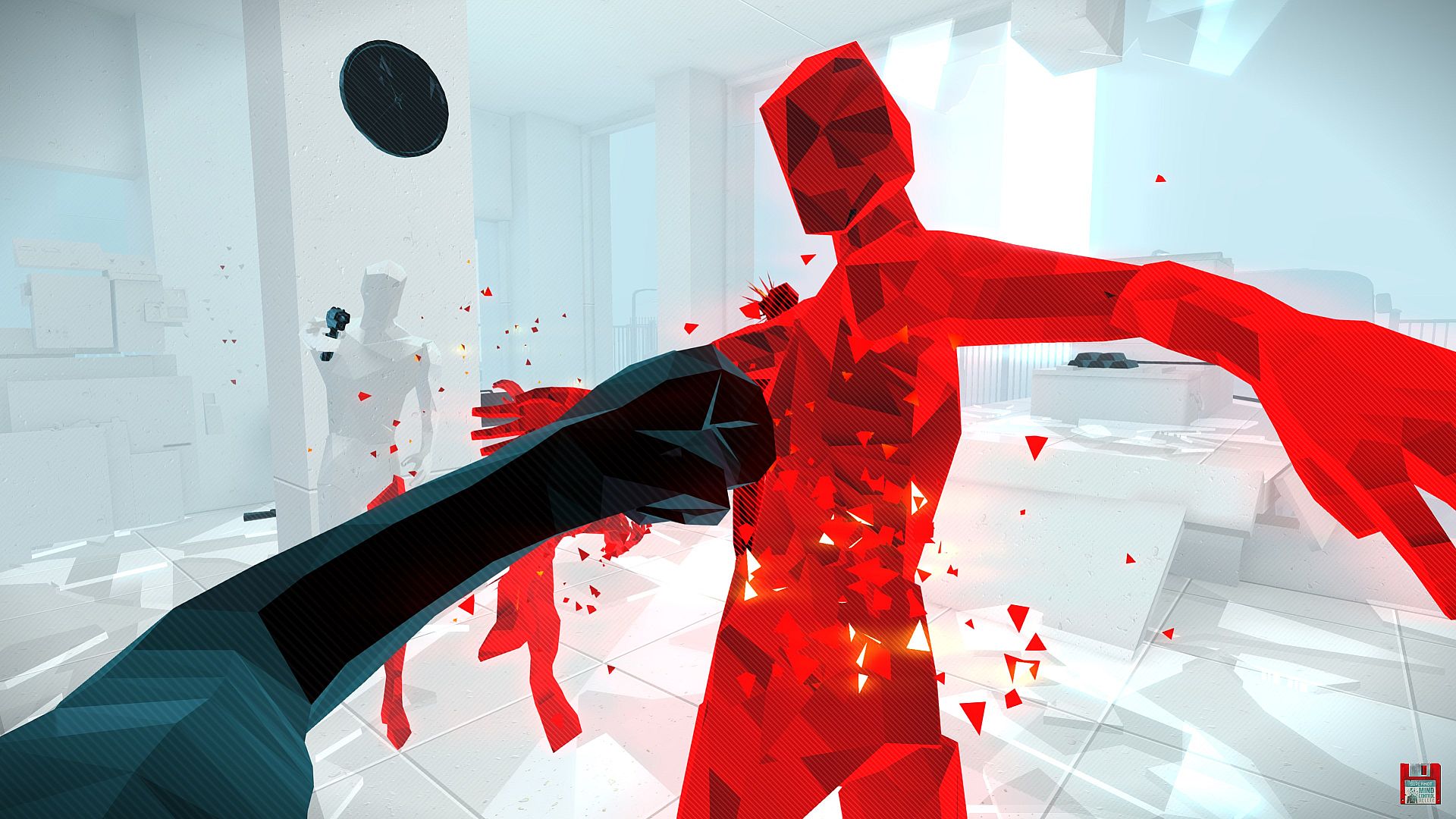
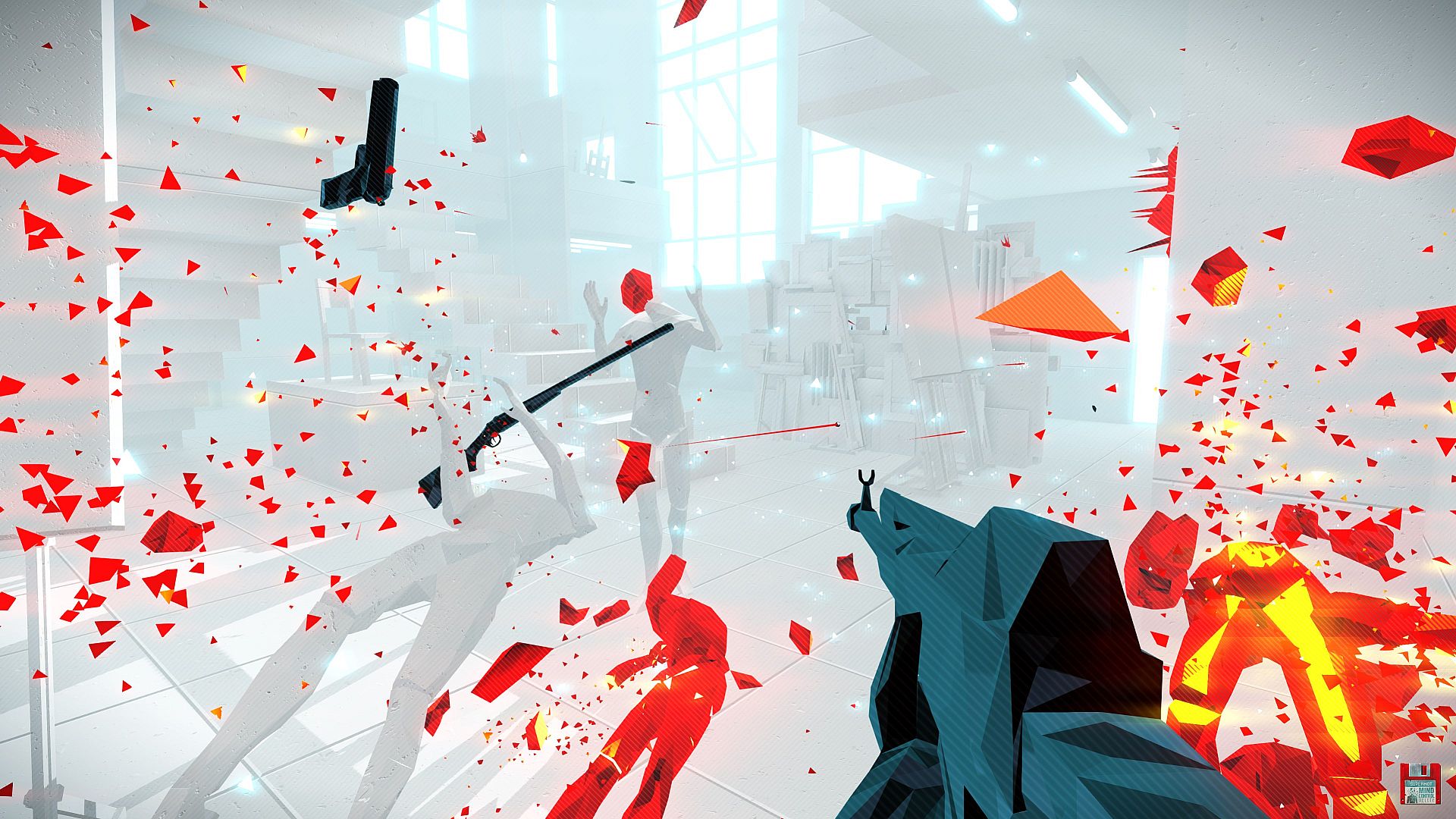
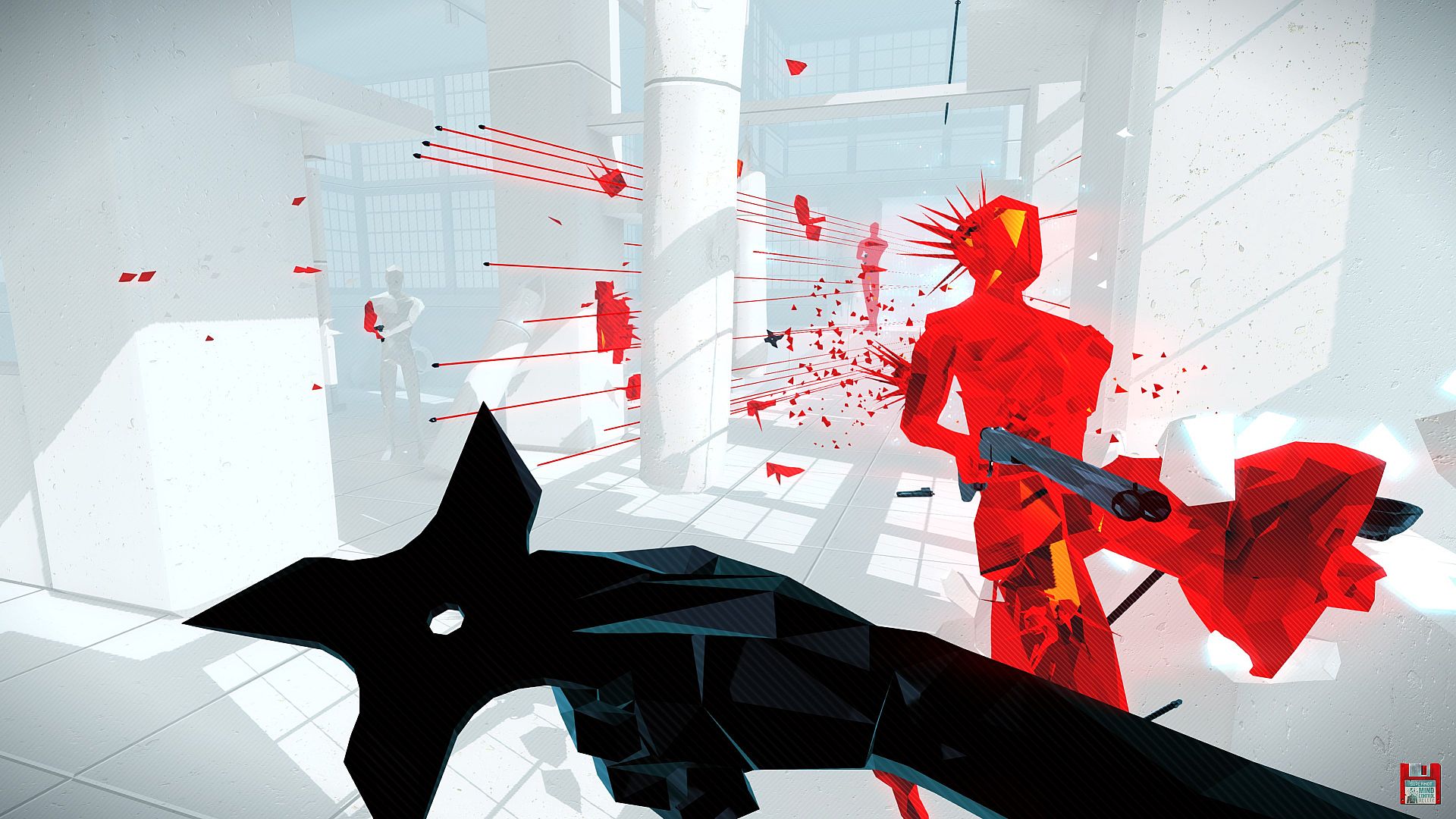
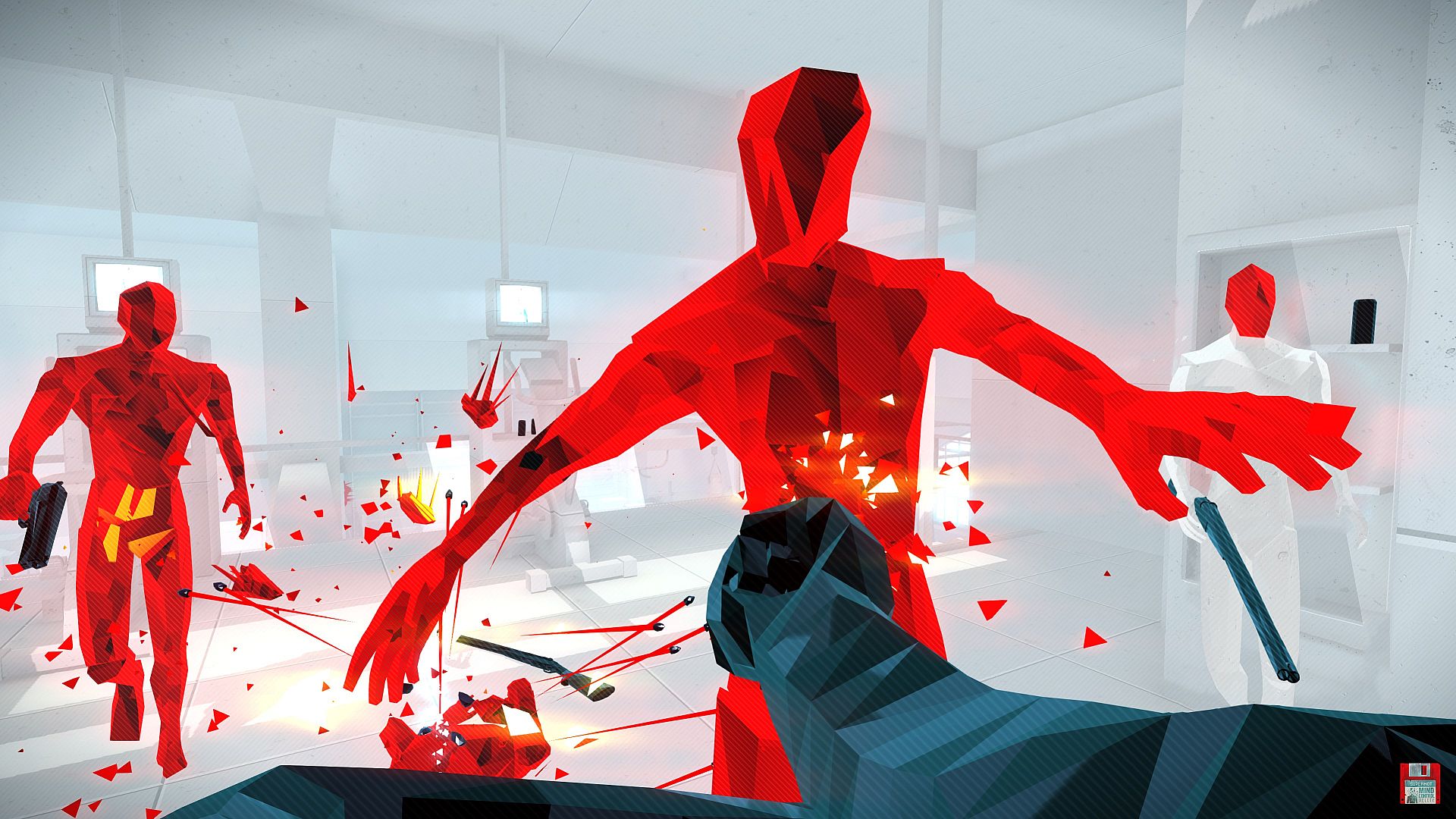
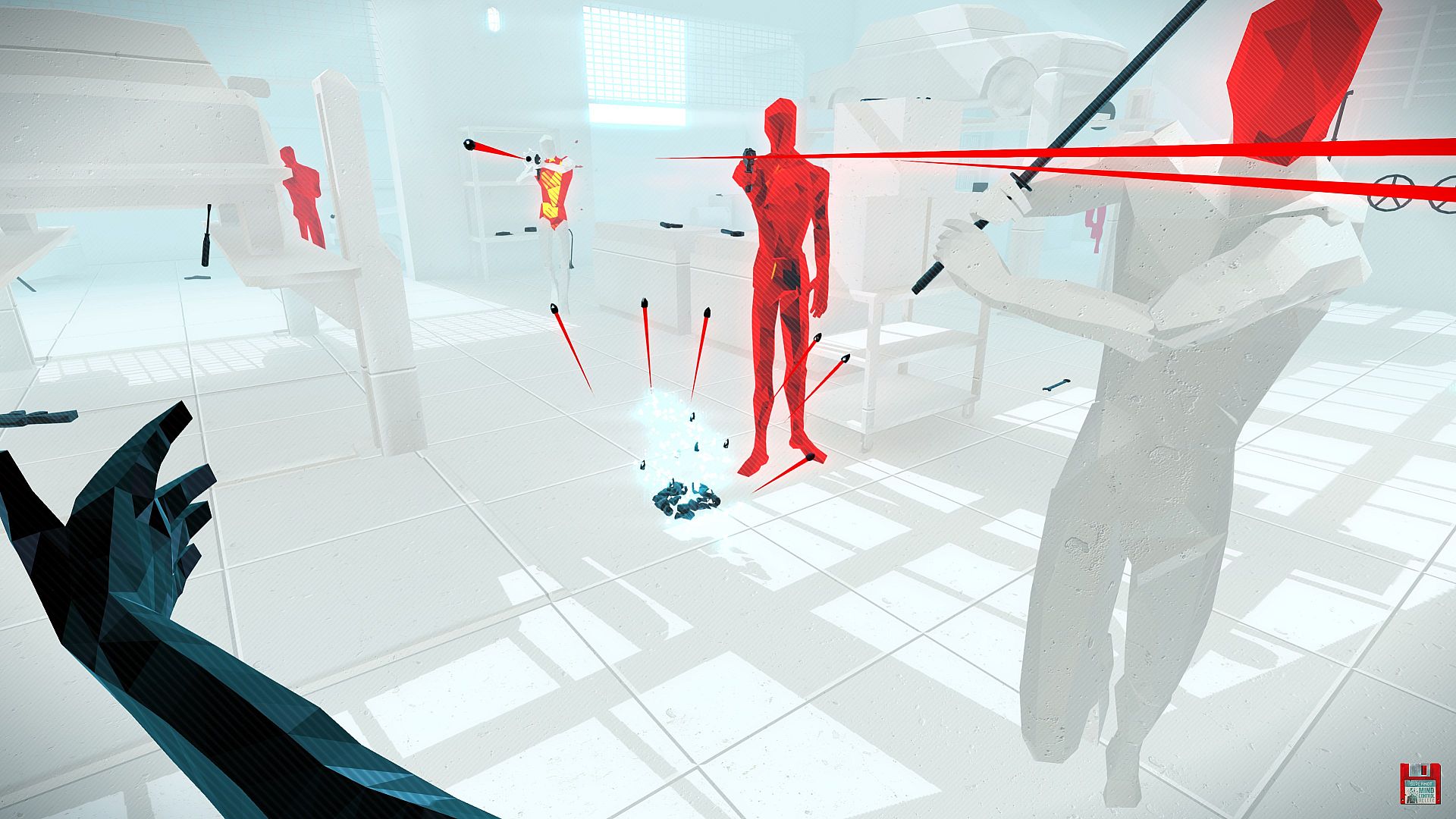
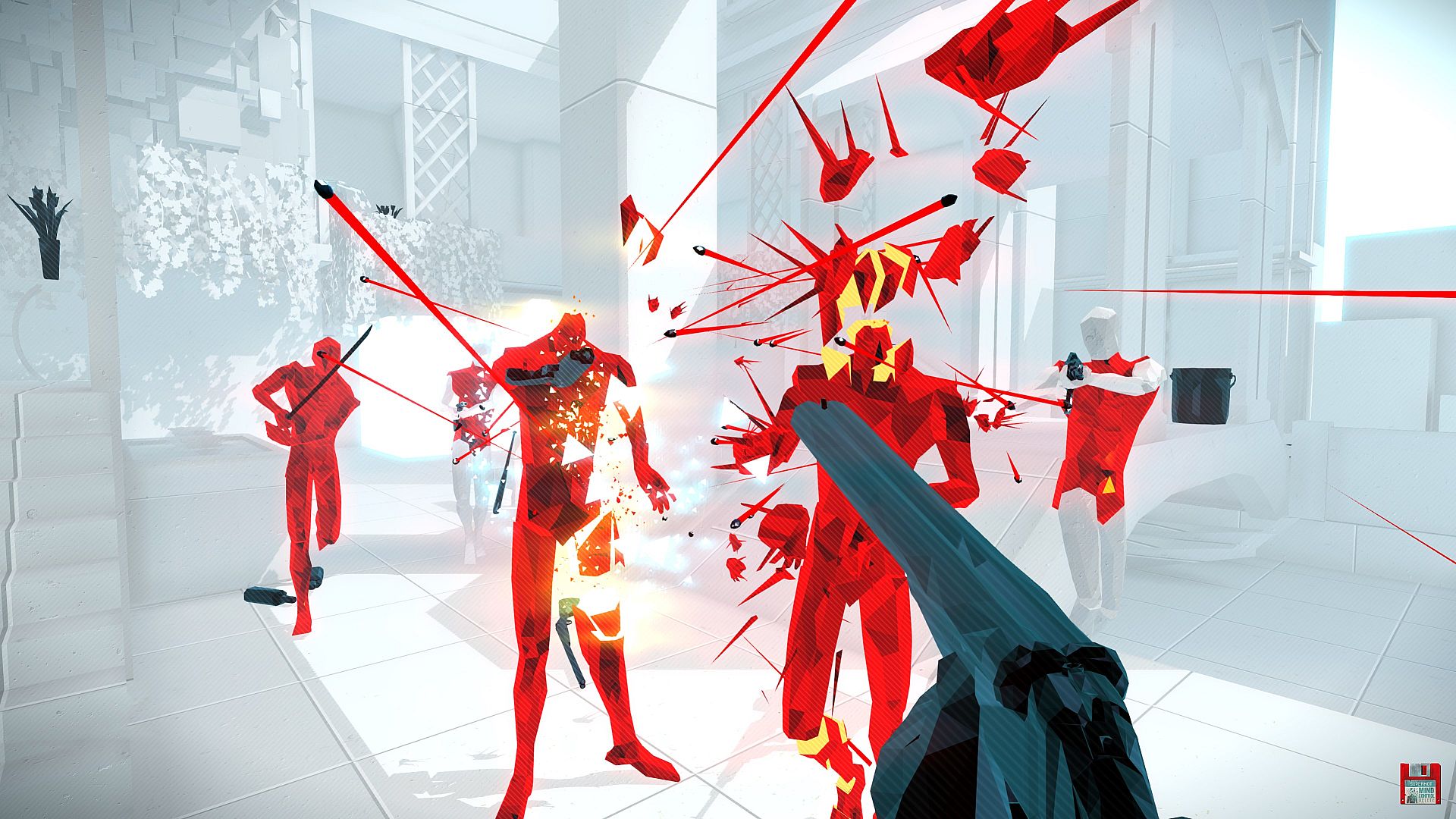
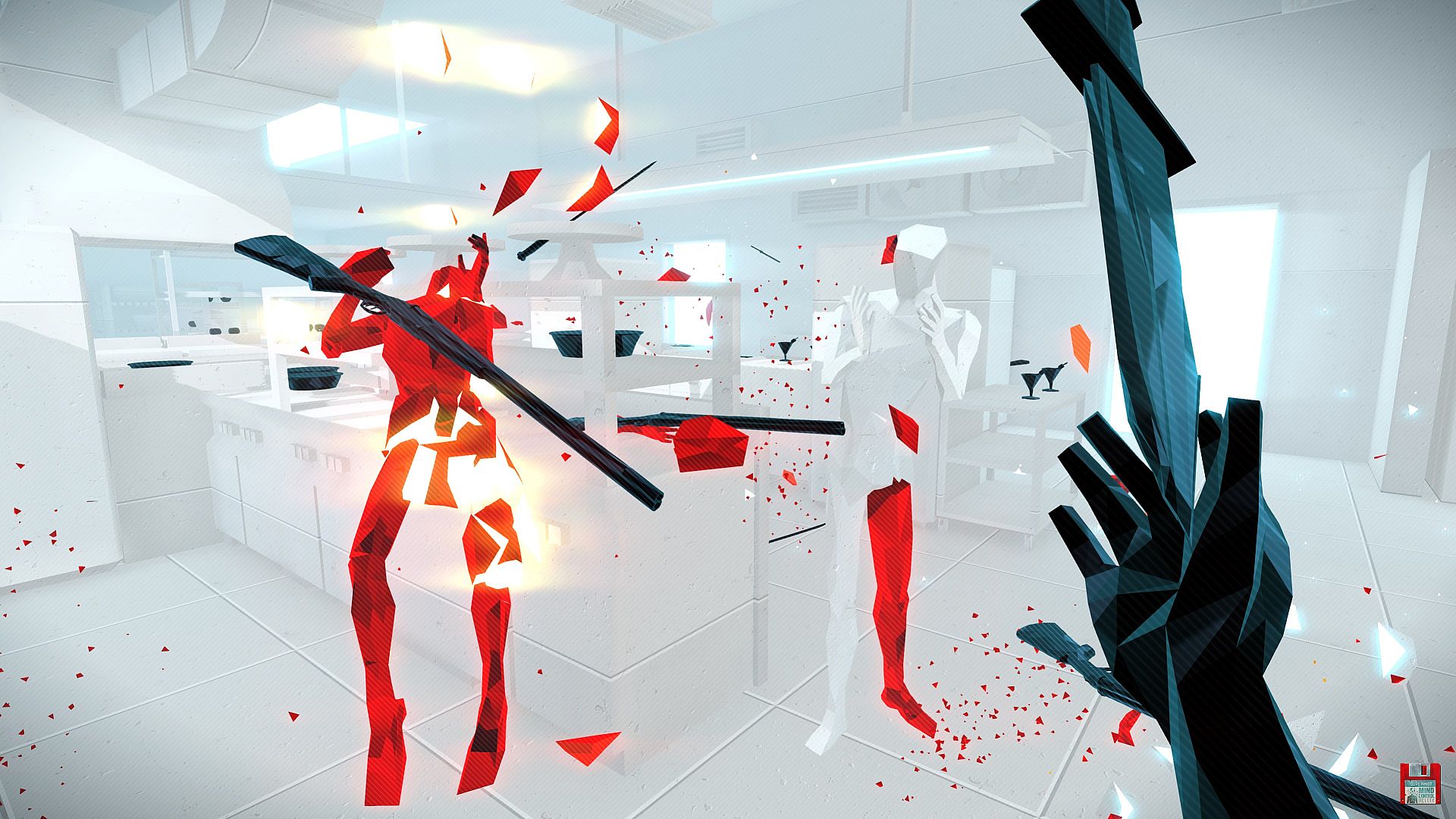
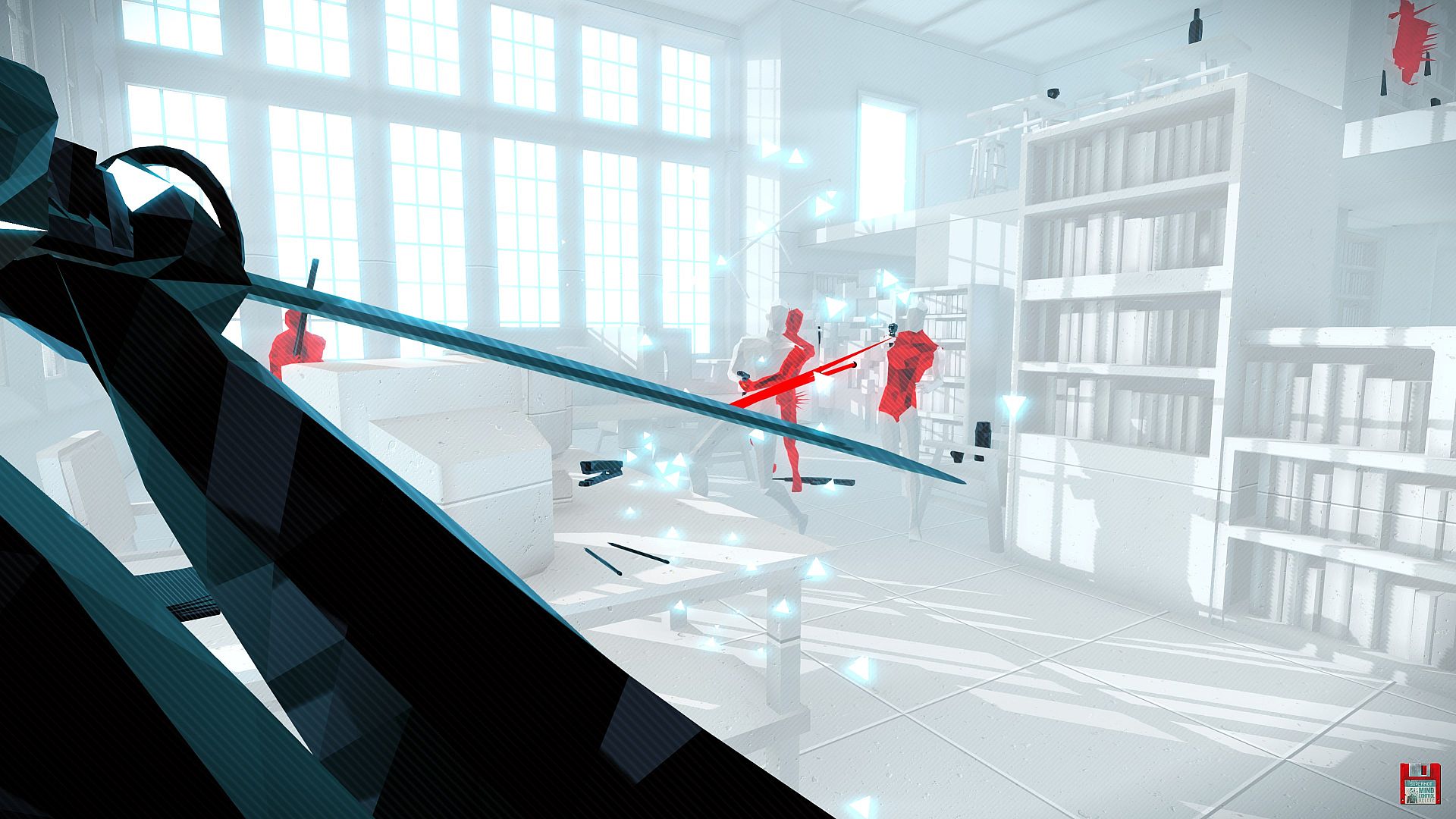
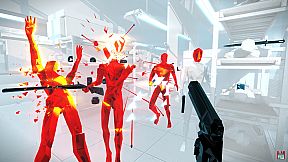
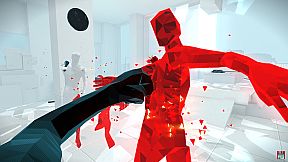
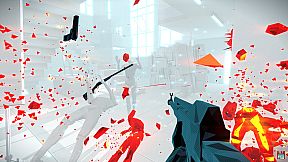
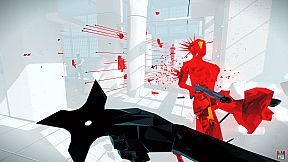
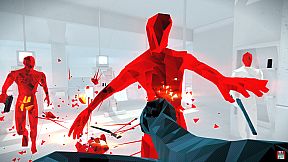
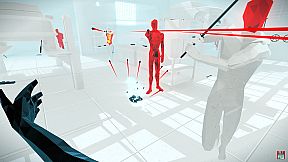
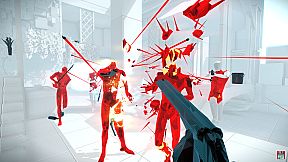
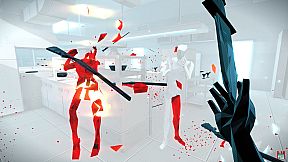
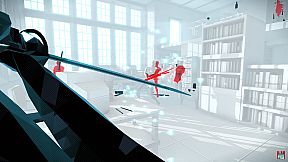
SUPERHOT: MIND CONTROL DELETE is an action indie first-person shooter that expands the signature time-manipulation mechanics of the series into a longer, more layered singleplayer experience. Players navigate a world where time advances only with movement, turning every encounter into a deliberate sequence of positioning, shooting, slicing, and dodging. The game builds on this foundation with roguelike progression, new weapons, abilities, and a narrative thread that unfolds through repeated runs.
Gameplay
The central loop revolves around clearing sequences of maps by eliminating a required number of enemies that spawn continuously. Movement triggers time flow, so players pause to scan threats, line up shots, or throw weapons before advancing. This creates tense, rhythmic combat where one misstep can end a run. New systems introduce character builds through selectable cores that modify starting conditions, such as extra health or teleport abilities, paired with temporary hacks that provide on-the-fly upgrades during a sequence.
Progression occurs across a node-based map structure. Each node groups multiple maps that must be completed in succession. Death costs a life and restarts the entire node, encouraging experimentation with different tactics and loadouts. Difficulty scales with longer sequences, new enemy types that explode on death or resist certain attacks, environmental hazards, and glitching visual effects. Weapons expand beyond the original set, allowing varied approaches to the same encounters.
Story elements emerge gradually through repeated play. Snippets of dialogue and meta commentary appear as players push toward the core of the system, revealing more about the SUPERHOT universe without interrupting the action. The experience rewards persistence, as each failed attempt refines understanding of enemy patterns and ability synergies.
Game Modes
The game structures its content around a single continuous campaign presented as a node graph. Players select starting cores before each node sequence and adapt with random hacks mid-run. Optional nodes allow side paths, while mandatory ones advance the main progression toward higher difficulty tiers. There are no separate multiplayer or versus modes; the focus remains on solo runs that blend combat puzzles with roguelike risk and reward.
End-game challenges include a glitched final sequence where players gradually relinquish cores, hacks, and even basic controls, culminating in a stripped-down confrontation. A pure core option unlocks afterward for players seeking maximum difficulty with minimal assistance. This progression system replaces traditional levels with a branching, replayable structure that emphasizes mastery over memorization.
Story and World
Narrative delivery stays minimal and atmospheric. Players uncover fragments of knowledge about the controlling system through repeated cycles of combat. The story questions the nature of the endless loops and the player's role within them, building a sense of ritual and reflection. Visual design reinforces the theme with stark, minimalist environments that distort as runs progress, heightening the feeling of breaking free from repetition.
Is It Worth Playing?
The game suits players who enjoy precise, thoughtful action shooters and are willing to embrace repetition as part of the design. Its roguelike structure and ability variety extend the core time-stop mechanic into dozens of encounters that grow more demanding. Those who appreciate the original SUPERHOT formula will find meaningful additions in the node system, cores, and expanded enemy roster, though the experience stays focused on singleplayer combat rather than broad features.
Reception highlights the satisfying slow-motion ballet of destruction and improved level variety compared to predecessors. The title remains available on Xbox and PC with no ongoing seasonal content or major updates required for the complete package. It delivers hours of refined gameplay for fans of the series' unique power fantasy, particularly those who value mechanical depth over narrative spectacle or multiplayer elements.