


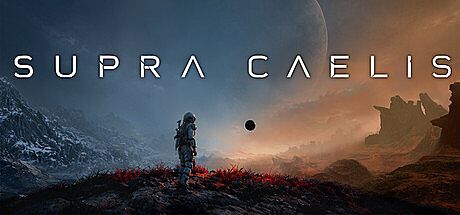


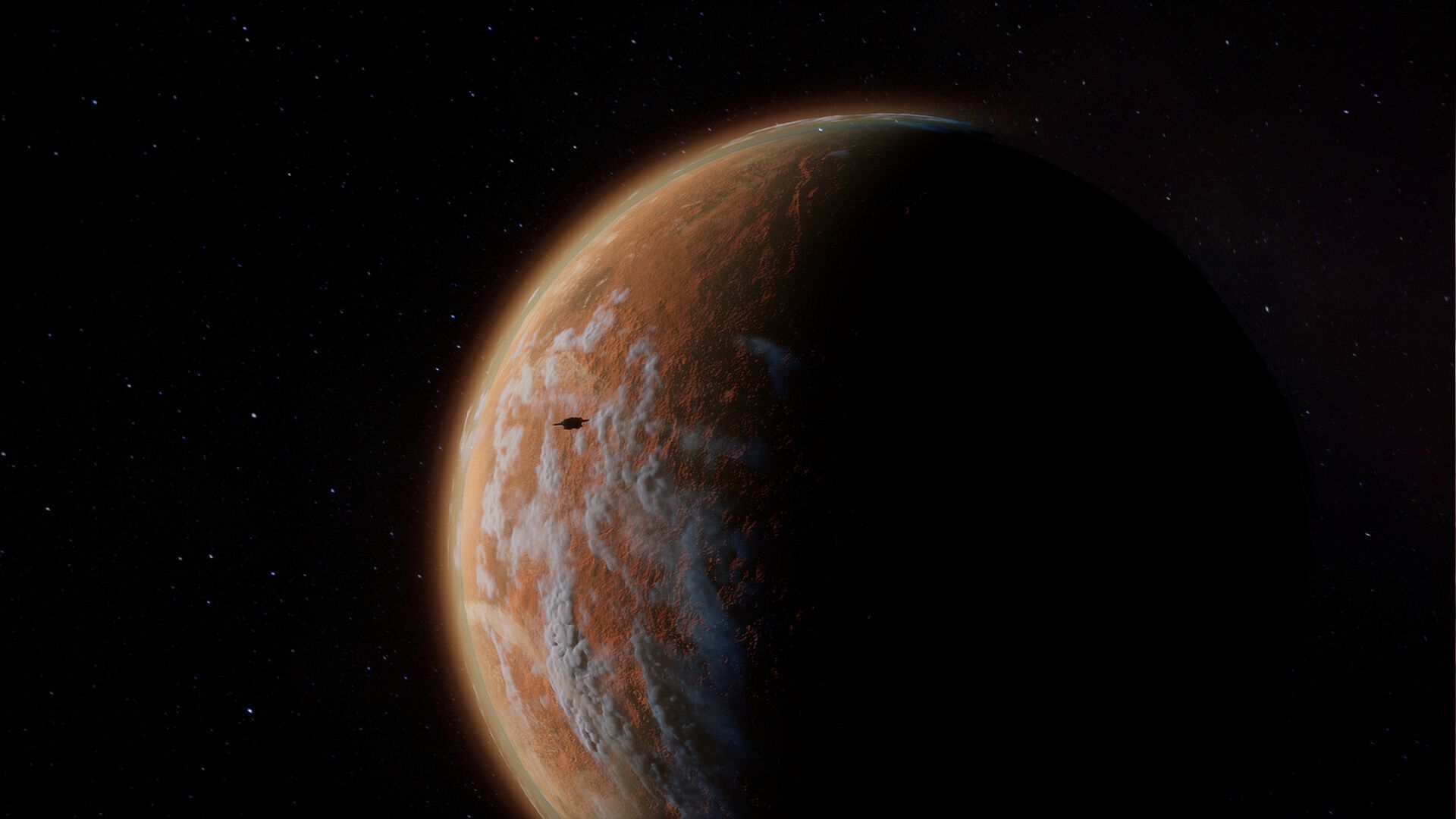
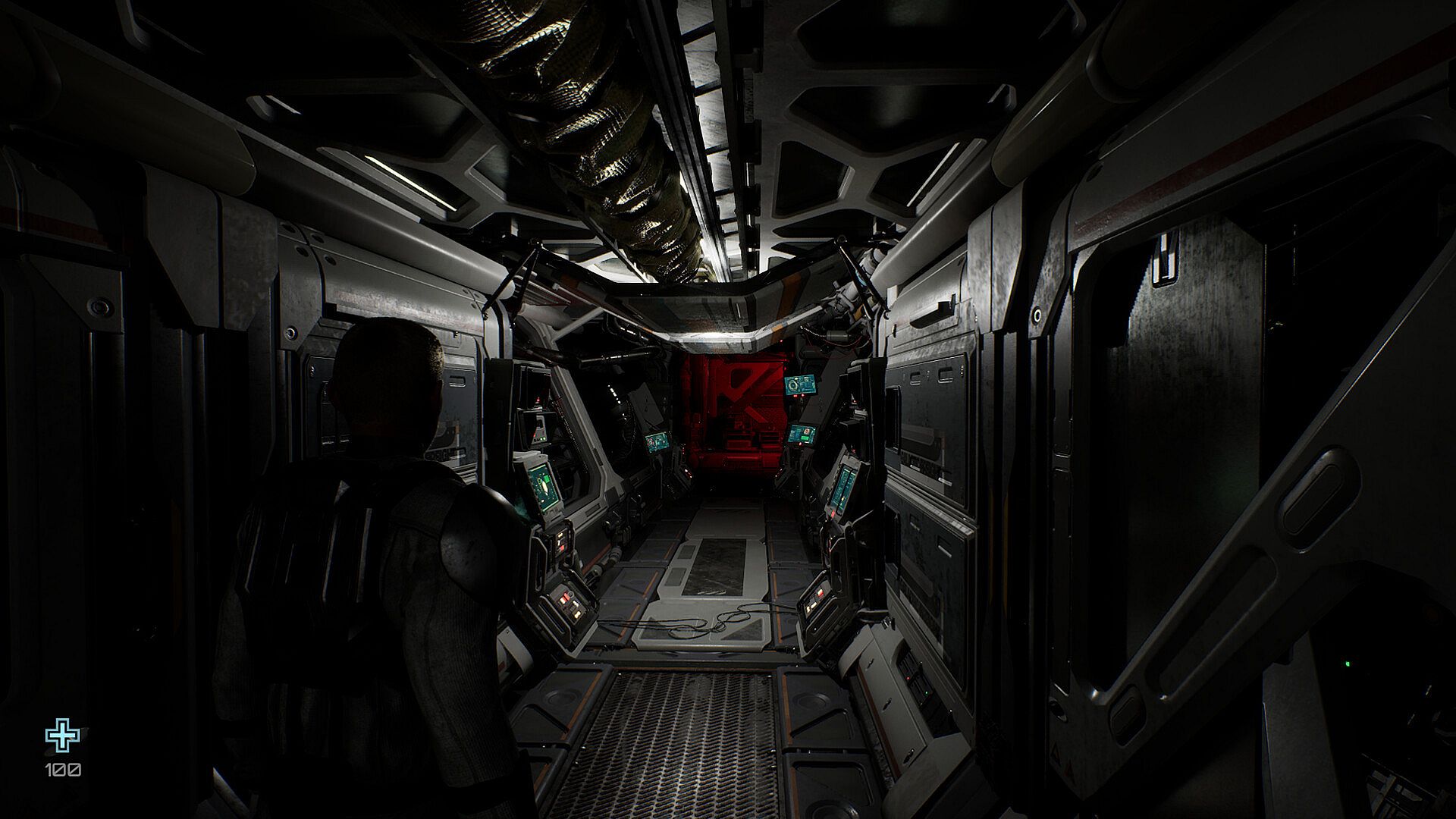
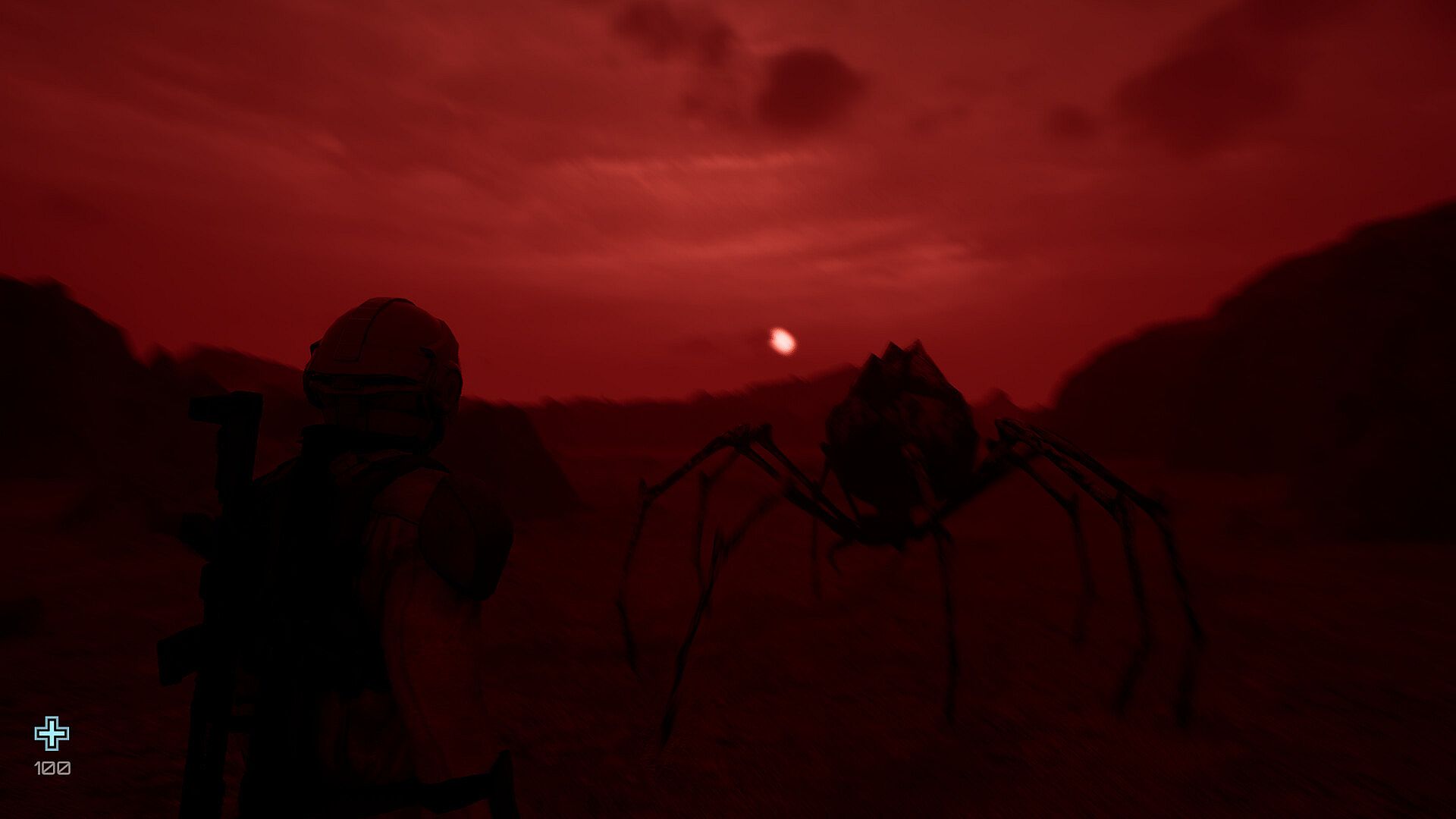
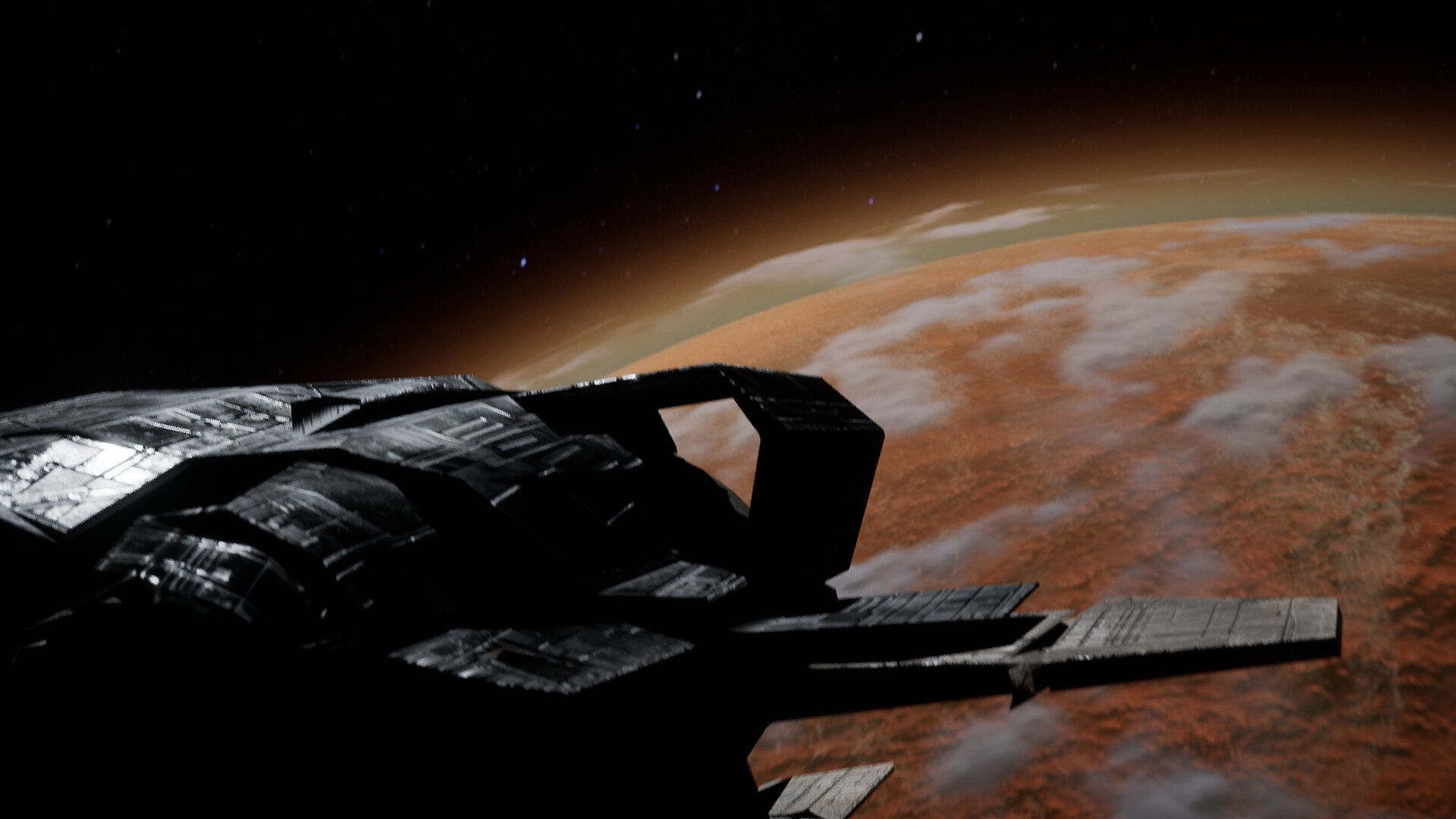
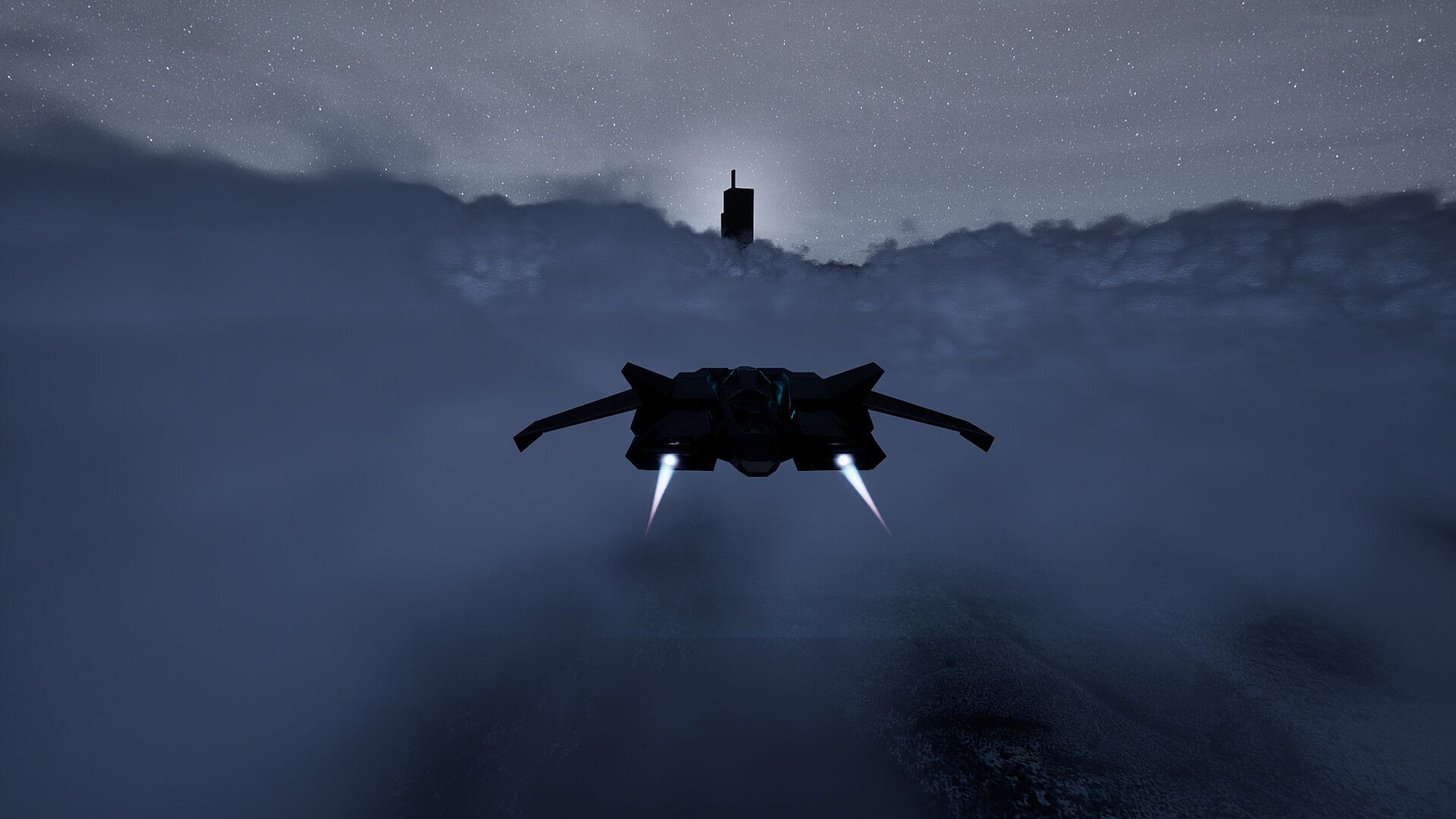
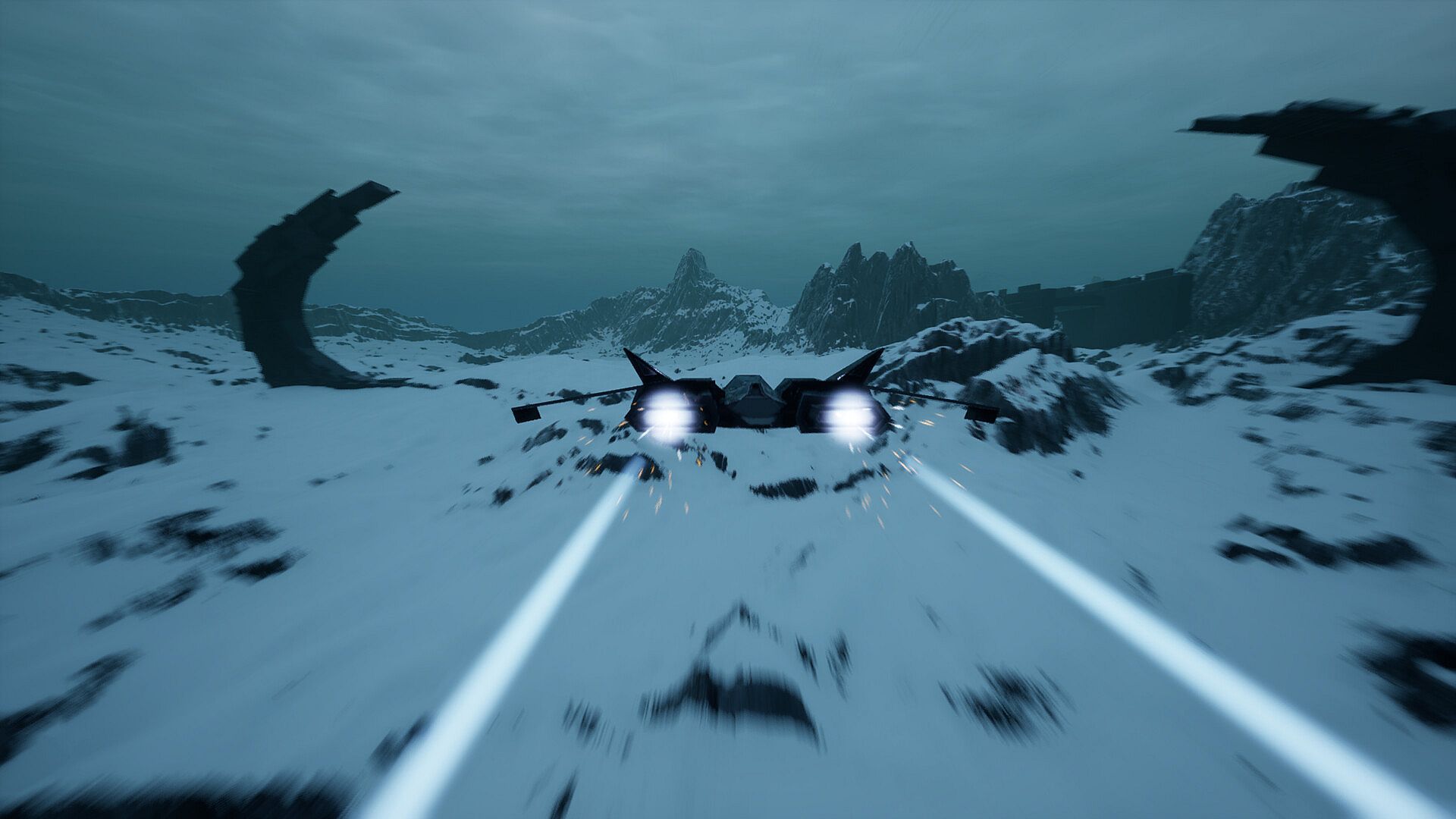
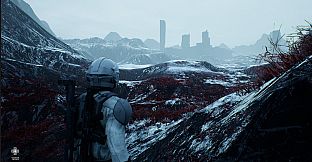
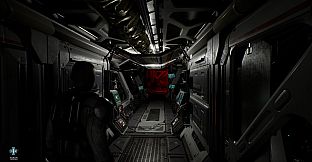
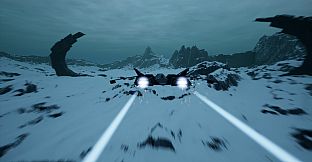
Supra Caelis is a third-person survival adventure game set on two distinct planets linked by ancient alien technology. A soldier flees a failed expedition and crash-lands on an unfamiliar world, injured and questioning his past loyalties. Survival demands learning to navigate the remnants of civilizations his own people contributed to destroying, while gathering resources to power movement between locations.
Gameplay
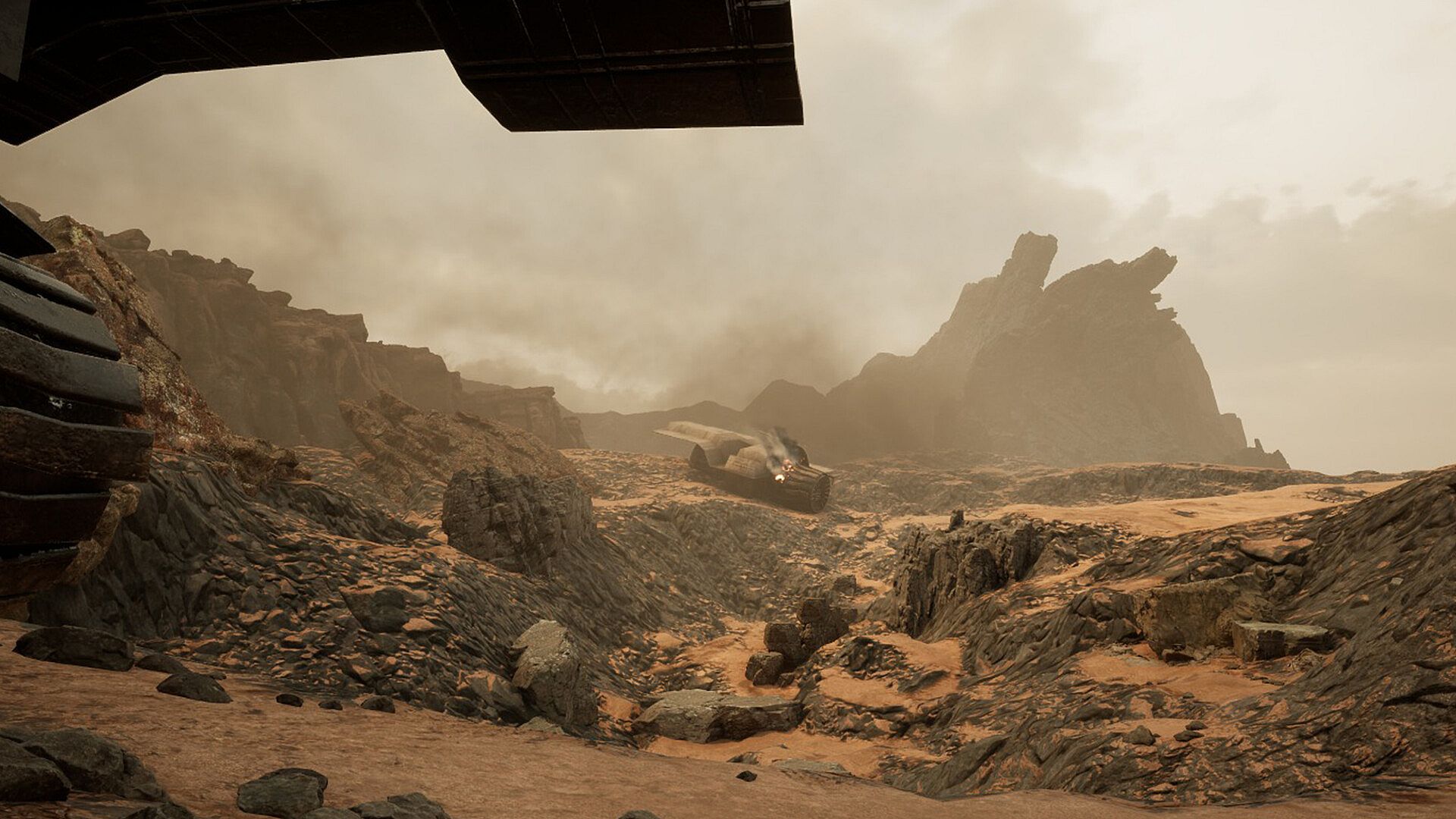
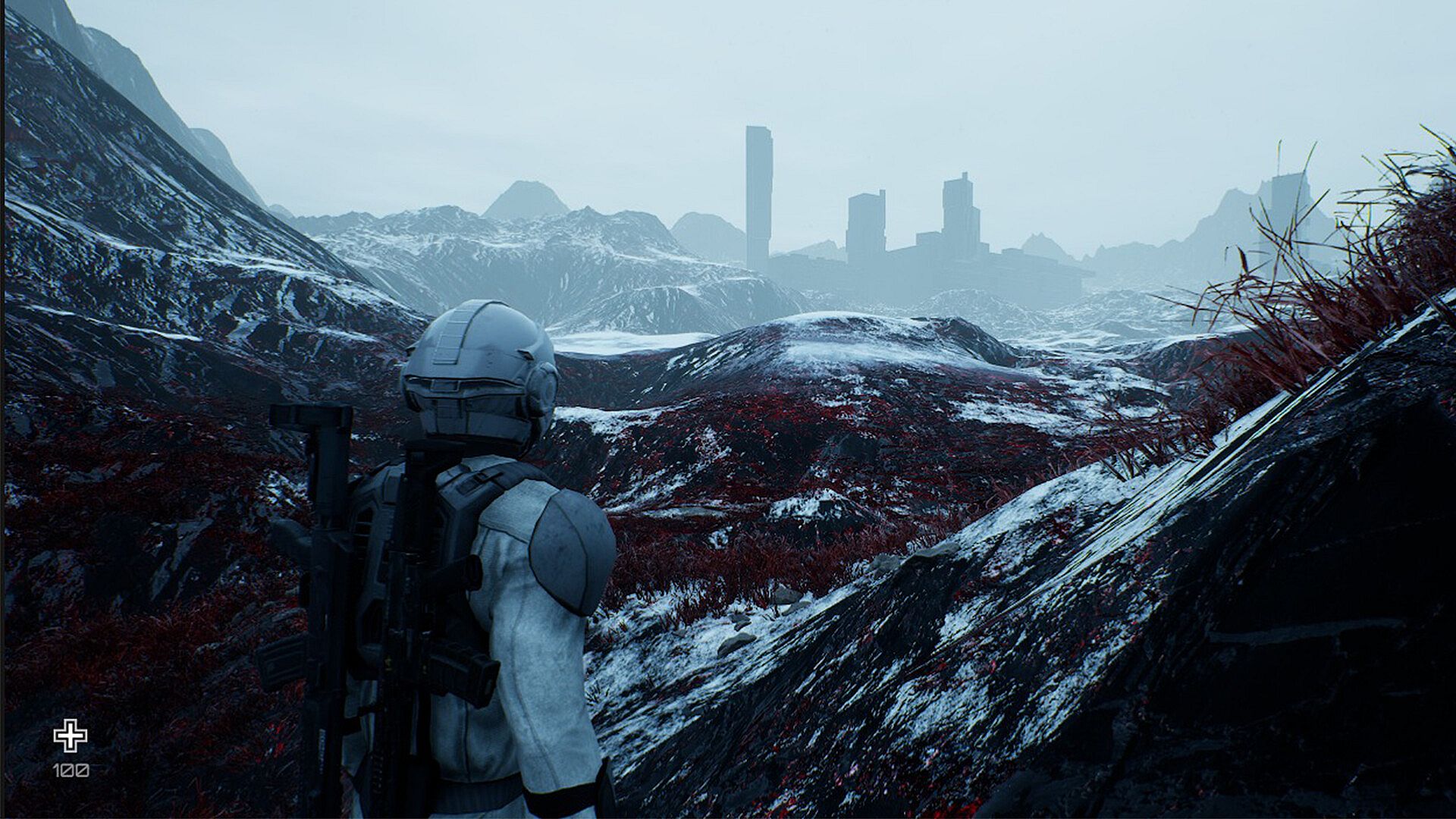
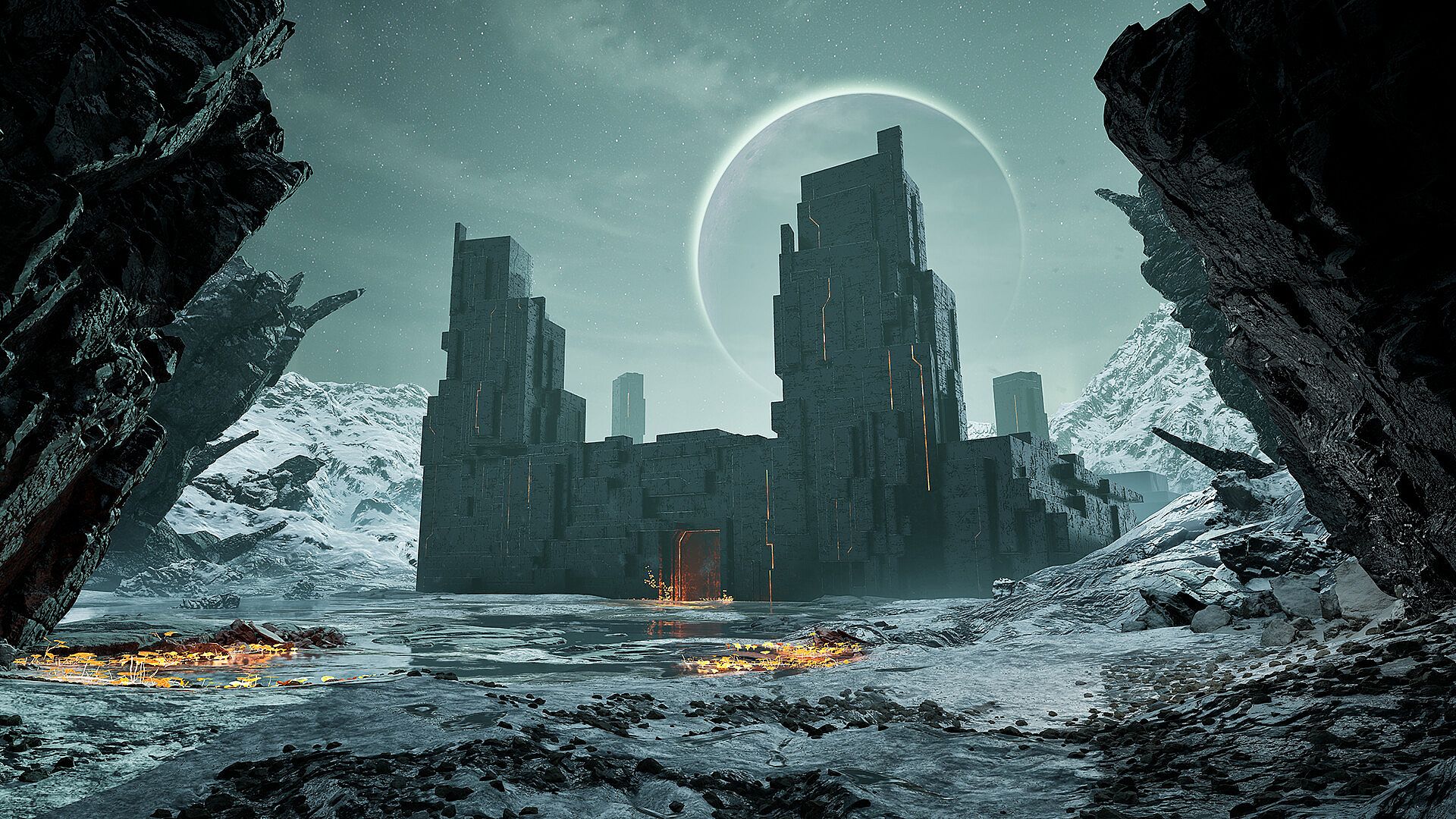
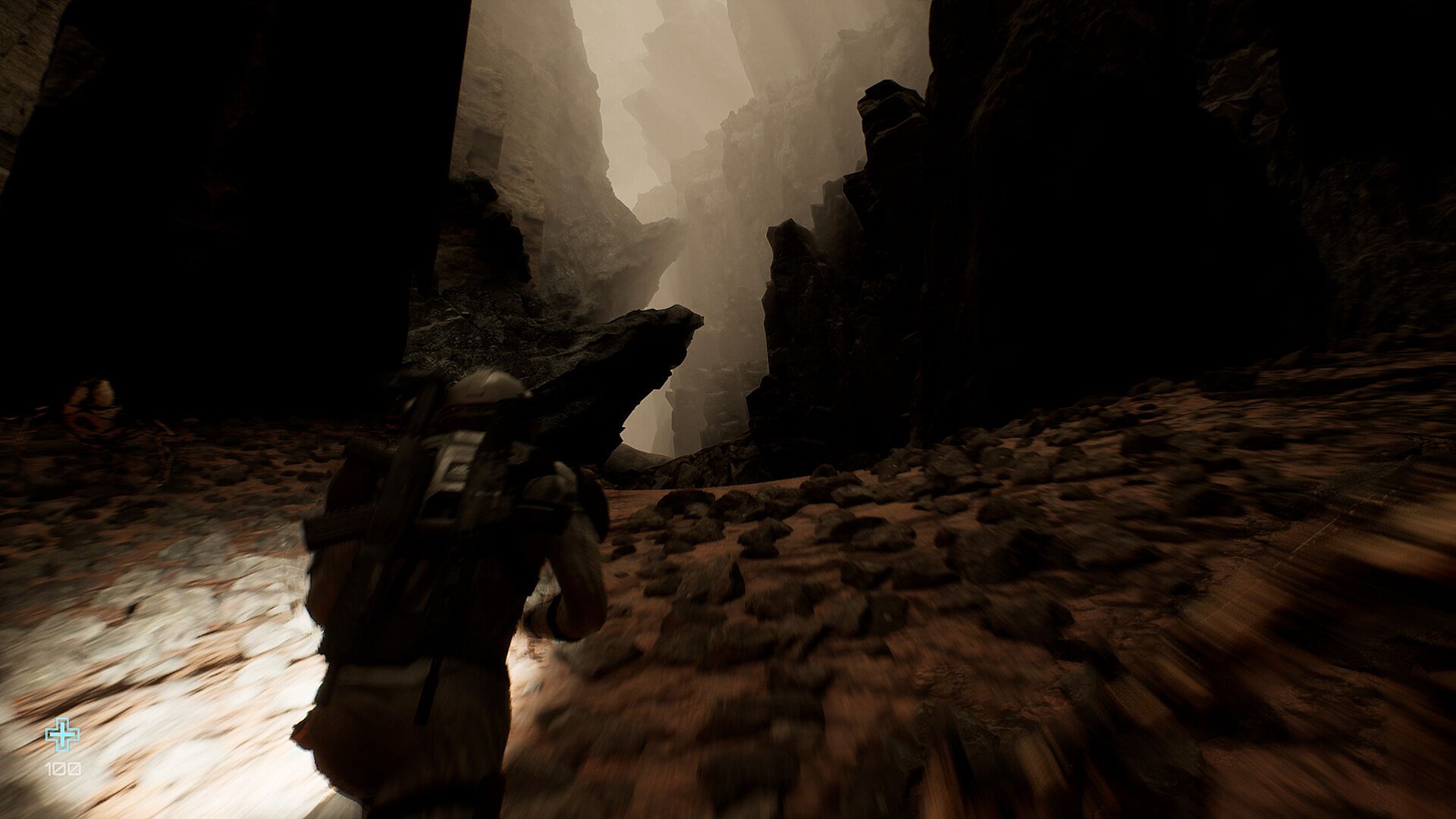
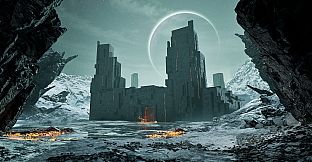
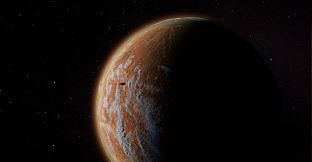
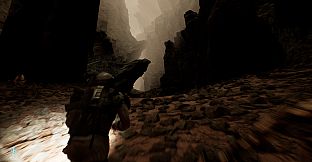
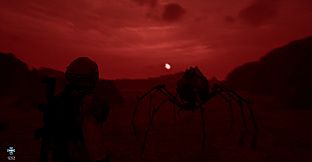
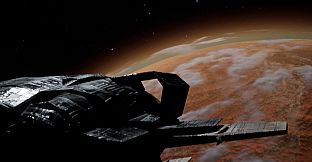
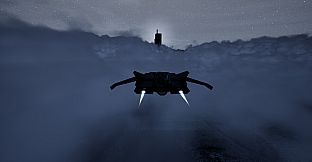
The core loop centers on exploration across contrasting environments. One planet features scorched, rocky terrain reminiscent of Mars, with open expanses that test endurance and navigation. The other consists of sharp ice fields blanketed in snow, where weather conditions influence movement and resource availability. Players shift between these worlds using a teleporter activated by flowers, an energy source that also supports upgrades and alien devices.
Traversal emphasizes vertical freedom through climbing and vaulting mechanics tailored for the rugged landscapes. The movement system encourages careful positioning to reach hidden areas or avoid hazards. A dormant robot companion joins the journey, serving as a link to a lost civilization and revealing layers of shared history through their interactions. Resource management revolves around locating and utilizing flowers, which function as the primary power for essential tools and progress.
Controller support shapes the entire experience for relaxed play sessions. The design prioritizes intuitive handling of survival elements, from gathering materials to adapting to shifting conditions on each planet. An original soundtrack underscores the personal, reflective nature of the journey without overpowering the atmosphere.
Game Modes
Supra Caelis focuses on a single-player campaign that blends survival elements with adventure progression. There are no separate competitive or cooperative modes listed. The structure revolves around sequential exploration of the two planets, with the teleporter serving as the central hub for advancing the story and uncovering connections between the worlds and the protagonist's past.
Progression ties directly to resource collection and companion interactions, allowing players to tackle objectives in an order that suits their approach to the environments. Dynamic weather on the ice world and the harsh conditions on the rocky planet add layers to how each session unfolds, though the emphasis remains on solitary discovery rather than multiplayer systems.
Story and Setting
The narrative follows a soldier who escapes his organization's final brutal mission only to find himself stranded. Wounded and isolated, he encounters the ruins left by conflicts involving his own species. The robot companion, inactive for decades, holds knowledge of the vanished civilization and gradually shares fragments that tie their fates together.
Two planets at environmental extremes form the backdrop. The desert-like expanses demand adaptation to heat and open terrain, while the frozen fields require strategies against cold and slippery surfaces. Flowers act as more than fuel; they connect the worlds and enable technological remnants to function again. The story unfolds through exploration and dialogue with the companion, revealing unexpected ties to the larger conflict.
Is It Worth Playing?
Supra Caelis suits players who enjoy deliberate survival adventures with strong emphasis on environmental navigation and light narrative discovery. The two-planet setup and flower-powered teleporter create a focused loop of gathering, upgrading, and moving between distinct biomes. Controller optimization makes it accessible for extended sessions from a seated position.
Those drawn to indie titles that prioritize atmosphere and personal stakes over fast action or large-scale systems will find the mechanics align well with the described tone. The robot companion adds a layer of interaction that deepens as progress continues. Without confirmed player metrics or post-launch updates at this stage, the game stands on its core premise of cross-world survival and exploration for fans of the genre.
- Third-person perspective with fluid climbing and vaulting
- Resource system built around flowers for teleporters and upgrades
- Companion-driven story elements on contrasting planetary environments












