

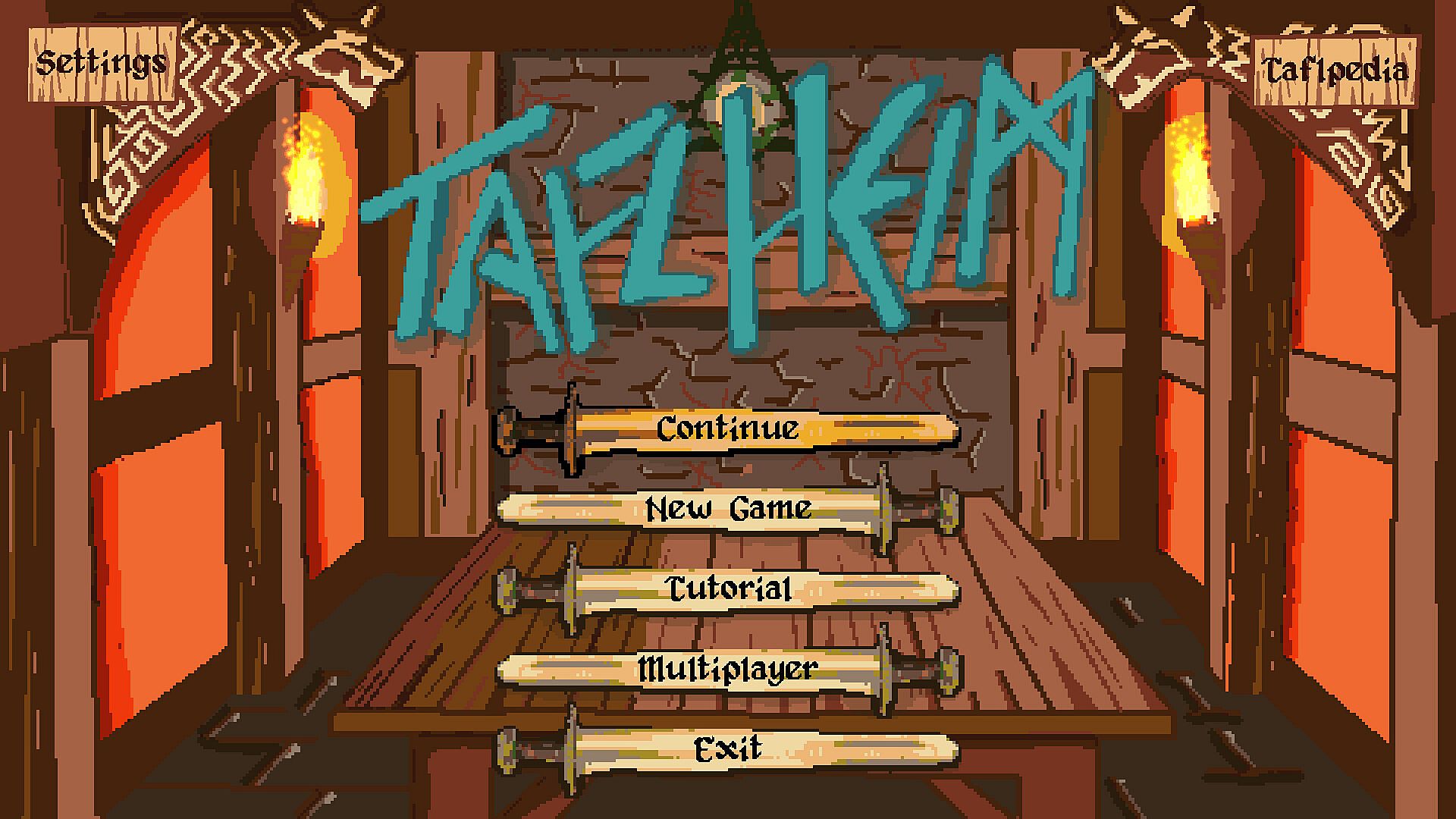
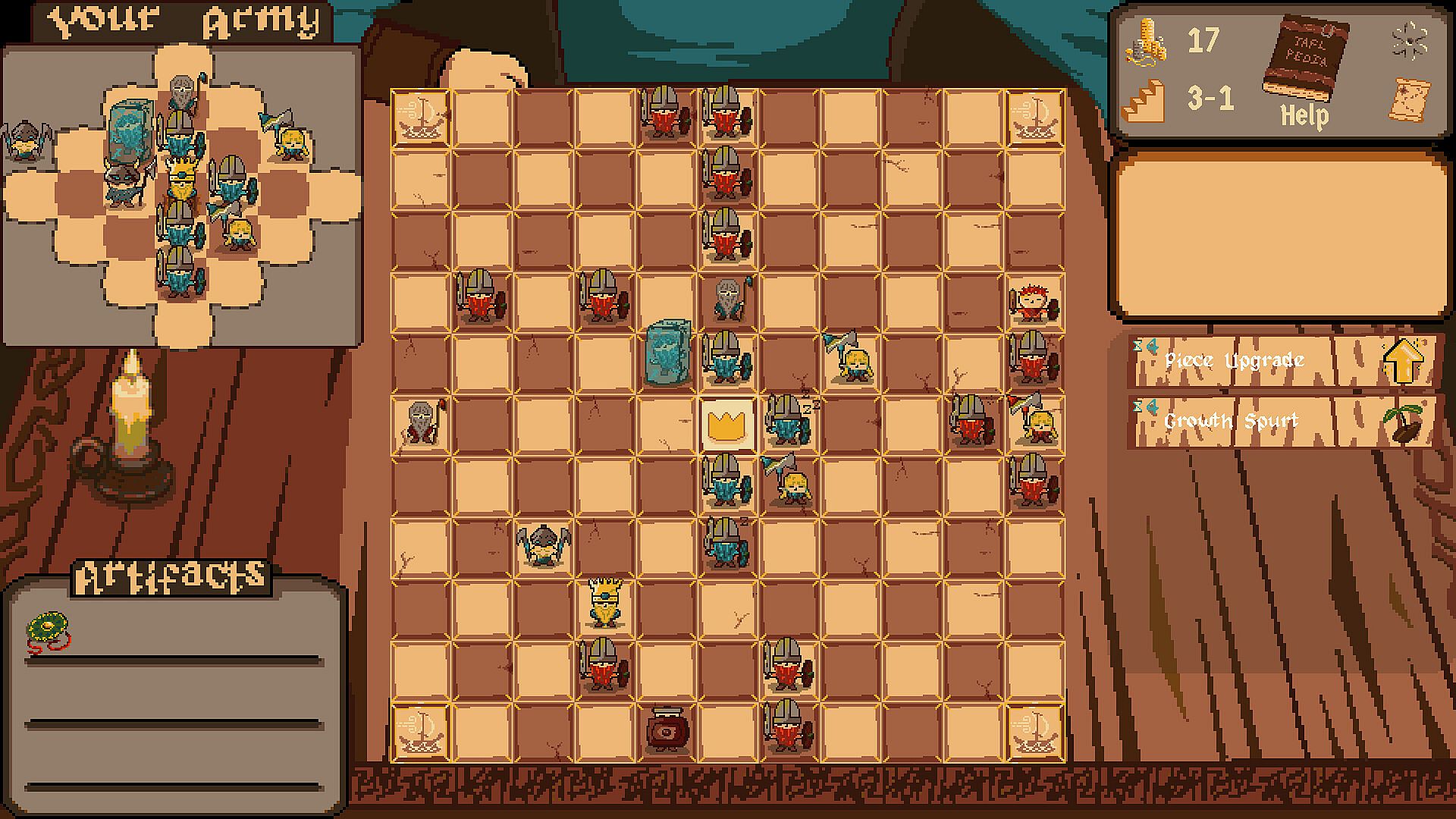
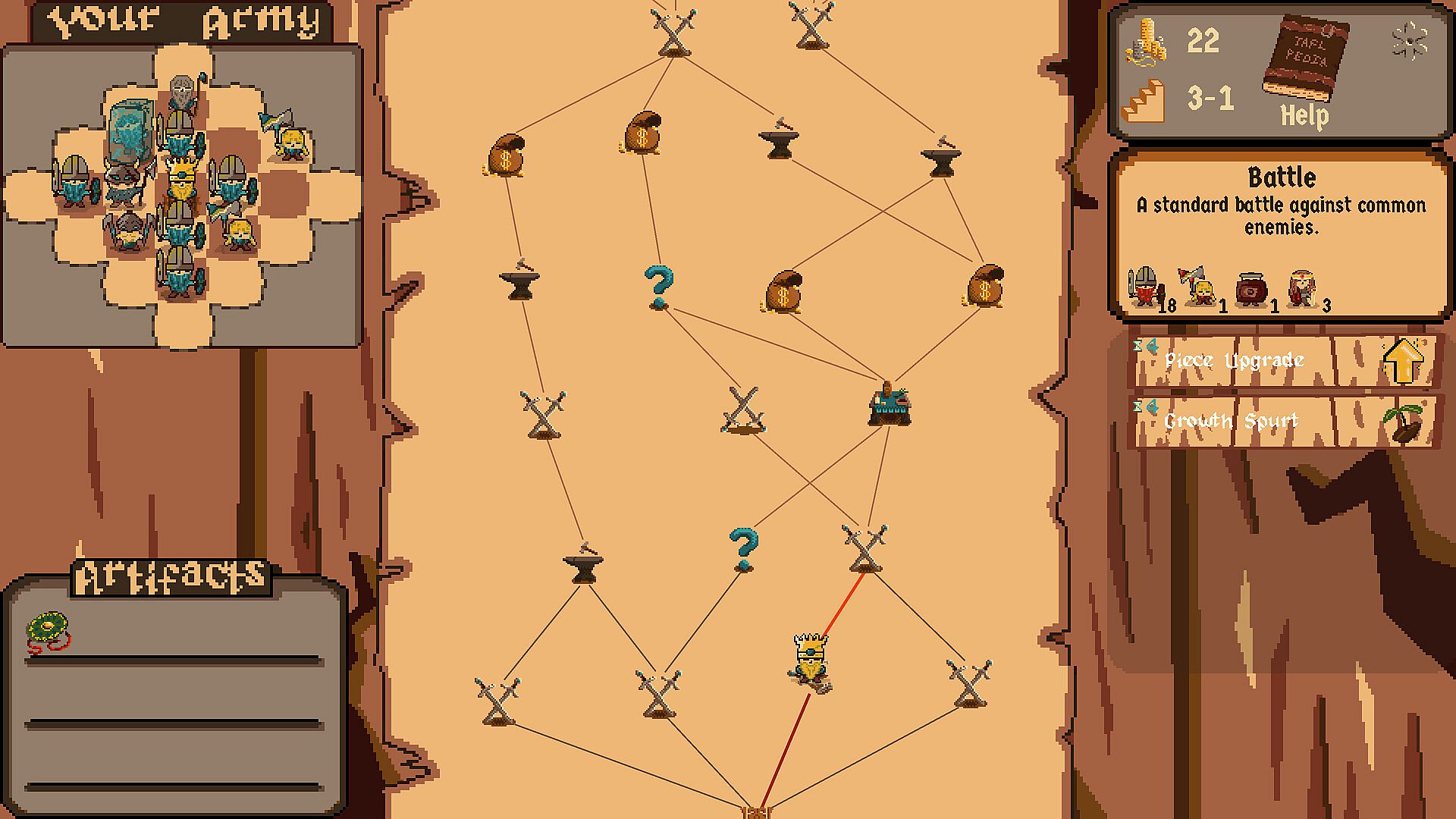
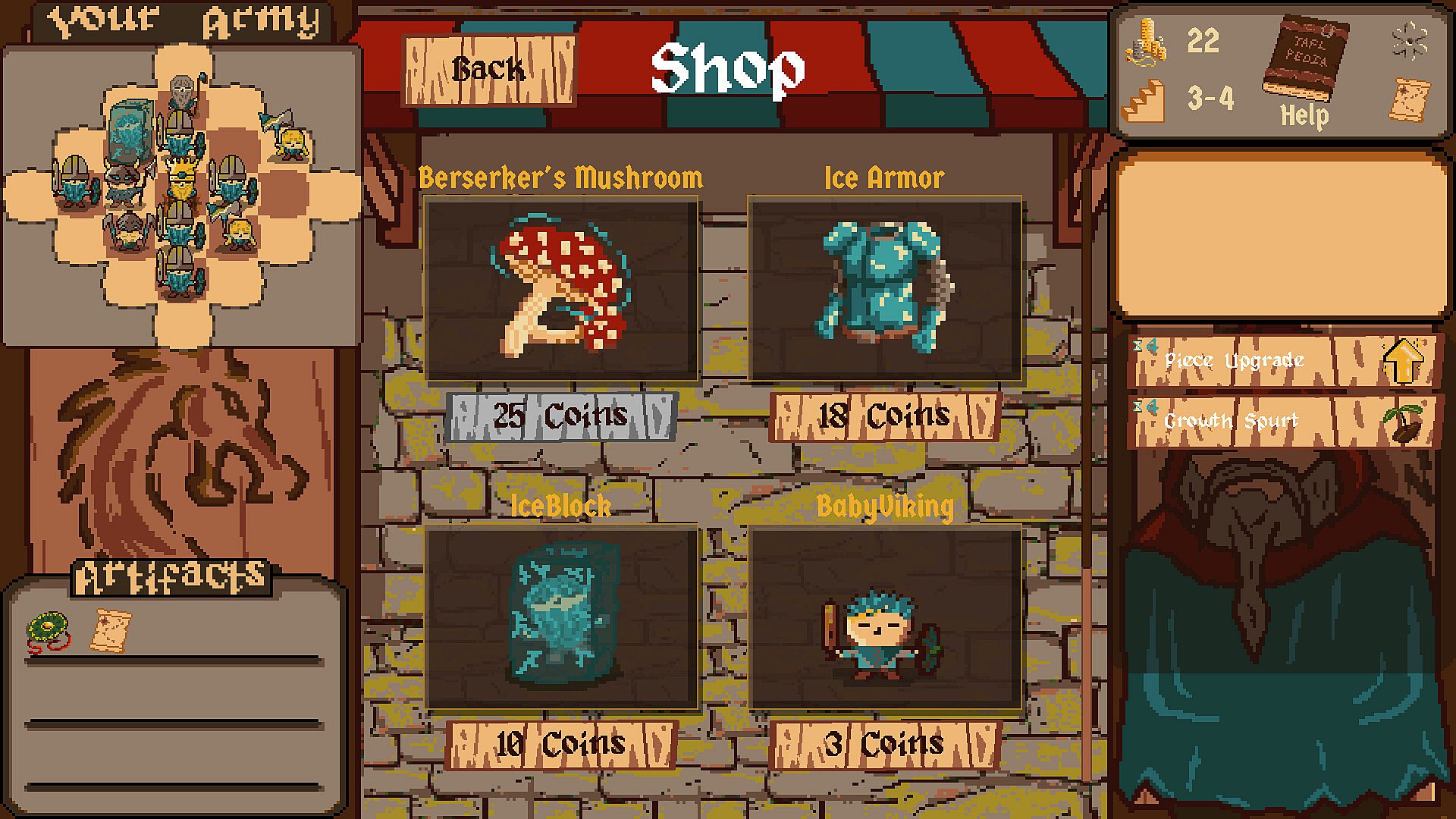
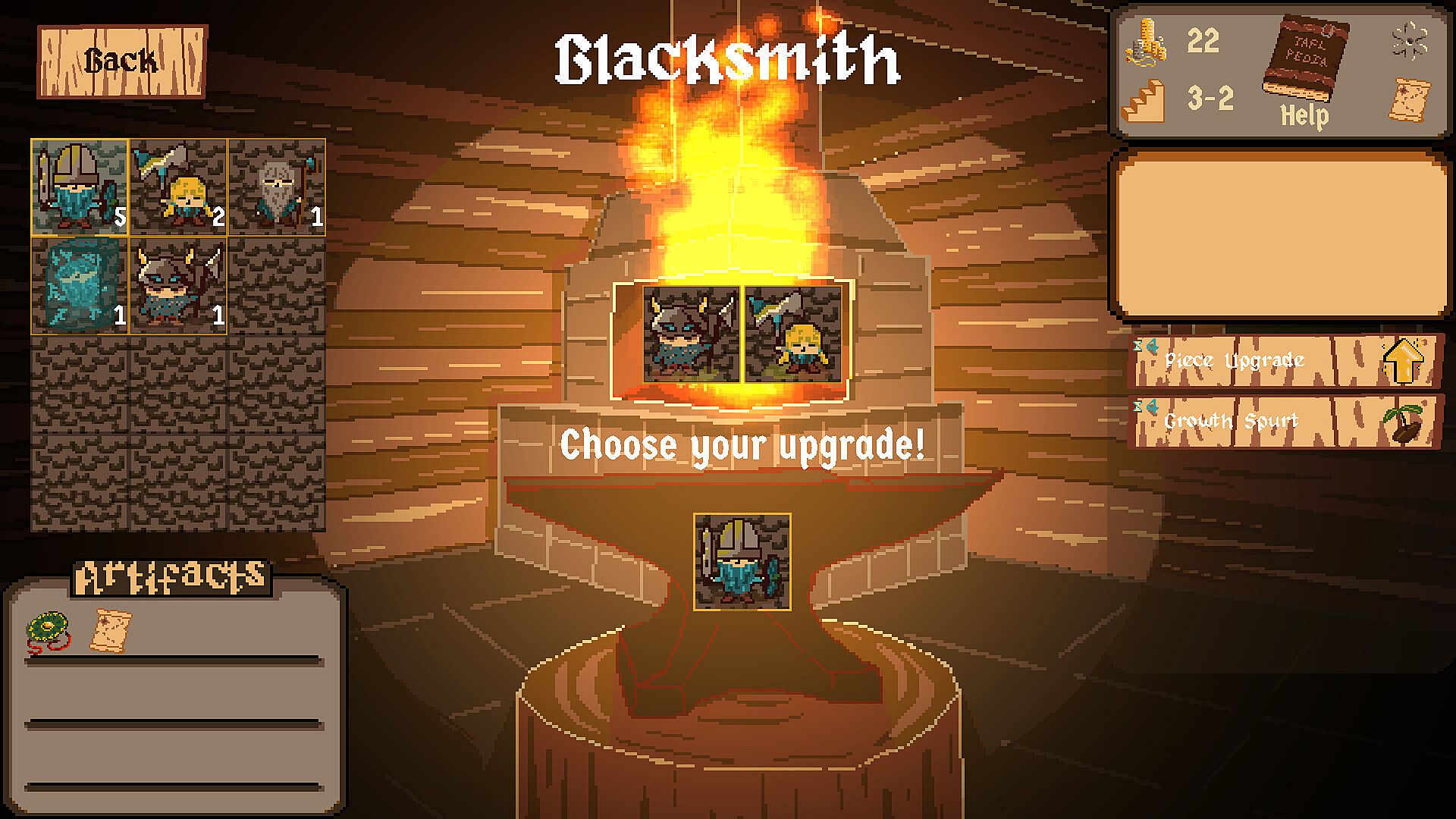
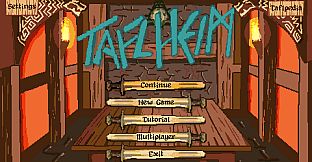
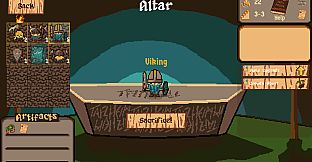
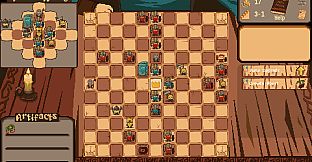
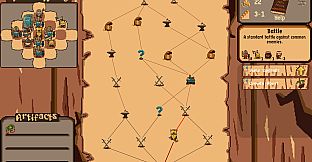
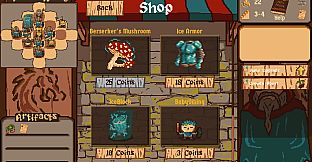
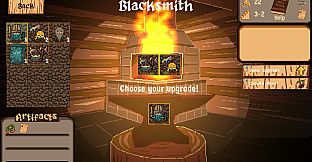
Taflheim is an indie strategy game that blends the classic rules of ancient Viking board games with roguelike progression on PC. Players take on the role of a king navigating a board inspired by historical Tafl variants, where the core objective remains escaping capture while facing escalating threats. The game expands this foundation through procedural elements that introduce fresh challenges across multiple runs, supported by pixel art visuals and an original soundtrack that adds personality without overwhelming the focus on tactics.
Gameplay
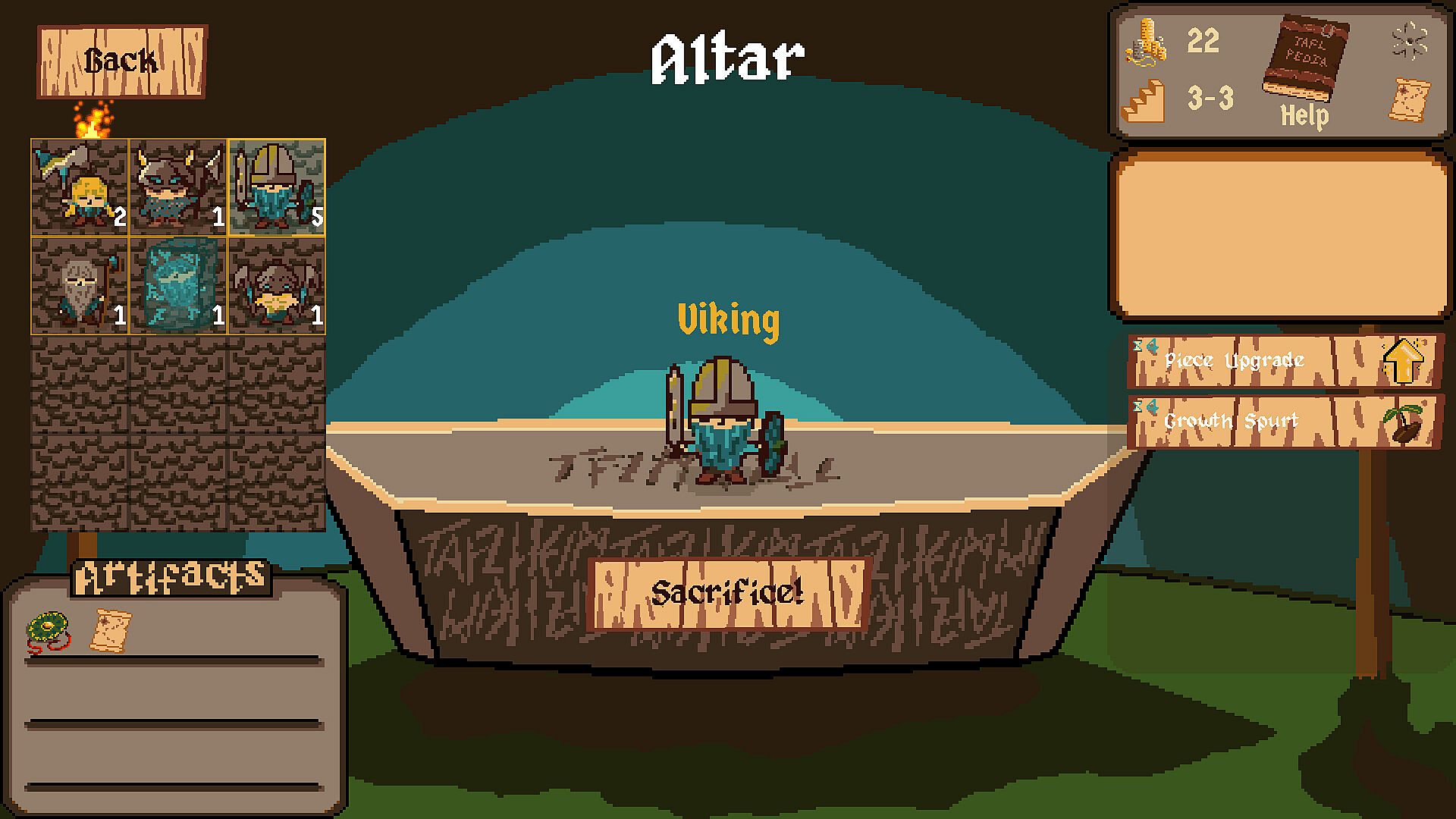
The experience centers on turn-based movement across a grid-based board, where the king and supporting pieces follow movement patterns drawn from traditional Tafl. Attackers aim to block escape routes, while the defender uses positioning and special abilities to break through. Roguelike structure means each attempt starts fresh, with opportunities to acquire new pieces, artifacts that alter rules, and abilities that provide temporary advantages. These elements layer onto the base strategy, encouraging experimentation with different combinations to overcome increasingly difficult encounters tied to a narrative involving divine opposition.
Pixel graphics keep the presentation clean and readable, highlighting piece positions and board states clearly during play. Humour surfaces in descriptions and events, lightening the tone around the strategic tension. Sessions can last just a few minutes for quick attempts or extend into longer sessions as players refine their approach and unlock more options for future runs.
Game Modes
Taflheim emphasizes single-player runs as the primary way to engage with its systems. The roguelike loop drives replayability, with each attempt building on prior successes through persistent unlocks like new pieces and artifacts. Features such as shared or split-screen options appear in the game listing, suggesting potential for local play with others, though the core design revolves around solo strategic decision-making against procedural opposition.
No additional named modes beyond the main roguelike experience receive confirmation at this stage. The focus stays on adapting to new combinations of abilities and board modifications within the escape-focused framework.
Core Mechanics and Progression
Special pieces offer varied movement or capture options compared to standard Tafl units. Artifacts modify core rules on a run-by-run basis, while abilities grant active or passive effects that players activate or benefit from during critical moments. This creates depth in how each attempt unfolds, as choices about squad composition and artifact selection influence survival chances against the central threat of Loki's forces.
Progression rewards successful escapes with new content for subsequent plays, promoting repeated engagement. The system supports both short exploratory sessions and extended efforts to master synergies between pieces and abilities.
Is It Worth Playing?
Taflheim targets players who enjoy abstract strategy combined with roguelike variety and light thematic flair. Its foundation in historical Tafl provides a solid tactical base, while the additions of artifacts, abilities, and procedural challenges extend replay value without requiring prior knowledge of the source material. The upcoming release status means availability depends on the final launch, but the described systems point to an experience suited for those seeking thoughtful, replayable sessions on PC.
With no completed reviews available yet, the game's appeal rests on its clear emphasis on strategic depth and humorous presentation. Fans of board game adaptations or single-player strategy titles with progression layers will find the most direct match in its design. Short bursts suit testing new combinations, while longer play allows deeper exploration of the available content.