


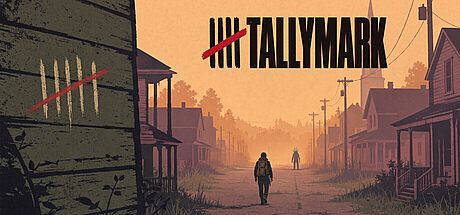


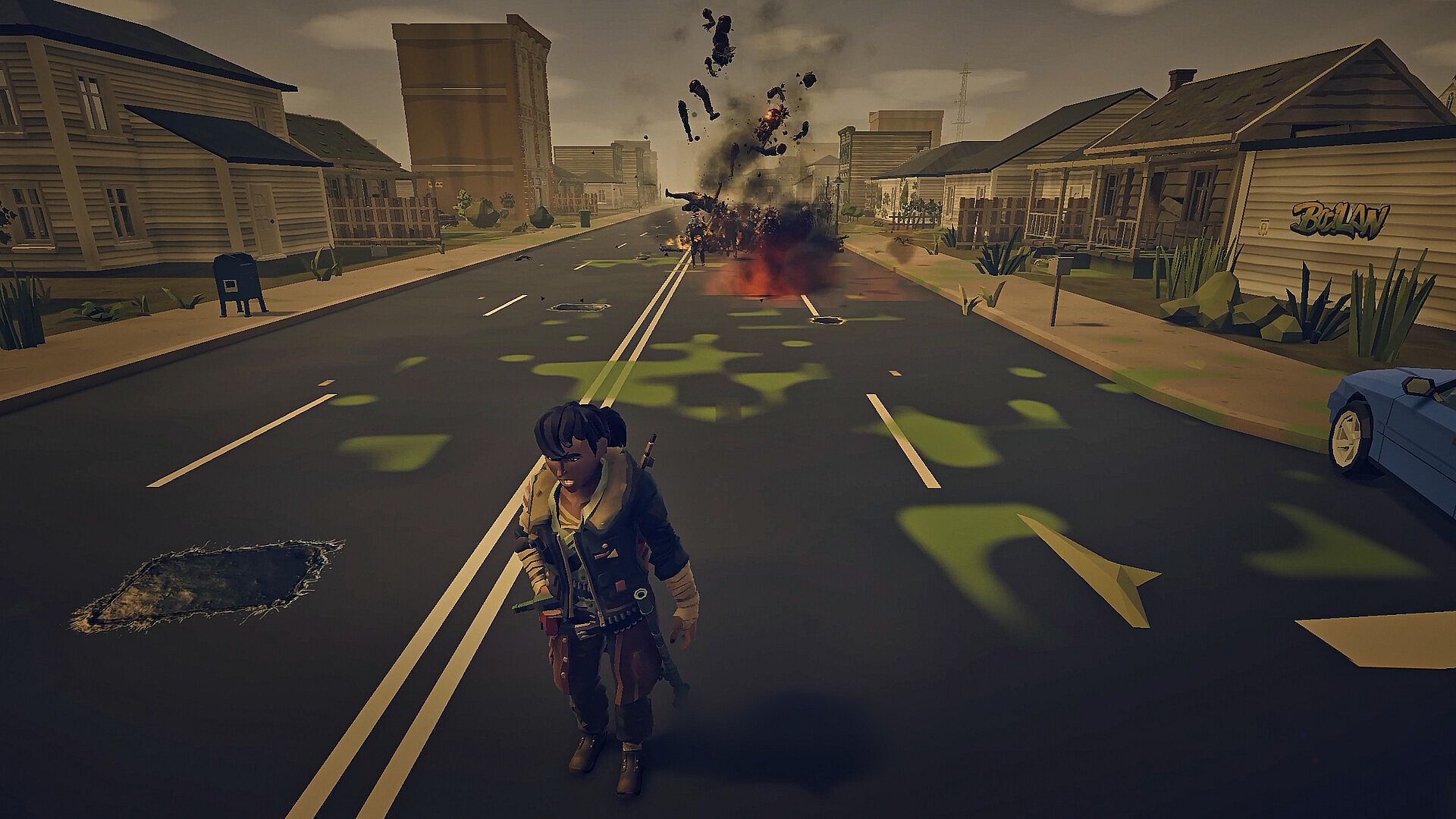



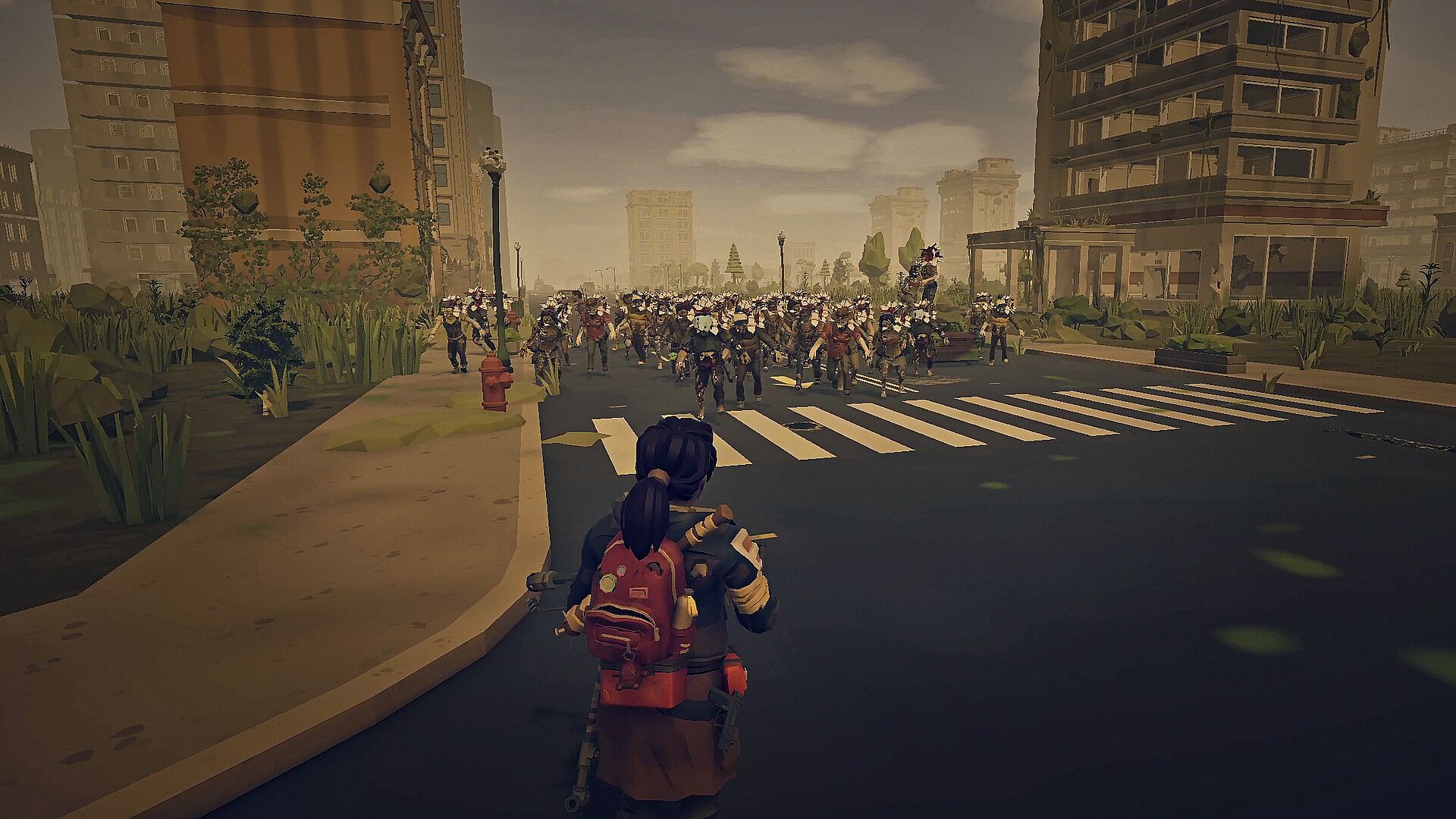
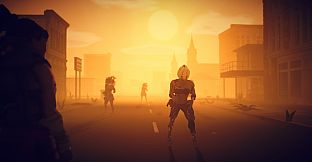
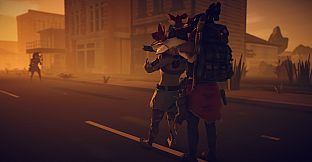
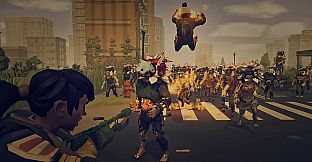
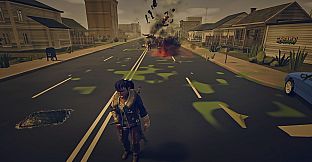
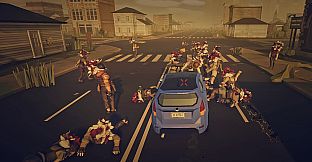

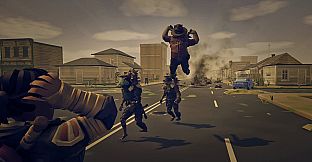
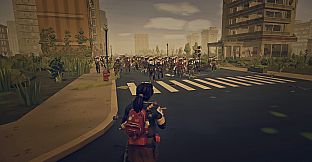
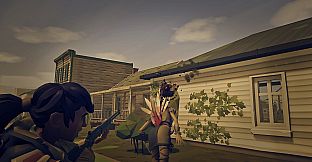
Tallymark is a third-person survival-action roguelite for PC that places players in an endless, procedurally generated city where every run begins on day one and ends only with death. The score reflects the number of days survived in this indie adventure title built around scarcity, tension, and permanent consequences.
Gameplay
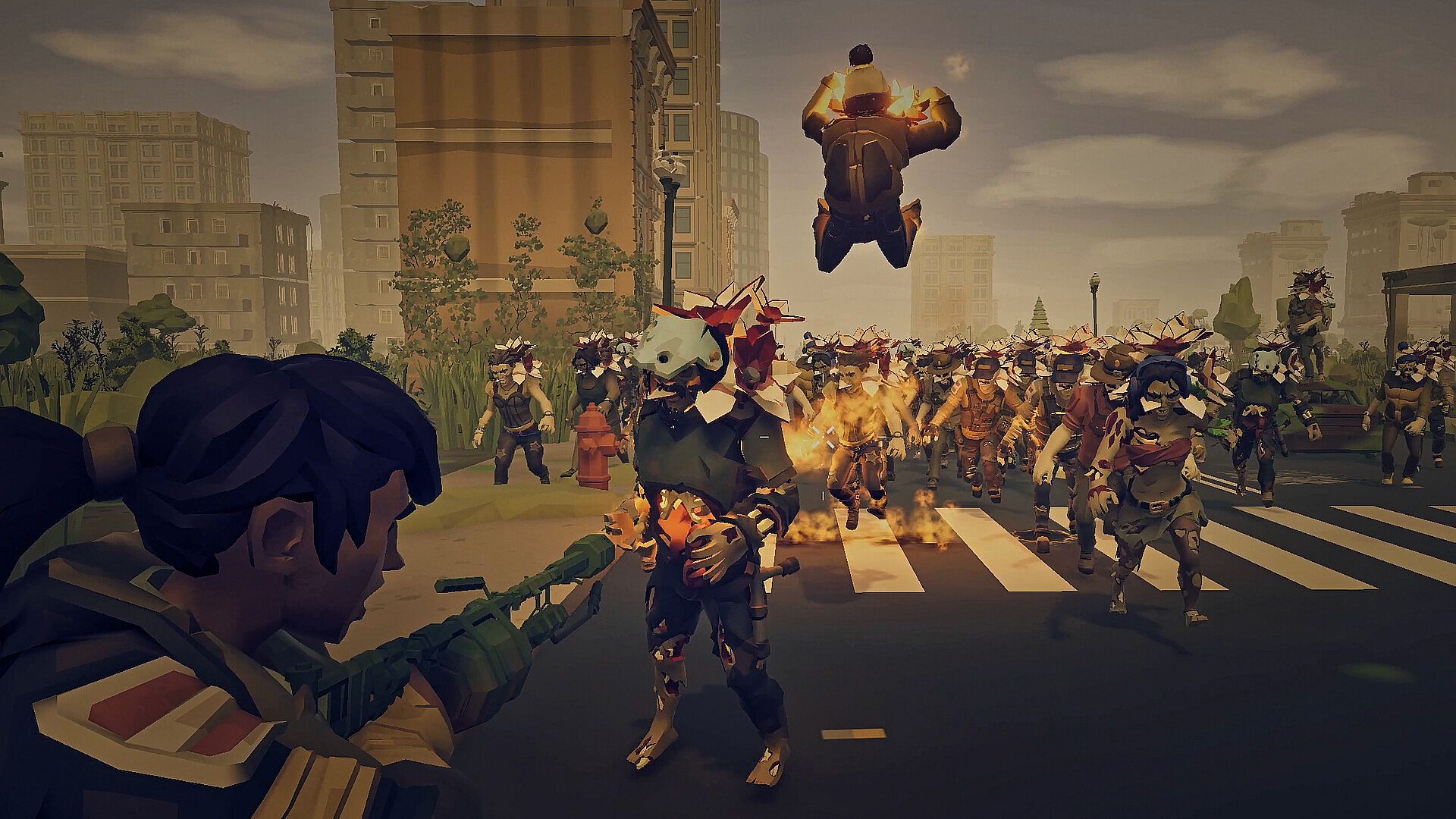
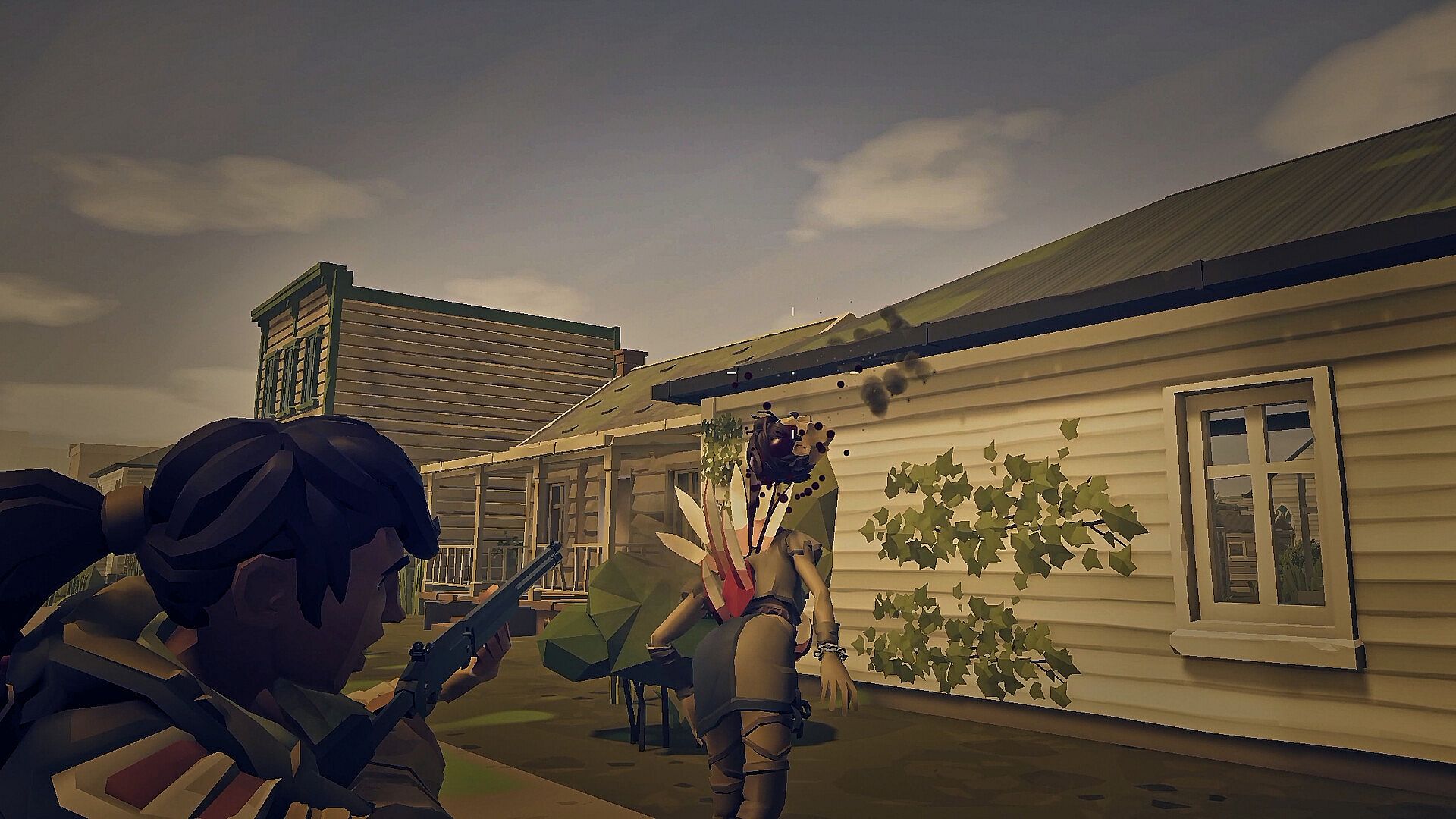
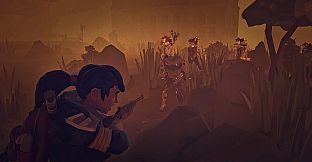
Core play revolves around exploration and decision-making in overgrown neighborhoods filled with enterable buildings. Players move through residential streets and shops while listening for enemy movement, then choose whether to avoid threats, distract them, sneak past, or engage directly. Stealth options include grabbing enemies from behind for quiet finishes, while open combat relies on a selection of firearms such as pistols, revolvers, shotguns, hunting rifles, and a bow. Melee weapons range from knives and pipes to bats, machetes, hatchets, and axes that degrade and eventually break with use.
Resource management drives every action. Bullets are limited and gunshots echo across blocks, forcing careful shot placement. Distraction tools like thrown bottles or bricks create openings, and when situations turn desperate players can craft molotovs or pipe bombs on the move. The same basic materials, such as rags and alcohol, serve multiple purposes including bandages or incendiary devices, so choices matter in real time without pausing the world. Workbenches allow weapon upgrades, and supplements spent on skill trees provide incremental improvements to survival chances.
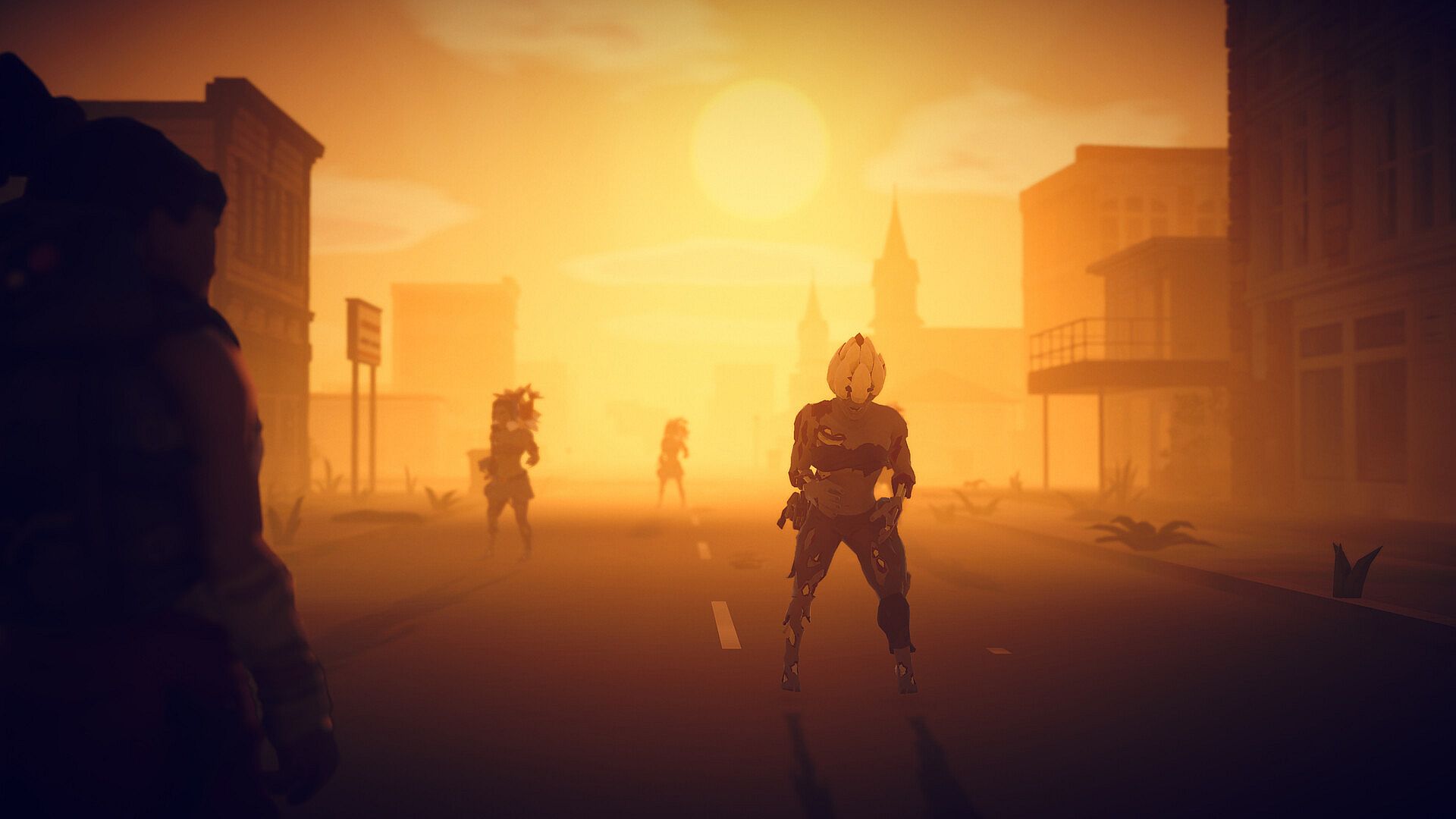
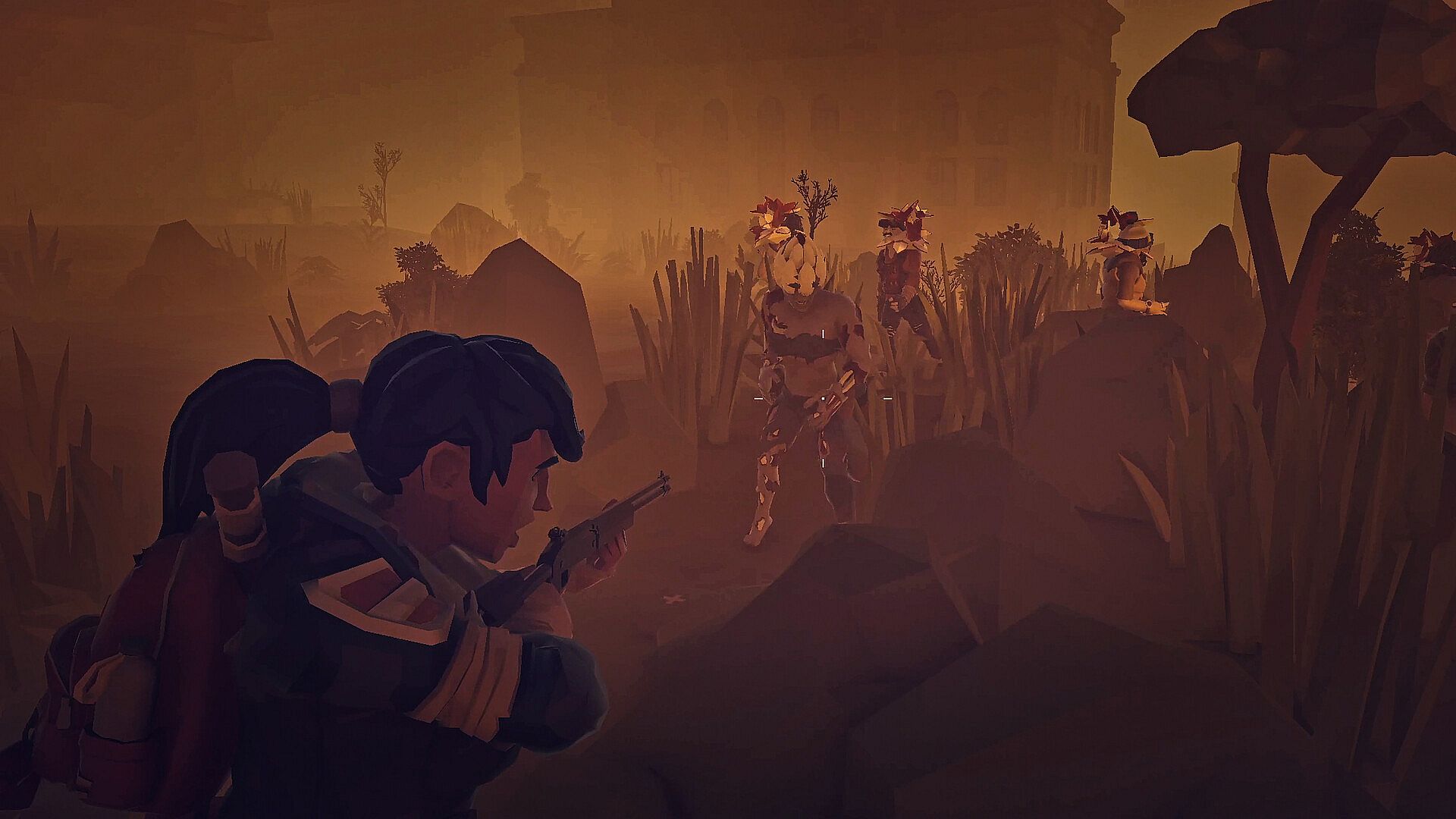
Day and night cycles, along with weather like rain, fog, and storms, alter visibility and detection ranges for both the player and enemies. The infected, marked by the glowing coral-like Bloom growth, react to sight, sound, and searches, making every sound and light source a potential risk.
Game Modes
Tallymark centers on a single-player roguelite structure where each attempt starts fresh on day one in the deterministic endless city. Runs conclude upon death, with the final score measured strictly by days survived. Procedural generation creates new streets and buildings as the player advances outward, while permanent changes from looting and destruction carry forward within a single run. No separate multiplayer or competitive modes appear in the design.
The loop emphasizes preparation and retreat before nightfall. Finding and securing a safehouse allows boarding windows and resting until morning, but every seventh night brings a swarm that tests defenses. Starvation from lack of food or water ends runs just as surely as combat failures or venturing too far without return.
The Endless City and The Bloom
The setting forms a living, reactive environment where nature reclaims streets and the Bloom overtakes former residents. What players loot remains gone and broken objects stay damaged, pushing exploration farther from the starting point for better supplies. Enterable houses and shops offer shelter and resources, but also potential ambushes. The city remembers prior actions within a run, so cleared areas stay cleared while new threats emerge with distance and time.
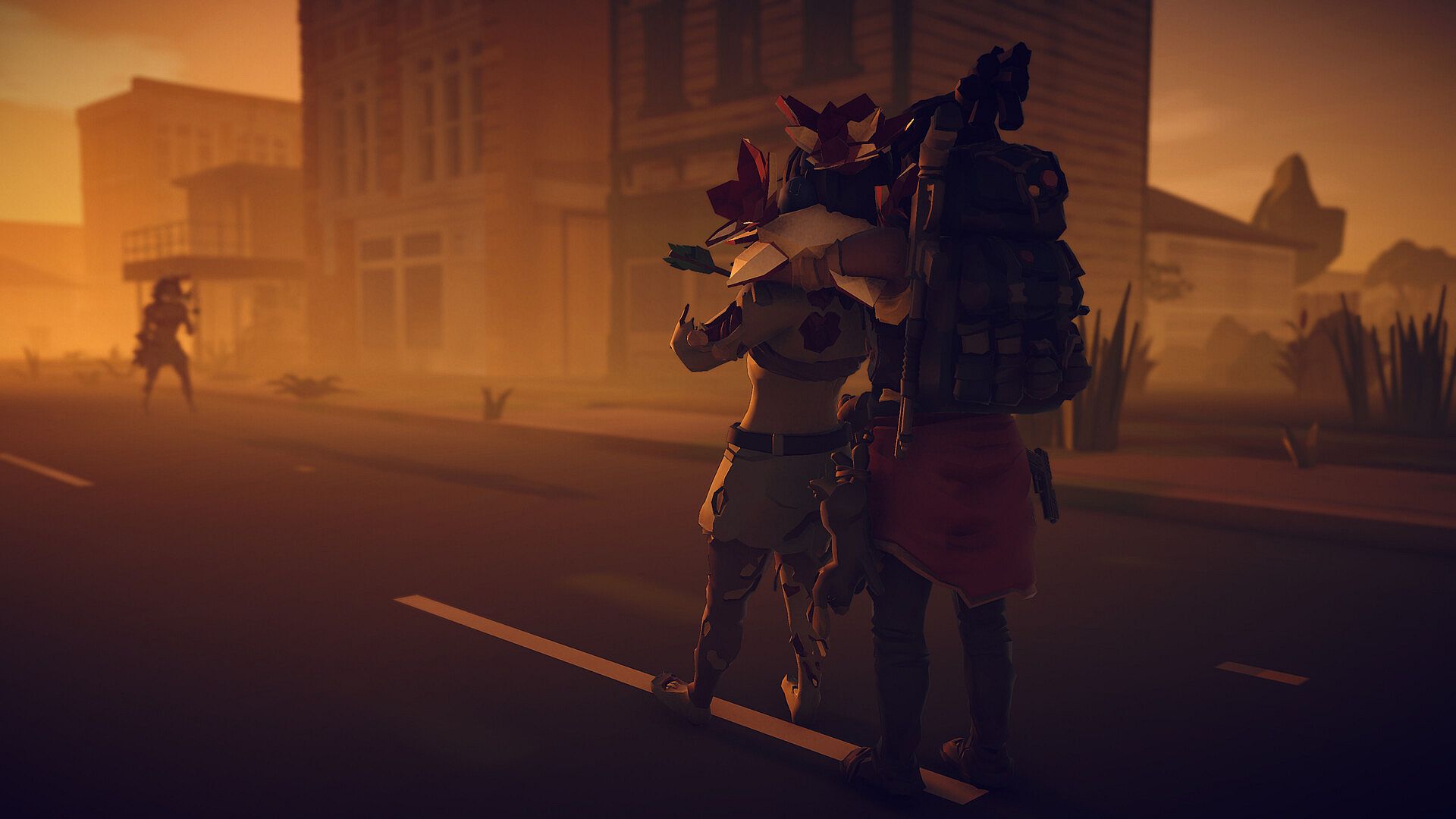
Enemies tied to the Bloom glow in darkness and represent the primary danger. Their behavior combines visual and auditory awareness with active searching, rewarding patient observation and creative use of the environment over direct confrontation.
Is It Worth Playing?
Tallymark suits players who enjoy deliberate, high-stakes survival experiences with roguelite repetition and meaningful resource choices. The emphasis on one-life runs, real-time crafting, and an ever-expanding city creates tension through scarcity rather than constant action. Those drawn to third-person stealth and weighty combat in a persistent world will find the systems align closely with that preference. The game remains in active development as an indie title, with its core loop fully defined around day-to-day survival and nightly threats.











